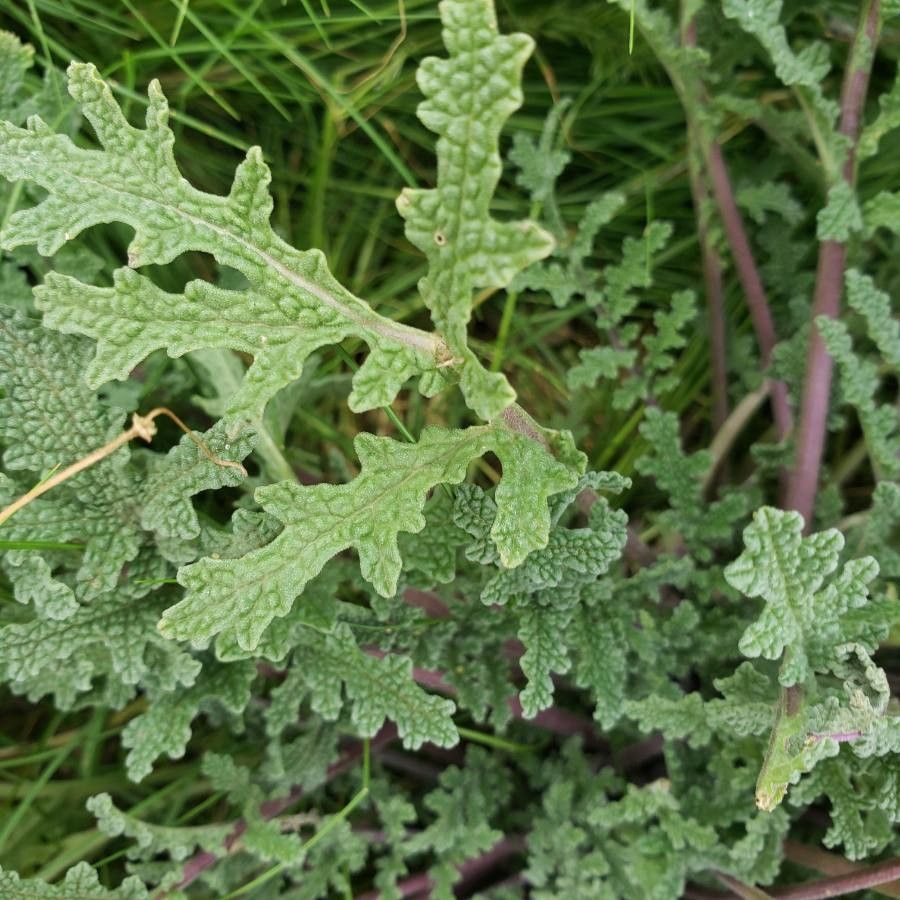
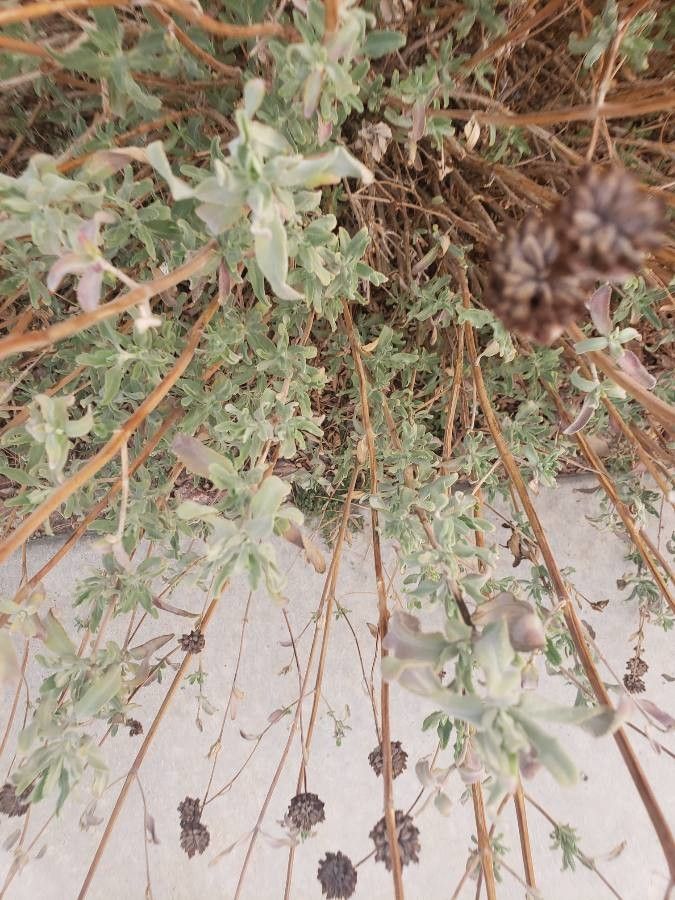
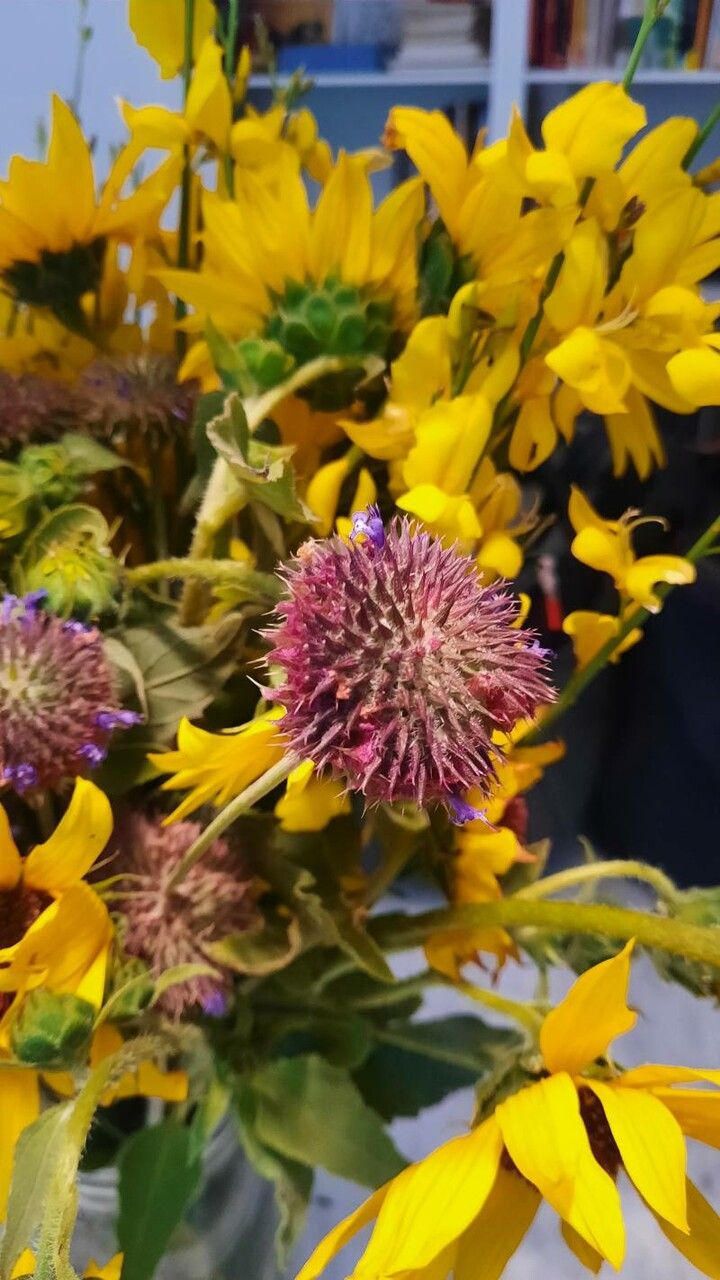
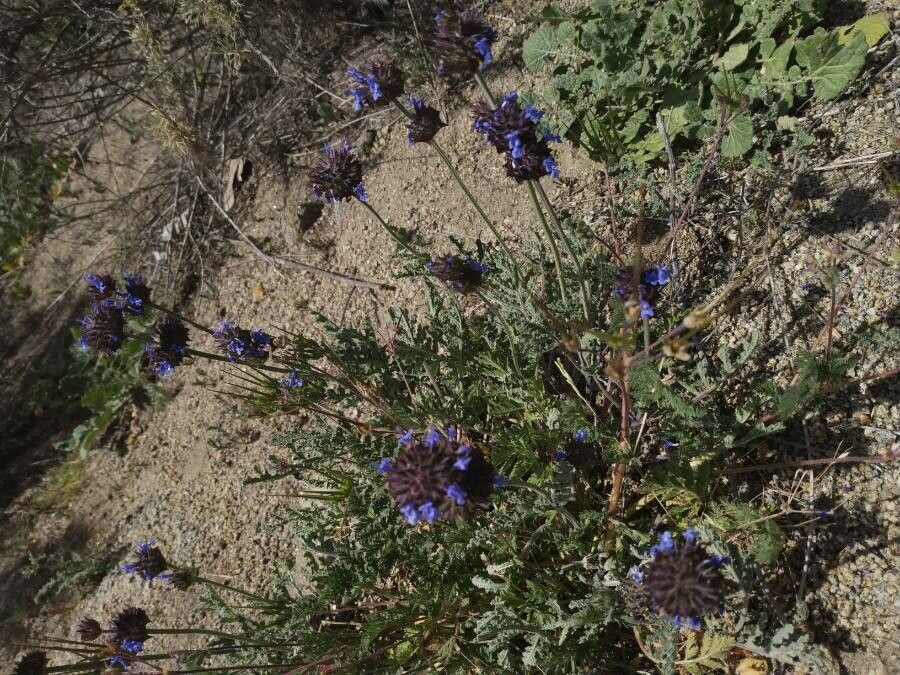
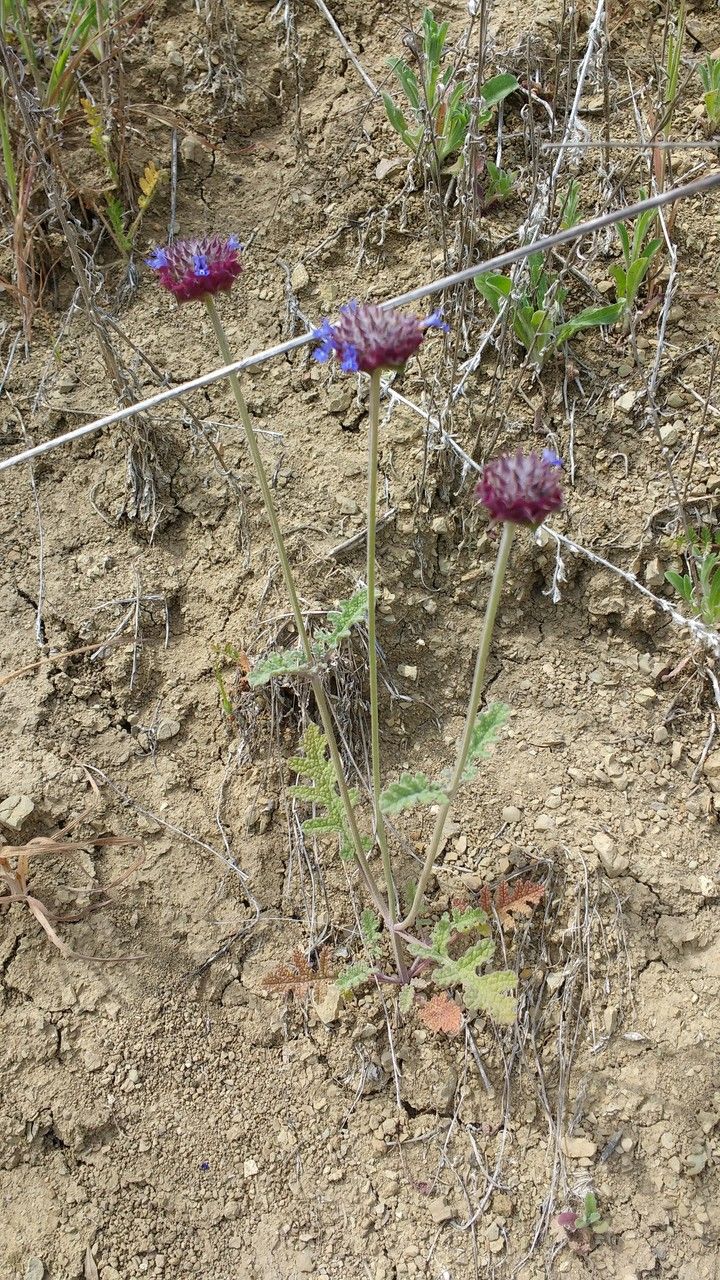
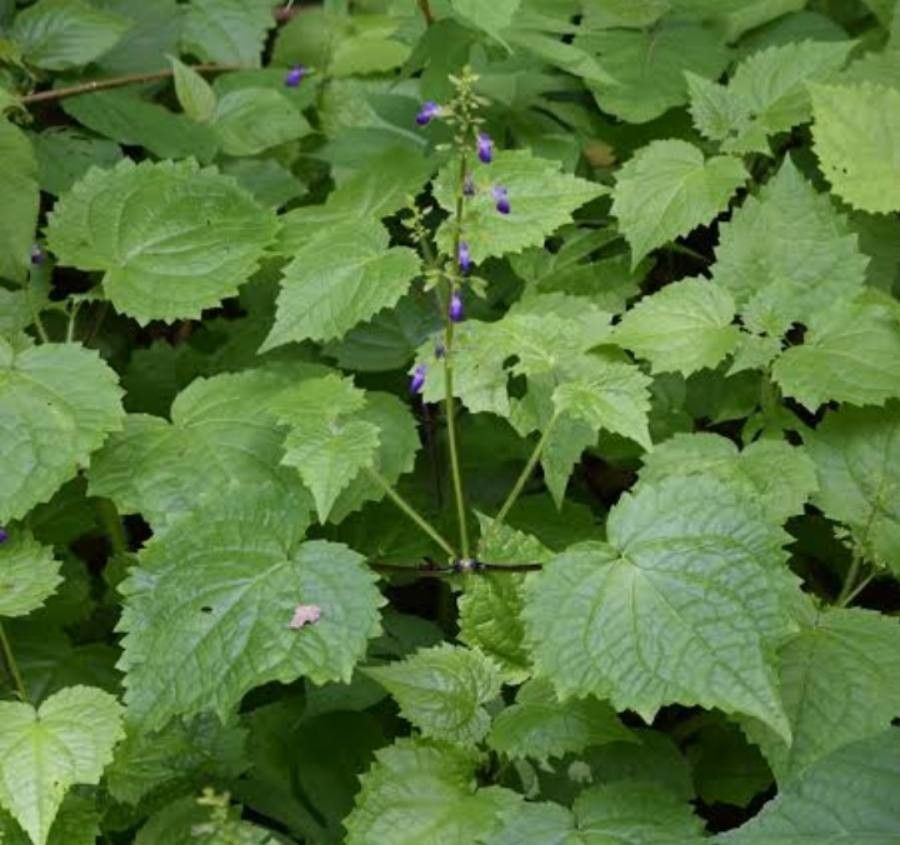
Salvia columbariae is an annual plant that is commonly called chia, chia sage, golden chia, or desert chia, because its seeds are used in the same way as those of Salvia hispanica (chia). It grows in California, Nevada, Utah, Arizona, New Mexico, Sonora, and Baja California, and was an important food for Native Americans. Some native names include pashiiy from Tongva and it'epeš from Ventureño.
Chia is resistant to many diseases and usually does not easily get sick. However, it can be affected by pests and diseases present nearby. These problems are normally not serious. For care, this plant needs moderate maintenance. It should be pruned regularly to keep a neat appearance and encourage healthy growth. Fertilizing can also help stimulate flowering. Chia is well suited for anyone with outdoor space, like a garden or patio, and does not demand extensive care experience. It may need extra attention when cultivated indoors.
How to keep Salvia Columbariae.
Light
Chia does best with a plentiful supply of light, a condition characteristic of the open environments it comes from. Too much light or too much shade does not affect it markedly. Still, for healthy development it requires a substantial amount of light each day. It does not need different light conditions at different stages of growth.
Water
Chia is native to arid regions and thrives in dry conditions, needing only minimal watering—ideally about once a week. As an annual herb, it grows outdoors and flourishes during the rainy season by making the most of brief periods of rainfall to complete its life cycle.
Temperature
Chia is native to habitats where temperatures typically fall between 68 and 95°F (20 to 35 ℃). It tends to prefer warmer conditions. For optimal growth, consider adjusting temperatures as the seasons change when necessary.
Fertilizer
When most of Chia's blooms have fully opened, it's time to resume fertilizing. During the period when blooms are at their highest output, begin feeding again every three to four weeks, as the weather allows. Once the plant begins producing fewer new blooms, discontinue fertilizing; there's no need to feed it when it can no longer form additional blooms.
Pruning
Chia is a fast-growing herbaceous plant that produces blue or lavender flowers. To promote bushier and healthier growth, prune the plant in early to late spring. Trim away dead stems and spent flowers to improve air circulation and reduce the risk of disease. For the best results, use sharp and sterilized tools.
Pot & Repot
To ensure optimal growth, chia plants need pots with excellent drainage to prevent water accumulation and root rot.
Botanical profile.
- Plant Type
- Herb
- Life Cycle
- Annual, Perennial
- Genus
- Salvia
- Family
- Lamiaceae
- Hardiness Zone
- 7-10
- Mature Height
- 10 cm to 49 cm
- Mature Spread
- 49 cm
- Leaf Color
- Green, Dark Green
- Leaf Type
- Deciduous
- Flower Color
- Purple, Blue
- Flower Size
- 2.54 cm
- Bloom Time
- Early spring, Mid spring
- Planting Time
- Spring
- Harvest Time
- Late spring, Early summer
- Native Area
- Mexico
Other names.
Reader questions.
How should I water my Chia plant?
There are several ways to water Chia, including using a garden hose with a spray nozzle, a watering can, or any other common watering tool. Chia is not too particular about the type of water it receives, whether it's from rainwater, tap water, or filtered water. However, it is best to avoid watering this plant from overhead to prevent damage to the leaves and flowers, as well as the risk of disease. A drip irrigation system can be an effective method for watering Chia, as it provides even and direct water application to the soil. If you have a Chia plant in a container, you can use a cup, watering can, or tap to water it directly into the soil.
What are the light requirements for Chia plants?
Chia plants require full sun, which means they thrive in conditions where they receive more than 6 hours of sunlight daily. It's crucial to observe how sunlight moves through your garden to find spots that offer an ideal balance of light and shade. This ensures the plants receive the necessary exposure to sunlight without being harmed by excessive direct light. Chia is adaptable to various light conditions due to its origin in open habitats and generally requires a generous amount of light for healthy growth. Indoor Chia plants may need artificial lighting, especially in less sunny spaces or during winter. LED lights are recommended for their ability to provide specific wavelengths needed for optimal plant growth.
What are the ideal growing conditions for Chia?
Chia plants thrive in environments that typically range between 68 to 95°F (20 to 35°C), preferring warmer temperatures for optimal growth. It is adaptable to changing seasonal temperatures and has strong cold resistance, making special frost protection measures usually unnecessary. However, for winters expecting temperatures below -15°C, cold protection through covering the plants with soil or straw is advisable. Additionally, abundantly watering the plant before the first freeze in autumn helps keep the soil moist, preventing drought and water scarcity during winter and early spring.
What should I do if I give my Chia too much or too little water?
If you notice that your Chia plant lacks moisture, the solution is simply to water it more regularly. Overwatering, on the other hand, can be a more serious problem. If your Chia is overwatered, it becomes susceptible to diseases that can cause it to decline and die. To avoid this, choose a growing location for your Chia that receives plenty of sunlight, which helps dry the soil, and ensure the soil has good drainage to prevent water from pooling. If you have overwatered your Chia in a pot, you may need to change it to a new pot that has better drainage. When repotting, use loose soil and an efficiently draining pot.
What symptoms indicate insufficient or excessive light exposure in Chia plants?
Symptoms of insufficient light in Chia plants include smaller new leaves, leggy or sparse growth, faster leaf drop, slower or stopped growth, lighter-colored new leaves, and symptoms like leaf curling or wilting under excessive light. Excessive sunlight can lead to chlorosis, where leaves turn yellow and lose their green color, sunscald, which appears as pale or necrotic areas on plant tissue, and leaf scorching, characterized by brown, dry, and crispy leaf edges. These symptoms suggest that the plant is struggling with its current light conditions and needs adjustments to its environment.
How does Chia respond to low temperatures?
Chia is cold-tolerant and generally thrives best in temperatures above 20°C. It should be kept above 0°C during winter. In cases where temperatures fall below -15°C, while no immediate changes may be noticeable in winter, there could be a significant decrease in sprouting or a complete lack of sprouting in spring. The solution for such cases is to simply remove any parts that have failed to sprout in spring.
How many times do I need to water my Chia plant?
In order to keep your Chia plant healthy, it is important to water it regularly throughout the growing season. During spring, watering once per week is sufficient. However, as the weather gets warmer, you may need to water it two to three times per week. It is crucial not to exceed this watering rate, as it can harm your Chia. Regardless of the frequency, make sure that the soil remains moist but not overly wet. If your Chia is in a pot, you will need to water it more frequently than if it were planted in the ground. Potted Chia plants can dry out faster, so aim to water them a few times per week instead of just once.
How can I address light-related issues in Chia plants?
To address light-related issues in Chia plants, gradually move indoor plants to sunnier locations or use artificial light to ensure they receive at least 6 hours of direct sunlight daily. Outdoor plants should be moved gradually to avoid sunburn. If sunlight is blocked by obstructions like trees, consider pruning to increase sunlight exposure. For insufficiently lit indoor Chia plants, using a desk or ceiling lamp for at least 8 hours daily or investing in professional plant grow lights can provide the needed light. Note that parts of the plant affected by insufficient sunlight may not recover, but new growth should be healthy with increased light exposure.
How does Chia respond to high temperatures?
During the summer, it's essential to keep Chia plants in temperatures below 35°C. Exposure to temperatures exceeding 41°C can cause the leaves to lighten in color, become prone to curling, suffer from sunburn, and in severe cases, lead to the plant wilting and drying out. To manage this, trim away any sunburned and dried-up parts of the plant. It's also beneficial to move the plant to a location with shade during the midday and afternoon sun or use a shade cloth. Ensuring the plant is watered in the morning and evening will help keep the soil moist, further protecting the plant from high temperatures.
How much water does my Chia plant need?
To determine how much water to give your Chia plant, there are a few options. Some gardeners prefer to assess the moisture in the soil by feeling it with their hands. In this case, water until the top six inches of soil feel moist. Another approach is to use a specific measurement. Generally, Chia plants need around two gallons of water per week, but this can vary depending on temperature and soil dryness. However, it's important to avoid overwatering if your plant needs less than two gallons per week. When growing Chia in a container, a different method is needed. Moisturize all layers of dry soil by adding enough water. You can test this by simply inserting your finger into the soil to check for moisture. Additionally, you can water until you see a small amount of excess water draining out of the pot's holes.
How can I know if I'm giving enough water to my Chia?
It can be a bit challenging to know how much water your Chia plant needs. On one hand, you should water the soil weekly to ensure the deep roots get enough moisture. But be cautious because Chia plants are very susceptible to root rot and can start to turn brown if overwatered. On the other hand, underwatering is less of an issue as Chia plants can survive for a while without extra water. However, if you wait too long to water, the plant will likely wilt and you may notice dry leaves.
How should I give water to my Chia plant throughout the year?
As the seasons progress, the water needs of your Chia will change. In spring, watering once per week should be sufficient. However, as summer approaches and the temperature rises, you may find that your Chia needs to be watered more frequently, possibly up to three times per week. This is particularly important if your Chia is planted in a container, as the soil in containers tends to dry out faster in warm weather. In autumn, as the temperature cools and the sun's intensity diminishes, your Chia may require less water, especially if it is still blooming.