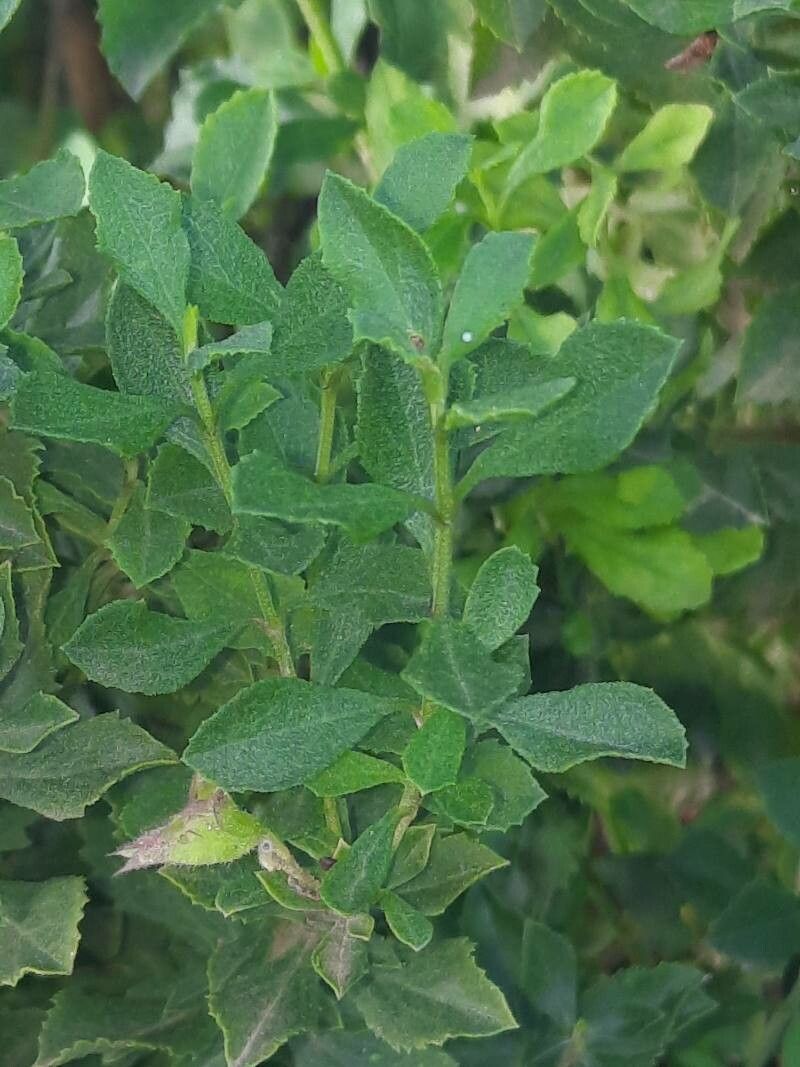
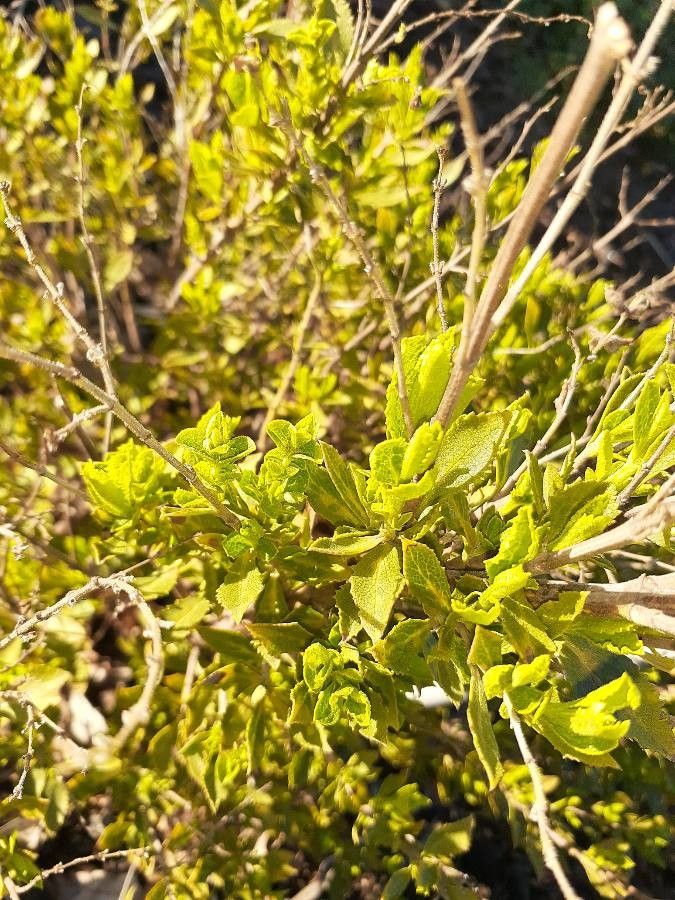
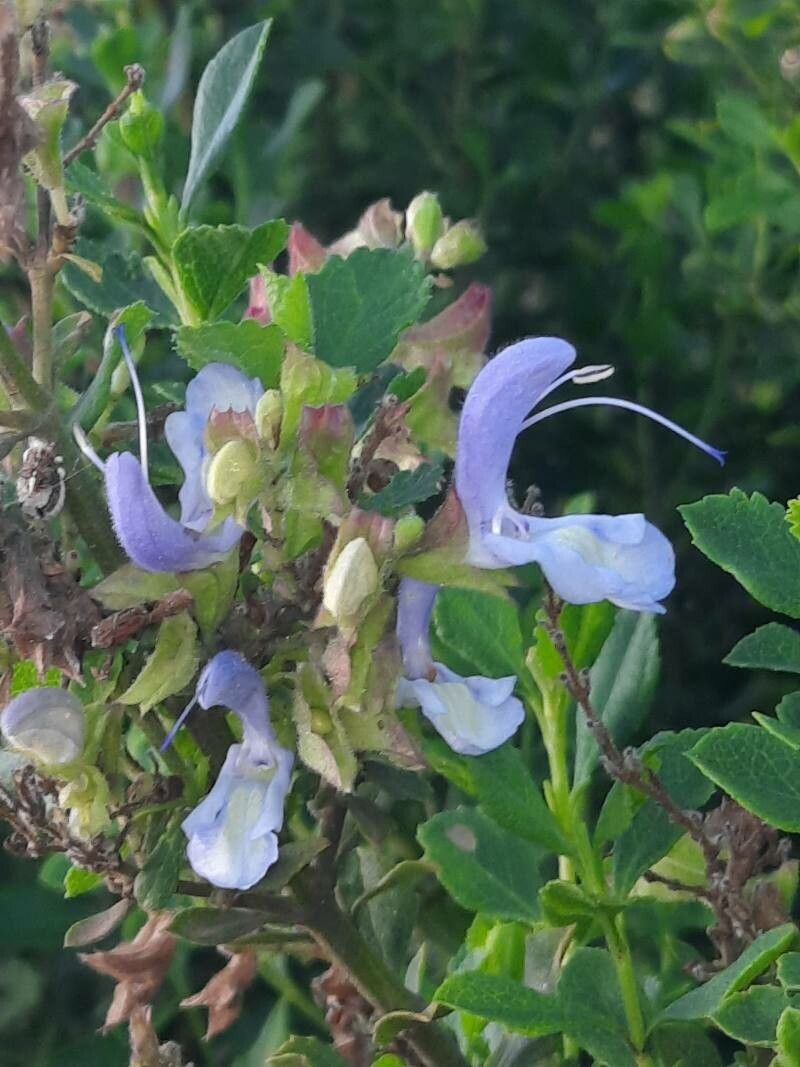
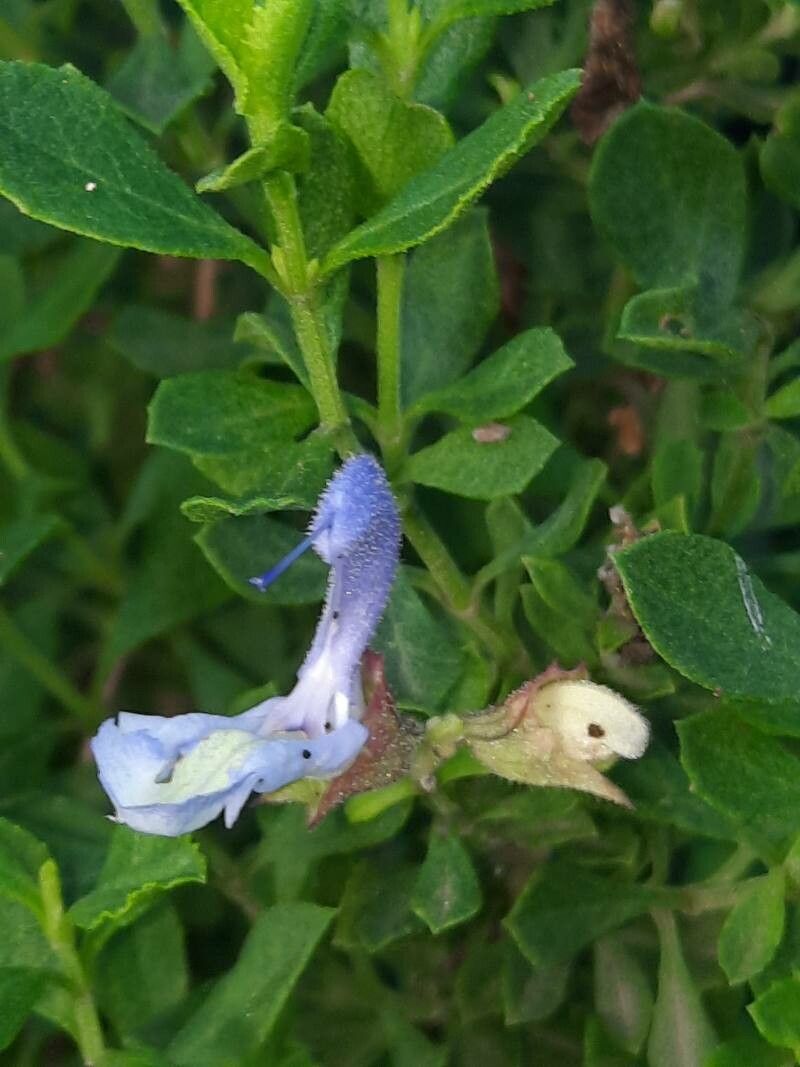
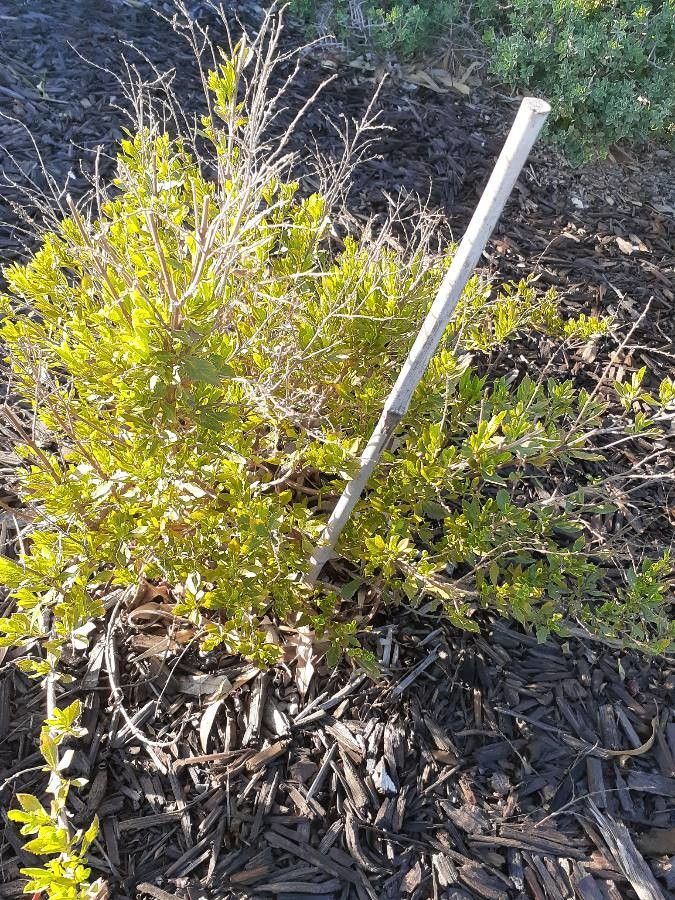
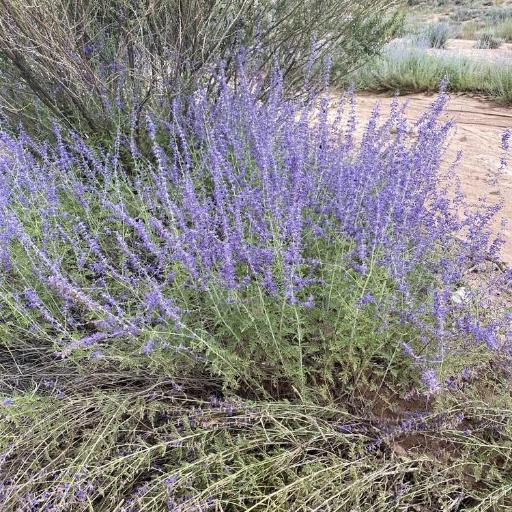
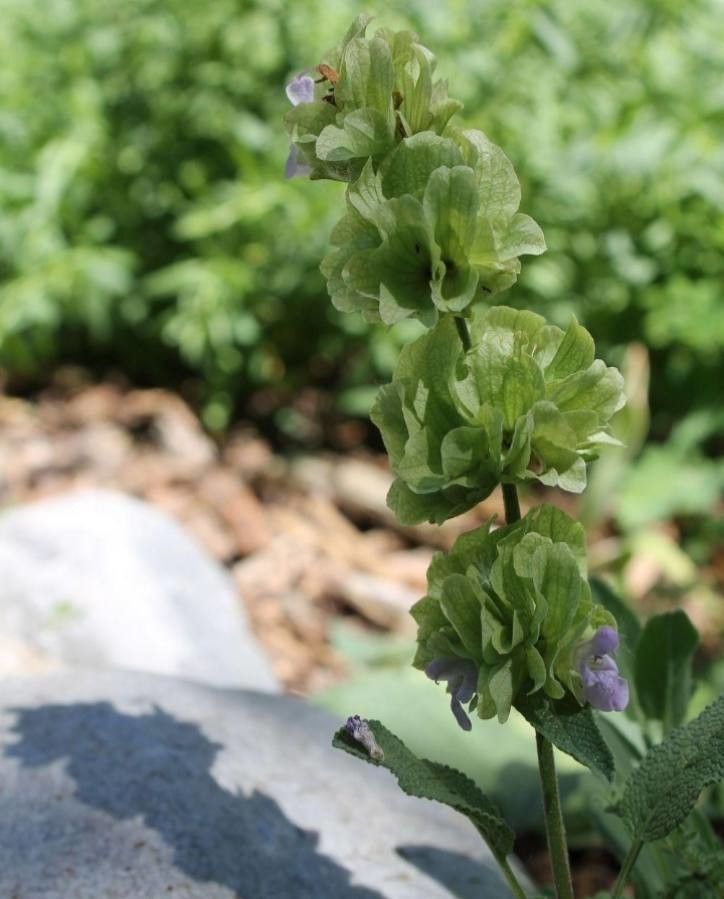
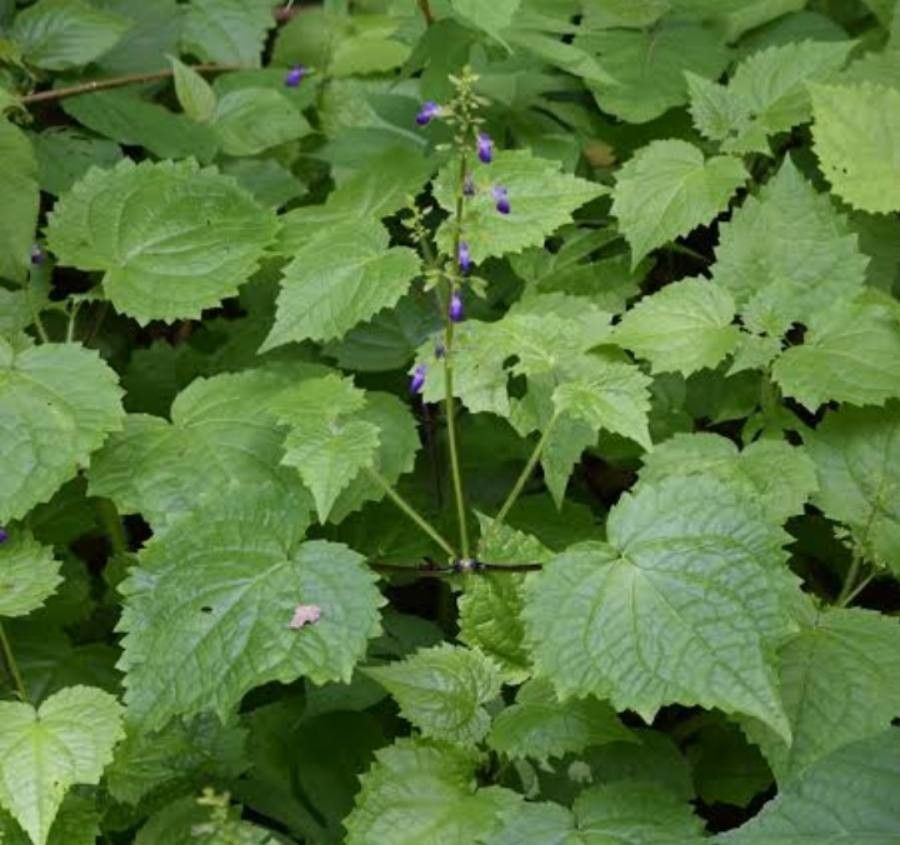
Salvia chamelaeagnea is a species of flowering plant in genus Salvia, known as sages. It is endemic to South Africa, where it grows on the western coastline of the Cape of Good Hope. It is a shrubby perennial herb up to 6 feet (1.8 metres) tall and 4 feet (1.2 metres) wide. It bears three-quarters-inch (two-centimetre) light violet-blue flowers with pale lower lips and white throats. The small, green leaves release a slight medicinal odor when brushed. In the wild, the plant grows in sandy soil in streambeds, open fields, and roadsides. It is cultivated for gardens.Common names for the plant in Afrikaans include Afrikaanse salie and bloublommetjiesalie.
Rough blue sage has strong resistance to disease and is usually not susceptible to illnesses. In terms of upkeep, this plant is fairly low-maintenance. When grown outdoors it needs only minimal watering, and larger plants typically do not require pruning. Smaller plants, however, should be pruned after they finish blooming. Rough blue saget is appropriate for anyone with an outdoor area, such as a garden or a deck, and does not need extensive care experience.
How to keep Salvia Chamelaeagnea.
Light
Rough blue sage comes from open habitats, such as sunny meadows and forest margins, which supply abundant light. It performs best in Full Sun but can also withstand Partial Sun, showing good adaptability to different light levels.
Water
Salvia chamelaeagnea is well-suited for arid regions due to its strong drought tolerance. Water the plant every one to two weeks, making sure the soil stays moist but not overly saturated. It prefers well-draining soil and is usually grown outdoors to meet its low water needs during the active growing season.
Temperature
Rough blue sage is highly adaptable to a variety of climates, from scorching summers to chilly winters. Nevertheless, it has an optimal temperature range for growing. If temperatures become too high, the plant can experience heat and humidity stress that may lead to its death. In areas where temperatures approach the lower limit of its cold tolerance, it's necessary to take insulating measures to protect the plant.
Fertilizer
Timing is important when fertilizing Rough blue sage. Apply fertilizer in early spring and continue once a month until early summer. Fertilizer encourages attractive blooms and supplies energy during both dormant and active growth phases.
Pruning
Pruning Salvia chamelaeagnea in early spring is beneficial because it removes dead stems and spent flowers. This encourages healthy growth and continuous blooming. In addition, pruning improves air circulation, reduces the risk of disease, and enhances the plant's appearance. This practice aligns with the plant's growth cycle, resulting in stronger, more robust Salvia chamelaeagnea.
Botanical profile.
- Plant Type
- Shrub
- Life Cycle
- Perennial
- Genus
- Salvia
- Family
- Lamiaceae
- Hardiness Zone
- 9-11
- Mature Height
- 0.91 m to 1.52 m
- Mature Spread
- 61 cm to 91 cm
- Leaf Color
- Dark Green
- Leaf Type
- Evergreen
- Flower Color
- Blue
- Flower Size
- 1.02 cm to 2.03 cm
- Bloom Time
- Summer, Fall
- Planting Time
- Spring, Summer, Autumn
- Harvest Time
- Late summer, Fall, Early winter
- Native Area
- South Africa
Other names.