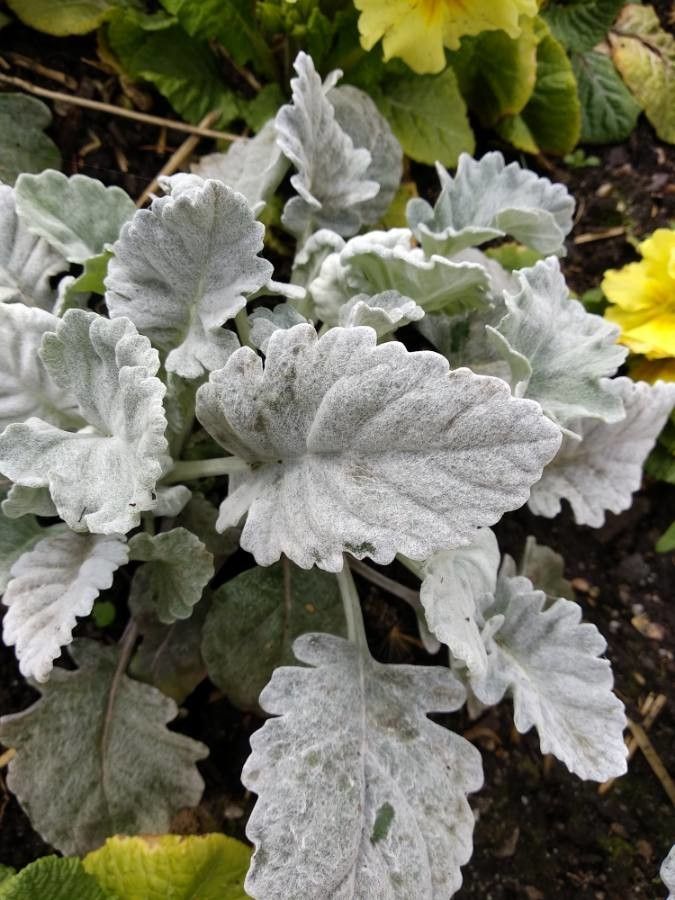
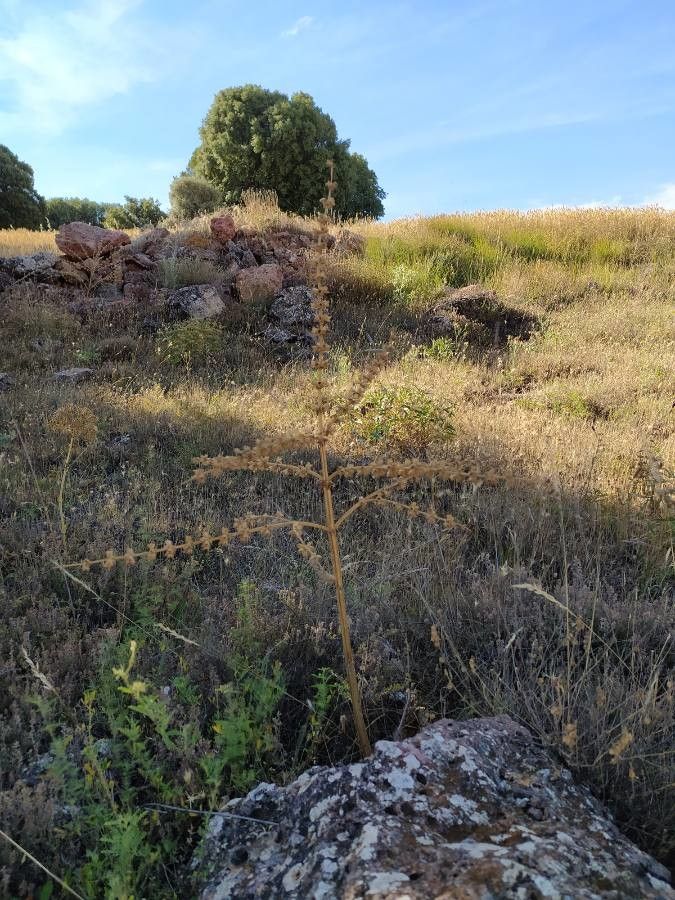
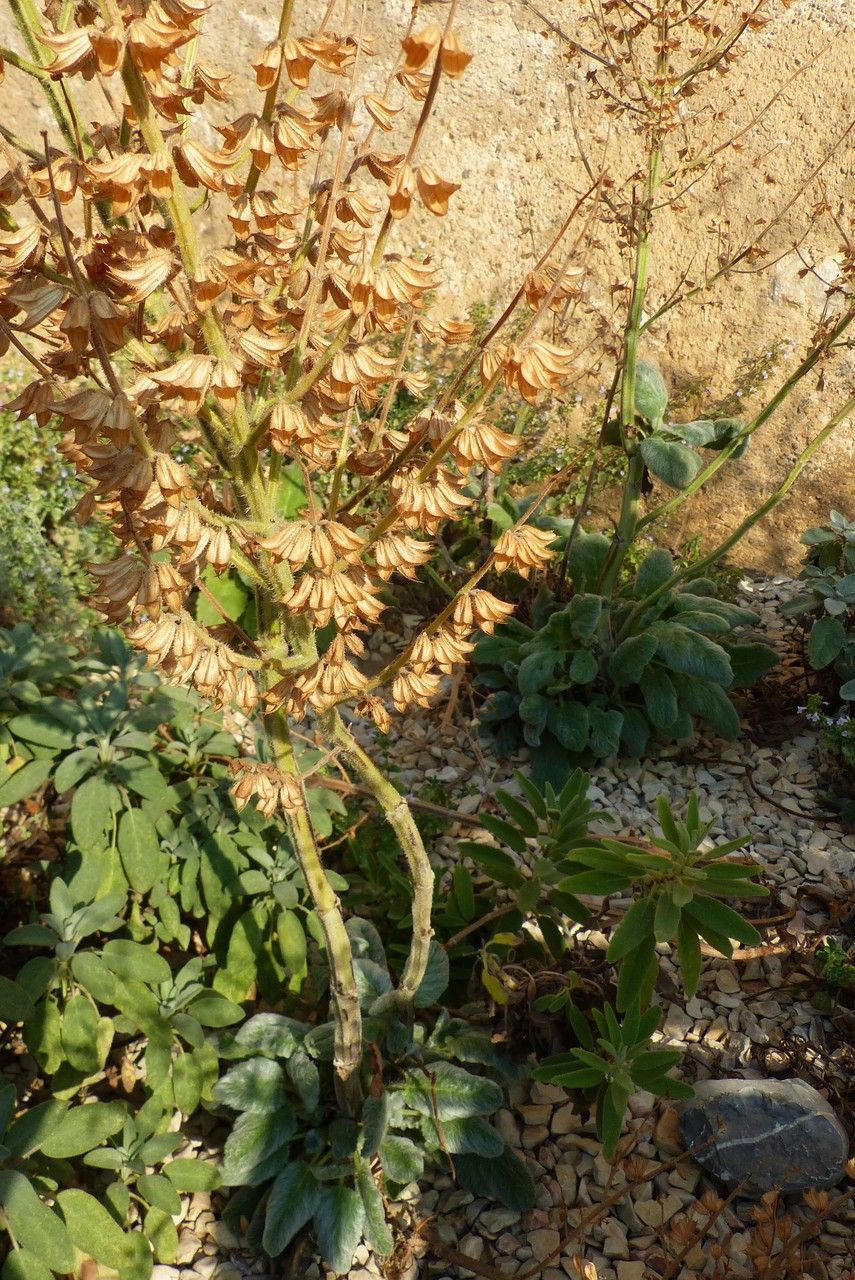
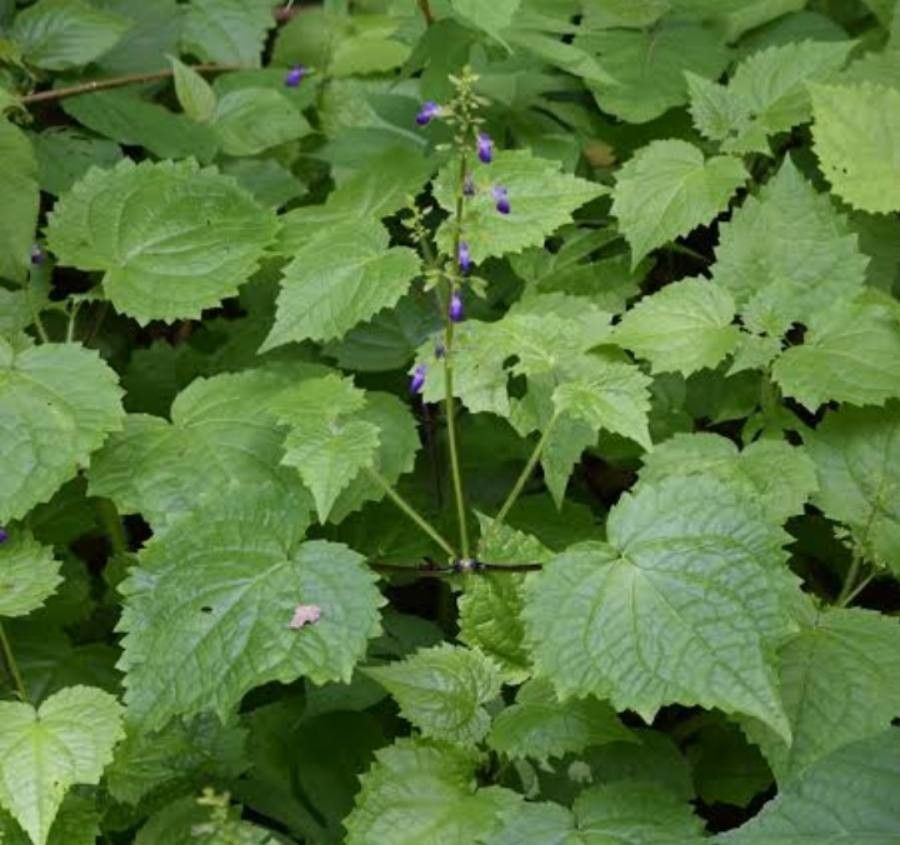
Salvia argentea, commonly known as silver sage or silver-leaved sage, is a biennial herbaceous plant from the mint family. Native to the Mediterranean region, it can grow up to 1 meter in height. The plant features large, woolly leaves covered in fine white hairs, giving it a distinctive silvery appearance.
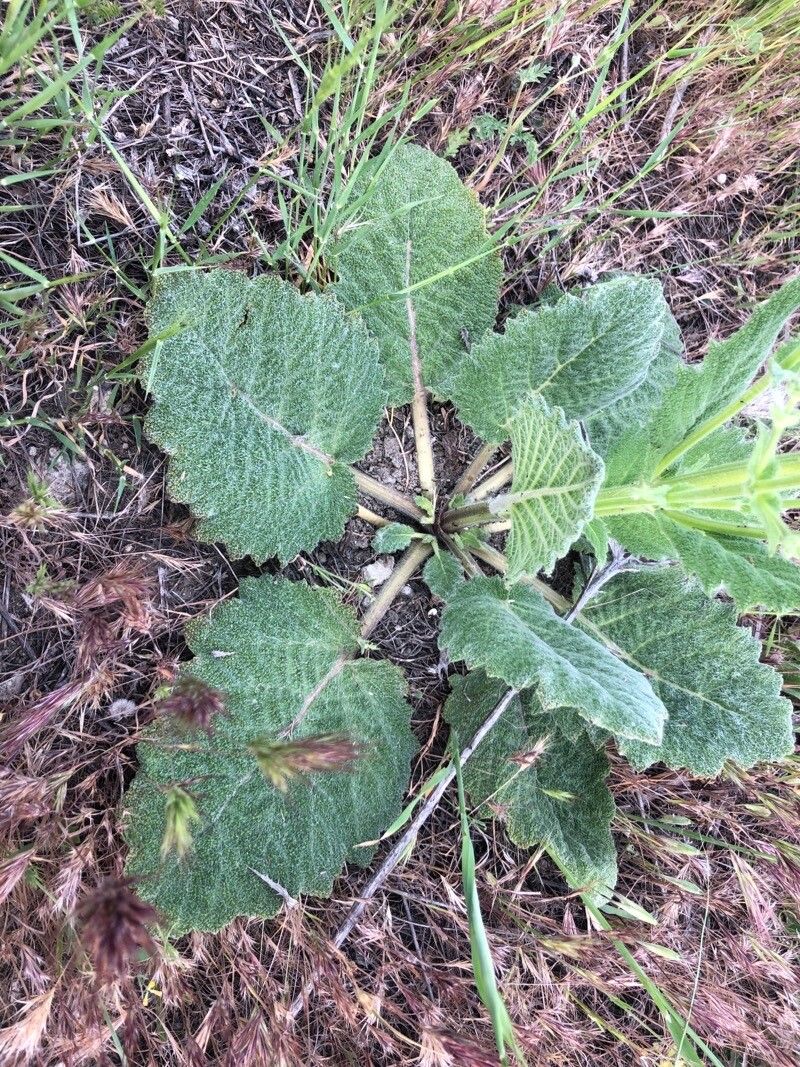
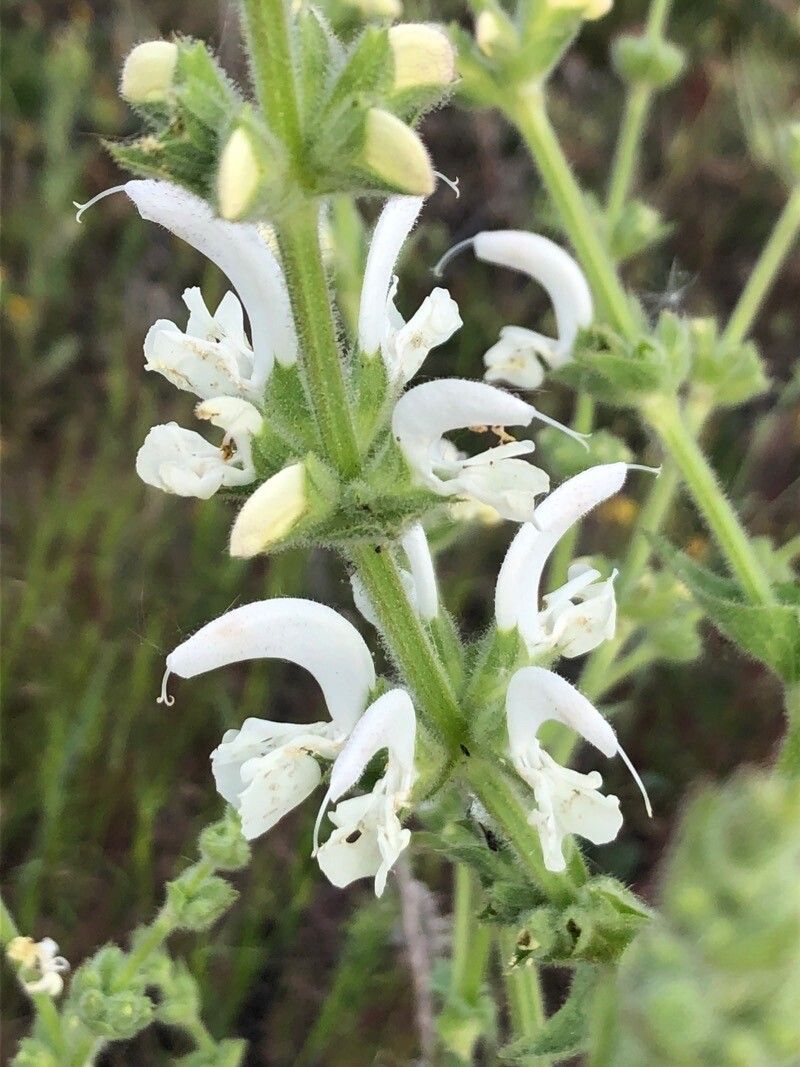
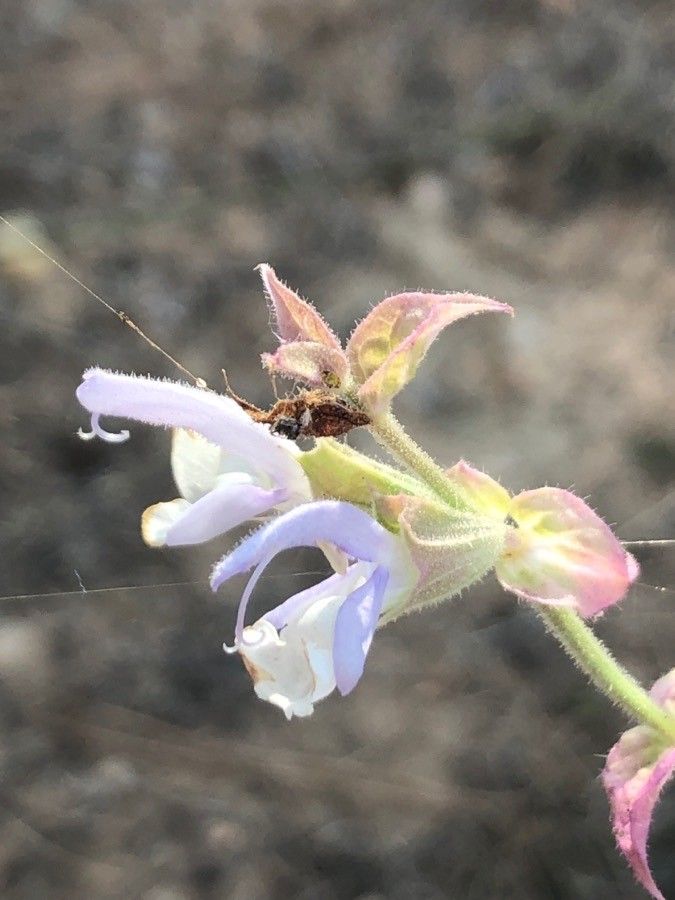
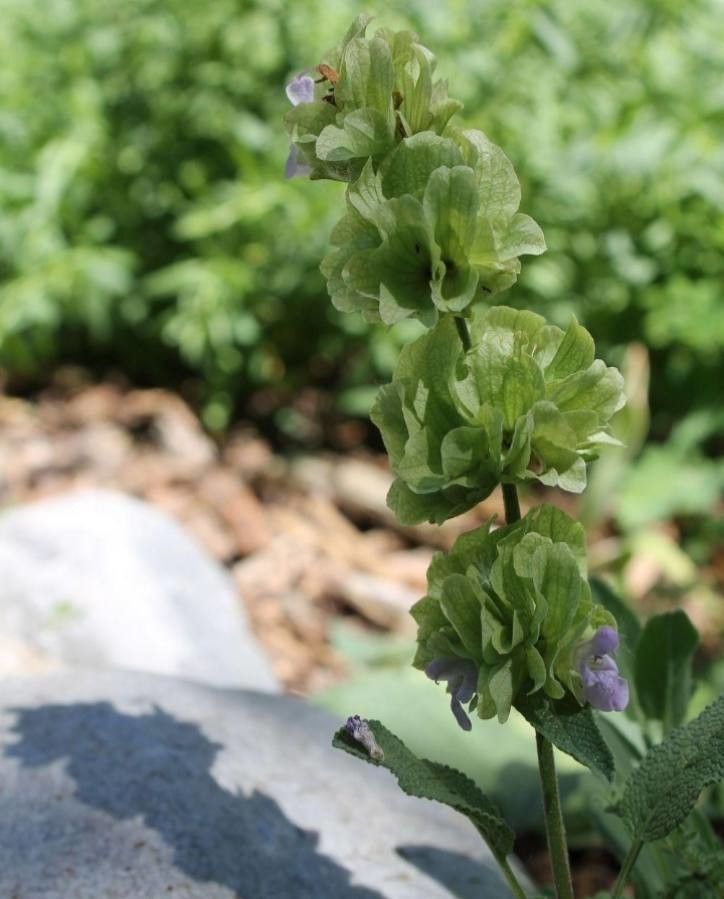
In its first year, Salvia argentea forms a rosette of leaves. In the second year, it sends up tall flower spikes adorned with small flowers that are either white or pale pink, marked with purple spots on the lower lip.
This plant prefers well-drained soil and full sun but can withstand partial shade. Once established, it is drought-tolerant, though it benefits from regular watering during prolonged dry periods.
Historically, Salvia argentea has been used for its medicinal properties, particularly its antibacterial qualities. Additionally, its nectar-rich flowers attract pollinators such as bees and butterflies.
Often grown as an ornamental plant, Salvia argentea is valued for its striking foliage and architectural form. It pairs well with other Mediterranean plants, such as lavender or rosemary, in garden beds or containers.
Silver sage is fairly resistant to disease and is generally not highly susceptible to illnesses. However, it can be affected by pests and diseases present in its environment. These problems are usually not serious. For care, this plant requires moderate maintenance. It should be pruned regularly to preserve a good appearance and support healthy growth. Fertilizing can also help encourage flowering. Silver sage is appropriate for anyone with outdoor space, such as a garden or patio, and does not demand extensive experience in plant care. It may need more attention if grown indoors.
How to keep Salvia Argentea.
Light
Silver sage thrives under constant rays of the sun and requires plenty of light for vigorous growth. Its original growing environment is typically sun-drenched, reflecting its need for sunlight. Insufficient illumination can lead to stunted growth, while excessive exposure can cause scorching.
Water
Silver sage thrives in arid climates due to its strong drought tolerance. To keep it vibrant, weekly watering is essential. Native to the Mediterranean region, this plant can withstand hot, dry summers and mild winters. As a deciduous herb, it grows best outdoors and benefits from rainfall during its growing season.
Temperature
Silver sage is adapted to the mild climate of its native environment and performs best at temperatures between 68 and 95°F (20 to 35℃). Seasonal adjustments may be necessary to recreate this preferred temperature range.
Fertilizer
Early spring, when Silver sage is coming out of dormancy and starting active growth, is the best time to fertilize. Fertilization supplies essential nutrients for healthy development. While Silver sage has fairly low fertilizer requirements, applying fertilizer annually can improve its survival and encourage better, longer-lasting flowers.
Pruning
To keep your silver sage healthy and thriving, it's important to prune it from early to late spring. This helps remove dead stems and improve air circulation. After the flowers bloom, trim the flower stalks to encourage robust growth. Be sure to avoid pruning in late summer, as this can make the plant susceptible to frost damage. Consistent pruning will help maintain the shape and vigor of your silver sage and support healthy blooming.
Pot & Repot
Silver sage is a lush and woolly, low-growing bush with a mounded shape. To promote optimal growth, repot the plant every 2 to 3 years in the spring. Use a slightly larger pot with well-drained soil and water moderately. This care will help the silver sage thrive after its winter dormancy.
Botanical profile.
- Plant Type
- Herb
- Life Cycle
- Perennial, Biennial, Annual
- Genus
- Salvia
- Family
- Lamiaceae
- Hardiness Zone
- 5-8
- Mature Height
- 15 cm to 30 cm
- Mature Spread
- 15 cm to 46 cm
- Leaf Color
- Silver, Gray, Green
- Leaf Type
- Deciduous
- Flower Color
- White
- Flower Size
- 1.02 cm to 2.03 cm
- Bloom Time
- Early summer, Mid summer
- Planting Time
- Spring, Autumn
- Harvest Time
- Late summer, Early fall
- Native Area
- Turkey, Tunisia, Italy, Portugal, Spain, Montenegro, Bulgaria, Albania, Algeria, Greece, Croatia, Morocco, Serbia
Other names.