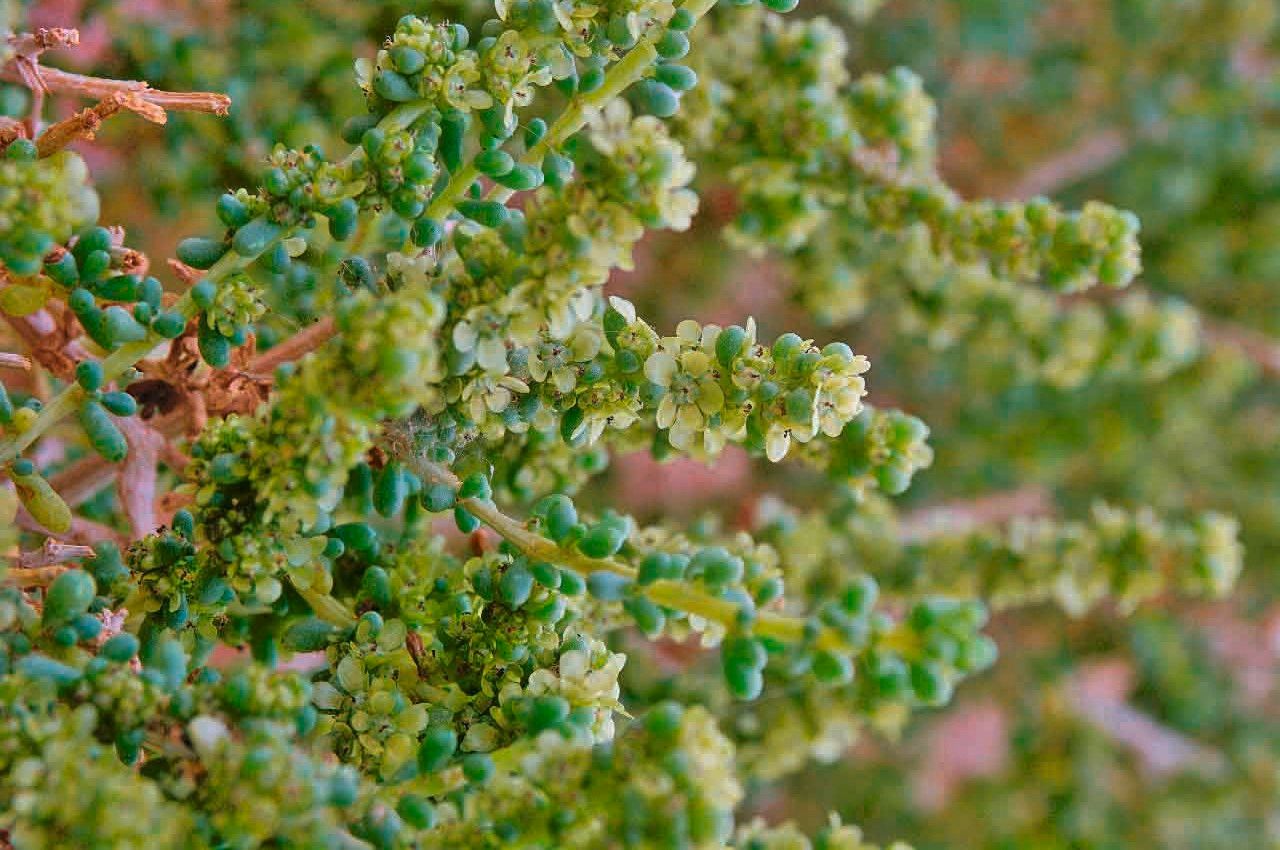
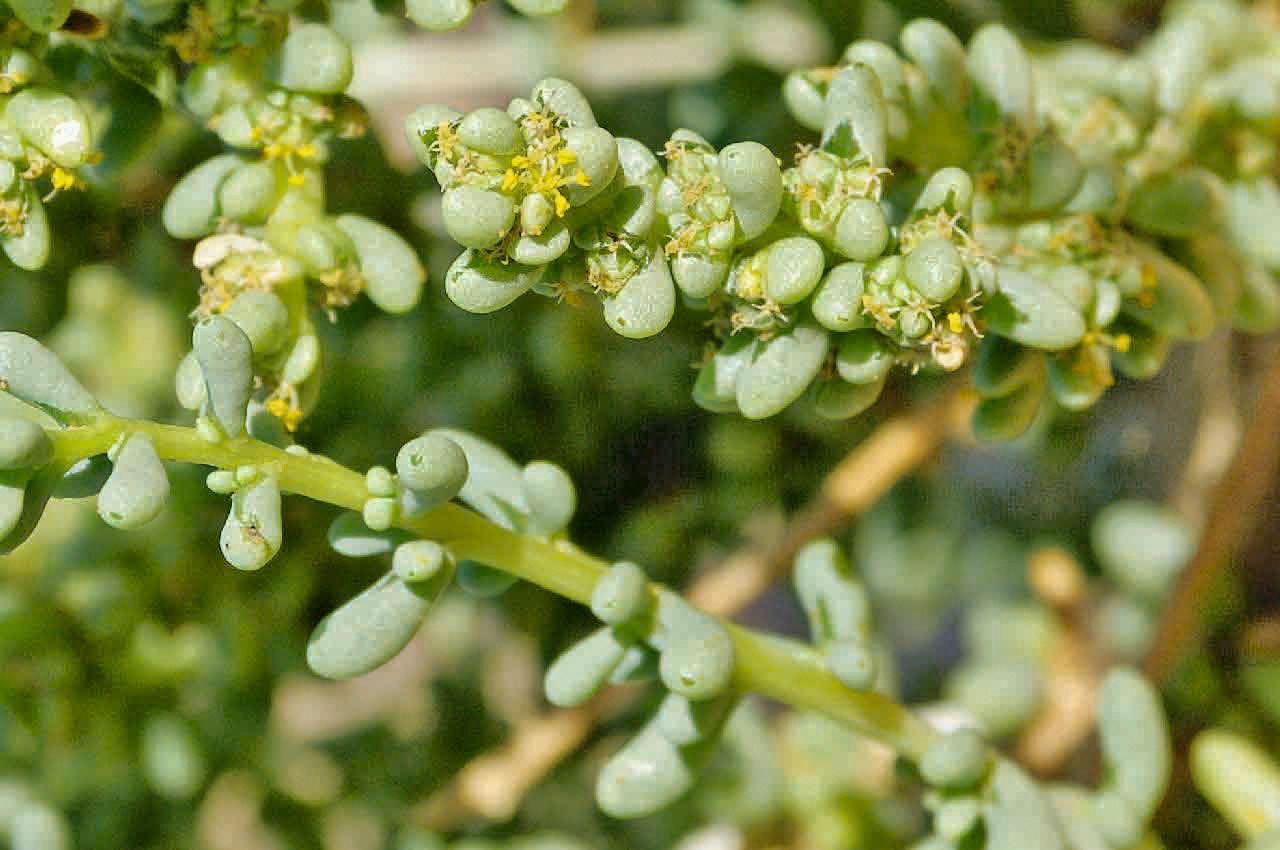
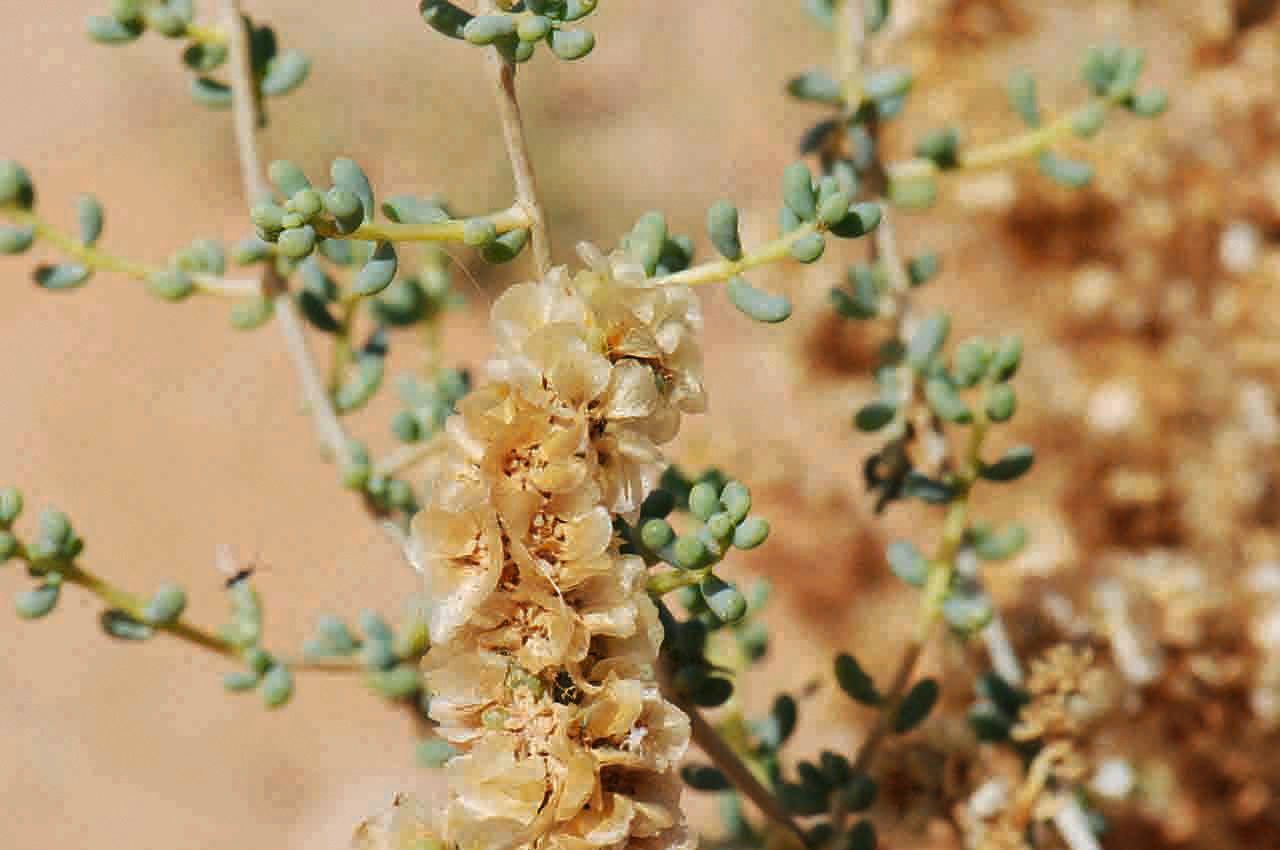
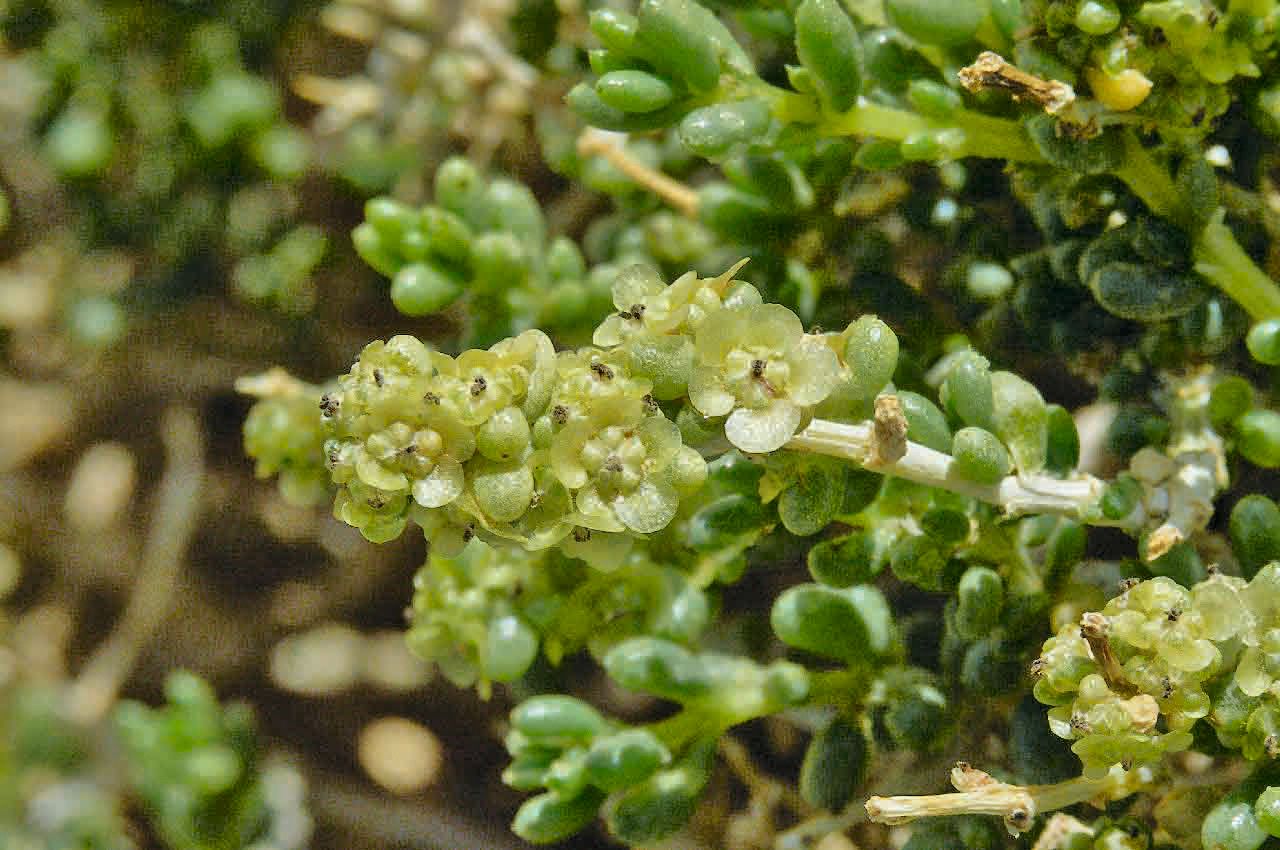
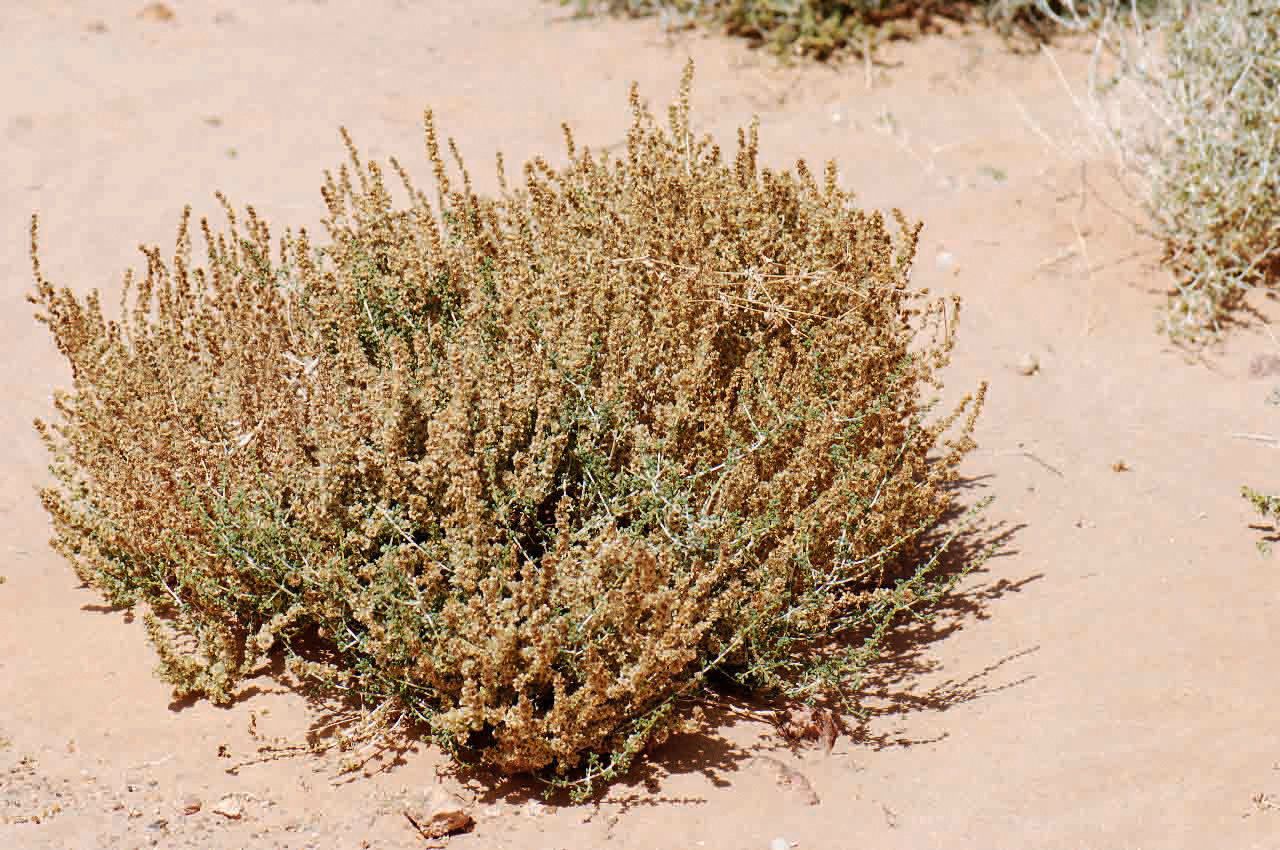
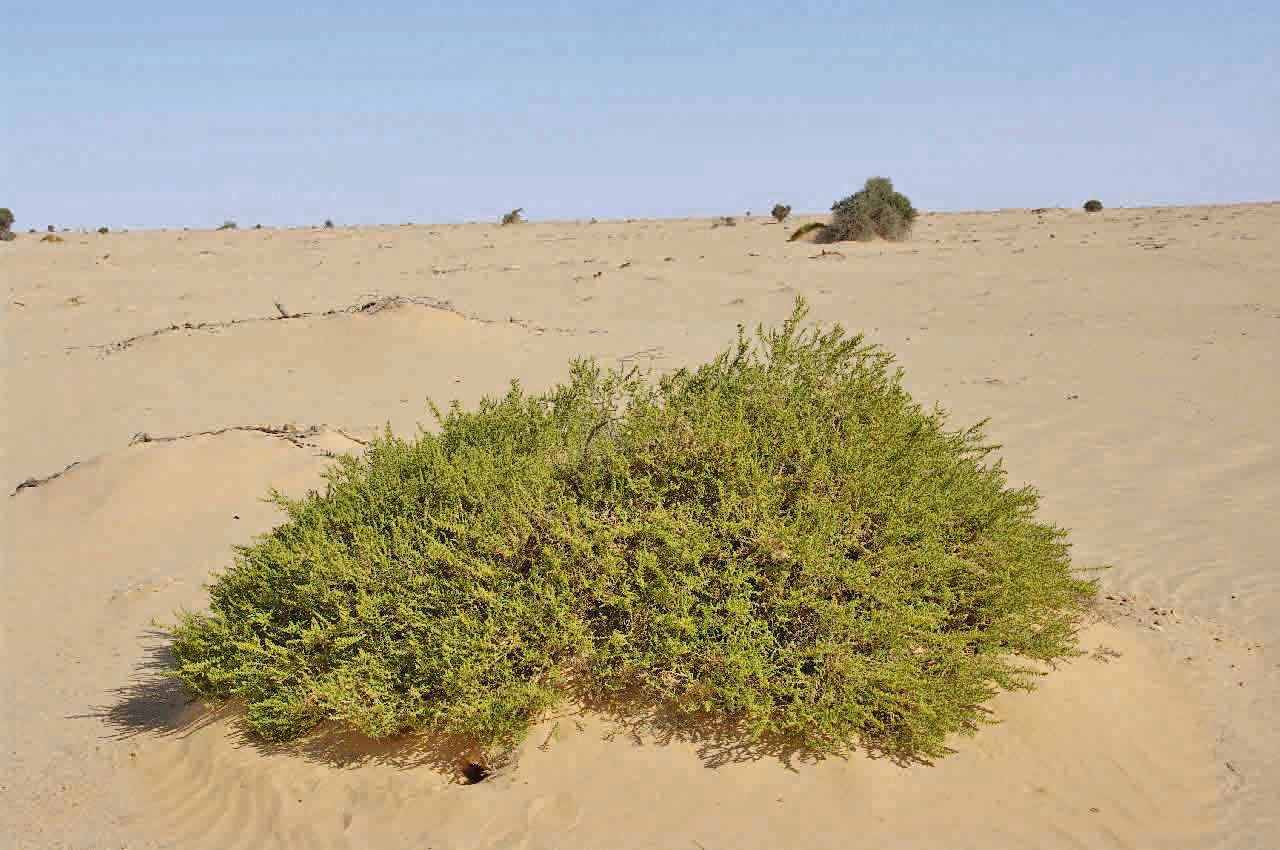
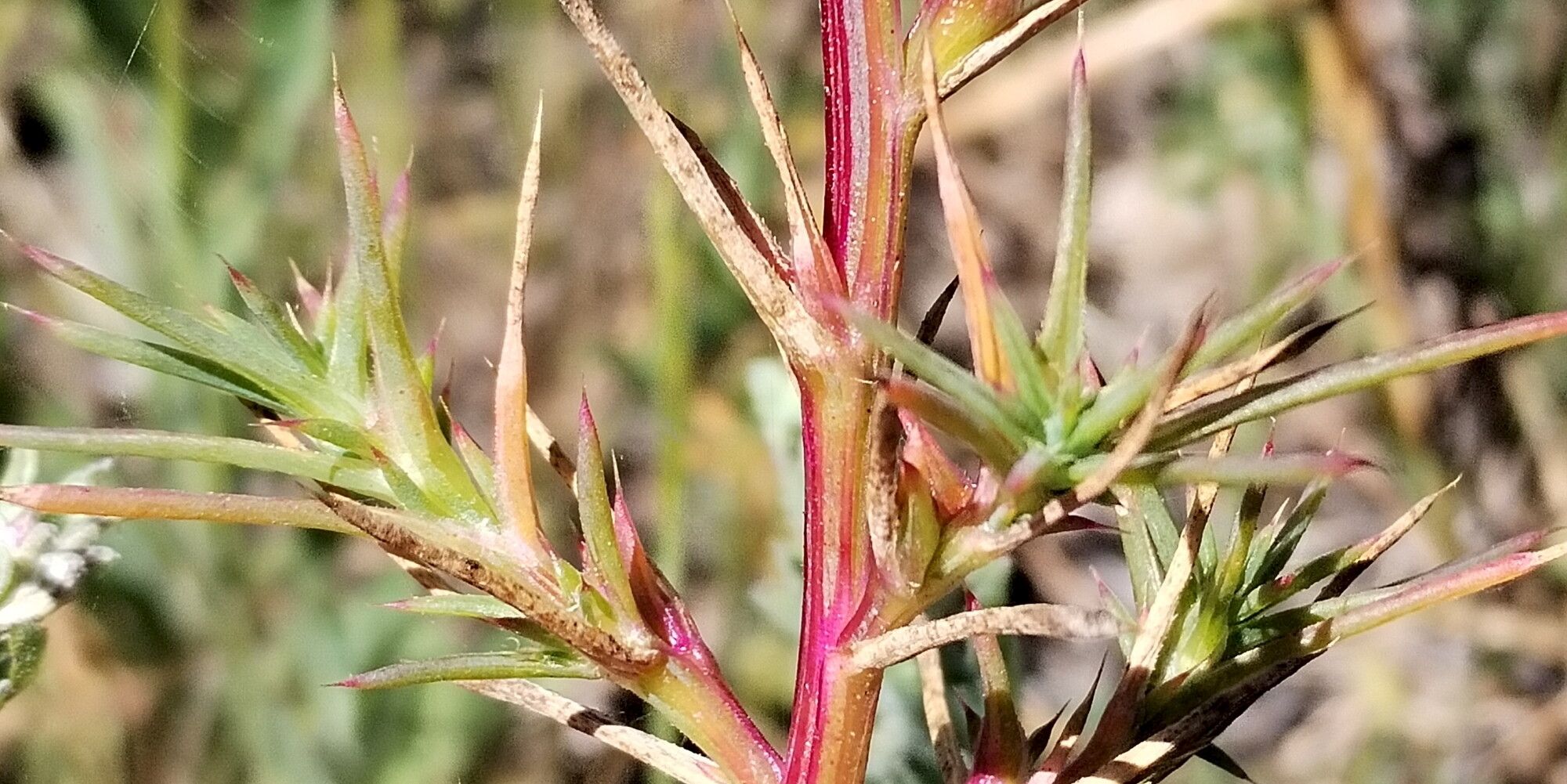
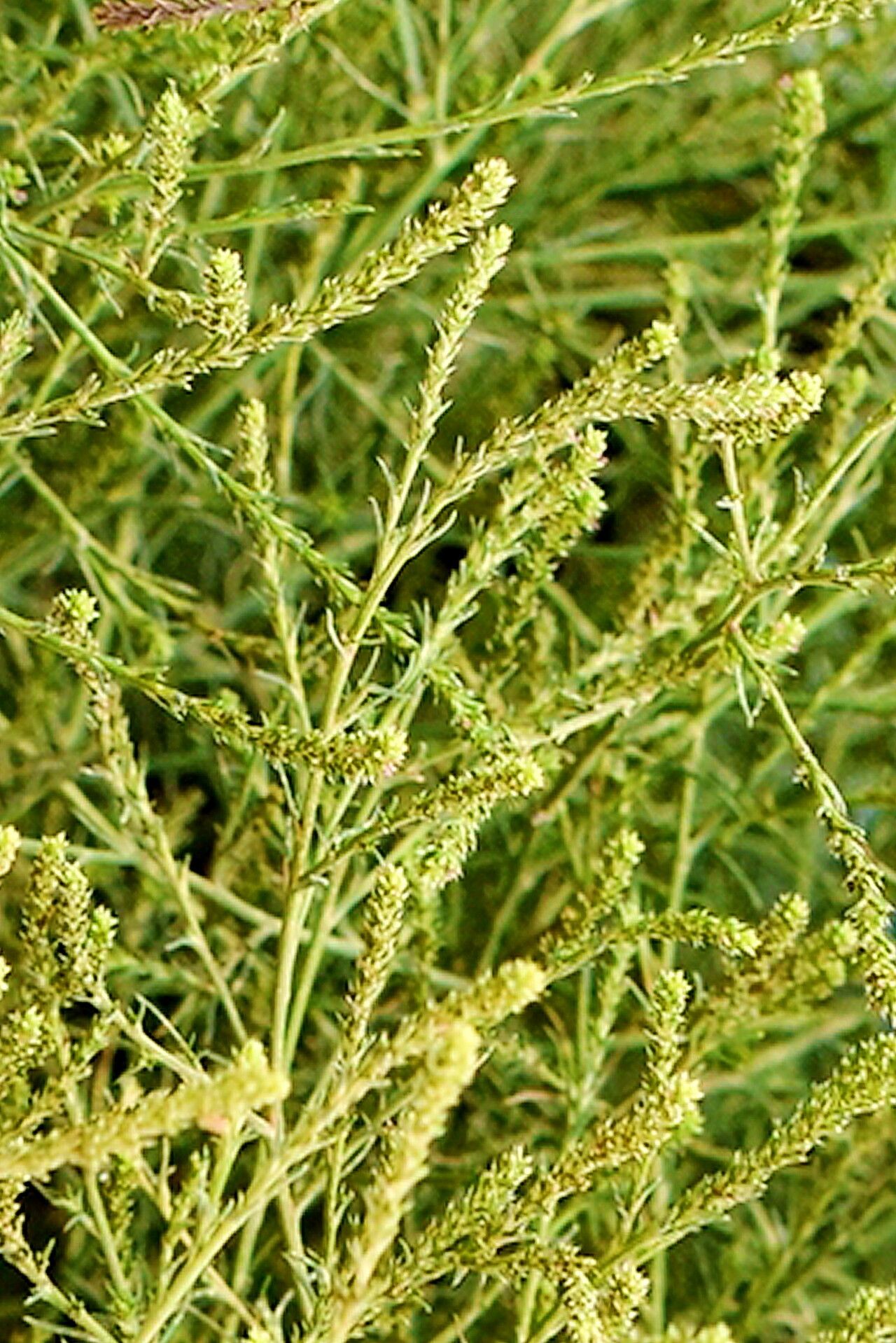
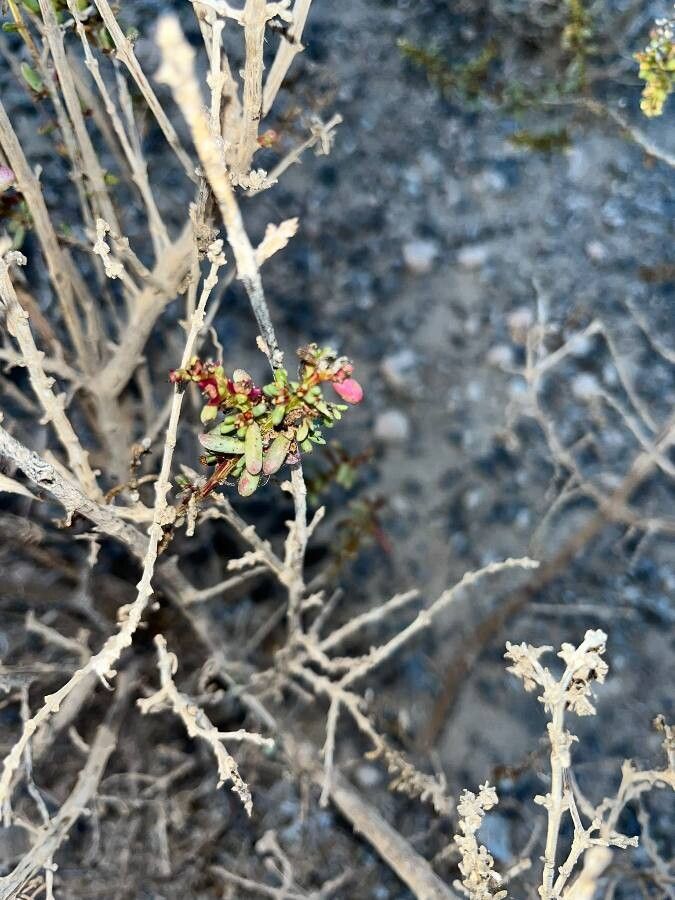
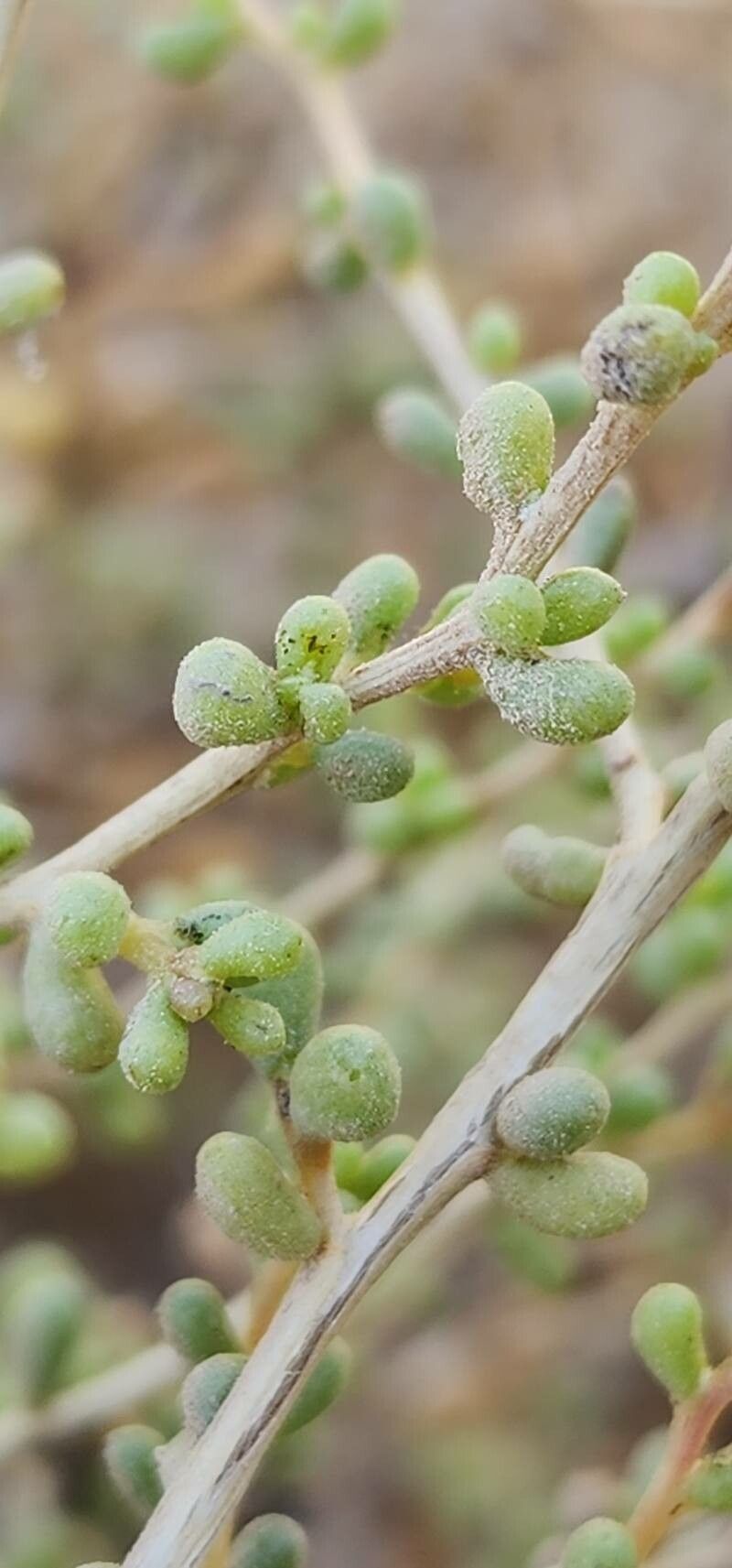
Oppositeleaf russian thistle shows moderate disease resistance and can be prone to illnesses like leaf spot. Its vulnerability to insect pests differs by variety, though the majority tend to be not very resistant to pests. Regarding care, Oppositeleaf russian thistle requires consistent watering and feeding, plus regular removal of yellowing leaves. It is essential to manage pests and diseases as they occur and to harvest the plant promptly. Oppositeleaf russian thistle is a good choice for people who can commit time and effort to ongoing maintenance.
How to keep Salsola Longifolia.
Light
Oppositeleaf Russian thistle performs best with abundant sunlight, which encourages vigorous growth. Native to sun-rich habitats, it is adapted to those conditions. Although it can tolerate periods of reduced light without suffering light-related harm, steady exposure to strong illumination supports its optimal development.
Temperature
Oppositeleaf russian thistle prefers moderate temperatures, similar to those most people find comfortable. It grows best in conditions that are neither too hot nor too cold. The primary concern with high heat is sunburn, so giving it some shade in summer is recommended to avoid excessive warmth. When temperatures fall, Oppositeleaf russian thistle goes dormant. If continuous growth is wanted, warmer conditions must be maintained in winter. Frost can damage the plant and should be avoided.
Fertilizer
To achieve maximum yield, Oppositeleaf russian thistle benefits from regular applications of a balanced fertilizer, especially one high in nitrogen. Apply fertilizer before planting, at planting, and when seedlings are 2 inches tall. Adding compost or manure also provides a steady supply of nutrients. Insufficient soil nutrients cause underdeveloped leaves and stems, poorer flavors, thin stems, and possibly a bitter taste.
Botanical profile.
- Plant Type
- Herb
- Life Cycle
- Annual
- Genus
- Salsola
- Family
- Amaranthaceae
- Hardiness Zone
- 2-11
- Mature Height
- 61 cm
- Mature Spread
- 49 cm
- Leaf Color
- Green, Blue
- Leaf Type
- Deciduous
- Flower Color
- Pink, Green
- Flower Size
- 0.25 cm to 0.51 cm
- Bloom Time
- Summer
- Planting Time
- Spring, Summer
- Harvest Time
- Late summer, Early fall, Mid fall
- Native Area
- Turkey, Montenegro, Croatia, Morocco, Slovenia, Russia, Romania, Qatar, Portugal, France, Tunisia, Bulgaria, Cyprus, Armenia, Greece, Ukraine, China, Italy, Kazakhstan, Spain, Iran, Albania, Azerbaijan, Algeria, Hungary, Turkmenistan
Other names.