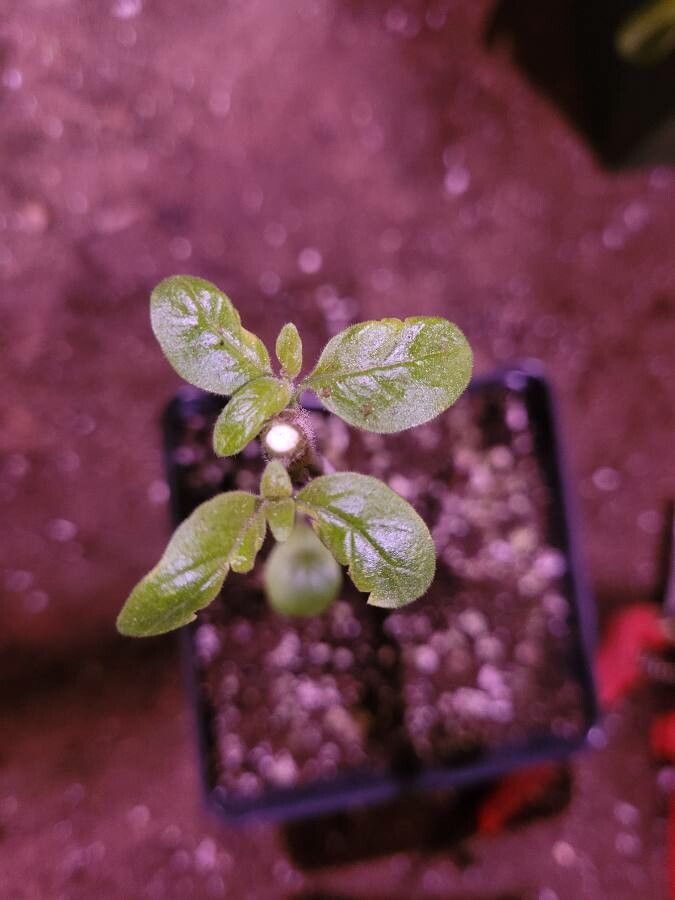
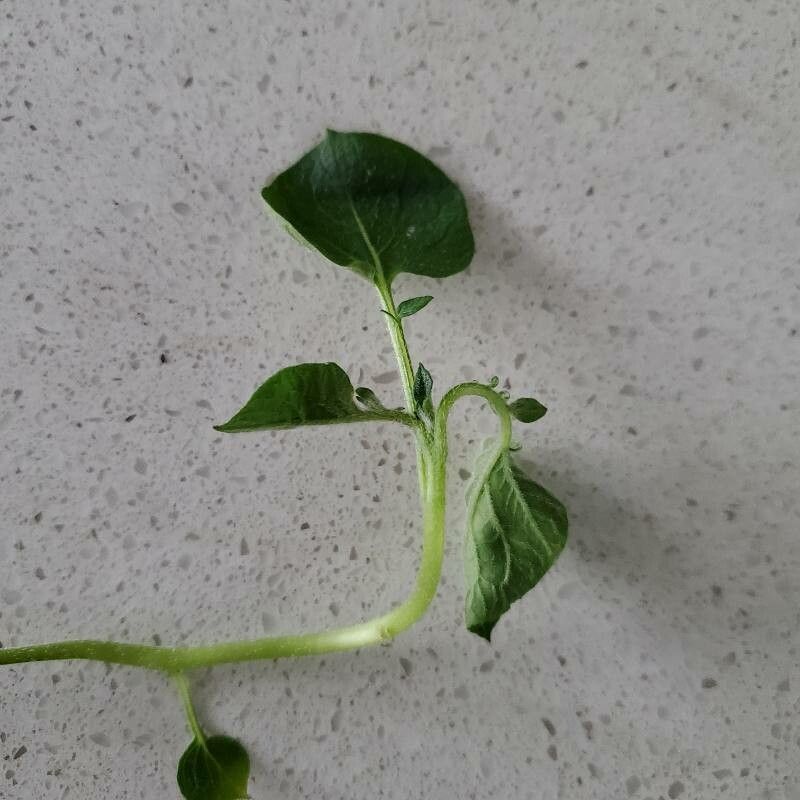
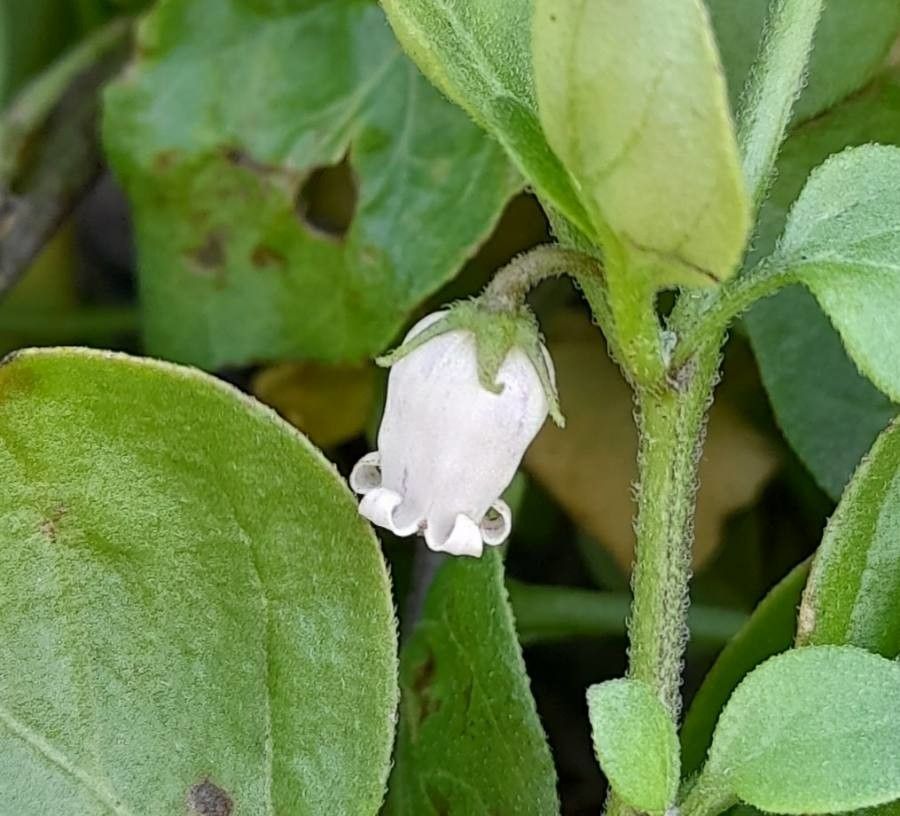
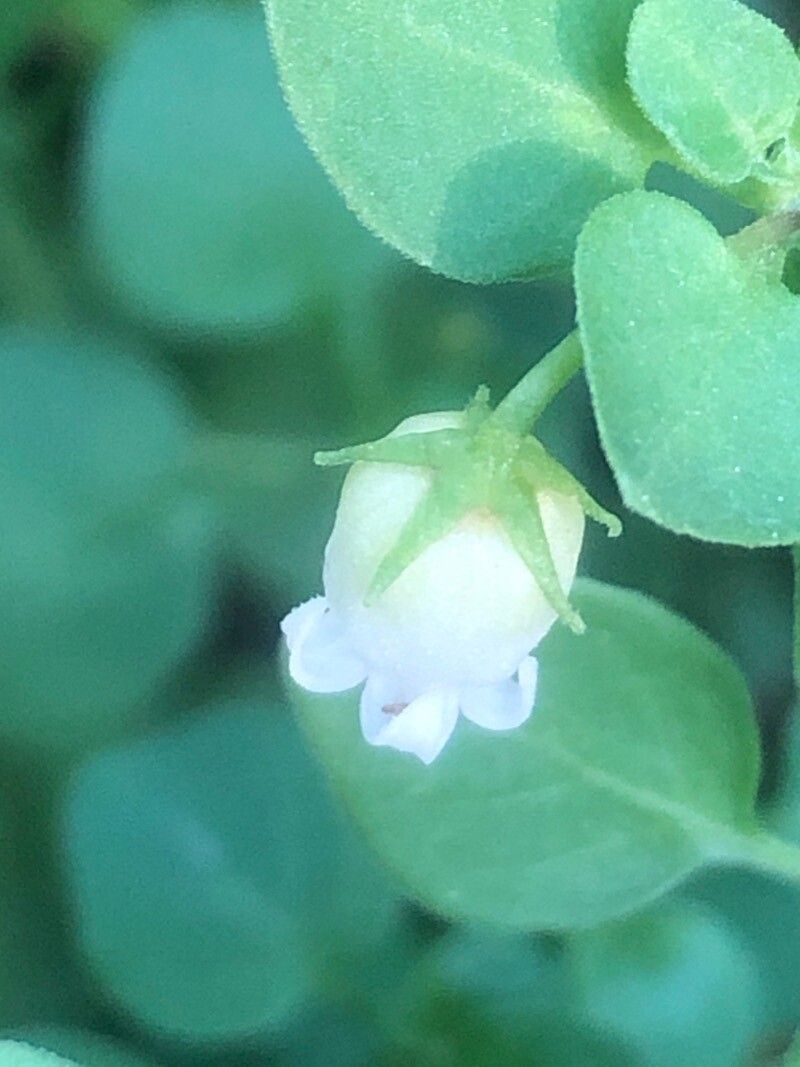
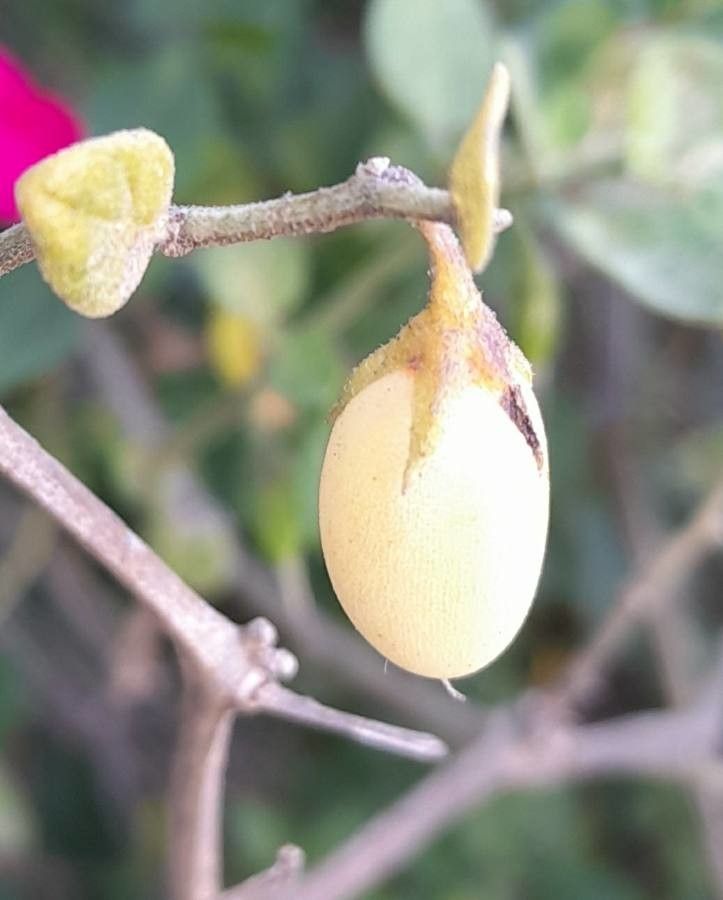
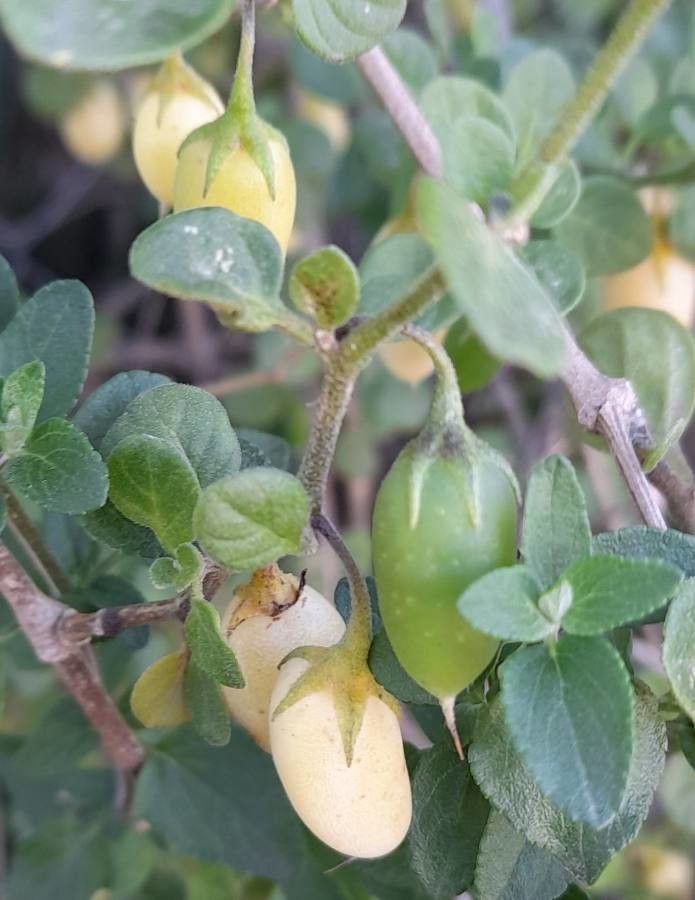
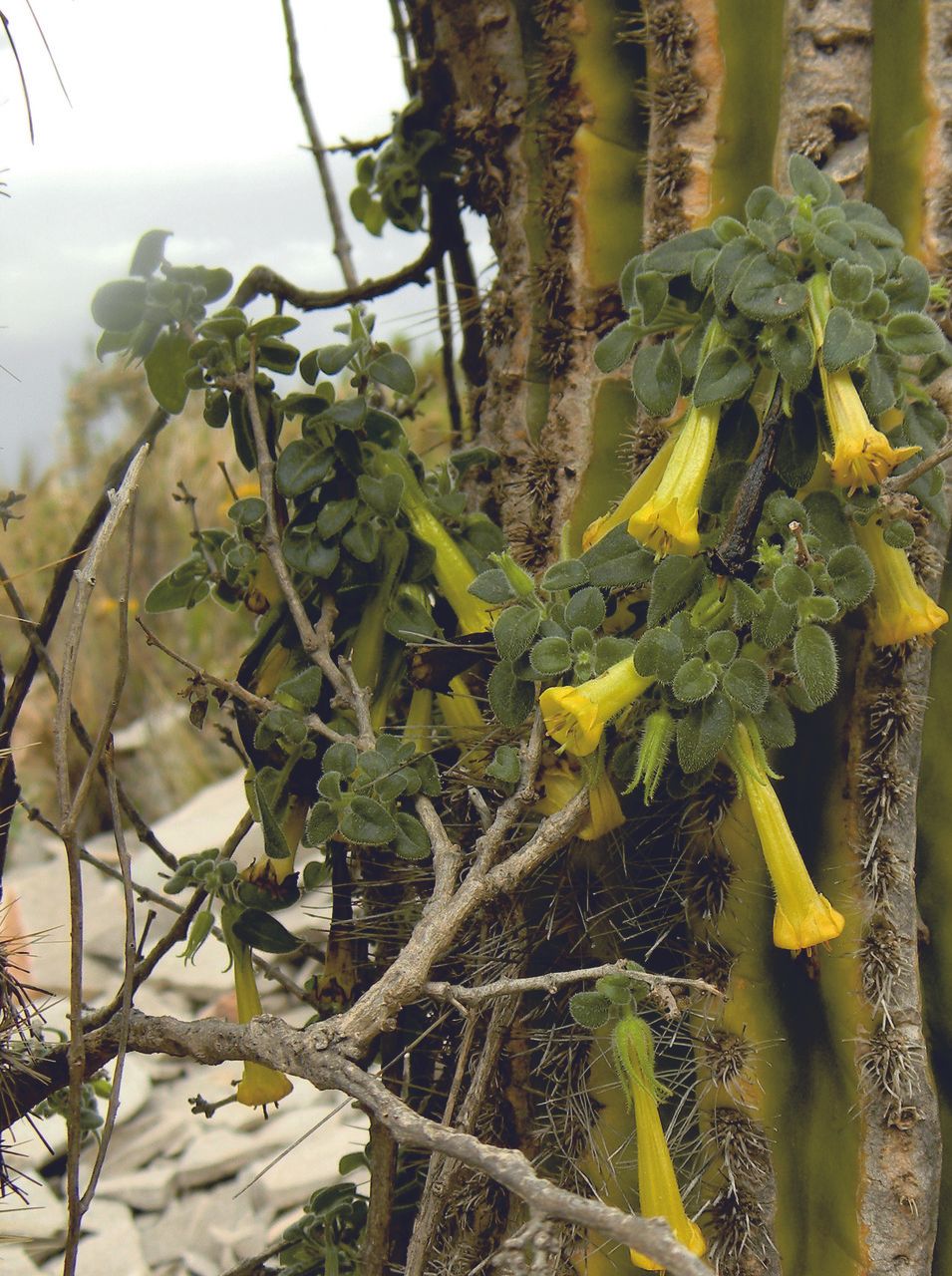
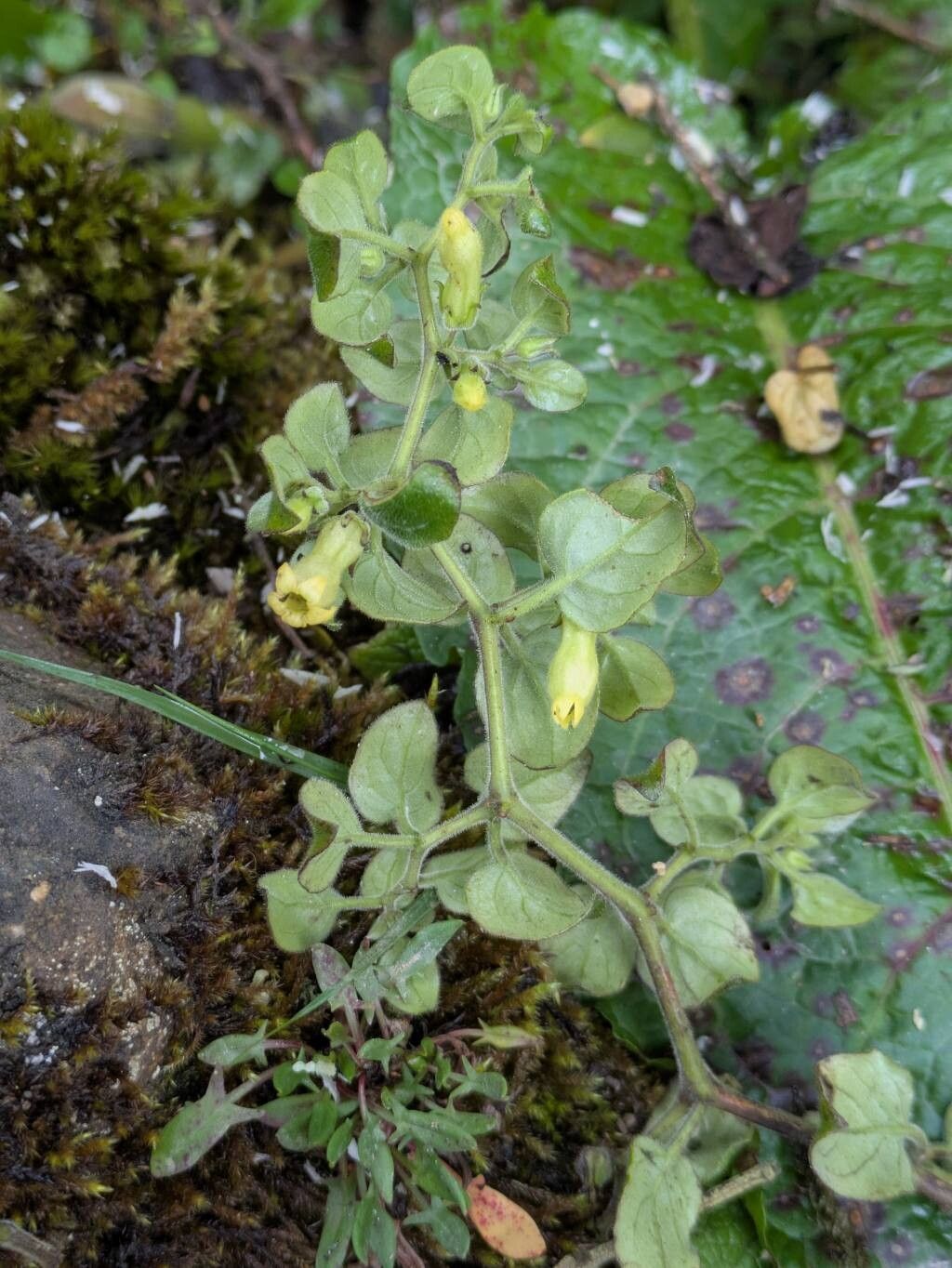
Salpichroa origanifolia, commonly known as the false solanum or lily of the valley vine, is a perennial plant species belonging to the Solanaceae family. Native to South America, it can be found in countries such as Argentina, Bolivia, Chile, and Peru.
The plant features a woody stem that can reach up to 2 meters in length. It produces small white flowers with yellow centers, and its oval-shaped leaves, which have pointed tips, are arranged alternately along the stem.
Salpichroa origanifolia thrives in well-drained soils and can grow in both full sun and partial shade. It is often used as an ornamental plant due to its attractive flowers and foliage.
Salpichroa origanifolia is native to South America but is often cultivated as an ornamental plant, leading to its introduction beyond its native habitat. This plant can reproduce both through seeds and fragments of its roots and stems. As a result, Salpichroa origanifolia is a hardy plant that is challenging to compost or dispose of. FUN FACT · FROM THE LIBRARY
In traditional medicine, Salpichroa origanifolia has been utilized for its anti-inflammatory properties to treat skin conditions such as eczema and psoriasis.
However, it is important to note that all parts of this plant are toxic if ingested by humans or animals because of its alkaloid content. Ingesting large quantities can lead to symptoms such as vomiting and diarrhea.
Lily of the Valley Vine, scientifically known as Salpichroa origanifolia, gets its name due to its resemblance to the Lily of the Valley (Convallaria majalis). However, despite their similar appearance, these two plants are not related.
The Lily of the Valley vine is fairly disease-resistant and generally not prone to illness. However, it can be vulnerable to pests and diseases present in its environment. These problems are usually not serious. In terms of care, this plant needs moderate maintenance. It should be pruned regularly to maintain a neat appearance and healthy growth. Fertilizing can also help encourage flowering. The Lily of the Valley vine is suitable for anyone with outdoor space, such as a garden or patio, and does not demand extensive care experience. It may need more attention if grown indoors.
How to keep Salpichroa Origanifolia.
Light
Lily Of The Valley Vine grows best with moderate sun exposure but tolerates spots with reduced light, suggesting it can adapt to shadier conditions. Its healthiest growth occurs with this balanced light intensity. Too much or too little light may hinder the plant's development.
Water
The Lily of the Valley Vine needs regular watering to maintain consistent moisture; it isn't drought-tolerant and doesn't thrive in high humidity. As an evergreen vine, it keeps its leaves all year round and adapts well to both indoor and outdoor environments when properly hydrated.
Humidity
This plant will thrive in moderate humidity, which is probably the level in your home. However, misting it a few times a week can be very beneficial. Make sure the room has good ventilation.
Temperature
Lily Of The Valley Vine originates from temperate environments and favors more moderate climates. It does best in a temperature range of 59 to 95 °F (15 to 35 ℃). In cooler seasons, consider relocating it to a warmer spot to maintain optimal growth.
Fertilizer
The best time to fertilize a Lily Of The Valley Vine is in early spring, as it breaks dormancy and starts active growth. Fertilization supplies essential nutrients for healthy development. Although the Lily Of The Valley Vine has relatively low fertilizer requirements, feeding it annually can improve its survival and encourage better, longer-lasting flowers.
Pot & Repot
The Lily of the Valley Vine needs well-drained soil in pots to thrive, as this prevents excess moisture from accumulating and causing root rot.
Botanical profile.
- Plant Type
- Herb, Vine
- Life Cycle
- Perennial
- Genus
- Salpichroa
- Family
- Solanaceae
- Hardiness Zone
- 7-10
- Mature Height
- 1.52 m
- Mature Spread
- 0.61 m to 1.22 m
- Leaf Color
- Green, Dark Green
- Leaf Type
- Semi-evergreen
- Flower Color
- White
- Flower Size
- 1.02 cm to 1.52 cm
- Bloom Time
- Late spring, Summer, Fall
- Planting Time
- Spring, Summer
- Harvest Time
- Mid summer, Late summer, Fall, Early winter
- Native Area
- Bolivia, Peru
Other names.
Reader questions.
How should I water my Lily Of The Valley Vine in the best way?
To properly water the Lily Of The Valley Vine, use filtered water at room temperature. Tap water may contain harmful particles, so filtered water is preferable. Since the plant is accustomed to warm conditions, avoid using cold water as it can be a shock. Additionally, it is best to avoid watering from above as it can lead to leaf issues. Instead, pour the filtered room temperature water directly onto the soil until it is fully soaked. This method benefits the plant by moisturizing the roots and aiding their spread in the soil, ultimately facilitating nutrient absorption.
What are the sunlight requirements for the Lily Of The Valley Vine?
The Lily Of The Valley Vine thrives with moderate sun exposure but can still grow in areas with less light immersion. It requires about 3-6 hours of sunlight for partial sun conditions and less than 3 hours of sunlight for full shade conditions. The plant's optimal health and growth occur in a balance of light intensity, where too much or too little light could potentially hinder its development. It's important to observe the movement of sunlight through your garden to select spots that provide the perfect balance of light and shade, ensuring the plant's well-being.
What is the ideal temperature range for Lily Of The Valley Vine?
Lily Of The Valley Vine, or Salpichroa origanifolia, thrives in temperate environments and prefers a temperature range between 59 to 95 °F (15 to 35 °C). It exhibits strong cold resistance, making special frost protection measures generally unnecessary. However, in regions where winter temperatures are expected to fall below -15°C, it's important to provide protection against the cold by covering the plant with materials such as soil or straw. Additionally, abundant watering before the first freeze in autumn is recommended to keep the soil moist, which helps the plant avoid drought and water scarcity during the colder months.
What should I do if I give my Lily Of The Valley Vine too much or too little water?
Overwatering is a more common issue for Lily Of The Valley Vine and can cause wilting and yellowing of stems and leaves. It can also lead to diseases like root rot, mold, and mildew. Underwatering is less common but can cause brittle and brown leaves. It's important to notice signs of overwatering early and reduce watering. If the soil drains poorly, replace it with well-draining soil. If underwatering occurs, water more regularly until signs subside.
How can artificial lighting be used for indoor Lily Of The Valley Vines?
Indoor Lily Of The Valley Vines require adequate lighting for optimal growth, especially when natural sunlight is insufficient. Artificial lights, particularly LED lights, can be customized to provide specific wavelengths of light needed by the plants. Full sun plants generally need 30-50W/sq ft, partial sun plants 20-30W/sq ft, and full shade plants 10-20W/sq ft of artificial light. The light source should be placed 12-36 inches above the plant to mimic natural sunlight, and most plants require 8-12 hours of light per day to mimic natural daylight hours.
What should I do if the Lily Of The Valley Vine experiences low temperatures?
Lily Of The Valley Vine is quite cold-tolerant and performs best when the temperature is above 15°C. During winter, ensuring the temperature stays above -10°C is beneficial for the plant. If temperatures fall below -15°C, you might not notice immediate changes, but there could be a decrease in sprouting or even a complete lack of sprouting by springtime. In such cases, any parts of the plant that have failed to sprout in the spring should be removed to encourage new growth and maintain the plant's health.
How often should I give water to my Lily Of The Valley Vine?
If your Lily Of The Valley Vine is in a pot, you can determine if it needs water by checking the soil with your finger. If the top two to three inches of soil are dry, it's time to water it. If your Lily Of The Valley Vine is growing outside in the ground, you can use the same method to test the soil. When the top few inches of soil are dry, it's time to water it. Usually, in spring and early fall, you'll need to water this plant about once every week. However, during extremely hot weather, you may need to water it twice or more per week. Despite this, mature and well-established Lily Of The Valley Vine plants can tolerate dry conditions.
What are some common symptoms of inadequate light in Lily Of The Valley Vine?
Lily Of The Valley Vine can show several symptoms when grown under inadequate light conditions, including smaller new leaves compared to mature ones, leggy or sparse growth, faster leaf drop, slower or halted new growth, lighter-colored new leaves, chlorosis (yellowing leaves), sunscald, leaf curling, wilting, and leaf scorching. These symptoms arise from either too much or too little light exposure, affecting the plant's ability to photosynthesize and thereby its overall health.
How should I care for Lily Of The Valley Vine during high temperatures?
In summer, it's crucial to ensure the Lily Of The Valley Vine does not get too hot, ideally keeping it below 35°C. Exposure to temperatures exceeding 41°C can cause the leaves to lighten in color, curl, become susceptible to sunburn, and in severe cases, lead to the whole plant wilting and drying out. To remedy this, trim away any sunburned and dried parts of the plant. Move it to a spot with shade from the midday and afternoon sun, or use a shade cloth to provide protection. Watering the plant in the morning and evening will help keep the soil moist and support the vine in extreme heat.
How much water does my Lily Of The Valley Vine require?
To properly water your Lily Of The Valley Vine, don't hold back on the amount of water you use. Wait until the top few inches of soil are dry, then give it a good, deep watering. Make sure to pour enough water to completely saturate the soil. The water should flow out of the drainage holes at the bottom of the pot. If you don't see excess water coming out, you may not have watered it enough. However, be careful not to let water accumulate in the soil, as this can harm the plant. If there is no water draining from the pot, it could mean that the soil doesn't drain well, which is not good for the plant's health. If your plant is outside, around 1 inch of rain per week is enough.
What solutions can help optimize light for Lily Of The Valley Vine growth?
To optimize light conditions for Lily Of The Valley Vine, consider shifting plants gradually to sunnier spots until they receive 3-6 hours of direct sunlight daily, enabling them to adapt to changing light conditions. For indoor plants, using artificial light such as desk or ceiling lamps for at least 8 hours daily or investing in professional plant grow lights can provide additional light. Outdoors, plants should be moved gradually to sunnier locations to avoid sunburn. If trees are blocking sunlight, consider pruning them to allow more light through, and for smaller plants, you might transplant them during their dormant period to a location with ample sunlight and good drainage.
How do I water my Lily Of The Valley Vine as it grows?
The water needs of the Lily Of The Valley Vine can vary depending on its growth stages. When the vine is young or has been recently transplanted, it will require more water than usual. This is because it is focusing on developing new roots to support future growth, and these roots need additional moisture. As the vine matures, it will require less water. Additionally, during the bloom period, the vine may need more water as the flowers require a significant amount of moisture for development.