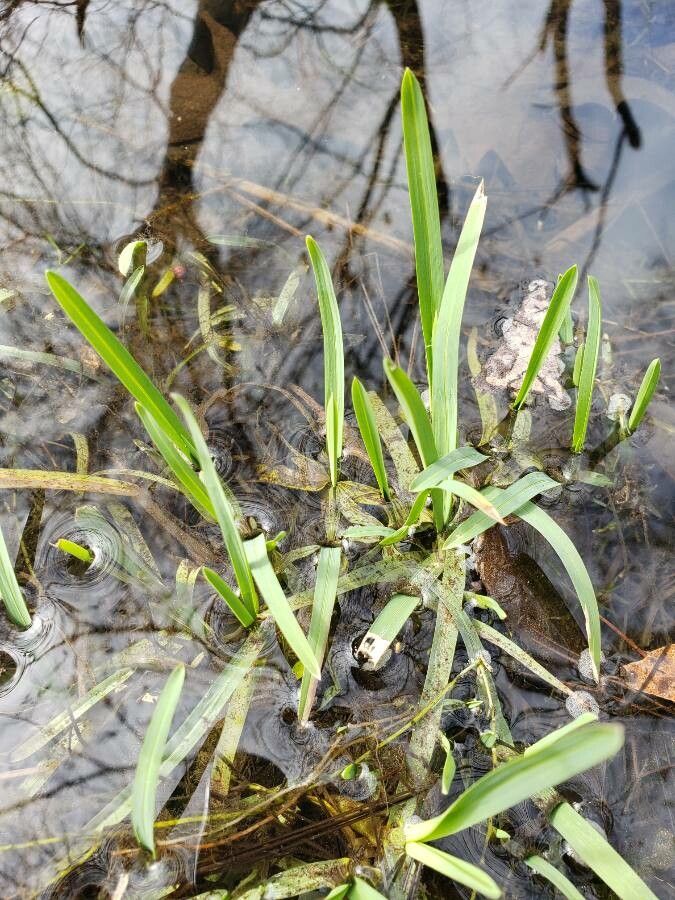
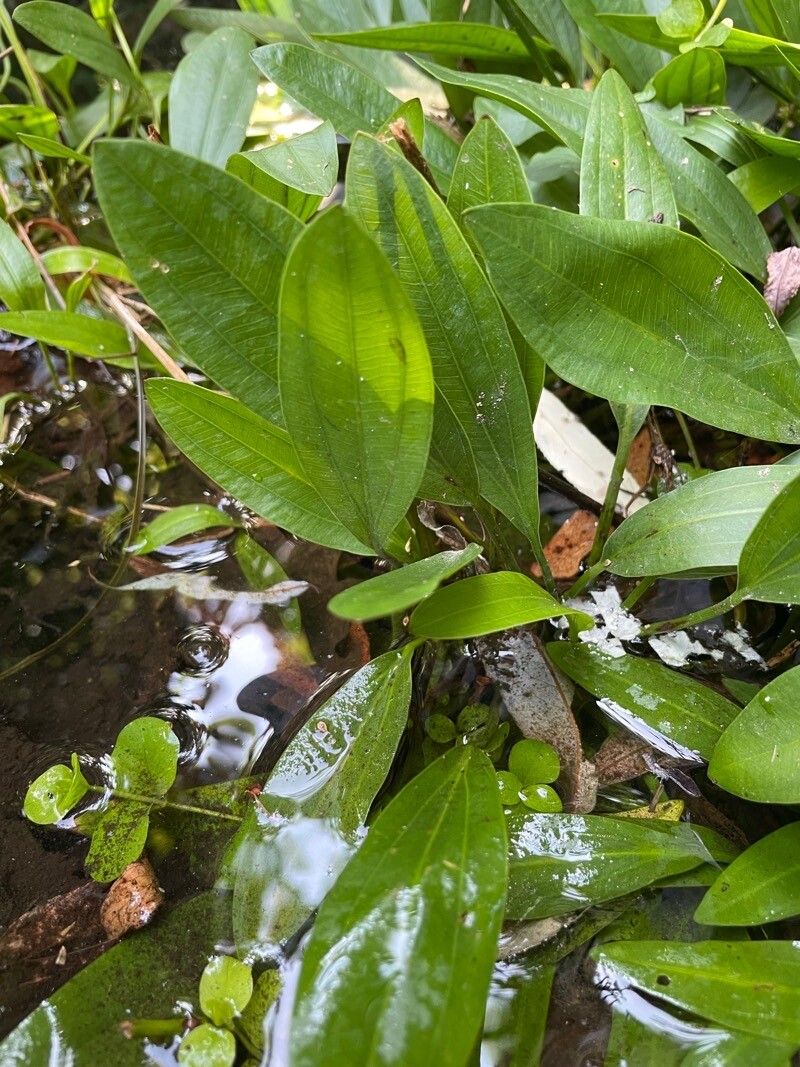
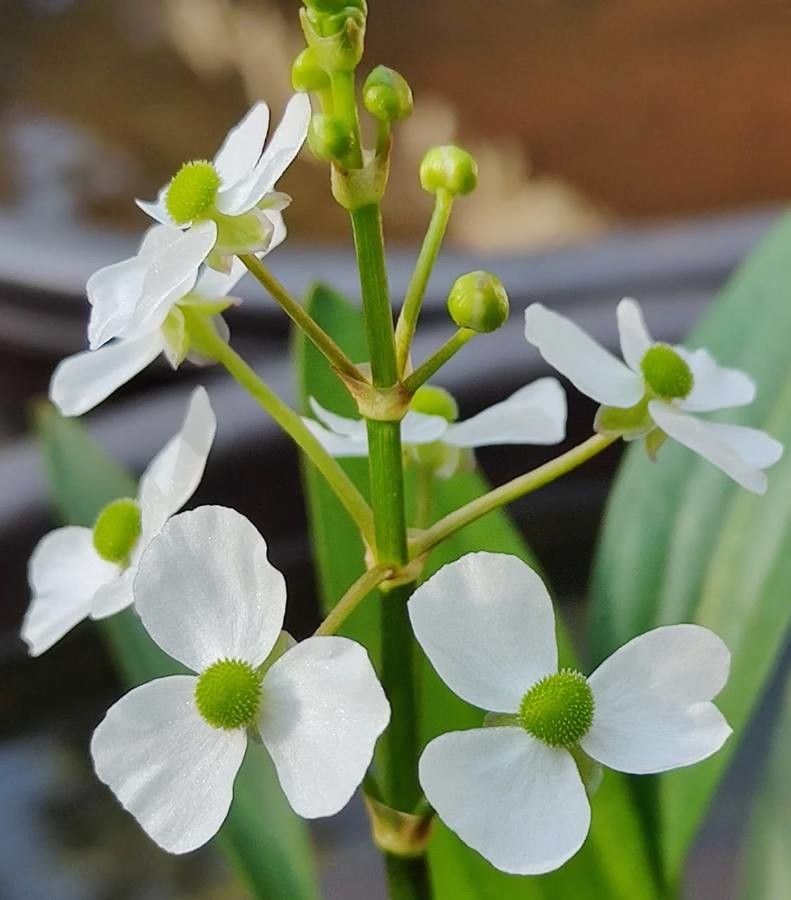
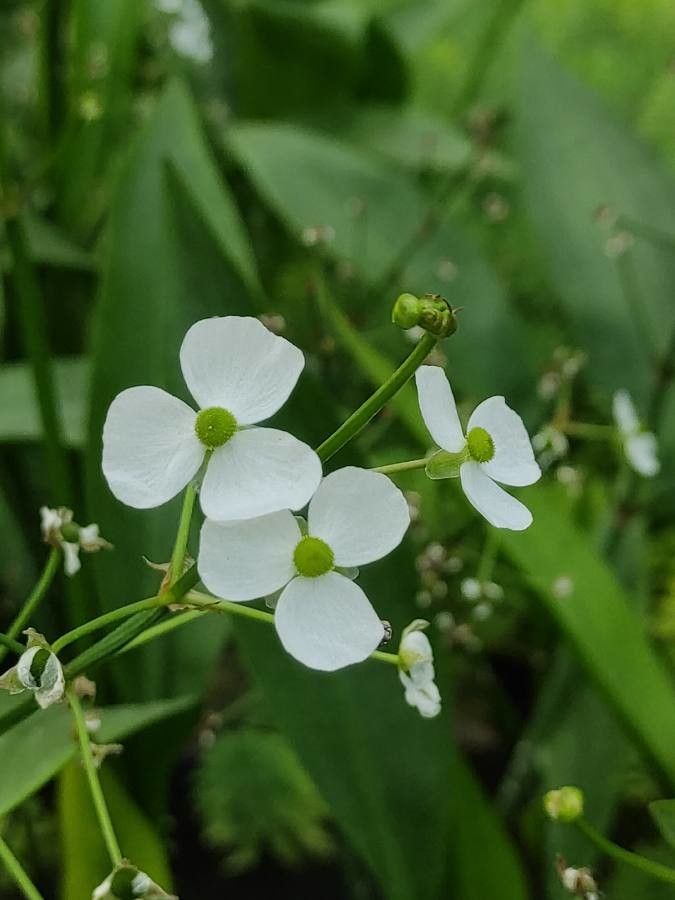
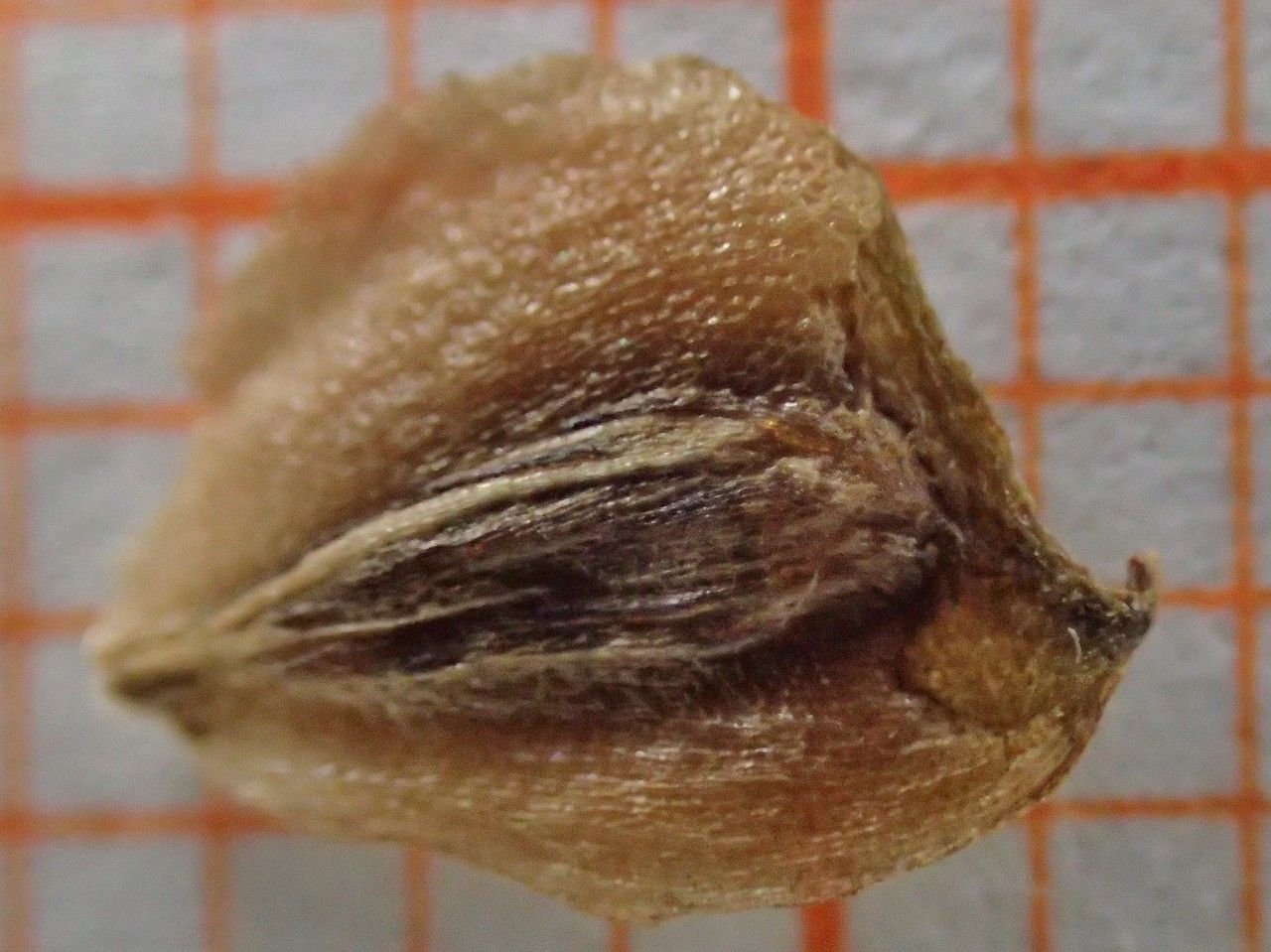
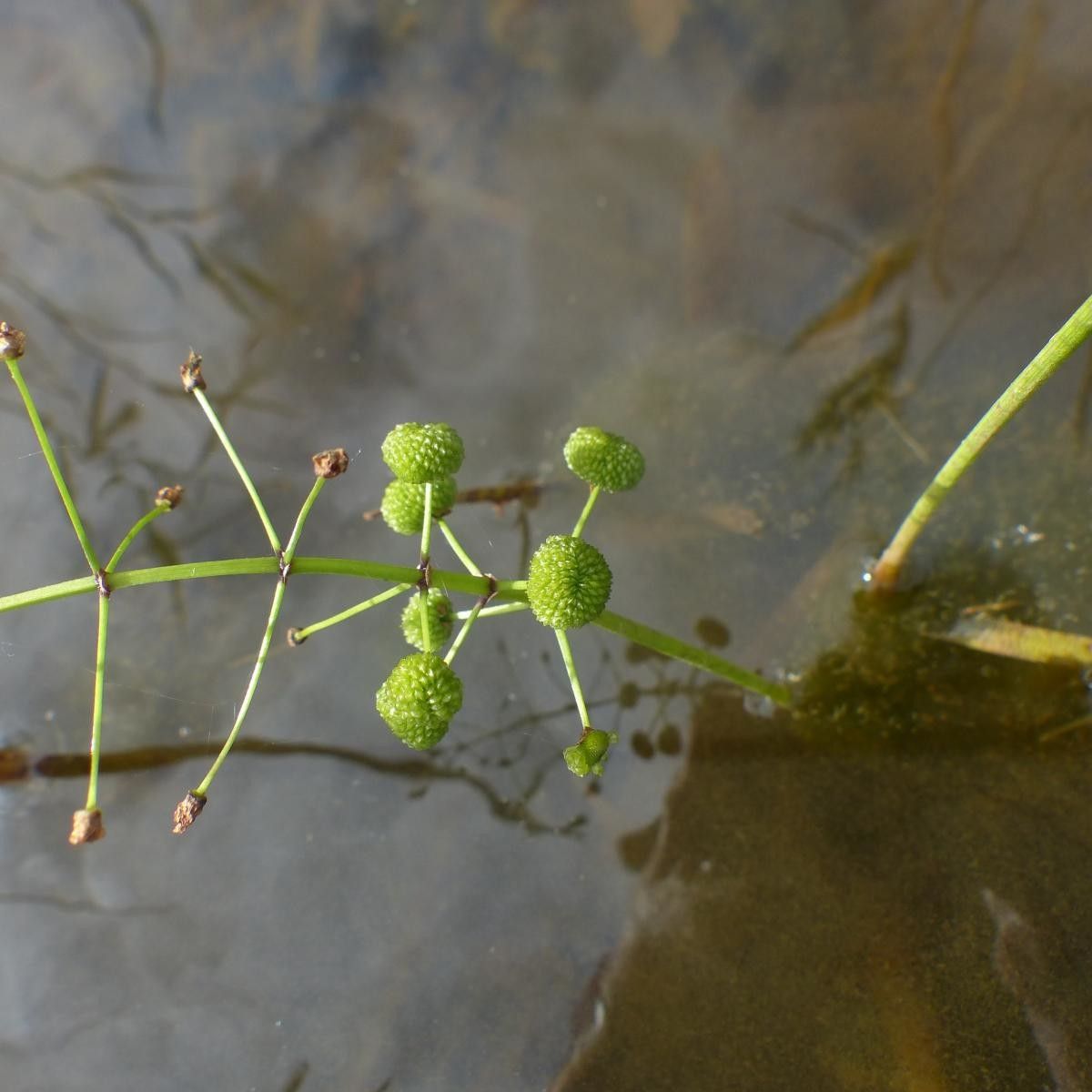
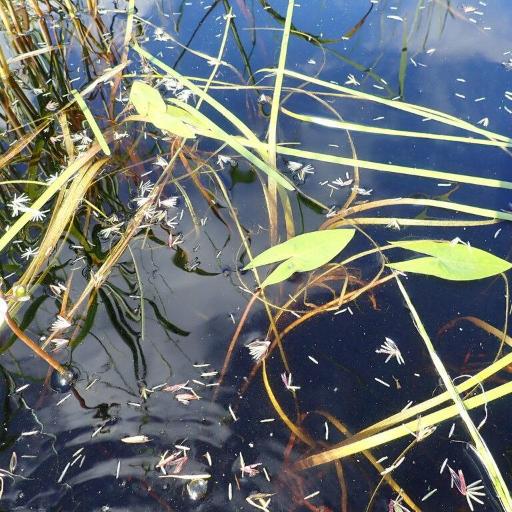
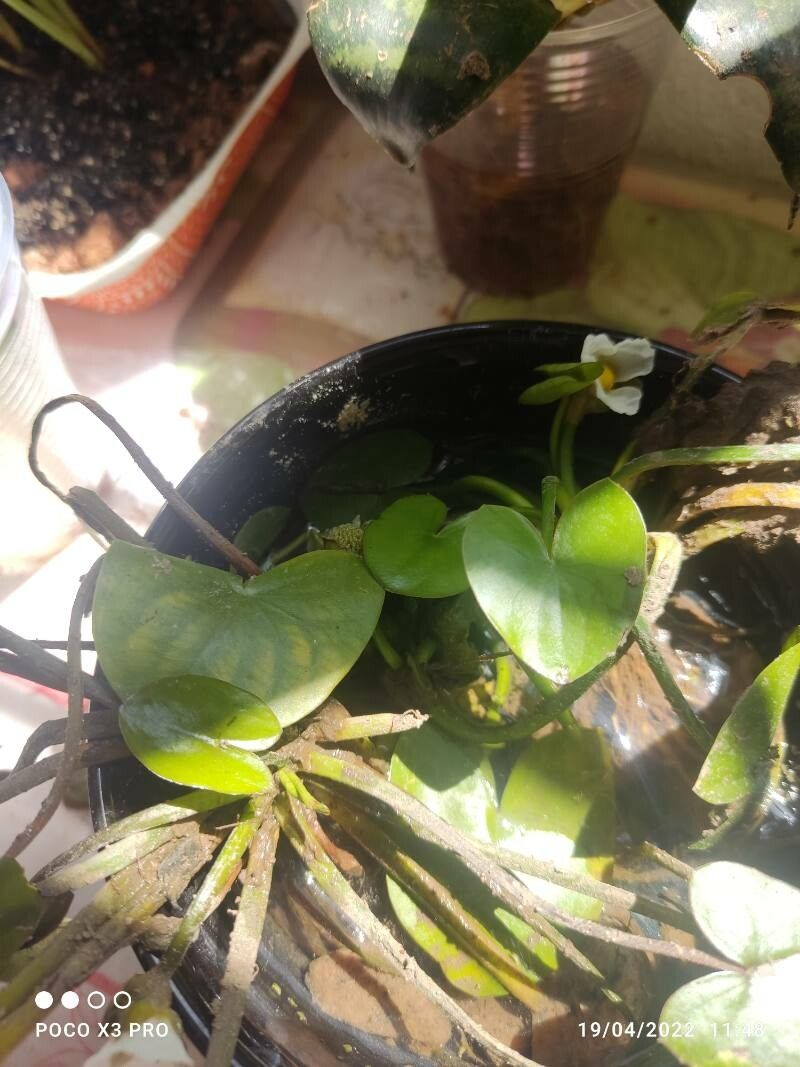
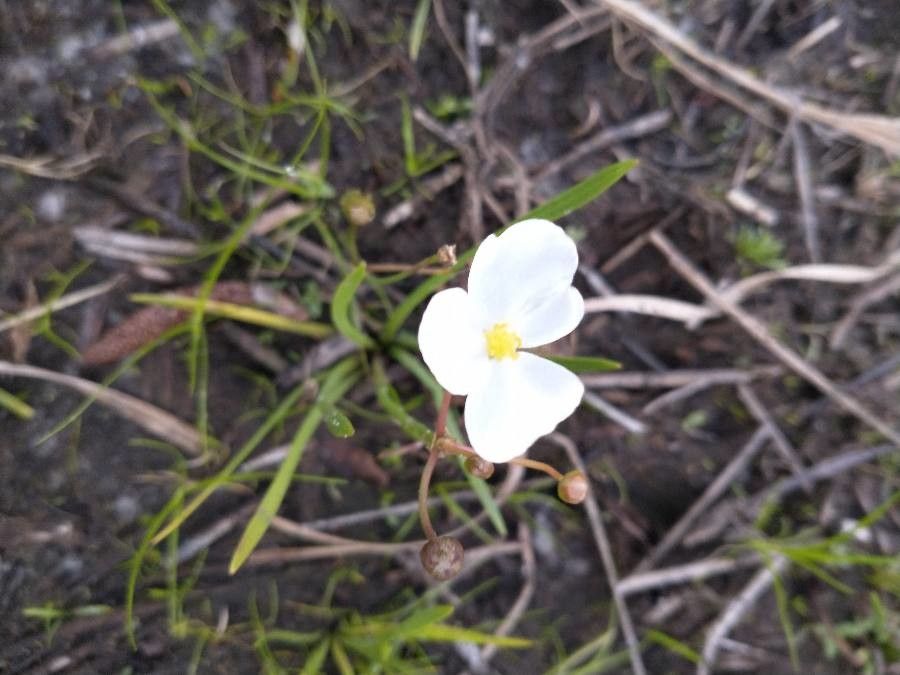
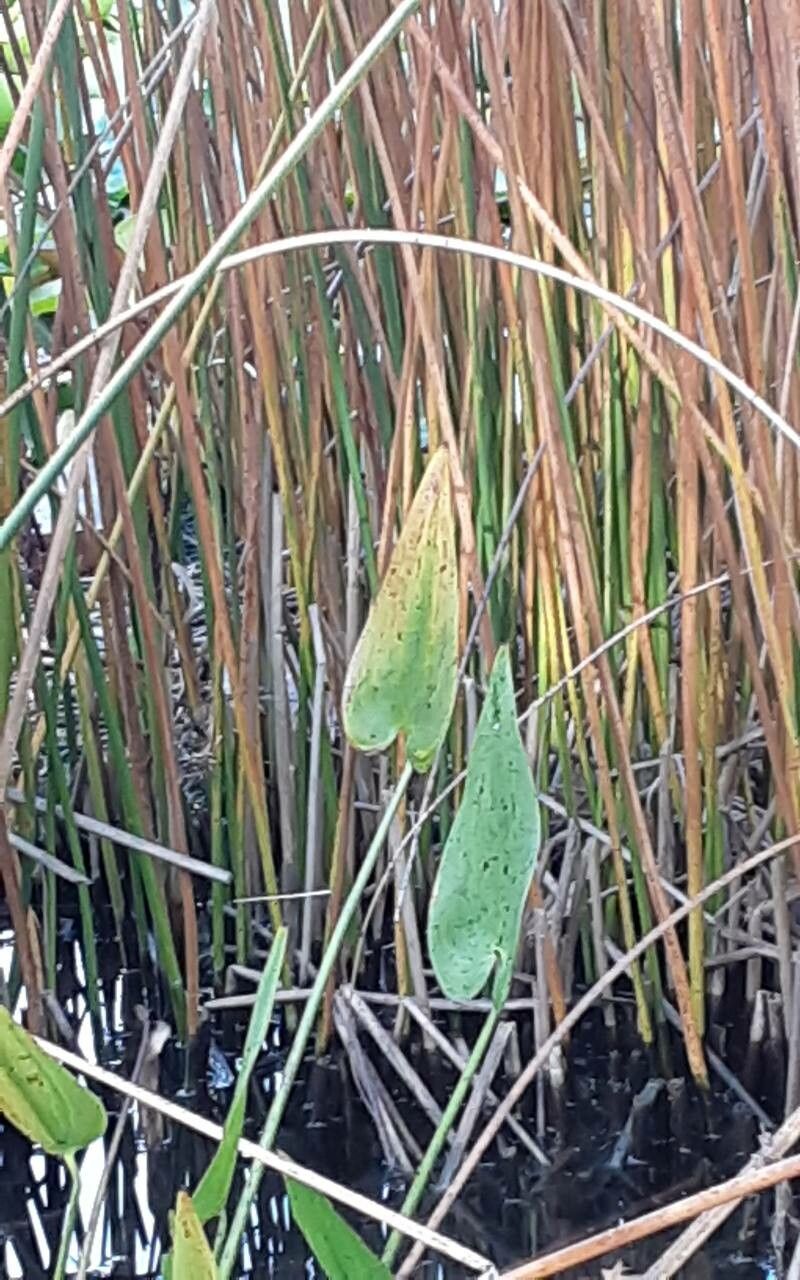
Sagittaria graminea, the grassy arrowhead or grass-leaved arrowhead, is an aquatic plant species native to eastern North America.
Grassleaf arrowhead has strong resistance to disease and is generally not likely to develop illnesses. However, it can be vulnerable to pests and diseases found in its environment. Such problems are usually not serious. In terms of care, this plant needs moderate maintenance. It should be pruned regularly to keep a good appearance and support healthy growth. Fertilizing can also encourage flowering. Grassleaf arrowhead is well suited for anyone with outdoor space, like a garden or patio, and does not demand extensive plant-care experience. It may need greater attention when grown indoors.
How to keep Sagittaria Graminea.
Light
The grassleaf arrowhead performs best with abundant sunlight, which supports its health. Such a bright environment mirrors its natural habitat. It can tolerate some shade, but excessive shade may impede its growth. In contrast, very intense sun generally does not cause harm.
Water
The grassleaf arrowhead flourishes in moist, high-humidity environments commonly found in wetlands and marshes. For optimal growth, it needs weekly watering and can easily adapt to varying water levels. This aquatic perennial thrives outdoors, especially during rainy seasons, when there is a consistent supply of water.
Temperature
Grassleaf arrowhead prospers in its native habitat, where temperatures range from 68 to 95 °F (20 to 35 ℃). It typically favors warmer climates. Care should be taken to recreate these conditions, particularly during cooler seasons.
Pruning
The Grassleaf Arrowhead has distinctive grass-like leaves and benefits from pruning between early and late spring. Regularly removing dead or damaged leaves encourages new growth, and thinning out dense clumps improves air circulation. Pruning not only enhances the plant's appearance but also supports healthy development and flowering.
Botanical profile.
- Plant Type
- Herb
- Life Cycle
- Perennial, Annual
- Genus
- Sagittaria
- Family
- Alismataceae
- Hardiness Zone
- 4-10
- Mature Height
- 46 cm to 61 cm
- Mature Spread
- 30 cm
- Leaf Color
- Light Green, Green
- Leaf Type
- Deciduous
- Flower Color
- White
- Flower Size
- 2.54 cm to 5.08 cm
- Bloom Time
- Summer, Early fall
- Planting Time
- Spring, Summer
- Harvest Time
- Late summer, Fall
- Native Area
- Georgia, Cuba
Other names.
Reader questions.
How should I water my Grassleaf arrowhead plant?
To properly water the Grassleaf arrowhead plant, it is best to use filtered water at room temperature. Tap water may have harmful particles, so filtering it is ideal. The water should not be cold as it can shock the plant, which is used to warmer environments. Avoid overhead watering, as it can lead to leaf problems. Instead, thoroughly soak the soil with filtered room temperature water. This helps the roots stay moist and spread through the soil for nutrient absorption.
Why should I put fertilizer on my Grassleaf arrowhead plant?
To ensure that the leaves of your Grassleaf arrowhead plant look great and serve their purpose, proper fertilization is essential. Fertilization not only enhances the color and texture of the leaves, but it also promotes root growth and sustains existing roots. By fertilizing your plant, you not only maintain its current health but also enhance its future ability to absorb nutrients from the soil.
What are the sunlight requirements for Grassleaf Arrowhead?
Grassleaf Arrowhead (Sagittaria graminea) thrives under full sun, needing above 6 hours of direct sunlight per day, but can also grow well in partial sunlight, approximately 3-6 hours per day. While it benefits significantly from plentiful solar exposure, mimicking its native habitat, it can tolerate some shade. However, excessive shade may hinder its growth, although overexposure to sunlight rarely causes problems. It's essential to observe how sunlight moves through your garden to ensure you choose locations that offer a perfect balance of light and shade, securing the happiness and health of your plants.
What is the ideal temperature range for grassleaf arrowhead to thrive?
Grassleaf arrowhead, also known by its botanical name Sagittaria graminea, thrives best in its native environment where temperatures range between 68 to 95°F (20 to 35°C). It generally prefers warmer climates and has strong cold resistance, meaning special frost protection measures are usually not necessary during winter. However, care should be taken to replicate these warmer conditions, particularly during the cooler seasons to ensure the plant maintains its health and growth.
What should I do if I give my Grassleaf arrowhead plant too much or too little water?
Overwatering is a common issue that can harm your Grassleaf arrowhead plant. When this happens, the stems and leaves may wilt and turn yellow. Overwatering for a long time can also cause diseases like root rot, mold, and mildew, which can be fatal for your plant. Underwatering is less common because the Grassleaf arrowhead can tolerate drought well. However, it can still happen, and the leaves may become brittle and brown. It's important to notice signs of overwatering early to prevent irreversible damage. If you see these signs, reduce watering immediately and check the soil's drainage. If it drains poorly, replace it with a well-draining potting mix. If your plant shows signs of not getting enough water, simply water more regularly until the signs go away.
When should I fertilize my Grassleaf arrowhead plant?
If you grow your Grassleaf arrowhead outdoors, it will send new growth in early spring as a signal for fertilization. Usually, one application of fertilizer is sufficient for the plant to thrive. However, if you want to maximize its growth, you can fertilize it multiple times during the spring and early summer, at intervals of about one month to one and a half months.
How can I supplement natural sunlight for Grassleaf Arrowhead using artificial lighting?
In scenarios where natural sunlight is insufficient, especially during winter or in less sunny spaces, artificial lighting can be pivotal for the growth of Grassleaf Arrowhead. Indoor plants can greatly benefit from artificial lights, such as LEDs, which can be customized to deliver specific light wavelengths needed by the plants. For plants requiring full sun, 30-50 watts per square foot is recommended, 20-30 watts for partial sun plants, and 10-20 watts for full shade plants. The proper positioning involves placing the light source 12-36 inches above the plant and ensuring it receives 8-12 hours of light per day to mimic the length of natural daylight accurately.
What should be done to protect grassleaf arrowhead in extremely cold temperatures?
In the event winter temperatures are expected to drop below -30°C, it is important to provide cold protection to the grassleaf arrowhead. This can be achieved by covering the plant with insulating materials such as soil or straw. Additionally, before the first freeze in autumn, it's recommended to water the plant abundantly. This ensures the soil remains moist and enters a frozen state; helping prevent drought and water scarcity for the plant during winter and early spring, thus supporting its resilience against extreme cold.
How frequently should I water my Grassleaf arrowhead?
If your Grassleaf arrowhead plant is in a pot, the best way to check if it needs water is by putting your finger in the soil. If you find that the top two to three inches of soil are dry, then it's time to water it. If you have your Grassleaf arrowhead planted outside in the ground, you can use the same method to test the soil. Once again, if the top few inches of soil are dry, it's time to water. Typically, during spring and early fall, you'll need to water this plant about once a week using this method. However, in extremely hot weather, you may need to water it twice a week or even more. It's worth noting that mature and well-established Grassleaf arrowhead plants can withstand drought conditions quite well.
When is the best time to not fertilize my Grassleaf arrowhead?
During the late fall and winter, your Grassleaf arrowhead will go into a dormant phase and stop producing new growth. This means you should avoid fertilizing it during this time. In the spring and summer, if you decide to fertilize, you should start reducing the amount as summer approaches because the growth rate of your Grassleaf arrowhead will also slow down. It's never a good idea to fertilize your Grassleaf arrowhead when the weather is unusually hot or when the soil is extremely dry. Fertilizing in these conditions can stress your plant and cause it to die prematurely.
What are some common symptoms of inadequate sunlight in Grassleaf Arrowhead?
When Grassleaf Arrowhead is placed in areas with inadequate lighting, it might exhibit symptoms like smaller new leaves, leggy or sparse growth, faster leaf drop, slower or no new growth, and lighter-colored new leaves. Chlorosis, sunscald, leaf curling, wilting, and leaf scorching are also potential issues. Chlorosis leads to yellowing leaves due to chlorophyll breakdown from excessive sunlight, impacting photosynthesis. Sunscald reflects as pale, bleached areas on leaves or stems, while leaf curling, wilting, and scorching indicate extreme sunlight exposure, causing physical damage and reducing photosynthetic capacity.
How does low temperature affect grassleaf arrowhead and what are the solutions?
Grassleaf arrowhead is quite tolerant of low temperatures and flourishes best when the temperature remains above 20°C. During winter, the plant should be kept in conditions above 0°C to avoid damage. If temperatures fall below -30°C, the plant may not show immediate changes during winter, but there could be a decrease in sprouting or no sprouting at all come springtime. In such cases, removing any parts of the plant that fail to sprout in spring is the recommended solution to focus energy on healthy growth.