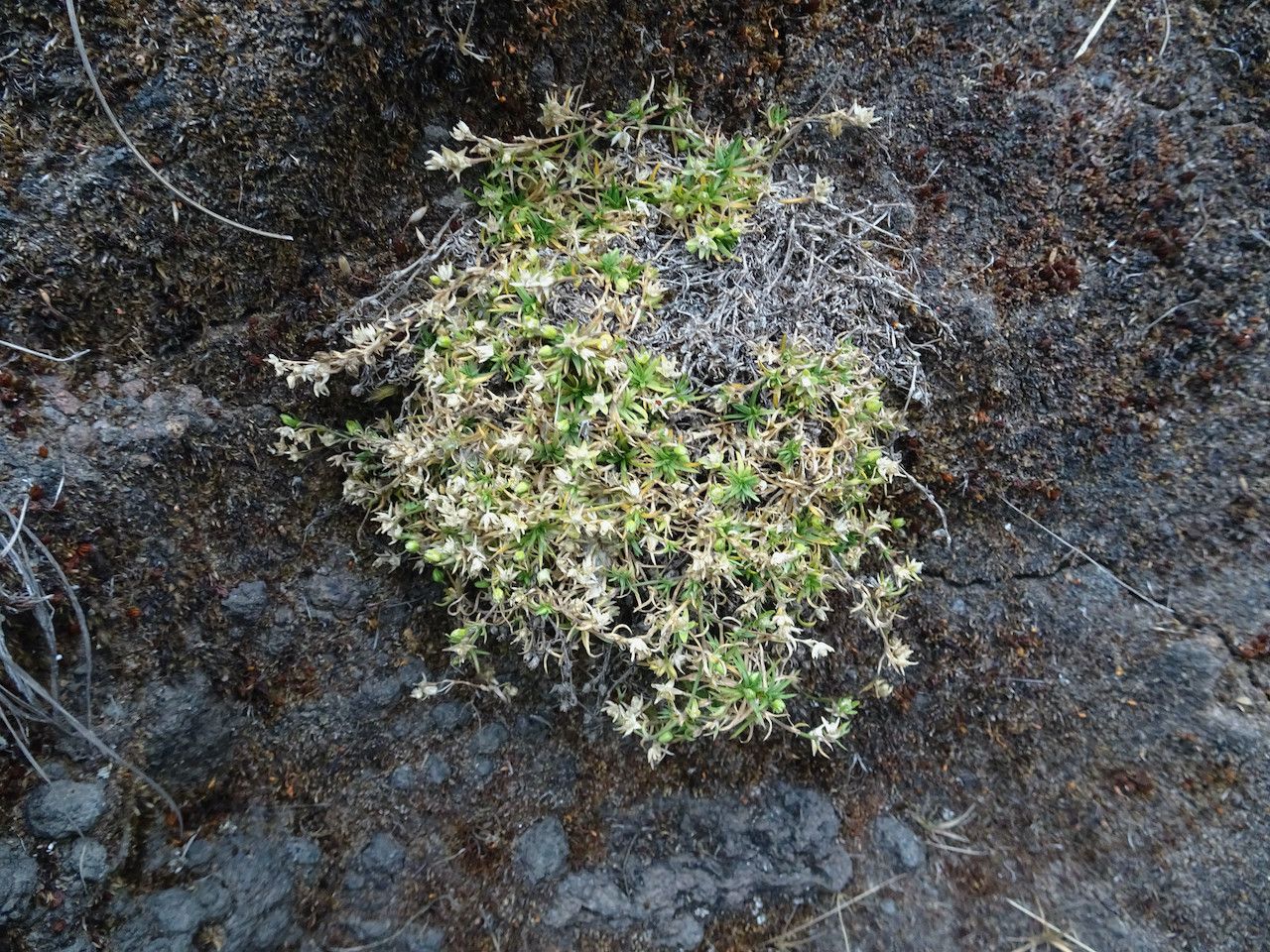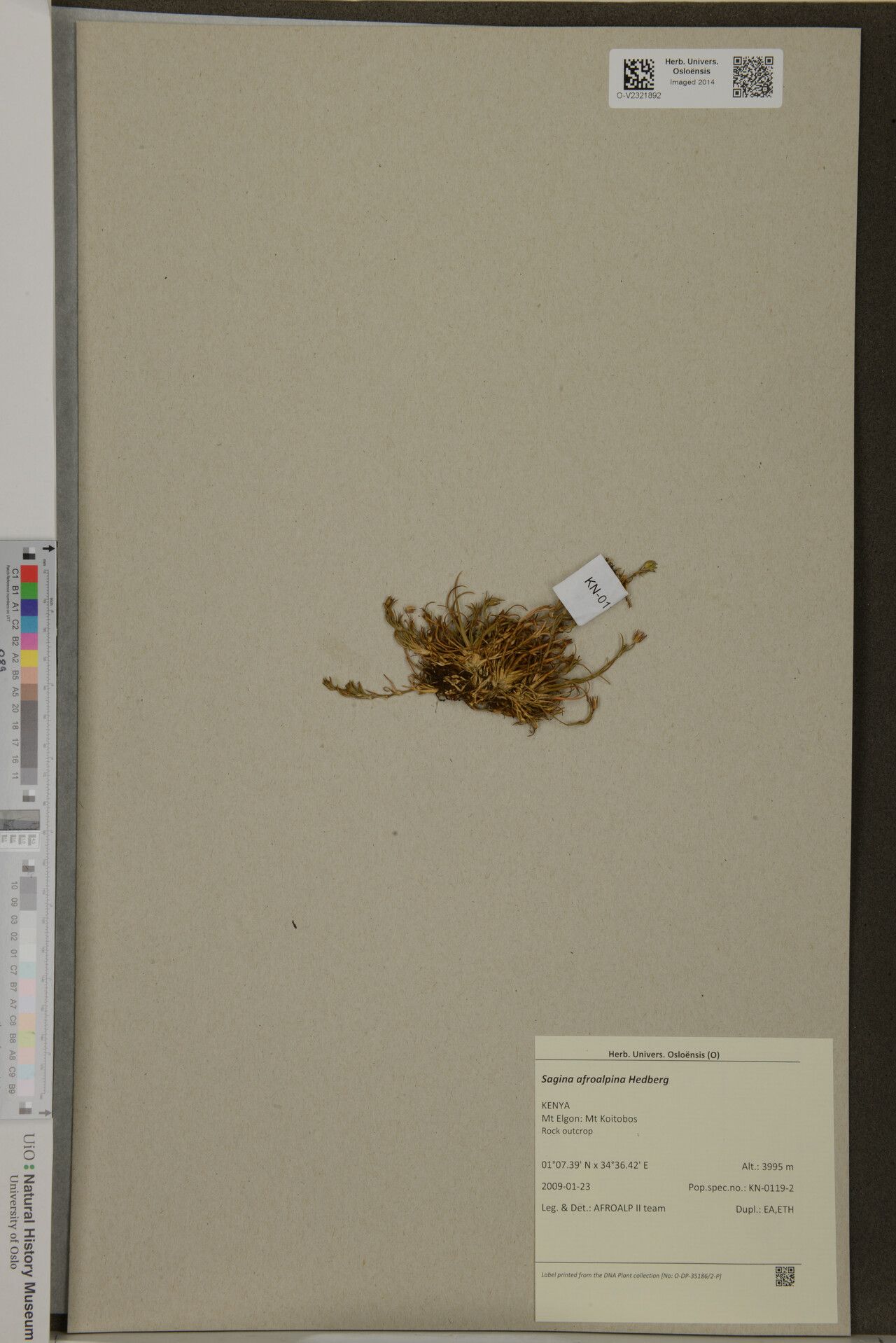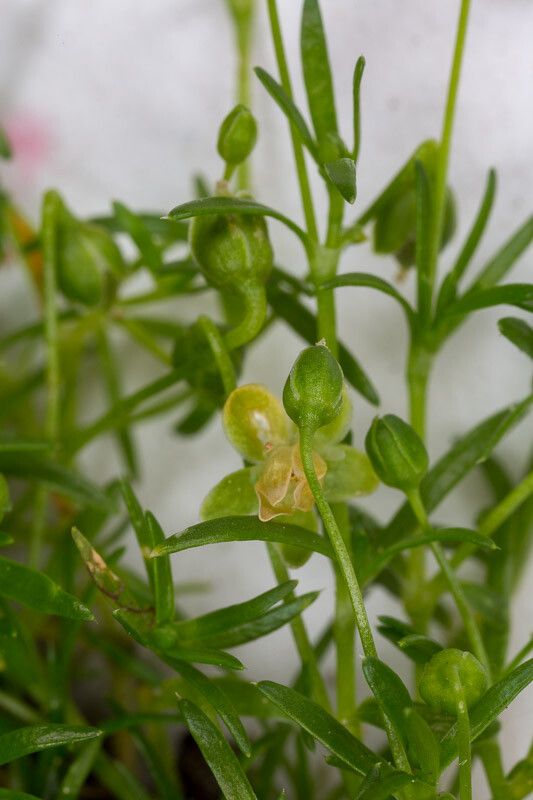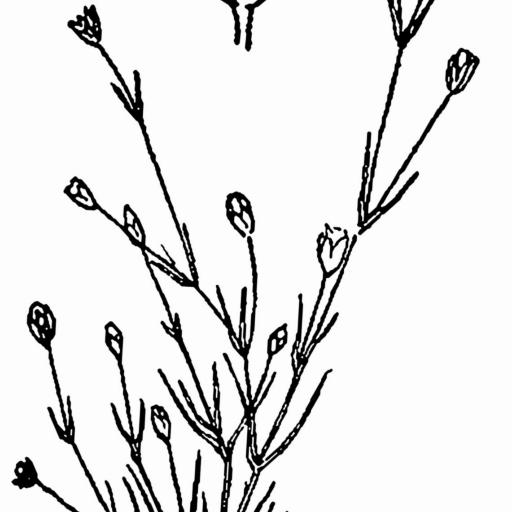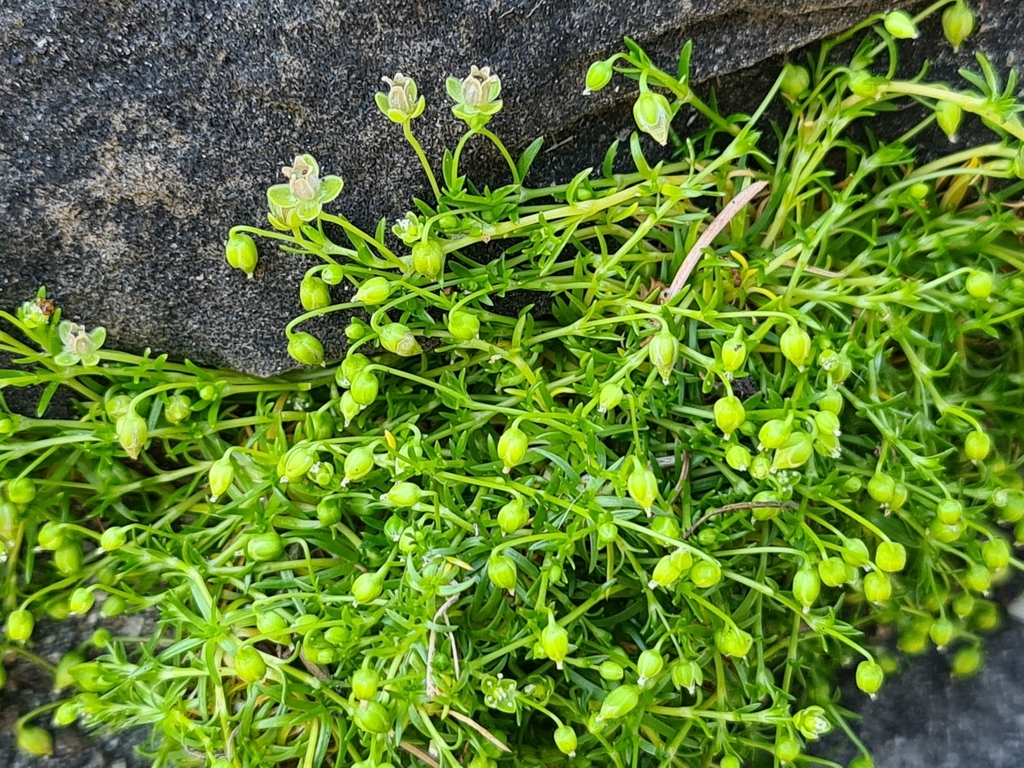
Sagina procumbens, commonly known as procumbent pearlwort or Irish moss, is a low-growing perennial plant in the Caryophyllaceae family. Native to Europe and Asia, it has also been introduced and naturalized in North America. This plant typically reaches a height of up to 5 cm and forms a dense mat of tiny, bright green leaves that are less than 1 cm long. The leaves are arranged in opposite pairs along the stems and have a slightly succulent texture.
Sagina procumbens produces small white flowers that bloom from late spring through summer. These flowers, with five petals each, are about 3 mm wide and grow on short stalks above the foliage.
The plant prefers moist soil conditions but can tolerate some drought once established. It thrives in both full sun and partial shade, making it an ideal ground cover for rock gardens or between stepping stones.
For centuries, Sagina procumbens has been used as an herbal remedy for ailments such as coughs, colds, sore throats, and digestive issues due to its high mucilage content.
Overall, Sagina procumbens is an attractive, low-growing ground cover with delicate foliage that adds texture to any garden setting while also providing medicinal benefits when used appropriately.
Trailing pearlwort has strong disease resistance and is generally not prone to illnesses. Nevertheless, it can be affected by pests and diseases present in its surroundings. These infections are typically mild. In terms of care, the plant requires moderate maintenance. It needs regular pruning to maintain a tidy appearance and support healthy growth. Fertilizing can also help encourage flowering. Trailing pearlwort is suitable for anyone with outdoor space, such as a garden or patio, and does not demand much prior care experience. It may need more attention when grown indoors.
How to keep Sagina Procumbens.
Light
Trailing pearlwort is native to habitats with dappled sunlight, such as forest understories or rocky sites that provide natural shade. It does best in partial sun but can also adapt to full sun conditions.
Water
Bird's-eye Pearlwort flourishes in moist environments and is highly efficient at retaining water, requiring very little additional watering. Once it is established, it becomes drought-tolerant. To prevent over-saturation, it is best to water it weekly. This resilient plant can withstand varying rainfall and cooler climates, making it an excellent choice for temperate gardens.
Temperature
Trailing pearlwort can tolerate a wide range of temperatures, though its distribution may still be restricted by different combinations of moisture and heat. It performs best in warm summer conditions with sufficient rainfall or watering. Extended stretches of cloudy, rainy weather or prolonged high temperatures can make trailing pearlwort more likely to die. In winter, shielding the plant from cold can increase its survival chances.
Fertilizer
Trailing pearlwort benefits from regular, light applications of fertilizer to encourage healthy leaf growth. You should fertilize Trailing pearlwort about once a month during the summer. Nitrogen is essential for foliage, and supplying nitrogen-rich sources helps Trailing pearlwort thrive.
Pot & Repot
Repot bird's-eye Pearlwort every 2 to 3 years in early spring to encourage its growth as a ground cover. Use a shallow, wide container to give it plenty of space. After repotting, keep the soil consistently moist and provide bright, indirect light to help the plant recover.
Botanical profile.
- Plant Type
- Herb
- Life Cycle
- Annual
- Genus
- Sagina
- Family
- Caryophyllaceae
- Hardiness Zone
- 5-9
- Mature Height
- 0 cm to 30 cm
- Mature Spread
- 5 cm to 15 cm
- Leaf Color
- Green
- Leaf Type
- Semi-evergreen
- Flower Color
- White
- Flower Size
- 0.20 cm to 0.51 cm
- Bloom Time
- Spring
- Planting Time
- Spring, Summer, Autumn
- Harvest Time
- Late spring, Early summer, Mid summer
Other names.
Reader questions.
What do I do if I give my Bird's-eye Pearlwort too much or too little water?
Both overwatering and underwatering can harm the health of your Bird's-eye Pearlwort plant, but overwatering is more common. Too much water can cause wilting, yellowing, and diseases like root rot, mold, and mildew. Bird's-eye Pearlwort is fairly tolerant of drought, so underwatering is less likely, but it can still occur, resulting in brittle, brown leaves. Pay attention to signs of overwatering and act quickly to prevent irreversible damage, such as reducing watering and improving soil drainage. If underwatering is the issue, increase watering until the plant recovers.
What are the sunlight requirements for Bird's-eye Pearlwort?
Bird's-eye Pearlwort (Sagina procumbens) thrives best under conditions that provide ample sunlight, though it prefers not being exposed to overly intense sun rays for optimal growth and health. Essentially, the plant requires a balance of light to ensure it grows well, with partial sun, roughly 3-6 hours of sunlight, being adequate for its growth, and full sun, above 6 hours of sunlight, also being beneficial. Careful observation of how sunlight moves through your garden can help in choosing spots that provide this balance, ensuring the plant's happiness. For indoor plants, particularly during winter or in spaces with less natural light, artificial lighting is crucial – LED lights being a preferred option due to their ability to mimic natural sunlight spectrum needs of plants.
What is the ideal temperature range for Bird's-eye Pearlwort?
Bird's-eye Pearlwort thrives in a climate with temperatures ranging from 68 to 100.4 °F (20 to 38 °C), which closely mimics its native environment. Adapting its surrounding temperature within this range is crucial to accommodate seasonal changes. The plant possesses strong cold resistance, so it usually does not require special frost protection measures during winter. However, if winter temperatures are expected to drop below -35°C, it is important to provide cold protection by covering the plant with materials such as soil or straw. It's also recommended to water the plant abundantly before the first freeze in autumn, to ensure the soil remains moist and enters a frozen state, helping to prevent drought and water scarcity for the plant during winter and early spring.
How frequently should I water my Bird's-eye Pearlwort?
If your Bird's-eye Pearlwort plant is in a pot, the most precise way to determine if it needs water is to check the moisture level by inserting your finger into the soil. If the top two to three inches of soil feel dry, it is time to water the plant. Similarly, if you have this plant growing outdoors in the ground, you can use the same method to test the soil. Once the top few inches of soil have dried out, it's time to add water. Typically, during the spring and early fall, watering once a week using this method should be sufficient. However, during extremely hot weather, you may need to water twice a week or even more frequently. Nevertheless, it's worth noting that mature and well-established Bird's-eye Pearlwort plants have a great capacity to tolerate drought.
What symptoms indicate light deficiency or excessive sunlight in Bird's-eye Pearlwort?
Bird's-eye Pearlwort might exhibit various symptoms under inadequate light conditions, including smaller new leaves, leggy or sparse growth, faster leaf drop, slower or no new growth, and leaves that may appear lighter colored or develop irregular color patterns, pointing to insufficient chlorophyll and nutrient uptake. Conditions like chlorosis, sunscald, leaf curling, wilting, and leaf scorching are indicative of either too much sunlight or inadequate exposure. Chlorosis leads to yellowing leaves due to chlorophyll breakdown; sunscald shows as pale, bleached areas on plants; leaf curling is a defense mechanism against excessive sunlight; wilting suggests a loss of turgor pressure from overexposure, and leaf scorching appears as brown, crispy leaf edges due to excessive light.
How does Bird's-eye Pearlwort react to low temperatures?
Bird's-eye Pearlwort is cold-tolerant and thrives best when temperatures are above 20°C. During winter, it should be kept above 0°C. If temperatures fall below -35°C, there may not be noticeable changes during winter, but there could be a decrease in sprouting or even no sprouting during springtime. The recommended solution for affected plants in spring is to remove any parts that have failed to sprout.
How much water does my Bird's-eye Pearlwort plant need?
To water your Bird's-eye Pearlwort effectively, you should not hold back on the amount of water you provide. Wait until the top two to three inches of soil are dry, and then give the plant a good, thorough watering. Make sure to water enough to saturate the soil completely, allowing excess water to drain out through the bottom of the pot. If you don't see any excess water draining, it means you haven't watered enough. On the other hand, be careful not to let water accumulate in the soil, as this can be dangerous for the plant. Additionally, if water isn't draining properly, it could be a sign of poorly draining soil, which is harmful to the plant's health. Finally, if the plant is outdoors, providing an inch of rainwater per week will be enough.
How can you address light-related issues in Bird's-eye Pearlwort?
To optimize Bird's-eye Pearlwort's growth with respect to sunlight, gradually expose the plant to more sunlight by moving it to sunnier spots each week until it gets 3-6 hours of direct sunlight daily for indoor plants. If a plant is too large or not easily moved, using artificial light like desk lamps or grow lights for at least 8 hours daily can help. Outdoor plants should also be gradually adjusted to sunnier locations to prevent sunburn. Reducing obstructions such as pruning branches of trees can improve sunlight exposure. If necessary, particularly for smaller plants that can be easily moved, transplanting during the plant's dormant period to a location with ample sunlight and good drainage is recommended. It’s important to note that while parts of the plant affected by improper sunlight exposure may not recover, new growth should be healthy following these adjustments.
What should be done if Bird's-eye Pearlwort experiences high temperatures?
During summer, Bird's-eye Pearlwort should be kept below 38°C. If temperatures exceed 43°C, the leaves may become lighter in color, curl, be prone to sunburn, and in severe cases, the entire plant may wilt and dry. The solutions include trimming away the sunburned and dried-up parts of the plant. Additionally, moving the plant to a location that offers shade from the midday and afternoon sun, or using a shade cloth to create shade is beneficial. Watering the plant in the morning and evening to keep the soil moist is also advisable.
How should I water my Bird's-eye Pearlwort at different times while it's growing?
The water needs of the Bird's-eye Pearlwort can vary depending on its growth stages. In the first few years or after transplanting, more water is necessary because the plant is focused on developing new roots for future growth. These roots require additional moisture compared to a more mature phase. As the plant matures, it will need less water. Additionally, during the bloom period, the plant will require extra water due to the energy it puts into flower development. Therefore, providing more water at this time may be necessary.
How often should I water my Bird's-eye Pearlwort throughout the year?
The Bird's-eye Pearlwort has different water needs throughout the year. During the hottest months of summer, it will need the most water. Depending on how quickly the soil dries out, you may need to water it more than once per week. On the other hand, during winter, the plant goes into a dormant phase and requires much less water. In fact, you may not need to water it at all during this time. If you do choose to water it in winter, it should be no more than once per month to avoid potential disease.
What's the difference between watering my Bird's-eye Pearlwort inside and outside?
Bird's-eye Pearlwort is commonly grown indoors by gardeners in non-temperate and non-tropical regions. If you are growing it in a container, be aware that the soil may dry out faster compared to ground soil. Additionally, factors like air conditioning units can further contribute to the plant's need for more frequent watering. However, if the plant is grown outside and receives regular rainfall, it may not require much watering at all. On the other hand, if you are growing Bird's-eye Pearlwort indoors, you will need to water it more regularly since relying on rainwater to soak the soil is not possible.