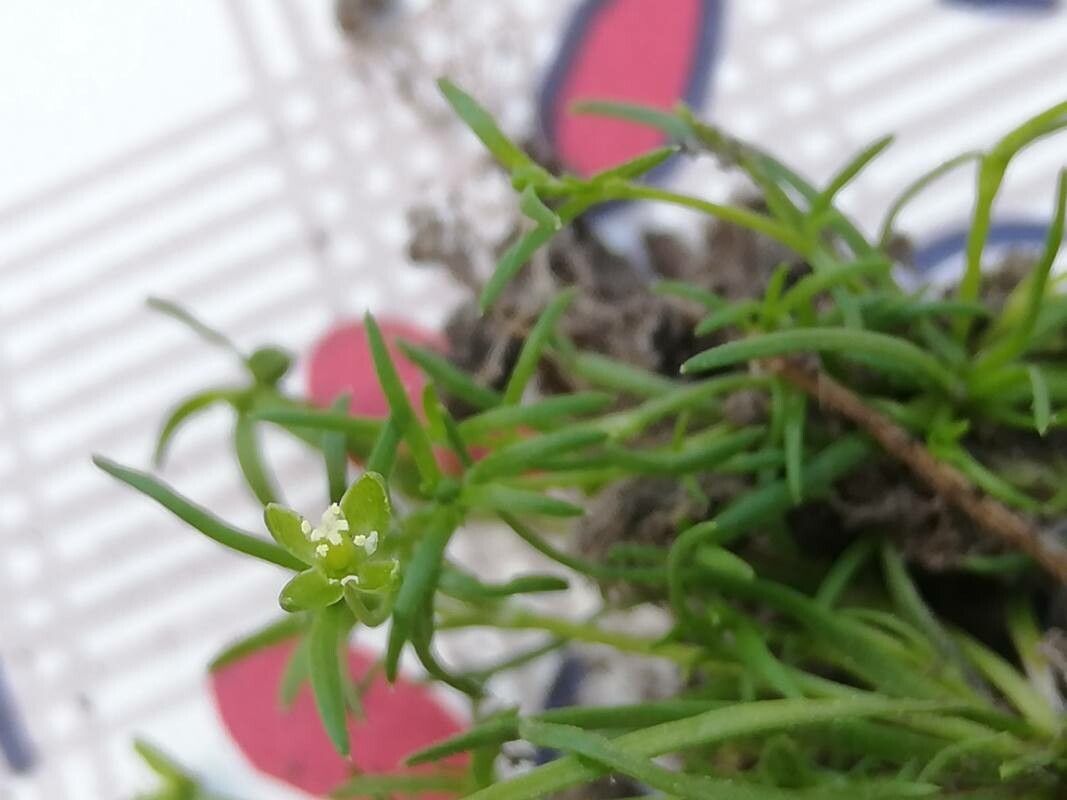
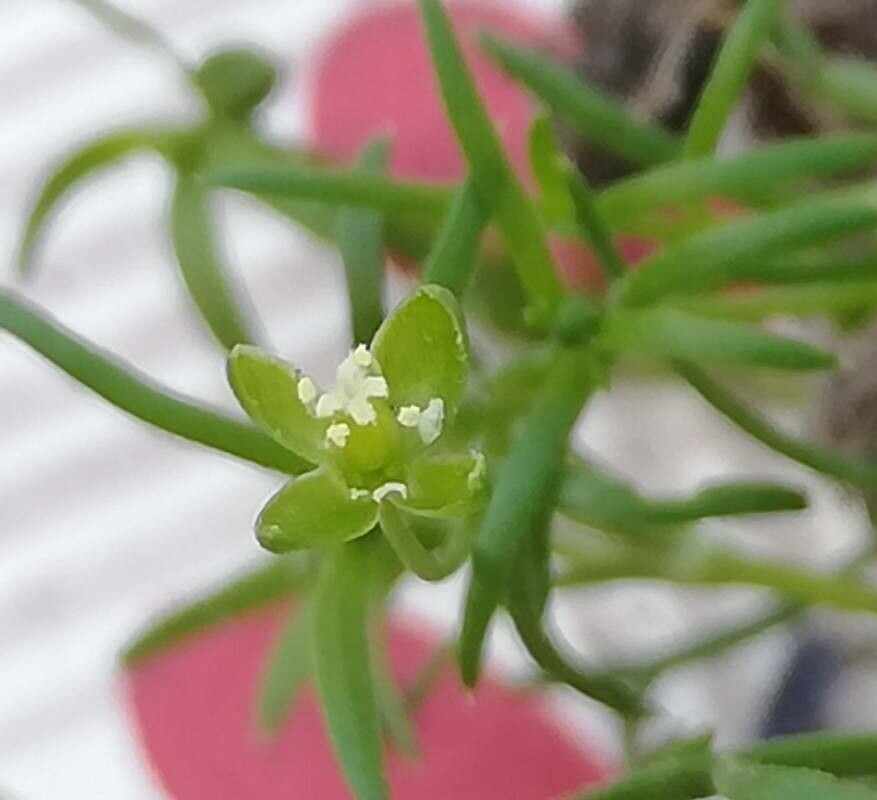
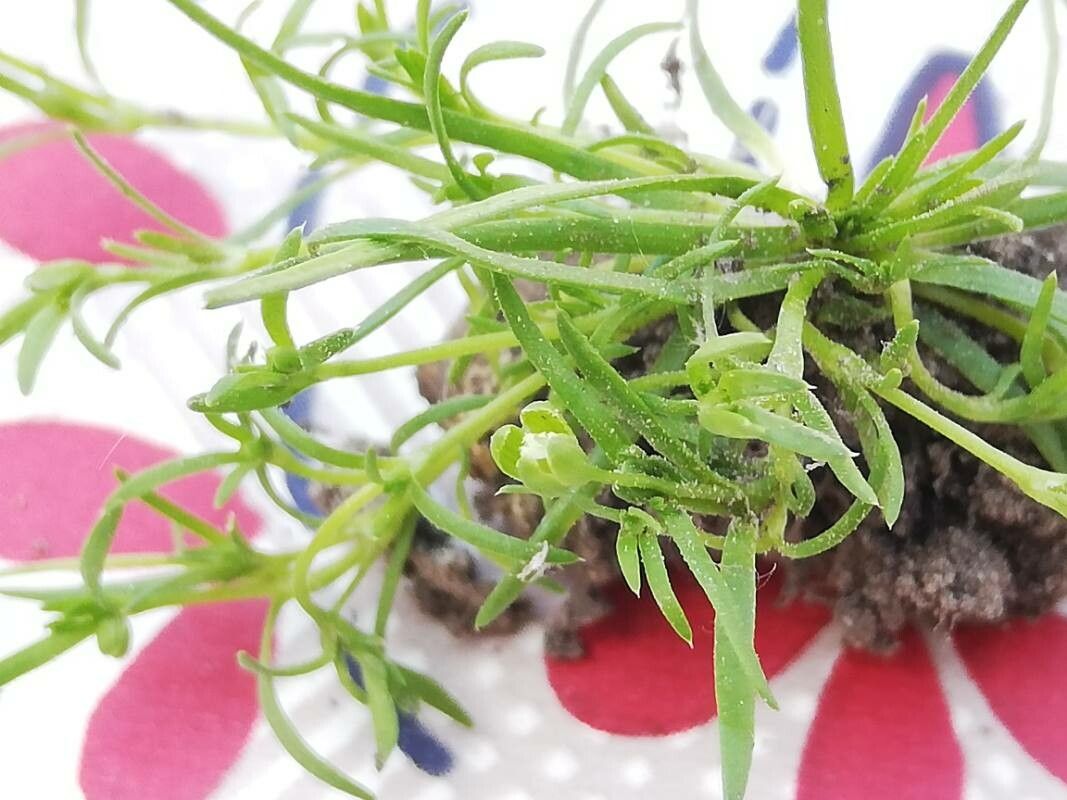
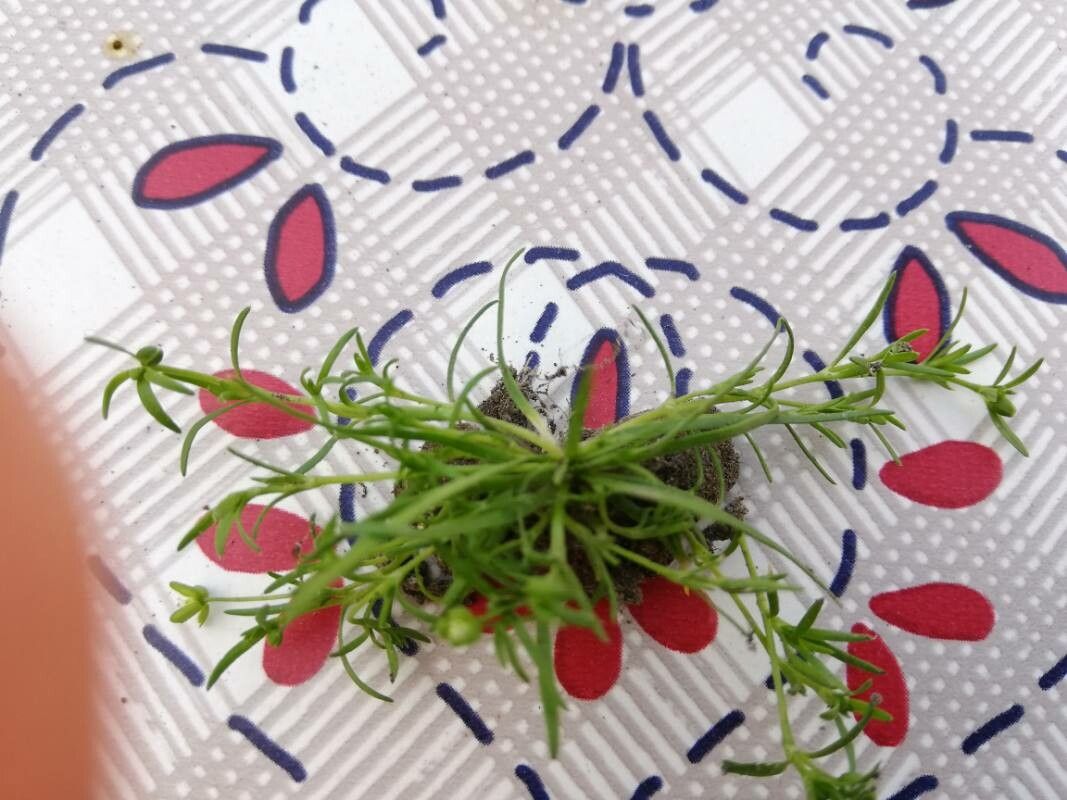
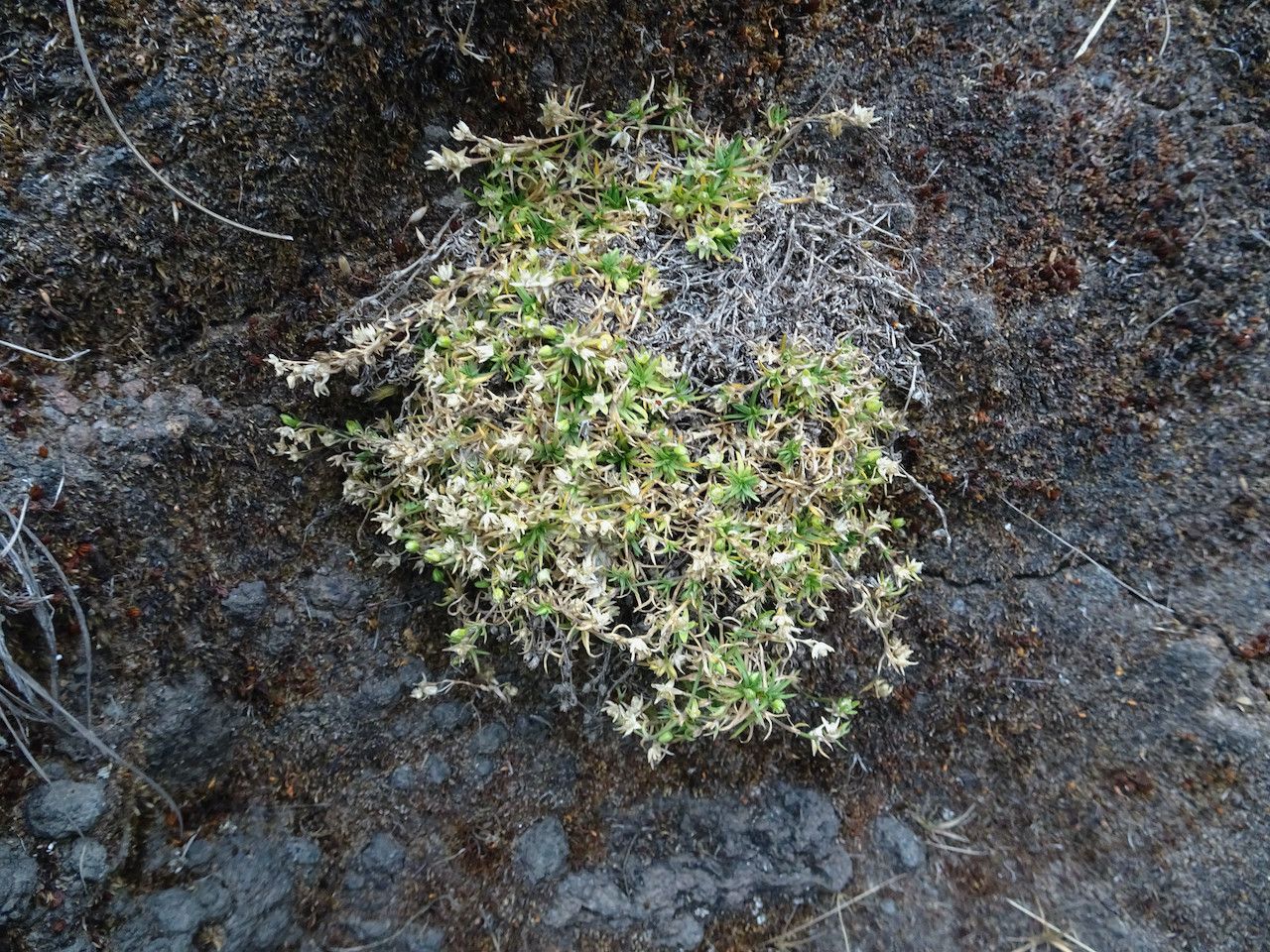
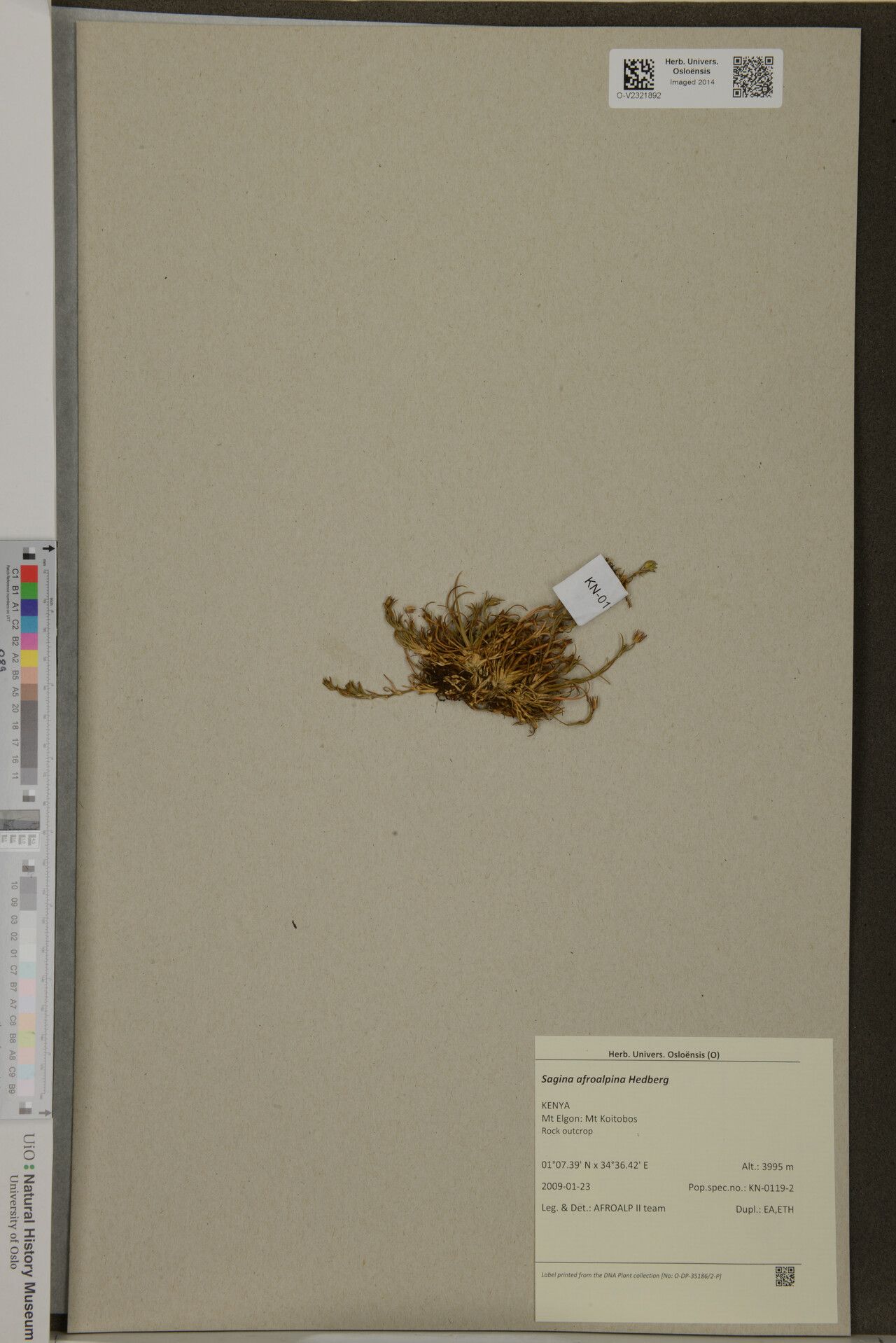
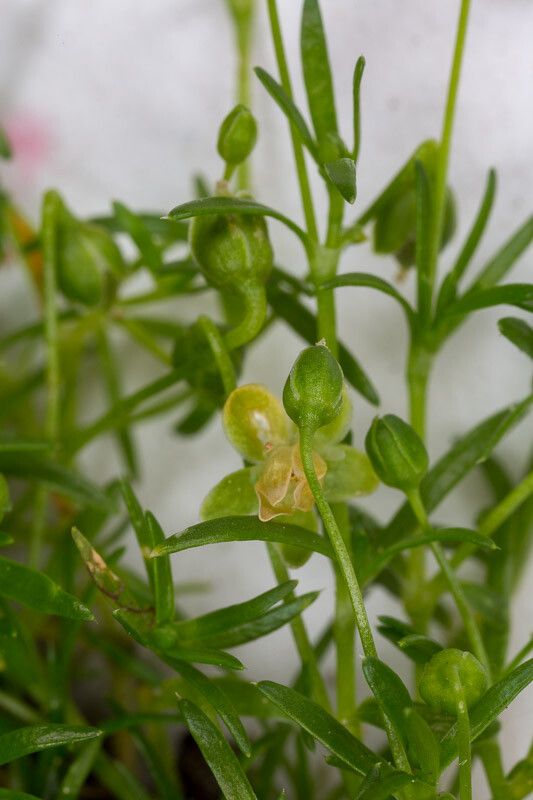
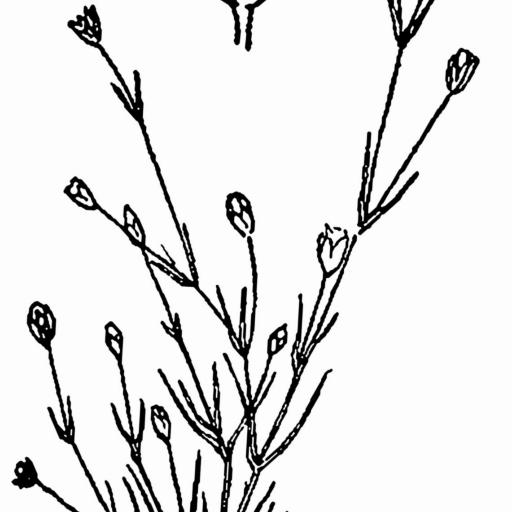
Japanese pearlwort is fairly resistant to disease and generally not prone to illness. That said, it can be vulnerable to pests and diseases present in its surroundings, though such problems are usually mild. For care, this plant requires moderate maintenance. It should be pruned regularly to keep a neat appearance and encourage healthy growth. Fertilizing can also help stimulate flowering. Japanese pearlwort is suitable for people with outdoor spaces like a garden or patio and does not need extensive gardening experience. It may demand more attention when grown indoors.
How to keep Sagina Japonica.
Light
For optimal growth, japanese pearlwort consistently needs a substantial amount of light each day. Originating from an environment with abundant daylight, it has adapted to do well under those conditions. If it does not receive the required amount of sunlight, its healthy development can be impeded, resulting in reduced vigor or possible stunted growth.
Water
Japanese pearlwort thrives in moist environments and needs consistent hydration, preferring soil that remains evenly wet. Watering it weekly is ideal. While it can tolerate short dry spells, it flourishes with regular moisture. As an evergreen, Japanese pearlwort retains water to keep its vibrant green foliage year-round.
Temperature
Japanese pearlwort can tolerate a broad range of temperatures, but its distribution may still be constrained by different combinations of moisture and heat. It grows best in warm summer conditions with sufficient rainfall or watering. Extended periods of cloudy, rainy weather, as well as prolonged high temperatures, increase the likelihood of Japanese pearlwort dying. In winter, adequate protection from cold can raise the plant's survival rate.
Fertilizer
Japanese pearlwort does well with regular, light fertilizer applications to encourage healthy leaf growth. Fertilize Japanese pearlwort about once a month during the summer. Nitrogen is important for the foliage, and adding nitrogen-rich sources helps Japanese pearlwort thrive.
Pruning
Japanese pearlwort is a low-growing, cushion-like ground cover that features star-shaped flowers. To maintain its shape and promote density, prune the plant from early to late spring. Be sure to use sharp, clean tools for pruning, as this will improve air circulation and reduce the risk of disease. For more detailed information, consider consulting reputable horticultural sources.
Botanical profile.
- Plant Type
- Herb
- Life Cycle
- Annual, Biennial
- Genus
- Sagina
- Family
- Caryophyllaceae
- Hardiness Zone
- 5-9
- Mature Height
- 5 cm to 20 cm
- Mature Spread
- 10 cm to 20 cm
- Leaf Color
- Dark Green
- Leaf Type
- Evergreen
- Flower Color
- White
- Flower Size
- 0.25 cm
- Bloom Time
- Late spring, Summer
- Planting Time
- Spring, Autumn
- Harvest Time
- Mid summer, Late summer, Early fall, Mid fall
- Native Area
- Russia, Nepal, India, Myanmar, Japan, Koppen, Bhutan, South Korea, China
Other names.
Reader questions.
What are the sunlight requirements for Japanese pearlwort?
Japanese pearlwort (Sagina japonica) thrives in full sun, needing more than 6 hours of sunlight daily for optimal growth. It's important to position your garden to provide a perfect balance of light and shade, ensuring the plants receive the necessary sunlight without overexposure. Inadequate light can lead to symptoms of light deficiency, such as smaller leaves and slower growth. For indoor plants, artificial lighting such as LED lights can be used to supplement natural sunlight, especially in less sunny spaces or during winter. The artificial light should mimic natural sunlight conditions, with specific wattage requirements based on the type of plant and its light needs.
What symptoms indicate that Japanese pearlwort is receiving inadequate sunlight?
When Japanese pearlwort doesn't receive enough light, it may show several symptoms indicating light deficiency. These include smaller new leaves, leggy or sparse growth, faster leaf drop, slower or no new growth, and lighter-colored or irregular new leaves. Other issues like chlorosis, sunscald, leaf curling, wilting, and leaf scorching can occur due to overexposure to sunlight or inadequate sunlight, reflecting an imbalance in the plant's light environment.
How can I ensure optimal growth for Japanese pearlwort if grown indoors or in inadequate light conditions?
To ensure optimal growth for Japanese pearlwort indoors or in areas with insufficient natural light, gradually move your plants to a sunnier location or use artificial light. Indoors, placing your plant near a south-facing window and keeping curtains open during daylight can maximize sunlight exposure. Additionally, consider using desk lamps or professional grow lights for at least 8 hours a day to provide necessary light. For outdoor plants, moving them gradually to sunnier spots can help avoid sunburn, allowing them to adapt to increased light exposure. In cases where sunlight is blocked, reducing obstructions or relocating the plant to a sunnier area with good drainage during its dormant period might be necessary. Remember, while parts of the plant affected by light deficiency may not recover, new growth should be healthy with improved light conditions.