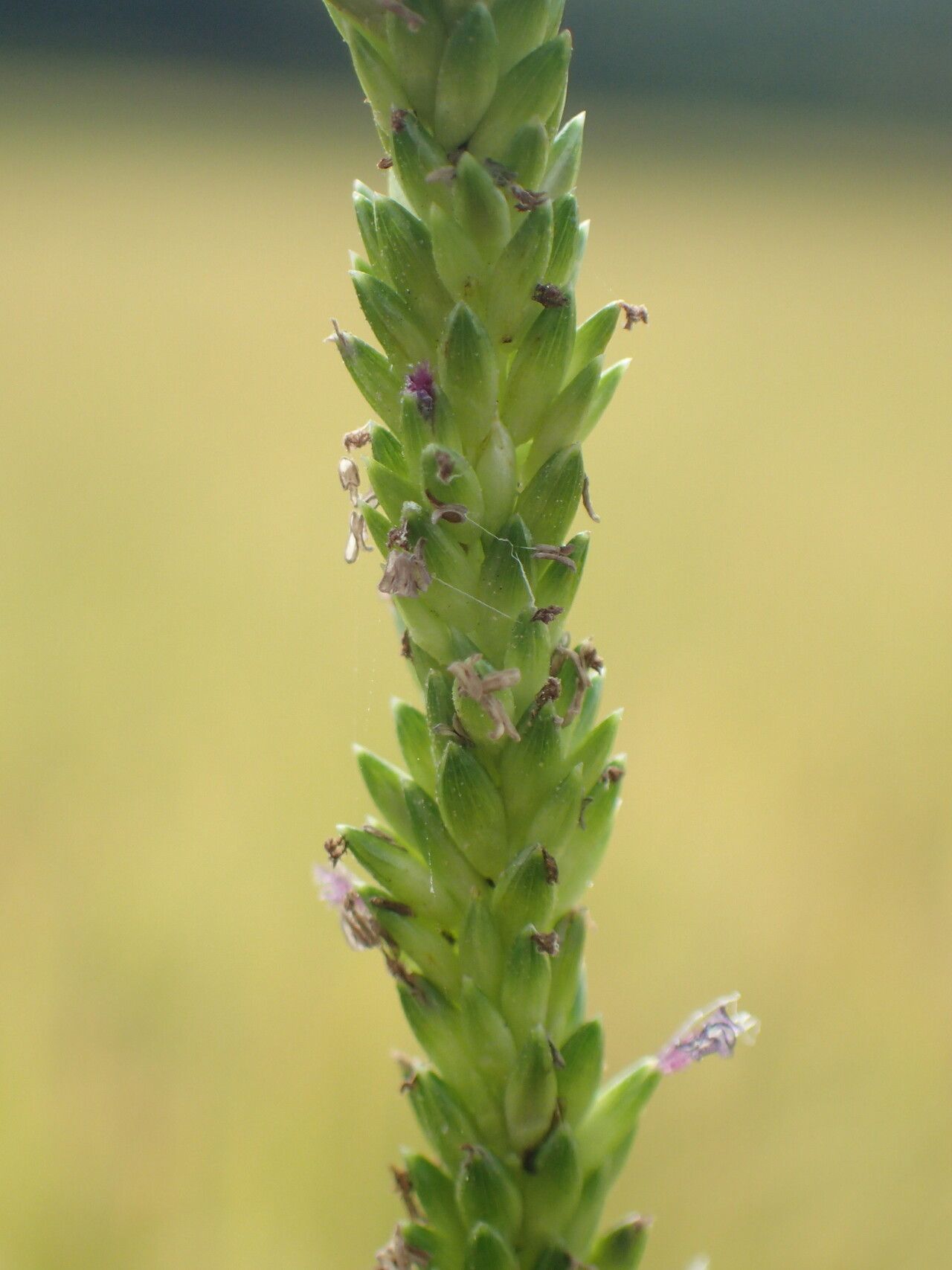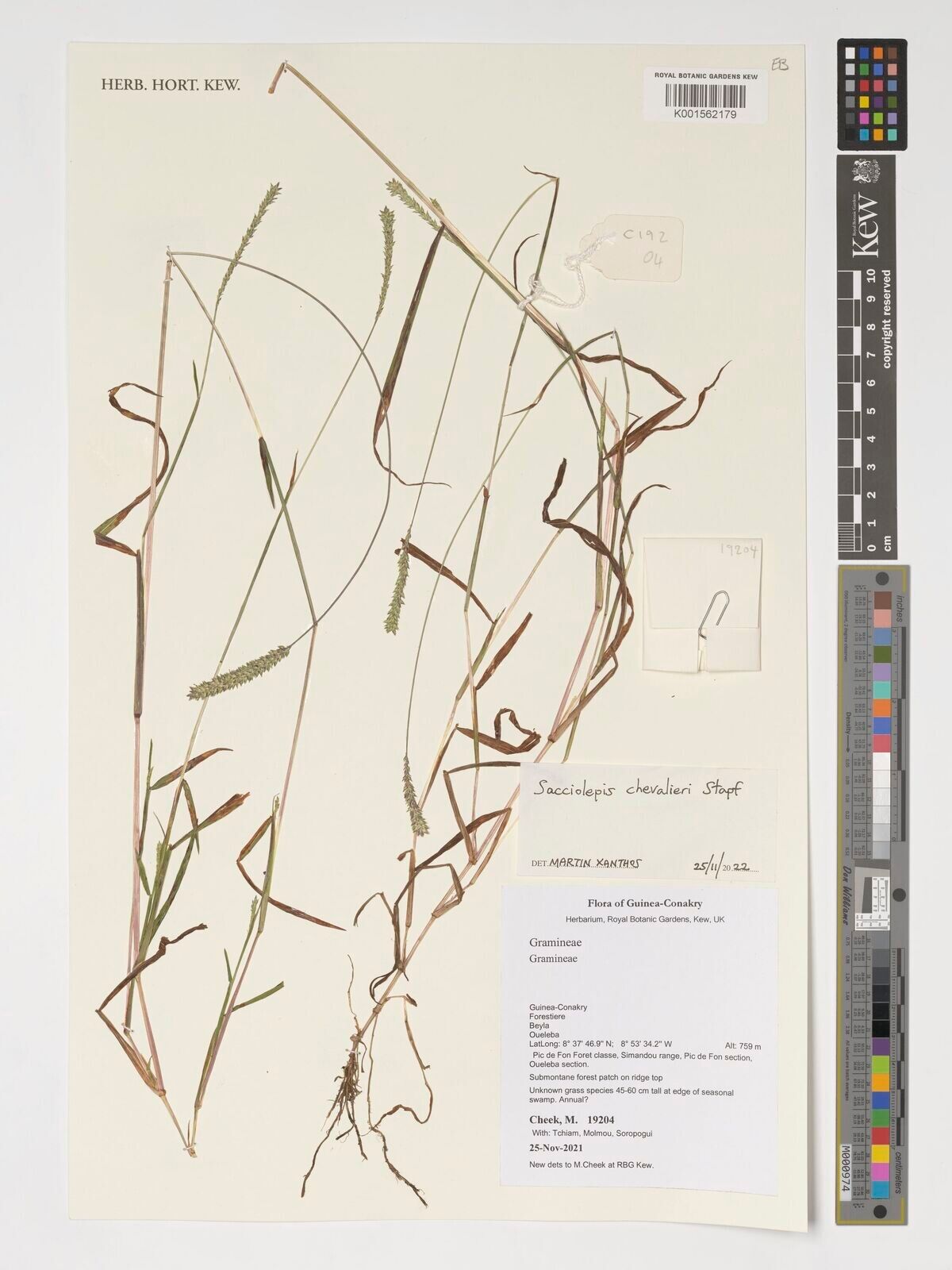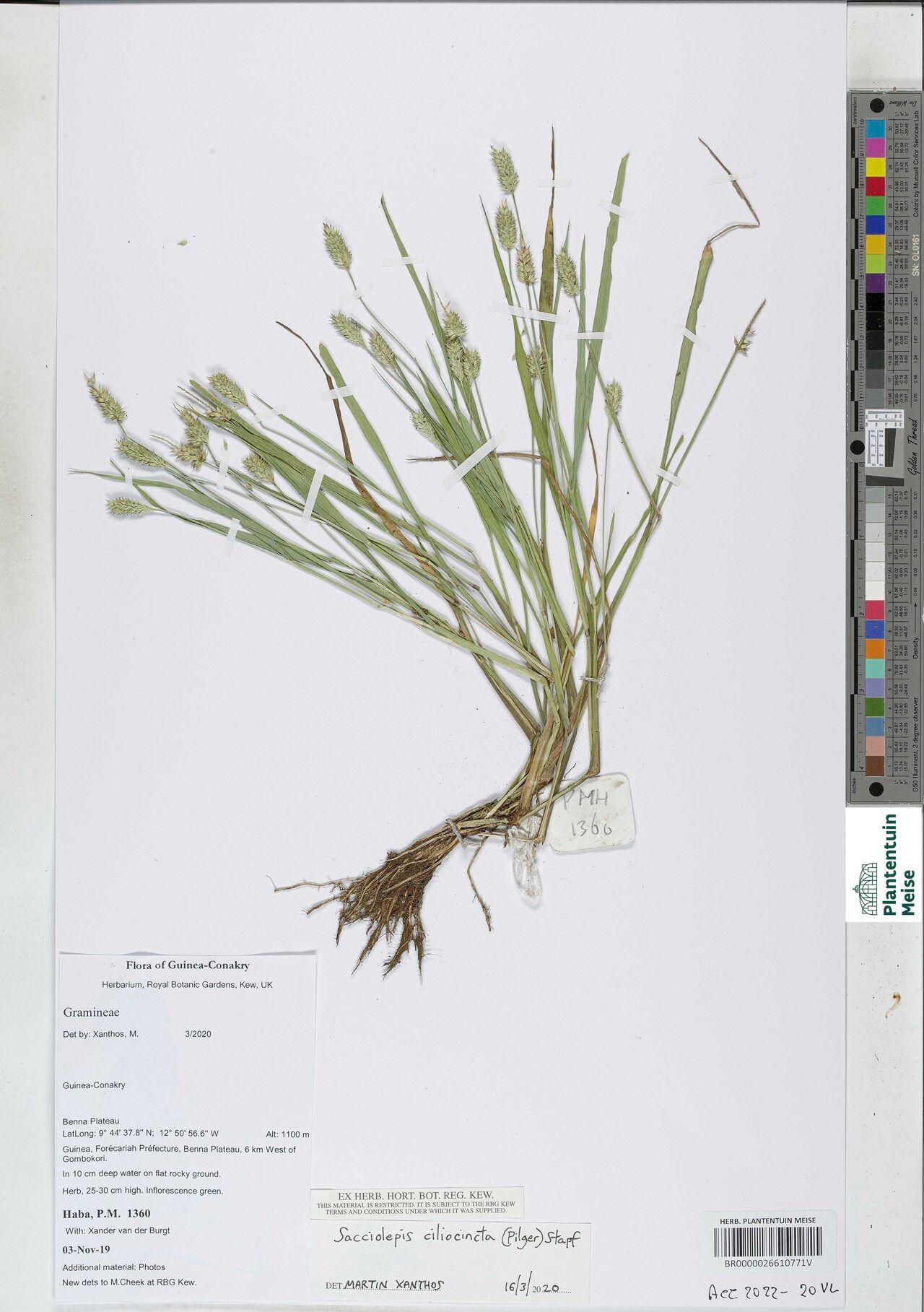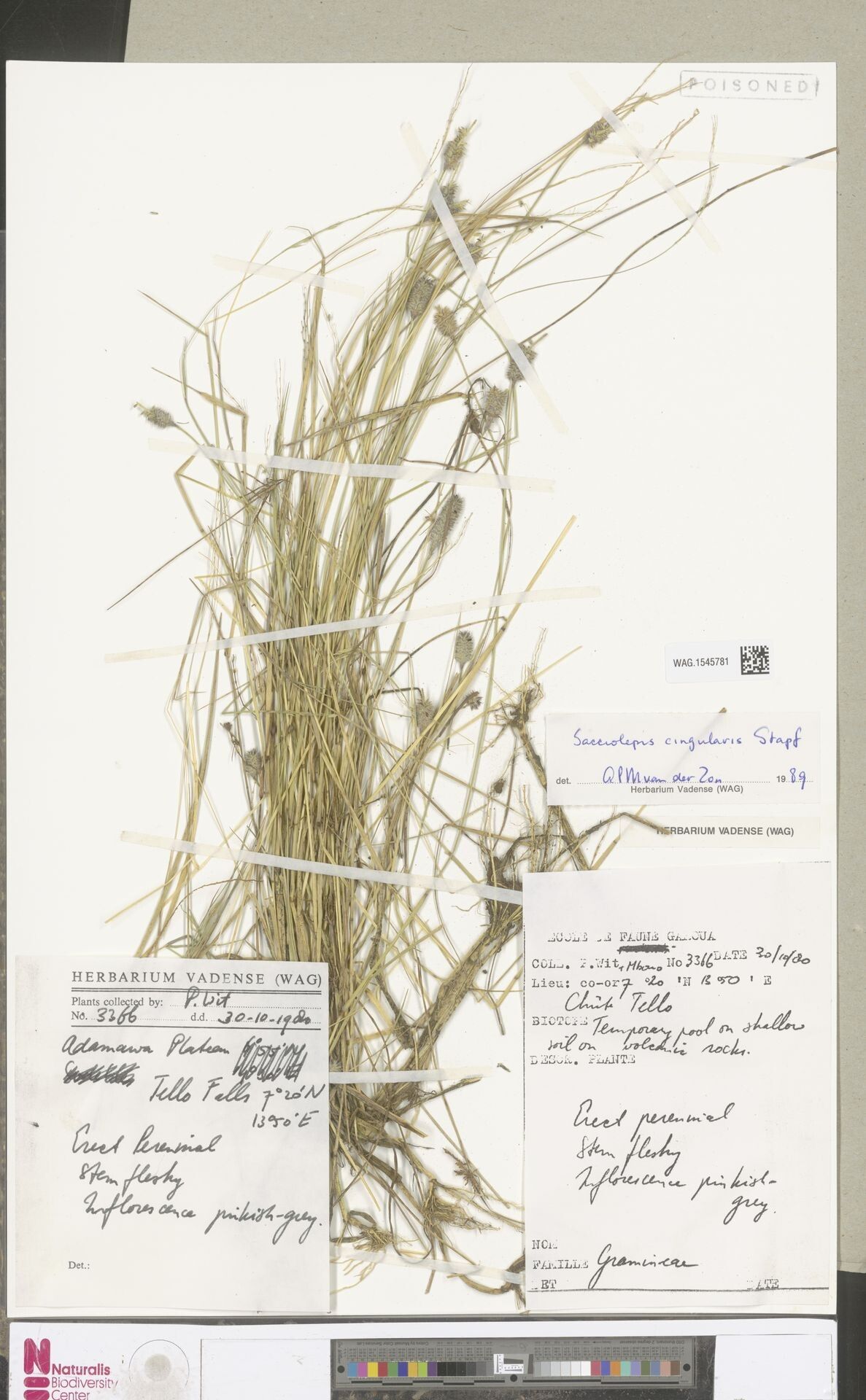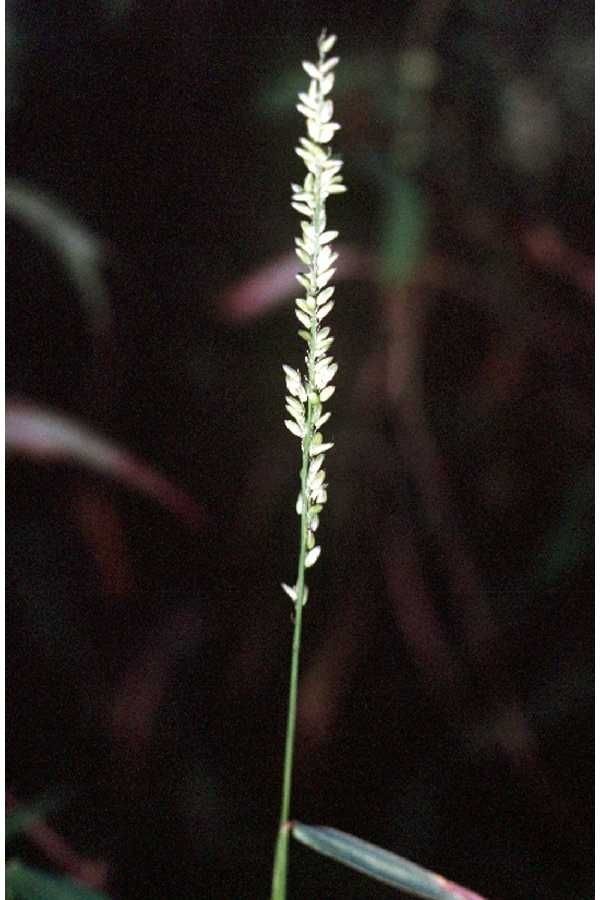
American cupscale has strong disease resistance and usually does not develop many illnesses. Regarding care, this plant is fairly low-maintenance. Planted outdoors, it needs only occasional watering, and larger specimens typically do not require pruning. Smaller plants should be pruned after they have bloomed. American cupscale is suitable for anyone with an outdoor area, such as a garden or a deck, and does not demand extensive care experience.
How to keep Sacciolepis Striata.
Light
American cupscale is native to habitats such as forest understories and rocky areas, where it occurs in natural shade. It prefers partial sun but can adapt to full sun or full shade, showing its versatile and hardy nature.
Temperature
American cupscale can tolerate a broad span of temperature conditions, but its range may still be constrained by different combinations of water and heat. It performs best in warm summer climates with sufficient rainfall or irrigation. Extended stretches of cloudy, rainy weather or prolonged high temperatures can raise the risk of American cupscale dying. In winter, shielding it from cold can increase the plant's chances of survival.
Fertilizer
The American cupscale needs extra nutrients to encourage healthy new growth. In spring, putting compost around the plant’s base will effectively supply the nutrition it requires. Fertilizing helps support vigorous growth and improves the plant’s resistance to diseases and pests.
Botanical profile.
- Plant Type
- Grass
- Life Cycle
- Perennial
- Genus
- Sacciolepis
- Family
- Poaceae
- Hardiness Zone
- 8-11
- Mature Height
- 30 cm to 91 cm
- Mature Spread
- 20 cm to 40 cm
- Leaf Color
- Light Green, Dark Green
- Leaf Type
- Semi-evergreen
- Flower Size
- 0.20 cm to 0.25 cm
- Bloom Time
- Summer
- Planting Time
- Spring, Summer, Autumn
- Harvest Time
- Late summer, Early fall, Mid fall
- Native Area
- Cuba, Honduras, Haiti, Mexico, Georgia, Venezuela, Guyana, Brazil, Dominican Republic, Suriname, Panama, Jamaica