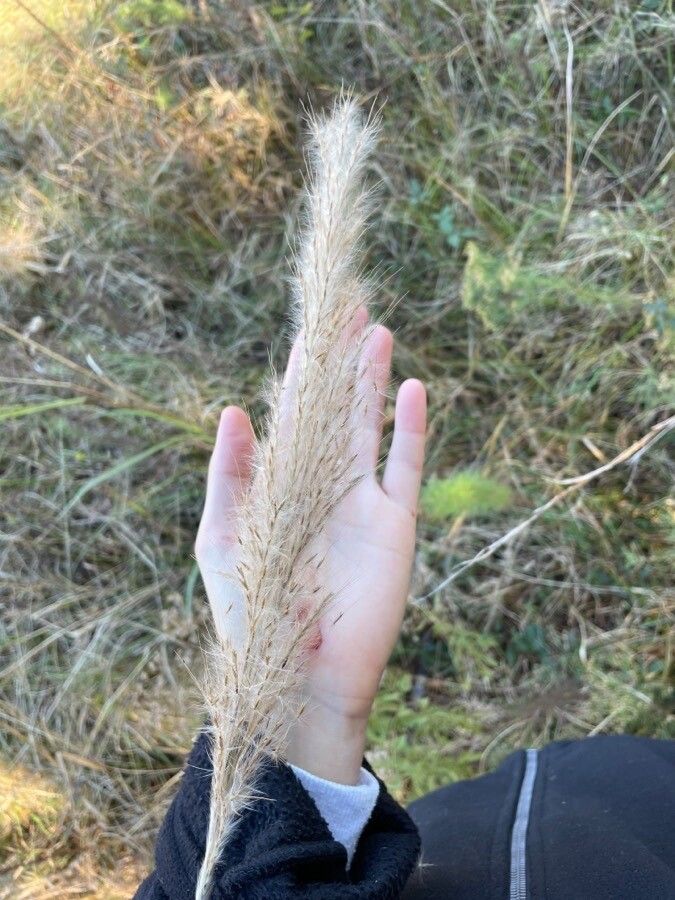
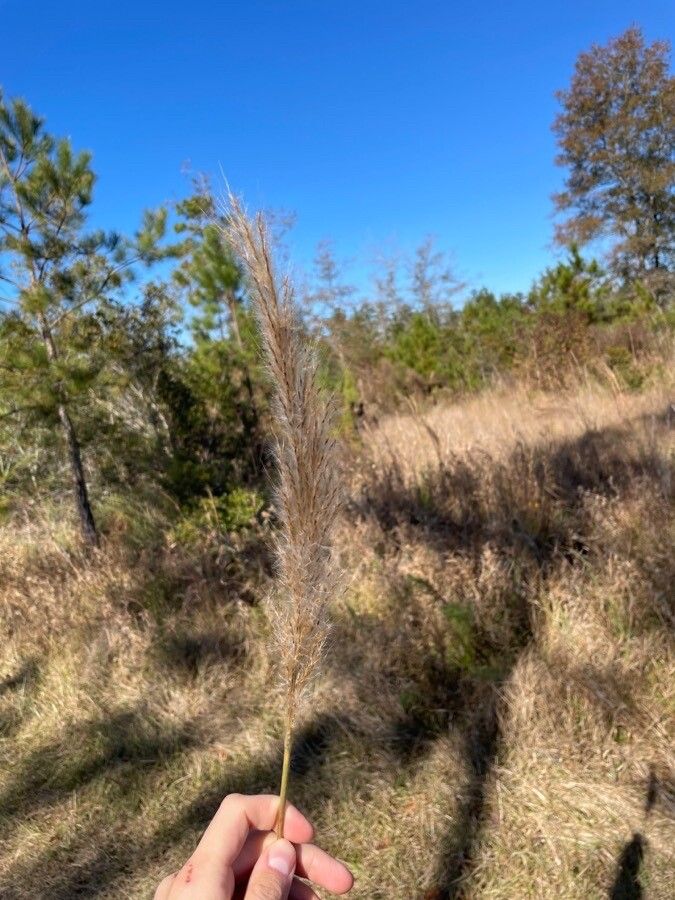
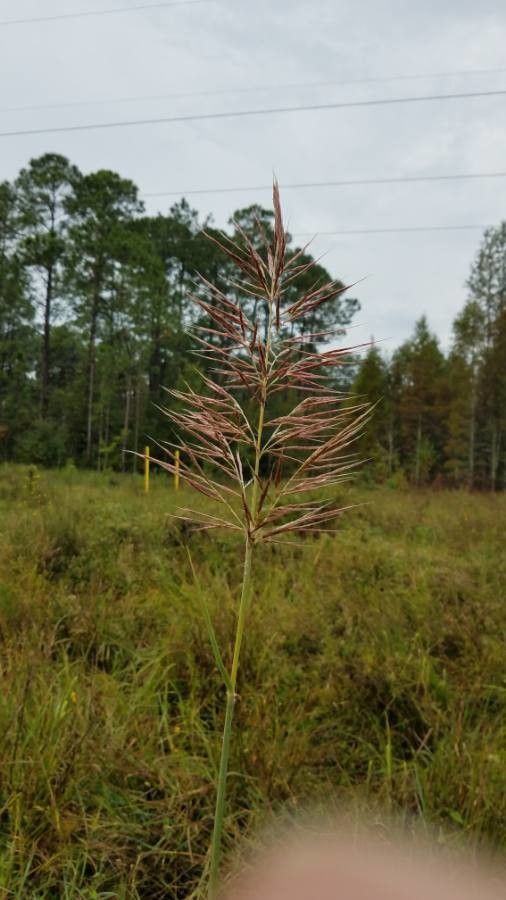
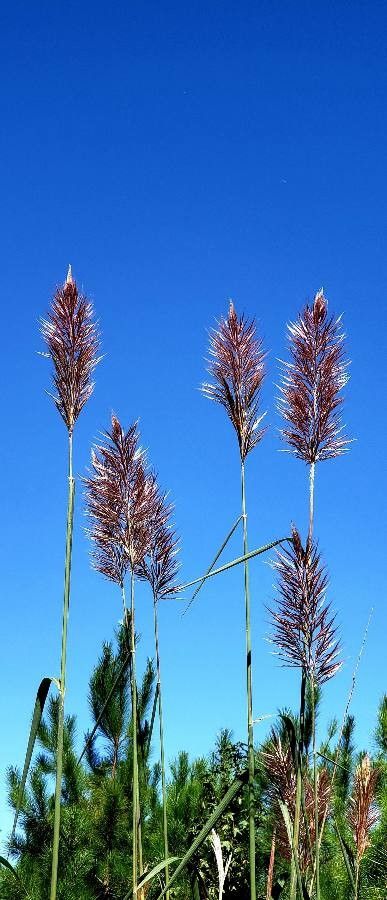
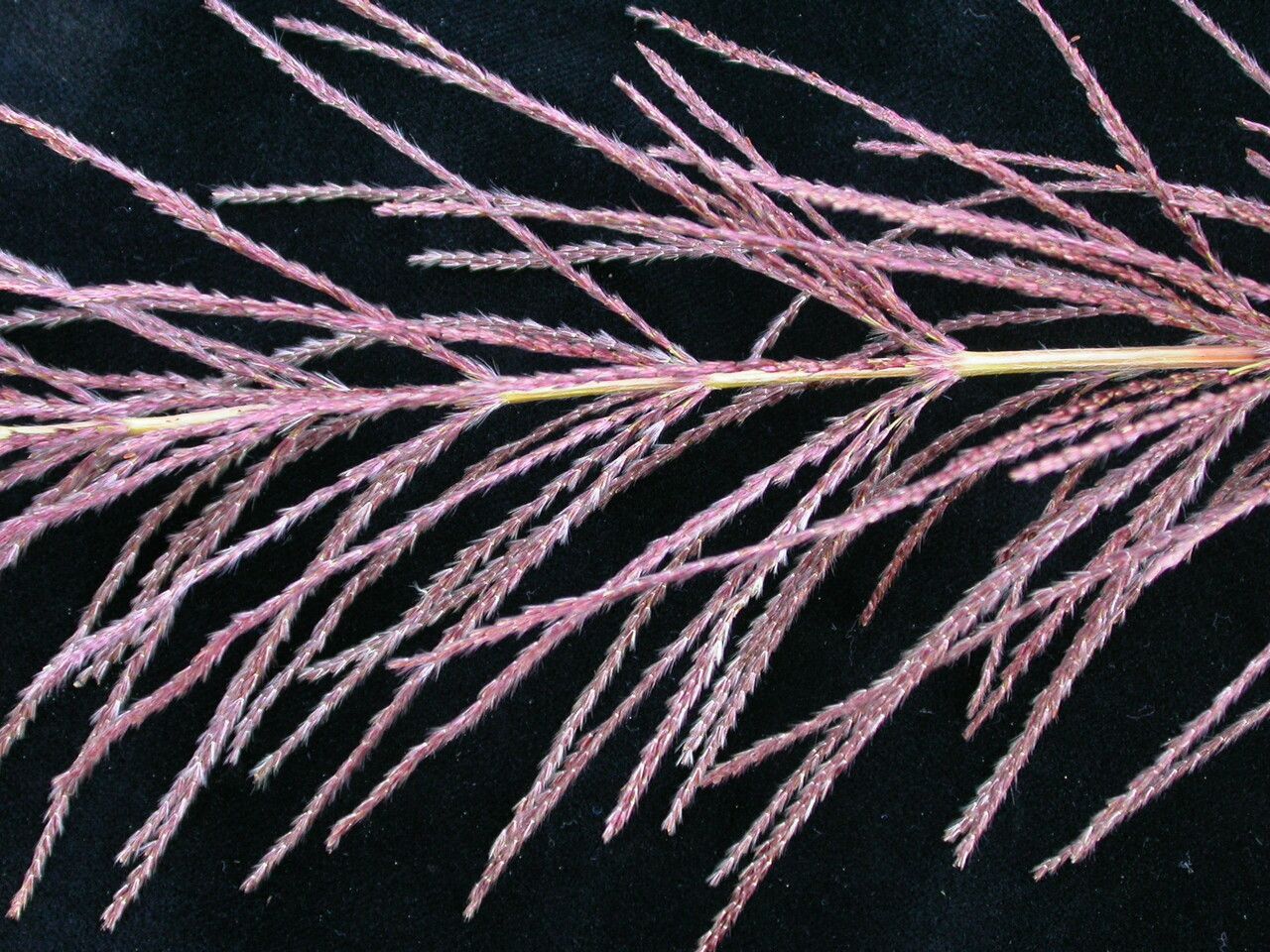
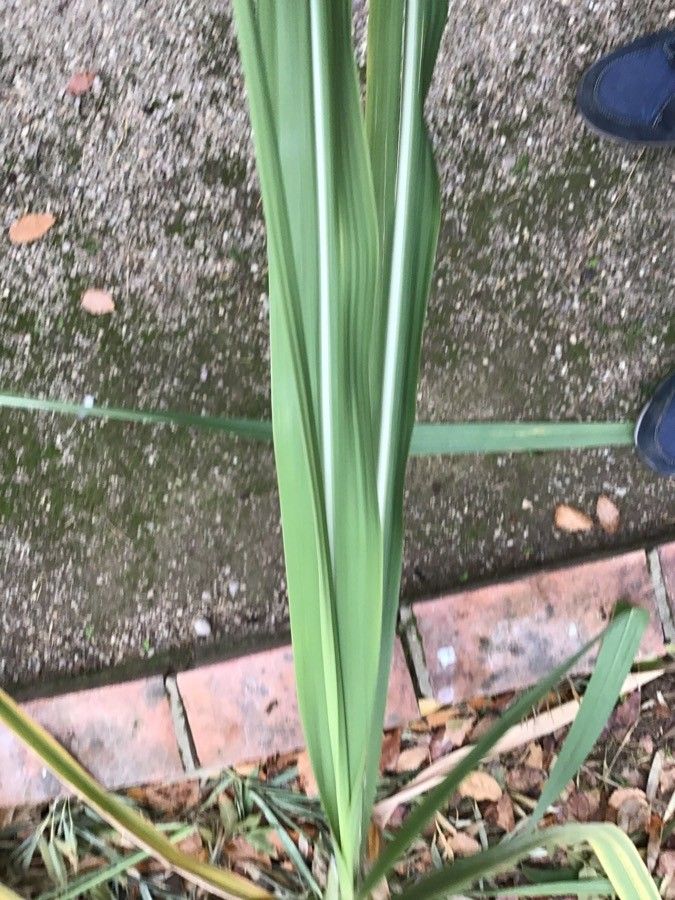
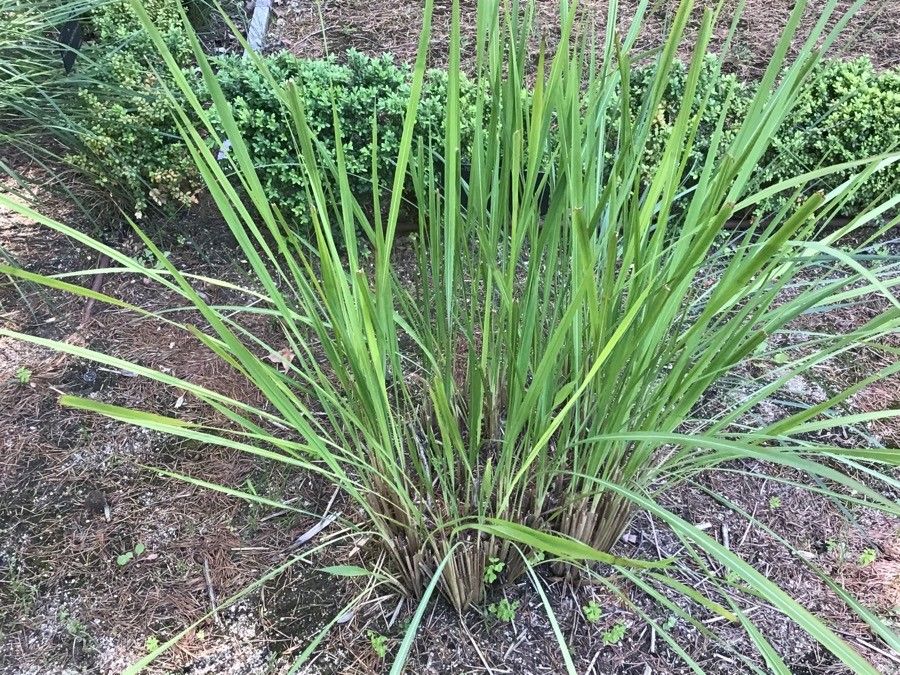
Saccharum alopecuroides, commonly known as silver plumegrass, is a species of perennial grass found in North America.
Silver plume grass is resistant to disease and typically does not easily develop illnesses. In terms of upkeep, the plant is fairly low-maintenance. When grown outdoors it needs only light watering, and larger specimens usually do not require pruning. Smaller specimens, however, should be trimmed after they finish blooming. Silver plume grasst is well suited to anyone with an outdoor area, like a garden or a deck, and does not demand much prior care experience.
How to keep Saccharum Alopecuroides.
Light
Silver plume grass is a perennial herbaceous plant that prefers sunny sites and originates from open habitats, often growing in meadows and grasslands. It thrives in full sun but can also tolerate partial sun.
Water
Silver plume grass flourishes in grasslands, where it can withstand short periods of drought but generally prefers regular moisture. For optimal health, it is important to water it weekly. As an outdoor plant, silver plume grass benefits from natural rainfall during critical growth stages, which enhances its development.
Temperature
Silver plume grass comes from tropical areas, which are generally warm and humid. Consequently, it is adapted to high heat and moisture. It does not tolerate abrupt temperature changes and prefers a steady thermal environment, so avoiding indoor temperature swings is important. It typically cannot withstand cold and needs warmer conditions to grow. If the surrounding temperature falls too low, the plant may stop growing or even die.
Fertilizer
Silver plume grass needs extra nutrients to encourage healthy new growth. In spring, applying compost around the base of the plant will effectively supply the nutrition it requires. Fertilizing helps support vigorous growth and improves the plant’s resistance to diseases and pests.
Pruning
Silver plume grass, known for its feathery plumes, thrives with early spring pruning, which enhances both its growth and appearance. To achieve this, cut dead stems back to ground level and thin out crowded areas. It's important to use clean tools to prevent the spread of disease. Regular pruning also helps rejuvenate older plants, maintaining their vigor over time.
Botanical profile.
- Plant Type
- Grass
- Life Cycle
- Perennial
- Genus
- Saccharum
- Family
- Poaceae
- Hardiness Zone
- 8-11
- Mature Height
- 0.91 m to 2.44 m
- Mature Spread
- 0.3 m to 1.22 m
- Leaf Color
- Green, Light Green
- Leaf Type
- Evergreen
- Flower Color
- Silver
- Bloom Time
- Late summer, Early fall, Mid fall
- Planting Time
- Spring, Summer, Autumn
- Harvest Time
- Fall
Other names.
Reader questions.
How much sunlight does Silver plume grass require?
Silver plume grass thrives in full sun, necessitating more than 6 hours of sunlight daily for optimal growth. This perennial herbaceous plant is adapted to open habitats such as meadows and grasslands, where it can also tolerate partial sun conditions. Observing how sunlight moves through your garden helps in choosing spots that offer a good balance of light and shade, ensuring the plants' well-being.
Can Silver plume grass grow under artificial lighting?
Yes, Silver plume grass can grow under artificial lighting, making it suitable for indoor conditions where natural sunlight might be insufficient, especially during winter or in less sunny spaces. The right type of artificial light, such as LED lights, can be customized to provide the specific wavelengths your plants need. Full sun plants require 30-50W/sq ft of artificial light, partial sun plants need 20-30W/sq ft, and full shade plants need 10-20W/sq ft. It's important to place the light source at an appropriate distance of 12-36 inches above the plant and for a duration that mimics natural daylight hours, usually 8-12 hours per day.
What are the signs of insufficient light in Silver plume grass?
Signs of insufficient light in Silver plume grass include smaller-sized new leaves, leggy or sparse growth, faster leaf drop, slower or no new growth, lighter-colored new leaves, and symptoms such as chlorosis, sunscald, leaf curling, wilting, and leaf scorching. These signs indicate that the plant is not receiving adequate sunlight, which is crucial for its photosynthesis process and overall health.
How can you address insufficient light for Silver plume grass?
To address insufficient light for Silver plume grass, gradually move the plants to a sunnier location, aiming for at least 6 hours of direct sunlight daily, and use a south-facing window for indoor plants. For plants that are too large or not easily movable, consider using artificial light, keeping a desk or ceiling lamp on for at least 8 hours a day or investing in professional plant grow lights. Outdoors, moving plants gradually to the best spot for sunlight helps them adapt without the risk of sunburn. Reducing obstructions such as pruning trees or transplanting to a sunnier location with good drainage can also improve light availability.