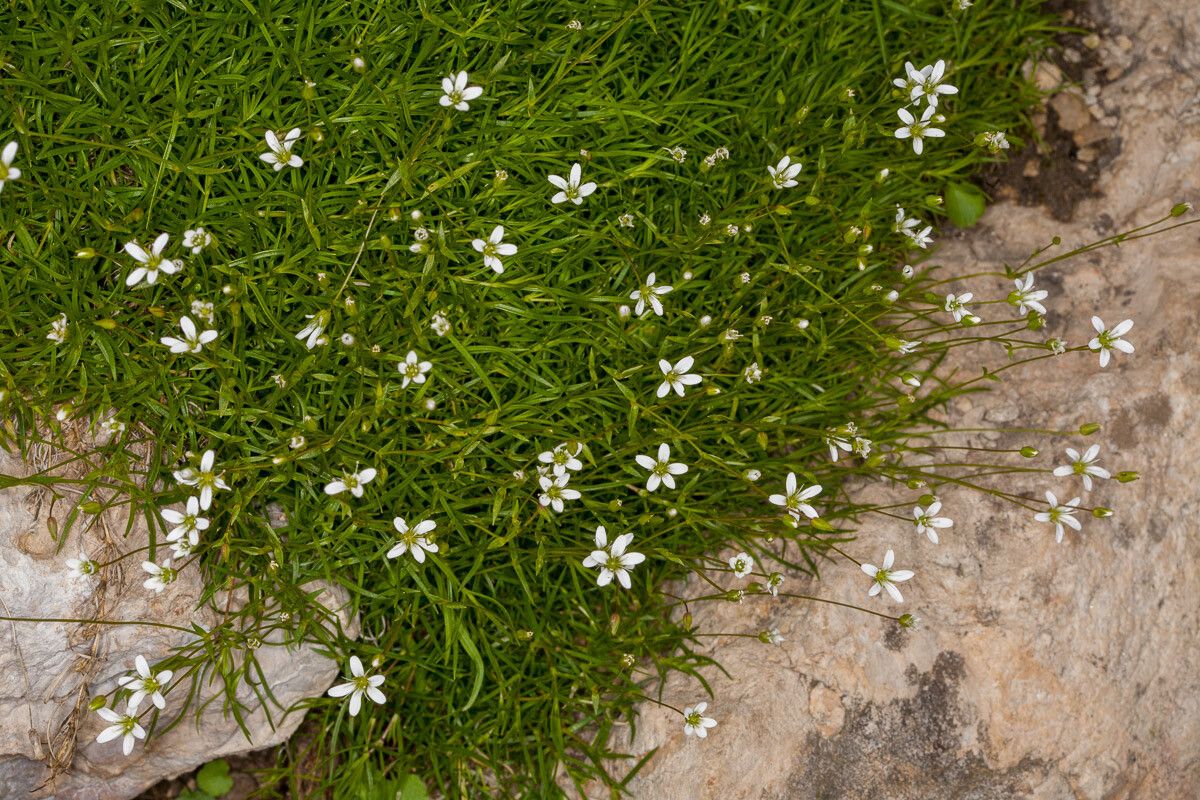
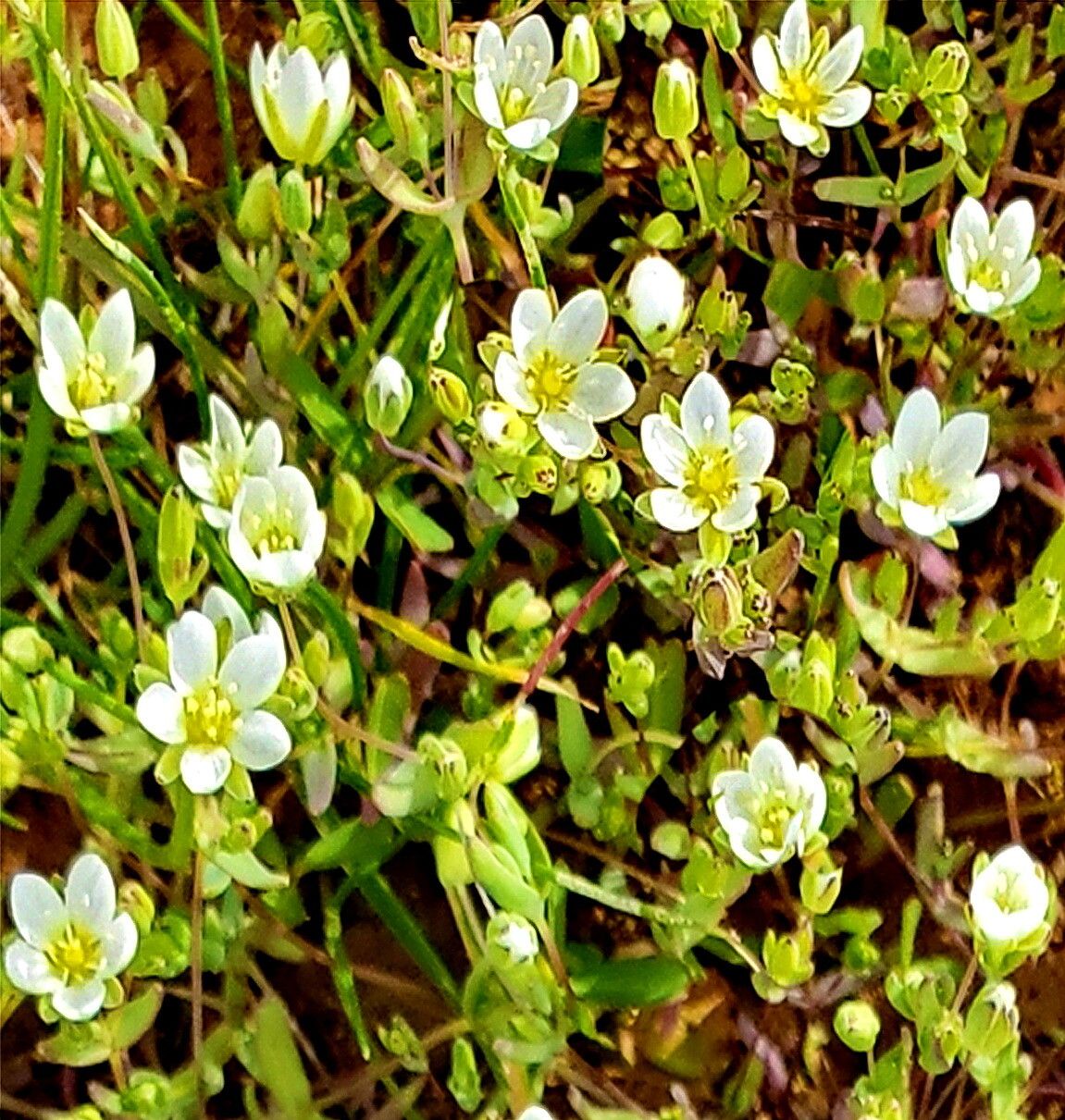
Rock sandwort is fairly disease-resistant and typically does not suffer from many illnesses. Still, it can be affected by pests and diseases found nearby. Such infections are typically mild. Regarding care, the plant requires a moderate level of maintenance. Regular pruning is needed to preserve its appearance and encourage healthy growth. Applying fertilizer can also aid in boosting flowering. Rock sandwort is suitable for anyone with outdoor areas like a garden or patio and does not demand extensive gardening experience. It may need extra attention if cultivated indoors.
How to keep Sabulina Michauxii.
Light
The Rock sandwort thrives in locations that receive ample sunlight, originating from regions where there's plenty of sun. Nonetheless, it's not gravely affected by a deficiency or excess of such exposure. Yet, it experiences ideal health and development under significant sunlight.
Water
Rock sandwort thrives in well-drained environments with consistent moisture, benefiting from weekly watering. Its resilience is largely due to its adaptation to natural precipitation cycles. Although typically grown outdoors, rock sandwort does best when the soil moisture mirrors seasonal rainfall. This makes it an excellent choice for gardens that replicate its native climate.
Temperature
Rock sandwort is capable of adjusting to an extensive variety of temperature ranges, though varying combinations of heat and water conditions may still restrict its spread. The plant flourishes optimally in warm climates during the summer months provided that there is sufficient rain or irrigation. Extended spells of overcast and rainy weather, as well as sustained high temperatures, can heighten the chance of Rock sandwort perishing. During the winter months, proper safeguards against the cold can enhance the plant's chances of staying alive.
Fertilizer
Typically, one fertilizer application in the spring is enough for Rock sandwort, although you can stimulate greater growth by fertilizing more frequently. Feed the plant every month to a month and a half. The enhanced leaf appearance and performance, with steady coloration and a robust texture, can be linked to fertilization. Moreover, it encourages root growth and nutrient uptake, contributing to the long-term well being of the plant.
Pruning
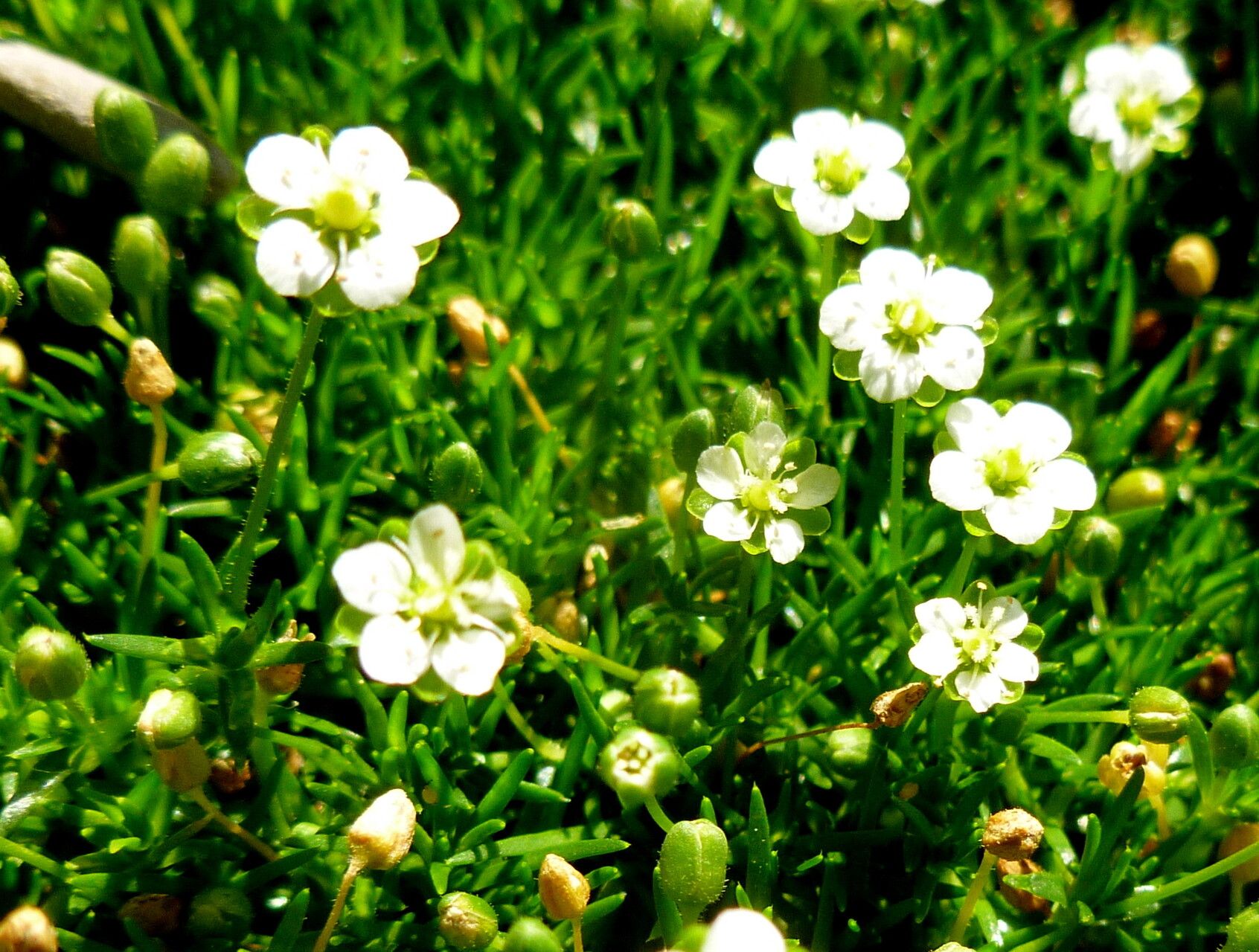
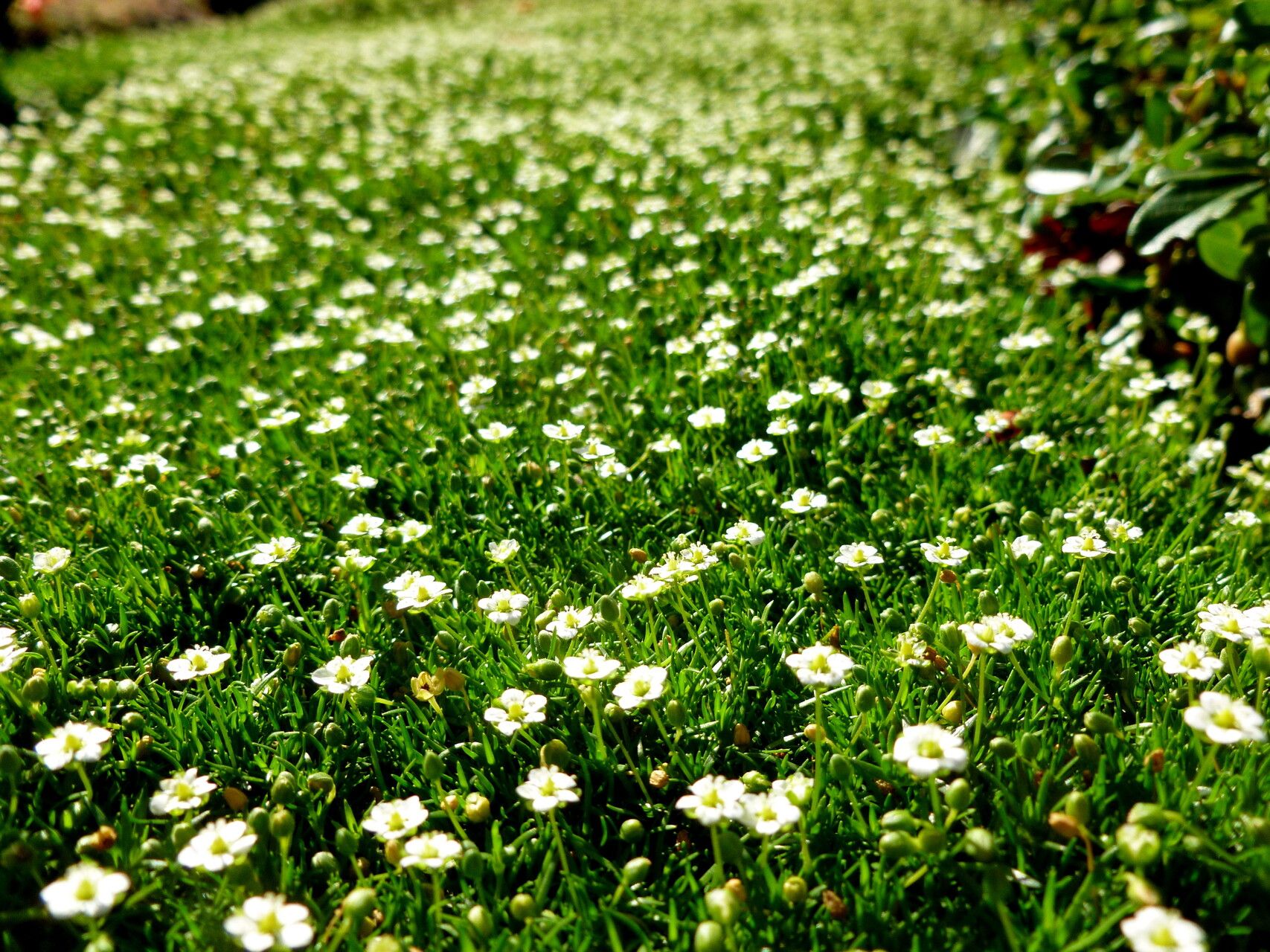
Rock sandwort is a low-growing perennial that features small white flowers. To encourage growth, maintain its shape, and enhance blooming, it is best to prune this plant between early and late spring. Removing dead stems helps to prevent disease and improves air circulation, which benefits the plant's overall health and vigor.
Botanical profile.
- Plant Type
- Herb
- Life Cycle
- Perennial, Annual
- Genus
- Sabulina
- Family
- Caryophyllaceae
- Hardiness Zone
- 4-8
- Mature Height
- 10 cm
- Mature Spread
- 10 cm to 20 cm
- Leaf Color
- Green
- Leaf Type
- Semi-evergreen
- Flower Color
- White
- Flower Size
- 0.51 cm to 0.76 cm
- Bloom Time
- Mid spring, Late spring, Early summer
- Planting Time
- Spring, Summer
- Harvest Time
- Summer
Other names.