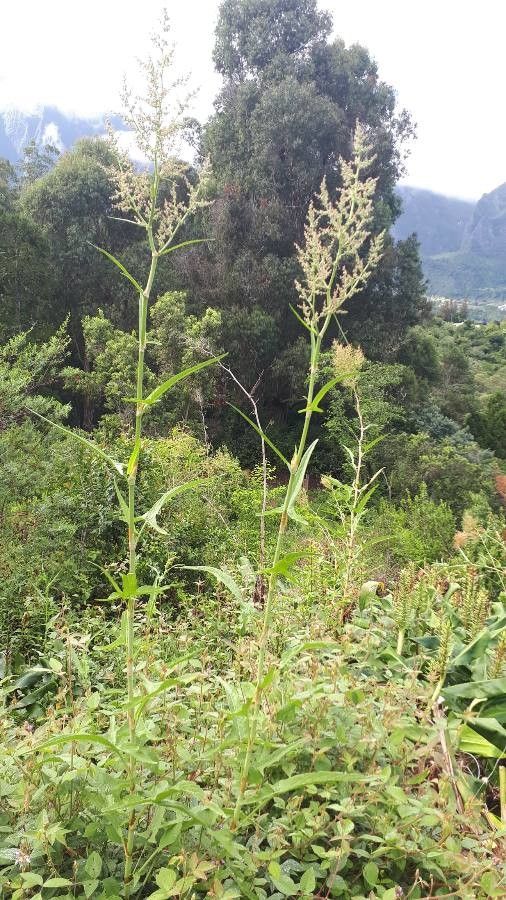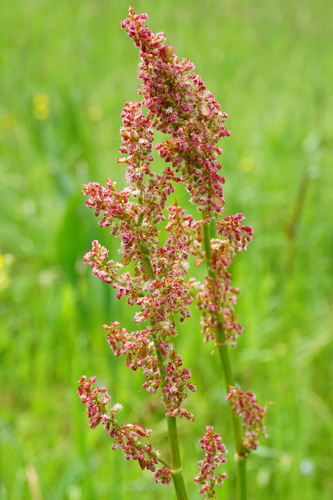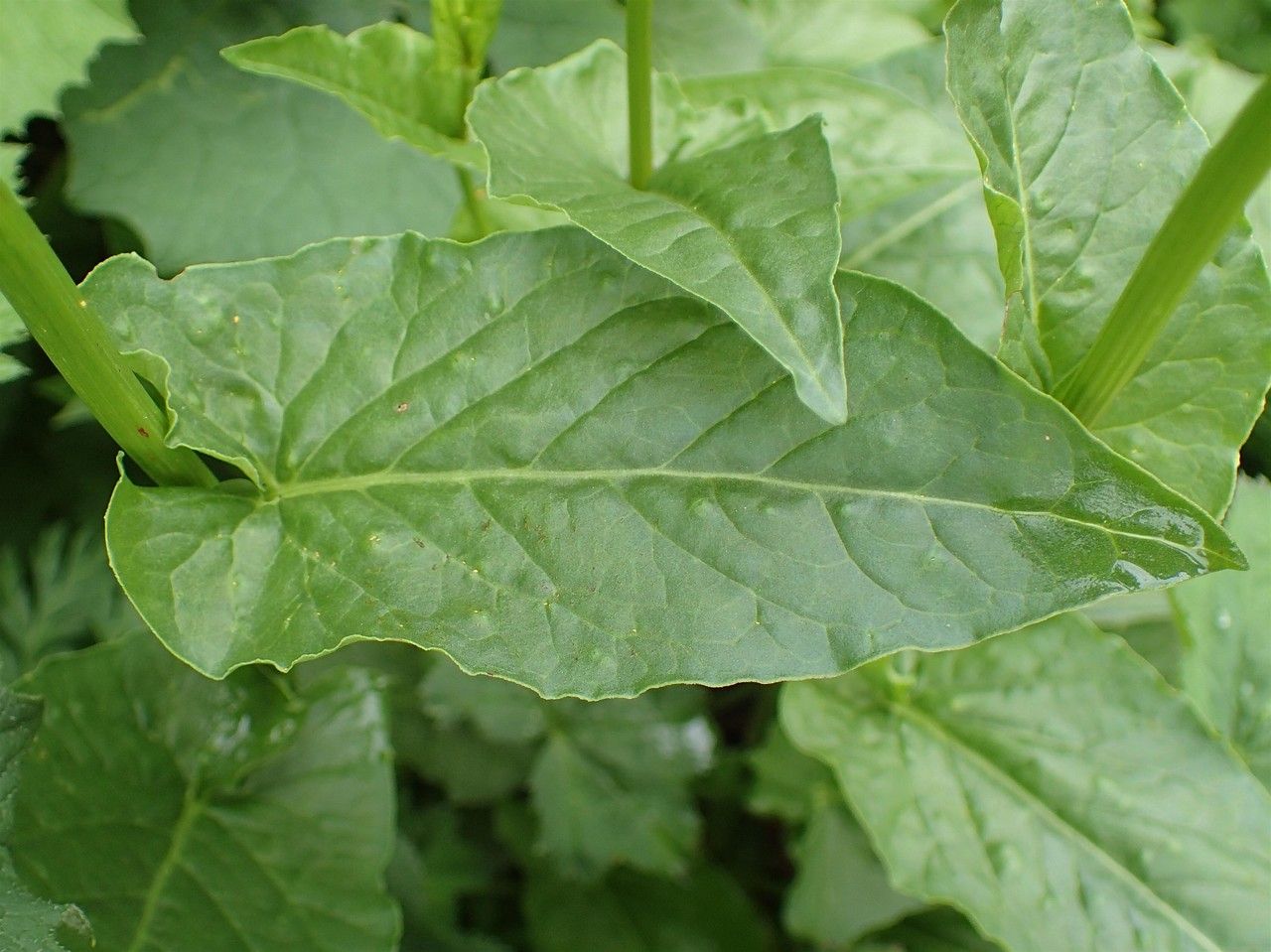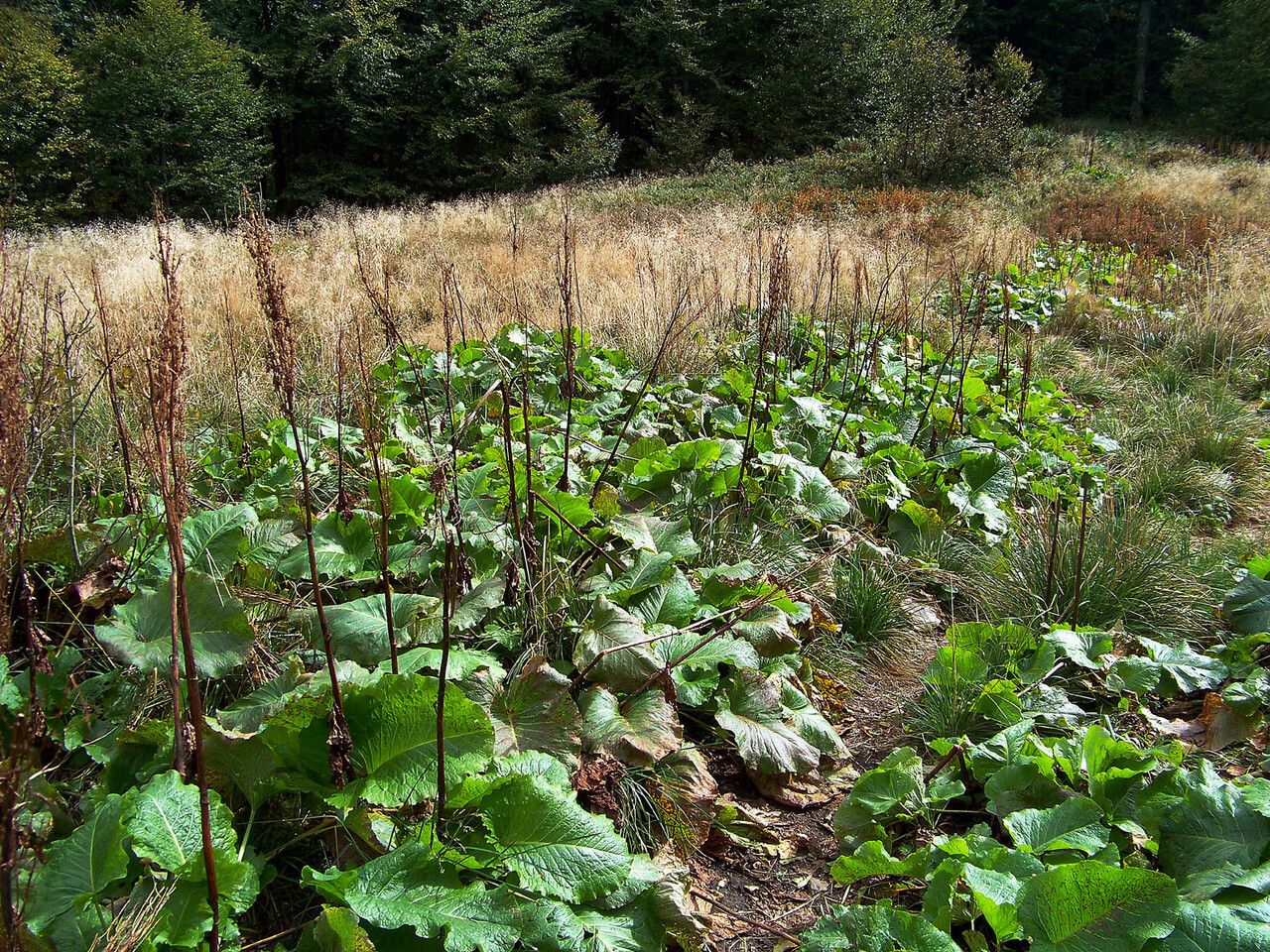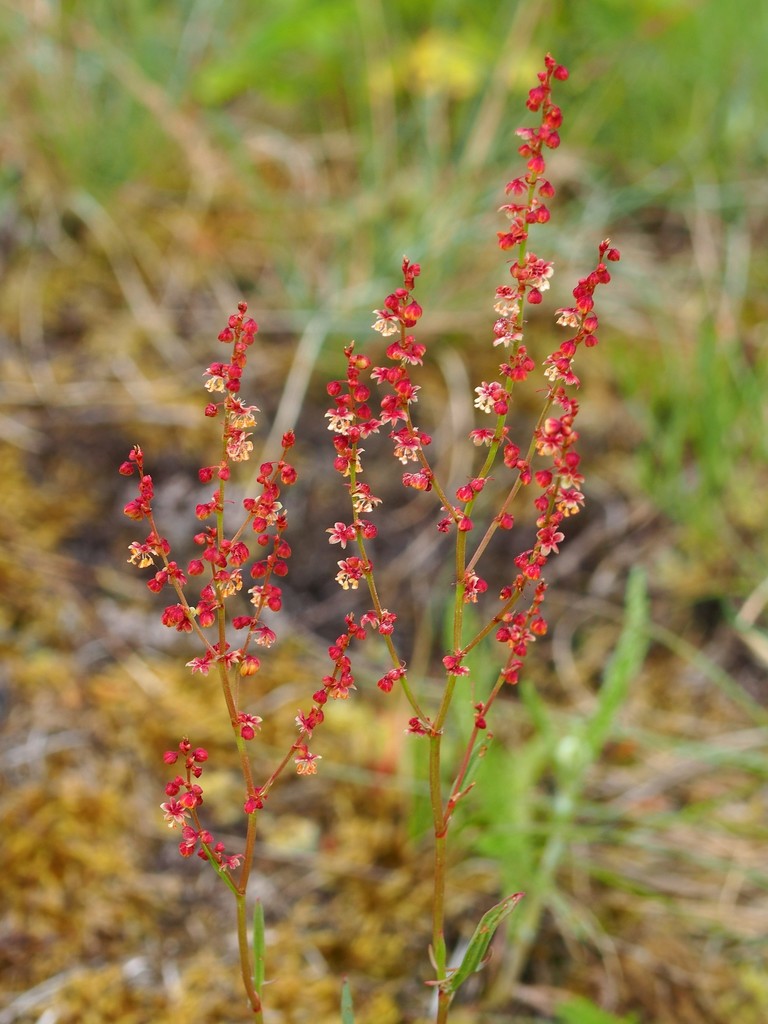
Rumex acetosella, commonly known as red sorrel, sheep's sorrel, field sorrel and sour weed, is a species of flowering plant in the buckwheat family Polygonaceae. Native to Eurasia and the British Isles, the plant and its subspecies are common perennial weeds. It has green arrowhead-shaped leaves and red-tinted deeply ridged stems, and it sprouts from an aggressive and spreading rhizome. The flowers emerge from a tall, upright stem. Female flowers are maroon in color.
Common sheep sorrel is a plant characterized by green arrowhead-shaped leaves and red-tinted, ridged stems. It spreads aggressively through rhizomes. This plant belongs to the Rumex genus, which includes other highly acidic plants. The name "common sheep sorrel" comes from its tendency to grow in areas where sheep often graze.
Sheep sorrel is fairly disease-resistant and typically not prone to illnesses. However, it can be vulnerable to pests and diseases present in its environment. These problems are usually mild. In terms of care, the plant requires moderate maintenance. It should be pruned regularly to keep a neat appearance and support healthy growth. Fertilizing can also help encourage flowering. Sheep sorrel is suitable for anyone with outdoor space, such as a garden or patio, and does not demand extensive gardening experience. When grown indoors it may need extra attention.
How to keep Rumex Acetosella.
Light
Sheep sorrel thrives with plentiful sunlight but can adjust to places where light is filtered or less intense during the day. Its natural habitat typically has widespread sun exposure with periods of shade. Excessive sun can cause sun scorching, while inadequate sunlight can limit its growth and development.
Water
Garden sorrel grows best in moderate humidity and is commonly found in meadows and fields. It requires weekly watering since it is neither drought-tolerant nor does it thrive in overly wet conditions. As an herbaceous perennial, the availability of water significantly influences its growth. Prolonged dry spells may cause it to enter dormancy.
Temperature
Sheep sorrel is a herbaceous plant of temperate regions that does best in cooler climates, preferring average temperatures between 32 and 86 ℉ (0 and 30 ℃). Native to grassy plains, it can tolerate cold down to -22 ℉ (-30 ℃). In hot summer months some shading is advisable to avoid leaf scorch. In colder months, protecting it from frost is recommended.
Fertilizer
Usually one fertilizer application in spring is sufficient for Sheep sorrel, although multiple feedings can maximize growth. Apply fertilizer once every one to one and a half months. Fertilization improves leaf appearance and function, helping maintain even color and a healthy texture. It also promotes root growth and nutrient uptake for long-term plant health.
Botanical profile.
- Plant Type
- Herb
- Life Cycle
- Perennial
- Genus
- Rumex
- Family
- Polygonaceae
- Hardiness Zone
- 3-10
- Mature Height
- 49 cm
- Mature Spread
- 91 cm
- Leaf Color
- Green
- Leaf Type
- Evergreen, Deciduous
- Flower Color
- Green, Red
- Flower Size
- 0.05 cm to 0.13 cm
- Bloom Time
- Late spring, Early summer, Mid summer
- Planting Time
- Spring
- Harvest Time
- Early summer, Mid summer
- Native Area
- Lesotho, India, Austria, Turkey, Sweden, Croatia, Morocco, Belarus, Russia, Germany, Iceland, Estonia, Koppen, South Korea, Latvia, Romania, Belgium, Moldova, Netherlands, Portugal, France, Czech Republic, South Africa, Bulgaria, Poland, Greece, North Macedonia, Ukraine, Lebanon, China, Lithuania, Norway, Syria, Italy, Kazakhstan, Spain, Switzerland, Mongolia, Finland, Bosnia and Herzegovina, Eswatini, Iran, Ireland, United Kingdom, Hungary, Algeria, Albania
Other names.
Reader questions.
What are the sunlight requirements for garden sorrel?
Garden sorrel thrives best in full sun, requiring more than 6 hours of sunlight daily, but can also adapt to partial sun conditions, where it gets about 3-6 hours of sunlight. It's essential to observe your garden's sun patterns to choose spots that provide a balance of light and shade, ensuring the plant's growth and happiness. Too much direct sunlight can cause issues like sun scorching, whereas insufficient sunlight may inhibit the plant's growth and development.
What is the best climate for growing garden sorrel?
Garden sorrel, scientifically known as Rumex acetosella, thrives in cooler climates. It grows best in temperatures ranging from 32 to 86°F (0 to 30°C), native to grassy plains. It can withstand cold temperatures down to -22°F (-30°C). During hot summer months, providing shade can prevent leaf scorch, whereas, in cooler months, protection from frost is advisable, although the plant has strong cold resistance and usually doesn't need special frost protection measures. If winter temperatures are expected to drop significantly, covering the plant with soil or straw and watering abundantly before the first freeze to keep the soil moist can offer additional protection.
How do I supplement garden sorrel with artificial lighting indoors?
To supplement garden sorrel with artificial lighting indoors, especially when natural sunlight is insufficient, you can use artificial lights to promote healthy growth. LED lights are recommended due to their efficiency and ability to provide specific light wavelengths needed by plants. Full sun plants should receive 30-50W/sq ft of artificial light, partial sun plants 20-30W/sq ft, and full shade plants 10-20W/sq ft. The artificial light source should be placed 12-36 inches above the plant, mimicking natural sunlight conditions, and kept on for 8-12 hours per day to ensure optimal growth.
How does garden sorrel respond to temperature changes?
Garden sorrel is cold-tolerant and performs best in temperatures above its critical growth minimum. In winter, it's important to keep it above its survivable cold threshold. Falling below this temperature may not result in immediate visible damage but could lead to decreased sprouting or complete lack of sprouting in spring. Conversely, during summer, it's crucial to keep the plant below its maximum comfortable temperature. Exceeding this can cause leaves to lighten in color, curl, become susceptible to sunburn, or in extreme cases, lead to the wilting and drying of the plant. To mitigate damage, trim sunburned or dried parts, move the plant to a shaded location or use shade cloth, and water in the morning and evening.
What are some common symptoms of light deficiency in garden sorrel?
Common symptoms of light deficiency in garden sorrel include smaller new leaves, leggy or sparse growth, premature leaf drop, slowing or cessation of new growth, paler new leaves, and the overall reduction in the plant's vigor and health. These symptoms indicate the plant is not receiving adequate light, which is essential for its growth and chlorophyll production. Conversely, symptoms like chlorosis, sunscald, leaf curling, wilting, and leaf scorching suggest excessive sunlight exposure.
What solutions can alleviate light-related issues in garden sorrel?
To alleviate light-related issues in garden sorrel, you can take several steps depending on whether the plant is grown indoors or outdoors. Indoors, gradually move the plant to a location that receives at least 6 hours of direct sunlight daily, use a south-facing window for maximum exposure, and consider artificial lighting options such as desk lamps or professional plant grow lights for at least 8 hours a day. Outdoors, transition your plants to sunnier spots gradually to prevent sunburn, ensuring they adapt to the increase in light intensity. If trees or other obstructions shadow your garden, pruning or moving the plants to a brighter location can significantly improve sunlight access. Remember, parts of the plant damaged by insufficient sunlight might not recover, but new growth should be healthy with improved lighting conditions.