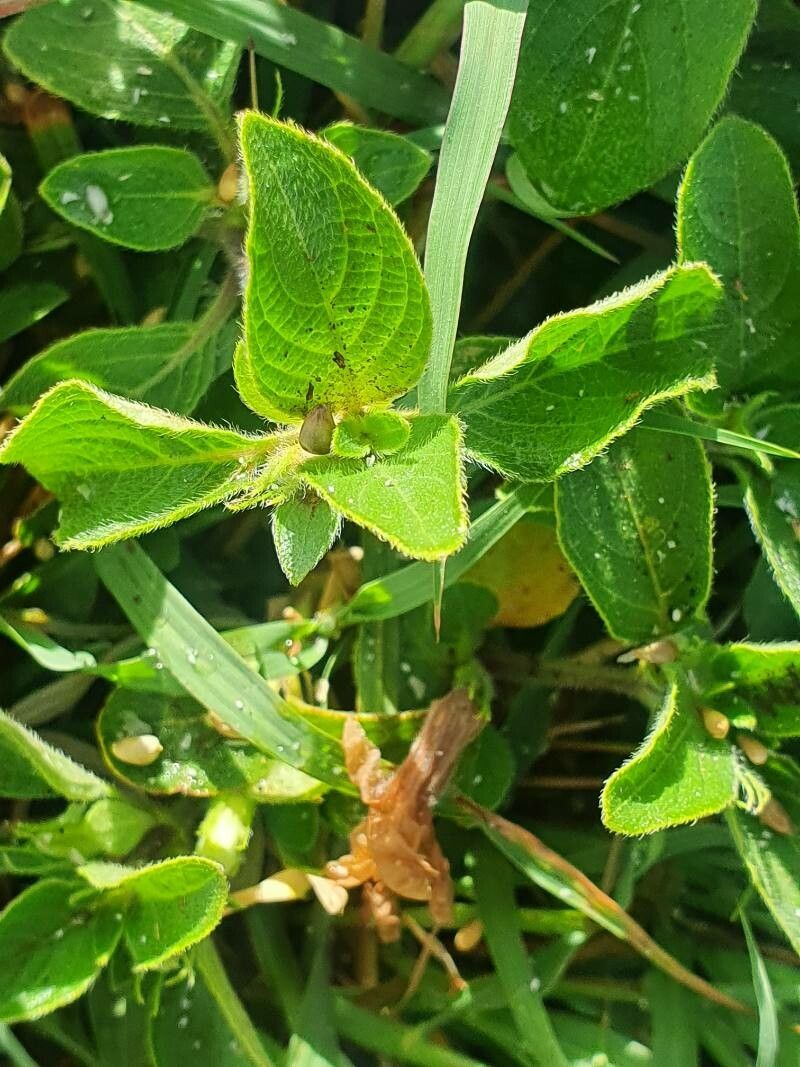
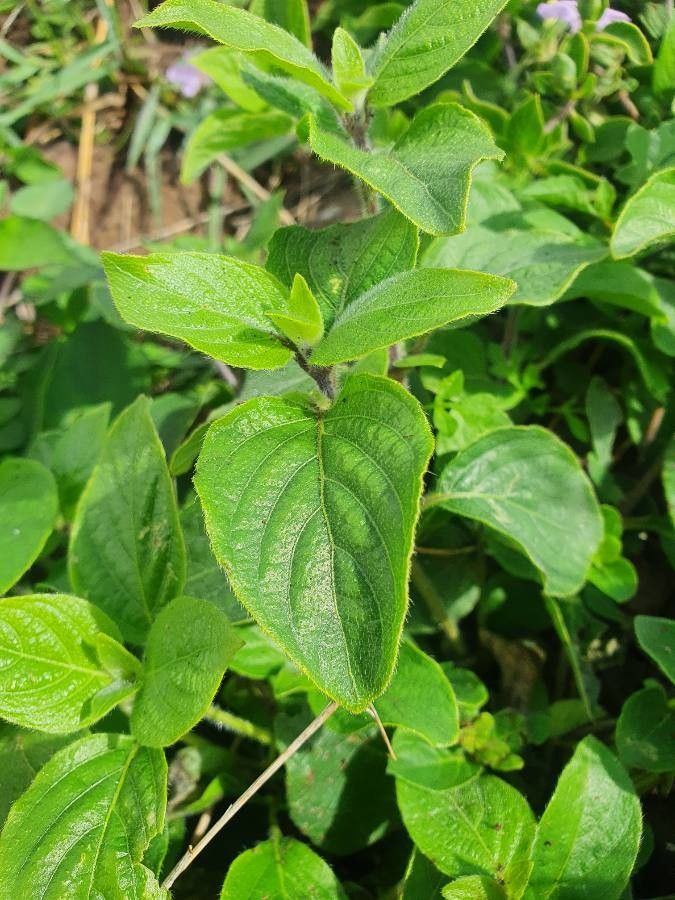
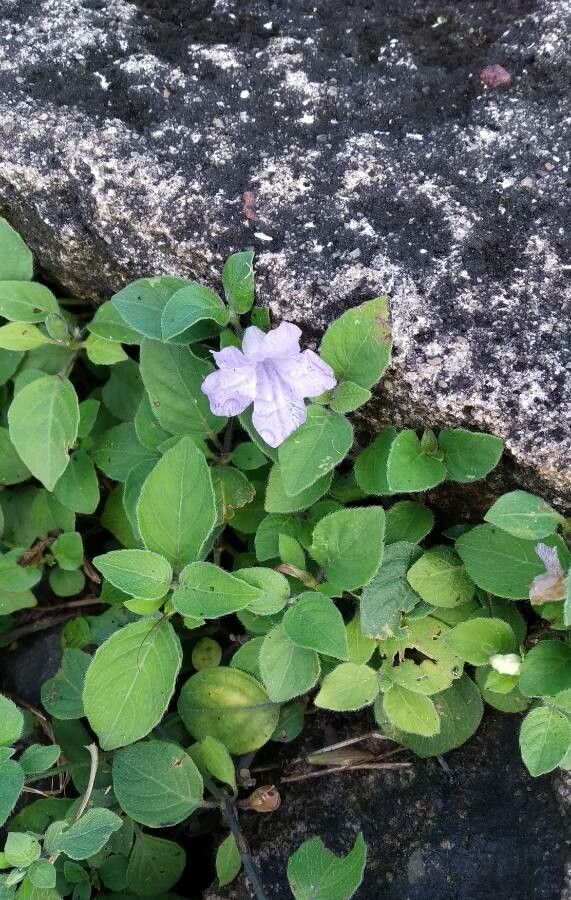
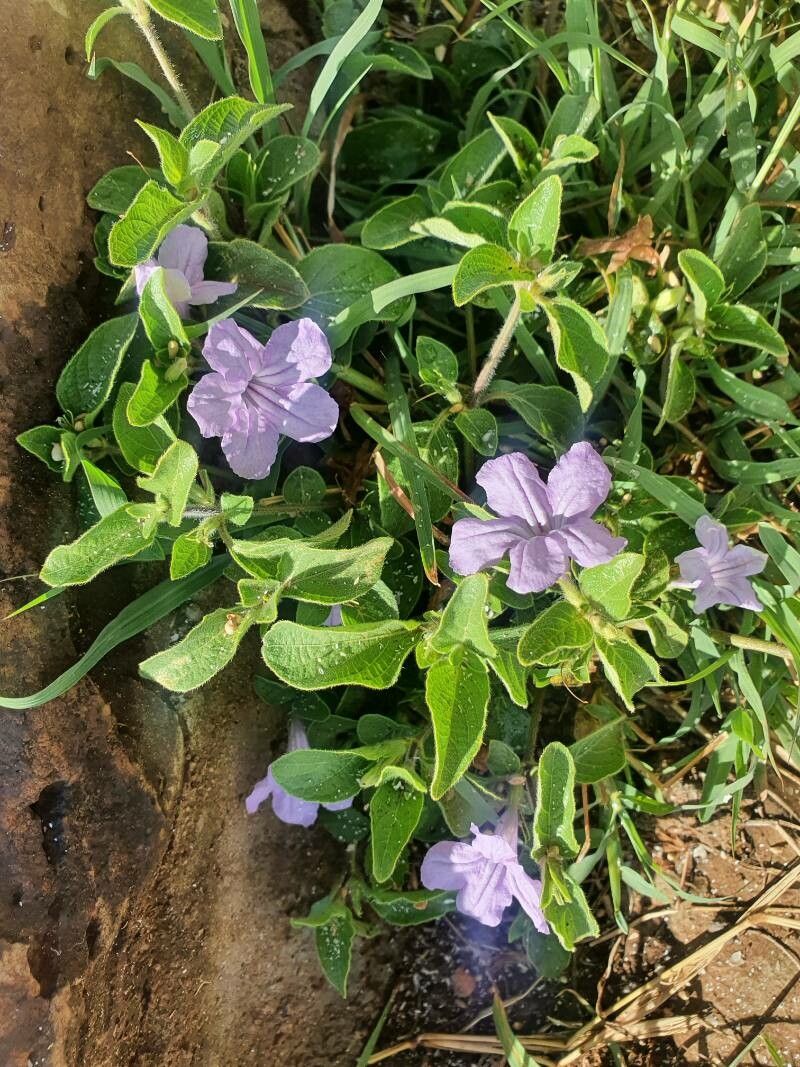
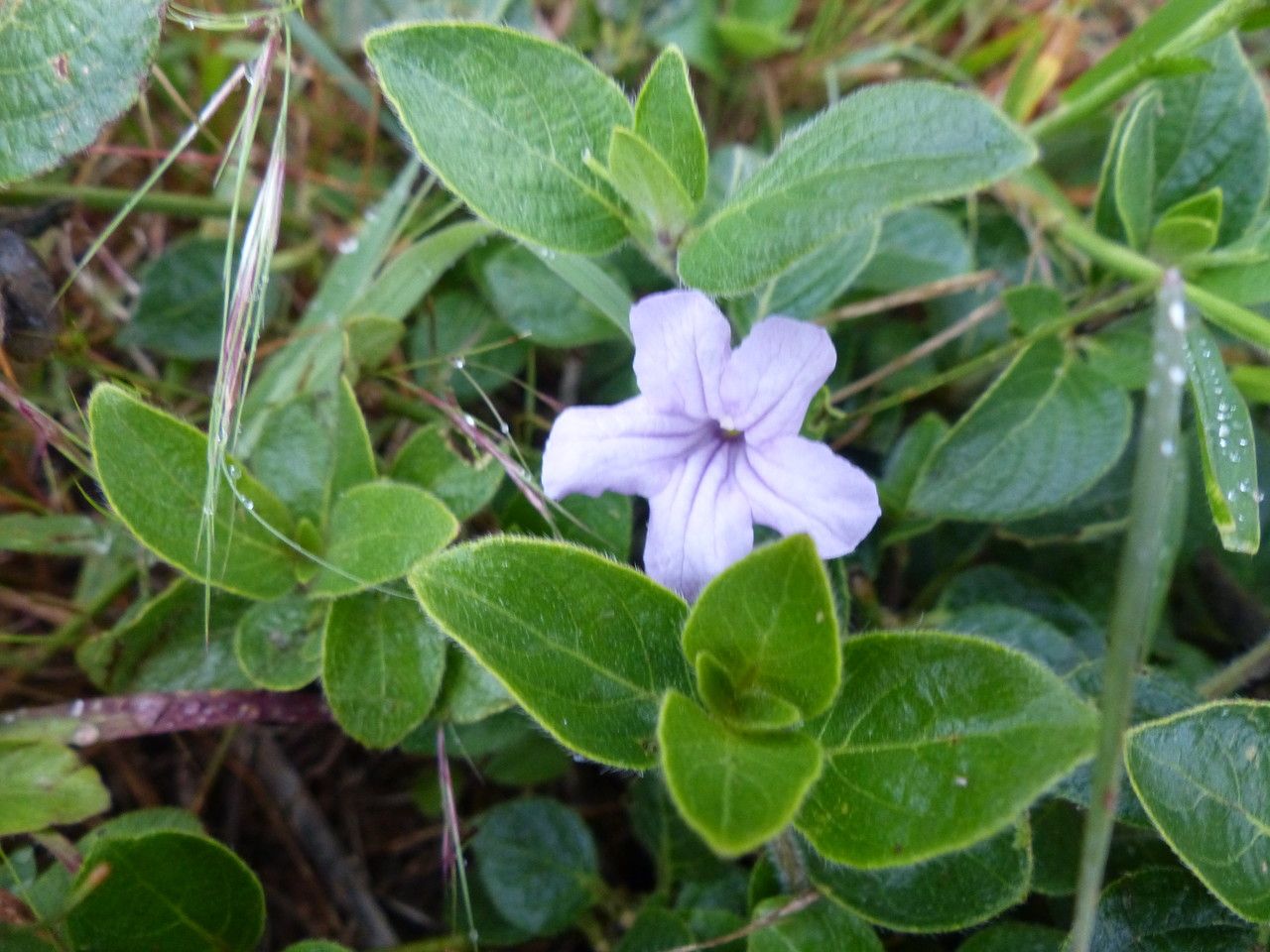
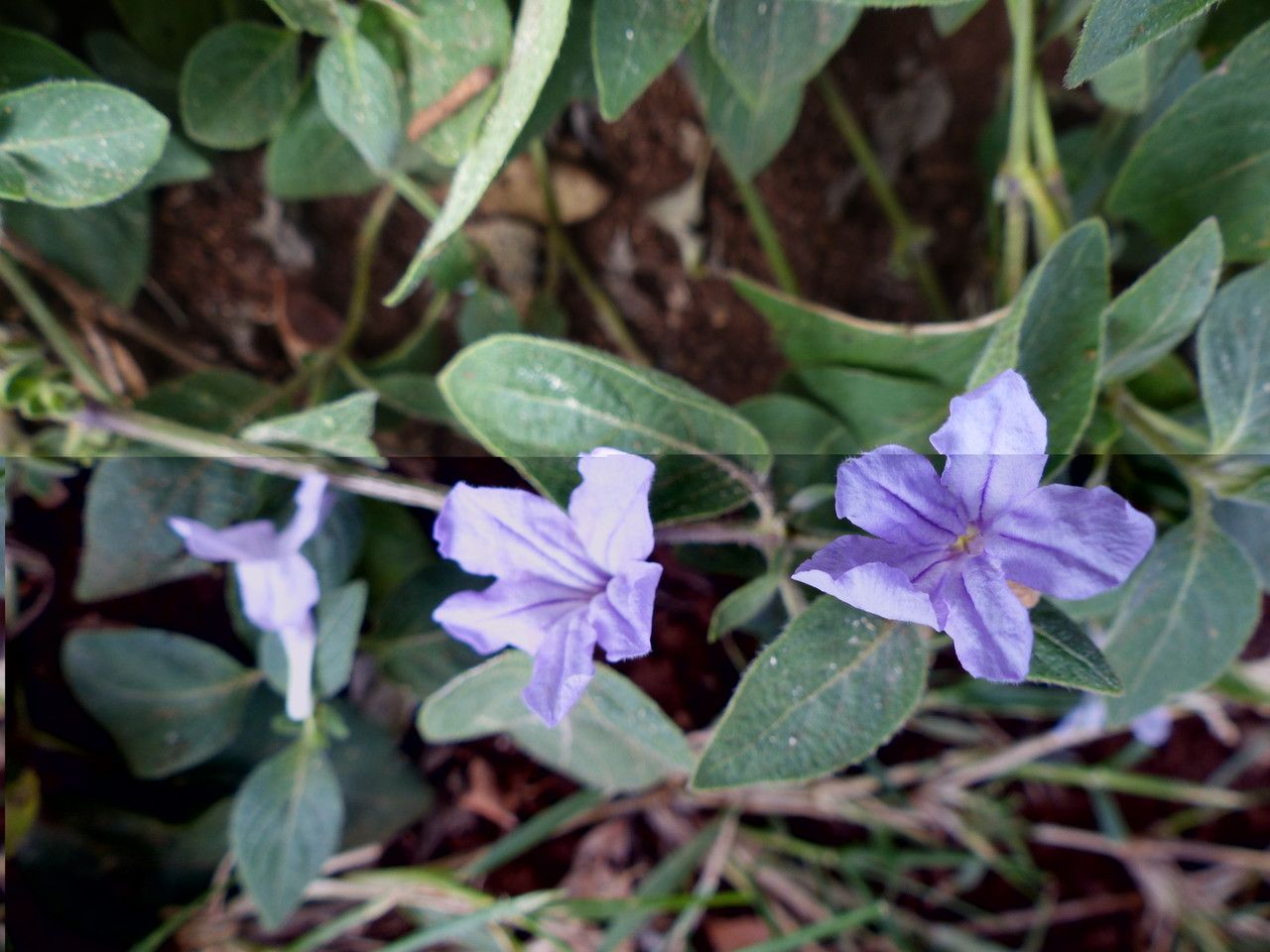
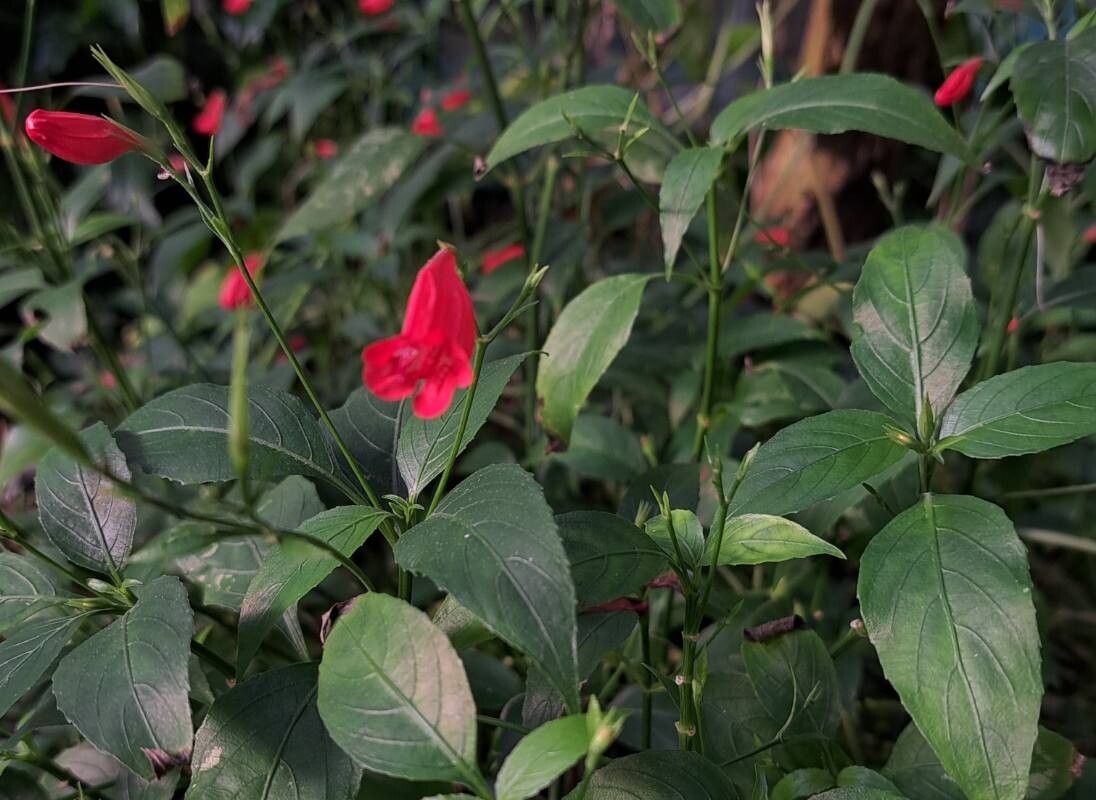
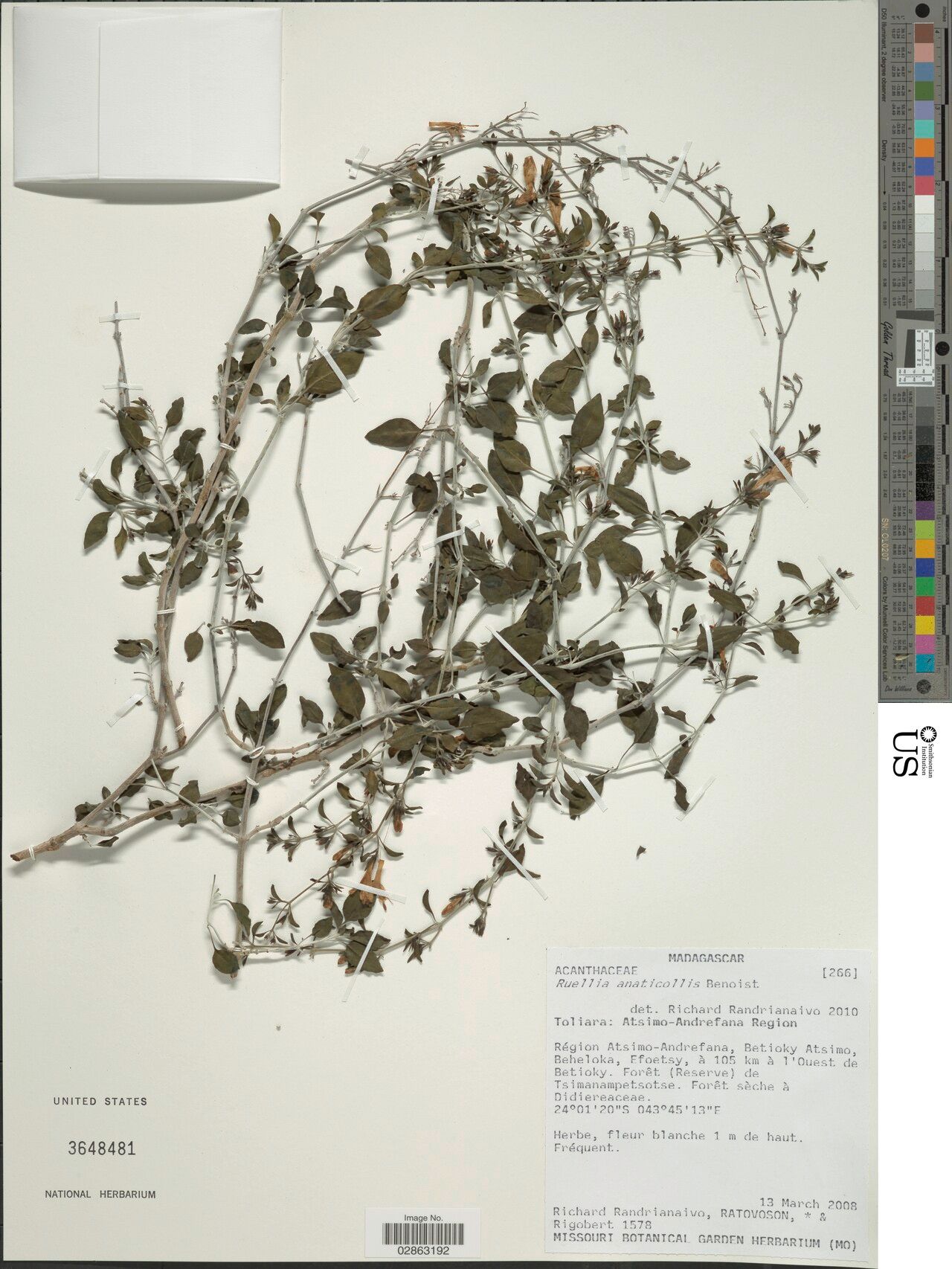
Ruellia prostrata, commonly known as the creeping ruellia or trailing velvet plant, is a low-growing perennial herb that belongs to the Acanthaceae family. Native to Central and South America, it has also been introduced and naturalized in many parts of the world.
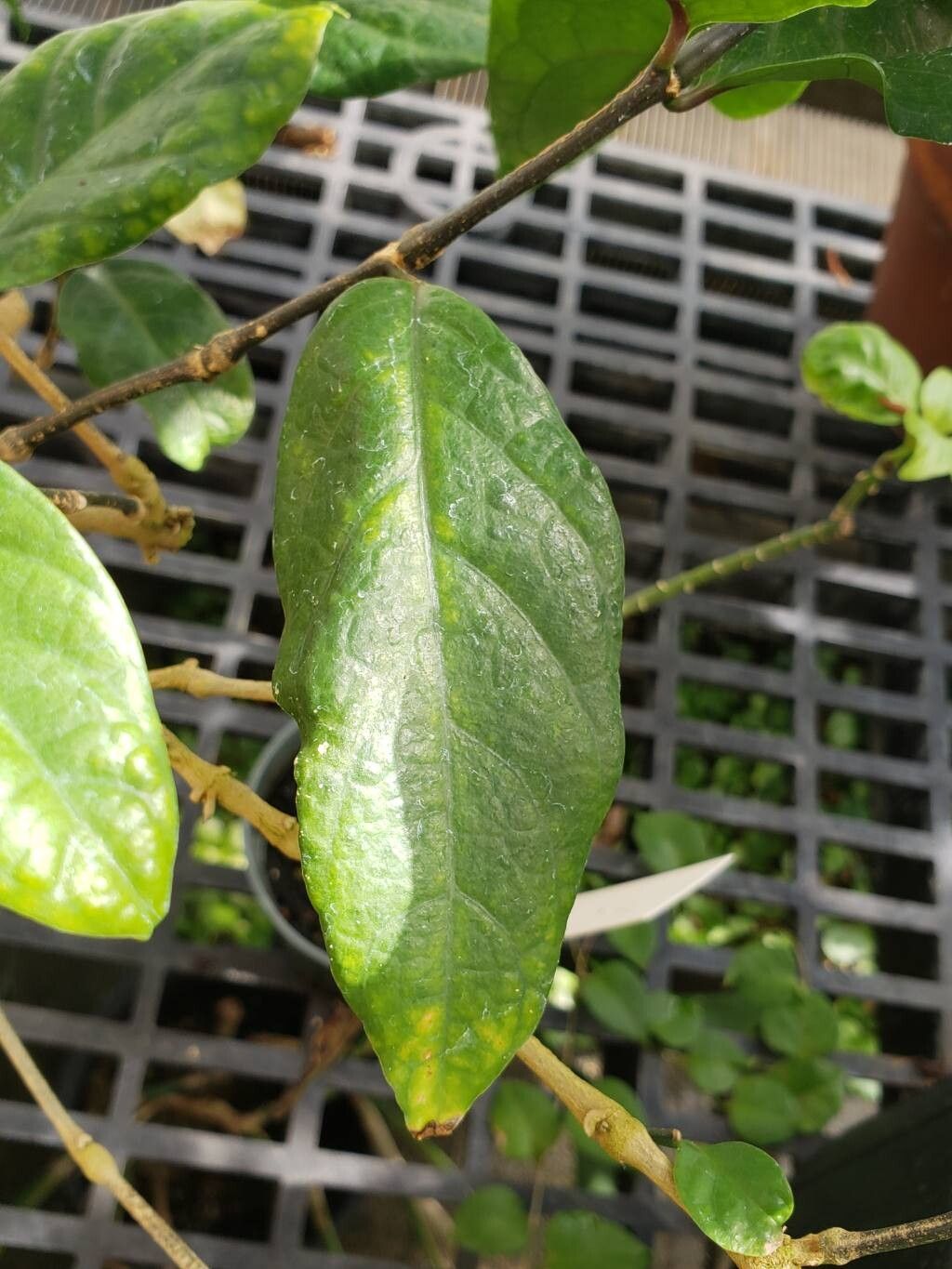
This plant exhibits a trailing habit, with stems that can extend up to 1 meter in length. The small, oval-shaped leaves are arranged oppositely along the stem. Its tubular flowers, typically purple or blue, can also be found in white or pink.
Ruellia prostrata is frequently utilized as a ground cover due to its low growth and rapid spread through runners. It thrives in full sun or partial shade and prefers well-drained soil.
Traditionally, this plant has been used for medicinal purposes, such as treating fever, coughs, colds, headaches, and stomach ailments, due to its anti-inflammatory properties.
Overall, Ruellia prostrata is an attractive ground cover option for gardeners seeking an easy-to-grow perennial herb with beautiful flowers and medicinal benefits.
Ruellia lactea is fairly resistant to diseases and generally not easily affected by them. Nevertheless, it can be vulnerable to pests and diseases present in its environment. These problems tend to be mild. For care, the plant requires moderate maintenance. It should be pruned regularly to maintain an attractive appearance and healthy growth. Fertilizing can also help encourage flowering. Ruellia lactea is well suited for someone with outdoor space, like a garden or patio, and does not demand extensive care experience. It may need more attention when grown indoors.
How to keep Ruellia Prostrata.
Water
Prostrate wild petunia thrives in high humidity and prefers medium to wet soil, requiring daily watering during hot weather. Water the plant only when the soil is dry or if the plant begins to wilt. Avoid watering in the afternoon. Water daily during the growing season and weekly in the winter. To ensure optimal health, maintain the soil pH between 5.5 and 7.8.
Fertilizer
Usually a single fertilizer application in spring is adequate for Ruellia lactea, though multiple feedings can boost growth to its fullest. Apply fertilizer every month to every month and a half. Fertilization improves the appearance and function of the leaves, helping keep an even color and healthy texture. It also promotes root development and nutrient uptake, supporting long-term plant health.
Pruning
The prostrate wild petunia is a low-growing plant with a spreading habit and beautiful purple blooms. To keep it healthy, prune it in early spring. This helps remove dead stems, improve airflow, and stimulate new growth. Regularly trimming away spent blooms also promotes health and vigor, encourages abundant flowering, and helps prevent diseases and pests.
Botanical profile.
Other names.
Reader questions.
What are the sunlight requirements for Prostrate Wild Petunia (Ruellia prostrata)?
Prostrate Wild Petunia (Ruellia prostrata) thrives in various sunlight conditions. For full sun exposure, it requires above 6 hours of sunlight per day, which is ideal for optimal growth and flowering. Alternatively, it can also grow in partial sun, which involves about 3-6 hours of sunlight daily. It's important to observe the movement of sunlight through your garden carefully to find spots that offer the right balance of light and shade. This ensures the plants are happy and healthy.
What is the common name of Ruellia prostrata?
The common name of Ruellia prostrata is Prostrate wild petunia.
What is the botanical name of Prostrate wild petunia?
The botanical name of Prostrate wild petunia is Ruellia prostrata.