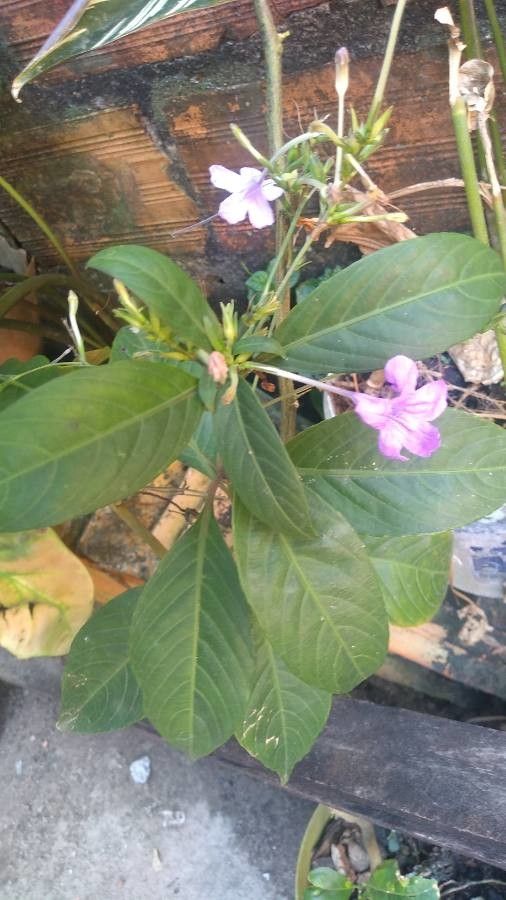
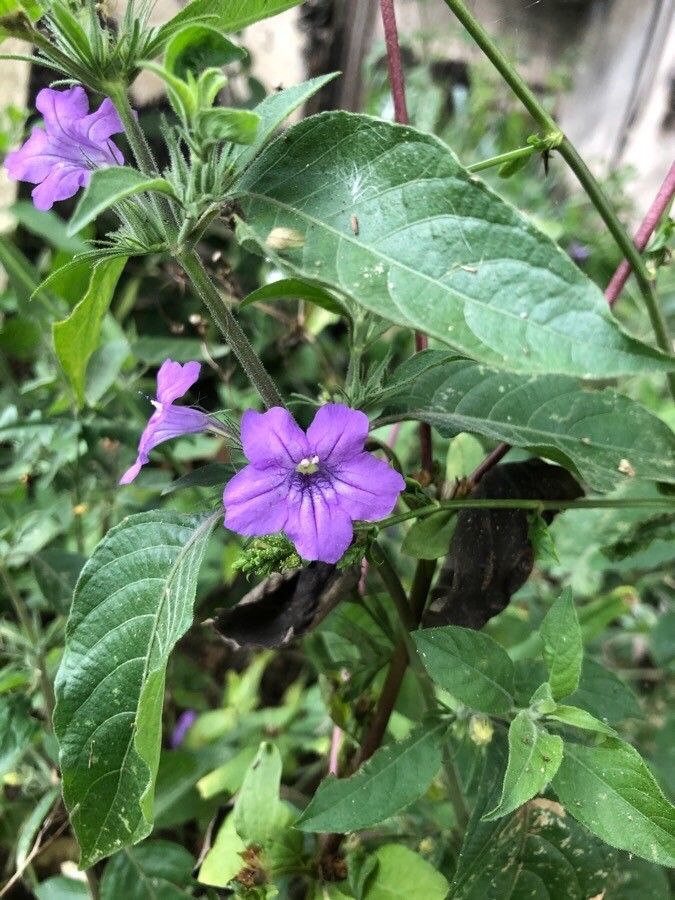
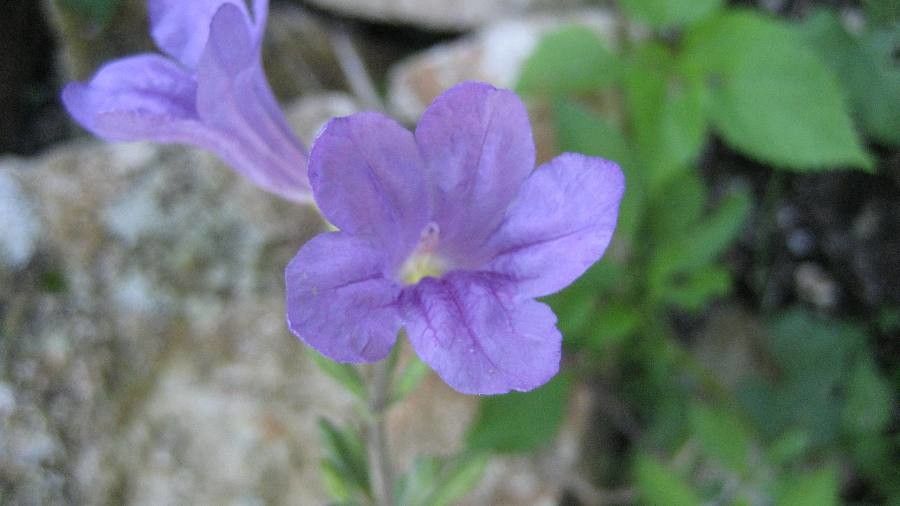
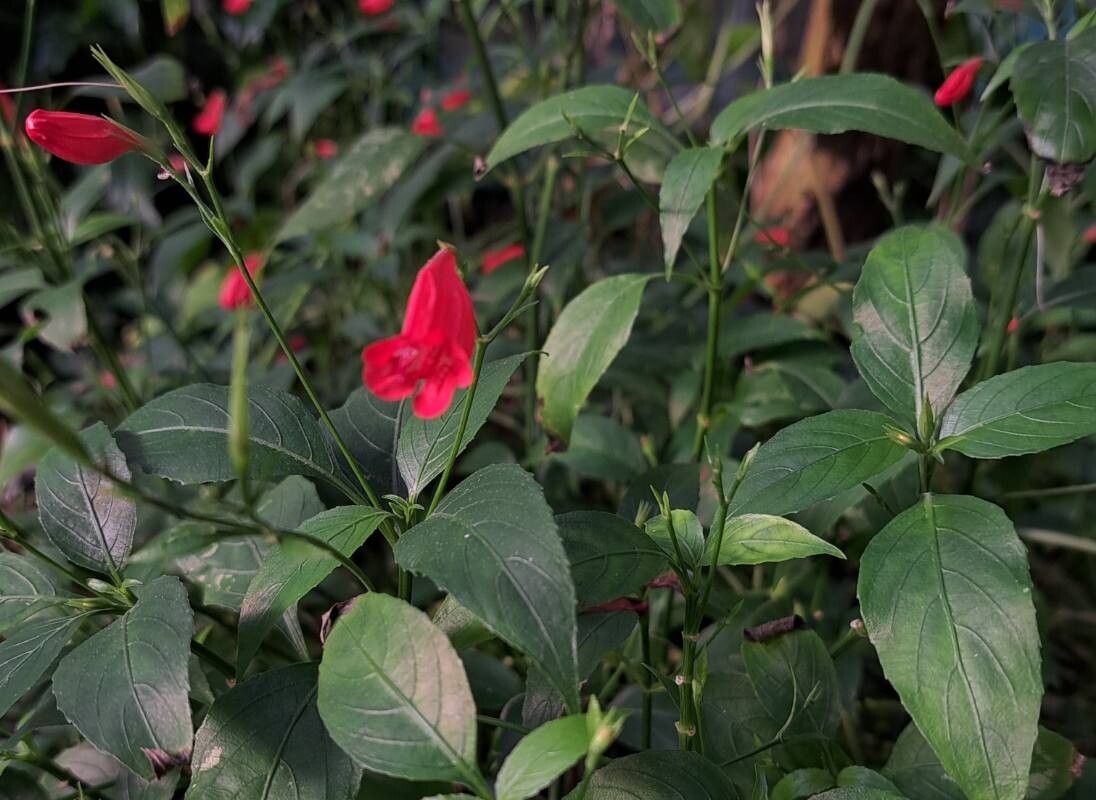
Ruellia pedunculata, the stalked wild petunia, is a wild petunia with blue or violet flowers that appear in the spring. Its leaves are light green. This species is native to the southeastern United States.
Stalked wild petunia has strong disease resistance and is typically not prone to illnesses. However, it can be affected by pests and diseases present in its environment. These issues are usually mild. Regarding care, the plant requires moderate maintenance. It should be pruned regularly to preserve a neat appearance and healthy growth. Fertilizing can also encourage more flowering. Stalked wild petunia is appropriate for anyone with outdoor space, such as a garden or patio, and does not demand extensive gardening experience. It may need additional care when grown indoors.
How to keep Ruellia Pedunculata.
Light
Stalked wild petunia occurs naturally in habitats like forest understories or rocky areas, where it is subject to natural shade. It favors partial sun but can adapt to full sun or full shade, demonstrating its versatile and hardy nature.
Water
The stalked wild petunia thrives in high humidity and benefits from regular watering, especially during its growth period and in hot weather. Be sure to water the plant only when the soil is dry or when the plant shows signs of wilting. To reduce evaporation, avoid watering in the afternoon. For optimal health, maintain a soil pH between 5.5 and 7.8.
Temperature
Stalked wild petunia comes from tropical areas where the climate is usually warm and humid. Therefore it is adapted to high heat and moisture. It is sensitive to abrupt temperature changes and prefers a steady thermal environment, so avoiding temperature swings indoors is important. It generally does not tolerate cold and needs warmer conditions to grow. If the ambient temperature falls too low, the plant may stop growing or even die.
Fertilizer
Proper fertilization is vital for the health and appearance of Stalked wild petunia. Fertilize Stalked wild petunia during the summer, applying it monthly throughout the season. Nutrients supply energy for growth and help maintain the plant's parts. Fertilizing improves Stalked wild petunia's flower display, helping produce the best blooms.
Pruning
The stalked wild petunia requires minimal pruning. After it blooms, remove any dead leaves and flowers to prevent it from seeding and to enhance its appearance. Pinch young shoots to encourage better branching and more flowers. Dispose of any debris to deter pests, and prune any unwanted branches back to ground level in late winter or early spring.
Botanical profile.
- Plant Type
- Herb
- Life Cycle
- Perennial
- Genus
- Ruellia
- Family
- Acanthaceae
- Hardiness Zone
- 8-11
- Mature Height
- 30 cm to 61 cm
- Mature Spread
- 30 cm to 46 cm
- Leaf Color
- Green, Dark Green
- Leaf Type
- Deciduous
- Flower Size
- 3.05 cm to 5.08 cm
- Bloom Time
- Late spring, Summer, Early fall
- Planting Time
- Spring
- Harvest Time
- Mid summer, Late summer, Fall
- Native Area
- Georgia, Mexico
Other names.