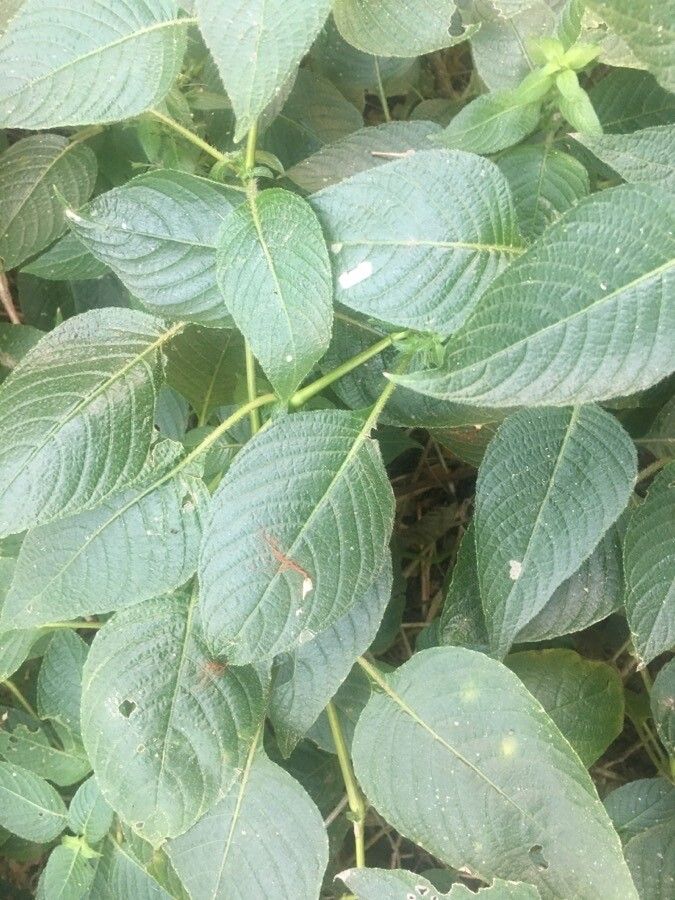
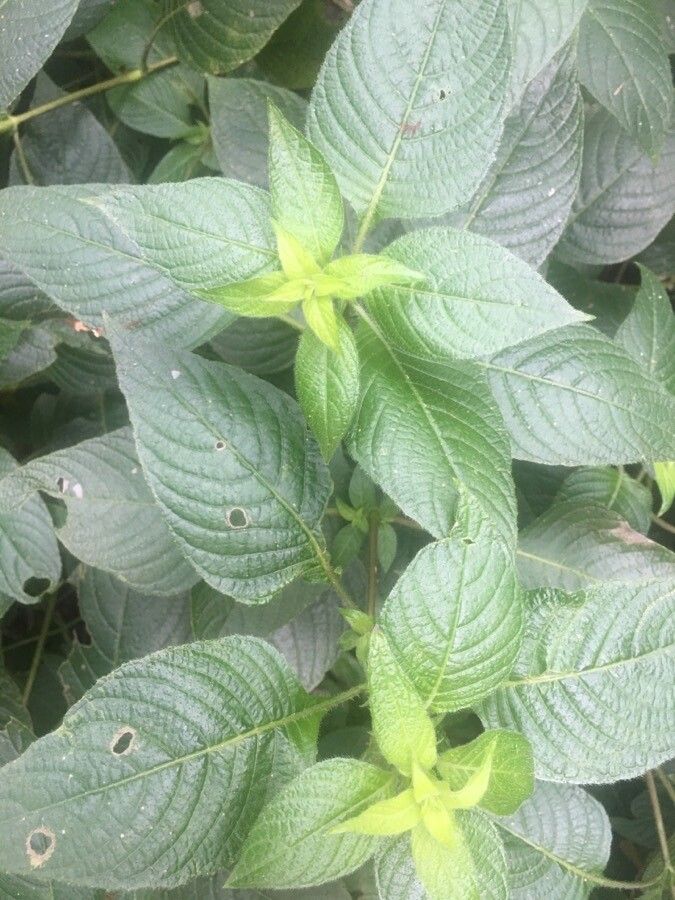
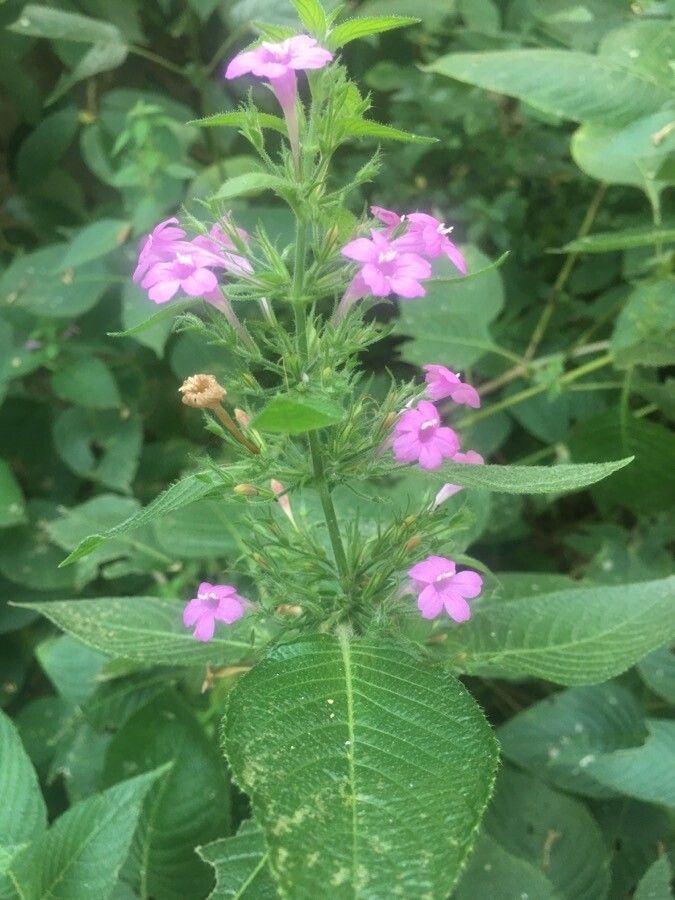
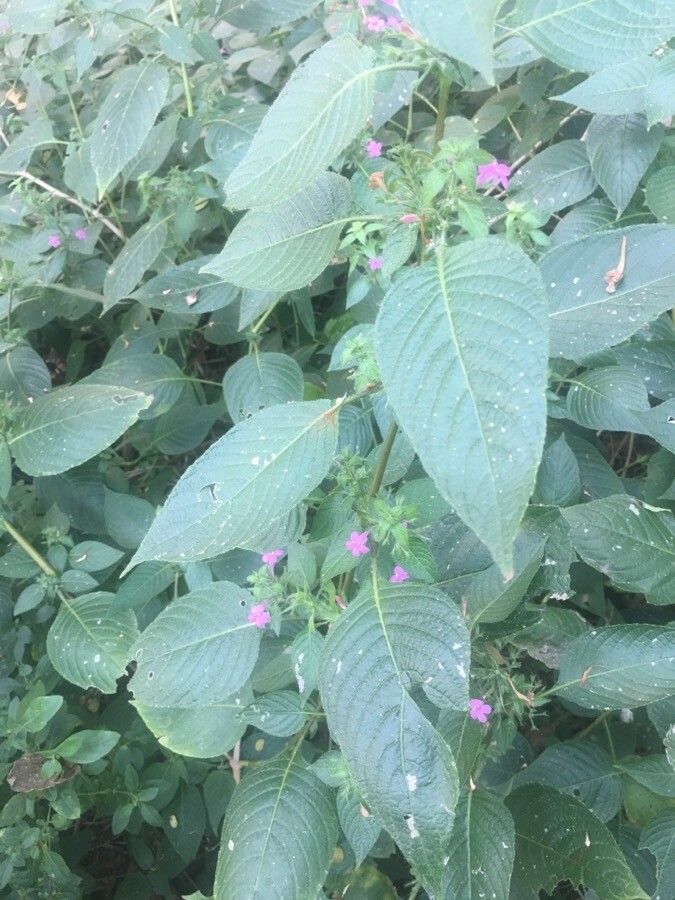
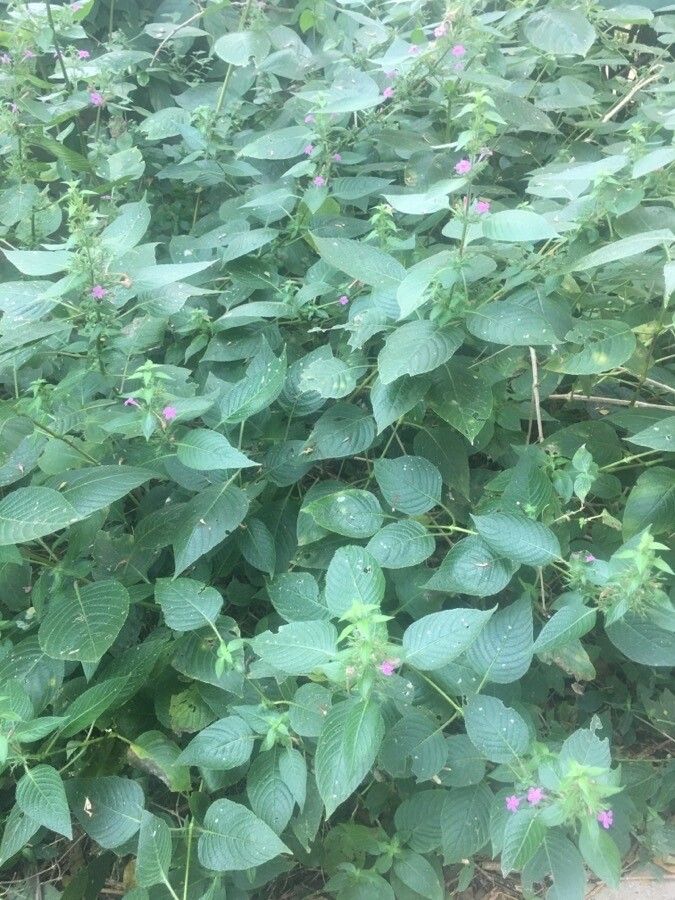
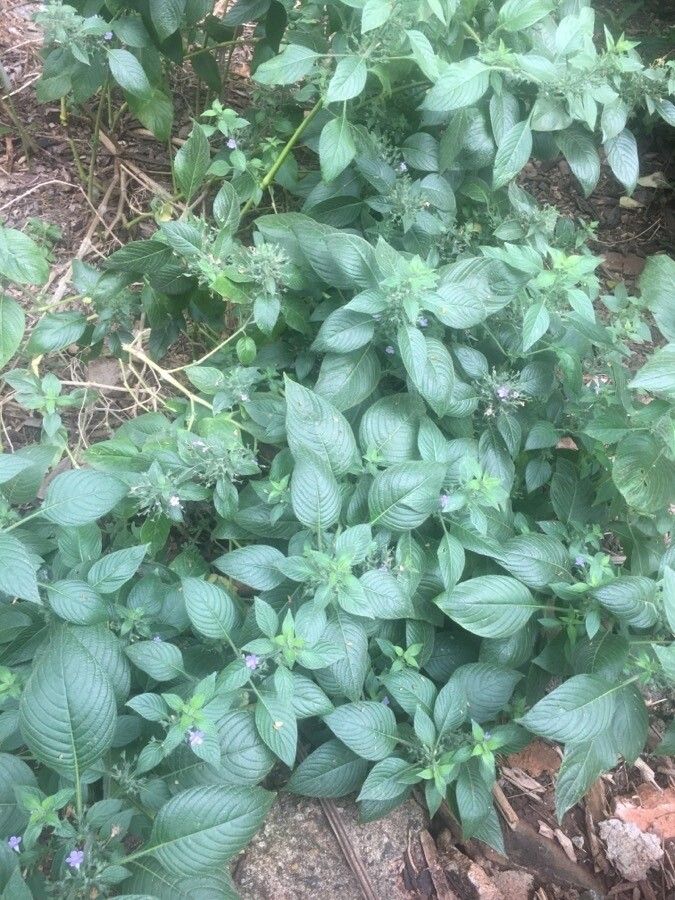
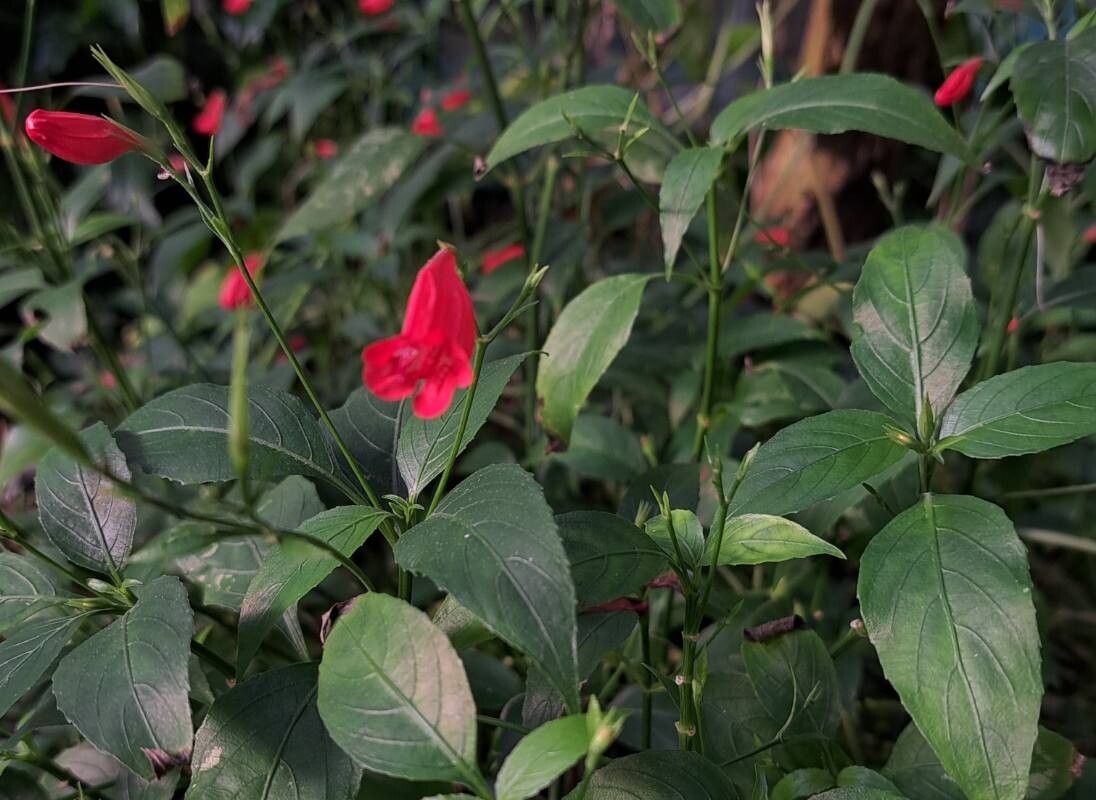
Minnieroot shows good resistance to disease and usually does not tend to get sick. Still, it can be vulnerable to pests and diseases present in its environment. These problems are typically minor. As for care, this plant needs a moderate level of maintenance. It should be pruned regularly to keep a neat appearance and support healthy growth. Fertilizing can also encourage more blooms. Minnieroot is well suited for anyone with an outdoor area, such as a garden or patio, and does not demand a lot of care experience. It may need more attention if grown indoors.
How to keep Ruellia Paniculata.
Light
Minnieroot grows best when given plenty of daytime sunlight, which supports healthy development. In its native environments the plant is usually exposed to abundant daily light. Both intense, glaring light and too little illumination can impair its growth and overall health.
Temperature
Minnieroot comes from tropical areas, where the climate is generally warm and humid. Consequently, it is well adapted to high heat and moisture. It is sensitive to sudden temperature shifts and prefers a steady thermal environment, so avoiding temperature swings indoors is important. It typically does not tolerate cold and needs warmer temperatures to grow. If the surrounding temperature falls too low, the plant may stop growing or even perish.
Fertilizer
Proper fertilization is vital for Minnieroot's health and appearance. Fertilize Minnieroot in summer, repeating the application monthly throughout the season. The nutrients provide energy for growth and help maintain the plant's parts. Fertilization enhances Minnieroot's flower display, ensuring the best blooms.
Botanical profile.
- Plant Type
- Herb
- Life Cycle
- Perennial, Biennial
- Genus
- Ruellia
- Family
- Acanthaceae
- Hardiness Zone
- 9-12
- Mature Height
- 20 cm to 30 cm
- Mature Spread
- 30 cm to 46 cm
- Leaf Color
- Green, Dark Green
- Leaf Type
- Deciduous
- Flower Color
- Purple, Violet
- Flower Size
- 2.54 cm to 5.08 cm
- Bloom Time
- Late spring, Summer
- Planting Time
- Spring, Summer, Autumn
- Harvest Time
- Summer, Early fall
- Native Area
- Colombia, Bahamas, Cuba, Haiti, Mexico, Honduras, Guatemala, Venezuela, Peru, Guyana, Dominican Republic, Suriname, Jamaica