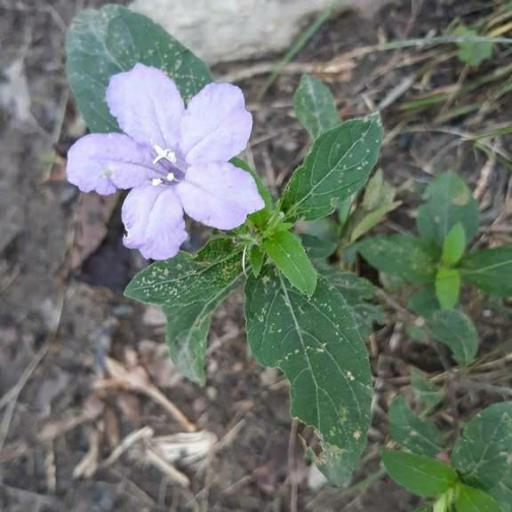
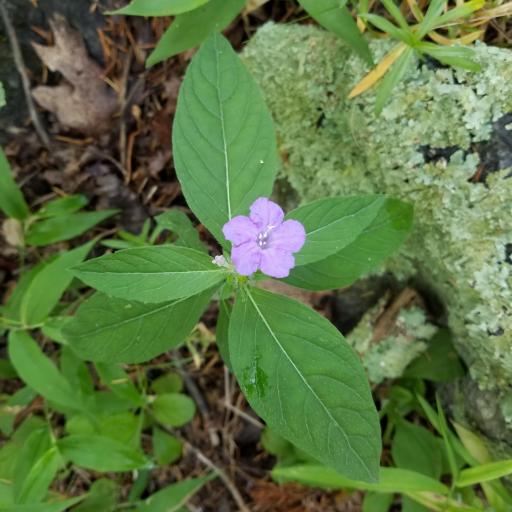
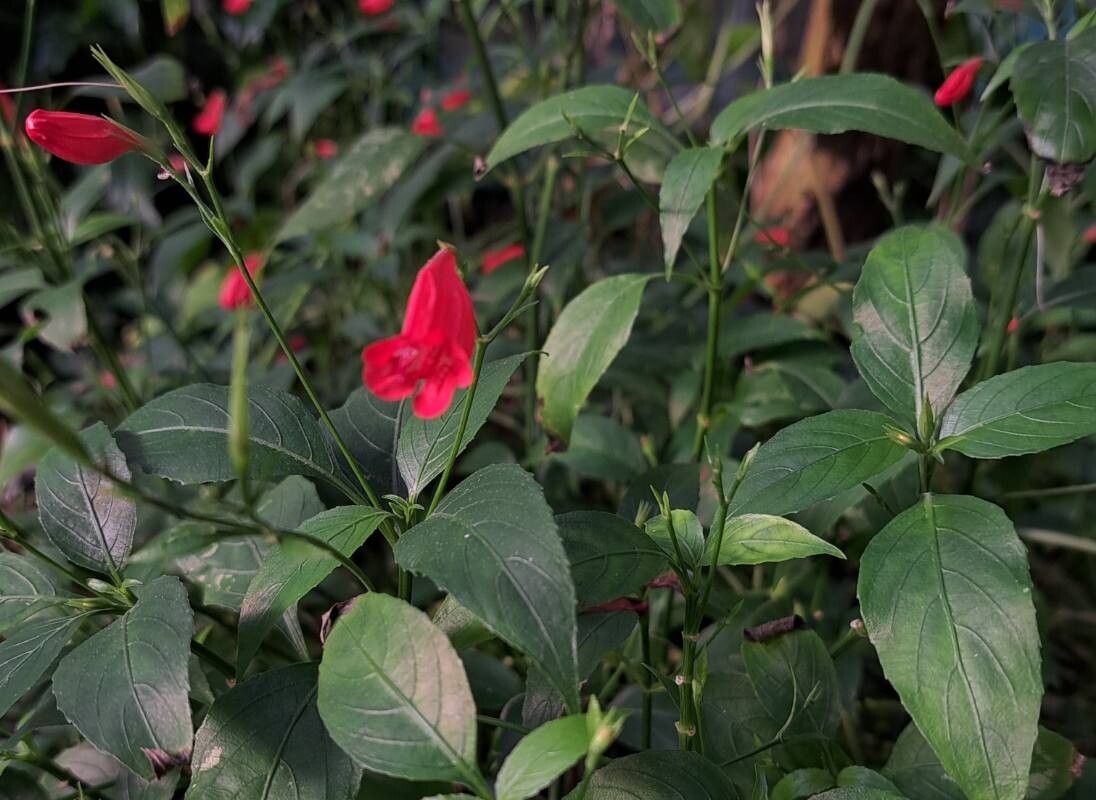
Ruellia caroliniensis, the Carolina wild petunia, is a wild petunia with blue or violet flowers that appear in the spring, summer, and autumn. Its leaves are light green. This species is native to the southeastern United States.
Carolina wild petunia is fairly disease-resistant and usually not liable to illnesses. That said, it can be vulnerable to pests and diseases in its environment, though such problems are typically mild. For care, the plant requires moderate maintenance. It should be pruned regularly to preserve its appearance and encourage healthy growth. Fertilizing can also aid in promoting blooms. This plant is well suited to anyone with outdoor space, like a garden or patio, and does not demand extensive gardening experience. It may need increased attention when cultivated indoors.
How to keep Ruellia Caroliniensis.
Light
While the carolina wild petunia performs best with moderate sun exposure, it can tolerate locations with very high or very low light. The plant's health benefits from a balanced amount of sunlight. Excessive or insufficient sun, although tolerated, can weaken its robustness.
Water
Carolina wild petunia flourishes in humid environments and needs consistent moisture. It prefers regular watering but should not be waterlogged. Watering twice a week is ideal, as it benefits from soil that mimics natural wet-dry cycles. Additionally, proper drainage is essential for maintaining its lush foliage.
Temperature
Carolina wild petunia favors temperatures from 15 to 38 ℃ (59 to 100.4 ℉) and can thrive in a range of settings. In colder months, it might benefit from being kept indoors or covered to preserve its preferred temperature.
Fertilizer
Usually one fertilizer application in spring is adequate for Carolina wild petunia, though repeated feedings can maximize growth. Fertilize about once every month to a month and a half. Fertilization improves the leaves' appearance and function, helping maintain consistent color and a healthy texture. It also promotes root development and nutrient uptake for the plant's long-term health.
Pruning
To improve the growth and appearance of the Carolina wild petunia, which has beautiful blue-lavender flowers, it's important to use proper pruning techniques. Remove dead stems to encourage healthier growth. Prune from early to late spring to enhance flowering and prevent legginess. Be careful not to over-prune, as excessive cutting can stress the plant. By following these guidelines, you can help your petunia achieve a fuller, more attractive appearance.
Pot & Repot
When repotting Carolina wild petunia, select a pot 1-2 inches (2.5–5.1 cm) larger with ample drainage. Use a well-draining potting mix. Repot in spring or fall, making sure the root ball is positioned slightly lower than the rim of the flower pot. Water thoroughly after repotting and place in a warm spot with indirect sunlight.
Botanical profile.
- Plant Type
- Herb
- Life Cycle
- Perennial
- Genus
- Ruellia
- Family
- Acanthaceae
- Hardiness Zone
- 8-11
- Mature Height
- 30 cm to 91 cm
- Mature Spread
- 15 cm to 30 cm
- Leaf Color
- Green
- Leaf Type
- Evergreen
- Flower Color
- Lavender
- Flower Size
- 2.54 cm to 5.08 cm
- Bloom Time
- Late spring, Early summer, Mid summer
- Planting Time
- Spring
- Harvest Time
- Summer
- Native Area
- Georgia
Other names.