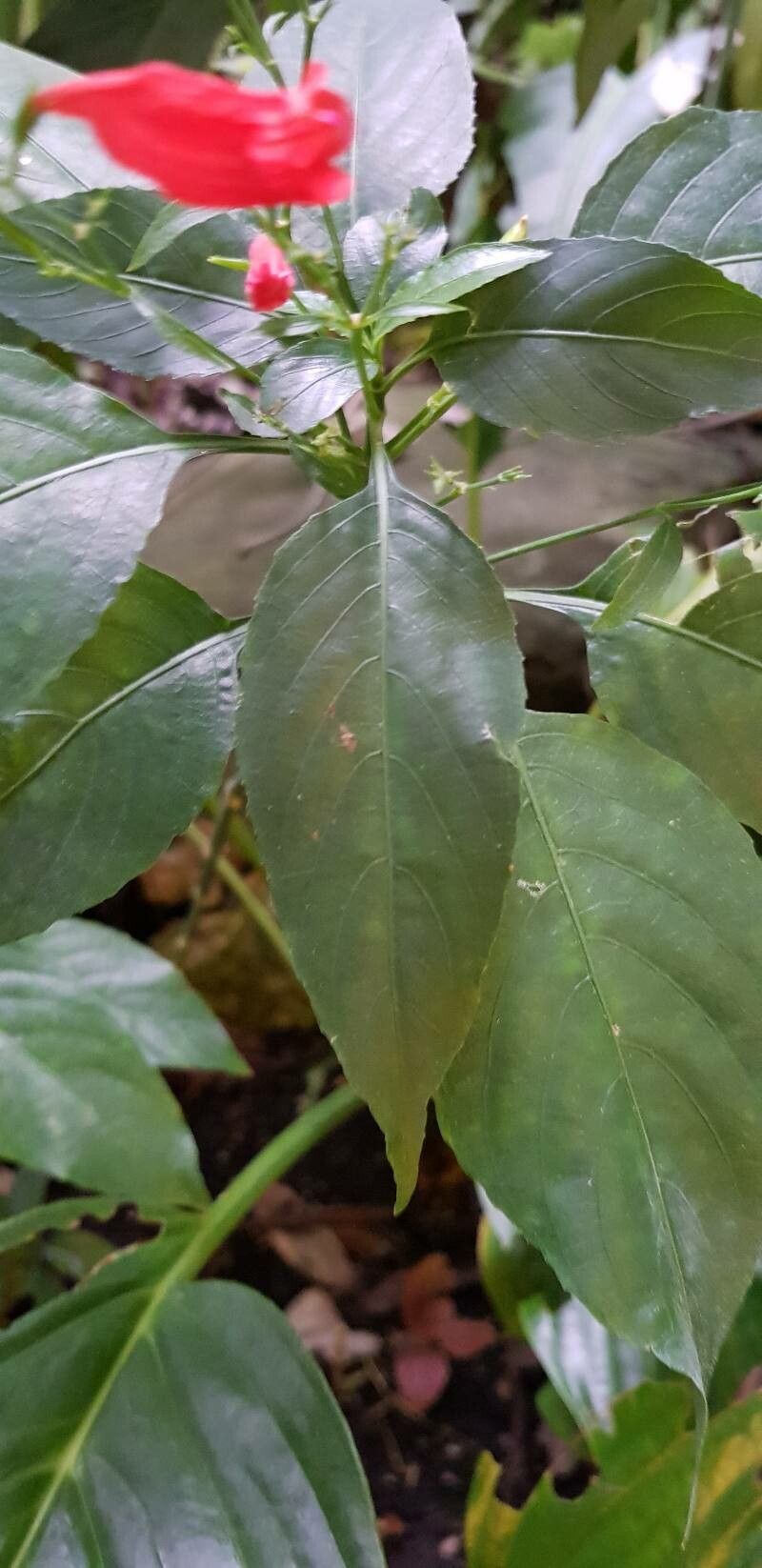
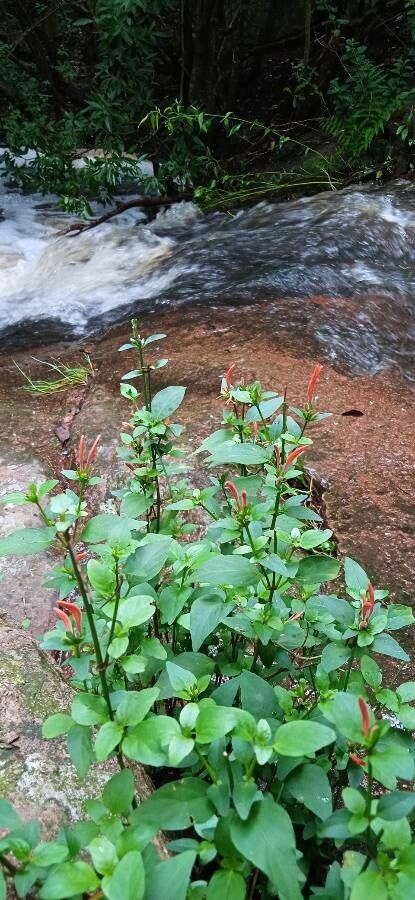
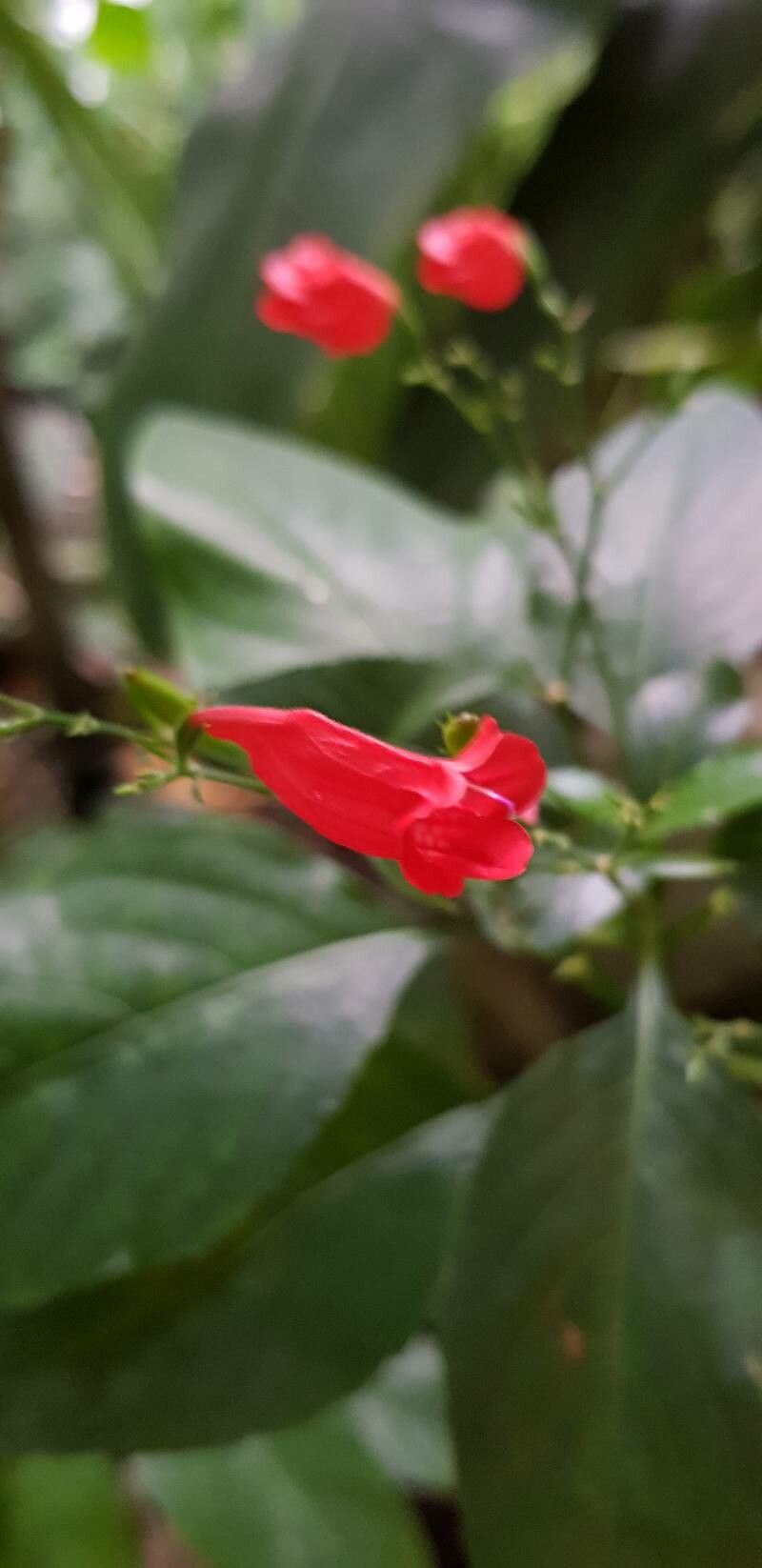
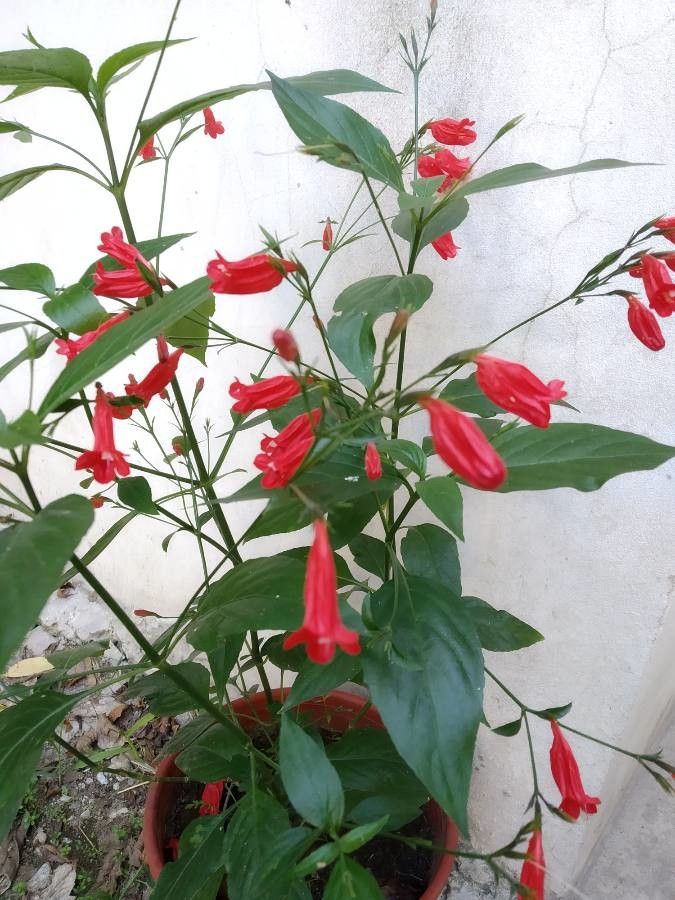
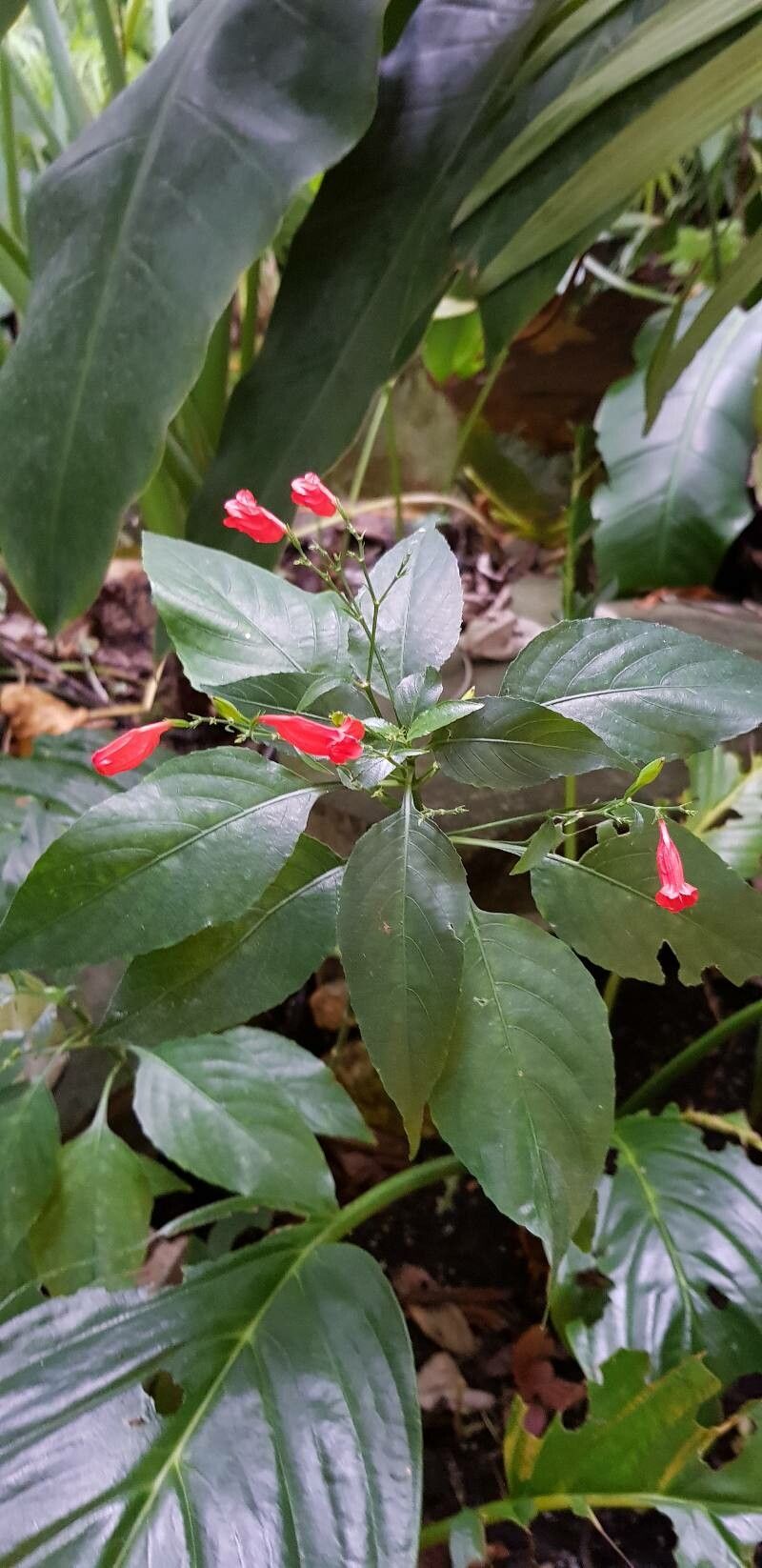
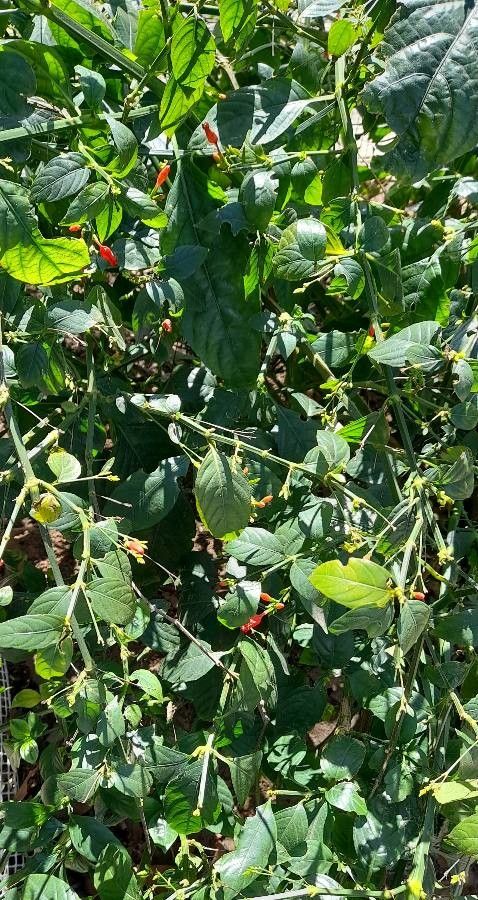
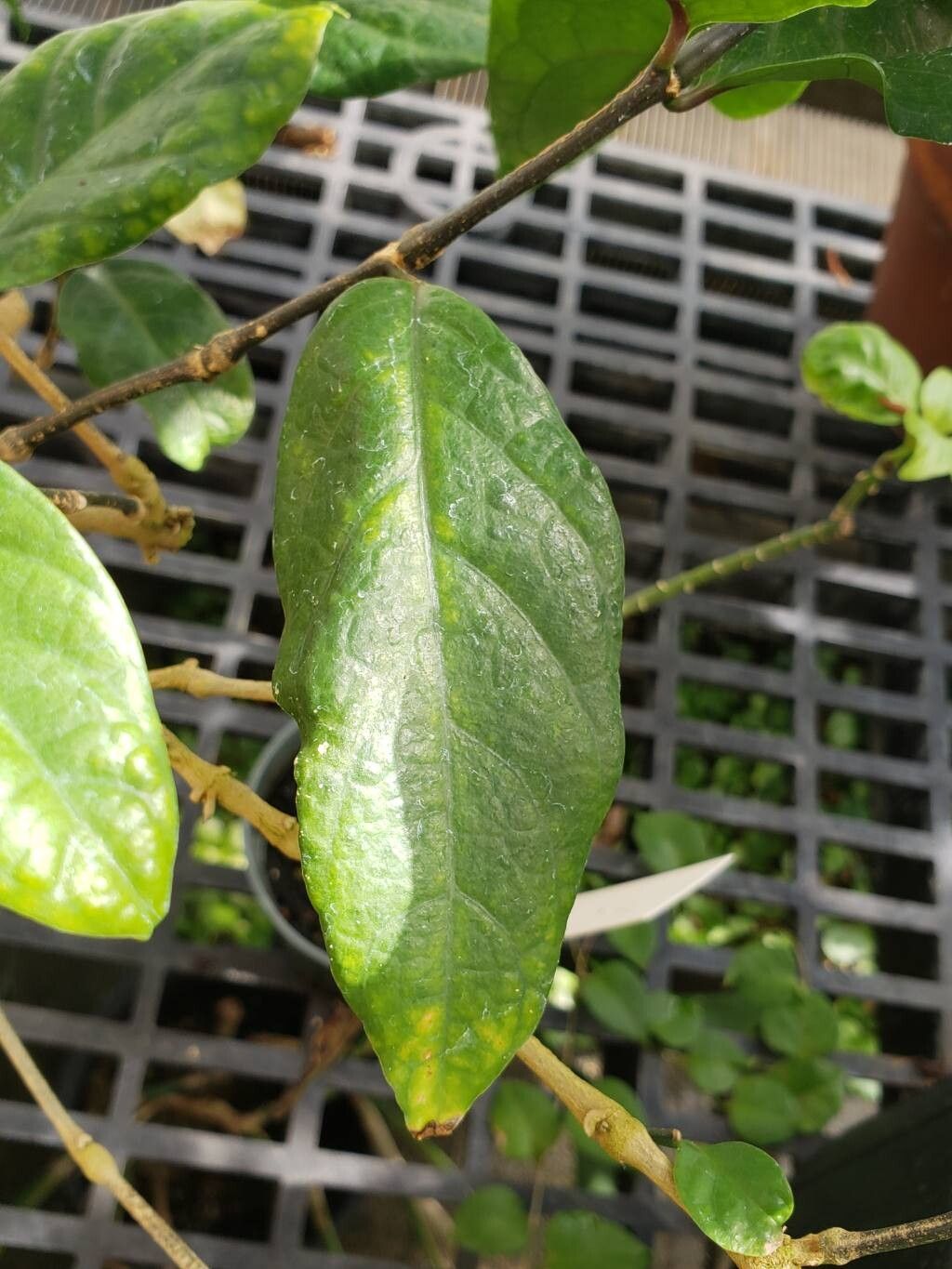
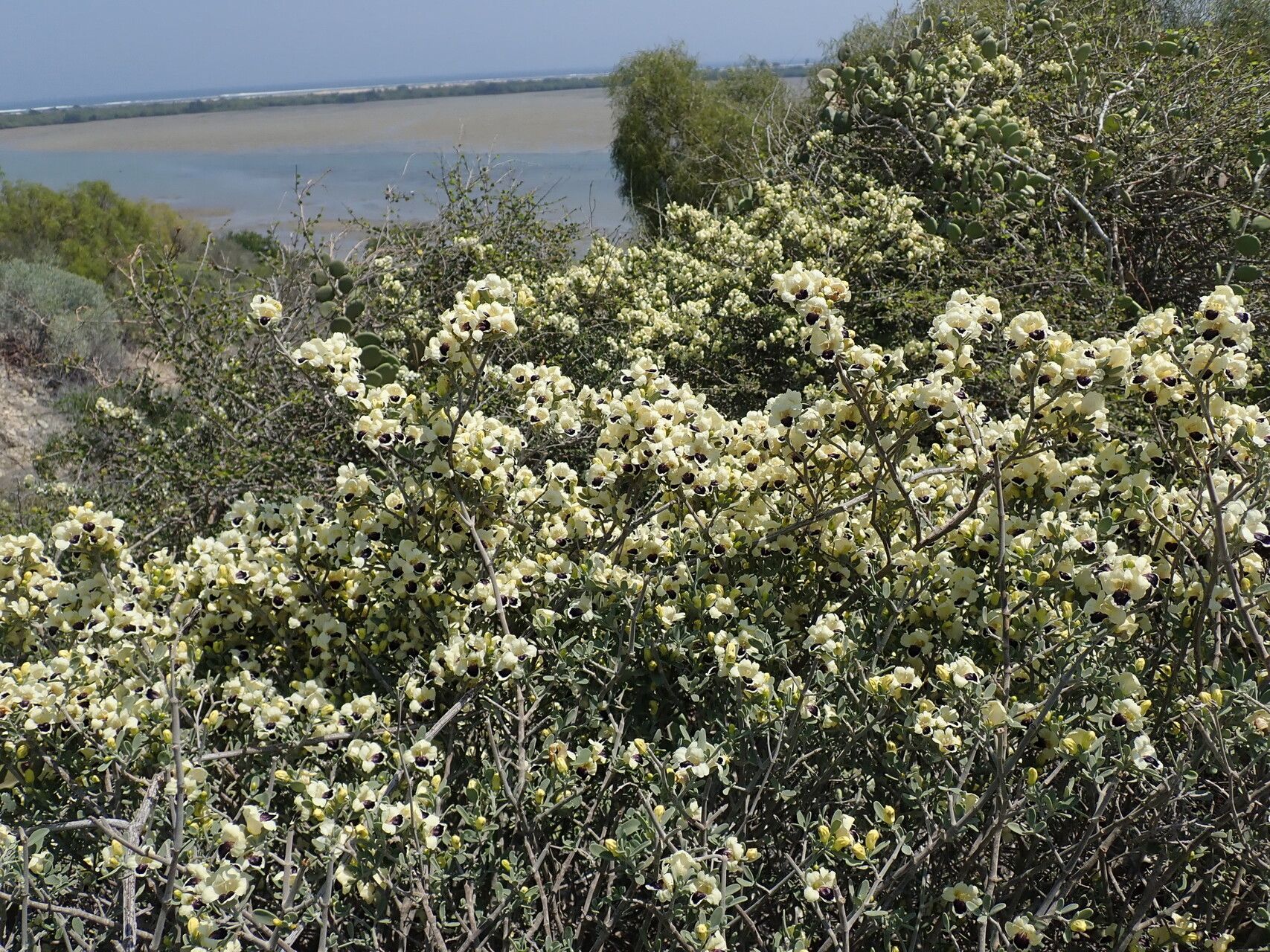
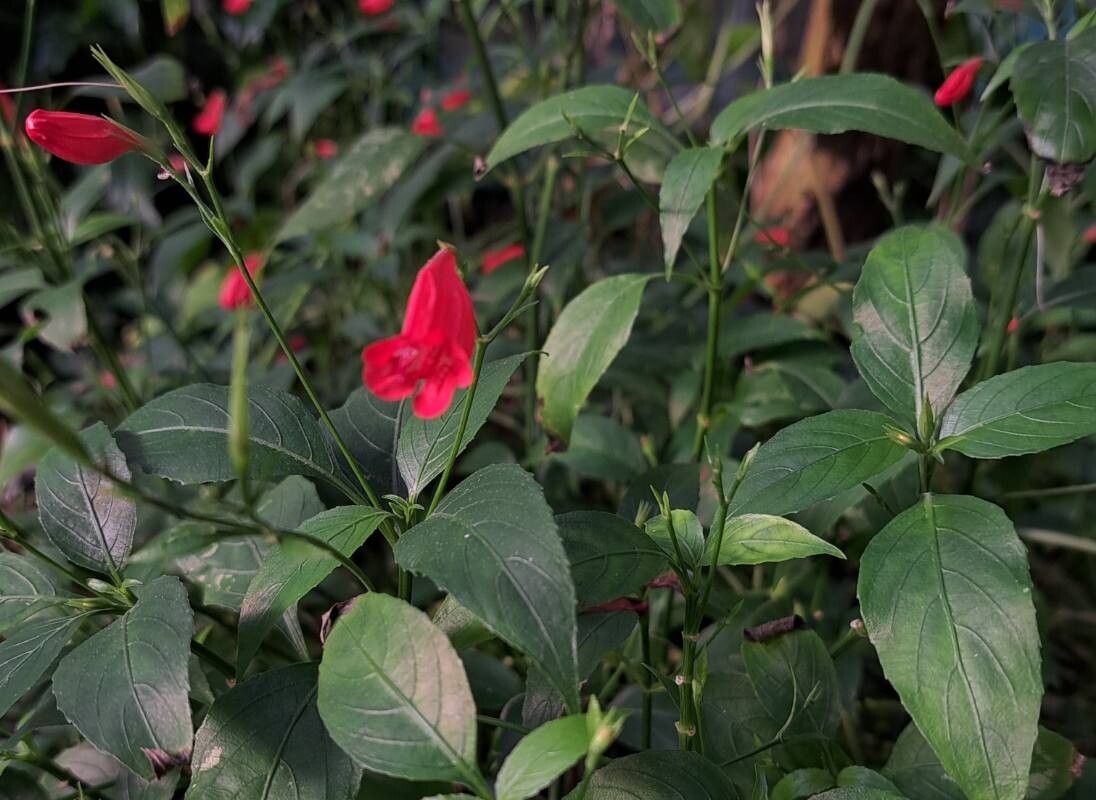
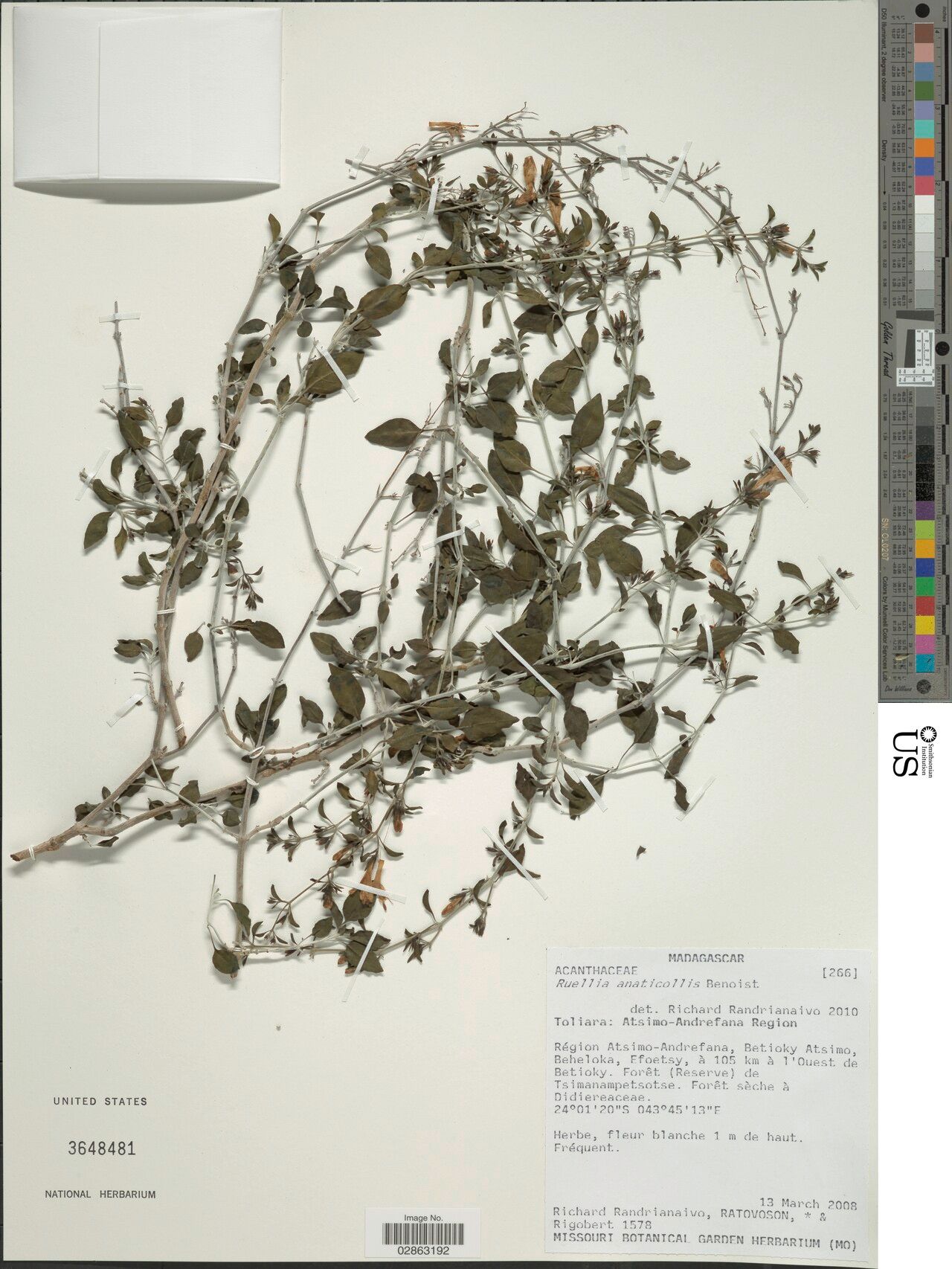
Ruellia brevifolia, commonly known as the Shortleaf Wild Petunia, is a perennial plant species belonging to the Acanthaceae family. Native to the southeastern United States, it thrives in various habitats such as pine forests, savannas, and wetlands.
Typically, the plant grows to a height of 1-2 feet and features lance-shaped leaves that are 1-3 inches long. Its trumpet-shaped flowers, displaying five petals, range in color from lavender-blue to purple. Blooming from late spring through early fall, these vibrant flowers attract pollinators like bees and butterflies.
Ruellia brevifolia is a low-maintenance plant that flourishes in full sun or partial shade with well-drained soil. It can be propagated through seeds or cuttings and may also self-seed under favorable conditions.
In traditional medicine, Ruellia brevifolia has been noted for its anti-inflammatory properties and has been used to treat various ailments such as fever, coughs, colds, and headaches.
Overall, Ruellia brevifolia is an attractive ornamental plant that adds color to any garden or landscape while providing ecological benefits by attracting pollinators.
Tropical wild petunia is fairly disease-resistant and usually does not suffer from illnesses. It can, however, be vulnerable to pests and diseases found nearby, though these problems are generally mild. Care requirements are moderate. The plant should be pruned on a regular basis to keep a tidy appearance and support healthy growth. Fertilizing can also encourage more flowering. This plant is appropriate for anyone with outdoor space, such as a garden or patio, and does not need extensive plant-care experience. When kept indoors, it may demand more attention.
How to keep Ruellia Brevifolia.
Light
The tropical wild petunia flourishes optimally when it receives a generous amount of sunlight all day, but can tolerate a bit of shade. It naturally grows in tropical environments, where the light is plentiful. Nevertheless, either too much or too little light can disrupt its normal growth process, potentially leading to a decrease in vitality.
Water
Tropical wild petunia flourishes in high humidity and regular moisture, common in tropical climates. For optimal health, it should be watered weekly, although it can withstand brief periods of dryness. As an evergreen, it needs consistent hydration, especially when grown indoors, where managing the environment is crucial.
Temperature
The tropical wild petunia is native to hot regions, prospering in temperatures between 68 and 100 °F (20 to 38 °C). Its health can be maintained by gradually adapting to shifts in temperature. Any changes are only required when the temperatures fall outside these limits.
Fertilizer
The optimal period to fertilize a Tropical wild petunia is at the onset of spring, as it transitions from dormancy to active growth. This fertilization supplies crucial nutrients needed for robust growth. Even though the Tropical wild petunia doesn't require much fertilization, providing it once a year can boost its survival chances and encourage the growth of superior, more durable flowers.
Pruning
To ensure the tropical wild petunia maintains its shape and continues to grow healthily, it's important to prune it properly. Key pruning techniques include removing damaged stems and thinning out crowded areas. The best time to prune is between late winter and early spring, as this minimizes stress on the plant. Proper pruning enhances airflow, reduces the risk of disease, and encourages prolific blooming.
Botanical profile.
- Plant Type
- Herb
- Life Cycle
- Perennial, Annual
- Genus
- Ruellia
- Family
- Acanthaceae
- Hardiness Zone
- 6-11
- Mature Height
- 61 cm
- Mature Spread
- 49 cm
- Leaf Color
- Green, Blue
- Leaf Type
- Evergreen
- Flower Color
- Red, White, Pink, Purple, Orange
- Flower Size
- 3.05 cm to 5.08 cm
- Bloom Time
- All year round
- Planting Time
- Spring, Summer
- Harvest Time
- All year round
- Native Area
- Colombia, Paraguay, Argentina, Bolivia, Peru, Brazil, Ecuador
Other names.
Reader questions.
How should I water my Tropical wild petunia?
To ensure the health of the Tropical wild petunia when watering, it is best to use filtered water at room temperature. Tap water may contain harmful particles that can be detrimental to this plant. Considering the plant's origins in a warm environment, it is important to avoid using cold water as it can shock the plant. Additionally, it is advised to refrain from overhead watering, as it can lead to problems with the foliage. Instead, thoroughly soak the soil with filtered room temperature water. This helps to moisturize the roots and aids in their spread throughout the soil, ensuring the plant receives the necessary nutrients.
Why do I have to put fertilizer on my Tropical wild petunia?
Fertilization is important for the Tropical wild petunia because it provides essential nutrients for both above and below ground growth. Despite having relatively low fertilization needs, annual fertilization can greatly benefit the plant. It helps keep the Tropical wild petunia alive and promotes the development of longer-lasting, more beautiful flowers. Those wanting their Tropical wild petunia to thrive should prioritize annual fertilization.
What are the sunlight requirements for tropical wild petunia?
Tropical wild petunia requires full sunlight for thriving, meaning it should receive above 6 hours of sunlight a day, but it can also tolerate partial sun, which amounts to about 3-6 hours of sunlight. Given its origins in tropical habitats, it is adapted to plentiful light. However, it's crucial to ensure that it is not overexposed or underexposed to sunlight as it can impact its growth and vigor negatively. When planting, observe your garden's light conditions closely, choosing locations that offer a balanced exposure for optimal plant health.
What is the ideal temperature range for tropical wild petunia?
Tropical wild petunia, or Ruellia brevifolia, thrives in a temperature range of 68 to 100 °F (20 to 38 °C). It's indigenous to warm climates and best maintains its health when temperature changes are made gradually. Only when temperatures fall outside this range do adjustments need to be considered. The plant possesses strong cold resistance, typically not requiring special frost protection measures during winter. However, special attention is necessary if winter temperatures are projected to drop below -25°C, using coverings such as soil or straw for protection. Additionally, watering the plant abundantly before the first freeze in autumn helps keep the soil moist and prevents drought and water scarcity during winter and early spring.
If I give my Tropical wild petunia too much or too little water, what should I do?
Too much water is a bigger problem for Tropical wild petunias than not enough water. Overwatering can cause wilting and yellowing of the stems and leaves. It can also lead to diseases like root rot, mold, and mildew, which can be fatal for the plant. Underwatering is less common but still possible. In this case, the leaves may become brittle and brown. It's important to identify signs of overwatering early and reduce watering immediately. If the soil drains poorly, replace it with a well-draining mix. If signs of underwatering are present, increase watering until the plant recovers.
When should I fertilize my Tropical wild petunia?
The best time to fertilize a Tropical wild petunia is in late winter to early spring when it is transitioning from dormancy to active growth. Fertilizing at this time promotes healthy growth and helps the plant thrive for the season. While early spring is generally the most beneficial time to fertilize, it is also acceptable to do so in the fall. However, it is not recommended to fertilize a Tropical wild petunia during summer or winter.
How can artificial lighting be used for tropical wild petunia indoors?
Indoor tropical wild petunias can benefit greatly from artificial lighting, especially when natural sunlight is insufficient, like during winter. LED lights are recommended due to their ability to be customized to the plant's specific light wavelength needs. The amount of artificial light required varies depending on the plant's natural sunlight requirements: full sun plants need 30-50W/sq ft, partial sun plants 20-30W/sq ft, and full shade plants 10-20W/sq ft. The artificial light source should be placed 12-36 inches above the plant, ensuring it mimics the natural daylight hours, which is typically 8-12 hours per day for most plants.
How does tropical wild petunia react to low temperatures?
Tropical wild petunia can tolerate cold conditions and should ideally be kept above 0°C during winter, but it thrives best when temperatures stay above 20°C. If temperatures dip below -25°C, the plant may not show immediate damage during winter but could experience decreased sprouting or fail to sprout in spring. To manage these issues, any parts of the plant that have failed to sprout by spring should be removed to encourage new growth.
How frequently should I water my Tropical wild petunia?
To determine if your potted Tropical wild petunia needs water, put your finger in the soil. If the top two to three inches are dry, it's time to water. The same method applies if you're growing the plant outdoors in the ground. During spring and early fall, watering once a week is usually sufficient. In very hot weather, watering twice a week or more may be necessary. However, mature and well-established Tropical wild petunias have a strong ability to survive drought.
When is it not a good idea to add fertilizer to my Tropical wild petunia?
To properly care for your Tropical wild petunia, it is recommended to only fertilize during late winter and early spring. This plant has low fertilization needs, so a single annual feeding should be sufficient. It is important not to fertilize throughout spring, summer, and fall as this can easily result in overfertilization and its associated problems. The only exception to this is if you forgot to fertilize in the spring, in which case it is acceptable to feed the plant in the fall. Additionally, there is no need to fertilize during the winter when the plant is in a dormant phase and not actively growing. Therefore, fertilization during most of the winter is not advised.
What are common symptoms of improper lighting in tropical wild petunia?
Improper lighting can lead to several issues for a tropical wild petunia. Symptoms of insufficient light include smaller new leaves, leggy or sparse growth, faster leaf drop, slower or ceased new growth, lighter-colored new leaves indicating chlorophyll and nutrient deficiency. Overexposure symptoms include chlorosis or yellowing of leaves due to chlorophyll breakdown, sunscald presenting as bleached areas on leaves or stems, leaf curling as a defense against excessive sunlight, wilting due to transpiration-induced water loss, and leaf scorching marked by brown, dry edges on leaves. Monitoring these symptoms can help in adjusting your plant's light exposure for better health.
What are the effects of high temperatures on tropical wild petunia and how can they be mitigated?
In the summer, it's crucial to keep tropical wild petunia below 38°C. Exposure to temperatures above 43°C can cause the leaves to lighten in color, curl, become prone to sunburn, and, in severe cases, lead the entire plant to wilt and dry. To mitigate these effects, remove sunburned and dried-up parts of the plant. Relocating the plant to a shaded area during the midday and afternoon sun, or using a shade cloth, can protect it from excessive heat. Additionally, watering the plant in the morning and evening helps maintain soil moisture and supports the plant's health in high temperatures.