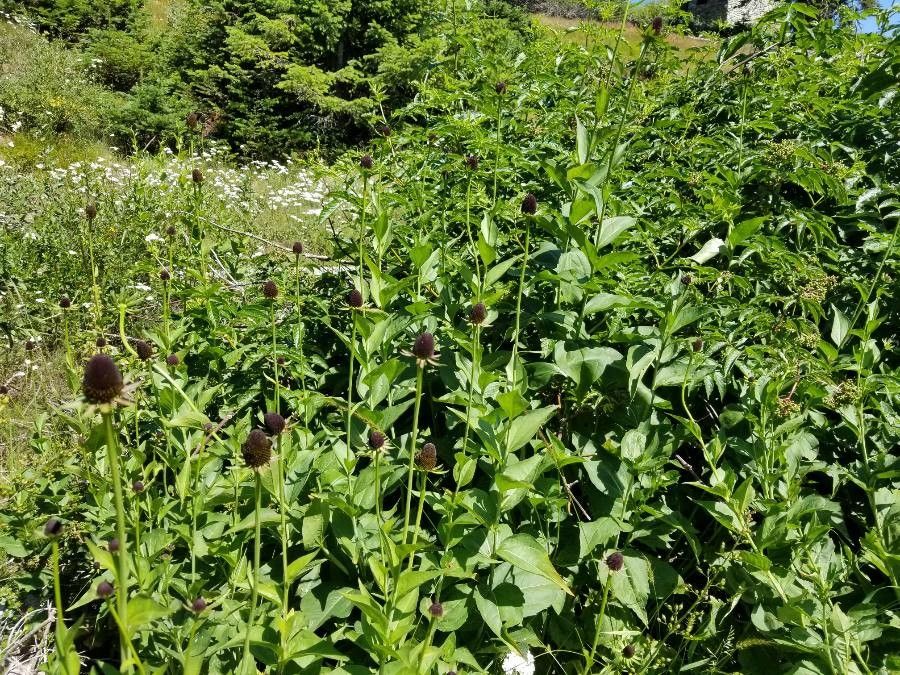
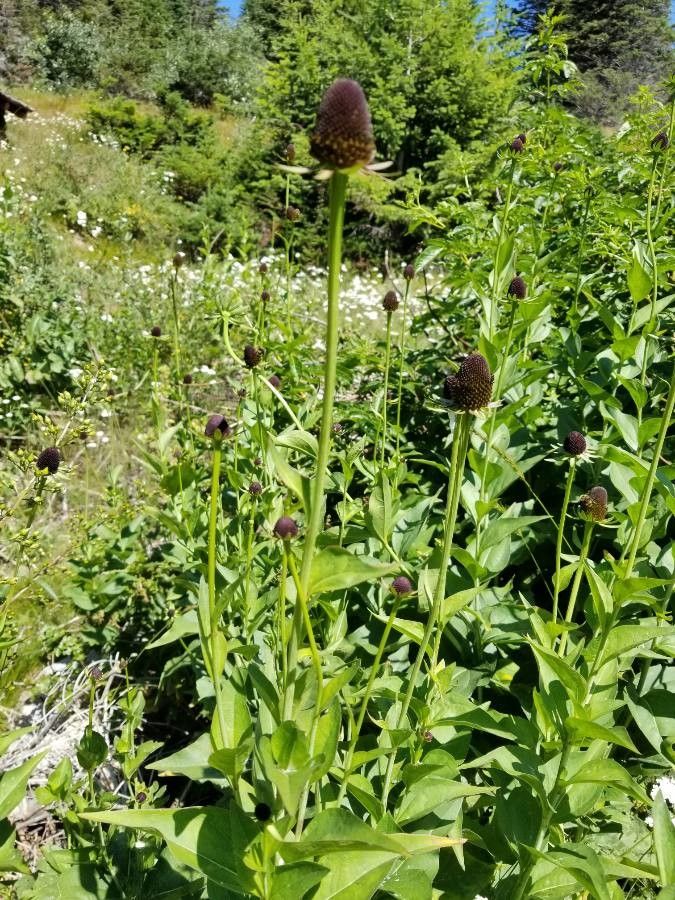
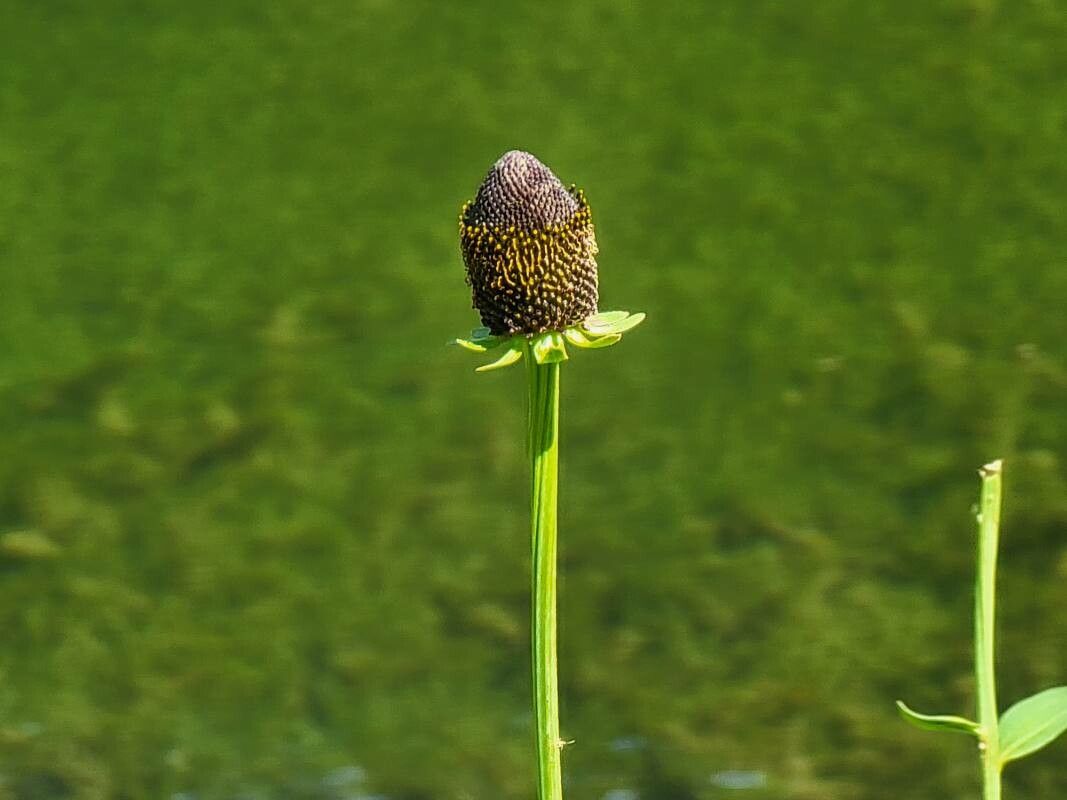
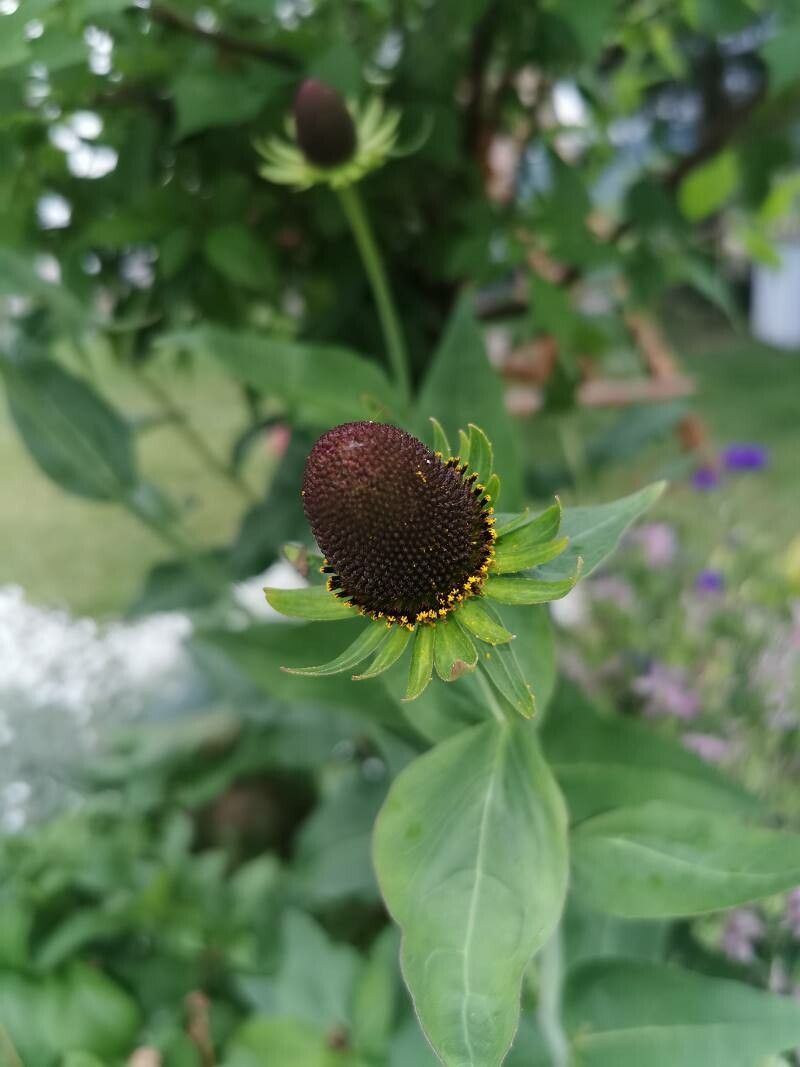
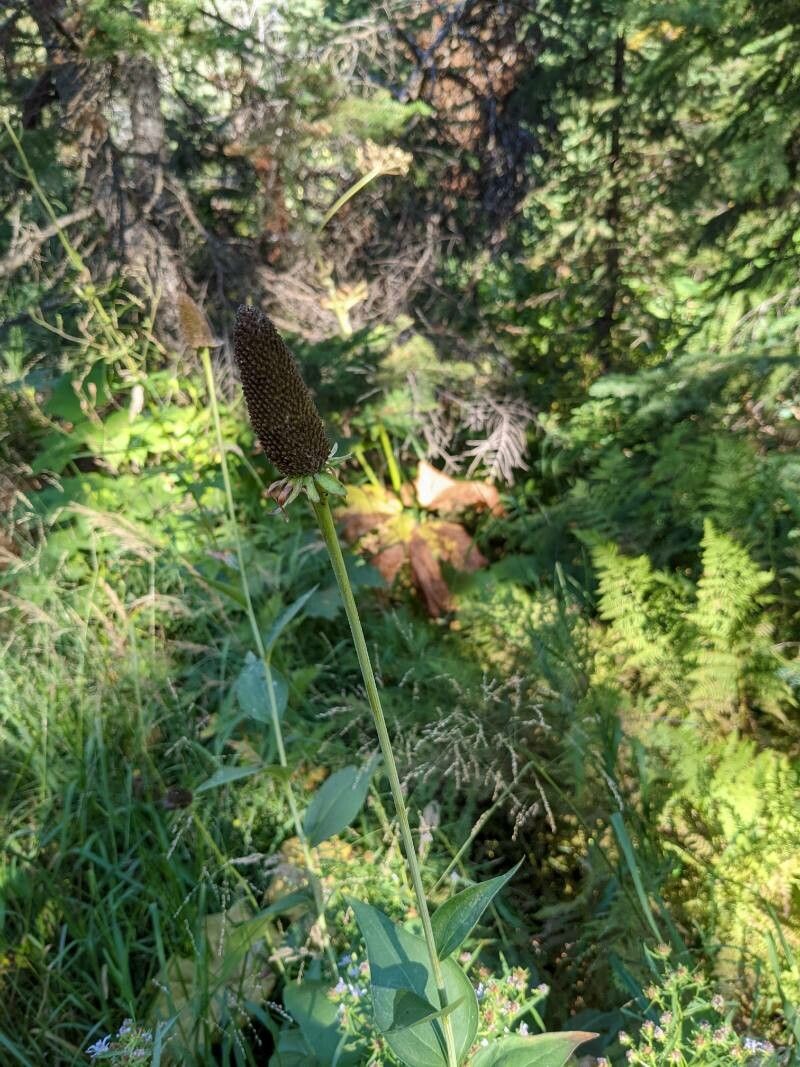
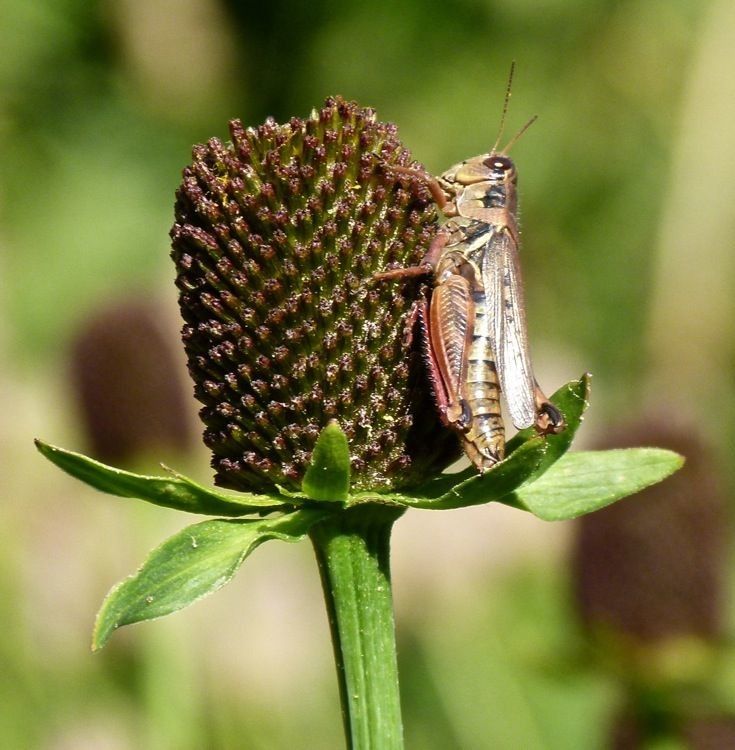
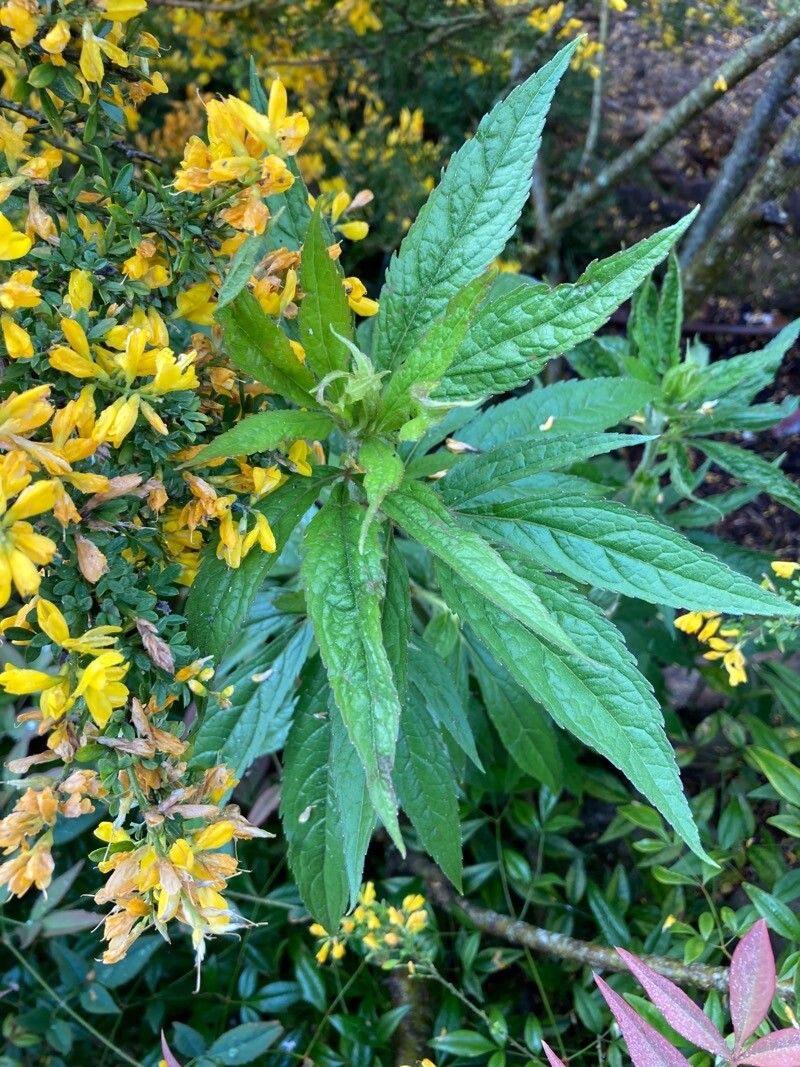
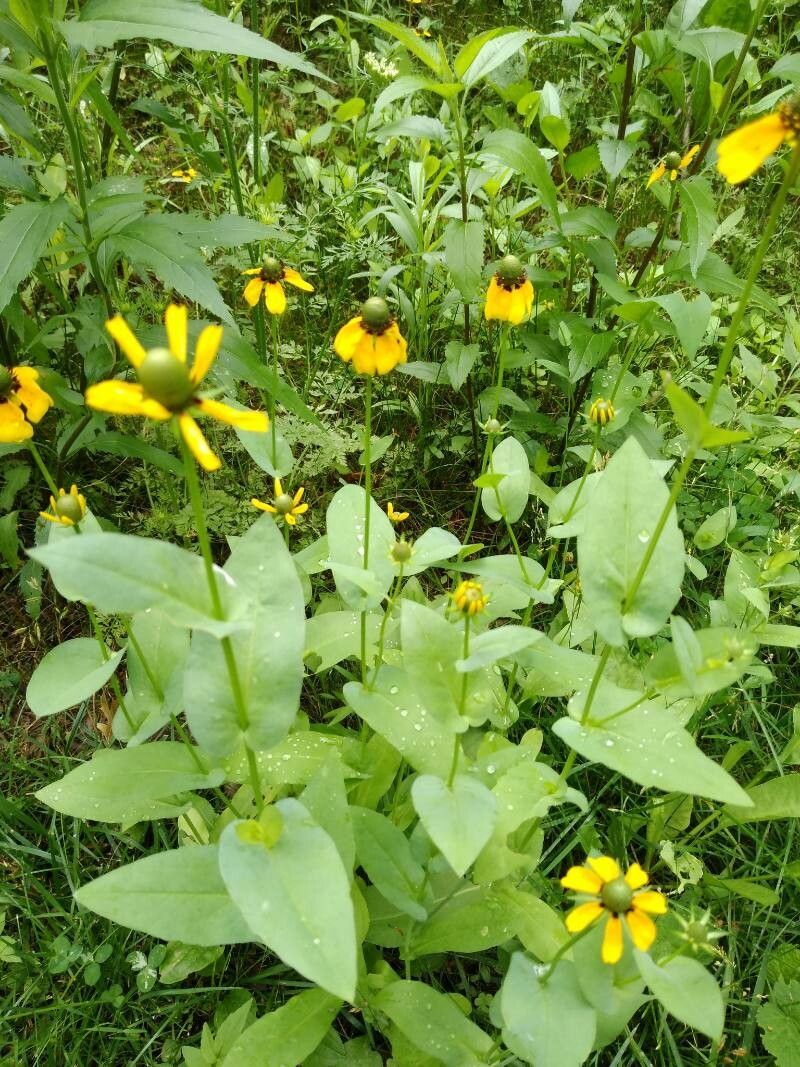
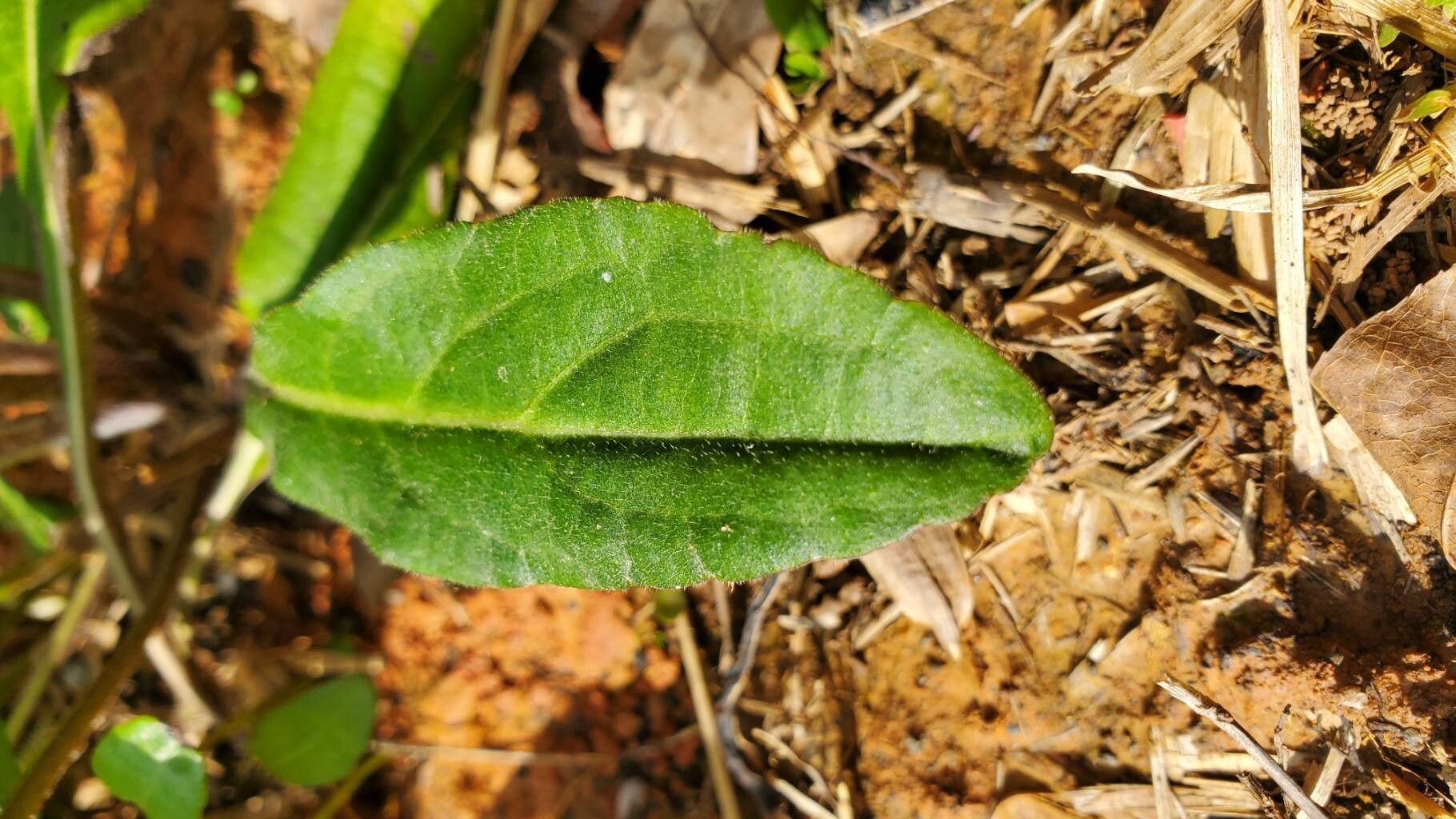
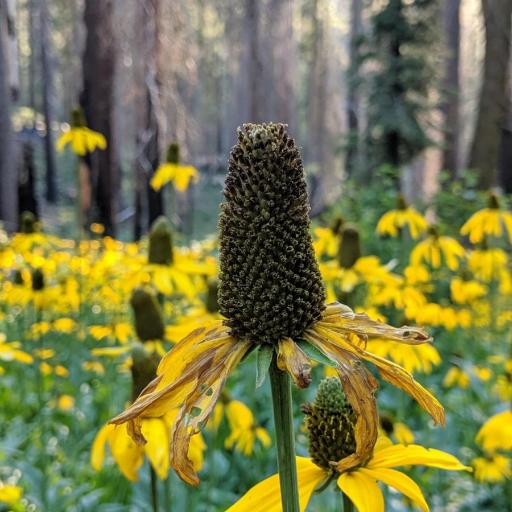
Rudbeckia occidentalis, commonly known as Western Coneflower or Black Coneflower, is a perennial plant native to North America. Part of the Asteraceae family, it is renowned for its striking yellow flowers with black centers that bloom from mid-summer to early fall. Typically, the plant grows to a height of 3-4 feet and features dark green, lance-shaped leaves with a rough texture.
Rudbeckia occidentalis thrives in full sun and well-drained soil but can tolerate partial shade. While it becomes drought-tolerant once established, it requires regular watering during the growing season for optimal growth. Its nectar-rich flowers attract pollinators such as bees, butterflies, and birds, contributing to the local ecosystem.
In addition to its ornamental value in gardens and landscapes, Rudbeckia occidentalis possesses medicinal properties. Native Americans have used its roots to treat various ailments, including colds, flu, and sore throats.
Overall, Rudbeckia occidentalis is an attractive perennial that adds color and interest to gardens while also providing ecological benefits by attracting pollinators.
Western cone-flower has good disease resistance and is generally not prone to diseases. However, it can be vulnerable to pests and diseases present in its environment. These infections are usually not severe. For care, the plant requires a moderate level of maintenance. It should be pruned regularly to maintain a neat appearance and healthy growth. Fertilizing can also help encourage flowering. Western cone-flower is suitable for anyone with outdoor space, such as a garden or patio, and does not demand much prior care experience. It may need more attention when grown indoors.
How to keep Rudbeckia Occidentalis.
Light
Western cone-flower is a sun-loving, perennial herbaceous plant native to open habitats and commonly found in meadows and grasslands. It prefers full sun but can also tolerate partial sun.
Water
The Western cone-flower, a native plant of the North American prairies, is both drought-tolerant and suited to dry conditions. It thrives best in full sunlight and well-draining soil, needing to be watered twice a week while it is growing. Its adaptability also makes it ideal for temperate climates with varying levels of rainfall.
Temperature
Western cone-flower can tolerate a wide range of temperatures, but its range may still be restricted by various combinations of moisture and heat. It does best in warm summer climates with sufficient rainfall or irrigation. Extended periods of cloudy, rainy weather or prolonged high temperatures can raise the chance of Western cone-flower dying. In winter, adequate protection from cold can increase the plant's likelihood of survival.
Fertilizer
The best time to fertilize a Western cone-flower is in early spring, when it is coming out of dormancy and beginning active growth. Fertilizing supplies essential nutrients for healthy development. Although Western cone-flower needs relatively little fertilizer, applying it annually can improve its survival and encourage better, longer-lasting flowers.
Pruning
The Western cone-flower has a distinctive dark, cone-shaped center surrounded by bright green foliage. To promote growth and remove dead stems, it's best to prune these plants in early spring. Regular pruning not only improves air circulation but also reduces the risk of disease. Additionally, cutting back spent flowers can help extend the blooming period. Be sure to avoid heavy pruning in late summer or fall.
Botanical profile.
- Plant Type
- Herb
- Life Cycle
- Perennial
- Genus
- Rudbeckia
- Family
- Asteraceae
- Hardiness Zone
- 4-9
- Mature Height
- 0.61 m to 2.13 m
- Mature Spread
- 49 cm to 76 cm
- Leaf Color
- Dark Green
- Leaf Type
- Deciduous
- Flower Color
- Yellow, Gold
- Flower Size
- 5.08 cm to 6.35 cm
- Bloom Time
- Summer
- Planting Time
- Spring, Summer
- Harvest Time
- Late summer, Early fall, Mid fall
Other names.
Reader questions.
What are the sunlight requirements for the Western cone-flower (Rudbeckia occidentalis)?
The Western cone-flower, scientifically known as Rudbeckia occidentalis, thrives under specific sunlight conditions. For it to flourish, it requires 'full sun,' defined as receiving above 6 hours of sunlight a day. Alternatively, it can also grow under 'partial sun,' which means the plant would get about 3-6 hours of sunlight daily. When choosing a location for your Western cone-flower, it's important to observe how sunlight moves through your garden throughout the day. This observation will help you find an ideal spot that provides a perfect balance of light and shade, ensuring your plant's happiness and health.