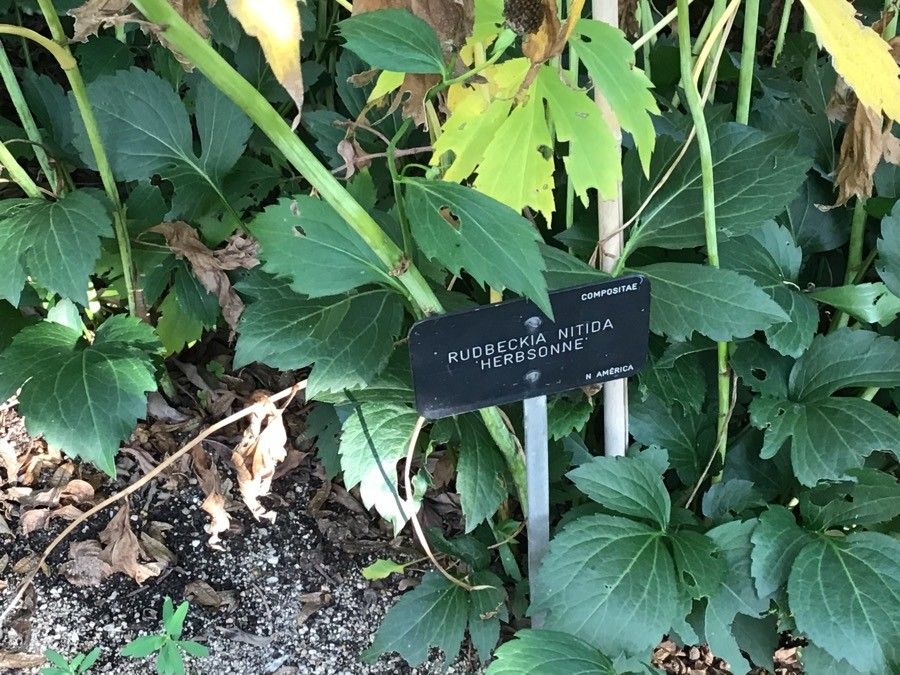
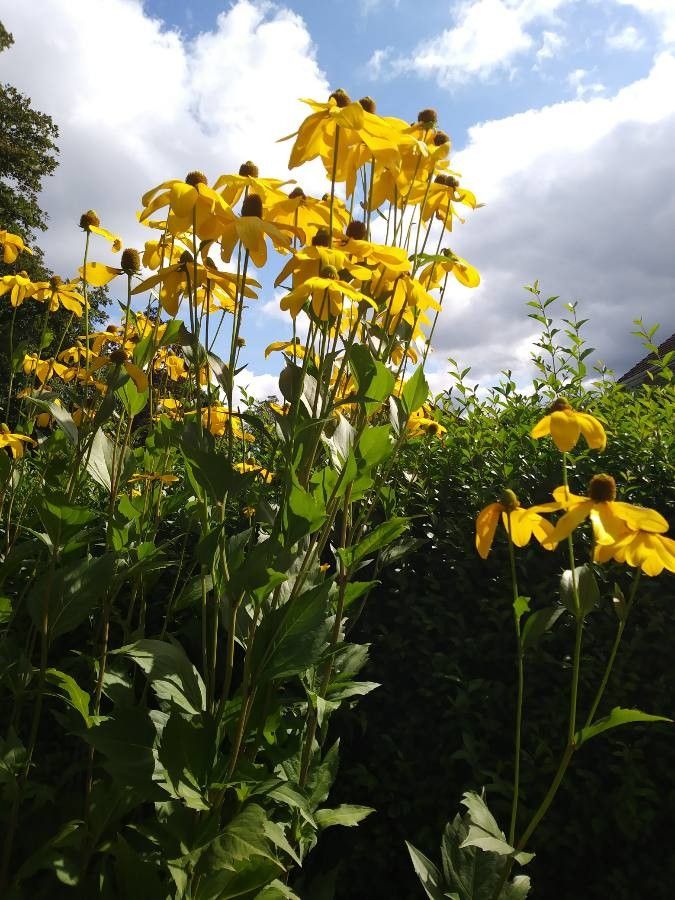
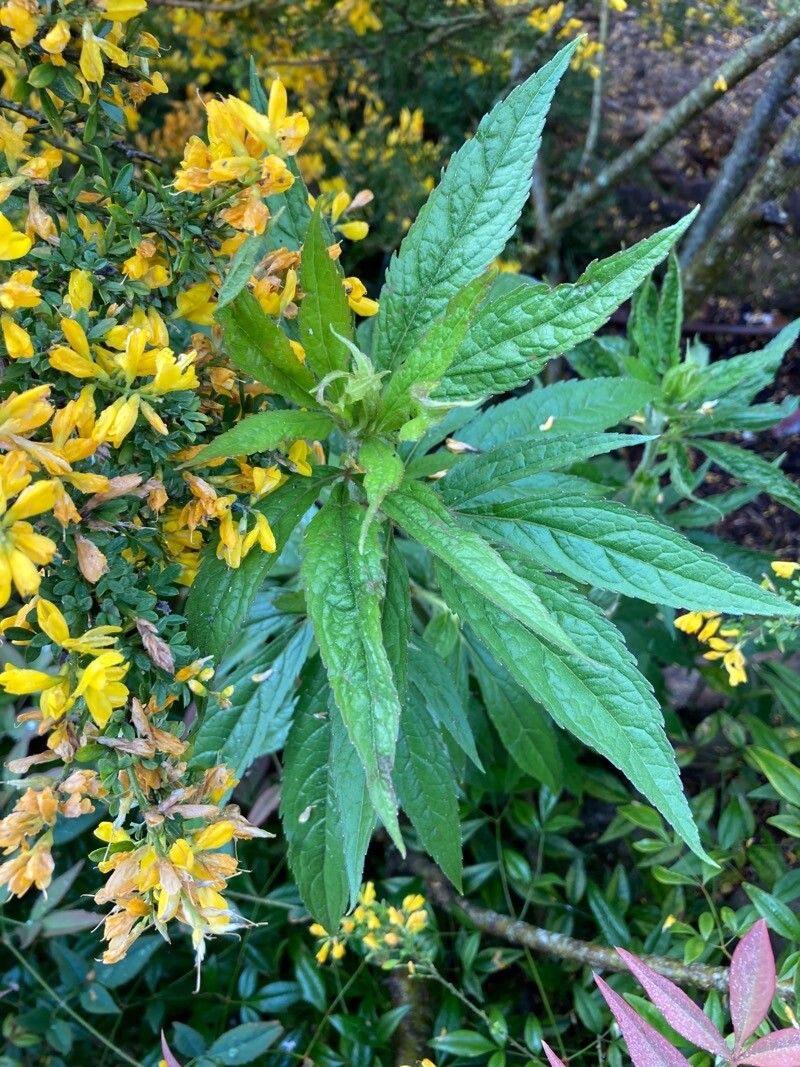
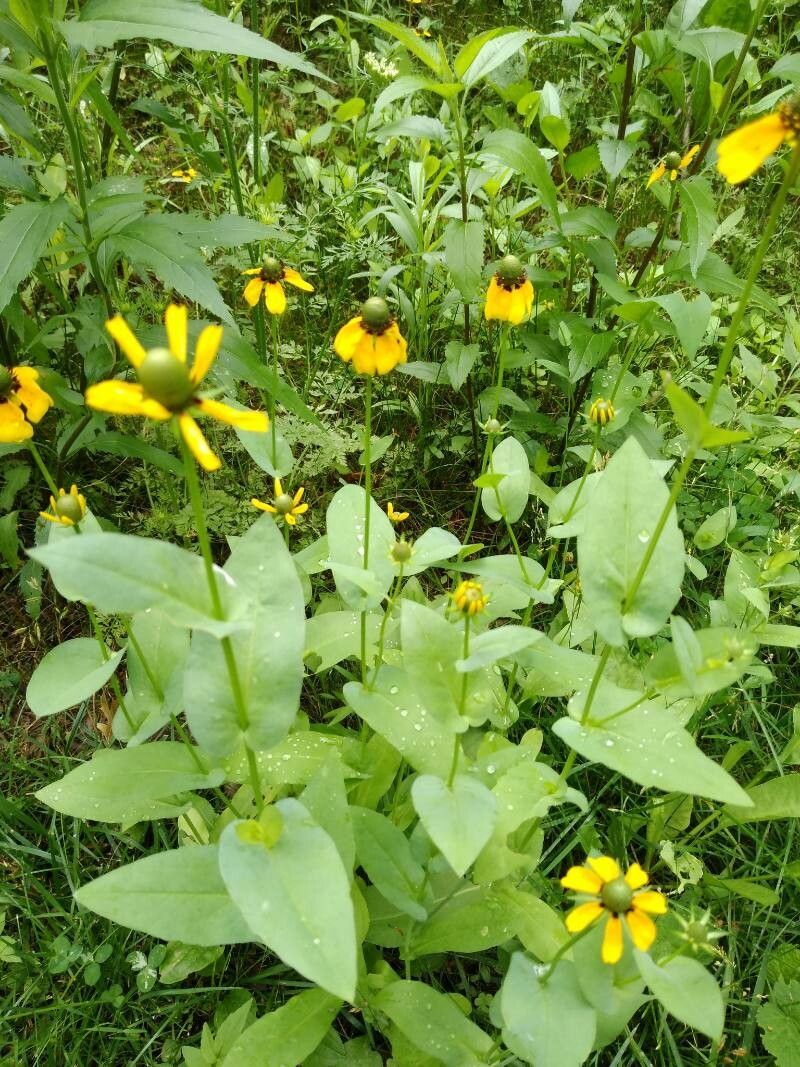
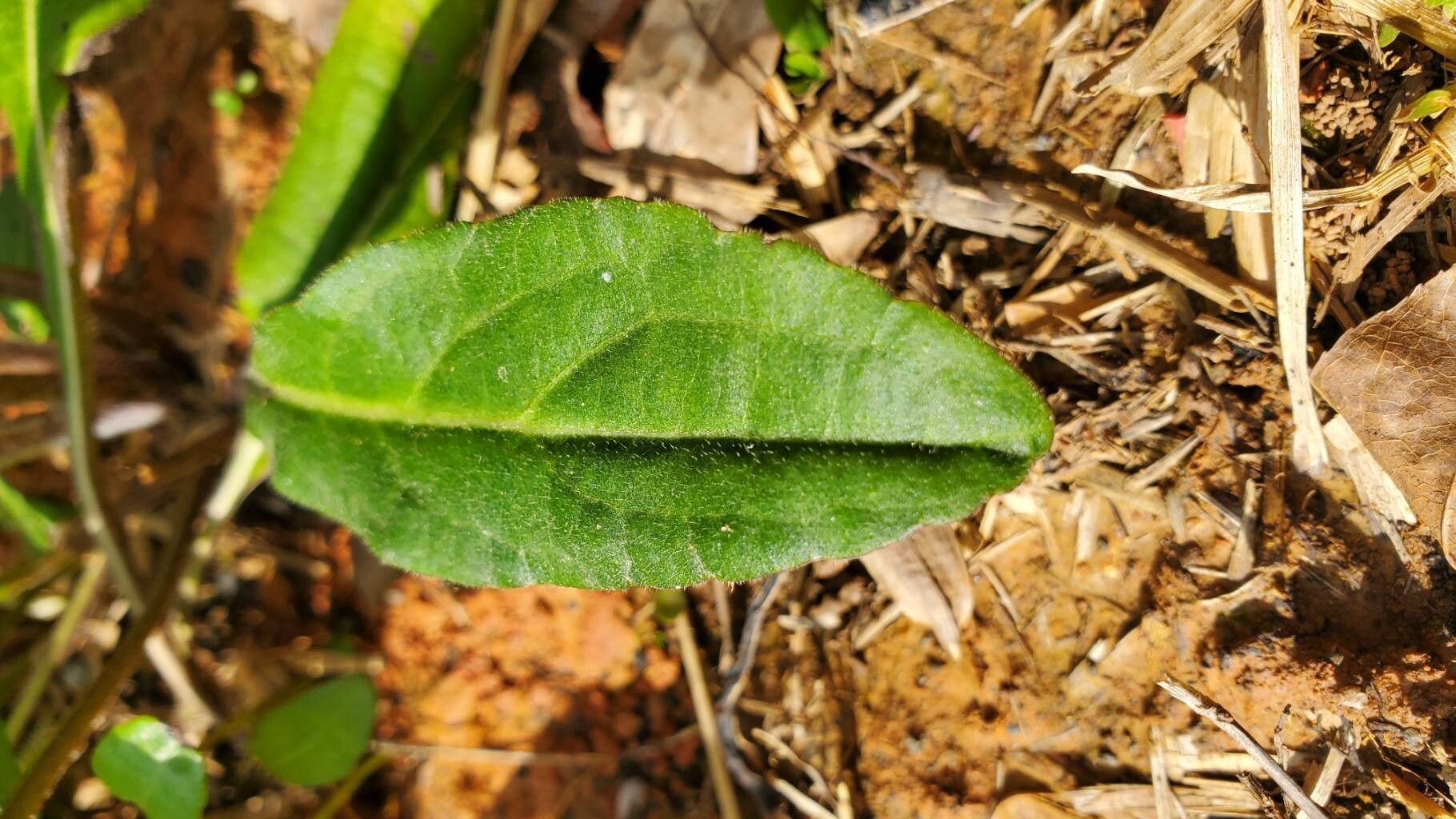
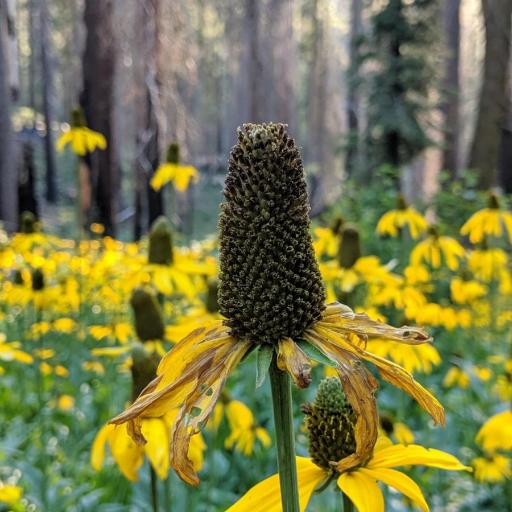
Rudbeckia nitida, commonly known as the Shining Coneflower or Swamp Sunflower, is a perennial plant in the Asteraceae family. Native to North America, it thrives in wetlands, meadows, and prairies. The plant can reach heights of up to 6 feet and exhibits a clumping habit, featuring upright stems adorned with dark green leaves.
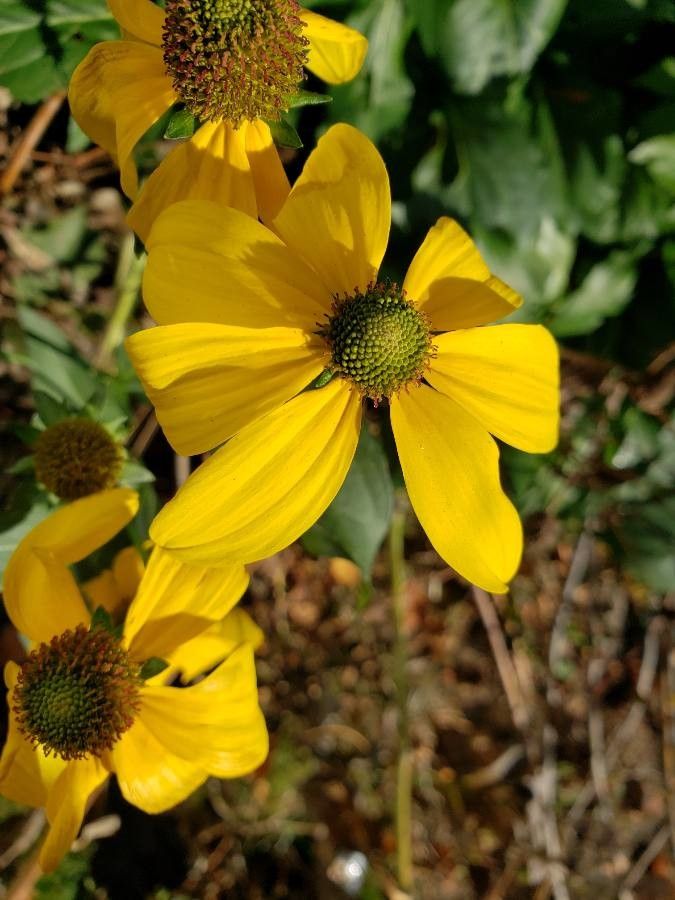
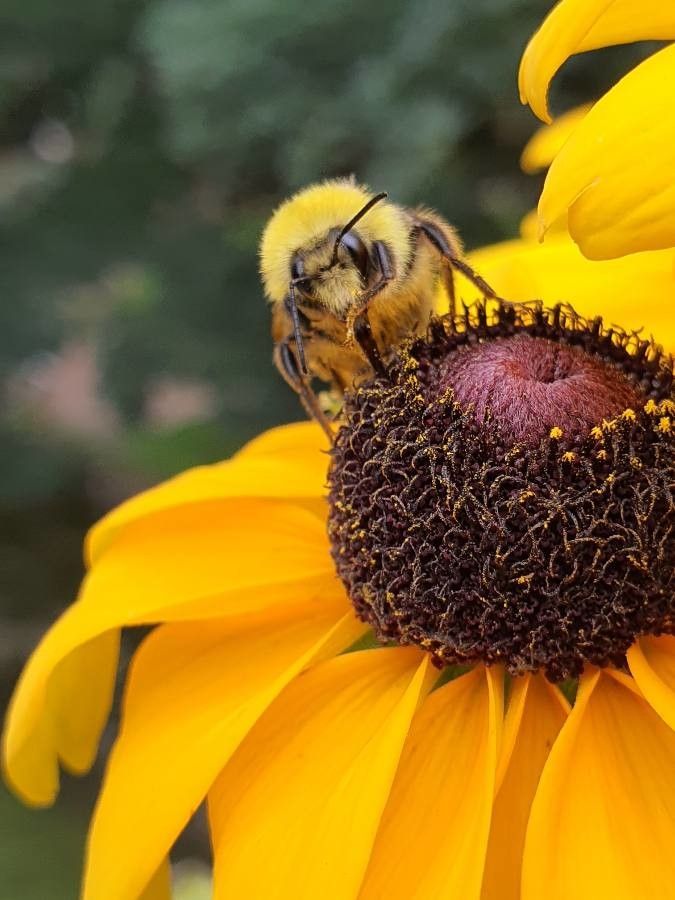
The Shining Coneflower boasts bright yellow, daisy-like flowers with dark centers that bloom from mid-summer to early fall. These eye-catching flowers attract pollinators such as bees and butterflies.
While this plant prefers moist soil conditions, it can tolerate some drought once established. It also withstands wet soil conditions, making it an excellent choice for rain gardens or other water features.
Historically, Native Americans have utilized Rudbeckia nitida for its anti-inflammatory properties. Additionally, it is favored as an ornamental plant due to its attractive foliage and striking flowers.
Overall, Rudbeckia nitida is a beautiful addition to any garden or landscape. Its bright yellow blooms not only attract pollinators but also offer medicinal benefits, enhancing the overall appeal of this versatile plant.
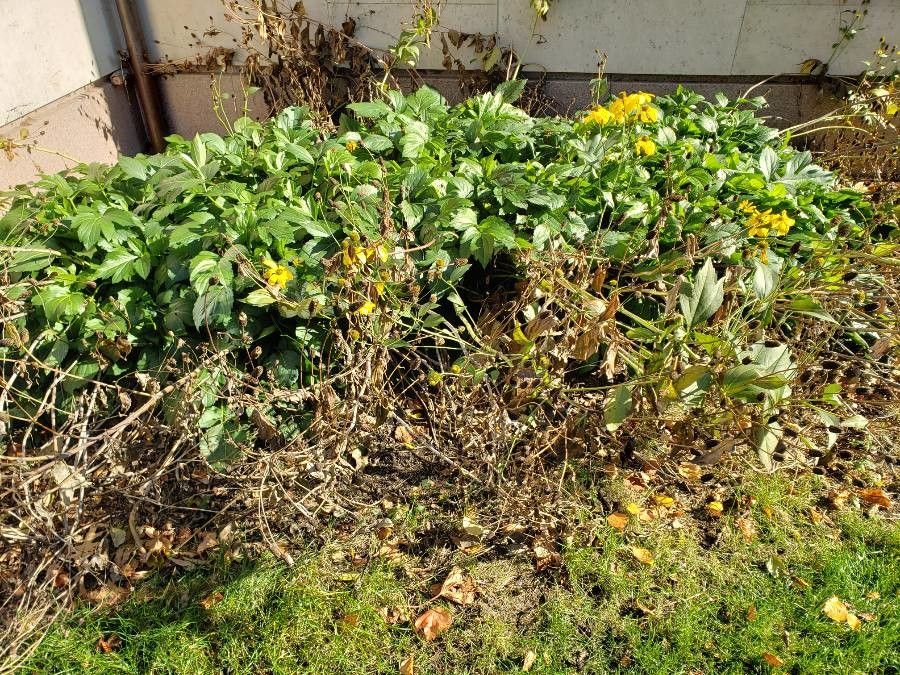
Shiny coneflower has strong resistance to disease and is generally not likely to suffer from illnesses. However, it can be affected by pests and diseases present in its environment. Such infections are typically mild. Regarding care, the plant needs moderate upkeep. It should be pruned regularly to keep a tidy appearance and support healthy growth. Fertilizing can also encourage more abundant flowering. Shiny coneflower is appropriate for anyone with outdoor space, like a garden or patio, and does not demand extensive gardening experience. It may need extra attention if cultivated indoors.
How to keep Rudbeckia Nitida.
Light
Shiny coneflower is a perennial herbaceous plant that loves sun, native to open habitats and commonly prospering in meadows and grasslands. It prefers full sun but can also tolerate partial sun.
Temperature
Shiny coneflower can tolerate a wide range of temperatures, though its range may still be constrained by particular combinations of moisture and heat. It performs best in warm summer climates with sufficient rainfall or regular watering. Extended periods of cloudy, rainy weather or prolonged high temperatures can increase the chance of Shiny coneflower dying. In winter, protecting it from cold can boost the plant's survival rate.
Fertilizer
The best time to fertilize a Shiny coneflower is in early spring, as it comes out of dormancy and begins active growth. Fertilization supplies essential nutrients for healthy development. Although the Shiny coneflower has relatively low fertilizer requirements, applying fertilizer annually can improve its survival and encourage better, longer-lasting blooms.
Botanical profile.
- Plant Type
- Herb
- Life Cycle
- Perennial
- Genus
- Rudbeckia
- Family
- Asteraceae
- Hardiness Zone
- 4-9
- Mature Height
- 91 cm
- Mature Spread
- 61 cm
- Leaf Color
- Dark Green
- Leaf Type
- Deciduous
- Flower Color
- Yellow, Gold
- Flower Size
- 6.35 cm to 10.16 cm
- Bloom Time
- Mid summer, Late summer, Early fall
- Planting Time
- Spring, Summer
- Harvest Time
- Early fall, Mid fall
Other names.