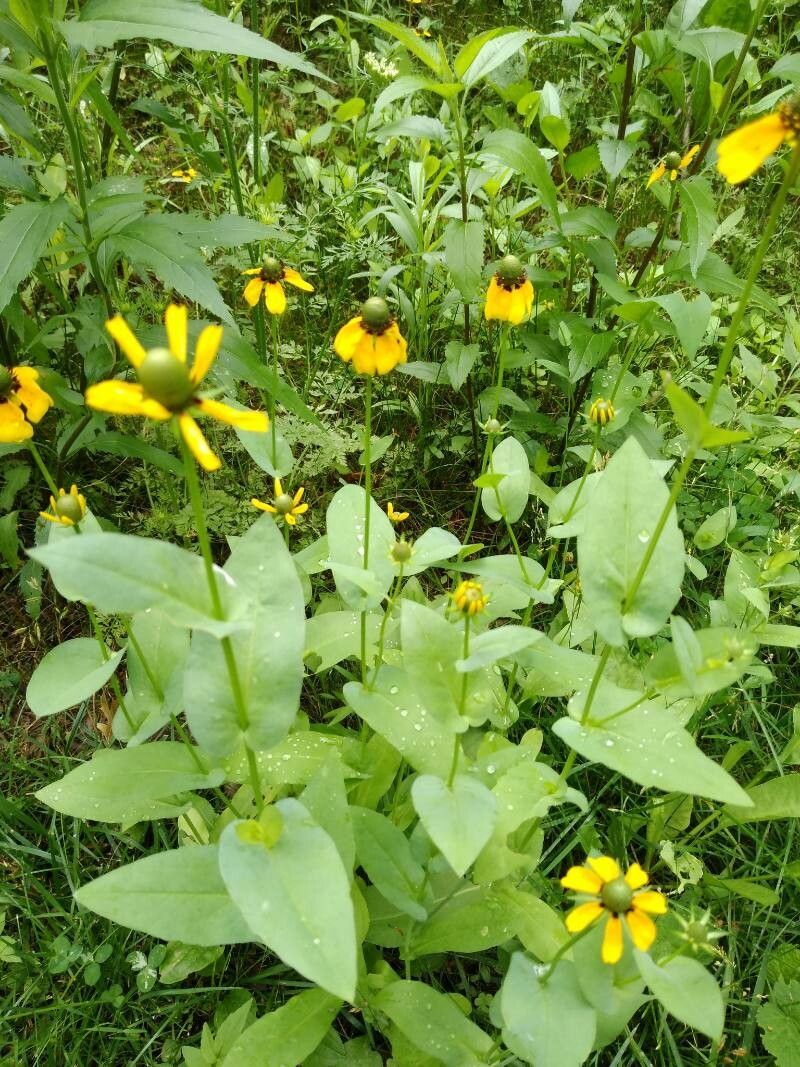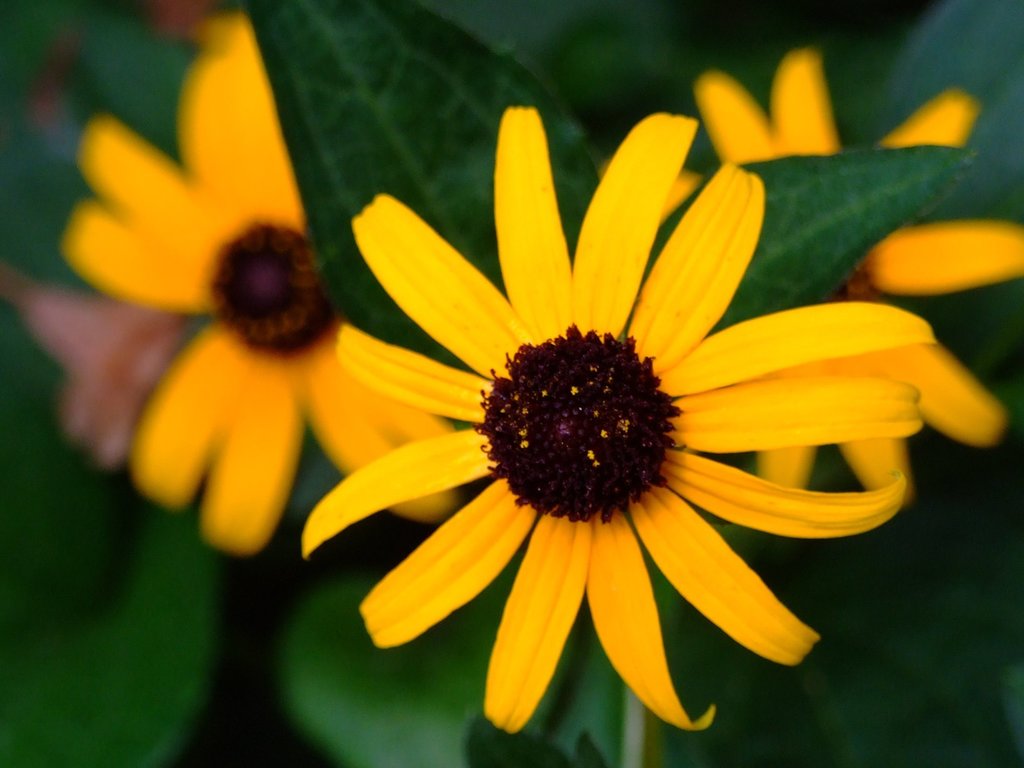
Rudbeckia fulgida, commonly known as the orange coneflower or black-eyed Susan, is a perennial flowering plant native to North America. This member of the Asteraceae family is a popular choice for gardens, thanks to its bright yellow-orange petals and dark brown center. Typically, the plant grows up to 3 feet tall and blooms from mid-summer through fall. It thrives in full sun and well-drained soil, though it can tolerate some shade.
The orange coneflower is particularly attractive to pollinators such as bees, butterflies, and birds due to its nectar-rich flowers. Additionally, it has been used in traditional Native American medicine for various ailments, including colds, flu, infections, and snake bites.
Overall, Rudbeckia fulgida is an attractive garden plant that adds vibrant color to any landscape while providing ecological benefits by attracting beneficial pollinators to the garden ecosystem.
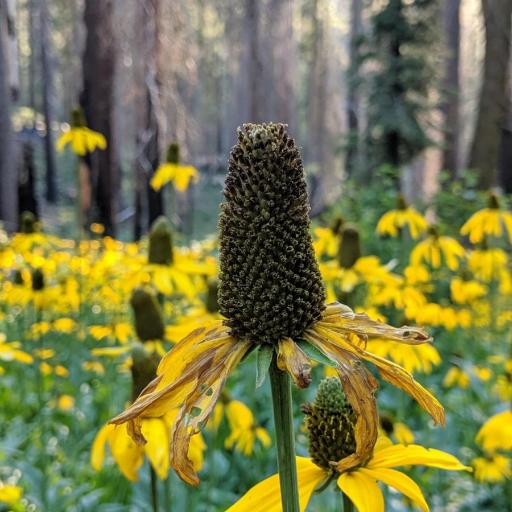
The Orange Coneflower, or Rudbeckia, is known for its striking appearance. Its flowers display a prominent, elevated central disc in shades of black and brown, which gives it the name "coneflower." The plant's petals are a vibrant orange, earning it the specific name "Orange Coneflower."
Orange coneflower is fairly disease-resistant and generally not prone to illnesses. Still, it can be affected by pests and diseases present in its surroundings. These issues are usually mild. In terms of care, the plant requires a moderate level of attention. It should be pruned regularly to maintain a good appearance and support healthy growth. Fertilizing can also help encourage flowering. Orange coneflower is suitable for anyone with outdoor space, such as a garden or patio, and does not demand extensive care experience. It may need more attention when grown indoors.
How to keep Rudbeckia Fulgida.
Light
Orange coneflower needs plenty of sun during the day to grow vigorously. It naturally comes from open locations with direct, unfiltered sunlight. Too much or too little sun can cause poor flowering and weak growth. It can tolerate somewhat lower light levels, and this generally does not greatly impair its growth.
Water
The orange coneflower flourishes in moist meadows and woodlands. It prefers consistent moisture, though it is also adaptable to drought conditions. To support its growth, water it weekly. Additionally, using mulch can help retain soil moisture and regulate temperature, both of which are essential for the health of this herbaceous perennial.
Temperature
The orange coneflower originates from temperate regions where temperatures fall between 68 and 95 °F (20 to 35 °C). During especially hot or cold seasons, adjustments may be necessary to keep conditions within that temperature range.
Fertilizer
The ideal time to fertilize an Orange coneflower is in early spring, when it is coming out of dormancy and entering active growth. Fertilization provides essential nutrients for healthy growth. Although Orange coneflower has relatively low fertilizer needs, annual fertilization can improve its survival and promote better, longer-lasting flowers.
Pruning
To ensure the orange coneflower thrives, it's important to prune it regularly. In early to late spring, remove any dead stems to encourage new growth. Deadheading the flowers will extend the blooming period. Pruning the plant back in either fall or spring helps rejuvenate it. By consistently pruning, you can prevent the plant from becoming leggy and reduce the risk of disease, resulting in a healthy and vibrant display.
Pot & Repot
When repotting Orange coneflower, select a pot 1–2 inches (2.5–5.0 cm) larger with ample drainage. Use a well-draining potting mix. Repot in spring or fall, making sure the root ball sits slightly below the rim of the flower pot. Water thoroughly after repotting and place it in a warm spot with indirect sunlight.
Toxicity
Black-eyed Susans are not toxic to people and pets. However, these plants are not meant to be ingested. Consuming large quantities may cause digestive discomfort, dermatitis, and even vomiting.
Further reading →
The toxicity and danger assessments provided are for reference only. We do not assure their accuracy, so it's crucial not to depend on them. Seek professional advice when necessary for accurate guidance.
Botanical profile.
- Plant Type
- Herb
- Life Cycle
- Perennial, Annual
- Genus
- Rudbeckia
- Family
- Asteraceae
- Hardiness Zone
- 5-9
- Mature Height
- 1.22 m
- Mature Spread
- 34 cm to 40 cm
- Leaf Color
- Green
- Leaf Type
- Deciduous
- Flower Color
- Gold
- Flower Size
- 5.08 cm to 6.35 cm
- Bloom Time
- Early summer, Mid summer
- Planting Time
- Spring
- Harvest Time
- Mid summer, Late summer
- Native Area
- North American meadow
Other names.
Reader questions.
When Should I Water My Orange Coneflower?
Knowing when to water your orange coneflower is vital for its health, promoting vibrant blooms, and disease resistance. Check the soil dryness by inserting your finger about an inch deep; if it feels dry, it's time to water. Other signs include wilting or drooping leaves, leaves losing their vibrant green color or showing browning at the tips. It's crucial to avoid both overwatering and underwatering to prevent diseases such as root rot or dehydration, making the plant vulnerable to pests.
Why do I have to put fertilizer on my Orange coneflower?
Fertilization is important for the Orange coneflower because it provides essential nutrients for the plant's growth. While the fertilization needs of an Orange coneflower are generally low, annual fertilization can greatly benefit the plant. It helps the plant thrive, promotes the development of longer-lasting flowers, and ensures the plant looks its best.
What are the sunlight requirements for Orange Coneflower?
Orange Coneflower thrives best in full to partial sun. It requires above 6 hours of direct sunlight daily for optimal growth (referred to as 'full sun'). However, it can also grow well with about 3-6 hours of sunlight ('partial sun'). Observing how sunlight moves through your garden helps in selecting the right spots that provide a perfect balance of light and shade for your plants, ensuring their happiness and health.
What are the ideal temperature conditions for growing orange coneflower?
Orange coneflower thrives in temperate climates with ideal temperatures ranging between 68 to 95°F (20 to 35°C). To ensure the plant flourishes, it may be necessary to adjust its environment during particularly hot or cold seasons to maintain this temperature range. Orange coneflower possesses strong cold resistance, meaning special frost protection measures are not usually required during winter. However, if temperatures are expected to fall below -25°C, it's important to implement cold protection by covering the plant with soil or straw. Moreover, ample watering before the first freeze in autumn, ensuring the soil remains moist, helps prevent drying out and water scarcity throughout the winter and early spring.
How Should I Water My Orange Coneflower?
The orange coneflower benefits from specific watering practices for optimal hydration. Utilizing bottom-watering can ensure the roots receive adequate moisture without over-saturating the surface or foliage. A watering can with a narrow spout helps direct water to the base, avoiding leaf wetness that can lead to fungal diseases. To monitor soil moisture accurately, consider using a moisture meter. Ensure the soil dries slightly between watering sessions and pay attention to drainage to avoid waterlogging. Using chlorine-free water is preferred, and ensure the plant receives consistent moisture, carefully avoiding wetting the foliage during watering.
When should I fertilize my Orange coneflower?
It's best to fertilize an Orange coneflower in late winter to early spring as this is when the plant starts to grow actively after its dormant phase. Fertilizing during this time promotes healthy growth, giving the plant a great start for the season. While early spring is the most advantageous time, fertilizing in the fall is also acceptable. However, it's not recommended to fertilize in summer or winter.
What essentials should be considered for growing Orange Coneflower effectively?
Orange Coneflower craves a substantial amount of sunlight throughout the day for lush growth, ideally originating from environments with open, unfiltered sun areas. Although it may tolerate lesser sunlight to some extent, over or underexposure could lead to poor growth and blooming. For indoor plants, where natural sunlight is insufficient, especially during winter or in less sunny spaces, artificial lighting becomes essential. LED lights are recommended because they can be tailored to provide specific wavelengths needed for the plant's growth, requiring adjustments in light intensity depending on the type of plant, appropriate distance of the light source from the plant, and mimicking natural daylight hours as closely as possible.
How does low temperature affect orange coneflower, and what measures should be taken?
Orange coneflower is quite cold-tolerant and thrives best when temperatures are above 20°C, but it should remain above 0°C during winter. If temperatures dip below -25°C, the plant might show no noticeable changes during winter but could experience decreased sprouting or fail to sprout at all come springtime. In such cases, the recommended solution is to remove any parts of the plant that have failed to sprout in the spring.
How Much Water Does Orange Coneflower Really Need?
Orange coneflower's watering needs depend on pot size, root depth, and environmental factors, aiming for evenly moist soil without waterlogging. Approximately 2 inches of water per week is recommended during the growing season, focusing on deep watering methods. Observing the plant for signs of proper hydration, such as healthy leaves, firm stems, and abundant flowering, can guide your watering routine. Avoid the extremes of overwatering and underwatering by adjusting your watering based on soil moisture and weather conditions, utilizing mulch to retain soil moisture, and watering in the morning to reduce evaporation loss.
When is it not a good idea to fertilize my Orange coneflower?
To ensure the proper growth of your Orange coneflower, it is best to fertilize it only in late winter and early spring. This plant has low fertilization needs, so one feeding per year is enough. Fertilizing it during spring, summer, and fall can lead to overfertilization and its complications, unless you missed fertilizing in spring, in which case fall feeding is acceptable. It is also not necessary to fertilize the plant during winter, as it goes into a dormant growth phase and does not produce new growth.
What are the common symptoms of incorrect light exposure in Orange Coneflower?
Incorrect light exposure in Orange Coneflower can lead to various symptoms. Insufficient light may cause small leaves, leggy or sparse growth, faster leaf drop, slower or no new growth, and lighter-colored or chlorotic leaves. On the other hand, excessive light might result in sunscald, leaf curling, wilting, and leaf scorching. These signs indicate either a lack of or too much sunlight, affecting the plant's health.
What should I do if my orange coneflower experiences high temperatures?
During the summer, it's crucial to ensure that the temperature surrounding orange coneflower doesn't exceed 35°C. If temperatures rise above 38°C, the plant's leaves may become lighter, curl, become susceptible to sunburn, and, in severe cases, the entire plant might wilt and dry out. To mitigate such damage, trim away any sunburned and dried-up parts of the plant. It's also beneficial to move the plant to a shaded location, particularly away from the intense midday and afternoon sun, or use a shade cloth for protection. Additionally, watering the plant in the morning and evening will help keep the soil appropriately moist.