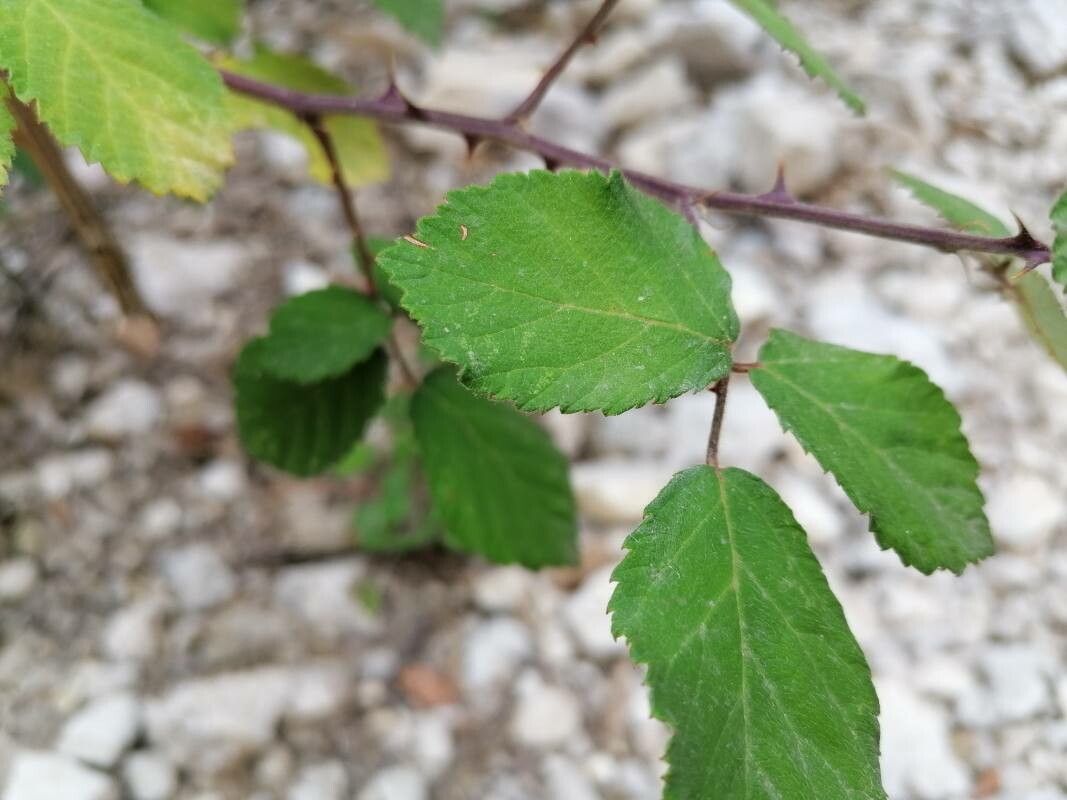
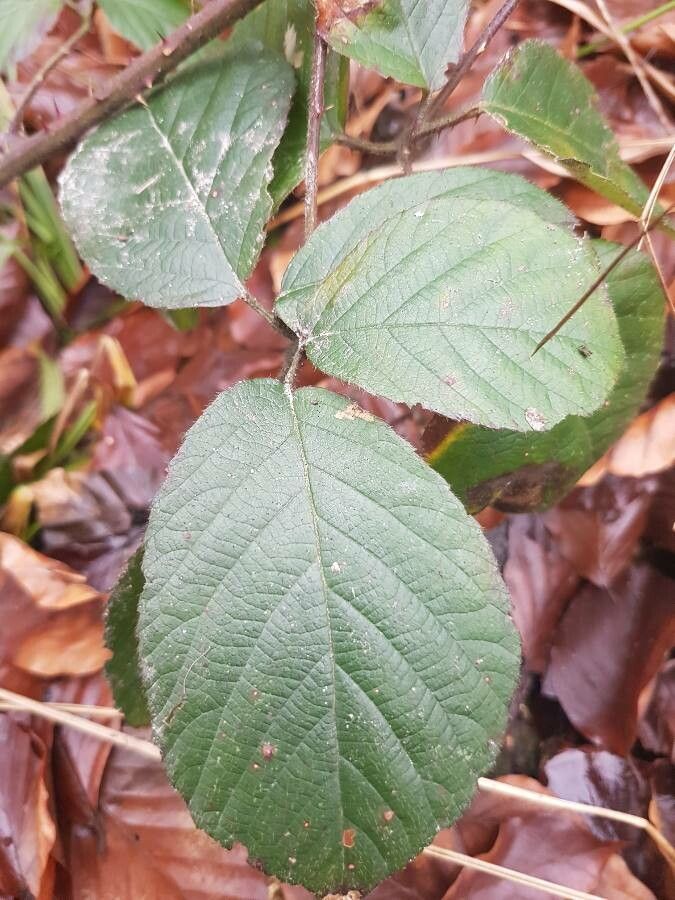
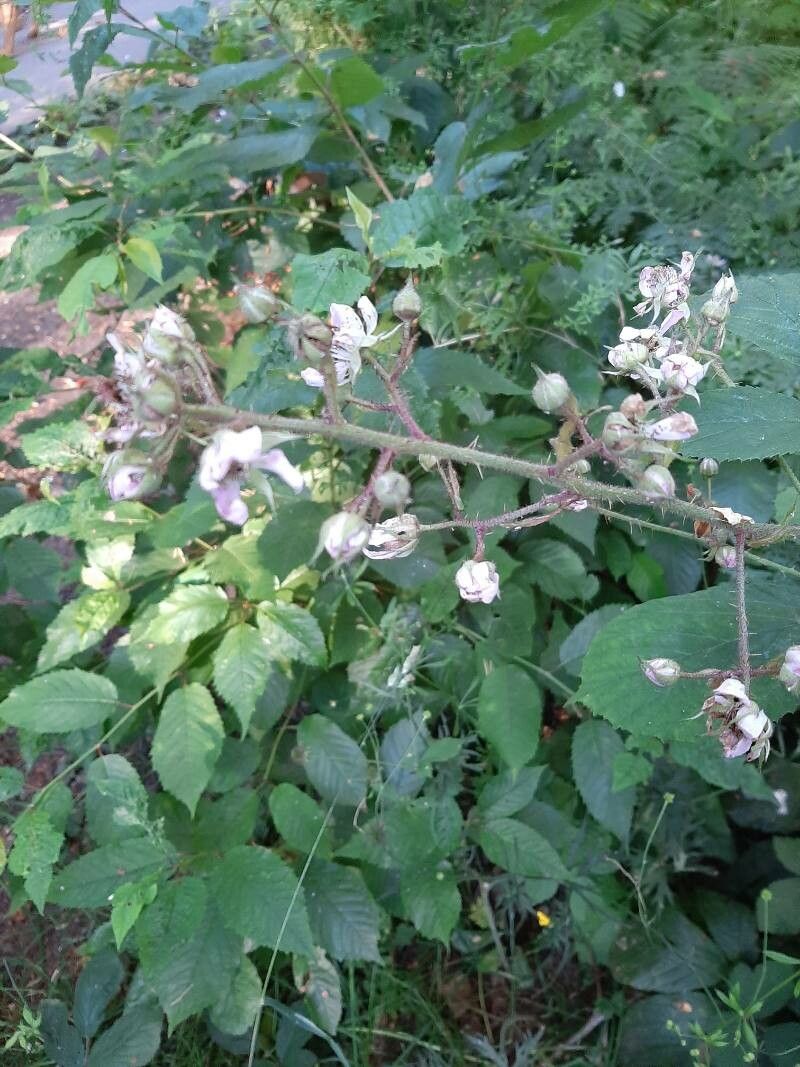
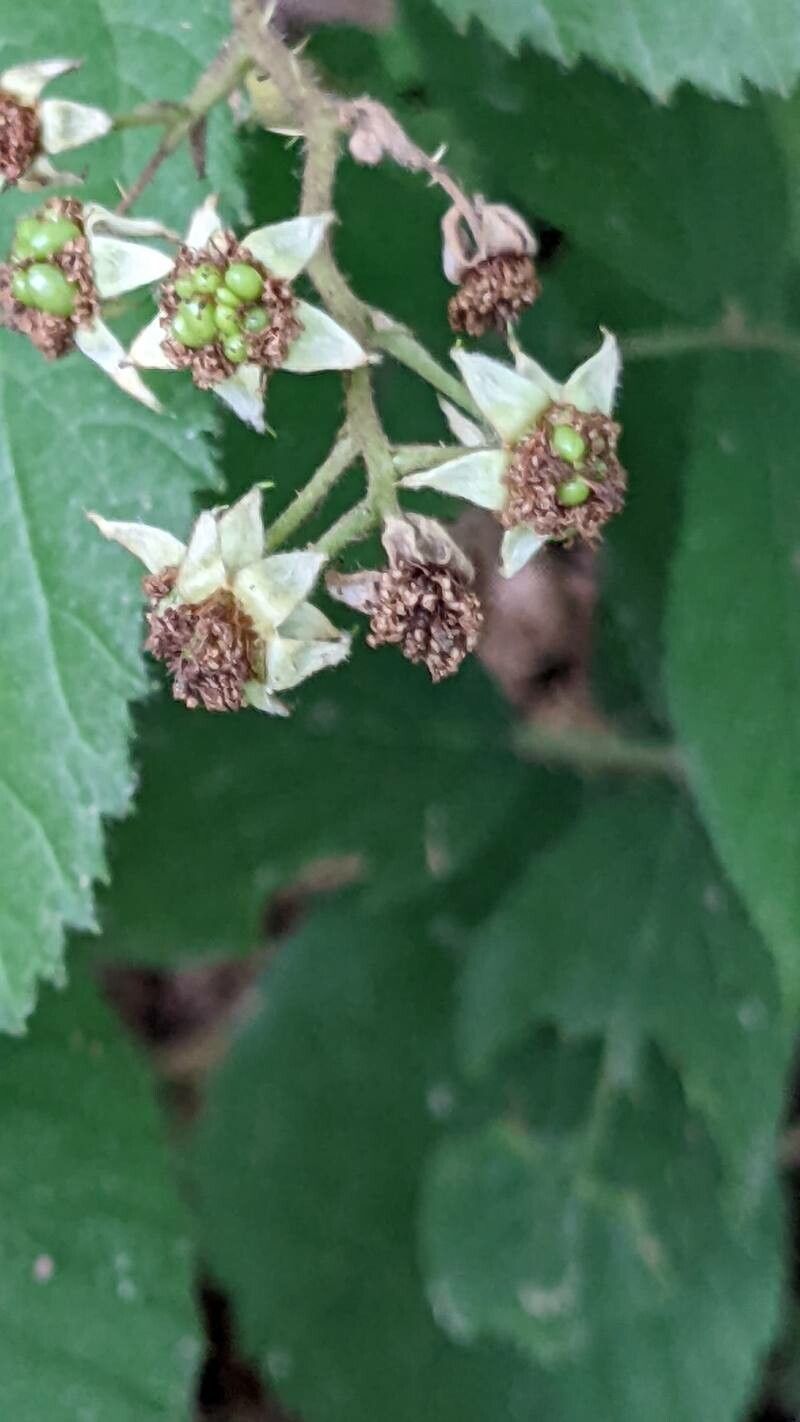
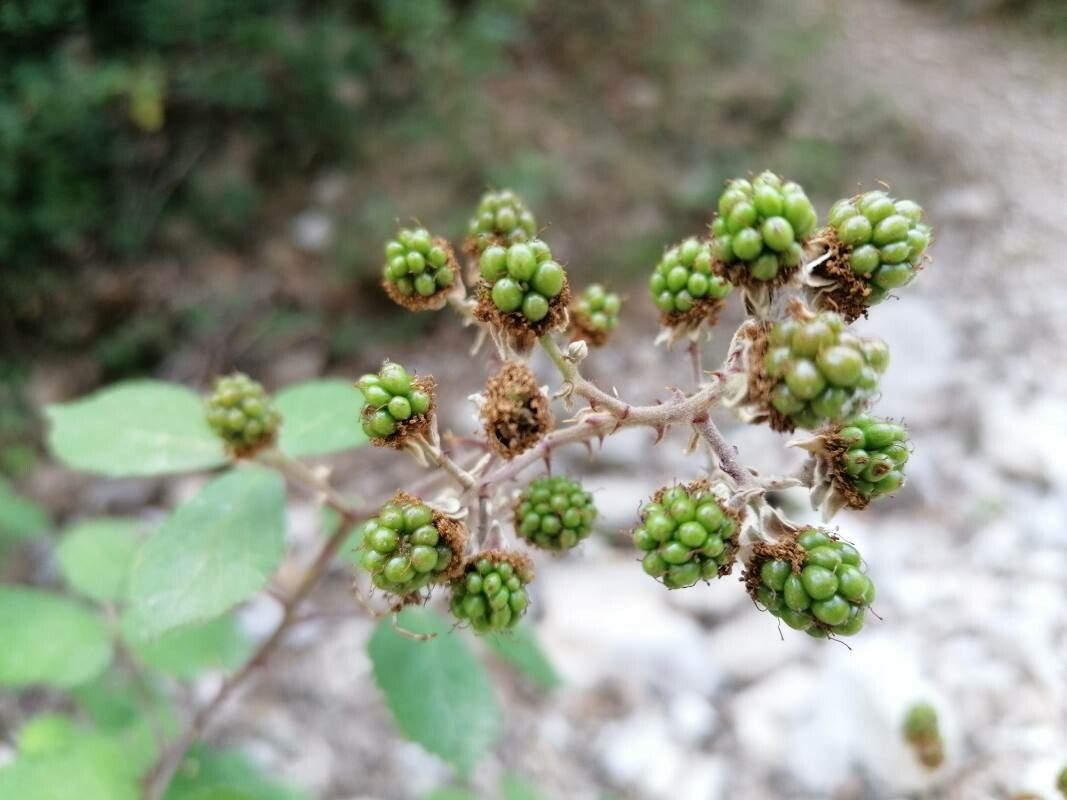
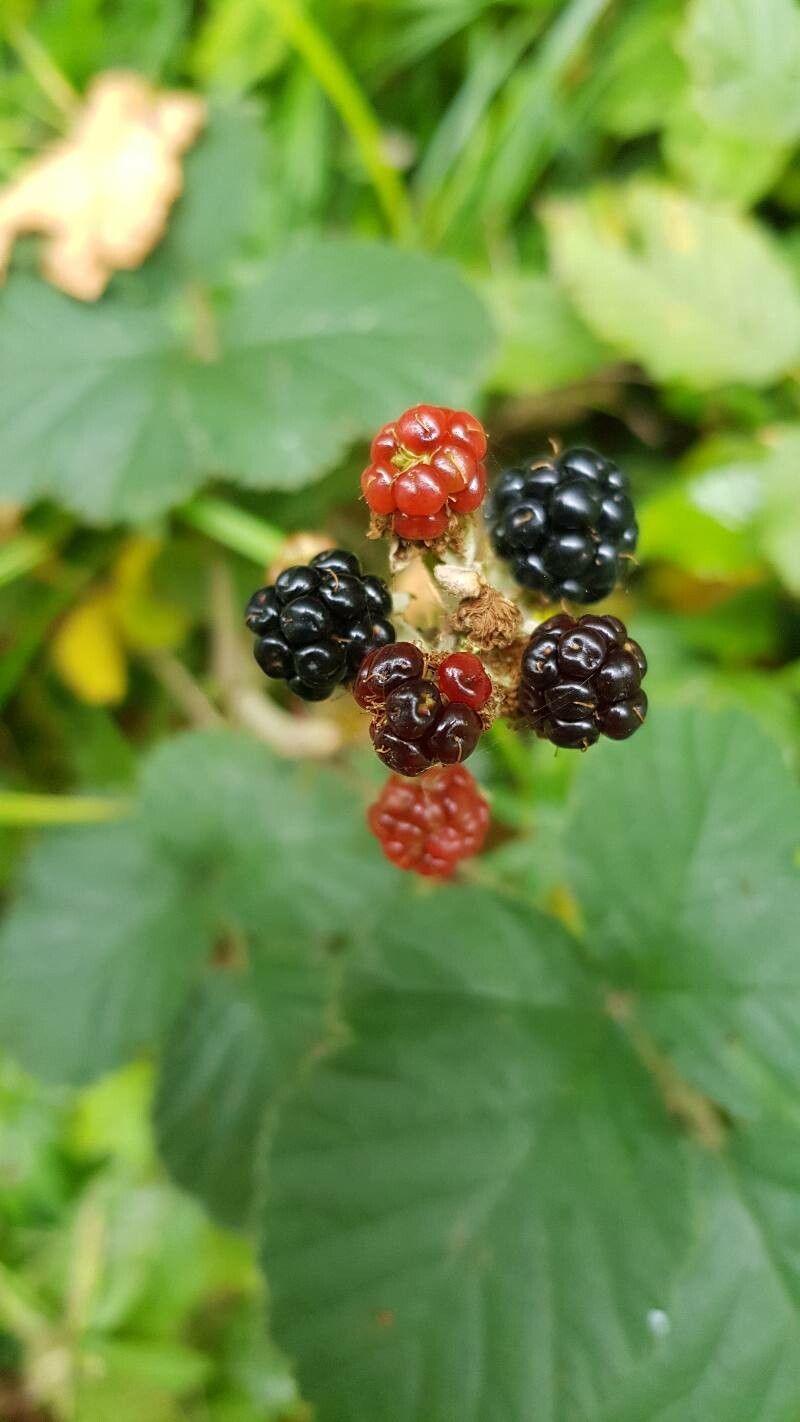
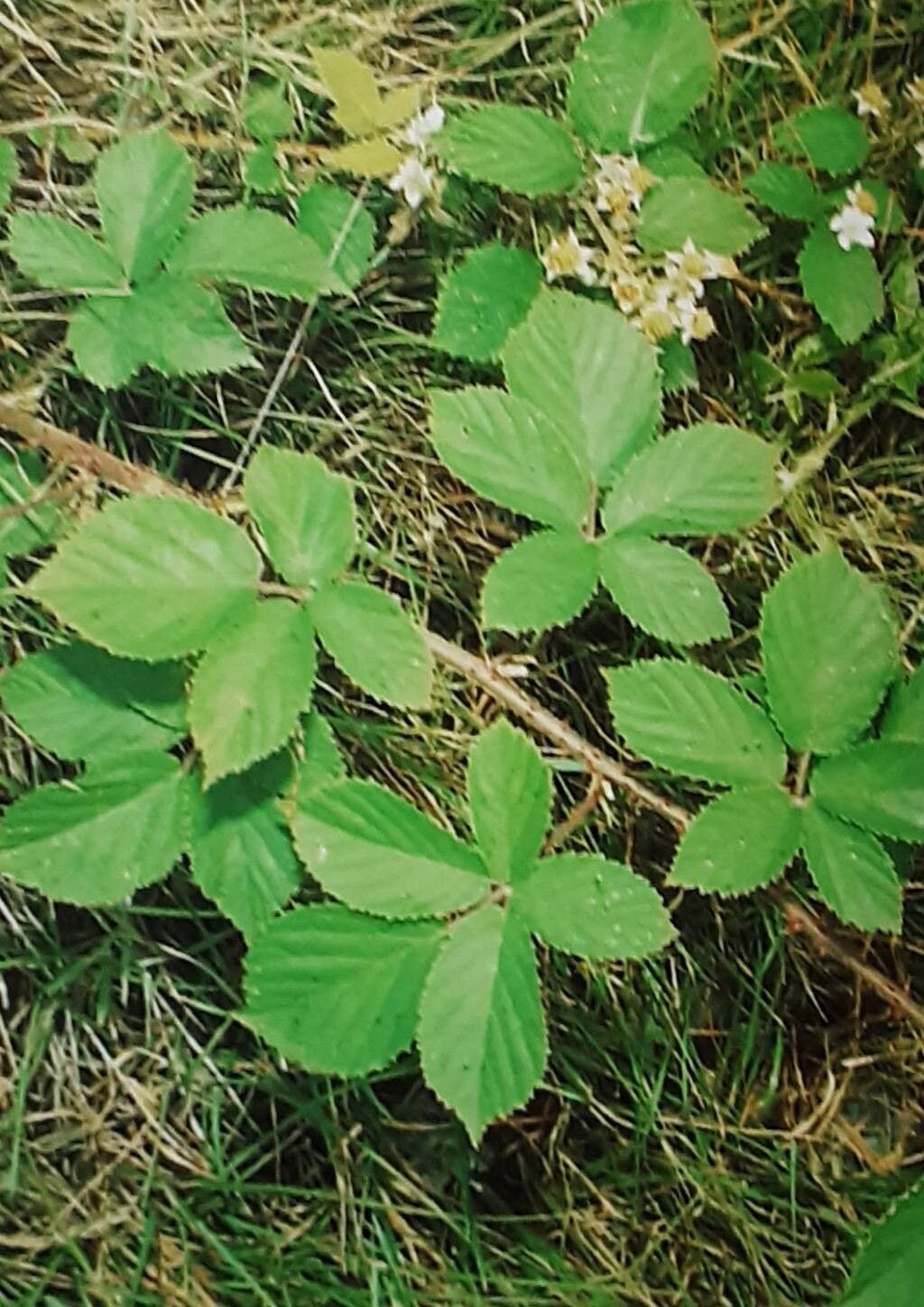
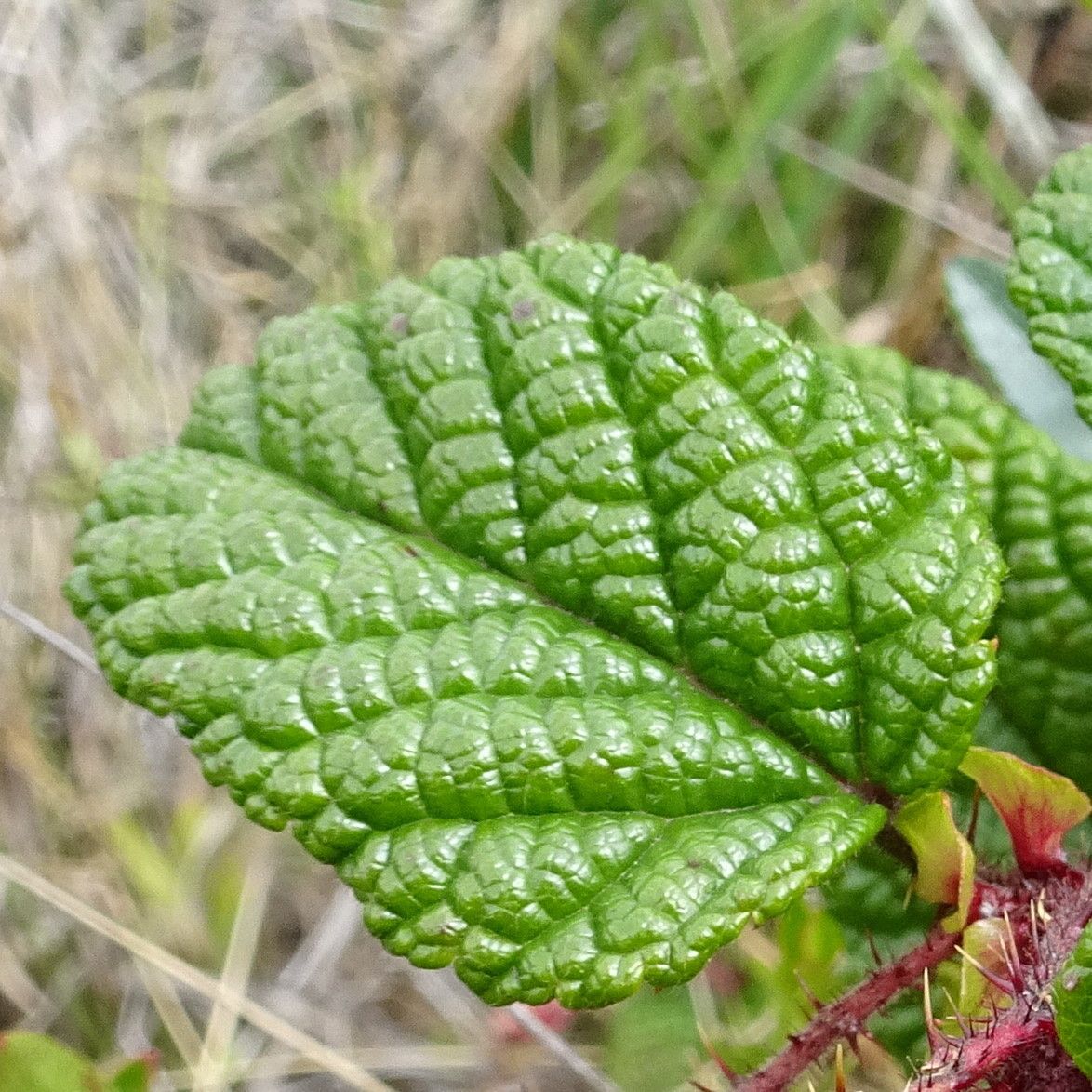
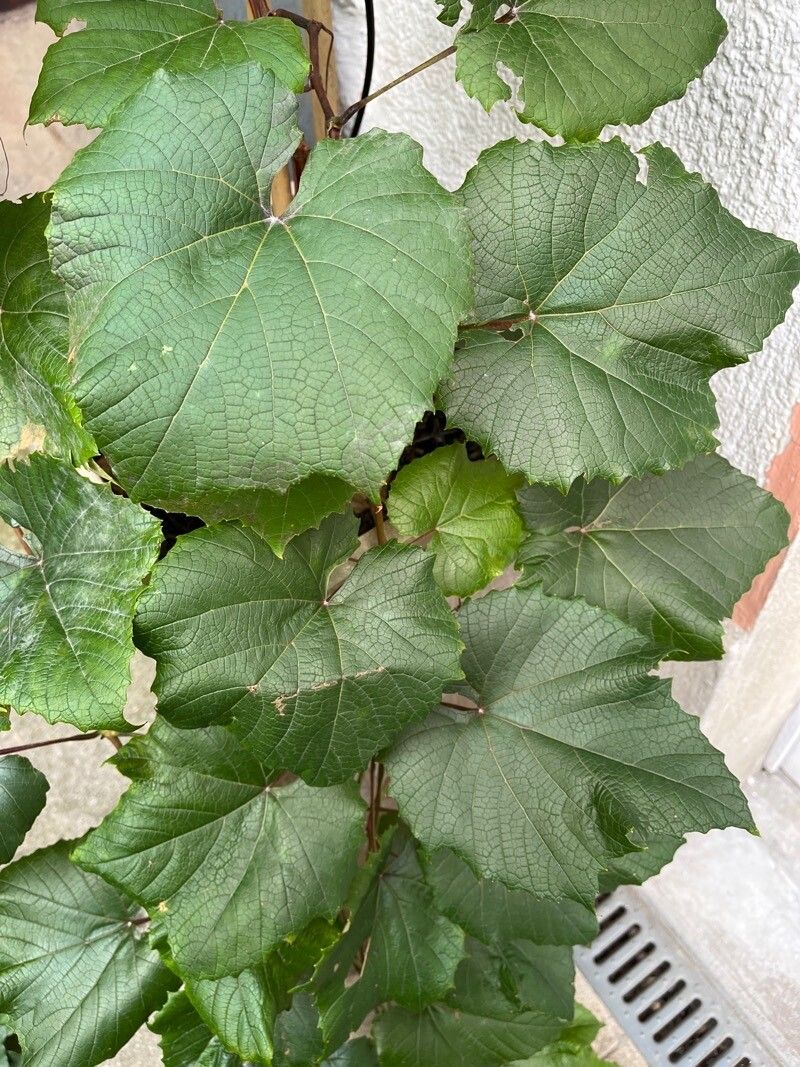
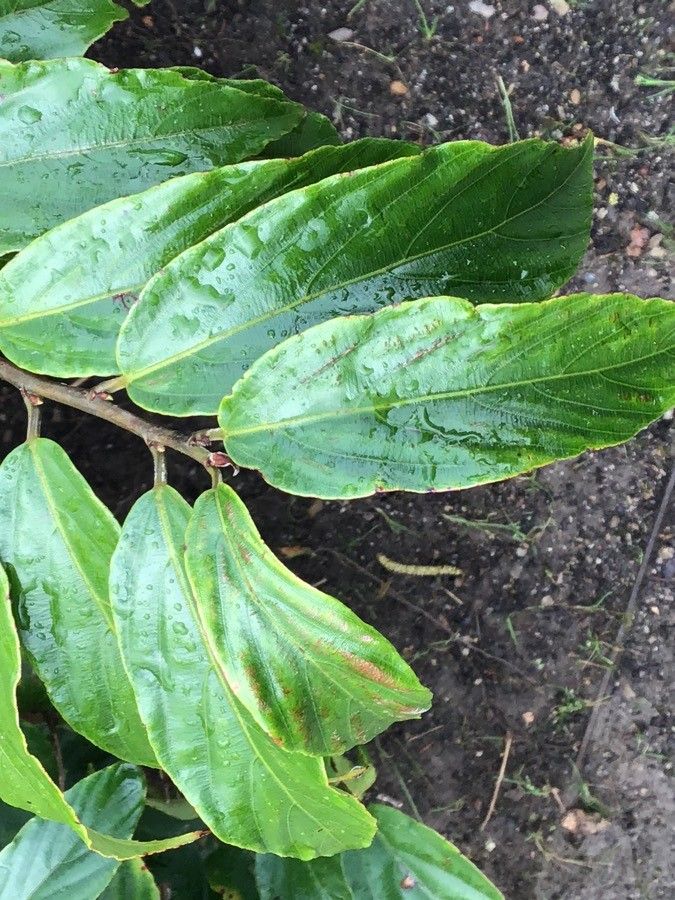
Rubus vestitus, commonly known as the Himalayan blackberry or California dewberry, is a flowering plant in the rose family. Native to western North America, it thrives in diverse habitats, including forests, meadows, and along streams. The plant typically reaches up to 3 meters in height and features thorny stems with green leaves that are white on the underside. Its flowers, which appear from May to July, are pink or white and consist of five petals. These blooms are followed by edible blackberries that ripen from July to September.
Rubus vestitus serves as a crucial food source for wildlife such as birds and bears. However, it can become invasive in certain regions due to its ability to spread rapidly through underground rhizomes. Despite this potential for invasiveness, it is favored as an ornamental plant in gardens because of its attractive flowers and fruit production.
The European blackberry has good resistance to disease and is generally not susceptible to illnesses. Regarding care, this plant is fairly low-maintenance. Planted outdoors, it needs only light watering, and larger specimens usually do not require pruning. Smaller plants, however, should be pruned after they finish blooming. The European blackberry is suitable for anyone with an outdoor area, such as a garden or deck, and does not demand extensive care experience.
How to keep Rubus Vestitus.
Light
The European blackberry is native to habitats like forest understories or rocky areas, where it grows in natural shade. It favors partial sun but can tolerate full sun or full shade, reflecting its hardy, adaptable nature.
Water
The European blackberry requires minimal care once it is established. It needs about 1 inch (2.54 cm) of water per week. If you are growing it in a container, adjust the watering based on the condition of the soil. Make sure to water deeply when the topsoil feels dry. Always ensure that the soil is well-drained for optimal plant health.
Temperature
European blackberry shows strong adaptability to a range of climate conditions, whether in hot summers or cold winters. However, it has an optimal temperature range for growth. When temperatures rise too high, the plant is vulnerable to heat and humidity stress, which can cause it to die. In areas where temperatures near the lower limit of its cold tolerance, it is important to use insulation measures to protect the plant.
Fertilizer
The European blackberry plant needs adequate nutrients to achieve optimal fruit production. Apply fertilizer in early spring to support new growth and bloom (flower) development. Regular fertilization helps keep the plant healthy, encourages production of more flavorful fruit, and prevents nutrient-deficiency problems like yellowing leaves and poor fruit production.
Pruning
Pruning is essential for European blackberry growers. After the harvest, cut all fruiting canes down to their base. Trim first-year canes by half to encourage lateral growth in late winter or early spring. Additionally, remove suckers, thin out overcrowded canes, and clear away pruned canes to prevent disease.
Botanical profile.
- Plant Type
- Shrub
- Life Cycle
- Perennial
- Genus
- Rubus
- Family
- Rosaceae
- Hardiness Zone
- 5-9
- Mature Height
- 1.52 m to 3.05 m
- Mature Spread
- 0.91 m to 2.13 m
- Leaf Color
- Green, Dark Green
- Leaf Type
- Deciduous
- Flower Color
- White, Pink
- Flower Size
- 2.03 cm to 3.05 cm
- Bloom Time
- Early summer, Mid summer
- Planting Time
- Autumn, Winter
- Harvest Time
- Late summer, Early fall
- Native Area
- Norway, Germany, Portugal, Austria, Sweden, Italy, Spain, Switzerland, Czech Republic, France, Ireland, United Kingdom, Hungary, Belgium, Netherlands
Other names.