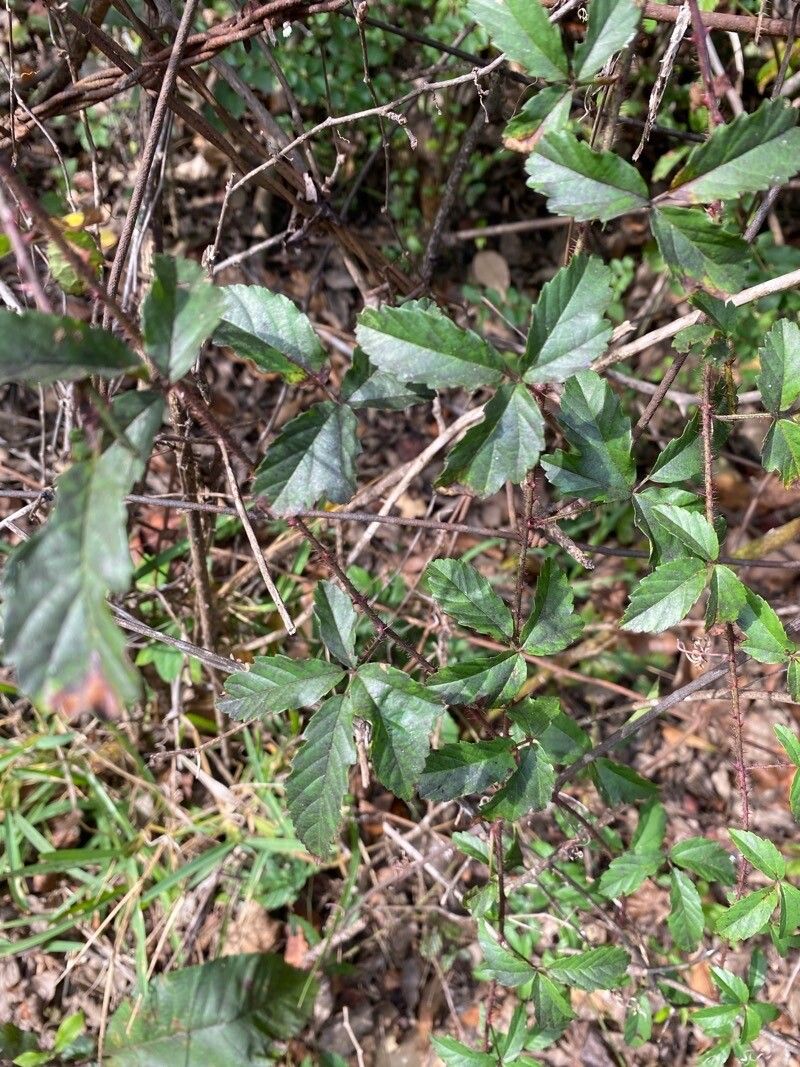
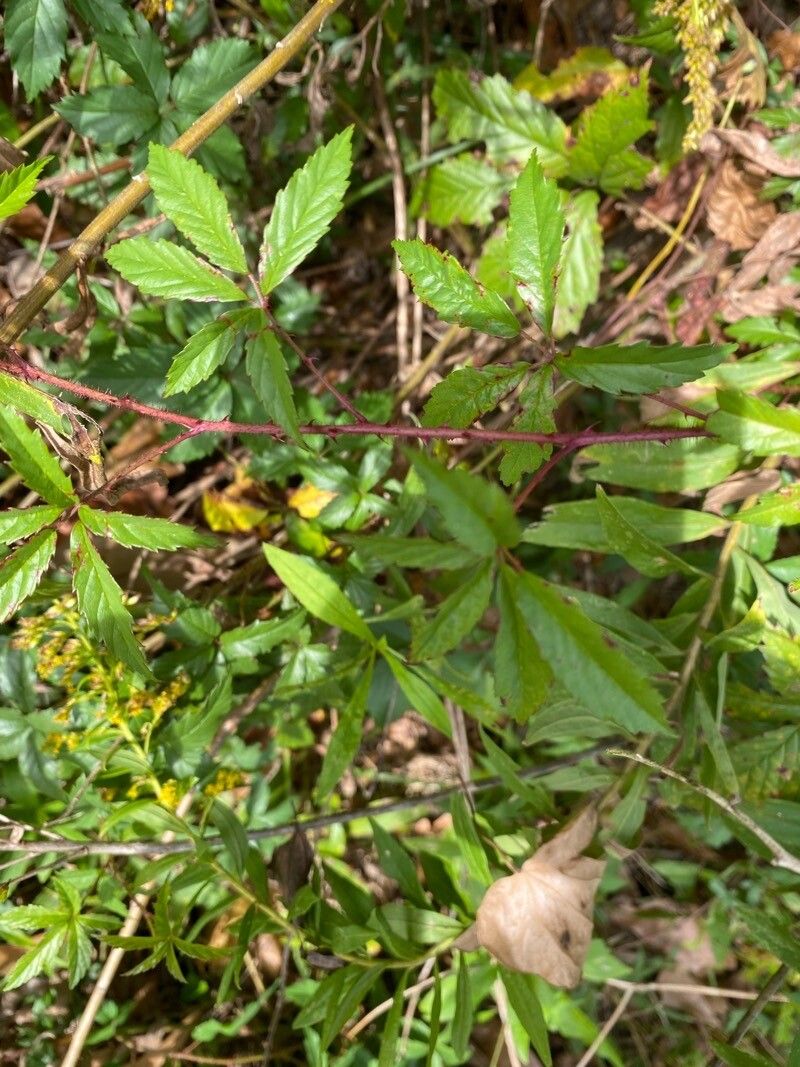
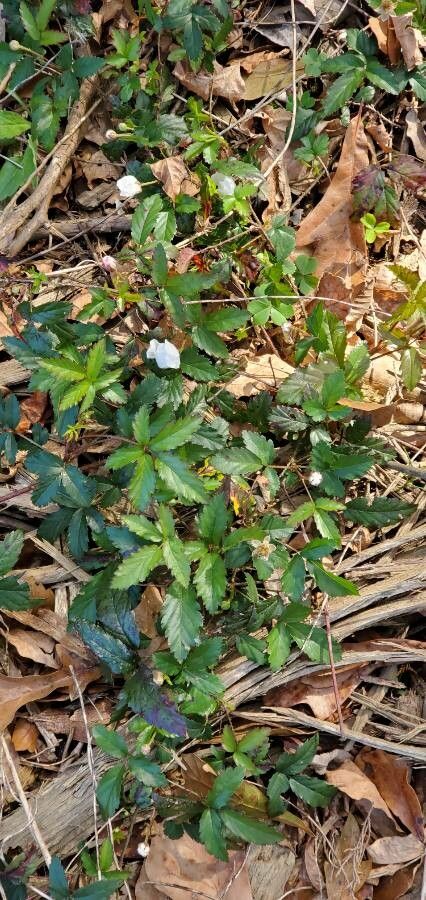
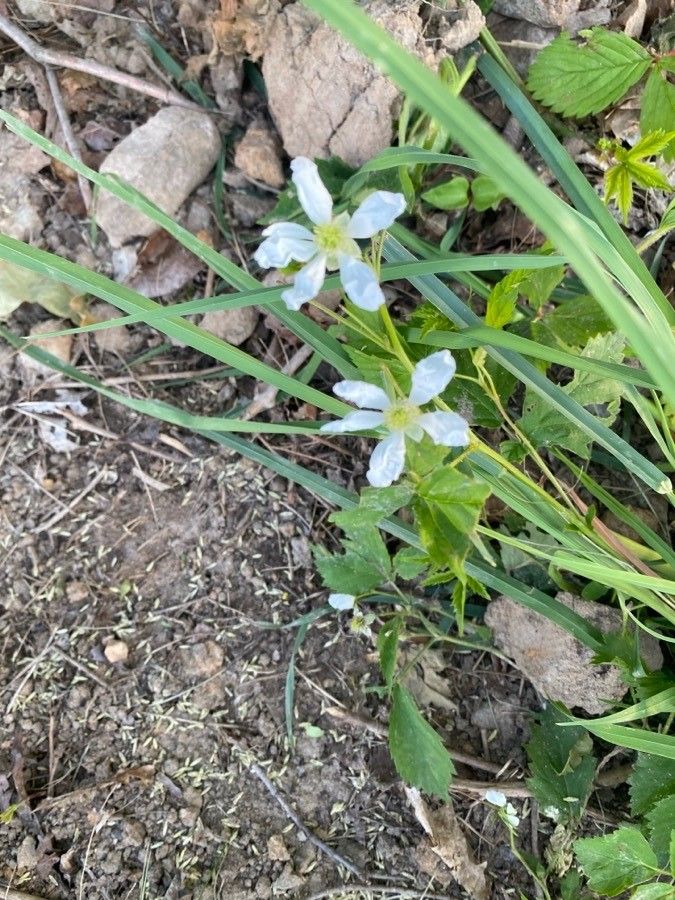
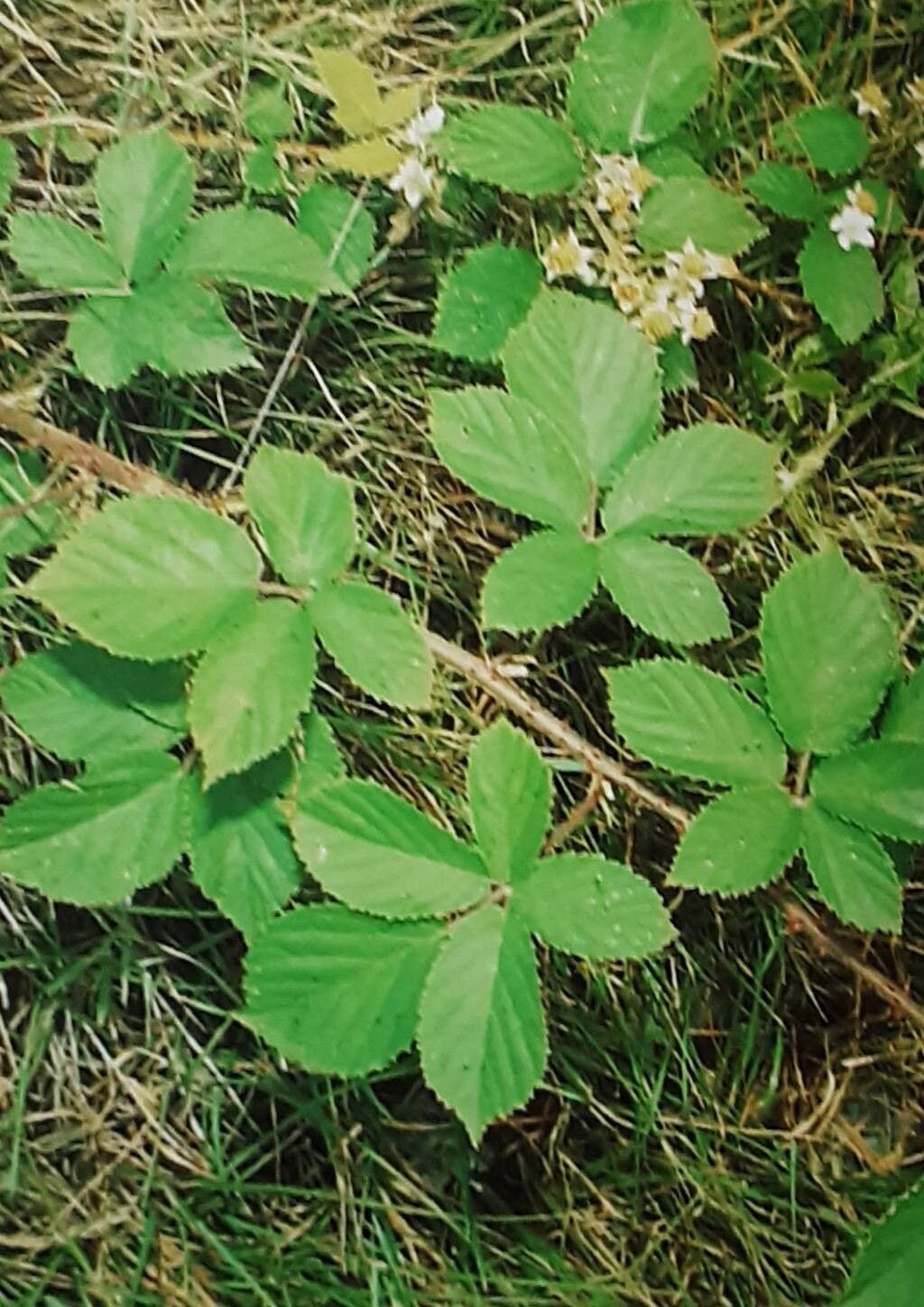
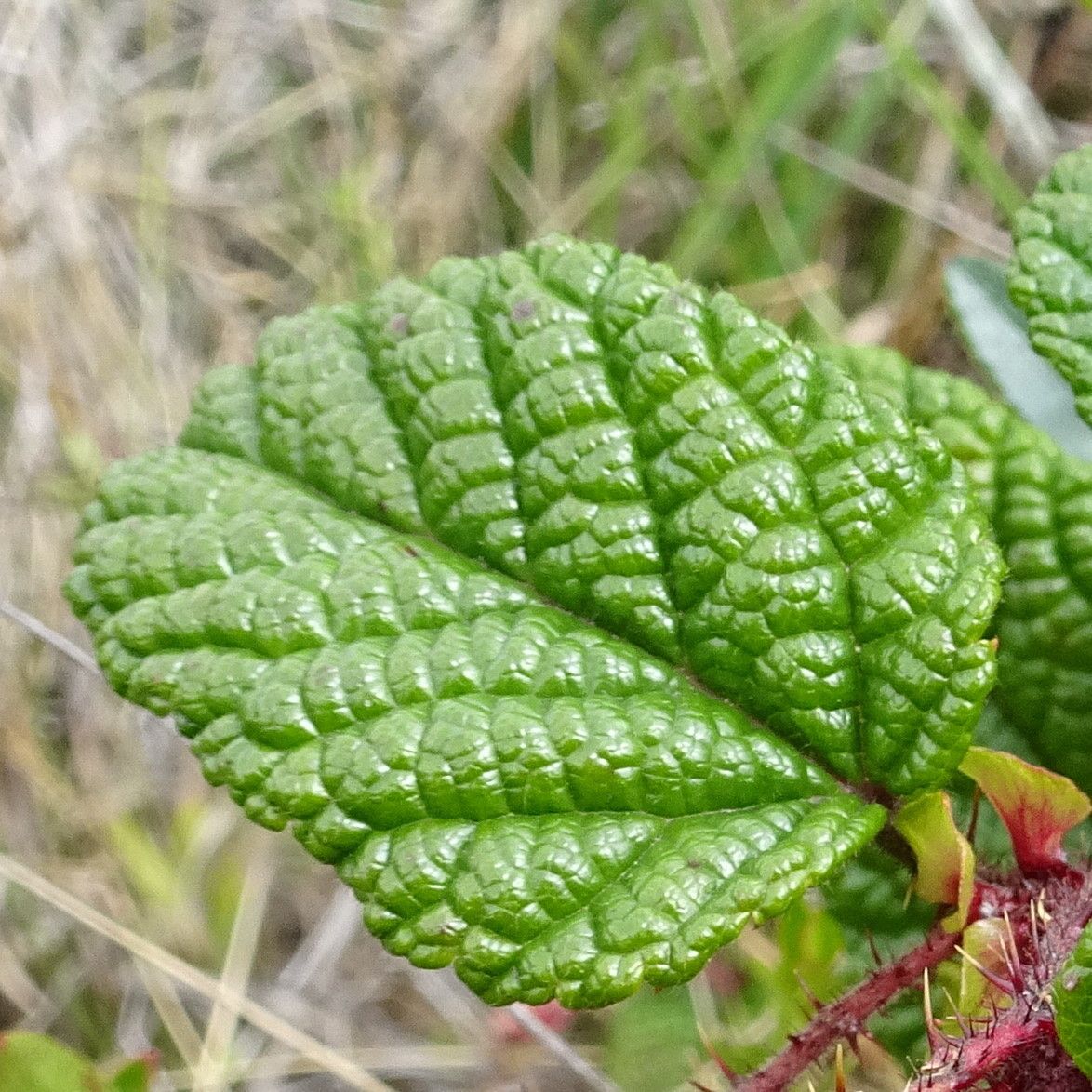
Rubus trivialis, commonly known as southern dewberry, is a species of flowering plant in the rose family (Rosaceae) native to the southern United States and northern Mexico. It is distinguished from northern dewberry (Rubus flagellaris) by its hispid stems. It is a perennial herb and blooms March to April.
The Southern dewberry is a plant that closely resembles the blackberry and belongs to the same Rubus genus. One distinguishing feature is that the Southern dewberry has more thorns than the blackberry. Native to the southeastern United States, this plant is appropriately named the Southern dewberry.
Southern dewberry shows strong resistance to disease and is usually not susceptible to illnesses. In terms of care, this plant is fairly low-maintenance. Outdoors it needs little watering, and larger plants typically do not require pruning. Smaller specimens, however, should be trimmed after they have finished blooming. Southern dewberryt is suitable for anyone with outdoor space, such as a garden or a deck, and does not demand much care experience.
How to keep Rubus Trivialis.
Light
Southern dewberry thrives with abundant light, which is essential for its best growth. The plant prefers open, sunny conditions but can tolerate some shade. Its light needs stay the same throughout all stages of growth. Too much or too little light can negatively affect its vigor and health.
Water
Southern dewberry is drought-tolerant and requires minimal watering, needing it only once every three weeks. It thrives in temperate regions, flourishing best in well-draining soil that mimics its natural wet and dry seasonal cycles.
Temperature
Southern dewberry is a temperate woody plant that prefers temperatures between 50 and 95 ℉ (10 and 35 ℃). It is native to areas with mild winters and hot summers. During winter it can tolerate temperatures as low as 14 ℉ (-10 ℃), but it may need protection from frost. In summer, frequent watering can help it cope with the heat.
Fertilizer
Fertilize your Southern dewberry in early spring to encourage healthy growth. Regular fertilization improves the plant's overall health, producing vigorous growth, greater tolerance of challenging conditions, and enhanced resistance to diseases and pests. Adhere to a specific fertilization schedule for your Southern dewberry to keep the foliage vibrant, deeply colored, and luxuriant in appearance.
Pruning
The southern dewberry is a trailing shrub with compound leaves and white flowers. For optimal growth, prune it in early spring. This involves removing dead canes, thinning out overcrowded areas, and promoting bushiness. Regular annual pruning enhances fruit production and reduces the risk of disease, leading to a healthier and more productive plant.
Botanical profile.
- Plant Type
- Shrub, Vine
- Life Cycle
- Perennial
- Genus
- Rubus
- Family
- Rosaceae
- Hardiness Zone
- 6-9
- Mature Height
- 30 cm to 61 cm
- Mature Spread
- 4.57 m
- Leaf Color
- Green, Blue, Red
- Leaf Type
- Deciduous
- Flower Color
- White
- Flower Size
- 2.54 cm to 5.08 cm
- Bloom Time
- Mid spring, Late spring
- Planting Time
- Autumn
- Harvest Time
- Early summer, Mid summer
- Native Area
- Mexico
Other names.
Reader questions.
What are the sunlight requirements for Southern Dewberry?
Southern Dewberry requires full sun exposure of above 6 hours of sunlight daily or partial sun exposure of about 3-6 hours of sunlight daily to thrive. It's essential to observe your garden to find spots that provide the perfect balance of light and shade, ensuring the plant's happiness and health. The plant benefits significantly from an abundance of light throughout all its growth stages, showing a preference for clear skies while tolerating some shaded exposure. Both over or under exposure to sunlight may affect its vitality and overall health.
What is Southern Dewberry?
Southern Dewberry, known botanically as Rubus trivialis, is a temperate woody plant native to regions with mild winters and hot summers. It prefers temperatures between 50 to 95°F (10 to 35°C) and demonstrates strong cold resistance, allowing it to survive winter temperatures as low as 14°F (-10°C). Although it generally does not require special frost protection, in regions where temperatures may plummet below -25°C, wrapping the trunk and branches with protective materials is advisable. To aid in coping with hot summers, frequent watering is recommended.
How does artificial lighting affect Southern Dewberry when grown indoors?
When natural sunlight is insufficient for indoor Southern Dewberry plants, especially during winter or in less sunny spaces, artificial lighting becomes crucial for optimal growth. LED lights are recommended for their ability to provide specific wavelengths needed by the plants. Full sun plants require 30-50W/sq ft, partial sun plants need 20-30W/sq ft, and full shade plants require 10-20W/sq ft of artificial light. The light source should be placed 12-36 inches above the plant to mimic natural sunlight and be kept on for 8-12 hours per day to simulate natural daylight hours, promoting faster, healthier plant growth.
How does Southern Dewberry respond to low temperatures?
Southern Dewberry is considerably tolerant of cold, flourishing best in temperatures above 10°C and maintaining resilience up to -15°C. However, when winter temperatures dip below -25°C, the branches might not show immediate damage during winter, but by spring, they could become brittle, dry, and fail to produce new shoots. This issue can be mitigated by pruning away the dead branches in spring.
What are the symptoms of light deficiency in Southern Dewberry?
Light deficiency in Southern Dewberry can lead to several symptoms, including smaller new leaves, leggy or sparse growth, faster leaf drop, slower or no new growth, lighter-colored new leaves, and the onset of conditions like chlorosis, sunscald, leaf curling, wilting, and leaf scorching. These symptoms are indicative of insufficient light exposure, leading to issues such as decreased chlorophyll and reduced photosynthesis, affecting the plant's health and growth.
What care is needed for Southern Dewberry in high temperature conditions?
In the heat of summer, it is critical to ensure that Southern Dewberry’s environment does not exceed 35°C. Temperatures beyond 38°C can cause the leaves to lighten in color and the tips to dry and become withered, making the plant more prone to sunburn. To protect and care for the plant under these conditions, trim away damaged parts and relocate it to a shaded area or utilize a shade cloth to mitigate sun exposure. Additionally, watering the plant in the morning and evening helps maintain soil moisture and supports the plant's health.
What solutions can be applied to address light deficiency in Southern Dewberry?
To address light deficiency in Southern Dewberry, gradually move the plant to sunnier locations until it receives at least 6 hours of direct sunlight daily. Use a south-facing window and keep curtains open during the day for maximum sunlight exposure. For indoor plants, consider using artificial lighting like desk or ceiling lamps for at least 8 hours daily or invest in grow lights. For outdoor plants, ensure a gradual adaptation to avoid sunburn. If sunlight is obstructed by trees, consider pruning to allow light through. For smaller, easily movable plants, transplanting during the dormant period to a sunnier location with good drainage might be beneficial. Note that parts of the plant already affected by insufficient light may not recover, but new growth will be healthy.