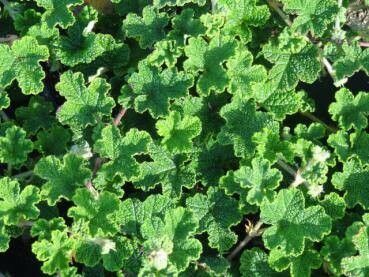
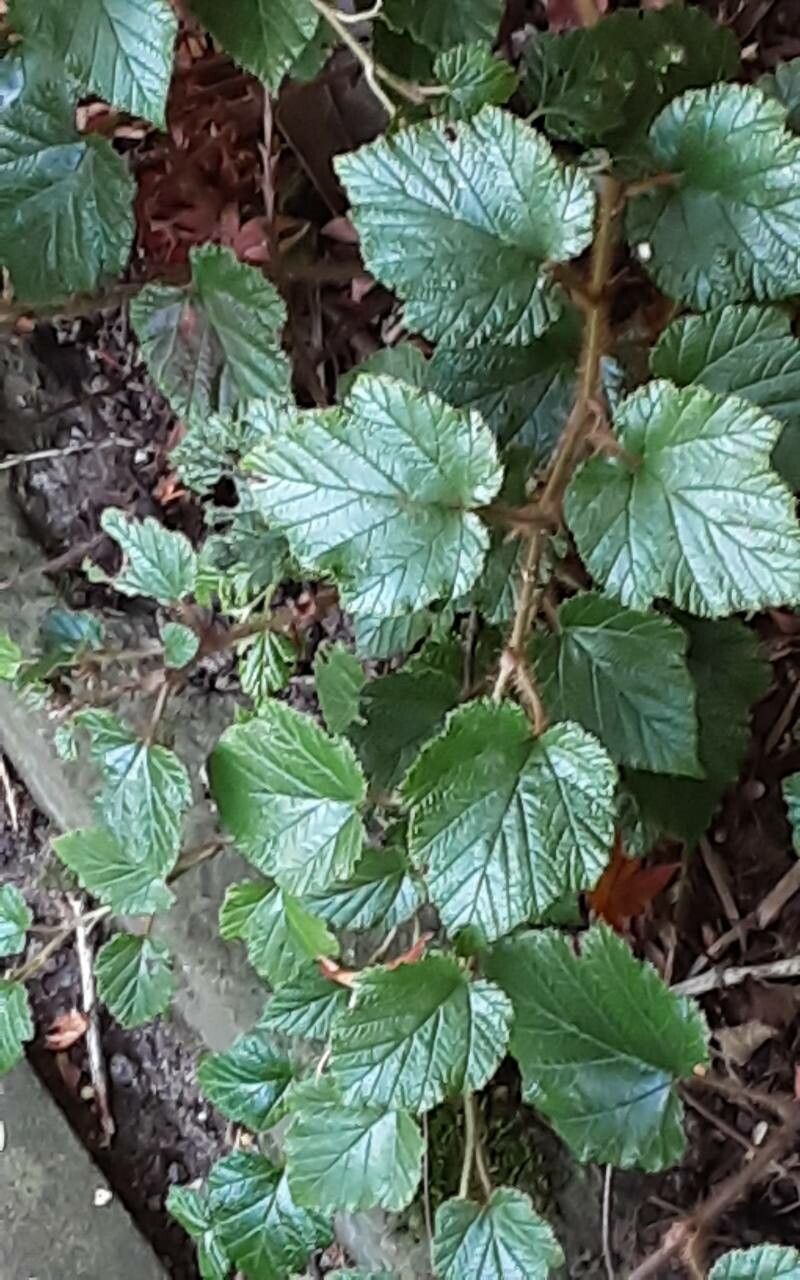
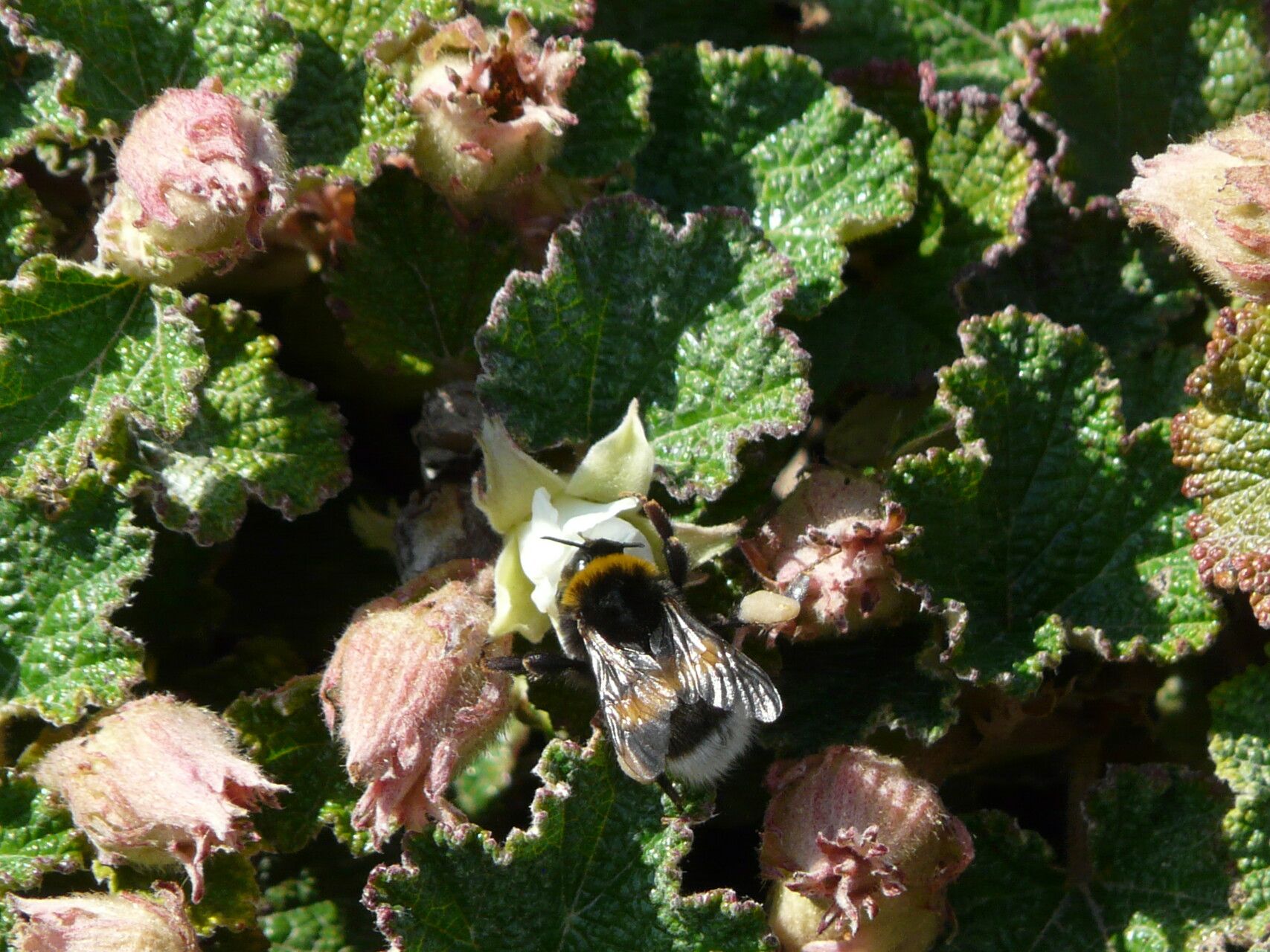
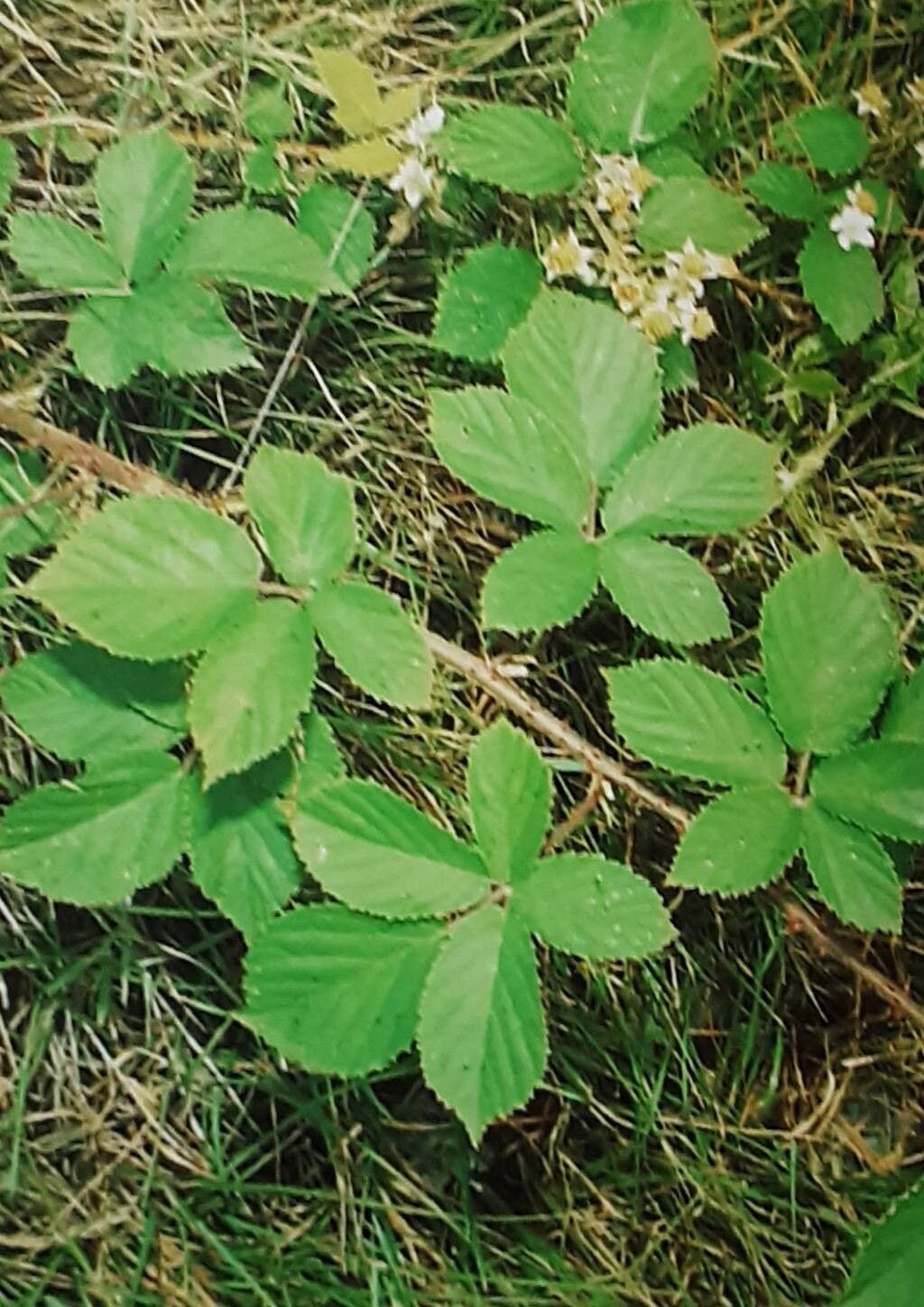
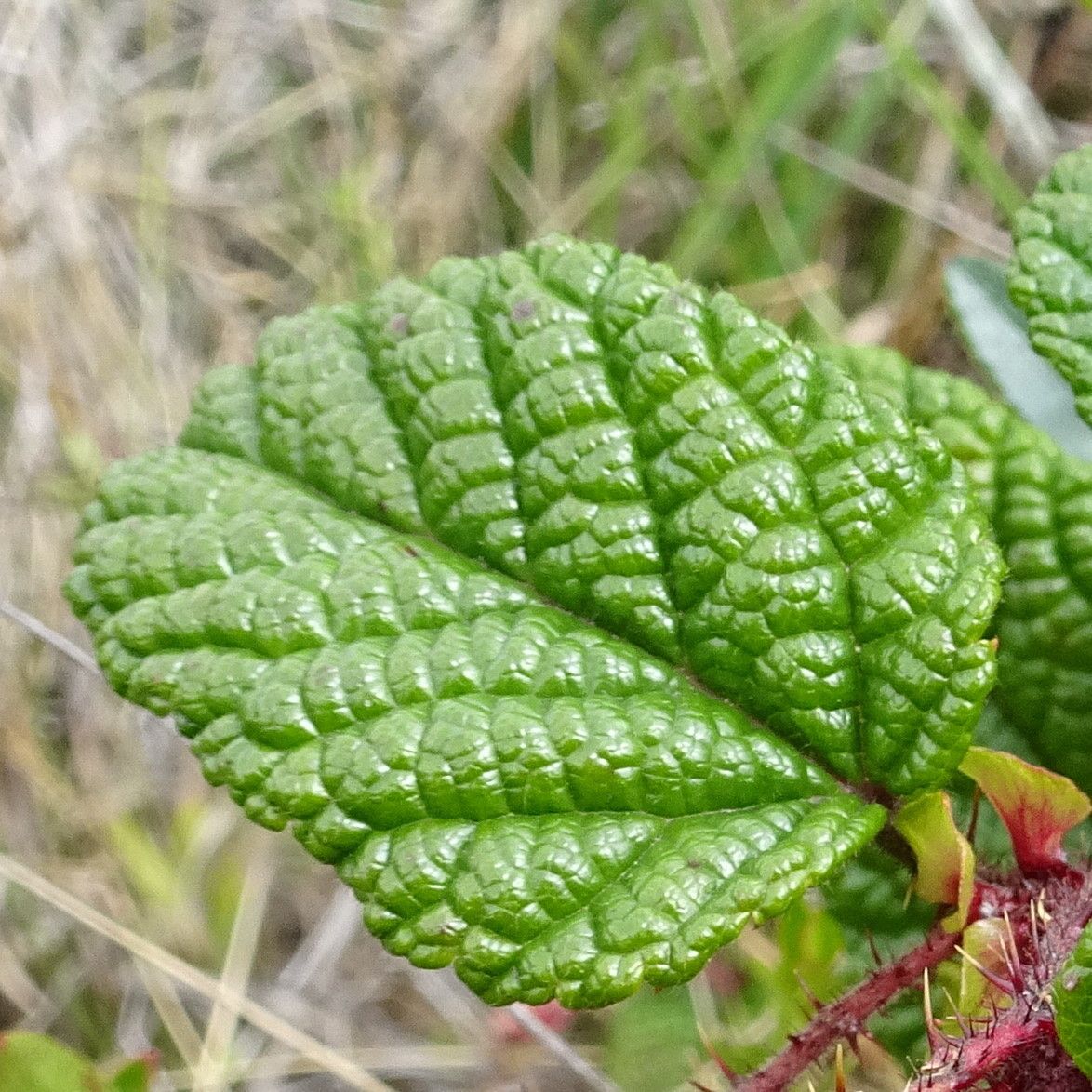
Rubus rolfei, known as creeping raspberry, crinkle-leaf creeper, or Taiwanese creeping bramble, is a low-growing member of the genus Rubus and is related to the blackberry and raspberry. It is common in the horticultural trade. The species is originally from Taiwan where it grows at high elevations.
Creeping raspberry has strong disease resistance and is generally not susceptible to illnesses. Regarding care, this plant is fairly low-maintenance. When grown outdoors it needs minimal watering, and larger plants typically do not require pruning. Smaller plants, however, should be pruned after they have bloomed. Creeping raspberry is suitable for anyone with outdoor space, such as a garden or deck, and does not require much gardening experience.
How to keep Rubus Rolfei.
Light
Creeping raspberry is native to habitats like forest understories and rocky areas, where it occurs in natural shade. It favors partial sun but can tolerate full sun or full shade, illustrating its versatile and hardy nature.
Water
Creeping raspberry grows best with moderate moisture and should be watered twice a week to stay healthy. As an evergreen ground cover, it also benefits from mulching, which helps retain soil moisture and can reduce the need for frequent watering.
Temperature
Creeping raspberry is very adaptable to a variety of climate conditions, from blistering summers to frosty winters. It nevertheless has an optimal temperature range for growth. When temperatures become too high, the plant can experience heat and humidity stress that may lead to its death. In areas where temperatures near the lower limit of its cold tolerance, it is necessary to provide insulation to protect the plant.
Fertilizer
The Creeping raspberry plant needs adequate nutrients to produce fruit at its best. Apply fertilizer in early spring to promote new growth and bloom development. Regular feeding keeps the plant healthy, results in more delicious fruit, and prevents nutrient-deficiency problems such as yellowing leaves and poor fruit yield.
Pruning
For optimal growth and shape, it's best to prune creeping raspberry in early spring. Focus on trimming older stems and removing any diseased parts. This practice not only promotes healthy growth but also helps maintain the plant's shape. Thinning out crowded areas improves air circulation, reducing the risk of fungal infections. Regular pruning encourages denser growth and keeps vigorous runners under control. Always use clean, sharp tools to ensure effective and healthy pruning.
Botanical profile.
- Plant Type
- Shrub
- Life Cycle
- Perennial
- Genus
- Rubus
- Family
- Rosaceae
- Hardiness Zone
- 5-9
- Mature Height
- 11 cm
- Mature Spread
- 1.83 m to 3.66 m
- Leaf Color
- Green
- Leaf Type
- Semi-evergreen
- Flower Color
- White
- Flower Size
- 2.03 cm
- Bloom Time
- Late spring, Early summer, Mid summer
- Planting Time
- Spring, Summer, Autumn
- Harvest Time
- Mid summer, Late summer, Early fall
- Native Area
- Philippines, China