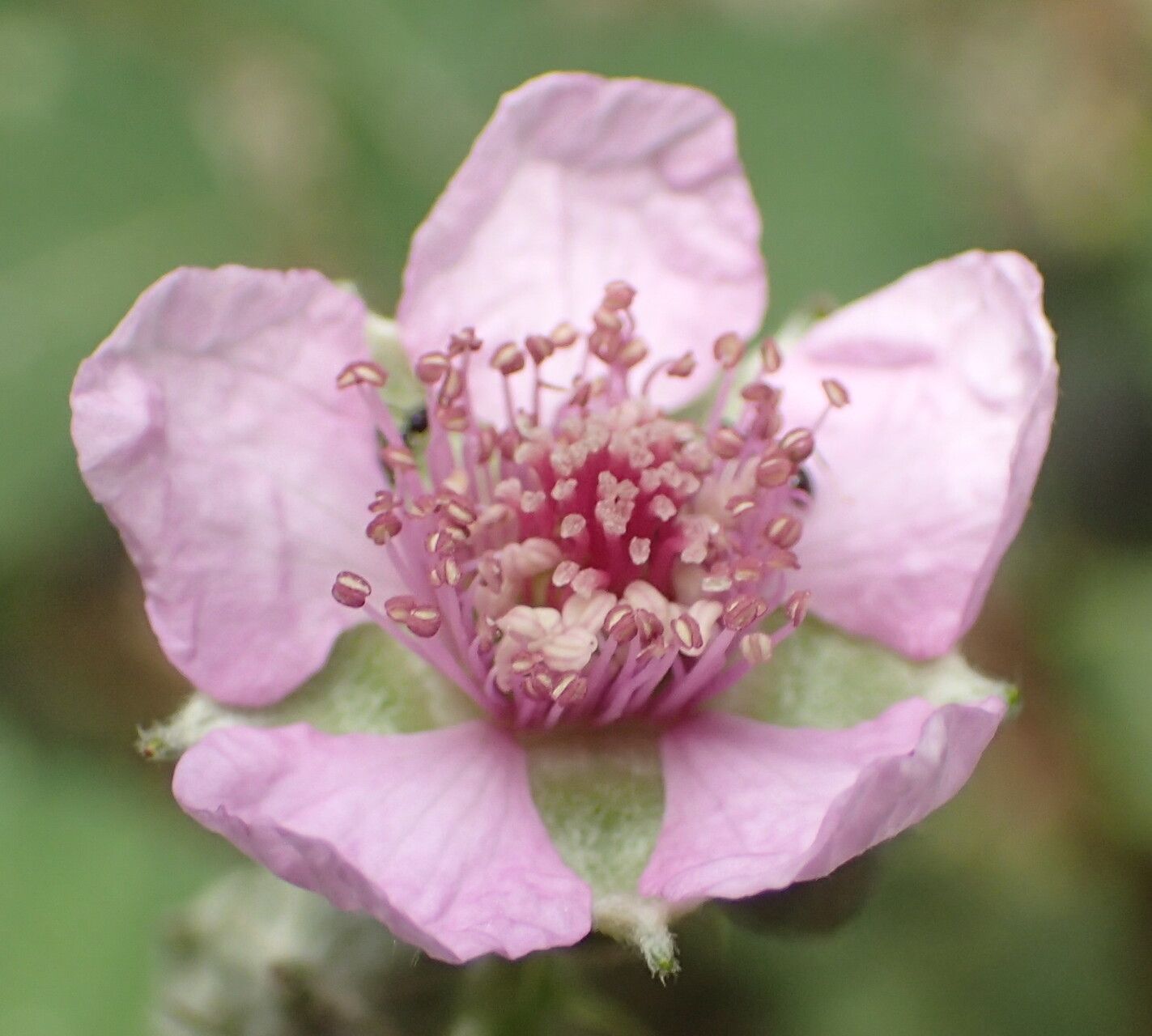
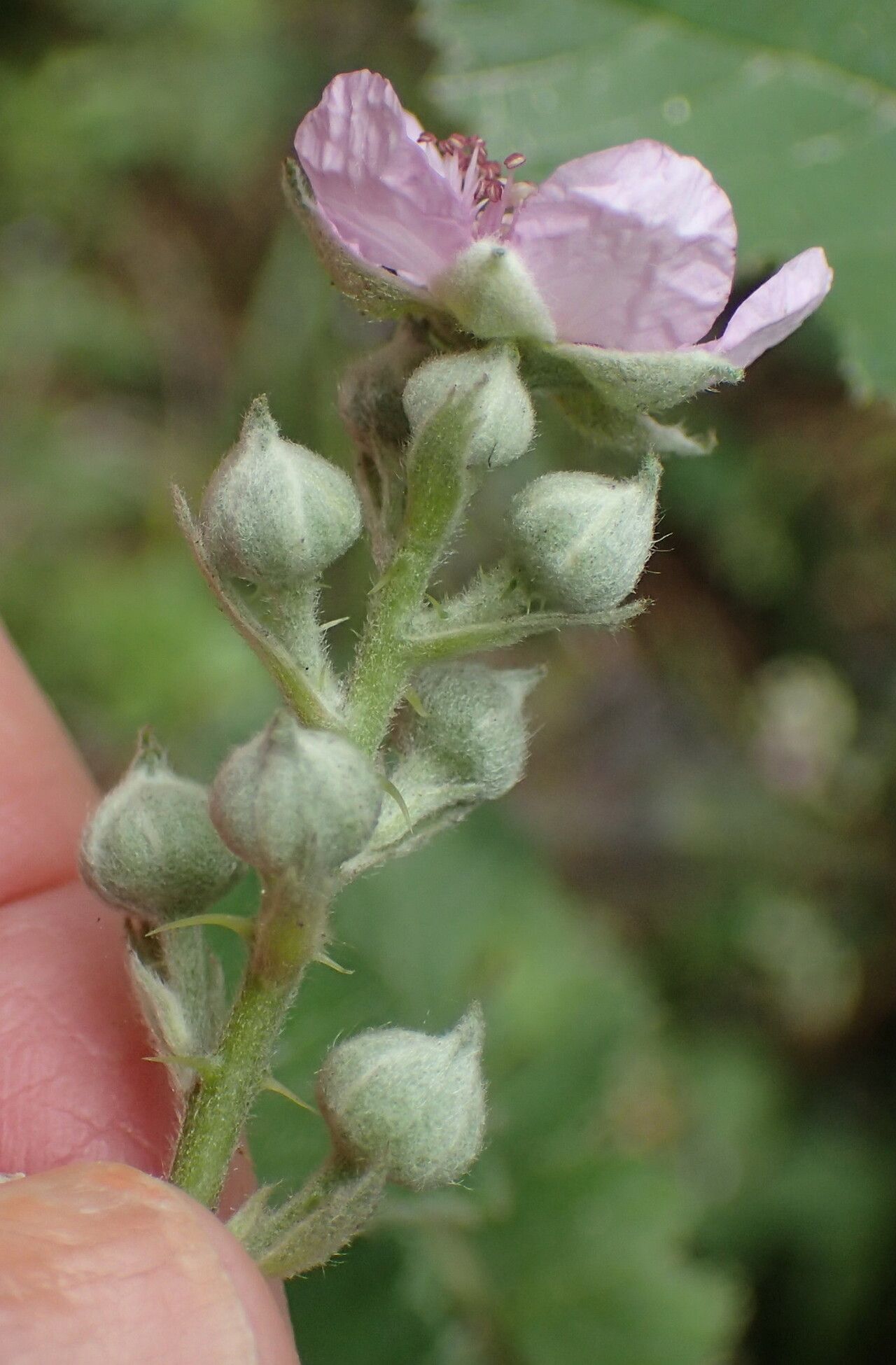
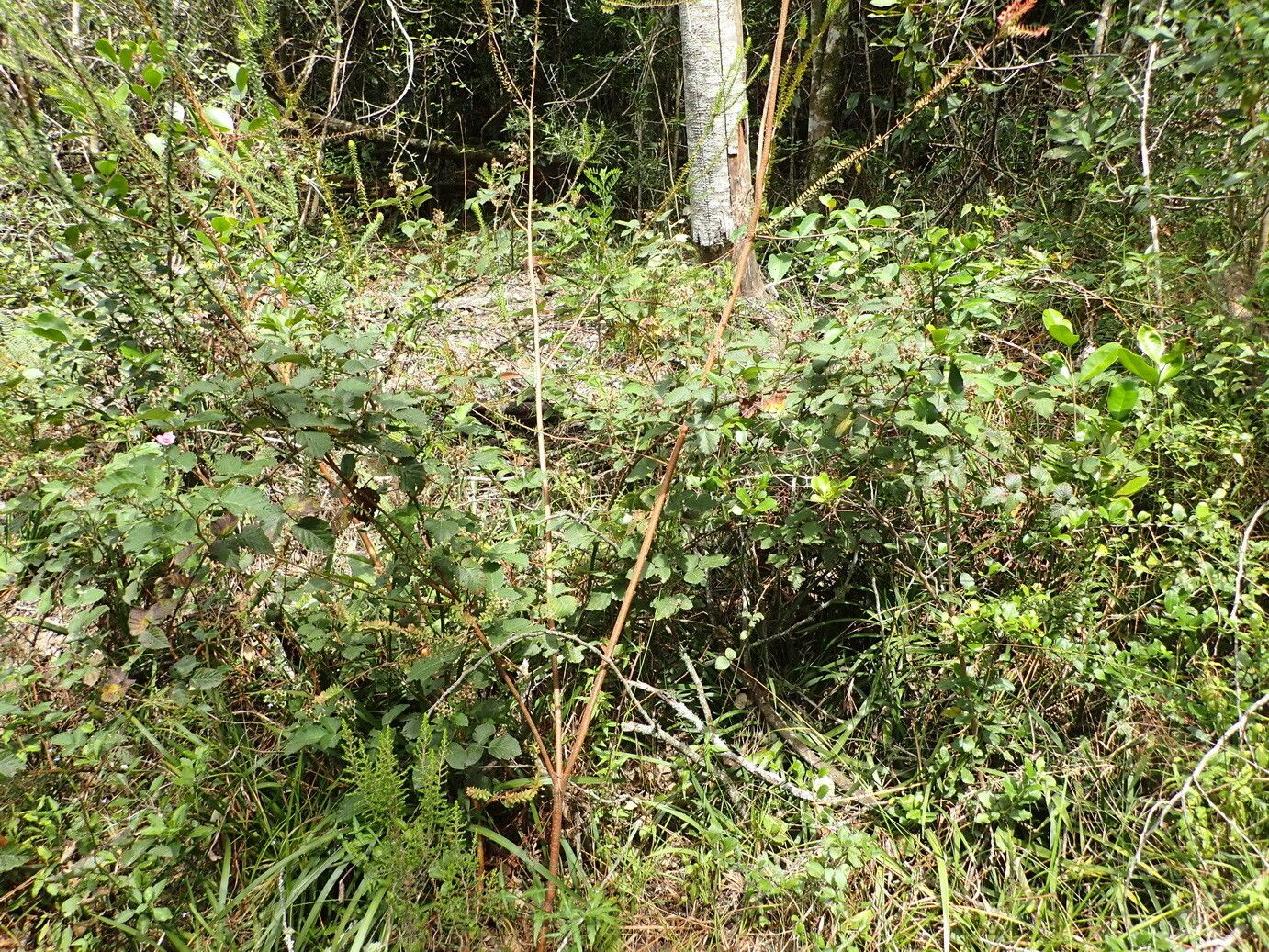
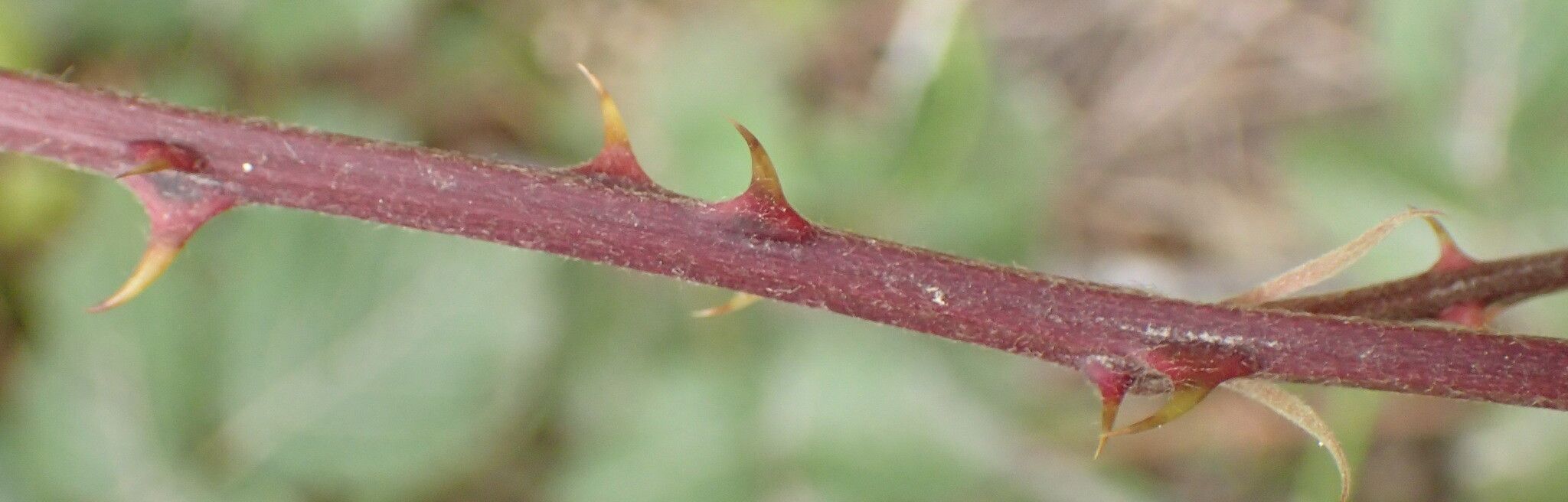
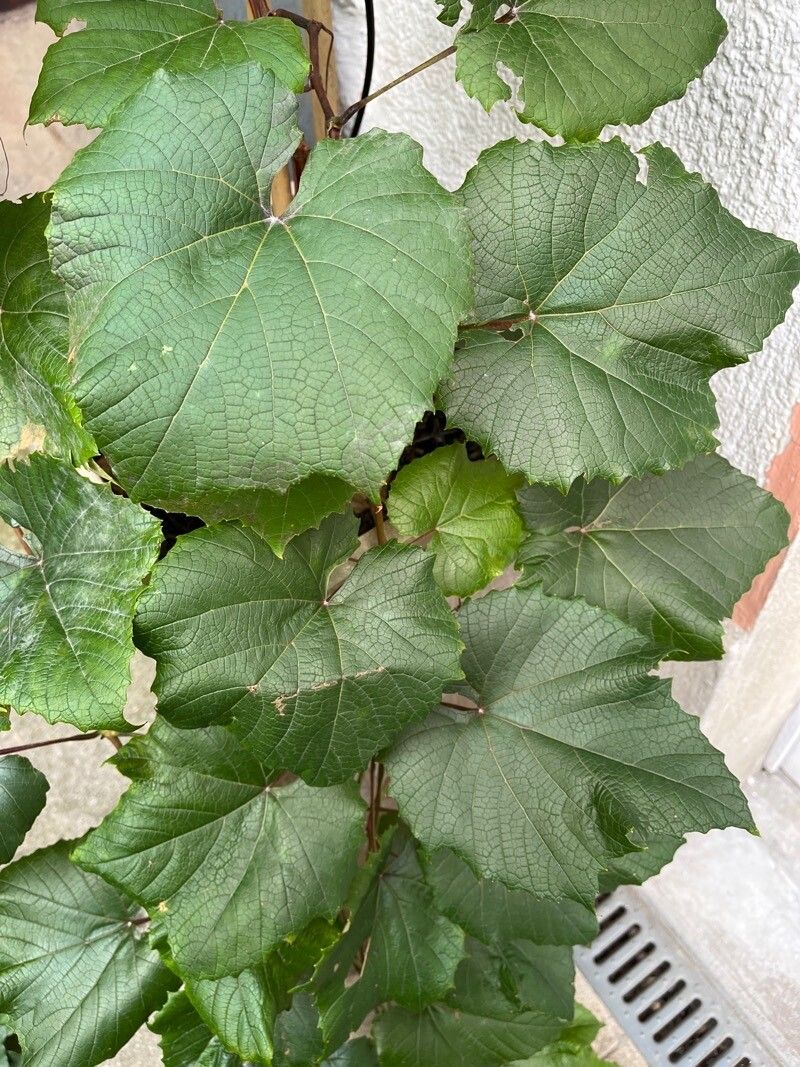
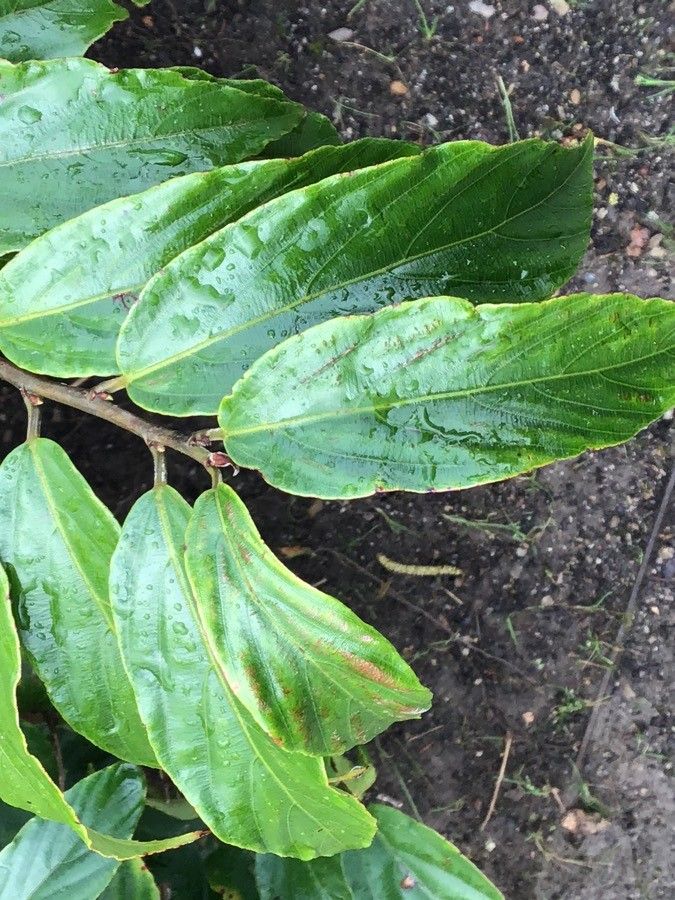
Himalaya blackberry has strong disease resistance and is generally not prone to illnesses. In terms of care, this plant is fairly low maintenance. When grown outdoors, it requires minimal watering and larger plants usually do not need pruning. However, smaller plants should be pruned after they have bloomed. Himalaya blackberry is suitable for anyone with an outdoor space, such as a garden or deck, and does not demand extensive care experience.
How to keep Rubus Rigidus.
Light
Himalaya blackberry thrives in native surroundings like forest undergrowth or rocky terrains, where it's naturally shaded. It predominantly favors semi-sunlit environments, although it's capable of adjusting to complete sun exposure or full shade, showcasing its adaptive and robust characteristics.
Temperature
The Himalaya blackberry is a native of tropical regions known for their warm and humid climate. Consequently, it's highly adapted to hot and wet conditions. This plant has a dislike for abrupt shifts in temperature and thrives best in a constant-temperature habitat. As such, it is vital to maintain a steadiness of temperature indoors to cater to its needs. Generally, it can’t withstand low temperatures and necessitates increased heat for development. Should the surrounding temperature fall excessively, it could potentially halt its growth or cause the plant to perish.
Fertilizer
Opt for natural fertilizers like compost, or fish emulsion, instead of synthetic fertilizers when growing Himalaya blackberry. During the spring, ensure young plants are given ample nitrogen and phosphorus. Add compost or fertilizer either before planting or after it. For established plants, add a balanced fertilizer or one tailored to correct specific nutrient deficiencies in spring. Lack of nutrients can lead to tiny leaves, undersized branches, leaves that are yellow or bronze in color, tart fruits, early fruit drop, and fruit breakage.
Botanical profile.
- Plant Type
- Shrub
- Life Cycle
- Perennial
- Genus
- Rubus
- Family
- Rosaceae
- Hardiness Zone
- 7-10
- Mature Height
- 0.91 m to 3.05 m
- Mature Spread
- 0.91 m to 2.13 m
- Leaf Color
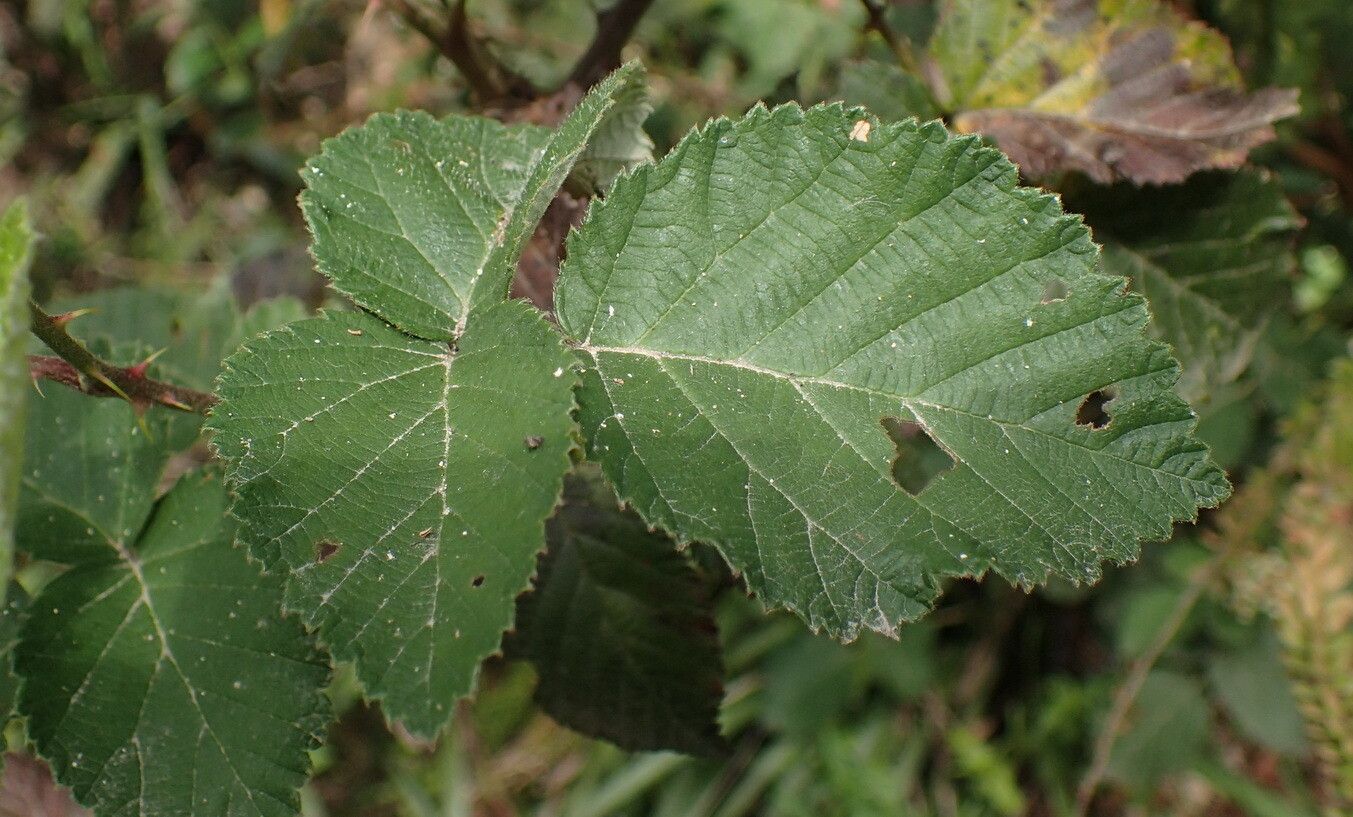
- Dark Green, Forest Green
- Leaf Type
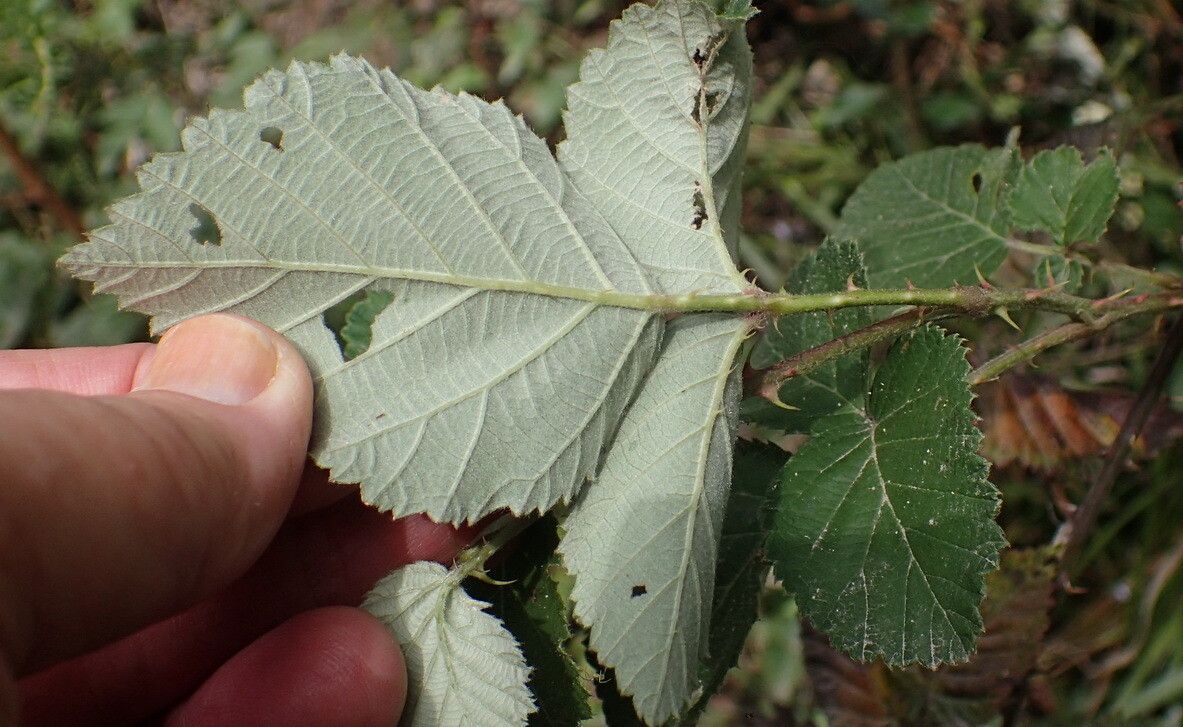
- Deciduous
- Flower Size
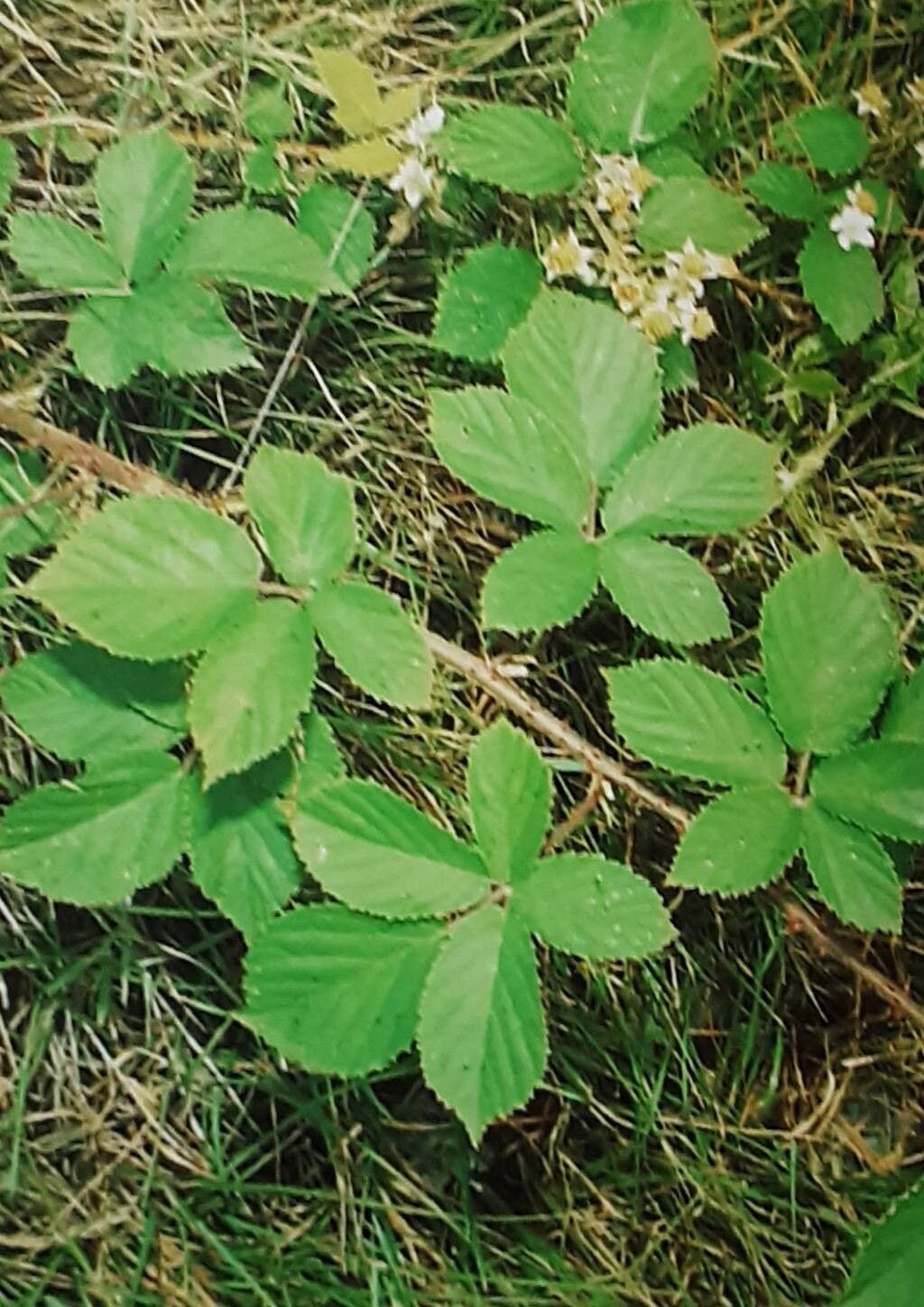
- 2.03 cm to 3.05 cm
- Bloom Time
- Late spring, Early summer, Mid summer
- Planting Time
- Spring, Summer, Autumn
- Harvest Time
- Mid summer, Late summer, Early fall
- Native Area
- Lesotho, Angola, Cameroon, Mozambique, South Africa, Zambia, Namibia, Nigeria, Kenya, Botswana