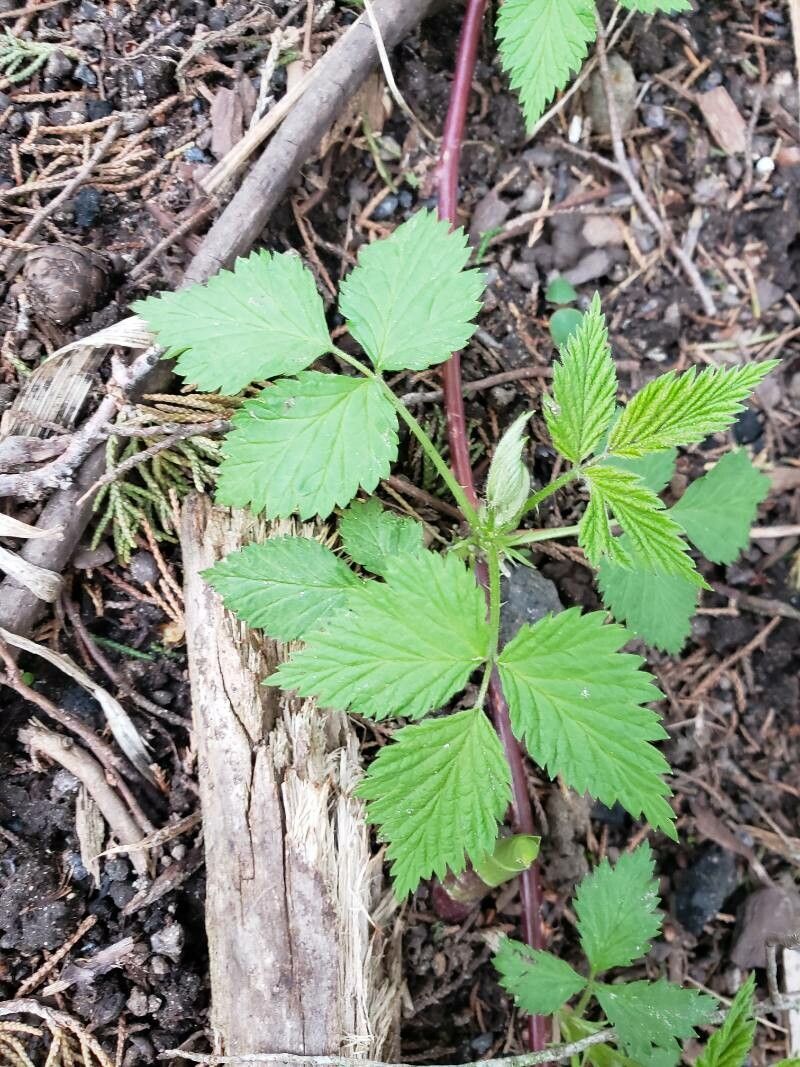
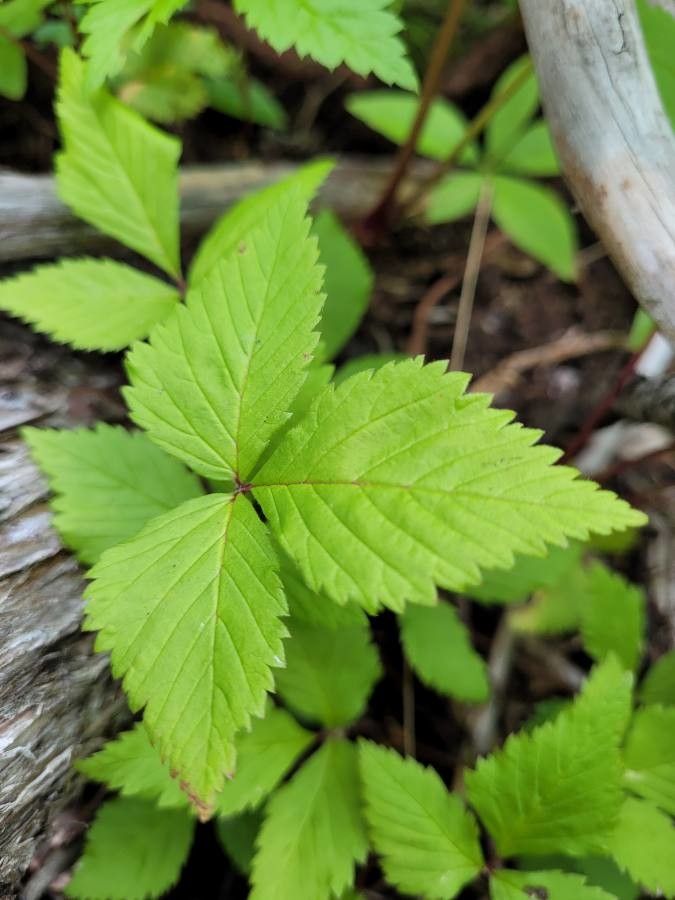
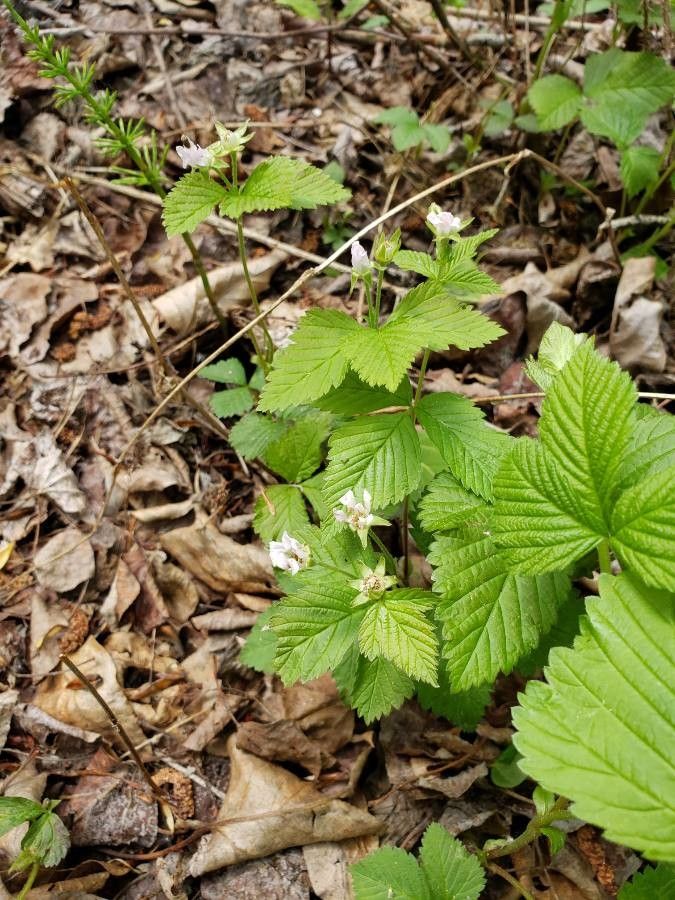
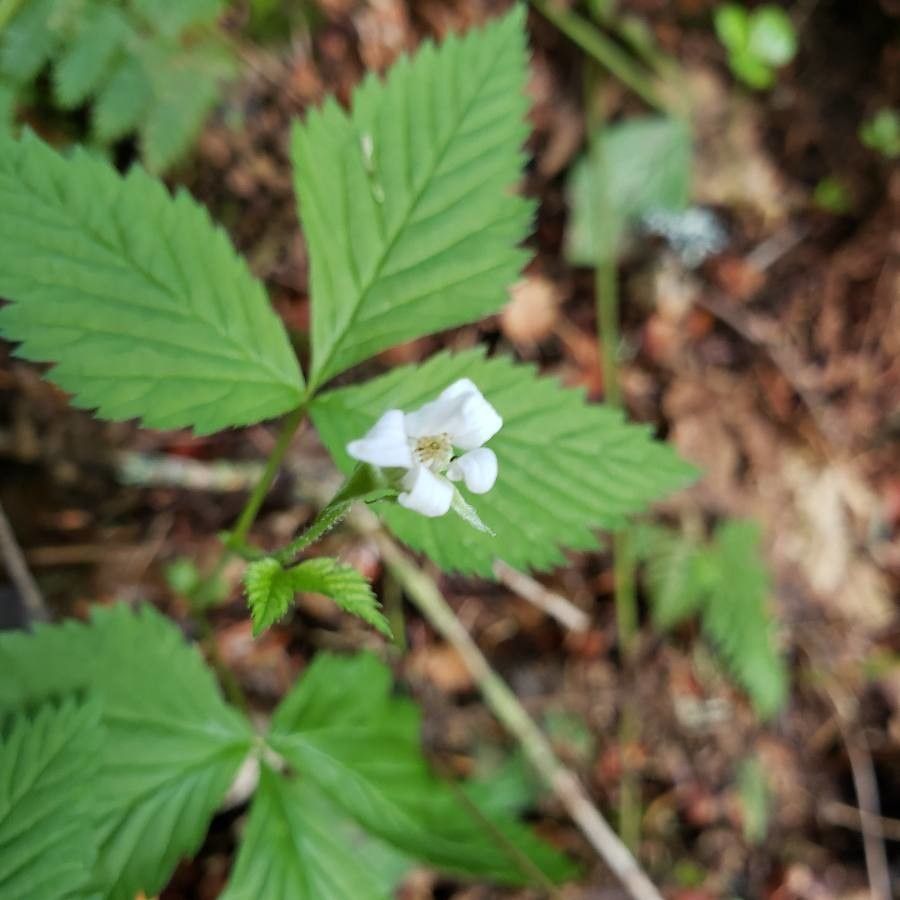
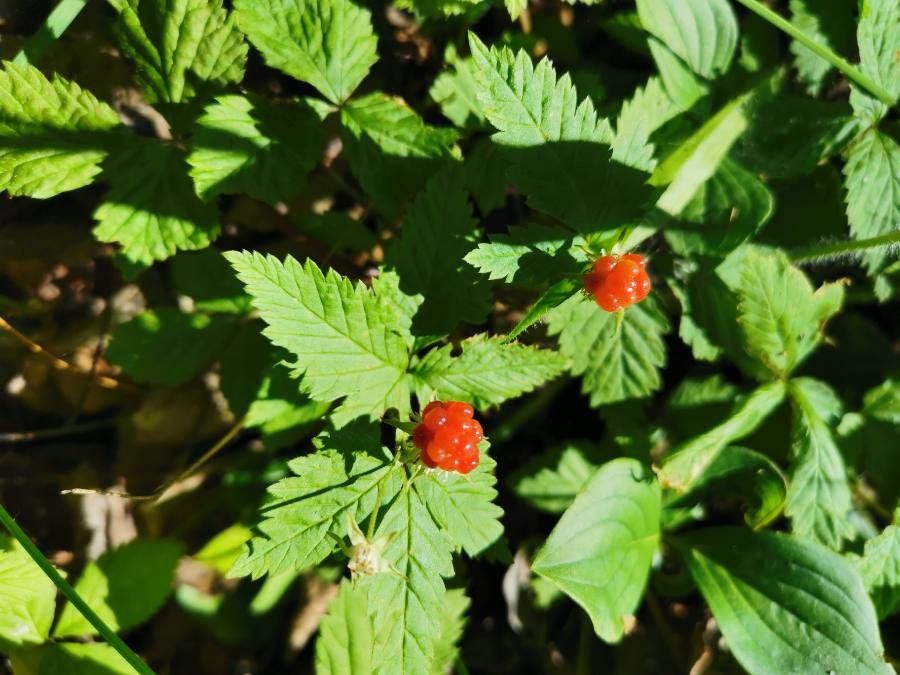
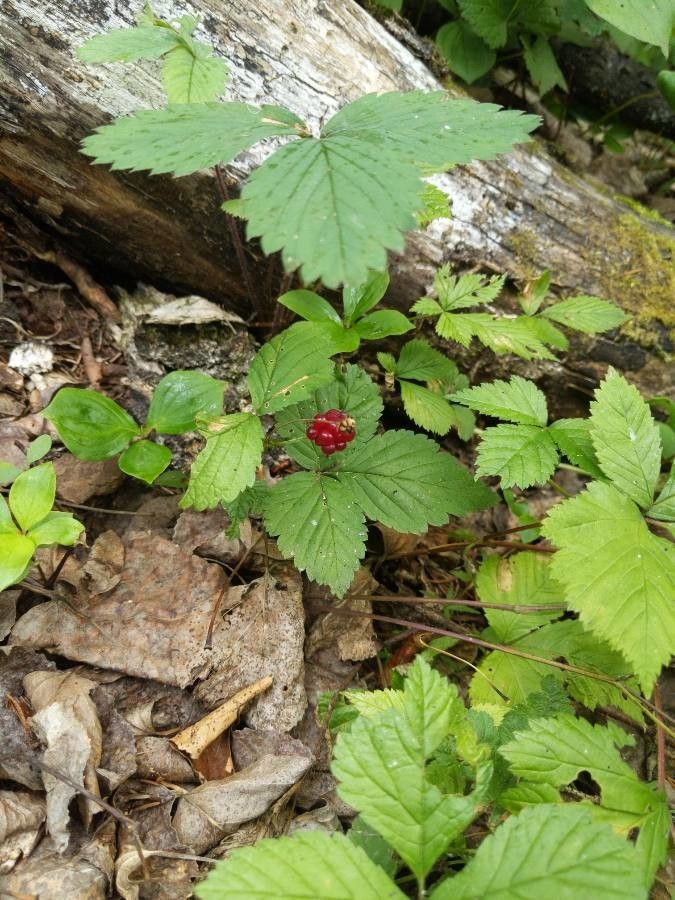
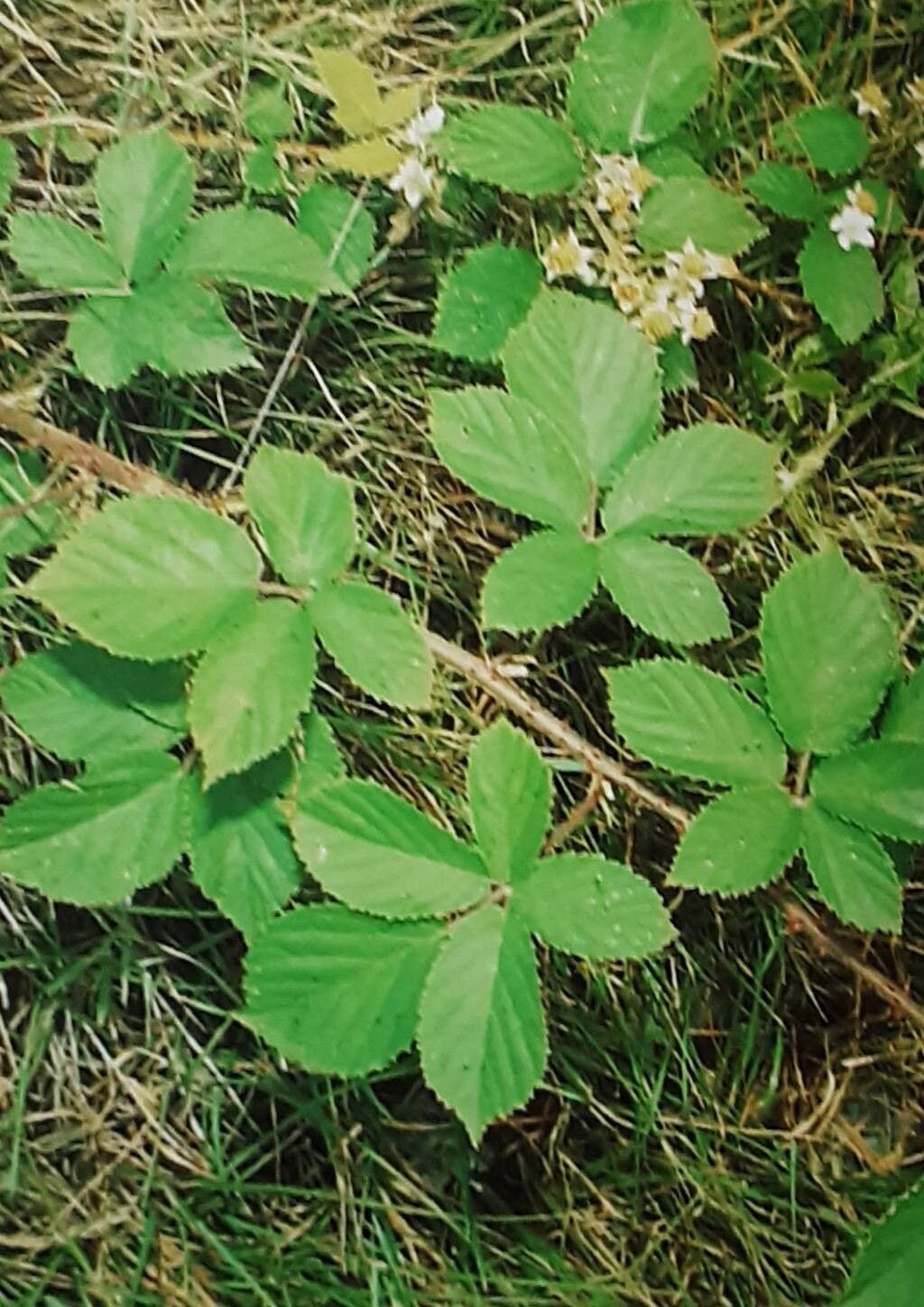
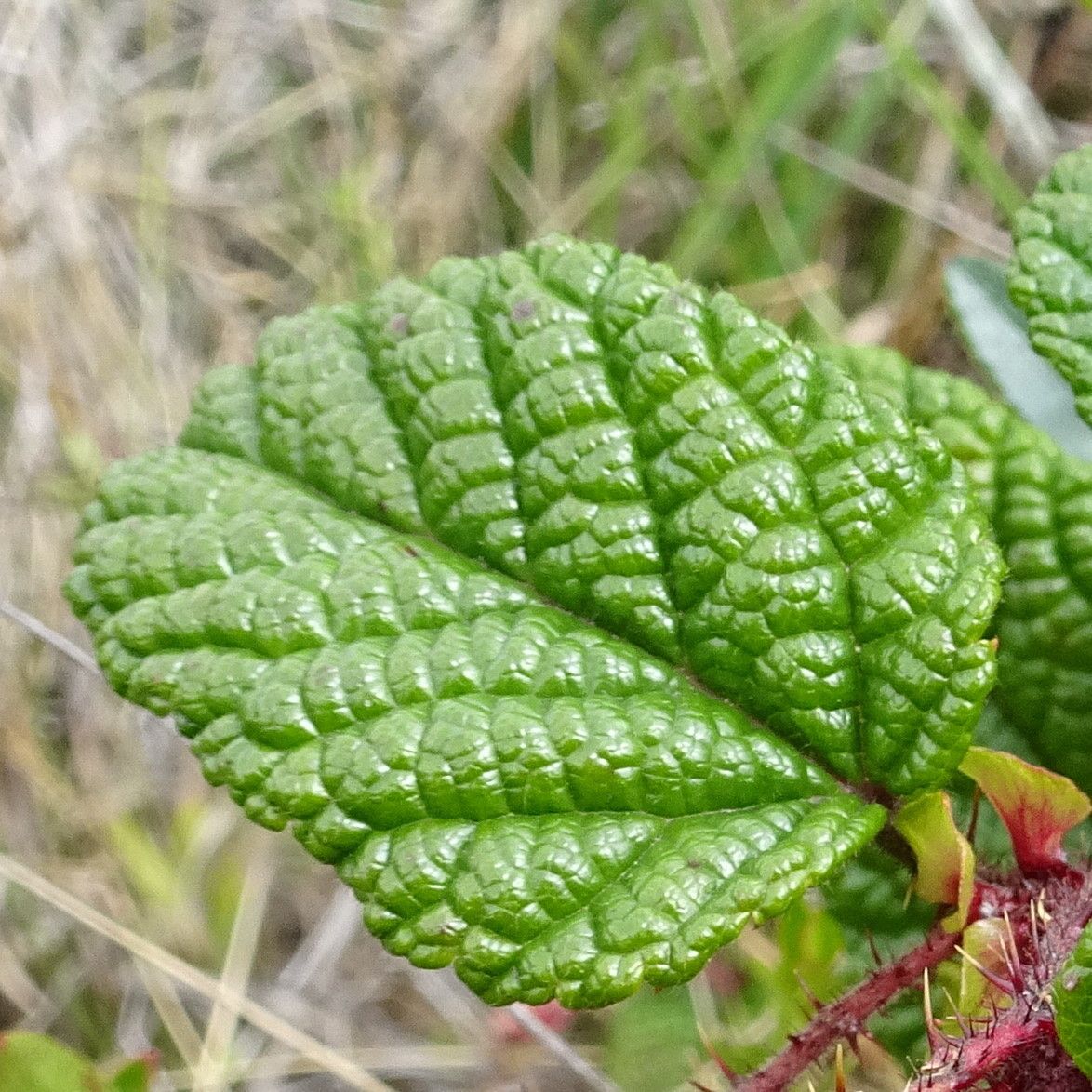
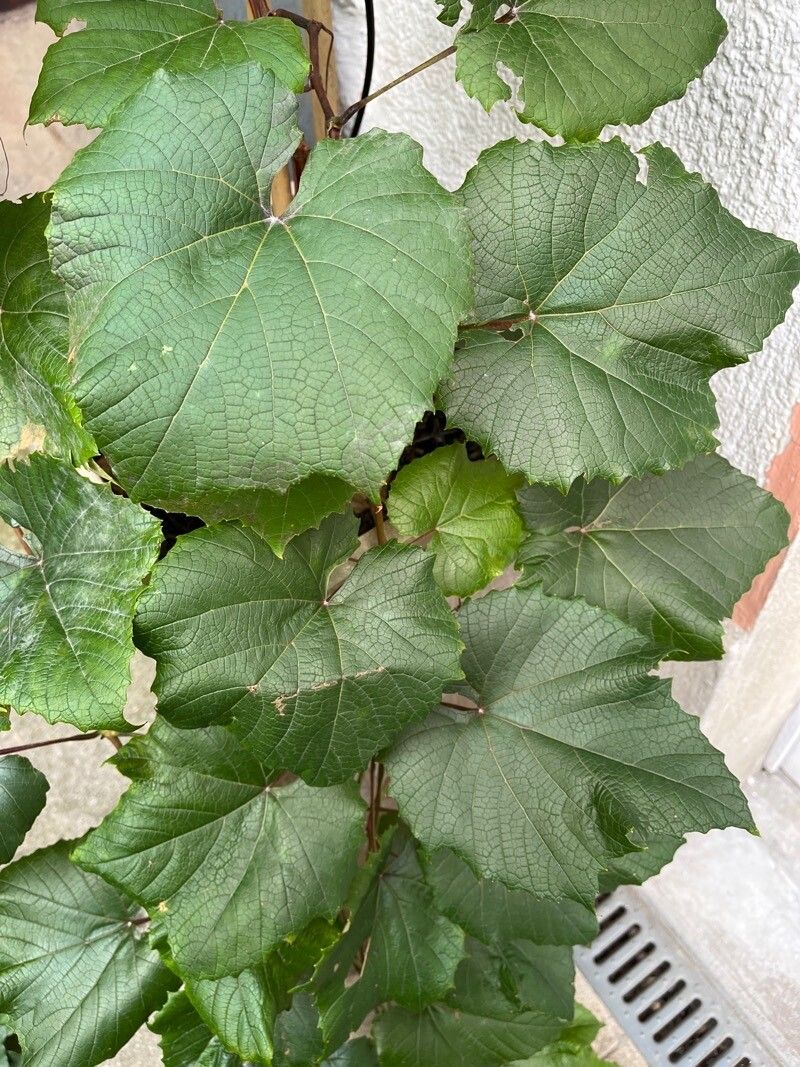
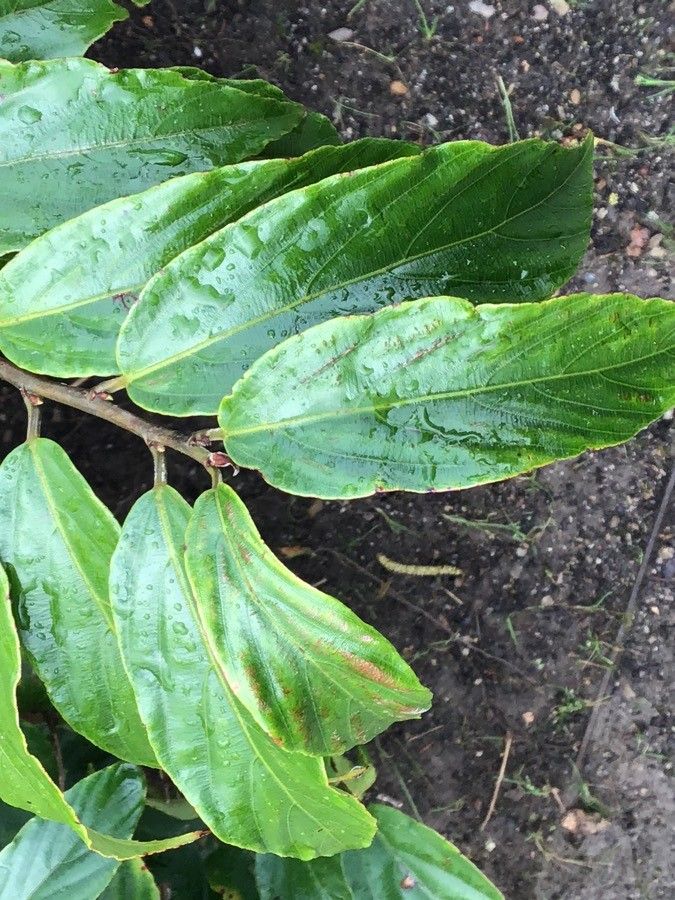
Rubus pubescens (dwarf red blackberry, dwarf red raspberry, dewberry) is a herbaceous perennial widespread across much of Canada and the northern United States, from Alaska to Newfoundland, south as far as Oregon, Colorado, and West Virginia.
Dwarf Red Blackberry shows strong disease resistance and is generally unlikely to develop diseases. Nevertheless, it can be affected by pests and illnesses present in its environment. Such infections are typically mild. Regarding care, this plant needs moderate maintenance. Regular pruning is necessary to keep a good appearance and encourage healthy growth. Applying fertilizer can also assist in boosting flowering. Dwarf Red Blackberry is appropriate for anyone with outdoor space, like a garden or patio, and does not require extensive care experience. It may demand more attention when grown indoors.
How to keep Rubus Pubescens.
Light
The dwarf Red Blackberry thrives with plentiful sunlight, promoting its growth and overall vigor. Moderate light, such as dappled shade, can also be adequate. Too much sun may cause the plant to show signs of scorching. Too little light can hinder its development and reduce flowering and fruiting. Its origin in forest clearings influences how it adapts to sunlight.
Water
The Dwarf Red Blackberry flourishes in moist, woodland-like settings. It prefers soil that is consistently moist but can also tolerate moderate drought. To support healthy growth, it is important to water the plant weekly, especially during its active growing season. Adding mulch around the plant can help retain soil moisture, which is particularly beneficial in temperate regions.
Temperature
Dwarf Red Blackberry originates from cool to temperate regions and prefers temperatures of 41 to 77 °F (5 to 25 ℃). Adjustments to the growing environment should be made seasonally to accommodate its preference for cooler conditions.
Fertilizer
The Dwarf Red Blackberry needs adequate nutrients to achieve optimal fruit production. Fertilize in early spring to encourage new growth and bloom development. Regular feeding keeps the plant healthy, produces more flavorful fruit, and prevents nutrient deficiency problems like yellowing leaves and poor fruit yields.
Pruning
The Dwarf Red Blackberry benefits from pruning from early to late spring. During this time, focus on removing dead or damaged canes to encourage new growth and improve air circulation. After the harvest, prune the older canes to boost plant health and increase berry production. Be careful not to remove too much foliage, as it is necessary for photosynthesis.
Botanical profile.
- Plant Type
- Herb, Shrub
- Life Cycle
- Perennial
- Genus
- Rubus
- Family
- Rosaceae
- Hardiness Zone
- 4-5
- Mature Height
- 10 cm to 15 cm
- Mature Spread
- 1.22 m to 2.44 m
- Leaf Color
- Green, Blue
- Leaf Type
- Deciduous
- Flower Color
- White, Pink
- Flower Size
- 2.54 cm
- Bloom Time
- Late spring, Early summer
- Planting Time
- Summer, Autumn
- Harvest Time
- Mid summer
Other names.
Reader questions.
How should I water my Dwarf Red Blackberry?
To best care for the Dwarf Red Blackberry, use filtered water at room temperature. Tap water may have harmful particles, so it's best to avoid it. The plant is used to a warm environment, so avoid using cold water, as it can be a shock. Instead of overhead watering, apply the filtered room temperature water directly to the soil. This helps the roots spread and collect nutrients.
What are the sunlight requirements for plants?
Sunlight requirements for plants vary depending on their specific needs. Full sun means a plant requires above 6 hours of sunlight daily, while partial sun refers to about 3-6 hours of sunlight. It's important to observe how sunlight moves through your garden to ensure plants are placed in locations that offer a good balance of light and shade, promoting their growth and well-being.
What is the ideal temperature range for Dwarf Red Blackberry?
Dwarf Red Blackberry thrives in cool to temperate environments, with a preferred temperature range of 41 to 77 °F (5 to 25 °C). Adapting the growing area seasonally to suit its preference for cooler conditions can help maintain its health and productivity.
What should I do if I give my Dwarf Red Blackberry too much water or too little water?
Overwatering is a more common issue than underwatering for the health of your Dwarf Red Blackberry. When this plant receives too much water, its stems and leaves may wilt and turn yellow. Extended periods of overwatering can also lead to diseases such as root rot, mold, and mildew, which can kill the plant. Underwatering is less common due to the plant's decent drought tolerance, but it is still possible. When underwatering occurs, the leaves of the plant become brittle and brown. It is important to recognize the signs of overwatering early to prevent irreversible damage. If you observe these signs, reduce your watering schedule and consider the soil quality. If the soil drains poorly, replace it with a loose, well-draining potting mix. Conversely, if you notice signs of underwatering, increase your watering frequency until the signs disappear.
How does sunlight affect the Dwarf Red Blackberry?
The Dwarf Red Blackberry requires ample sunlight exposure to thrive, enhancing its growth and health. While it can also grow in moderate sun, such as dappled shade, too much direct sunlight may cause scorching, and insufficient light can impede its development, reducing flowering and fruiting success. Originating from forest clearings, this plant has adapted to make the most of sunlight available in its natural habitat.
How should Dwarf Red Blackberry be cared for during winter?
Dwarf Red Blackberry is highly cold-tolerant and does not require additional frost protection. However, it is advisable to water the plant generously before the first freeze of autumn. This ensures the soil around it remains moist and enters the winter in a frozen state, helping to prevent drought and water scarcity for the plant during the colder months and into early spring.
How frequently should I give water to my Dwarf Red Blackberry?
If your Dwarf Red Blackberry plant is in a pot, the most accurate way to determine if it needs water is to check the soil. Stick your finger into the soil and if the top two to three inches are dry, it's time to water. If you have your Dwarf Red Blackberry planted outdoors in the ground, you can use a similar method to test the soil. Once the top few inches of soil have dried out, it's a sign to give it some water. In the spring and early fall, you'll likely need to water this plant approximately once a week using this method. However, during extremely hot weather, you may need to increase watering to about twice or even more times per week. Nevertheless, it's worth noting that mature and well-established Dwarf Red Blackberry plants have a remarkable ability to withstand drought.
What are the solutions for providing adequate lighting to plants indoors?
Indoor plants may require artificial lighting for optimal growth, especially when natural sunlight is insufficient. LED lights are recommended because they can provide specific wavelengths needed by plants. Full sun plants need 30-50W/sq ft of artificial light, partial sun plants require 20-30W/sq ft, and full shade plants need 10-20W/sq ft. The artificial light source should be placed 12-36 inches above the plant to mimic natural sunlight, and most plants will need 8-12 hours of light per day.
What should be done if Dwarf Red Blackberry experiences temperatures below its cold tolerance?
Although Dwarf Red Blackberry is extremely cold-tolerant and can withstand temperatures down to -30°C without noticeable changes during winter, temperatures below this threshold may impair its ability to sprout in spring. If this occurs, it is recommended to remove any parts of the plant that have failed to sprout as the weather warms.
How much water does my Dwarf Red Blackberry plant need?
When watering your Dwarf Red Blackberry, don't be afraid to give it a generous amount of water. Make sure the first two to three inches of soil are dry before watering, and then give it a thorough watering that completely soaks the soil. The water should be enough to cause excess water to flow out of the drainage holes at the bottom of the pot. If you don't see excess water draining, it means you haven't watered enough. However, be careful not to let water accumulate in the soil, as this can harm the plant. On the other hand, if water doesn't drain properly through the pot, it could indicate that the soil doesn't drain well, which is not good for the plant's health. If the plant is outdoors, receiving 1 inch of rain per week should be enough.
What symptoms indicate a Dwarf Red Blackberry is receiving inadequate light?
Symptoms of inadequate light for a Dwarf Red Blackberry include smaller new leaves, leggy or sparse growth, faster leaf drop, slower or no new growth, lighter-colored new leaves, chlorosis, sunscald, leaf curling, wilting, and leaf scorching. These indicate that the plant is either getting too much sunlight, leading to damage and chlorophyll breakdown, or insufficient light, affecting its growth and ability to photosynthesize effectively.
How does high temperature affect Dwarf Red Blackberry, and what can be done?
Dwarf Red Blackberry is not tolerant of high temperatures. Should temperatures exceed 25°C, the plant's growth will cease, and it becomes more susceptible to rot. To mitigate this, trim away any sunburned or dried-up parts. Relocating the plant to a shadier location or using a shade cloth can provide protection from midday and afternoon sun. Additionally, watering the plant in the morning and evening helps keep the soil moist and supports the plant's health.