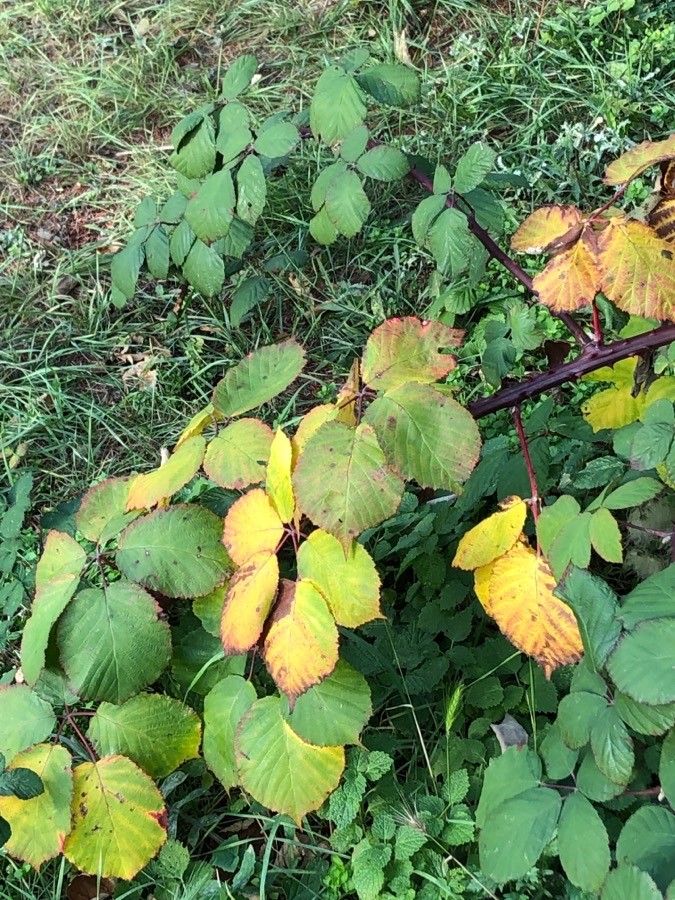
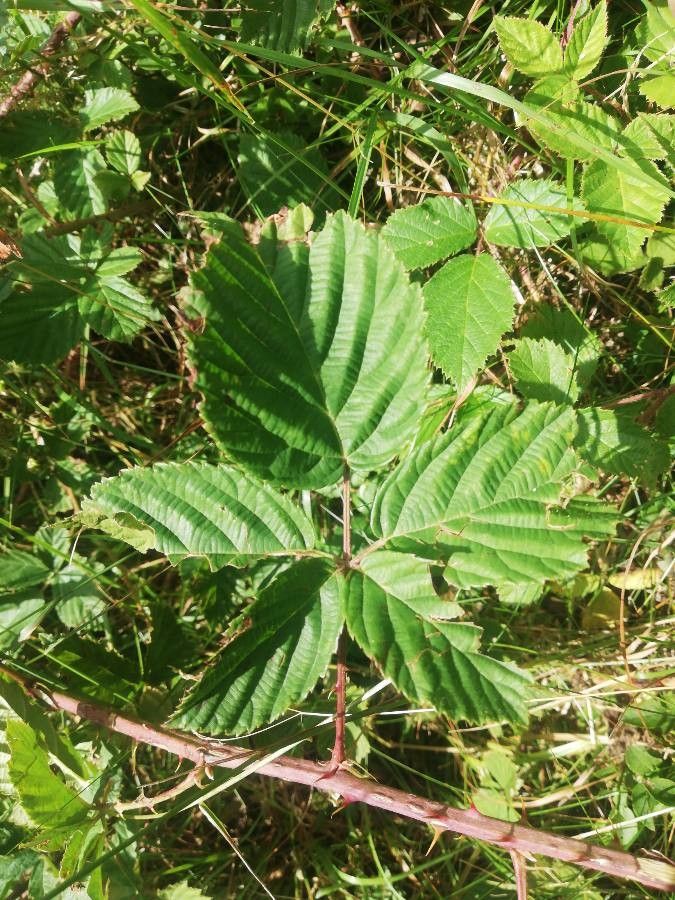
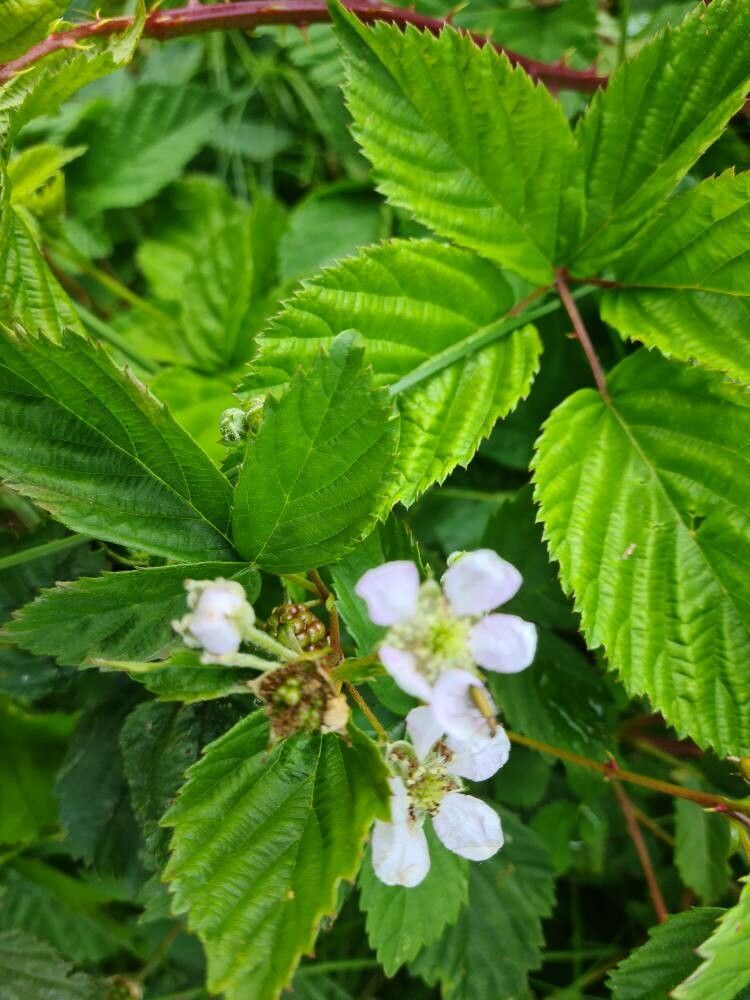
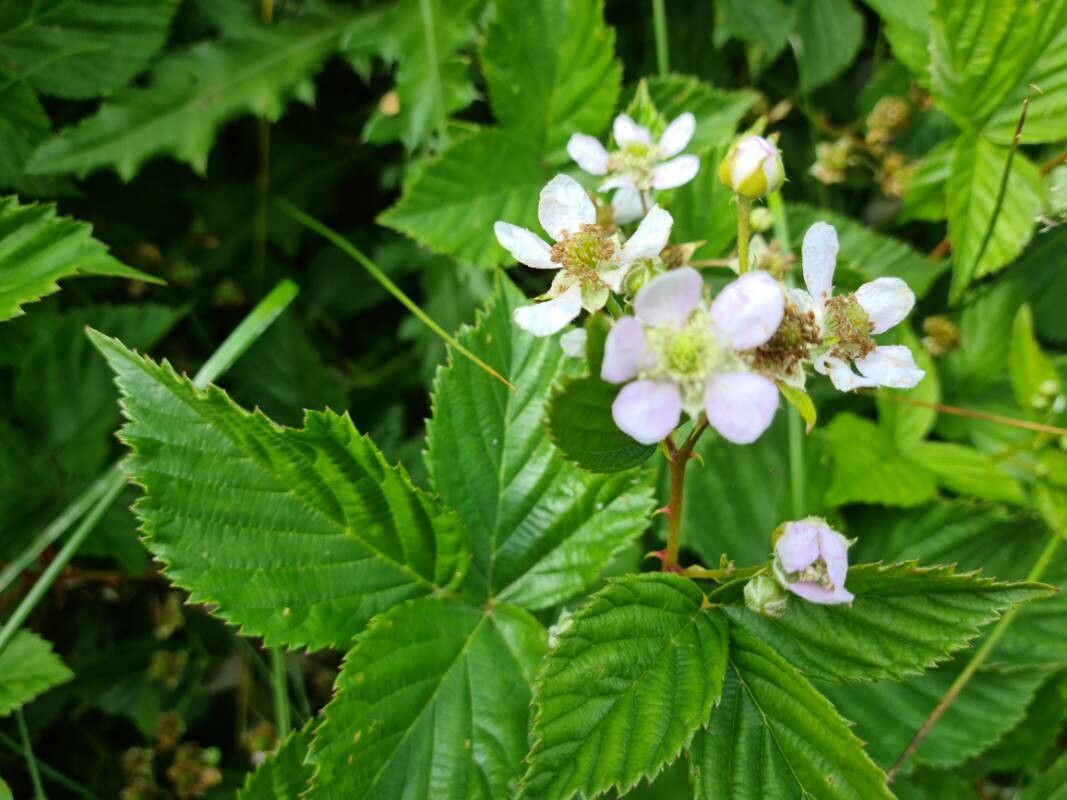
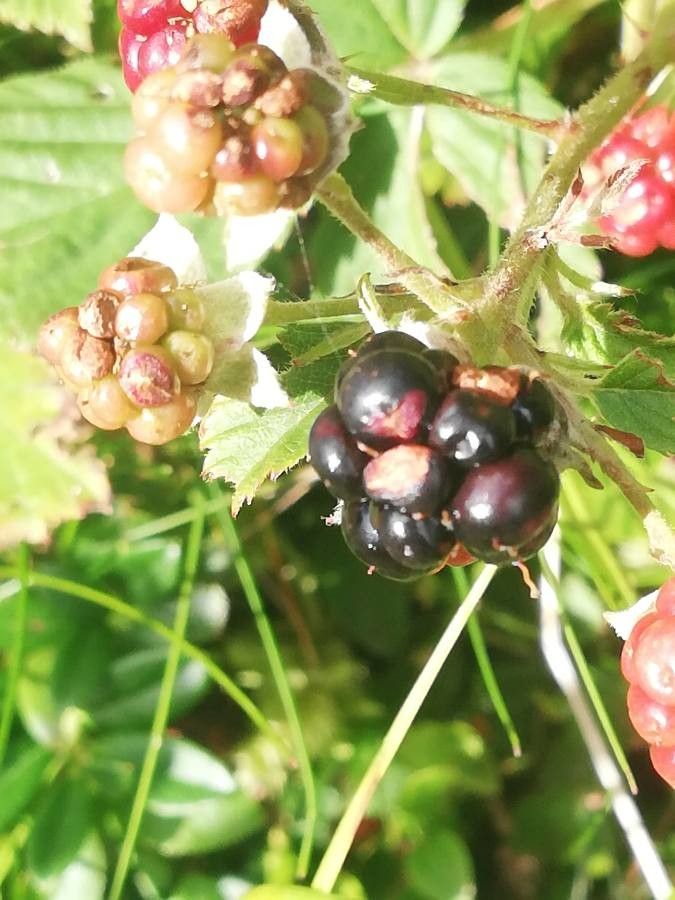
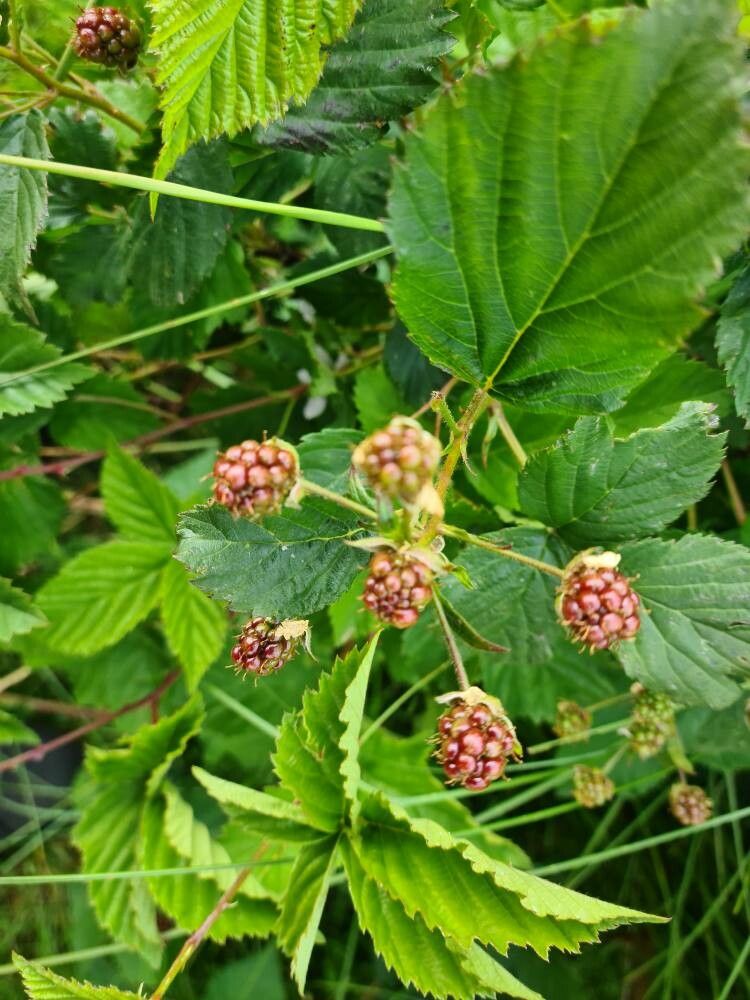
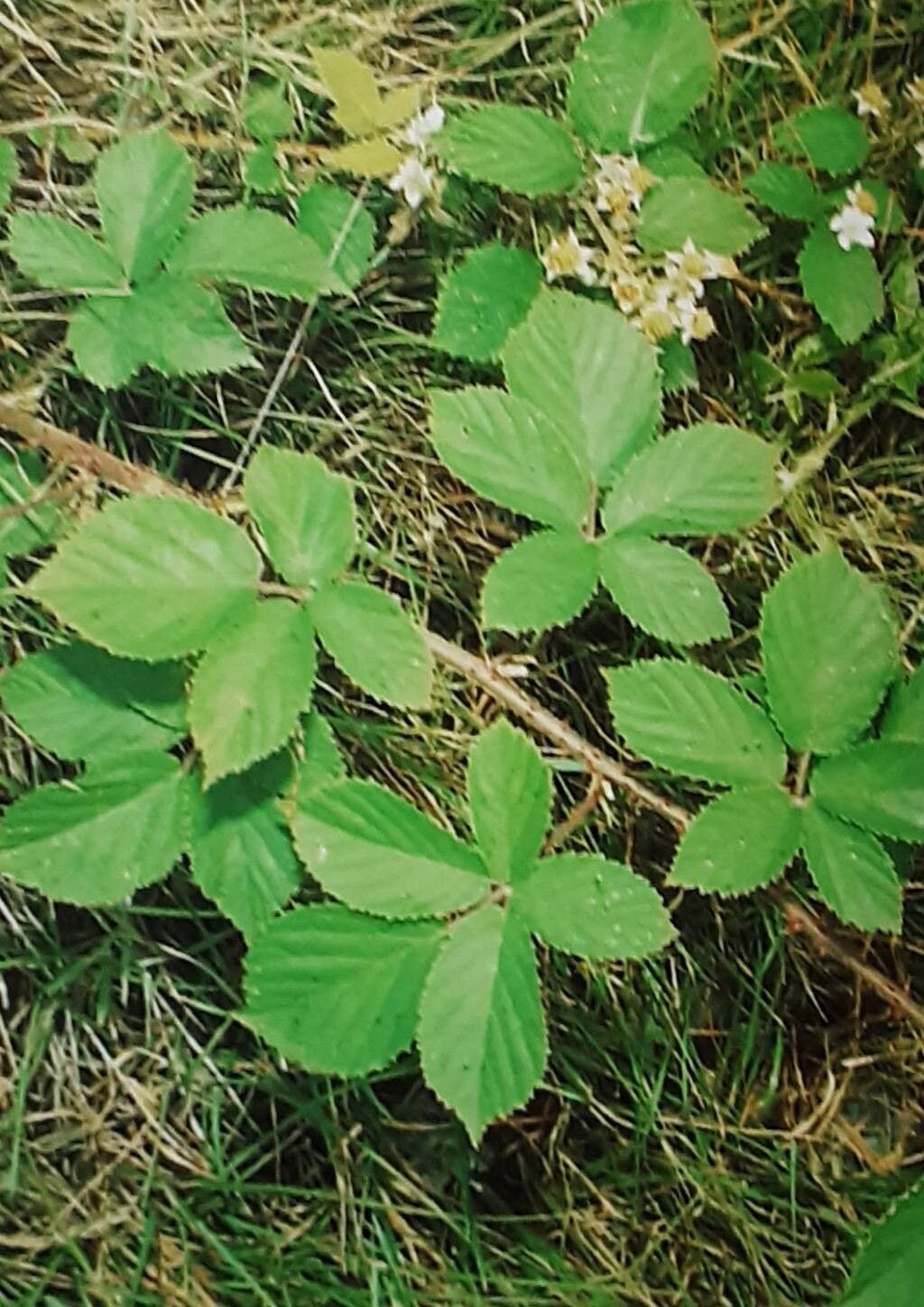
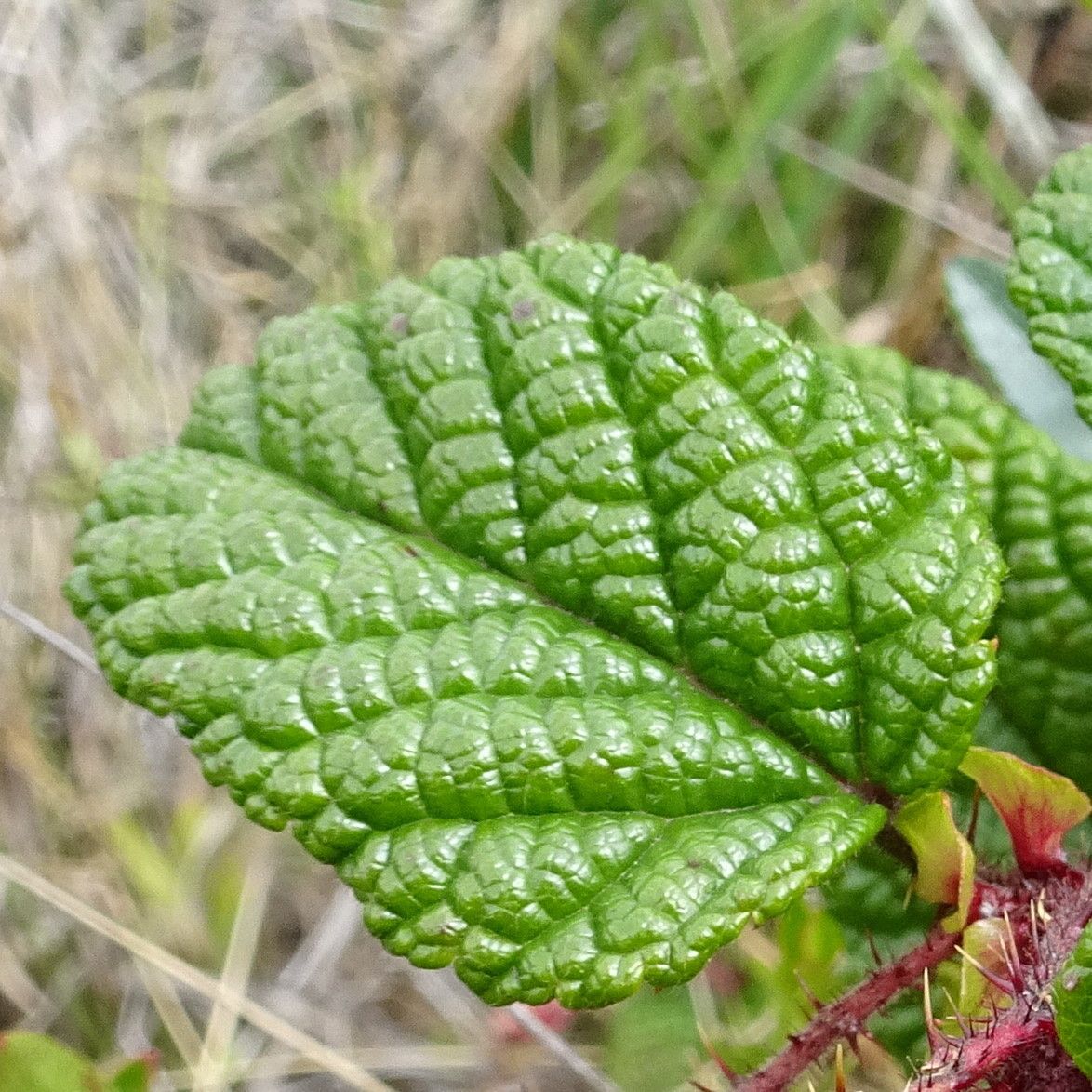
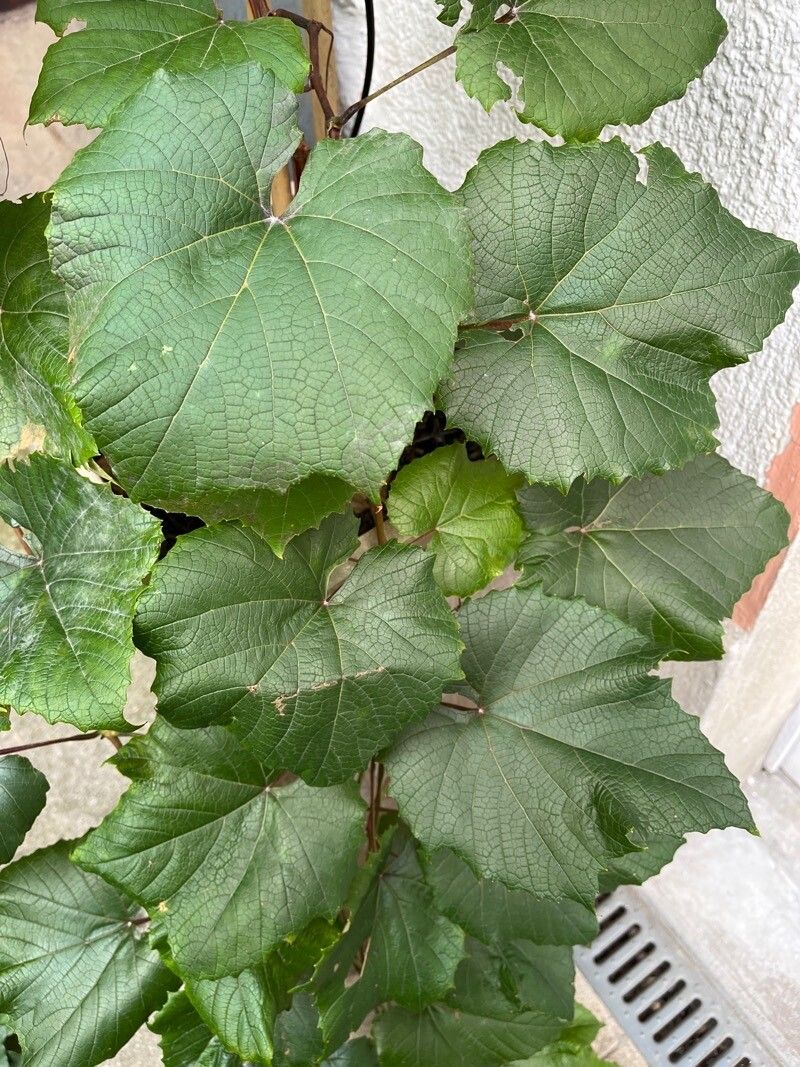
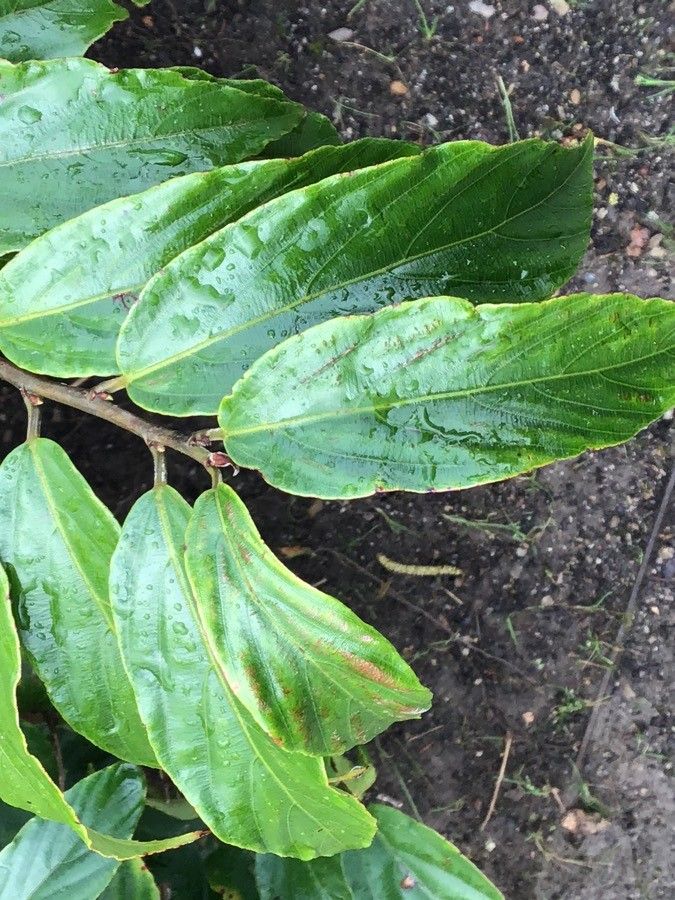
Rubus plicatus is a species of blackberry native to Europe.
The European blackberry has good resistance to disease and is generally not susceptible to illnesses. Regarding care, this plant is fairly low-maintenance. Planted outdoors, it needs only light watering, and larger specimens usually do not require pruning. Smaller plants, however, should be pruned after they finish blooming. The European blackberry is suitable for anyone with an outdoor area, such as a garden or deck, and does not demand extensive care experience.
How to keep Rubus Plicatus.
Light
European blackberry does best when consistently exposed to ample light. Native to sunny habitats, it adjusts to and prospers in locations that receive plentiful sunlight each day. Its optimal growth depends on the amount of light it gets; inadequate light leads to poorer growth and diminished plant vigor.
Temperature
European blackberry is native to areas with temperatures between 41 and 95 °F (5 to 35 ℃). It favors milder, temperate conditions and has trouble with extreme heat or frost. To cope with seasonal changes, providing shade in hot summers and protection from cold in winter is helpful.
Fertilizer
The European blackberry plant needs adequate nutrients to achieve optimal fruit production. Apply fertilizer in early spring to support new growth and bloom (flower) development. Regular fertilization helps keep the plant healthy, encourages production of more flavorful fruit, and prevents nutrient-deficiency problems like yellowing leaves and poor fruit production.
Pruning
The European blackberry is a robust plant with arching canes and edible fruits. To support air circulation and boost fruit production, prune it in early spring by trimming the lateral branches to a length of 30-40 cm. Be sure to use clean, sharp tools for pruning. For detailed instructions, consult reliable sources.
Botanical profile.
- Plant Type
- Shrub
- Life Cycle
- Perennial
- Genus
- Rubus
- Family
- Rosaceae
- Hardiness Zone
- 4-9
- Mature Height
- 1.52 m to 2.44 m
- Mature Spread
- 7.92 m
- Leaf Color
- Green, Red, Orange
- Leaf Type
- Deciduous
- Flower Color
- White, Pink
- Flower Size
- 0.51 cm
- Bloom Time
- Late spring, Early summer, Mid summer
- Planting Time
- Spring, Autumn
- Harvest Time
- Mid summer, Late summer, Early fall
- Native Area
- Sweden, Austria, Czech Republic, Slovakia, Poland, Croatia, Slovenia, Belarus, Ukraine, Russia, Lithuania, Norway, Germany, Italy, Switzerland, Denmark, Netherlands, Ireland, United Kingdom, Hungary, Latvia, Belgium, France
Other names.
Reader questions.
How should I water my European blackberry plant?
Here are some tips for watering your plants effectively. First, consider using a garden hose placed at the base of the plant to promote root development. Be cautious not to spray the leaves directly and keep in mind that outdoor plants in direct sunlight may require more watering. Another option is to use bubblers on each plant to ensure the roots stay moist. Soaker hoses are also helpful as they can cover the entire garden or bed when adding or removing plants, encouraging deep root growth. After watering, be sure to drain any excess water and allow the soil to dry out before watering again. To prevent diseases, aim to water at ground level rather than on the leaves. On sunny days, it may be beneficial to spray the entire bush with water. Lastly, whether your plants are potted or in the ground, it's important to remember that European blackberries prefer deep watering rather than light sprinkling.
Why do I have to add fertilizer to my European blackberry plant?
No matter what type of European blackberry you have, regular fertilization is important for its overall health. Giving your blackberry the right nutrients will help it grow stronger and withstand tough conditions and diseases. Maintaining the foliage of your blackberry is also crucial for its attractiveness. This can be achieved by following a specific fertilization schedule, which will result in vibrant leaves and a lush appearance.
How many hours of sunlight per day does a European blackberry need to grow healthily?
To ensure healthy growth, the European blackberry needs at least 3-6 hours of sun per day. This is the minimum amount of sun it needs, but most plants that can handle some shade can also thrive in full sun. These plants are more flexible because they need less light for photosynthesis compared to those that require full sun or part shade.
What temperature is best for European blackberry?
The European blackberry thrives best at temperatures between 65-80℉ (18-27℃). During the primary growing phase, it can tolerate temperatures up to 95℉ (35℃) and as low as 15℉ (-10℃). This species can survive freezing winters and tolerate low temperatures. The perfect temperature range is 65-80℉ (18-27℃), with the highest tolerable range at 85-95℉ (30-35℃), and the lowest tolerable range at -5 to 15℉ (-20 to -10℃) or colder.
What should I do if I give the European blackberry too much or too little water?
European blackberry plants that are overwatered will exhibit yellowing, wilting leaves that eventually drop off. The plant may appear dull, with mushy stems. It is important to adjust your watering schedule once these signs appear. On the other hand, under watering can also cause wilting, but the leaves will become crispy and dry instead. When the soil is dry, simply watering may not be enough; a thorough watering is needed. It is important to note that while enough water will help the blackberry recover, the plant may continue to have dry, yellow leaves for a few days due to root damage. Once the plant returns to normal, the yellowing of leaves will stop. When growing European blackberry indoors, always check the moisture levels in the pot and avoid overwatering. If you notice black spots, allow the soil to dry by refraining from watering for a few days. Overwatering can lead to root rot. If root rot is present, consider transferring the plant to a different pot, especially if you see discolored and slimy roots. Preventing root rot by avoiding overly soggy soil is crucial. When planting European blackberry outdoors, ensure the soil is sufficiently moist by checking with your fingers. If the soil is too dry, it may indicate underwatering, so adequate watering is necessary for the plant to recover.
When should I fertilize my European blackberry bush?
To properly fertilize your European blackberry, you should do it for the first time in late winter or early spring. This will give your blackberry the necessary nutrients for healthy growth when the weather warms up. If you live in a warm climate region, it's also beneficial to fertilize again in early fall. This adds more nutrients to the soil for the next growing season and helps make the blackberry more resistant to winter cold. By fertilizing earlier, you give the new branches enough time to grow and withstand the cold winter.
What kind of sunlight does European blackberry need?
European blackberry thrives in full or part sun. It prefers direct morning light for optimal growth, but during summer it requires protection from the intense afternoon sun. Excessive exposure to hot afternoon sun in temperate environments can result in leaf burn and harm the overall appearance and health of the plant.
Do I need to change the temperature for European blackberries as they grow?
According to research, European blackberry experiences stunted growth when temperatures rise for extended periods. This is especially true during the development of axillary buds and the growth of main shoots. To promote vigorous growth after germination or transplanting, it is recommended to maintain consistent and cooler temperatures around 65℉(18℃).
How frequently do I need to water my European blackberry plant?
The European blackberry prefers deep, infrequent watering. If you have them planted in pots, be sure to soak them with a gallon of water each time. Potted plants have limited water storage, so the soil tends to dry out quickly. In colder regions, water every 3 to 5 days. Water in the morning when the soil is dry, whether you have the plants indoors or outdoors. You can check the soil moisture by feeling it. If the top 2-3 inches of soil is dry, it's time to water the plant thoroughly. On hot days, check the moisture daily as the heat can dry out the soil rapidly. If you have a garden, you'll need to irrigate the soil as well. In hot climates, watering once a week should suffice. Only water when about 2 to 3 inches of soil becomes too dry, both indoors and outdoors. Consider the amount of rainfall to avoid overwatering and root rot. European blackberries typically grow in the spring and fall. When outdoors, add mulch about 3 to 4 inches deep to retain more water. Sandy soil drains faster, so water more frequently. Clay soil, on the other hand, requires less frequent watering. You can mark the calendar whenever you water the plants and keep an eye on drooping leaves as a sign that you might be late in watering.
When is a bad time to put fertilizer on my European blackberry plant?
There are a few times during the year when you should avoid fertilizing your European blackberry. Firstly, during the early and mid-winter months when the plant is dormant and does not require feeding. Secondly, it is not recommended to fertilize during late spring and summer, as the weather tends to be hotter and drier, which can negatively affect the plant's response to fertilization. To prevent any issues, it is best to stick to a fertilization schedule that involves feeding only during the early spring and early fall.
Can too much sunlight harm European blackberries? How can I keep European blackberries safe from sun and heat damage?
Indoor European blackberry plants can get sunburned if they are suddenly exposed to direct sunlight when moved outdoors. To avoid this, it's best to gradually move the pots from a shaded area to a brighter spot. However, even plants that are used to the sun can still be harmed by extreme heat. During a heatwave, it is crucial to keep the soil consistently moist to help the plants tolerate the excessive levels of heat. To protect sensitive European blackberries during severe weather, you can move container plants to areas with afternoon shade or cover them with a shade cloth.
How do I make sure European blackberry doesn't get too cold during cold seasons?
The European blackberry is able to handle freezing temperatures when planted in the ground, as long as the temperature doesn't drop lower than 15℉ (-10℃) during winter. However, if the blackberry is planted in pots or containers, the roots need to be protected from the cold. This can be done by wrapping the container in a blanket or bringing it inside where it will be fully shielded from winter weather.