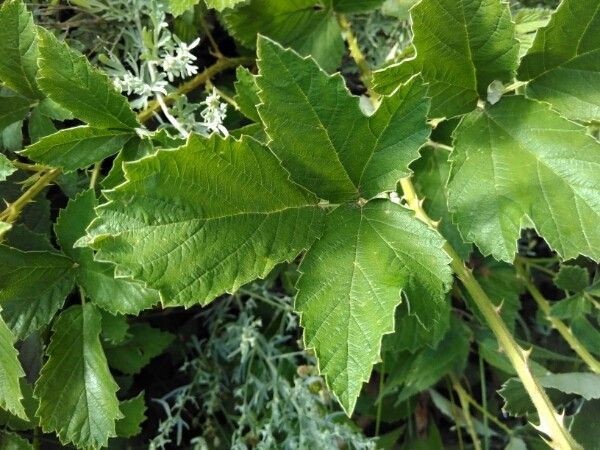
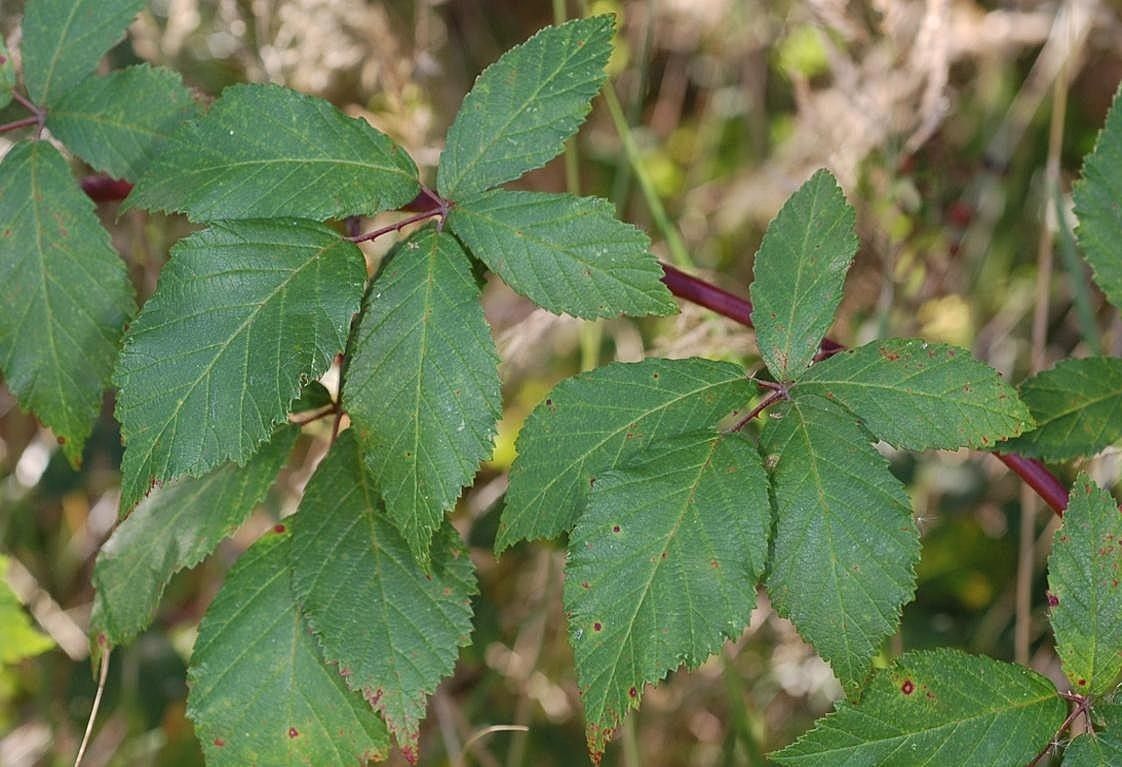
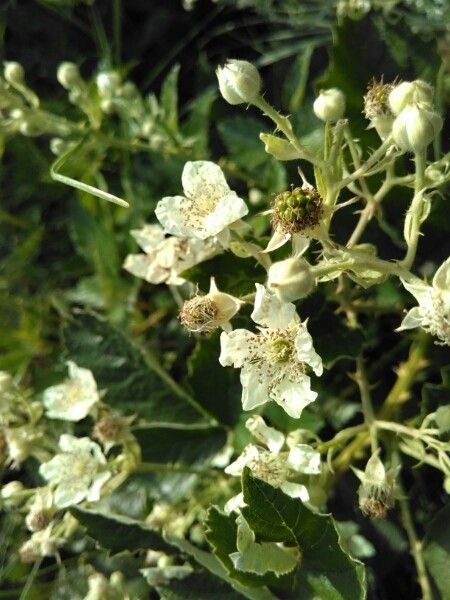
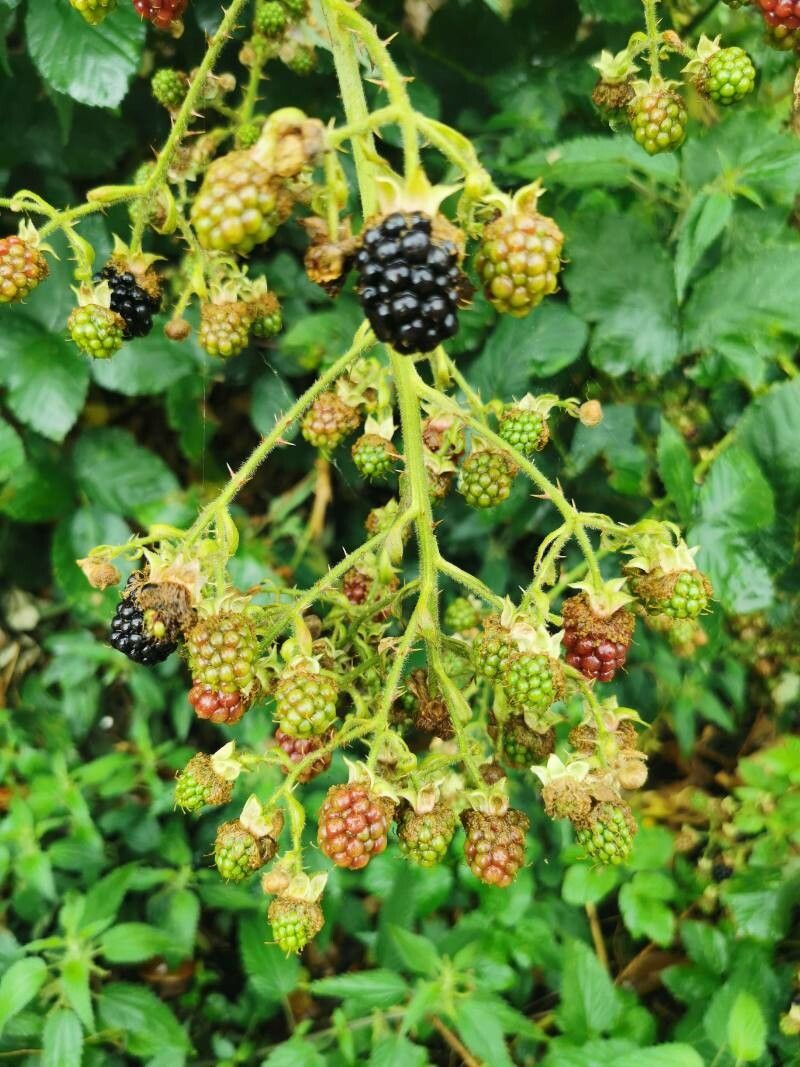
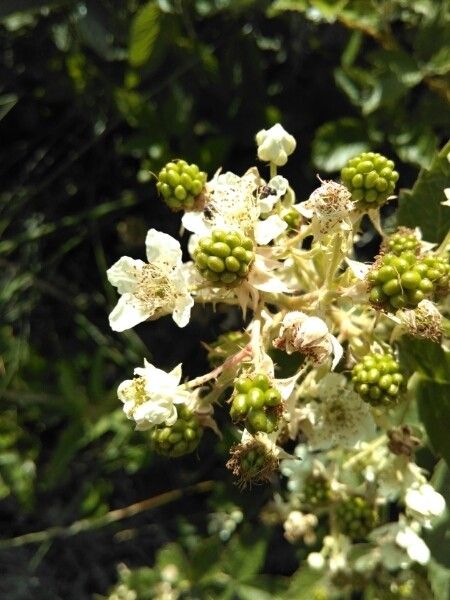
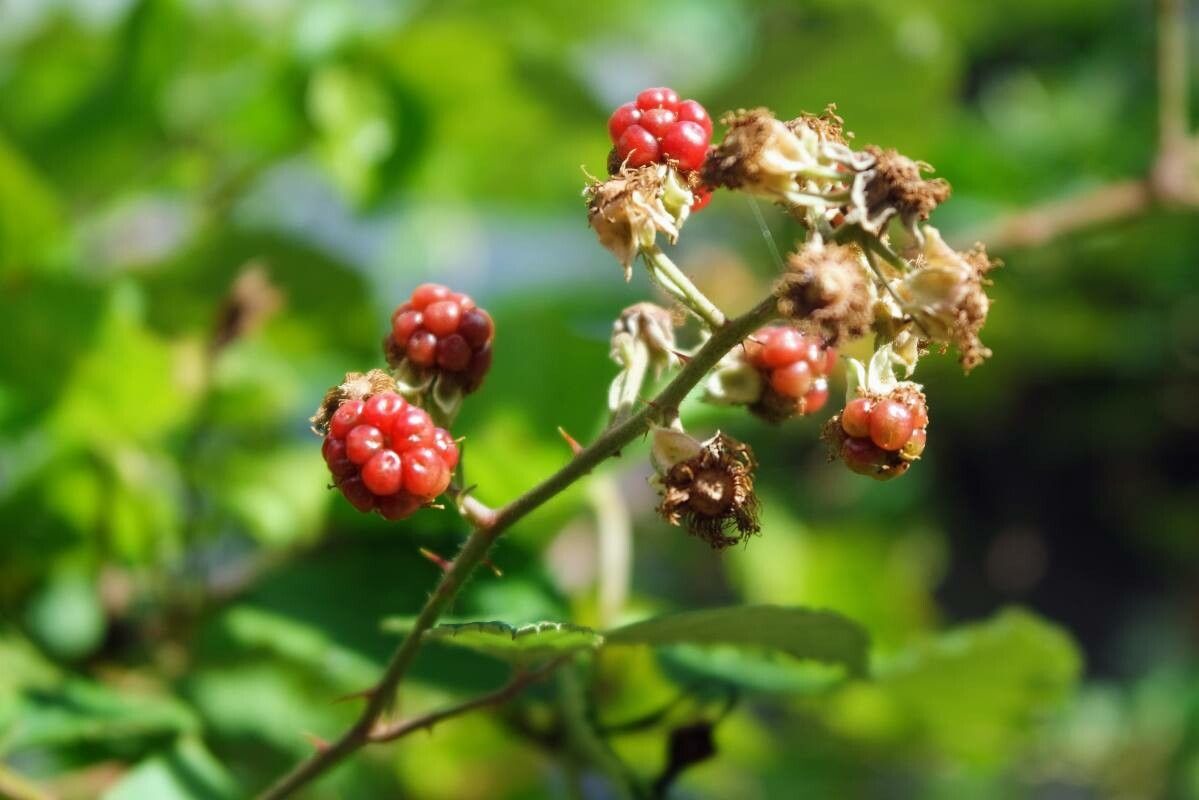
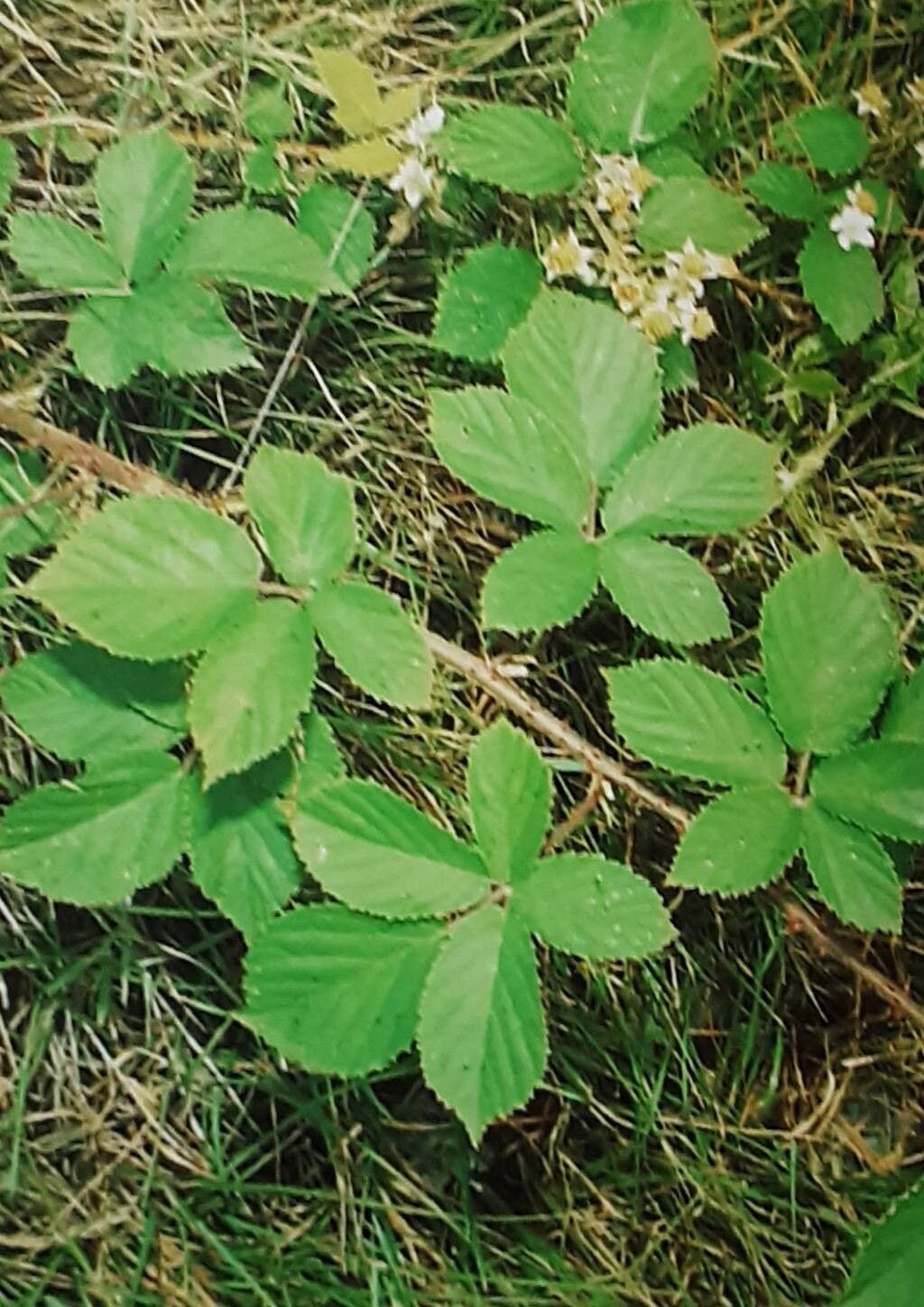
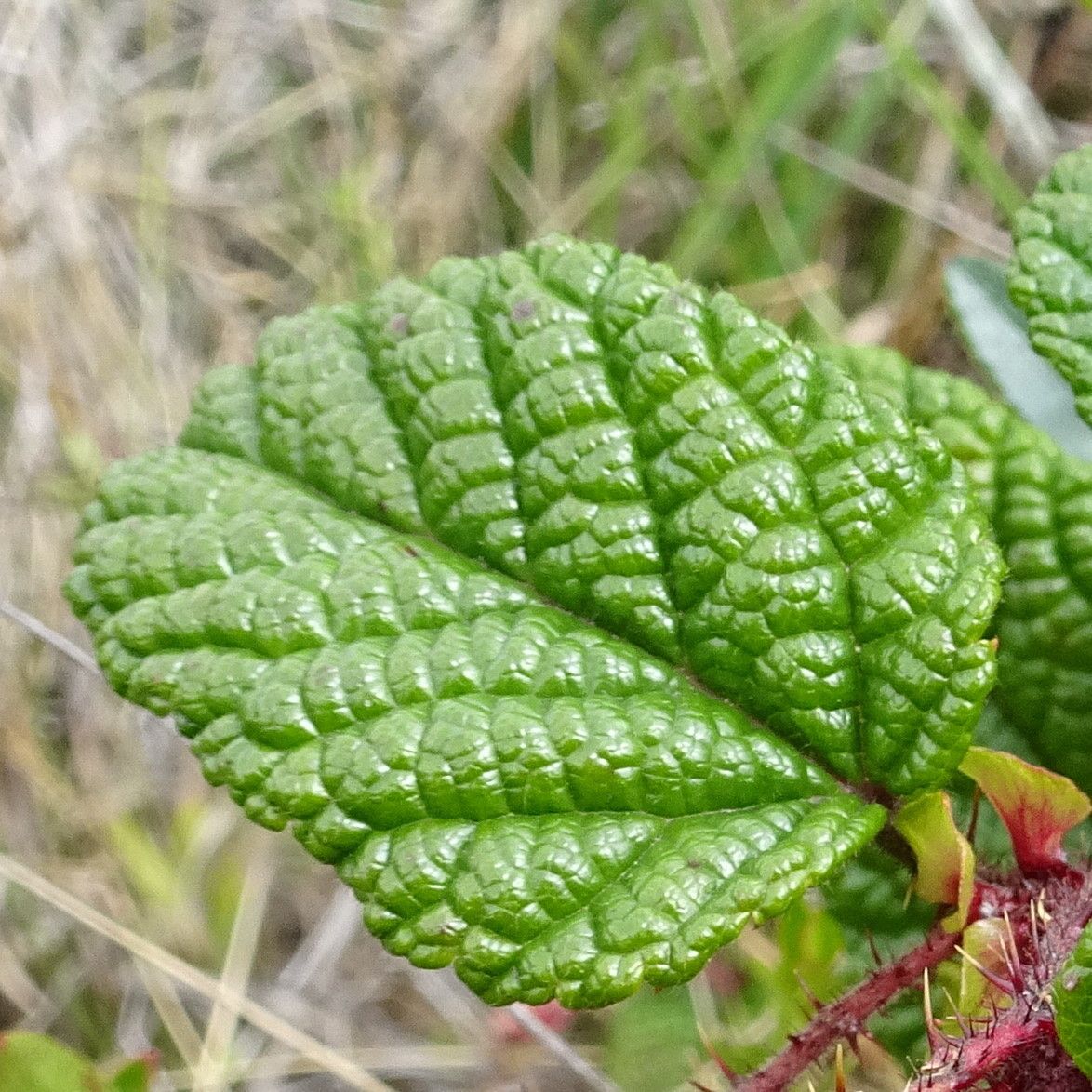
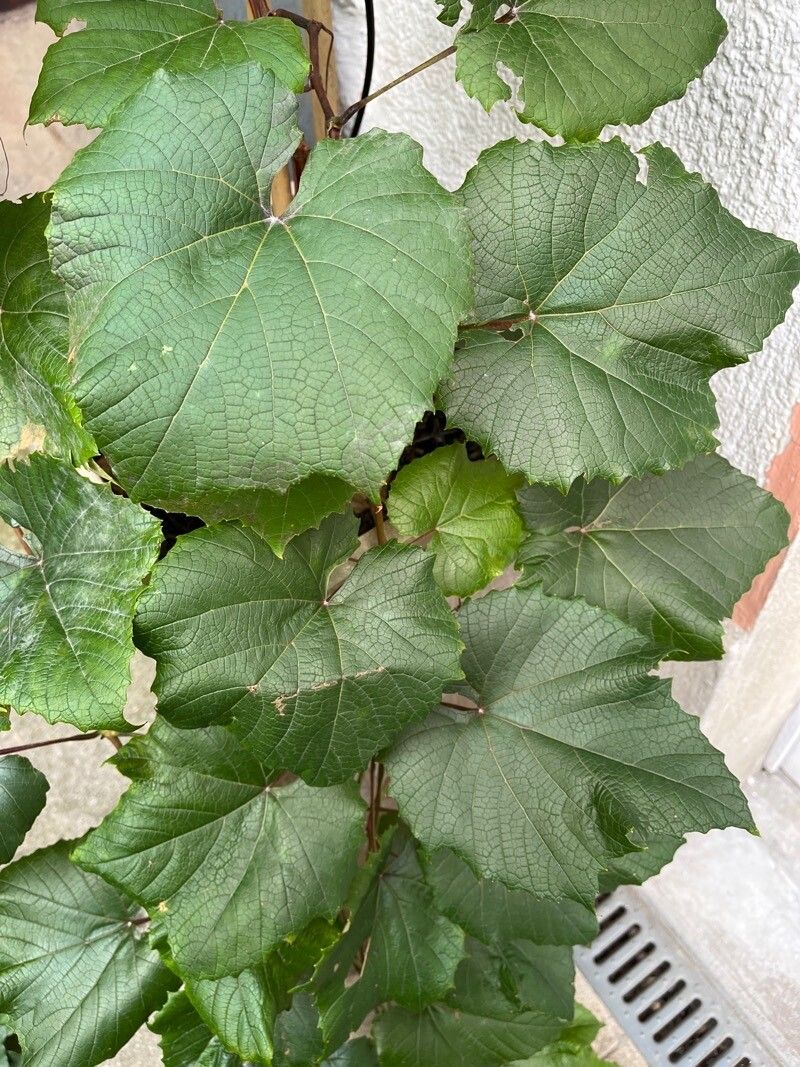
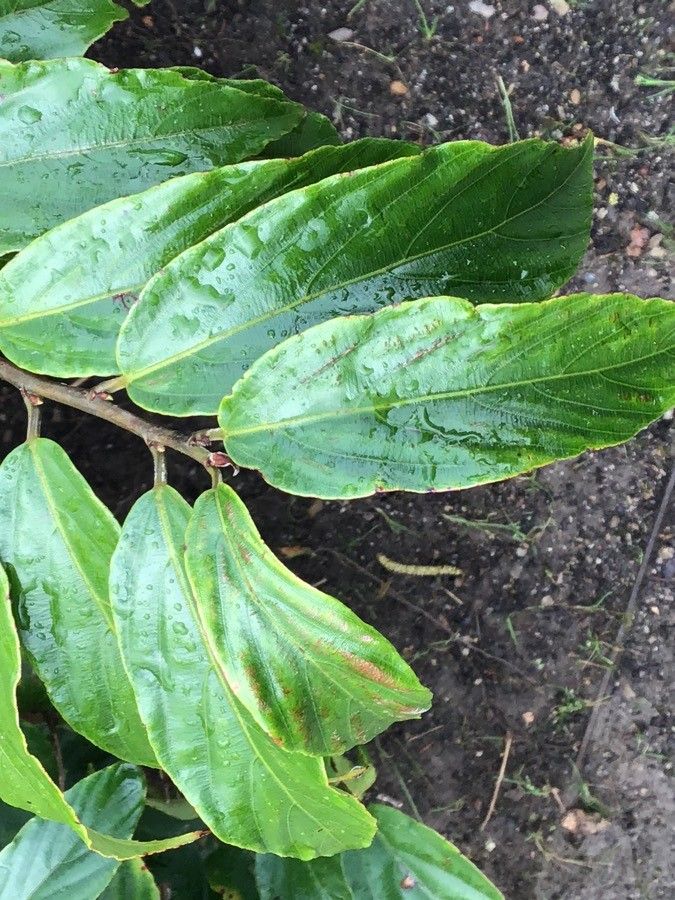
The Allegheny blackberry has strong disease resistance and is generally not susceptible to diseases. In terms of care, this plant is fairly low-maintenance. When grown outdoors it needs only minimal watering, and larger plants usually do not require pruning. However, smaller plants should be pruned after they finish blooming. The Allegheny blackberry is suitable for anyone with an outdoor area, such as a garden or a deck, and does not demand extensive gardening experience.
How to keep Rubus Montanus.
Light
The allegheny blackberry does best in locations with abundant sunlight throughout the day, although it can also adjust to sites with somewhat less sun. Its native habitat offers clear clues about its light preferences; the allegheny blackberry is a hardy species that performs well across various light conditions. Too little daylight can slow its growth, while too much light may endanger the plant's optimal health.
Temperature
Allegheny blackberry favors a temperature range of 41 to 95 ℉ (5 to 35 ℃). It grows in temperate areas and requires cooler temperatures during dormancy and warmer conditions in the growing season. In winter, keeping temperatures near 32 to 45 ℉ (0 to 7 ℃) is ideal, as this promotes bud break and fruit production.
Fertilizer
Fertilize your Allegheny blackberry in early spring to encourage healthy growth. Regular feeding improves overall plant health, resulting in vigorous growth, greater toughness in difficult conditions, and enhanced resistance to pests and diseases. Maintain a specific fertilization schedule for your Allegheny blackberry to ensure foliage that is vibrant, deeply colored, and lush in appearance.
Botanical profile.
- Plant Type
- Shrub
- Life Cycle
- Perennial
- Genus
- Rubus
- Family
- Rosaceae
- Hardiness Zone
- 5-9
- Mature Height
- 1.52 m to 2.44 m
- Mature Spread
- 1.83 m to 3.66 m
- Leaf Color
- Green
- Leaf Type
- Deciduous
- Flower Color
- White
- Flower Size
- 1.78 cm
- Bloom Time
- Late spring, Early summer
- Planting Time
- Autumn
- Harvest Time
- Mid summer