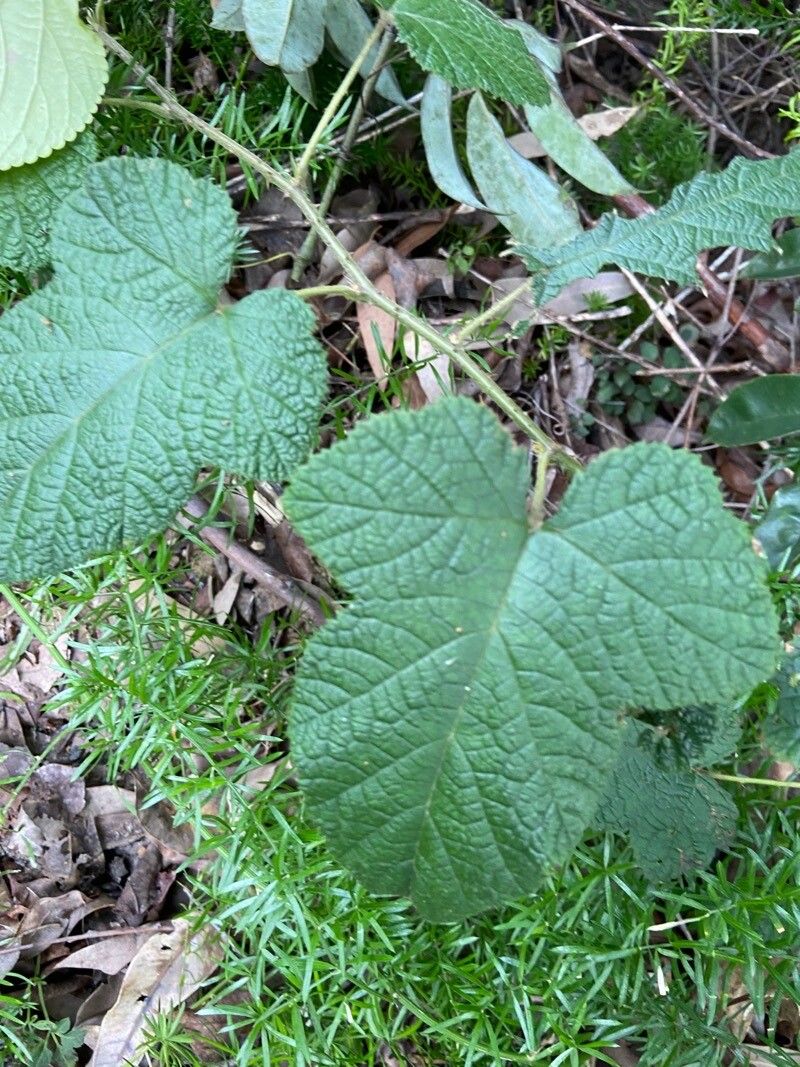
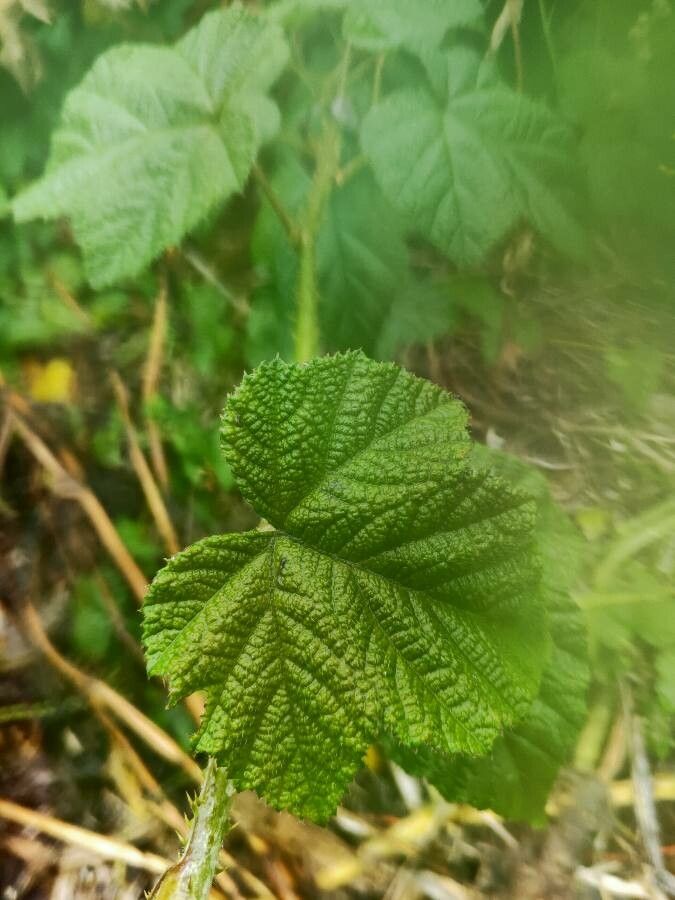
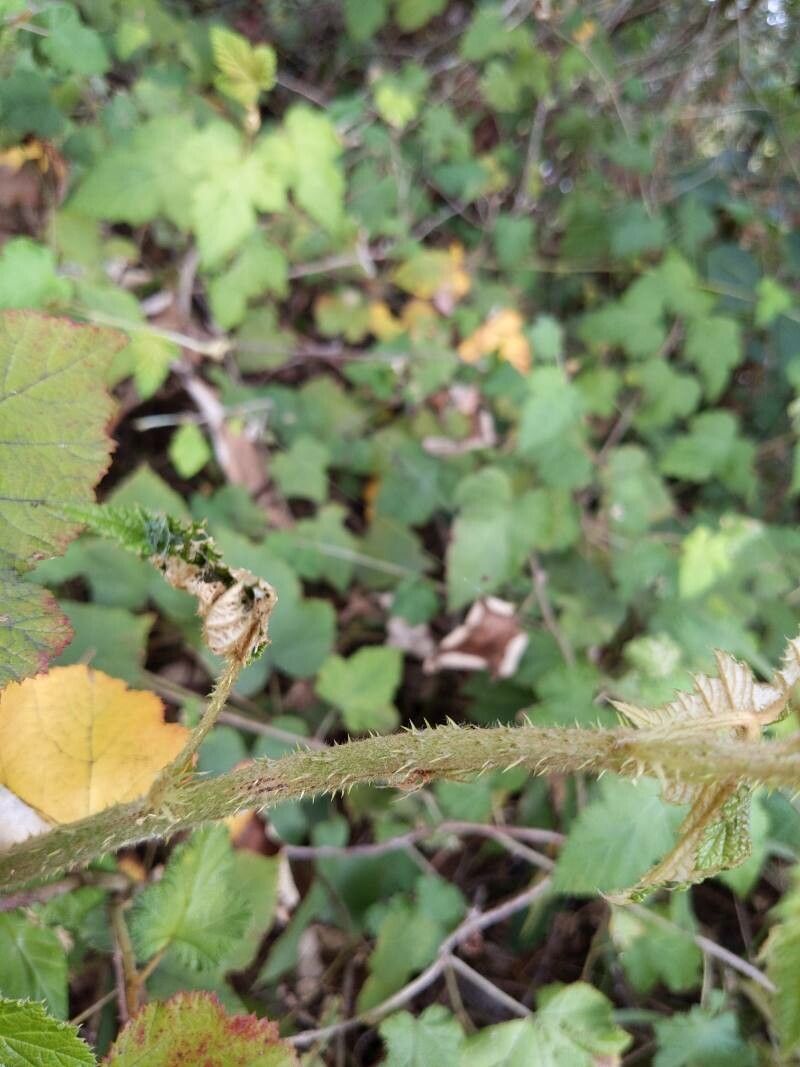
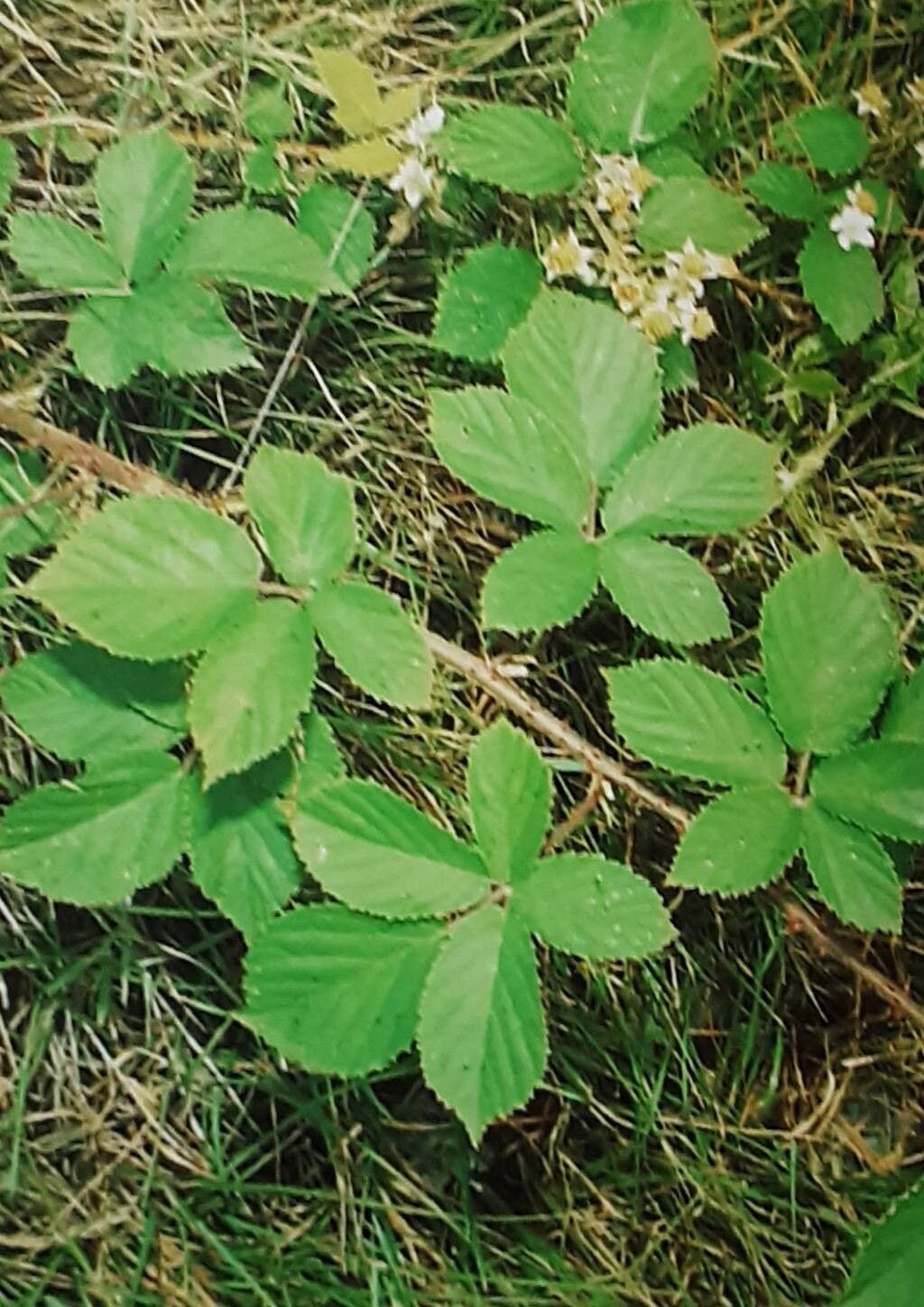
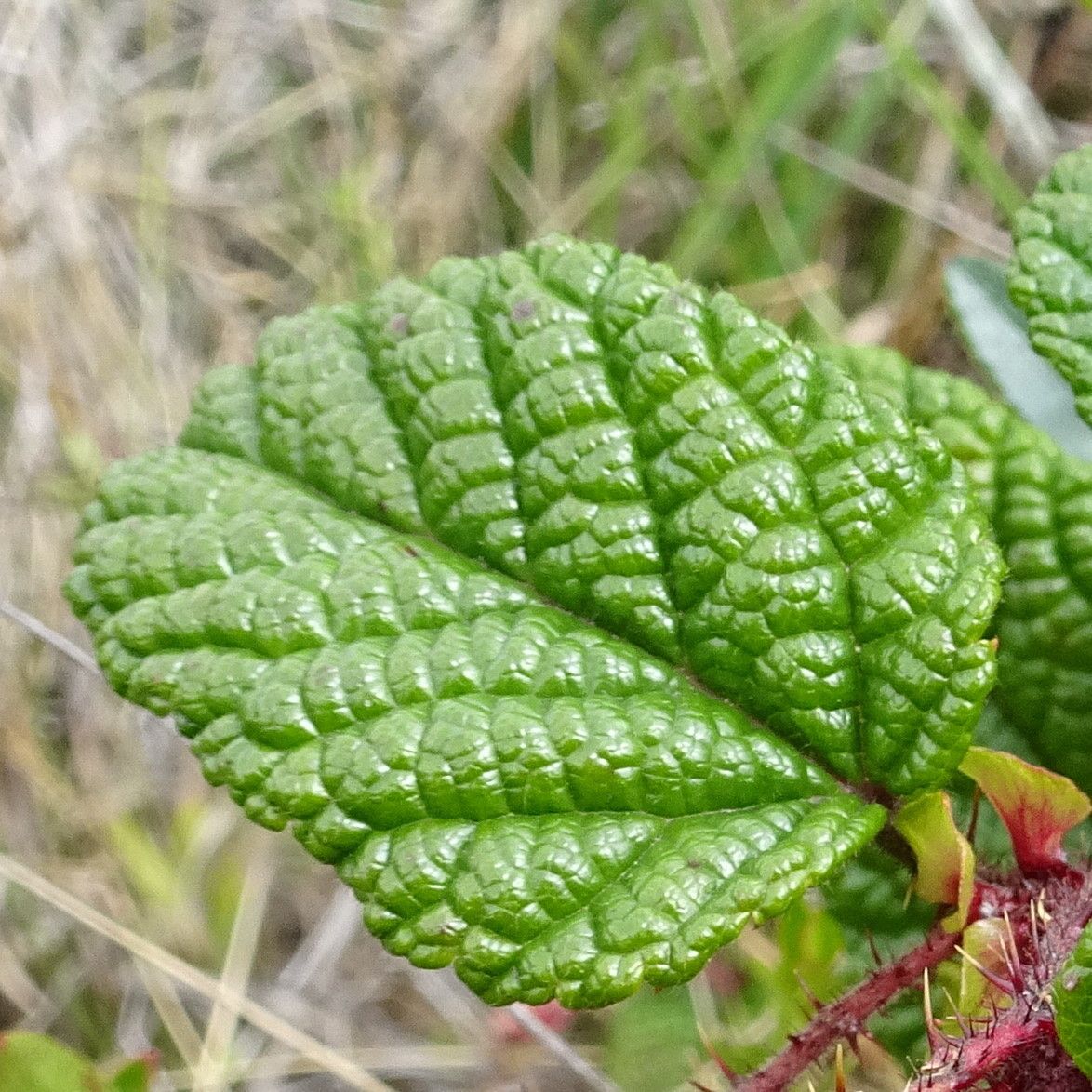
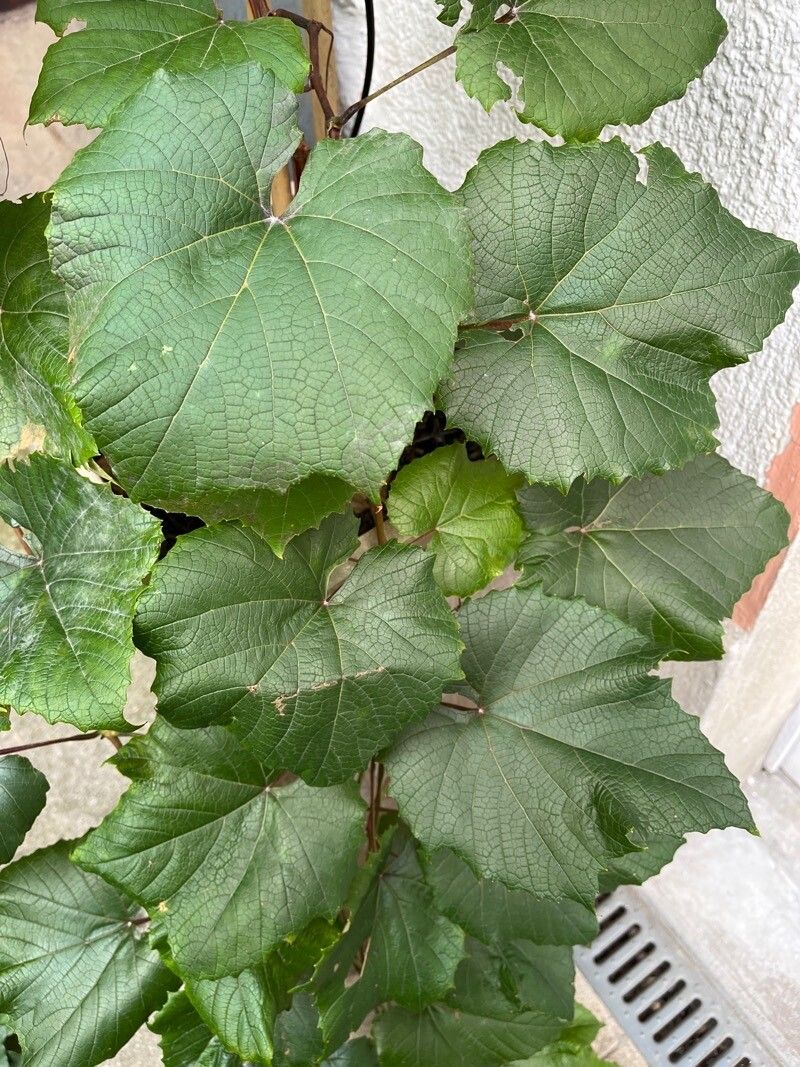
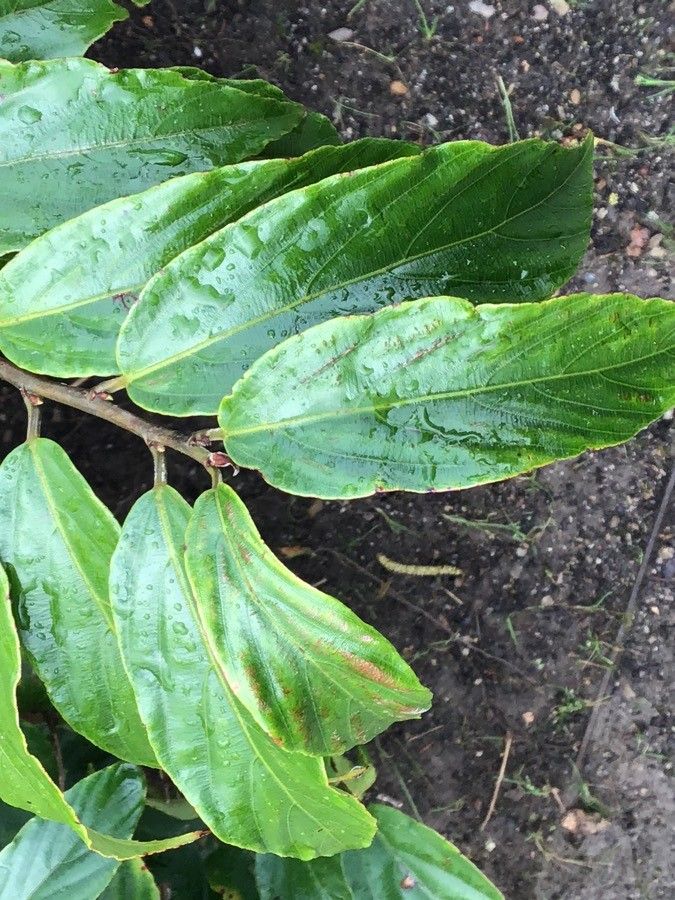
Rubus moluccanus, the Molucca bramble or broad-leaf bramble, is a scrambling shrub or climber, native to moist eucalyptus forest and rainforest of eastern Australia, distributed from Queensland to Victoria and North-East Indian states of Assam, Meghalaya, Nagaland and Arunachal Pradesh. Molucca bramble leaves are simple with 3-5 lobes, 2–15 cm long, and 3–10 cm wide, and the lower surface tomentose. Flowers pinkish red or white. Red fruit is 1.2 cm wide.
Molucca bramble has strong resistance to disease and is usually not prone to illness. Regarding care, this plant is fairly low-maintenance. When grown outdoors it needs minimal watering, and larger plants typically do not require pruning. Smaller plants, however, should be pruned after they have bloomed. Molucca bramblet is suitable for anyone with an outdoor area, such as a garden or deck, and does not demand much care experience.
How to keep Rubus Moluccanus.
Light
Molucca bramble is native to habitats like forest understories and rocky areas, where it grows in natural shade. It prefers partial sun but can tolerate both full sun and full shade, showing its hardy and adaptable nature.
Water
Molucca bramble thrives in areas with varying moisture levels, demonstrating both drought tolerance and a preference for moderate humidity. It should be watered every 2 to 3 weeks, with the soil allowed to dry out between waterings. Being an evergreen, it efficiently retains water, making it well-suited for outdoor cultivation in regions with natural rainfall.
Temperature
Molucca bramble is quite adaptable to temperature, able to endure higher heat and considerable temperature fluctuations. In hot weather, care should be taken with watering and by offering suitable shade to prevent sunburn. Conversely, Molucca bramble is not very tolerant of low temperatures. While it can handle some cold, excessively frigid conditions may result in frost damage.
Fertilizer
The Molucca bramble needs adequate nutrients to produce fruit at its best. Fertilize in early spring to promote new growth and flowering. Regular feeding keeps the plant healthy, results in more flavorful fruit, and prevents nutrient deficiency issues like yellowing leaves and reduced fruit production.
Pruning
Pruning Molucca bramble during its dormant period from early to late winter is crucial for maintaining its health and shape. Remove any dead or diseased wood and thin out dense areas to improve air circulation. This process encourages new growth and helps control the plant's aggressive spread.
Botanical profile.
- Plant Type
- Shrub
- Life Cycle
- Perennial
- Genus
- Rubus
- Family
- Rosaceae
- Hardiness Zone
- 9-11
- Mature Height
- 91 cm
- Mature Spread
- 2.13 m to 3.05 m
- Leaf Color
- Green
- Leaf Type
- Evergreen
- Flower Color
- White
- Flower Size
- 1.52 cm
- Bloom Time
- All year round
- Planting Time
- Spring, Summer
- Harvest Time
- All year round
- Native Area
- Malaysia, Indonesia, Vietnam, Myanmar, Vanuatu, Philippines, Singapore, Laos, Fiji, Thailand
Other names.
Reader questions.
What are the sunlight requirements for Molucca Bramble?
Molucca Bramble (Rubus moluccanus) thrives in various sunlight conditions. For full sun exposure, it requires more than 6 hours of sunlight daily. If you are aiming for partial sun, about 3-6 hours of sunlight will suffice. It's important to observe how sunlight moves through your garden throughout the day. Choosing spots that provide a balance of light and shade will ensure the well-being of your plants. This careful observation helps in determining the perfect location for your Molucca Bramble, making sure it gets just the right amount of sunlight for optimal growth and health.
What is the botanical name of Molucca bramble?
The botanical name of Molucca bramble is Rubus moluccanus.