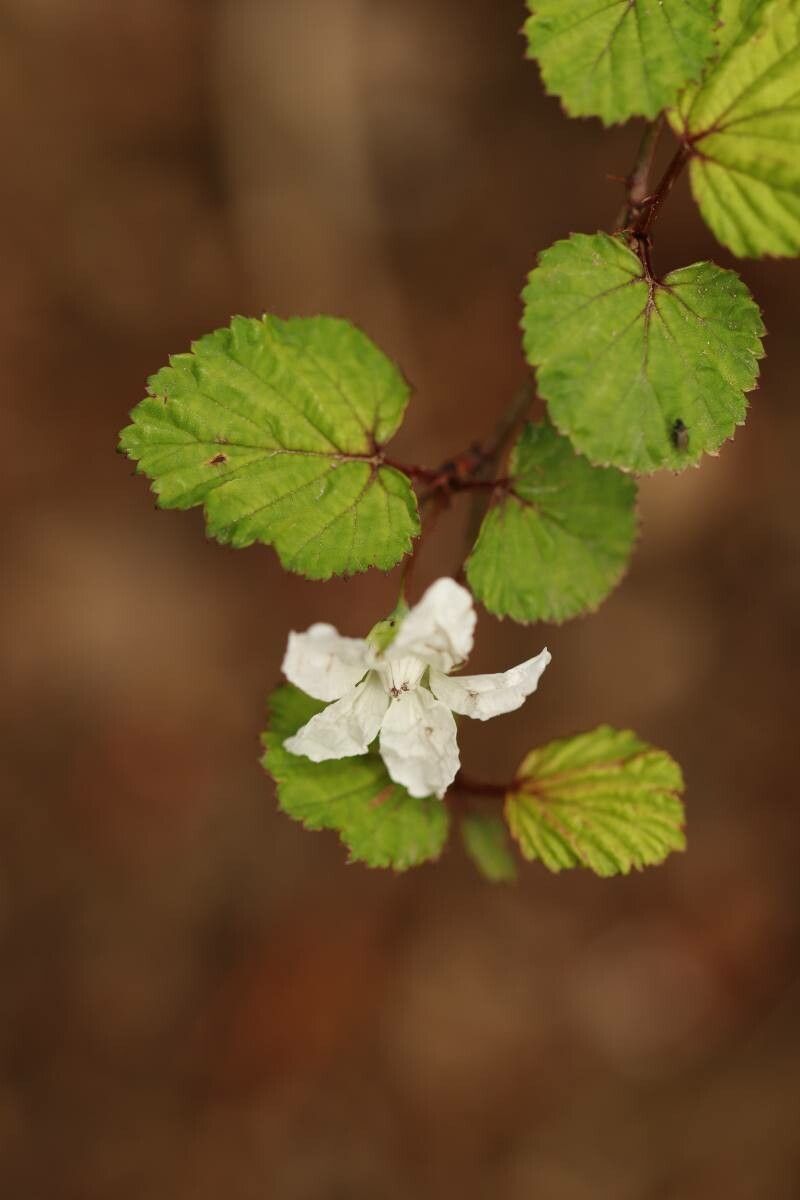
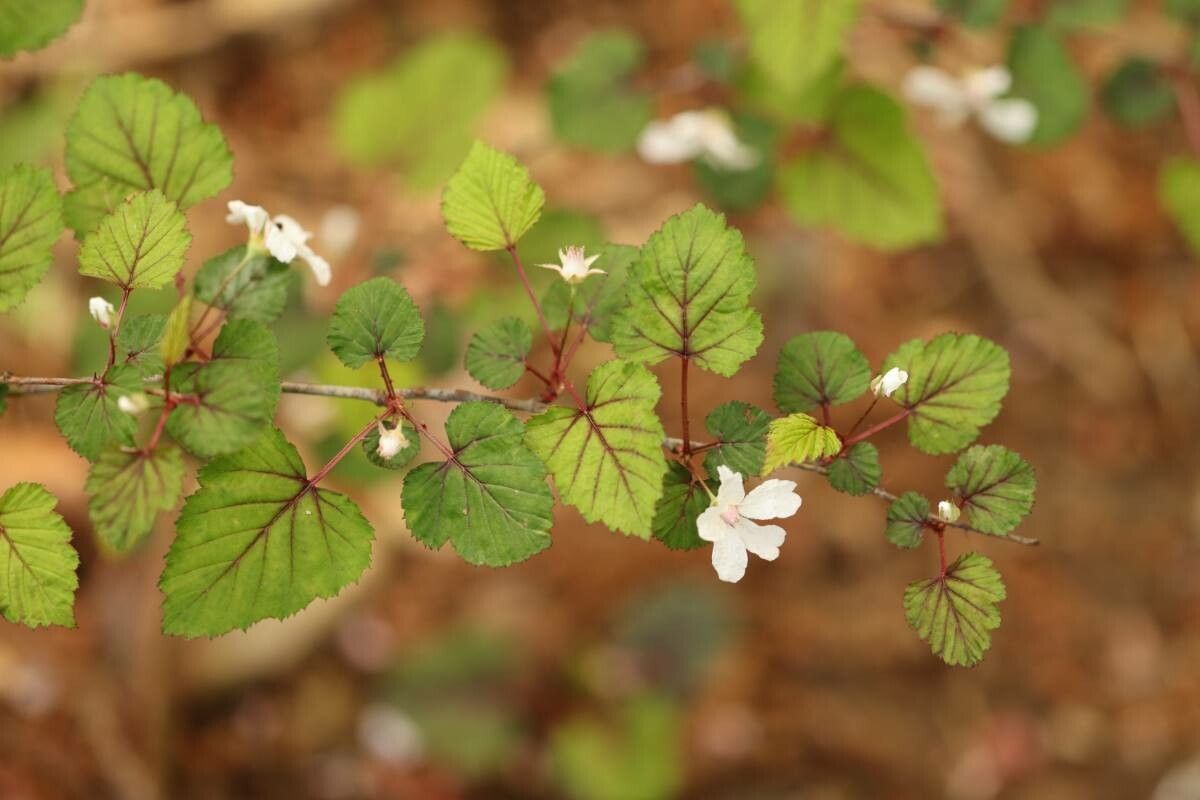
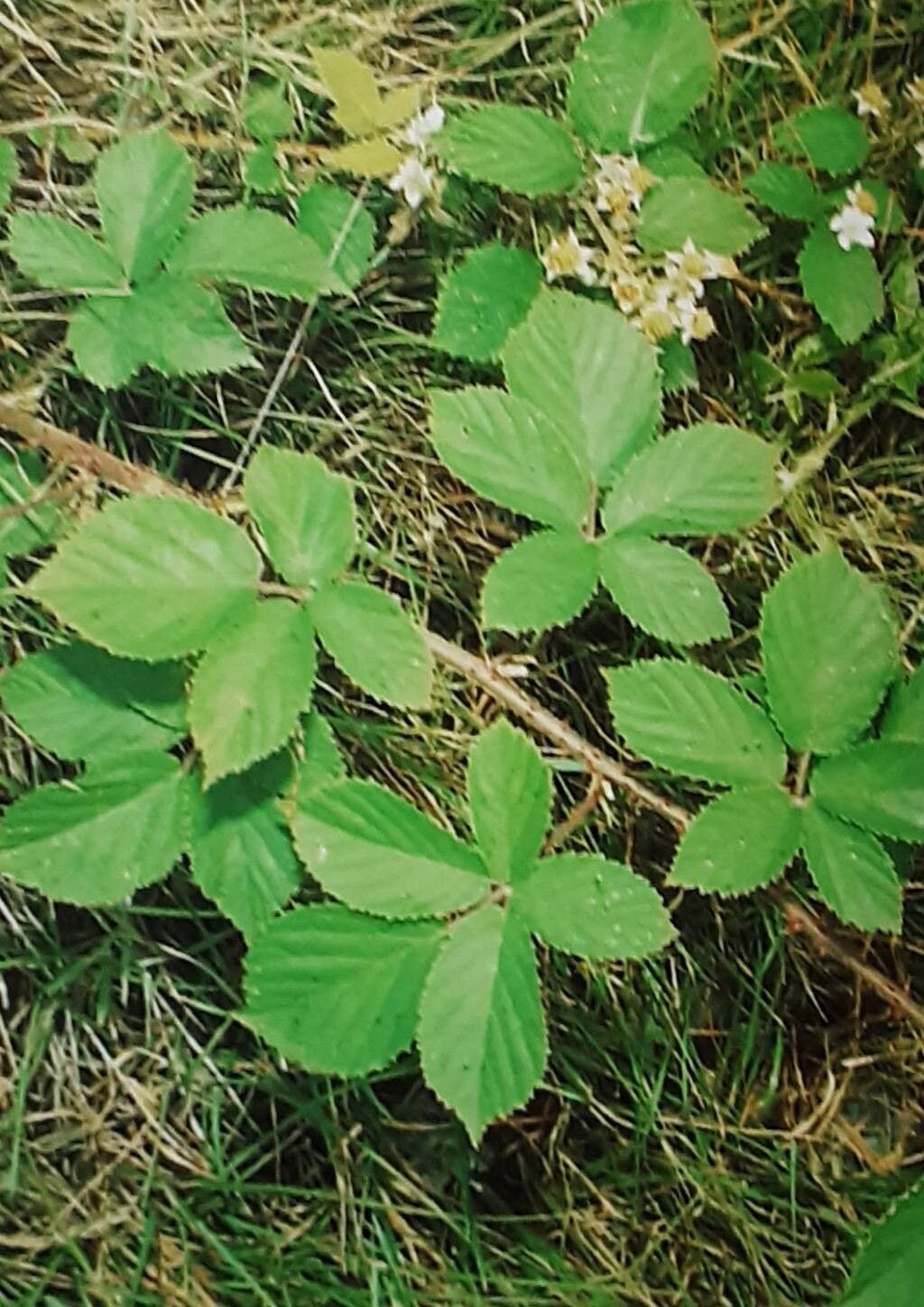
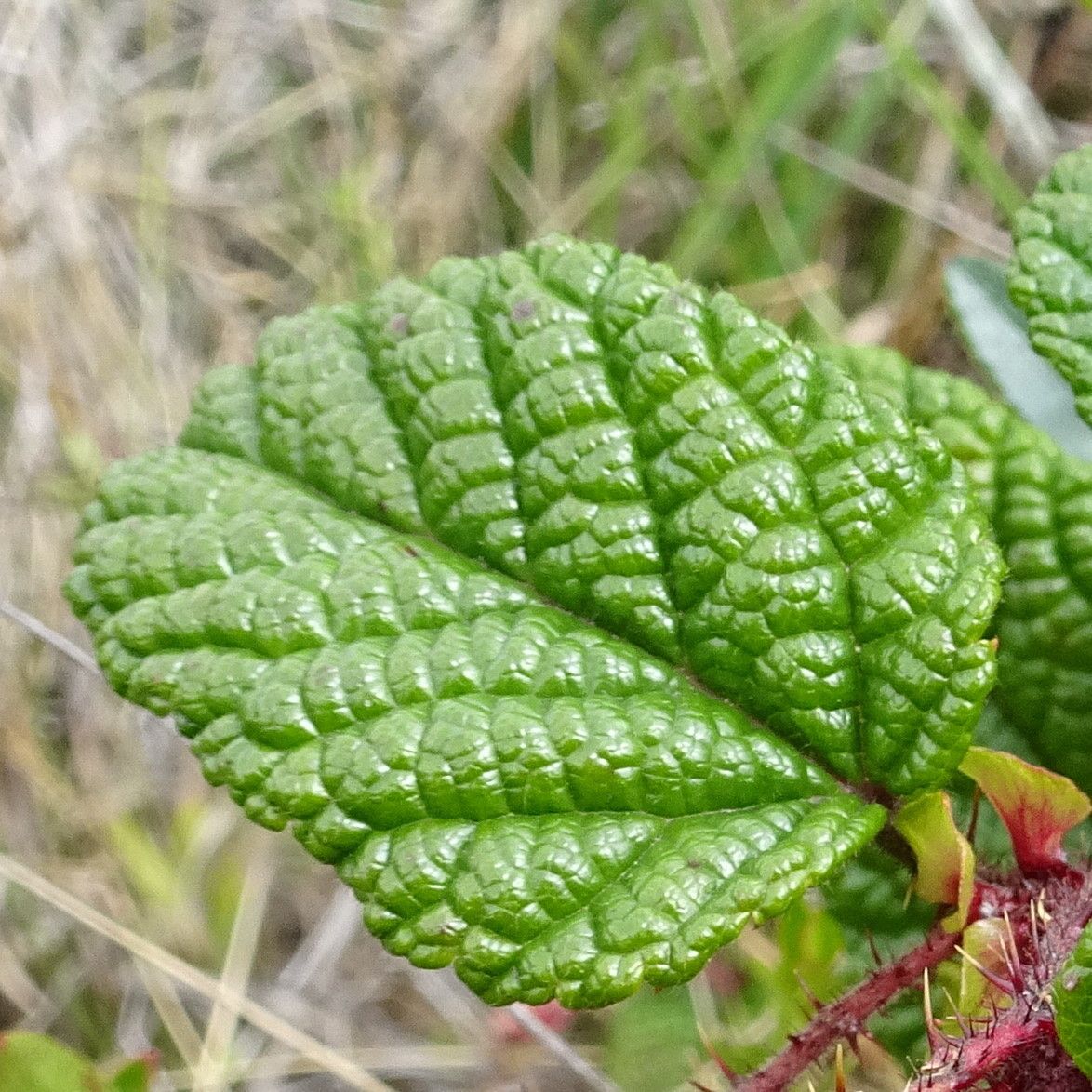
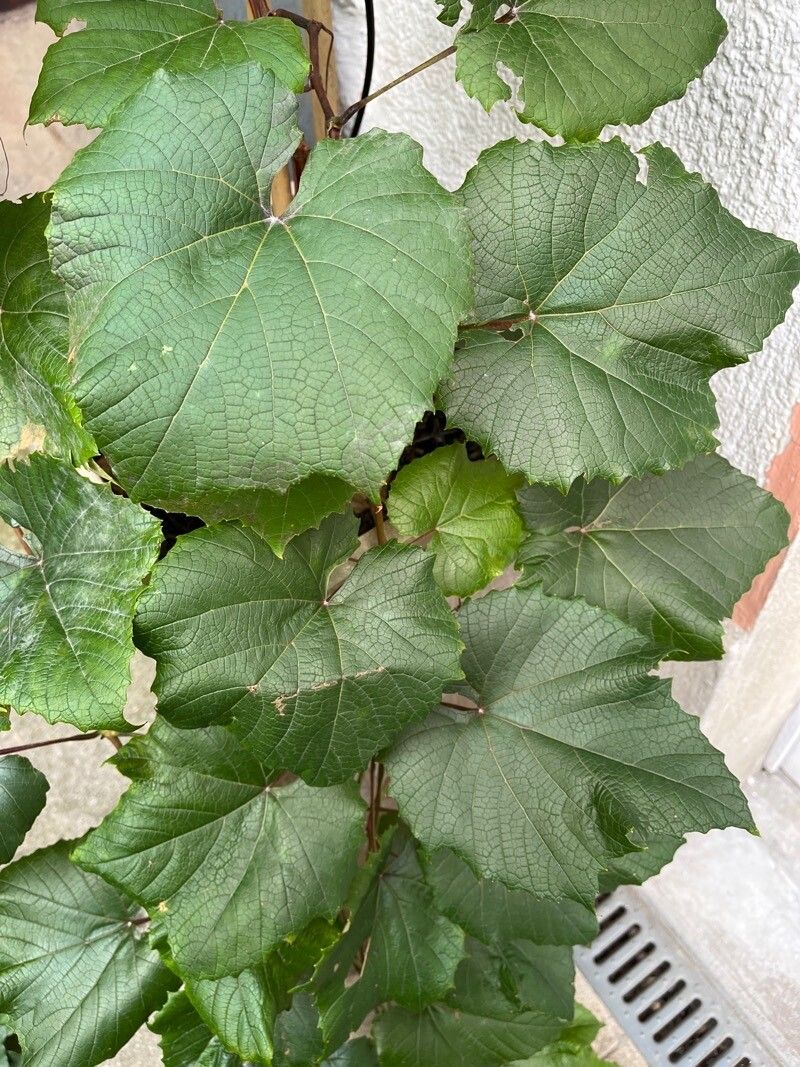
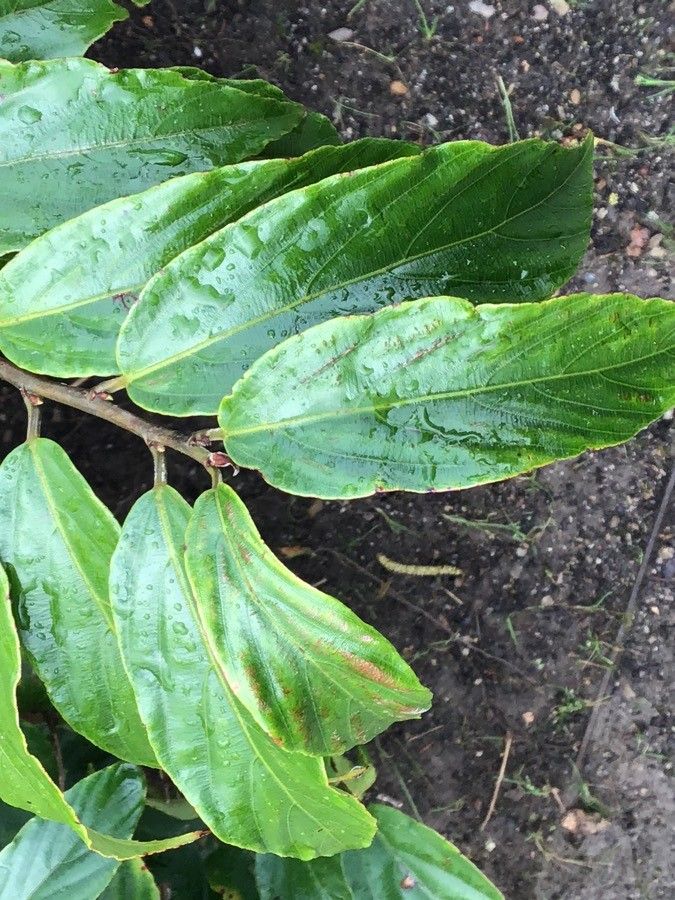
Mysore raspberry has strong resistance to disease and is generally not susceptible to problems. In terms of care, the plant is fairly low-maintenance. When grown outdoors, it needs little watering, and larger specimens usually do not need pruning. Smaller plants, however, should be pruned after they have bloomed. Mysore raspberryt is appropriate for anyone with an outdoor space, such as a garden or deck, and does not require much experience in caring for it.
How to keep Rubus Microphyllus.
Light
The Mysore raspberry comes from open settings like bright meadows and edges of forests, which provide plenty of sunlight. It flourishes in complete sunlight but can also withstand partial sunlight, showing good adaptation to different light conditions.
Temperature
The Mysore raspberry thrives in areas with a moderate climate, preferring temperatures between 59 and 100.4°F (15 to 38°C). To acclimate the plant to colder or hotter conditions, gradual changes in temperature are required. Pay attention to the changing seasons and make adjustments as needed.
Fertilizer
For optimal fruit yield, the Mysore raspberry plant necessitates ample nutrients. Administer fertilizers in the beginning of spring to encourage the development of new growth and blossoms. Frequent fertilization supports the plant's health, enhances the production of tastier fruit, and avoids problems related to nutrient deficiencies such as foliage discoloration and inferior fruit yield.
Botanical profile.
- Plant Type
- Shrub
- Life Cycle
- Perennial
- Genus
- Rubus
- Family
- Rosaceae
- Hardiness Zone
- 8-11
- Mature Height
- 0.91 m to 2.44 m
- Mature Spread
- 0.91 m to 2.13 m
- Leaf Color
- Green
- Leaf Type
- Evergreen
- Flower Color
- White, Pink
- Flower Size
- 1.02 cm
- Bloom Time
- Summer, Early fall, Mid fall
- Planting Time
- Spring, Summer, Autumn
- Harvest Time
- Late summer, Fall, Early winter
- Native Area
- Nepal, Sri Lanka, Afghanistan, India, Malaysia, Kazakhstan, Indonesia, Vietnam, Myanmar, Philippines, Bhutan, Pakistan, Laos, Thailand, China