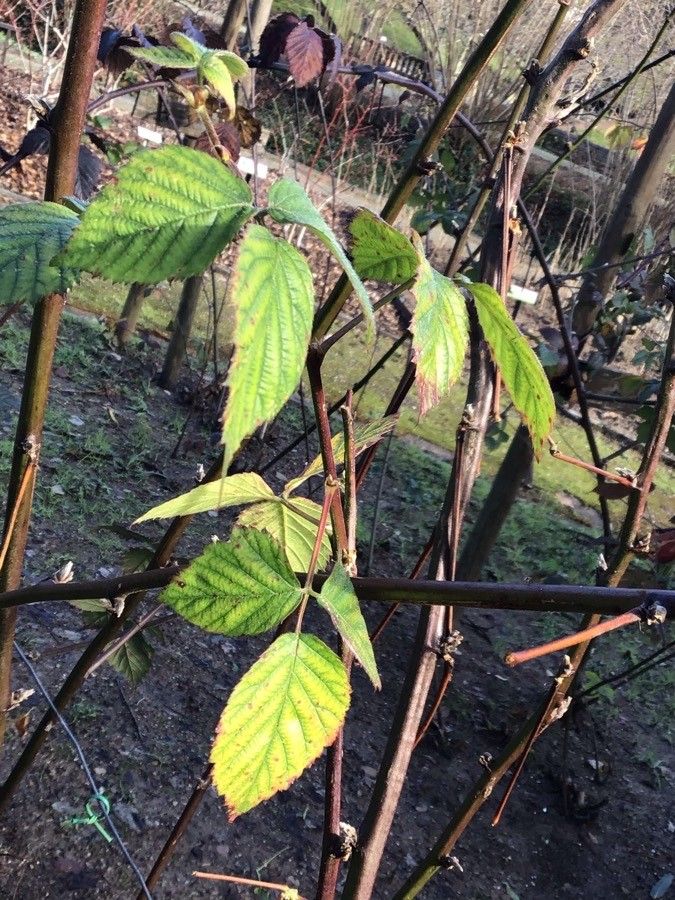
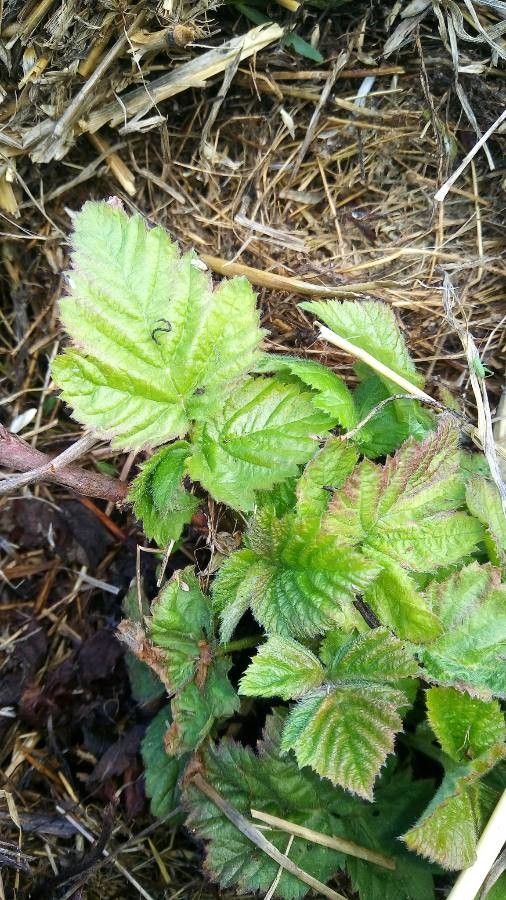
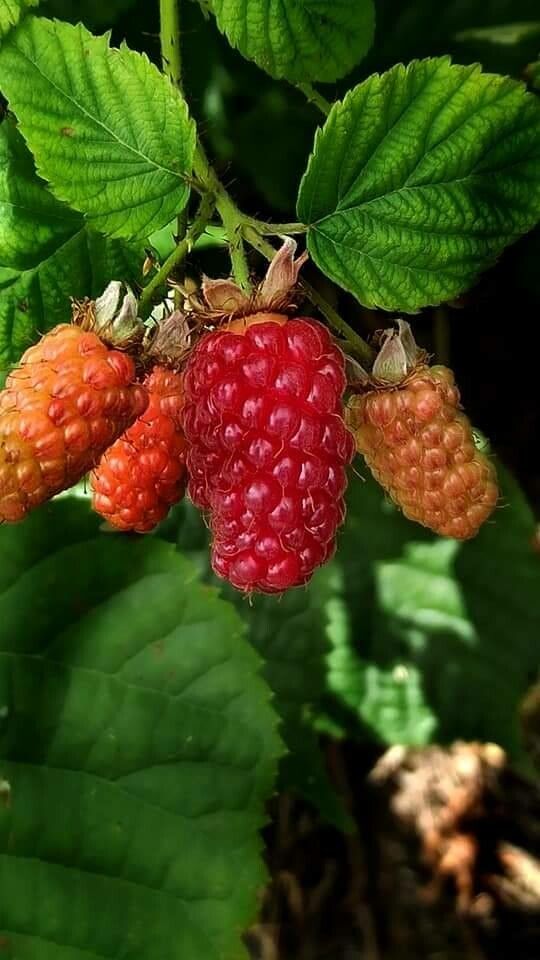
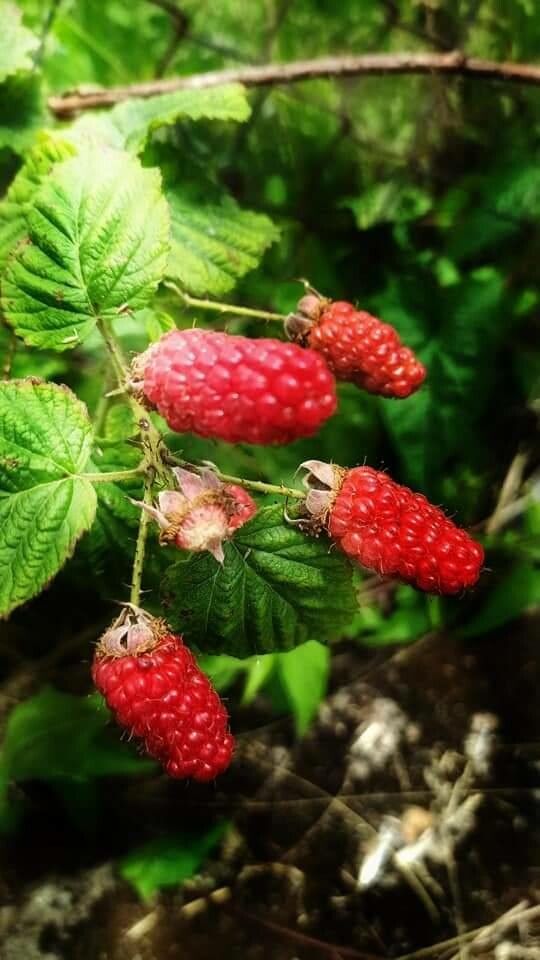
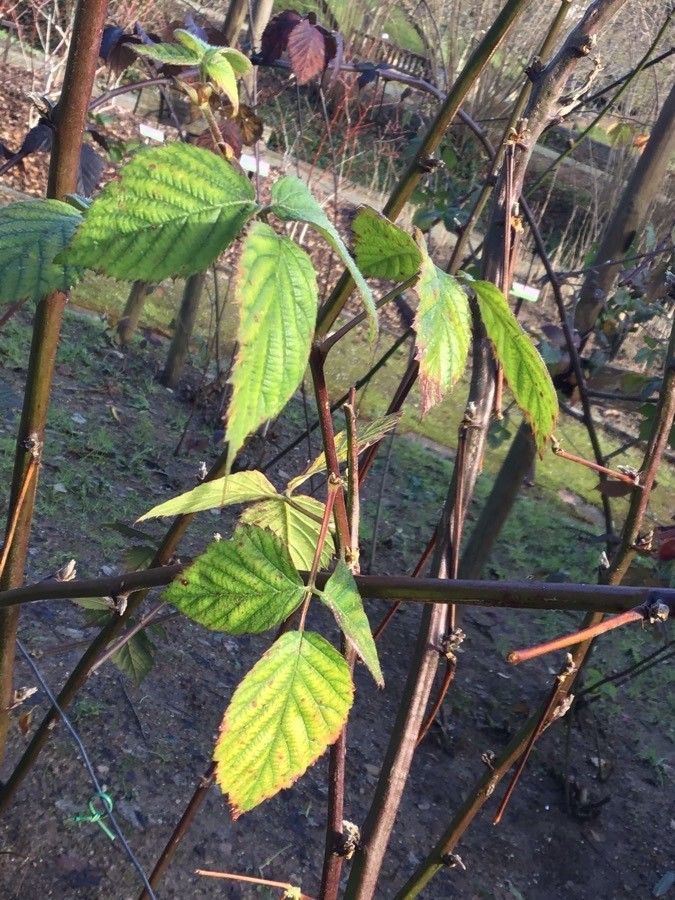
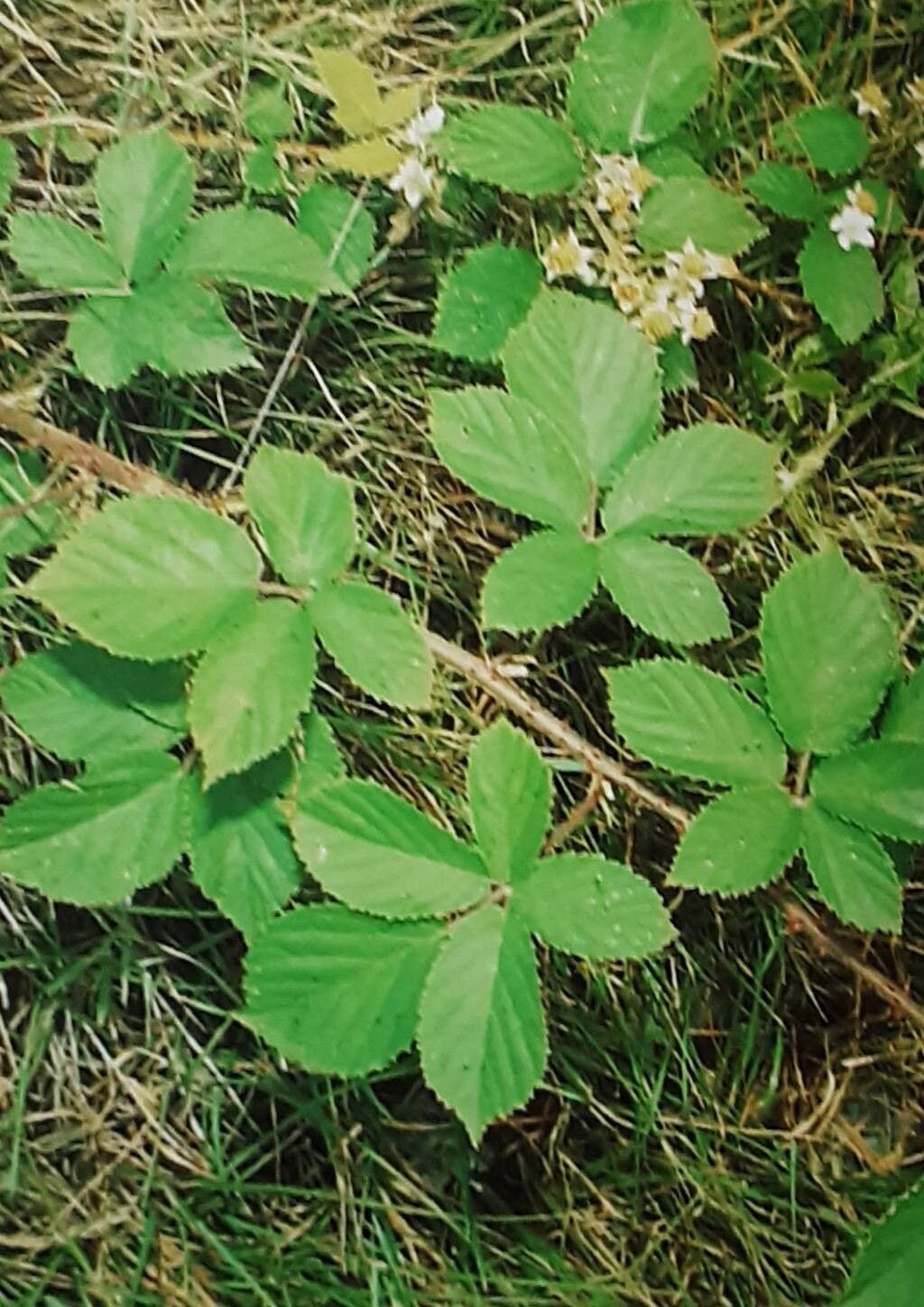
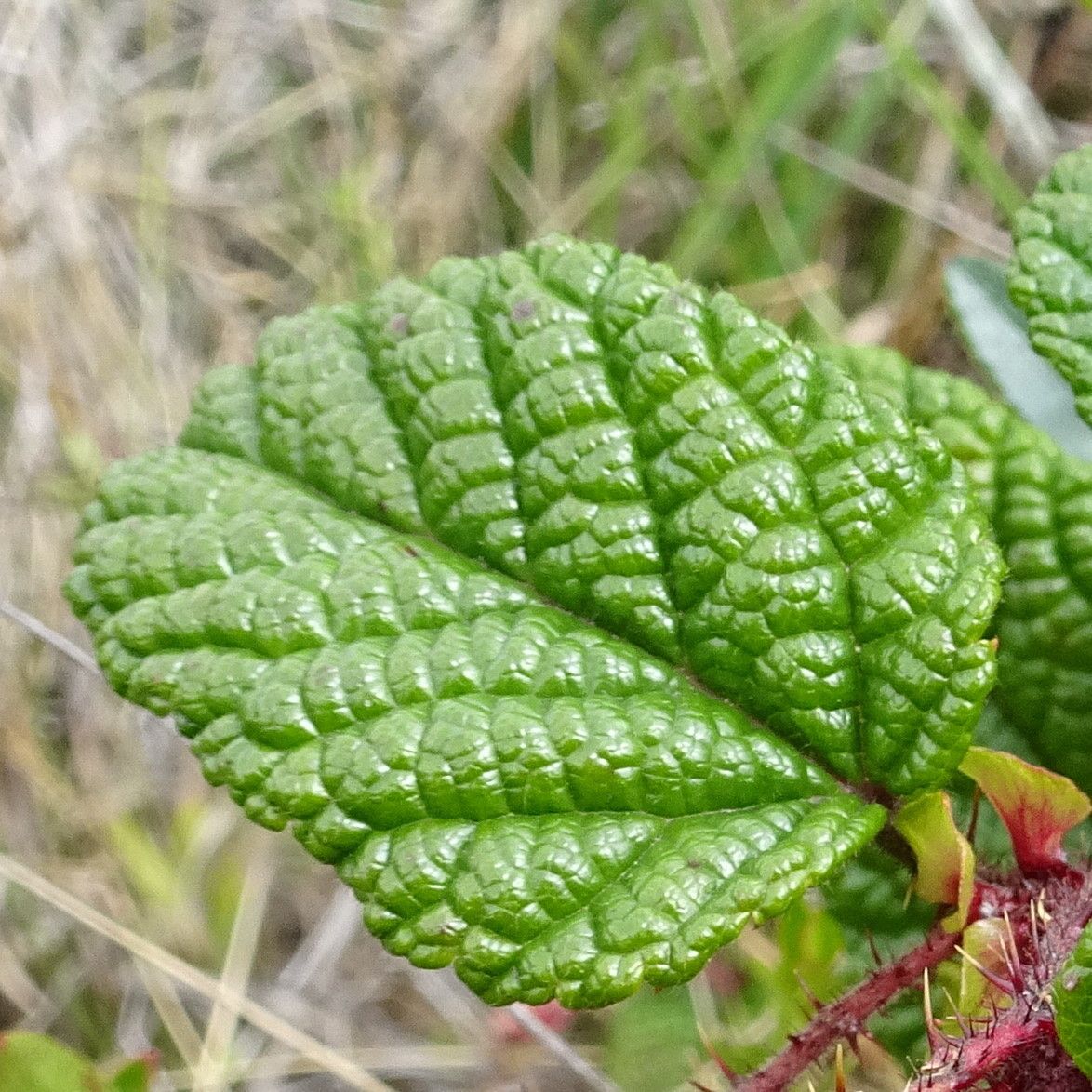
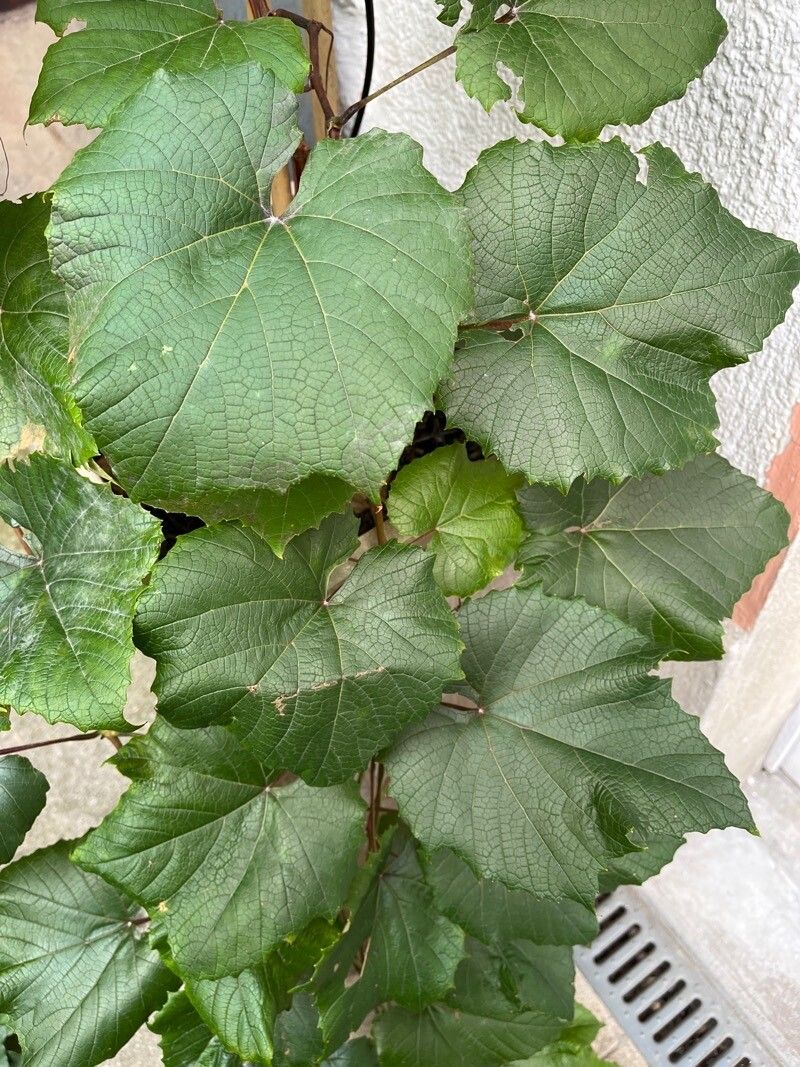
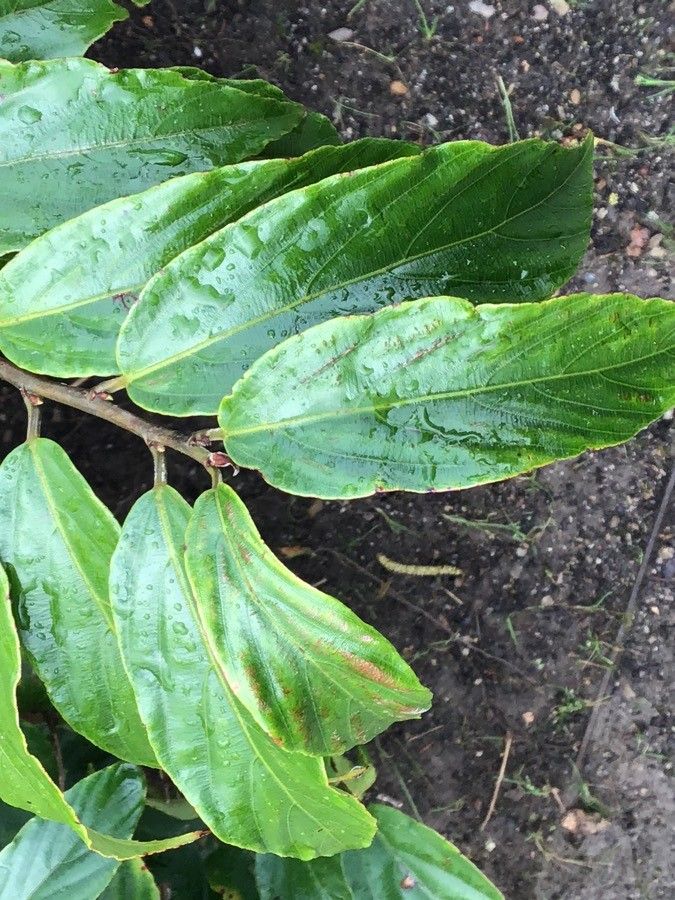
The loganberry (Rubus × loganobaccus) is a hybrid of the North American blackberry (Rubus ursinus) and the European raspberry (Rubus idaeus).The plant and the fruit resemble the blackberry more than the raspberry, but the fruit color is a dark red, rather than black as in blackberries. Loganberries – which were an accident of berry breeding by James Harvey Logan, for whom they are named – are cultivated commercially and by gardeners.
Loganberry resists diseases well and is generally not susceptible to them. In terms of care, this plant is fairly low-maintenance. When grown outdoors it needs little watering, and larger plants typically do not require pruning. Smaller plants, however, should be pruned after they have finished blooming. Loganberryt is suitable for anyone with an outdoor area, such as a garden or deck, and does not demand much gardening experience.
How to keep Rubus Loganobaccus.
Light
Loganberry is native to environments exposed to the elements, like sunlit meadows and the periphery of woodlands, where there's plenty of illumination. It flourishes in Full Sun, yet can withstand Partial Sun, exhibiting good adaptability to differing sunlight circumstances.
Water
Native to moderate climates, loganberries thrive in consistently moist soil, though care should be taken to avoid waterlogging. Regular watering is essential—twice a week is recommended—with an increased frequency during the growing season to boost berry production. Although loganberries are fairly resilient to brief dry spells, they are well-suited for outdoor cultivation.
Temperature
Loganberry shows a remarkable capacity to adapt to a range of weather conditions, from hot summers to cold winters. Nonetheless, it does have a preferential temperature scope for development. If temperatures rise too high, the plant is susceptible to thermal and humidity pressure, leading potentially to its death. In places where temperatures near its cold endurance limit, it's necessary to apply insulating techniques to safeguard the plant.
Fertilizer
The Loganberry plant needs ample nutrients for the best possible fruit yield. Apply fertilizer in the beginning of spring to encourage new growth and development of blooms. Consistent fertilization allows the plant to stay in good condition, produce tastier fruit, and stops issues related to nutrient shortage such as yellowing of leaves and inadequate fruit production.
Pruning
Loganberry plants, known for their thorny canes and juicy berries, need annual pruning to maintain their health and productivity. Important steps include removing dead canes and improving air circulation, which is best done in early spring. By using clean tools and cutting the canes at the base, you can boost fruit production and lower the risk of disease.
Botanical profile.
- Plant Type
- Shrub
- Life Cycle
- Perennial
- Genus
- Rubus
- Family
- Rosaceae
- Hardiness Zone
- 5-9
- Mature Height
- 1.52 m
- Mature Spread
- 1.52 m
- Leaf Color
- Green
- Leaf Type
- Deciduous
- Flower Color
- White, Pink
- Flower Size
- 2.03 cm to 3.05 cm
- Bloom Time
- Mid spring, Late spring
- Planting Time
- Spring, Summer, Autumn
- Harvest Time
- Early summer, Mid summer
Other names.