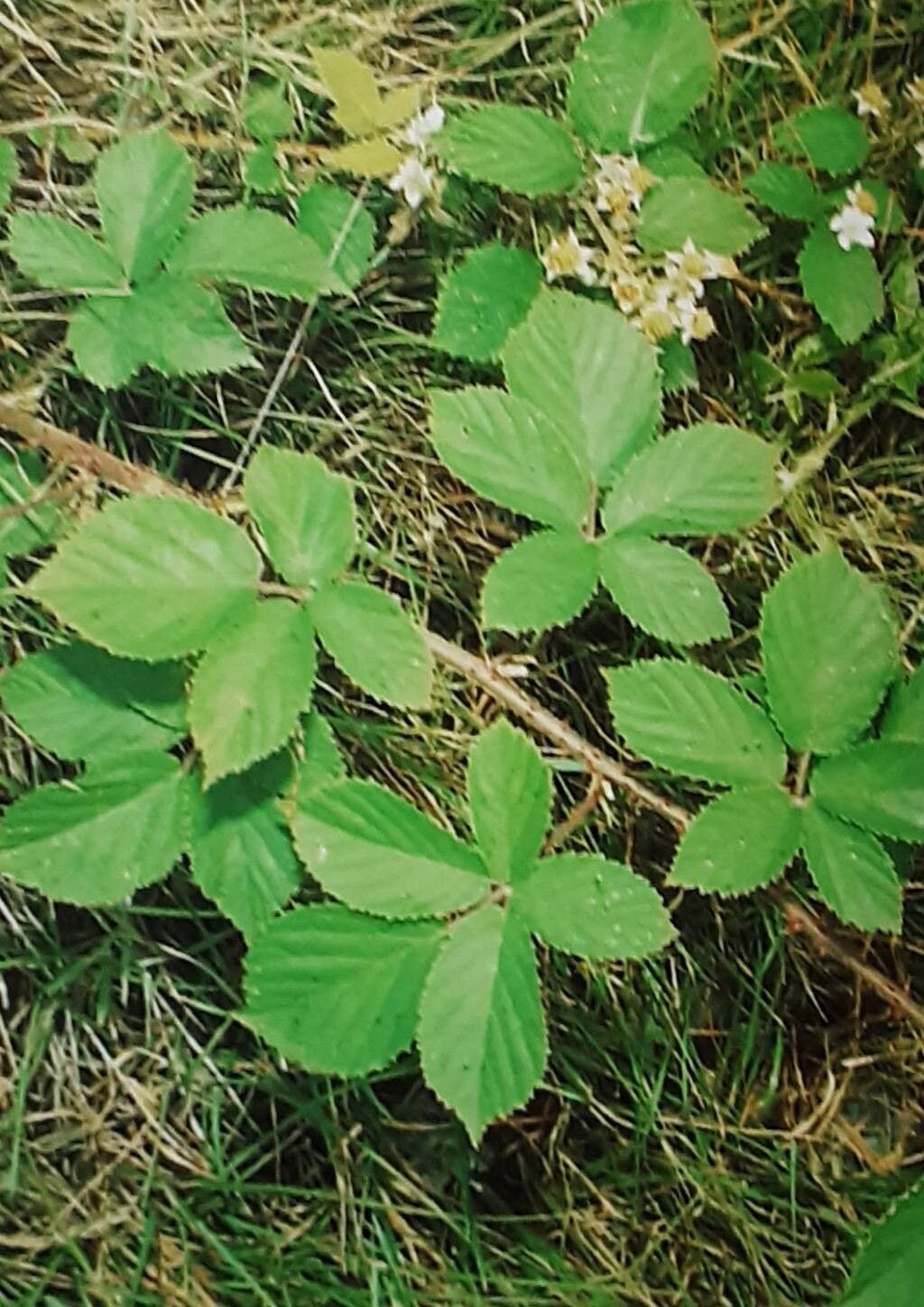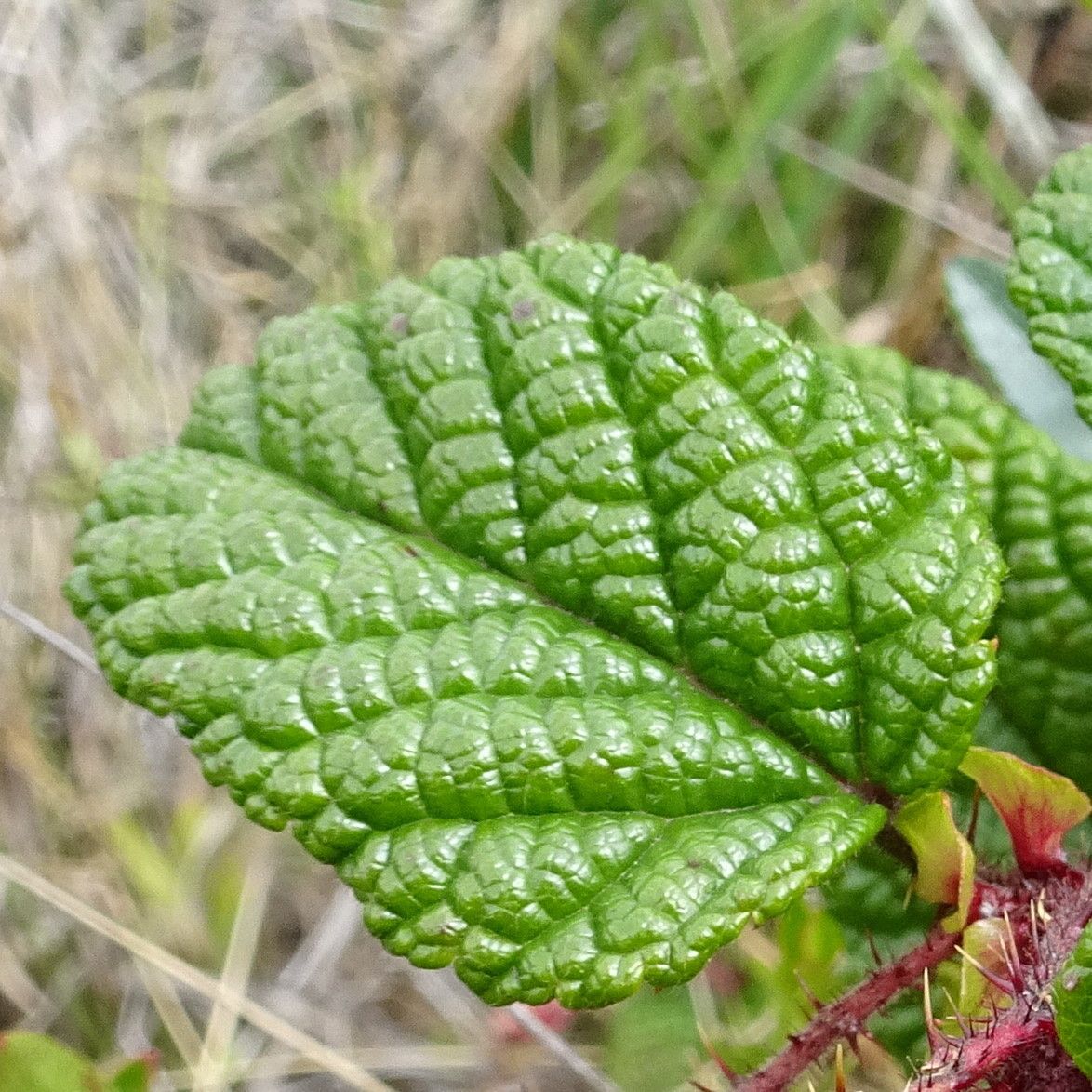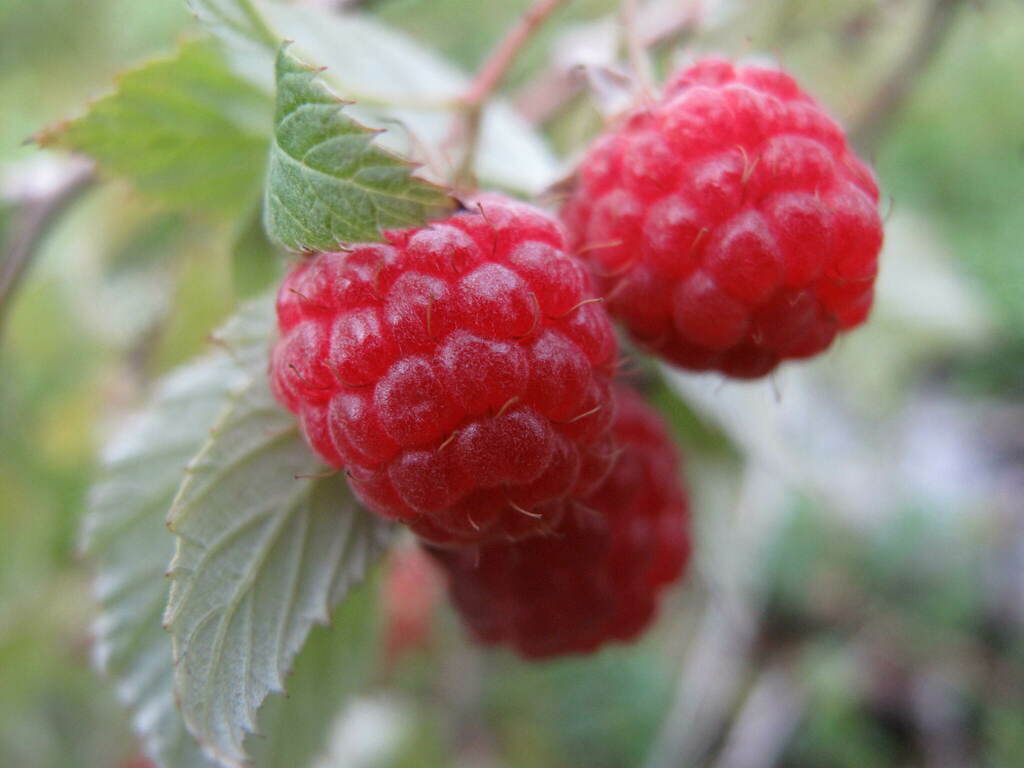
Rubus idaeus, commonly known as the raspberry plant, is a deciduous shrub belonging to the rose family. Native to Europe and Asia, it has been widely cultivated around the world for its delicious and nutritious fruits. The plant typically grows up to 2 meters tall, featuring woody stems with thorny branches and alternate leaves with serrated edges.
In late spring or early summer, the raspberry plant produces small white or pink flowers that give way to juicy red berries by mid-summer. These fruits are rich in vitamins C and K, fiber, antioxidants, and other beneficial nutrients, making them a popular choice for jams, jellies, desserts, or eating fresh.
The raspberry plant prefers well-drained soil with moderate moisture levels but can tolerate some drought conditions. It thrives best in full sun but can also grow in partial shade.
The European red raspberry can be compared to a young woman who appears delicate and lovely, yet possesses a resilient spirit. Amidst green mountains and fields, it blooms with pride and confidence, producing vibrant red fruits that add striking beauty to the expansive green landscape. FUN FACT · FROM THE LIBRARY
Beyond its culinary uses, Rubus idaeus also possesses medicinal properties. Its high polyphenol content provides anti-inflammatory effects, which can be effective against oxidative stress-related diseases such as cancer. Additionally, it contains ellagic acid, which helps prevent cell damage caused by free radicals.
Overall, Rubus idaeus is an attractive ornamental shrub that offers aesthetic value with its beautiful springtime flowers and delicious summer fruits. It makes an excellent addition to any garden or landscape design project.
Red Raspberry: The term "raspberry" traces its origins to the mid-15th century, specifically from the word "raspise," which referred to a sweet, rose-colored wine. It also connects to the Anglo-Latin term "vinum raspeys" and the Germanic word "raspoie," which means "thicket." In Anglo-Saxon, the name "raspberry" translates to "rough berry," likely inspired by the fruit's textured appearance. Initially, the berries are covered with a layer of bristles, which take on a bumpy texture as they ripen. When fully mature, the berries turn a vibrant red, hence the common name "red raspberry."
Red raspberry has good disease resistance and is generally not susceptible to illnesses. However, in a poor environment the plant can become more prone to disease. It also suffers from few insect pests. Its care requirements are moderate. It needs plenty of sunlight, because with insufficient light it may become more disease-prone and produce thin, spindly growth. Since it is often kept indoors, it may need to be moved regularly to a well-lit spot. The plant does not need frequent watering. Overall, Red raspberry is suitable for most people, though it is best for those who can provide strong light conditions.
How to keep Rubus Idaeus.
Light
Red raspberry does best in locations with plenty of sunlight, which is essential for its optimal growth and health. In the wild it receives abundant sun, though it can also adjust to areas with less light. Too much or too little sunlight can affect the plant's health and growth. Different stages of development may call for varying amounts of sun exposure.
Water
Red raspberries, which are native to temperate regions, thrive in environments with moderate moisture and well-drained soil. To care for them, water the plants every 1-2 weeks, ensuring the soil remains moist but not waterlogged. During their dormancy period, reduce the frequency of watering to prevent root rot, as their water requirements decrease during cooler months.
Humidity
This plant will thrive in moderate humidity, which is probably the level in your home. However, misting it a few times a week can be very beneficial. Make sure the room has good ventilation.
Temperature
Red raspberry originates from areas with mild climates and does best when temperatures range from 68 to 95 °F (20 to 35 ℃). During very hot or very cold periods, try to keep temperatures within this preferred range to promote healthy growth.
Fertilizer
The red raspberry plant needs adequate nutrients to produce fruit optimally. Fertilize in early spring to support new growth and flower development. Regular feeding keeps the plant healthy, produces more flavorful fruit, and prevents nutrient-deficiency problems like yellowing leaves and reduced fruit production.
Pruning
Red raspberry plants have thorny stems and produce sweet berries. To care for them, prune the plants from early to late winter. Remove old canes and thin out the new growth to improve sunlight exposure and air circulation. Use sharp, clean tools to make cuts just above healthy buds, which will promote better growth and fruit production.
Pot & Repot
When repotting Red raspberry, select a container 1-2 inches (2.5–5.1 cm) larger with ample drainage. Use a well-draining potting mix. Repot in spring or fall, making sure the root ball sits slightly lower than the rim of the flower pot. Water thoroughly after repotting and place the plant in a warm spot with indirect sunlight.
Botanical profile.
- Plant Type
- Shrub, Vine
- Life Cycle
- Perennial
- Genus
- Rubus
- Family
- Rosaceae
- Hardiness Zone
- 4-8
- Mature Height
- 1.52 m to 3.05 m
- Mature Spread
- 1.52 m
- Leaf Color
- Green
- Leaf Type
- Deciduous
- Flower Color
- White
- Flower Size
- 1.02 cm to 1.52 cm
- Bloom Time
- Late spring, Early summer
- Planting Time
- Spring, Autumn
- Harvest Time
- Mid summer
- Native Area
- Japan
Other names.
Reader questions.
When should I water my Red Raspberry?
Watering your Red Raspberry (Rubus idaeus) is crucial for its health, growth, and productivity. The perfect time to water is when the soil feels dry at about 1-2 inches deep. Red Raspberry prefers well-drained soil, so it's important to avoid waterlogging. Look out for signs such as wilting or dropping leaves as indicators of dehydration, which can stunt growth and reduce yield. During warmer, dry periods or high wind conditions, water more frequently as evaporation rates are higher. Less watering is needed during cooler or rainy conditions. Be mindful of the risk of fungal diseases with early watering under humid conditions, and stress on the plant from watering too late under hot and dry conditions.
Why should I put fertilizer on my Red raspberry plant?
Continued growth of plants, especially fast-growing types, depletes the soil of nutrients. Regular fertilization is important for Red raspberries as it provides them with the necessary nutrients to remain healthy and produce delicious fruit. Plants that have not been fertilized for a long time may encounter various problems. These include foliage issues, such as yellow leaves or leaves with a reddish color, deformities in shape, withered tips, or dieback across large parts of the plant. Nutrient deficiency can also lead to bark disorders, slow growth, poor shoot development, and a lack of fruit production.
What are the sunlight requirements for Red Raspberry plants?
Red Raspberry plants thrive best in full sun conditions, requiring above 6 hours of sunlight daily for optimal growth and health. However, they can also tolerate partial sun, which involves about 3 to 6 hours of sunlight. It is important to observe the movement of sunlight through your garden, finding spots that offer the right balance of light and shade to ensure the plants' well-being.
What is the native temperature range for Red raspberry?
Red raspberry thrives best in regions with moderate temperatures, ideally within the range of 68 to 95 °F (20 to 35 °C). Maintaining the temperature within this range is crucial for its healthy growth, especially in seasons with extreme temperatures.
How should I water my Red Raspberry?
Red Raspberry requires deep watering to promote deep root growth while avoiding overwatering, which can lead to root rot. Utilize a watering can with a long, narrow spout to direct water at the base of the plant, avoiding the leaves to prevent disease and pest issues. It's not advisable to employ bottom-watering techniques for Red Raspberry due to the risks of waterlogged soil. Additionally, employing a moisture meter can be beneficial to monitor soil moisture levels ensuring the soil doesn't become excessively dry or waterlogged.
When should I fertilize my Red raspberry plant?
To ensure successful growth and blooming of Red raspberry plants, it is recommended to fertilize them in early spring, right before the buds start to appear. During this time, the plant relies on the stored reserves from winter to produce new growth. Since a significant amount of energy is required for the development of blooms, it is advisable to fertilize the plants approximately 2 to 4 weeks before the expected blooming period. This timeframe allows sufficient time for the nutrients to penetrate the soil and be absorbed and distributed throughout the entire plant. While you can continue to provide supplemental nutrients to Red raspberry plants throughout the spring season, it is important to avoid fertilizing them in autumn. This is because fertilizing in autumn can lead to excessive foliage growth which becomes vulnerable to damage during winter.
How do Red Raspberry plants react to different sunlight exposures?
Red Raspberry plants are naturally adapted to areas with ample sunlight but can adjust to less sunny spots as well. The health and growth of these plants are directly influenced by their exposure to sunlight. Overexposure or underexposure to sunlight at specific stages of their development can have varying impacts. When natural sunlight is insufficient, particularly indoors or during winter, artificial lighting can serve as an excellent alternative, ensuring the plants continue to grow healthily. LED lights, with their customizable wavelengths, are recommended, and the intensity of artificial light required varies depending on whether the plant would naturally prefer full, partial, or full shade conditions.
Do Red raspberries need special frost protection in winter?
Given the strong cold resistance of Red raspberry, special frost protection measures are generally not necessary during the winter. However, if winter temperatures are expected to drop below the plant's tolerance limit, it is advisable to wrap the trunk and branches with non-woven fabric or cloth. Additionally, watering the plant abundantly before the first freeze in autumn helps keep the soil moist, preventing drought and water scarcity during winter and early spring.
How much water does Red Raspberry really need?
Red Raspberry has shallow roots and requires watering that moistens the soil to a depth of about 6 inches. During dry periods, water deeply once or twice a week, applying 1 to 2 inches of water per session depending on the size of the plant and the pot. Proper hydration is indicated by green and healthy leaves with firm, upright stems, and the soil should feel slightly moist but not waterlogged. Over-watering can lead to root rot and fungal diseases, while under-watering results in stunted growth and decreased fruit production. Employ well-draining soil or potting mix, and avoid splashing water on leaves and fruits to prevent disease spread.
When is the best time to not put fertilizer on my Red raspberry plant?
1. Avoid fertilizing Red raspberry in the first year of growth. Only provide fertilizer if it is necessary and be cautious about it. 2. If you pruned 20% of the plant or more the previous year, do not fertilize. 3. Do not fertilize plants that are diseased or damaged, as it can cause more harm. 4. Remember that fertilizer is not a solution for all problems. Identify the root cause of the issue before considering fertilization. 5. Avoid fertilizing after the peak of summer, as it can lead to excessive growth before winter. 6. Do not fertilize during hot and dry times of the year, as dry soil is less effective in delivering fertilizer and can stimulate growth that requires more water. 7. It is best to apply fertilizer earlier in the season when temperatures are cooler. 8. Be cautious not to unintentionally give nearby plants or lawns a double-dose of fertilizer, as Red raspberry can absorb it.
What symptoms indicate that a Red Raspberry plant is receiving insufficient light?
Symptoms of insufficient light in Red Raspberry plants can include the presence of small leaves, leggy or sparse growth, faster leaf drop, slower or no new growth, and lighter-colored new leaves. These signs suggest that the plant may not be receiving the optimal amount of sunlight it needs to maintain healthy growth and development.
How does low temperature affect Red raspberry and what are the solutions?
Red raspberry is cold-tolerant and thrives best at temperatures above its suitable growth minimum. Should winters push temperatures below its growth limit, the branches may become brittle and dry by spring, failing to produce new shoots. The solution in spring is to prune away any dead branches that haven't produced new leaves, ensuring the plant's health and growth continuity.