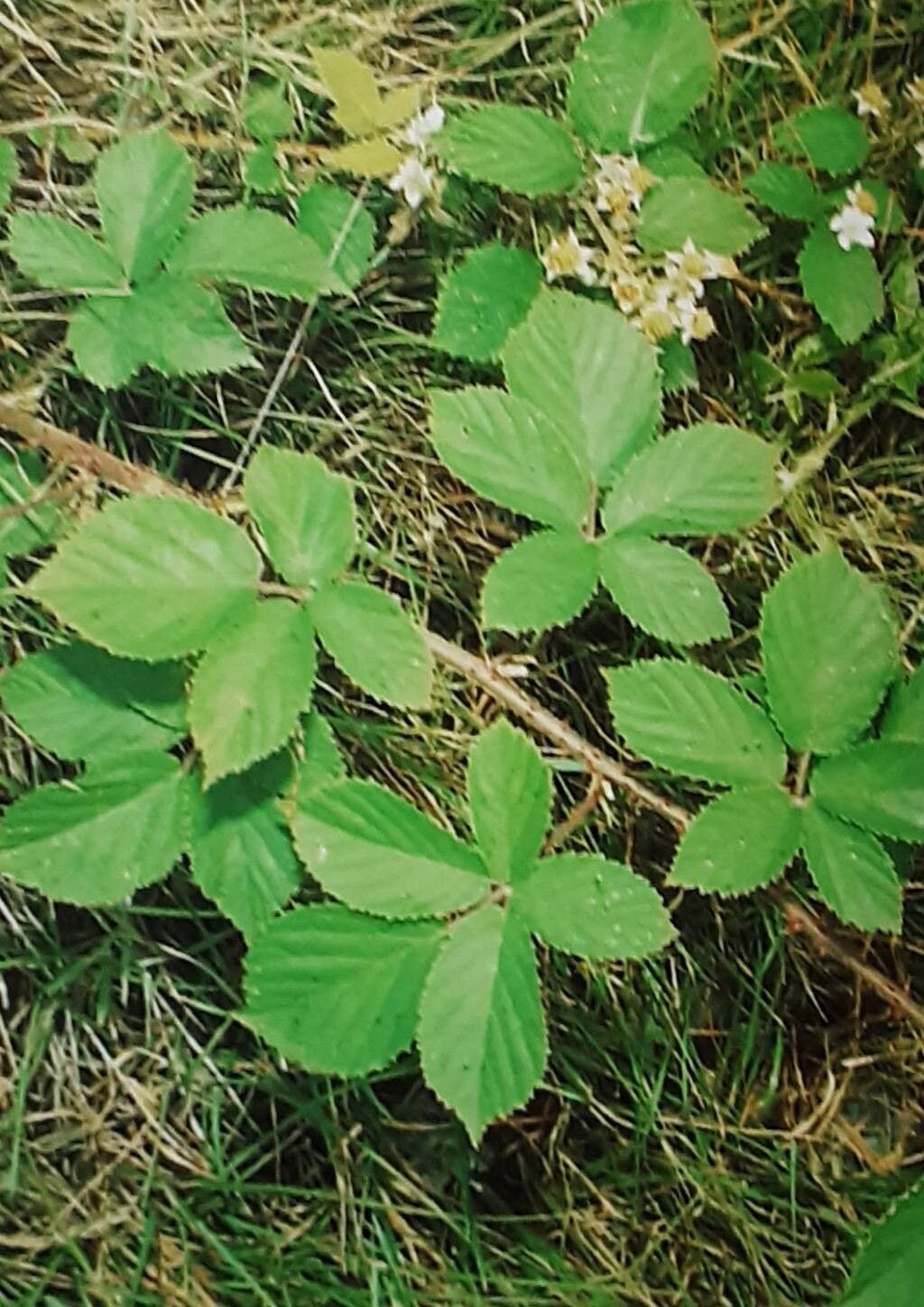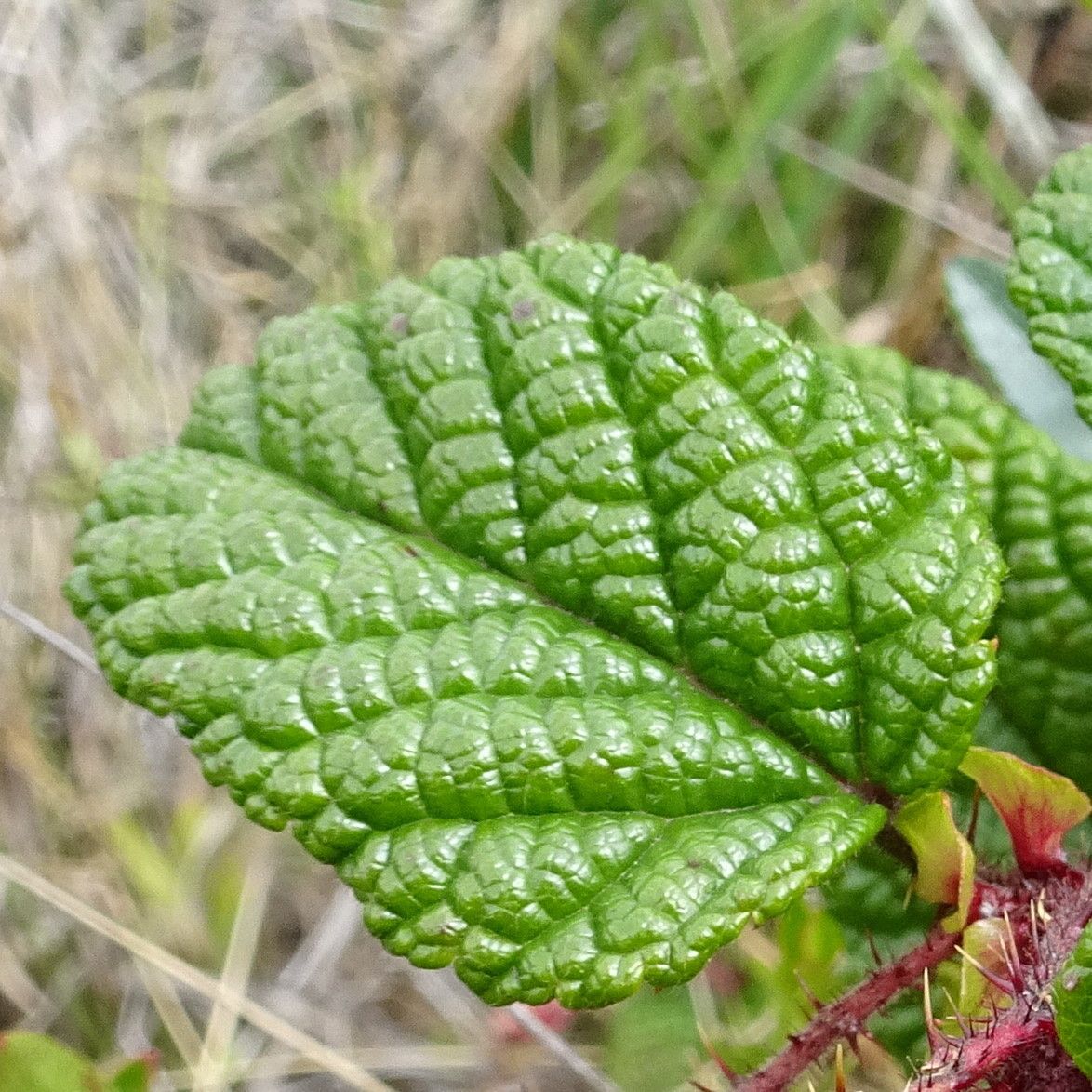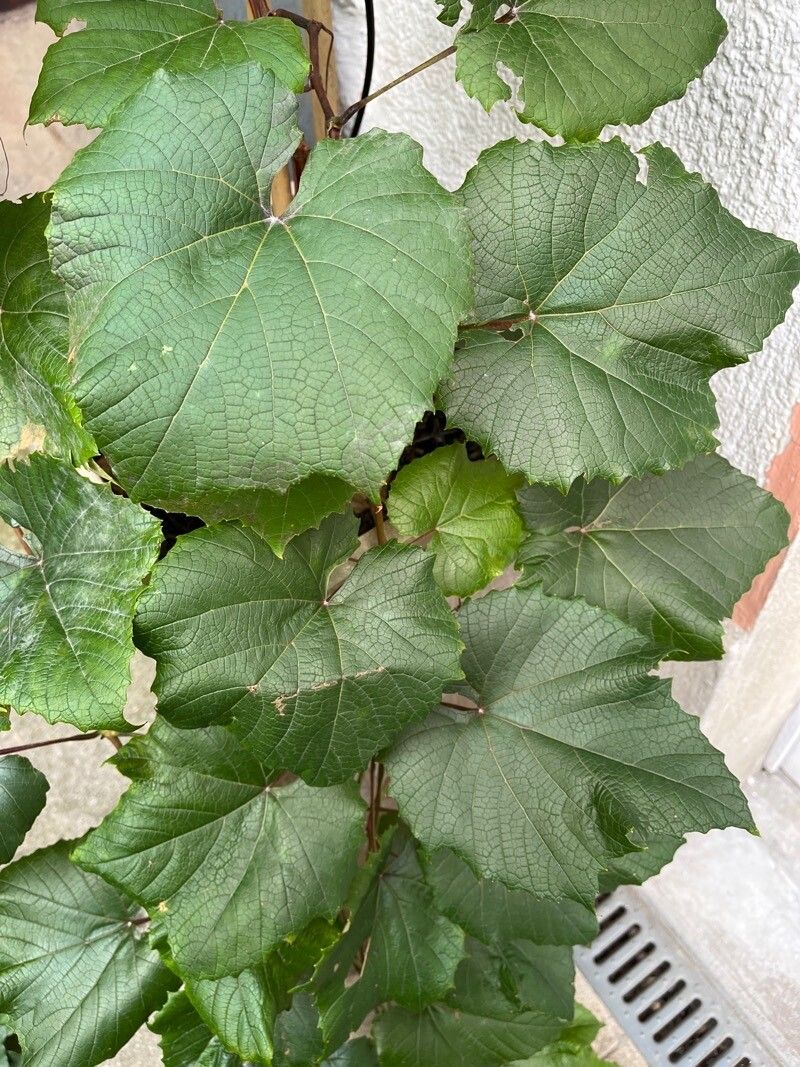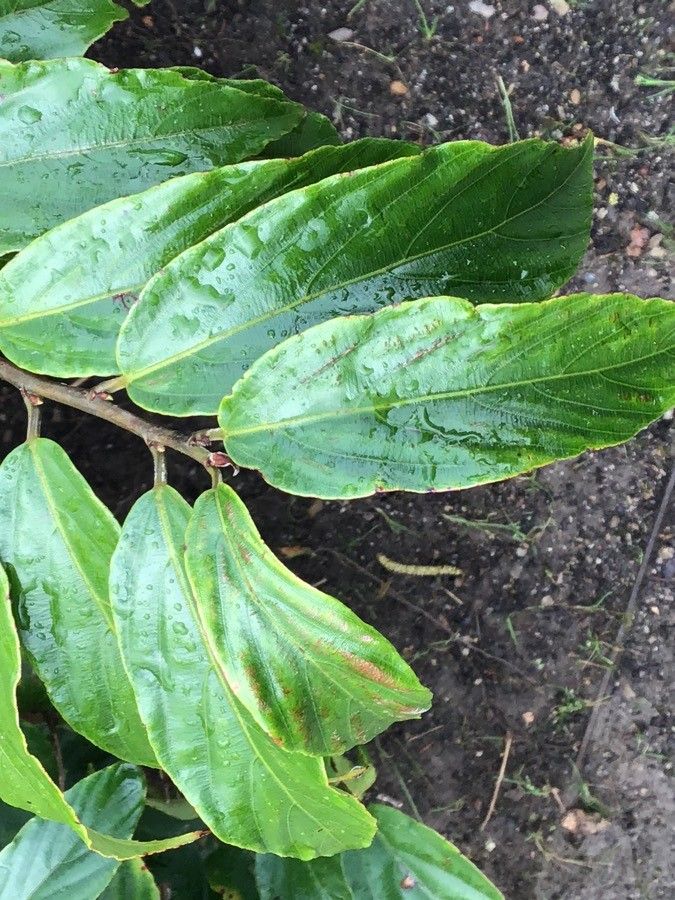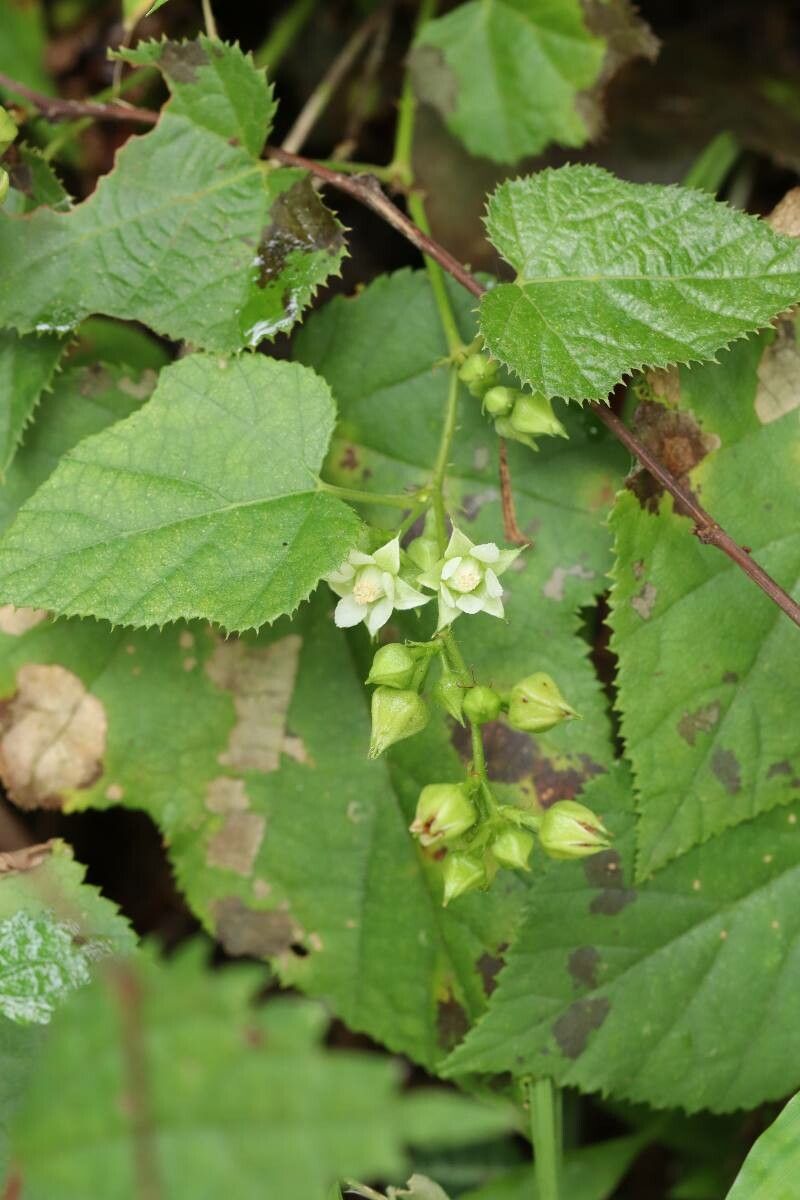
Rubus hakonensis has strong resistance to disease and is generally not susceptible to illnesses. Regarding care, the plant is fairly low-maintenance. When grown outdoors it needs little watering, and larger specimens usually do not require pruning. Smaller plants, however, should be pruned after they finish blooming. Rubus hakonensis is suitable for anyone with an outdoor area, such as a garden or deck, and does not need extensive gardening experience.
How to keep Rubus Hakonensis.
Light
Rubus hakonensis comes from open habitats, like sunny meadows and forest margins, which supply abundant light. It performs best in Full Sun but can tolerate Partial Sun, adjusting well to a range of sunlight conditions.
Water
Rubus hakonensis flourishes in humid, moist environments and needs regular watering, about twice a week, to prevent waterlogging. It is commonly cultivated outdoors and adapts well to different levels of precipitation, making it ideal for temperate gardens with varied weather conditions.
Temperature
Rubus hakonensis is highly adaptable to a variety of climatic conditions, from hot summers to cold winters. Still, it has a preferred temperature range for optimal growth. If temperatures become too high, the plant can experience heat and humidity stress, which may cause it to die. In locations where temperatures approach the lower limit of its cold tolerance, providing insulation to protect the plant is necessary.
Fertilizer
For the Rubus hakonensis plant to yield an optimal amount of fruit, it needs an ample supply of nutrients. For the enhancement of new growth and blossom progression, fertilize it at the onset of spring. Consistent fertilization aids in maintaining the plant's health, facilitating the growth of more flavorful fruit, and warding off nutrient insufficiency problems such as discolored leaves and subpar fruit output.
Pruning
To ensure Rubus hakonensis thrives, it is important to prune it in early spring. Start by removing dead branches and thinning out old canes to improve air circulation and light penetration. Prune any overgrown shoots to achieve a balanced structure, which encourages abundant flowering and fruiting. For detailed guidance on caring for Rubus hakonensis, consult horticultural resources.
Botanical profile.
- Plant Type
- Vine
- Life Cycle
- Perennial
- Genus
- Rubus
- Family
- Rosaceae
- Hardiness Zone
- 5-9
- Mature Height
- 15 cm to 30 cm
- Mature Spread
- 8 cm to 15 cm
- Leaf Color
- Green, Dark Green
- Leaf Type
- Evergreen
- Flower Color
- White
- Flower Size
- 1.02 cm to 2.03 cm
- Bloom Time
- Early summer, Mid summer
- Planting Time
- Spring, Summer, Autumn
- Harvest Time
- Late summer, Early fall
- Native Area
- Myanmar, Japan, China