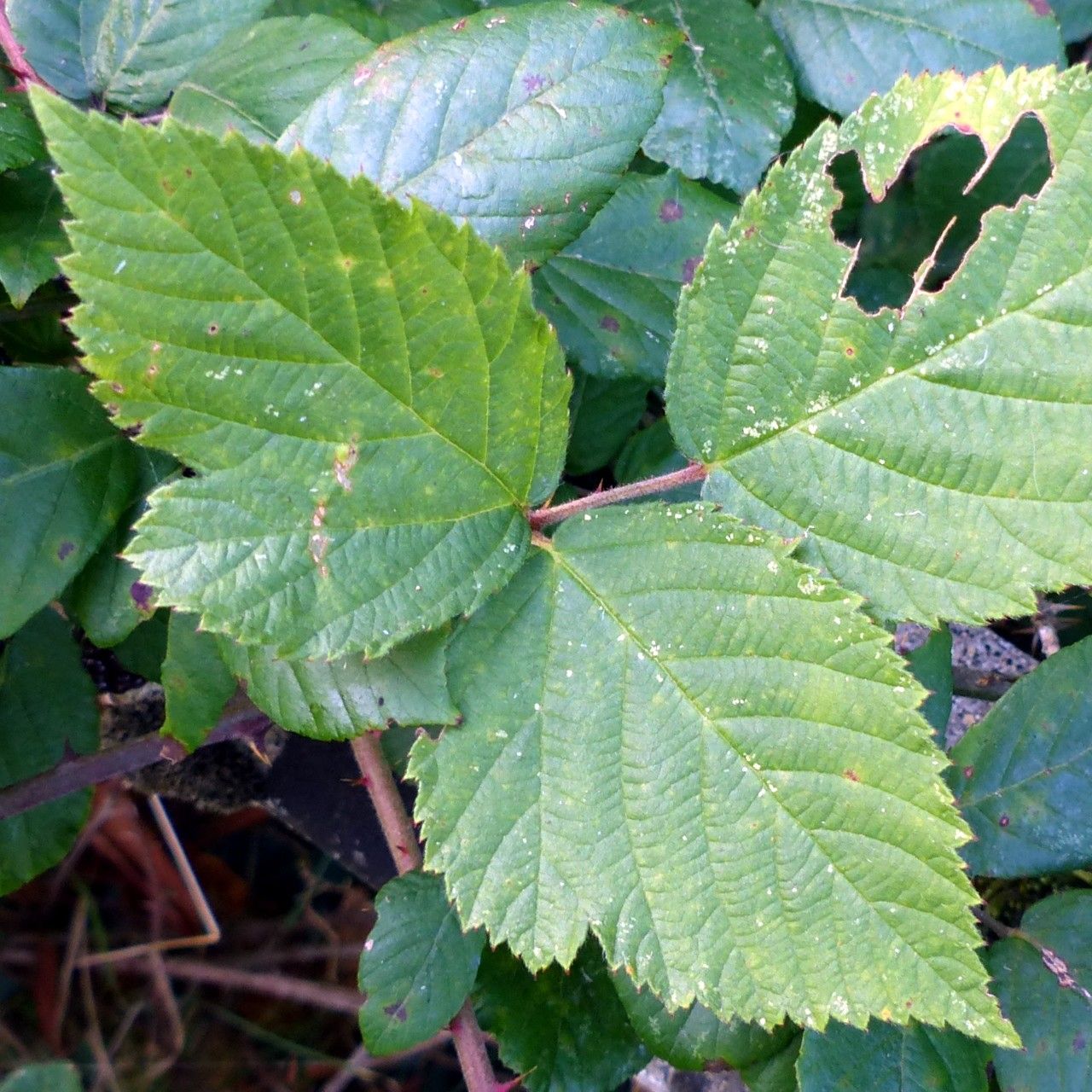
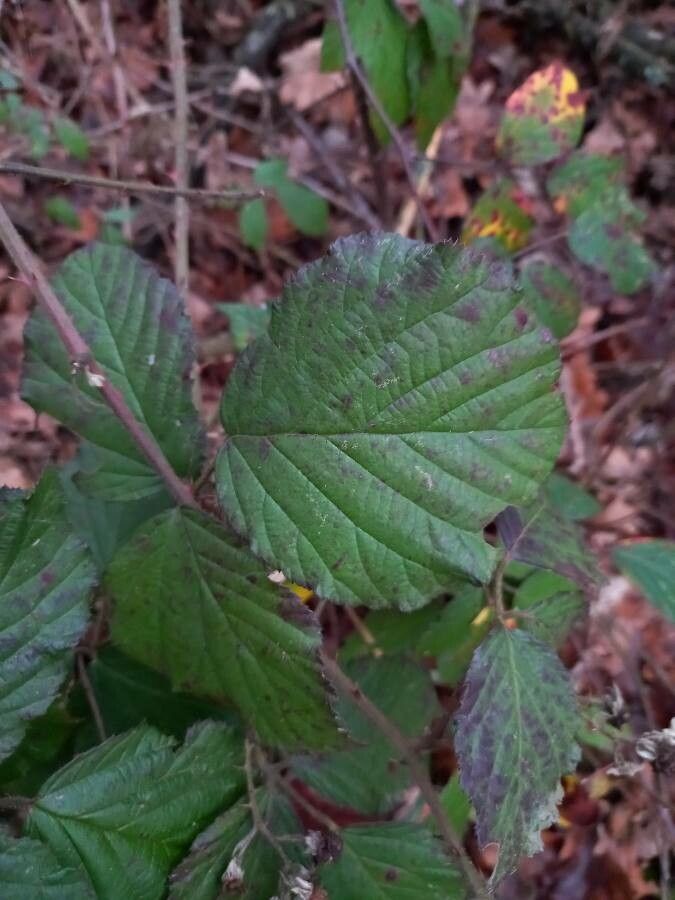
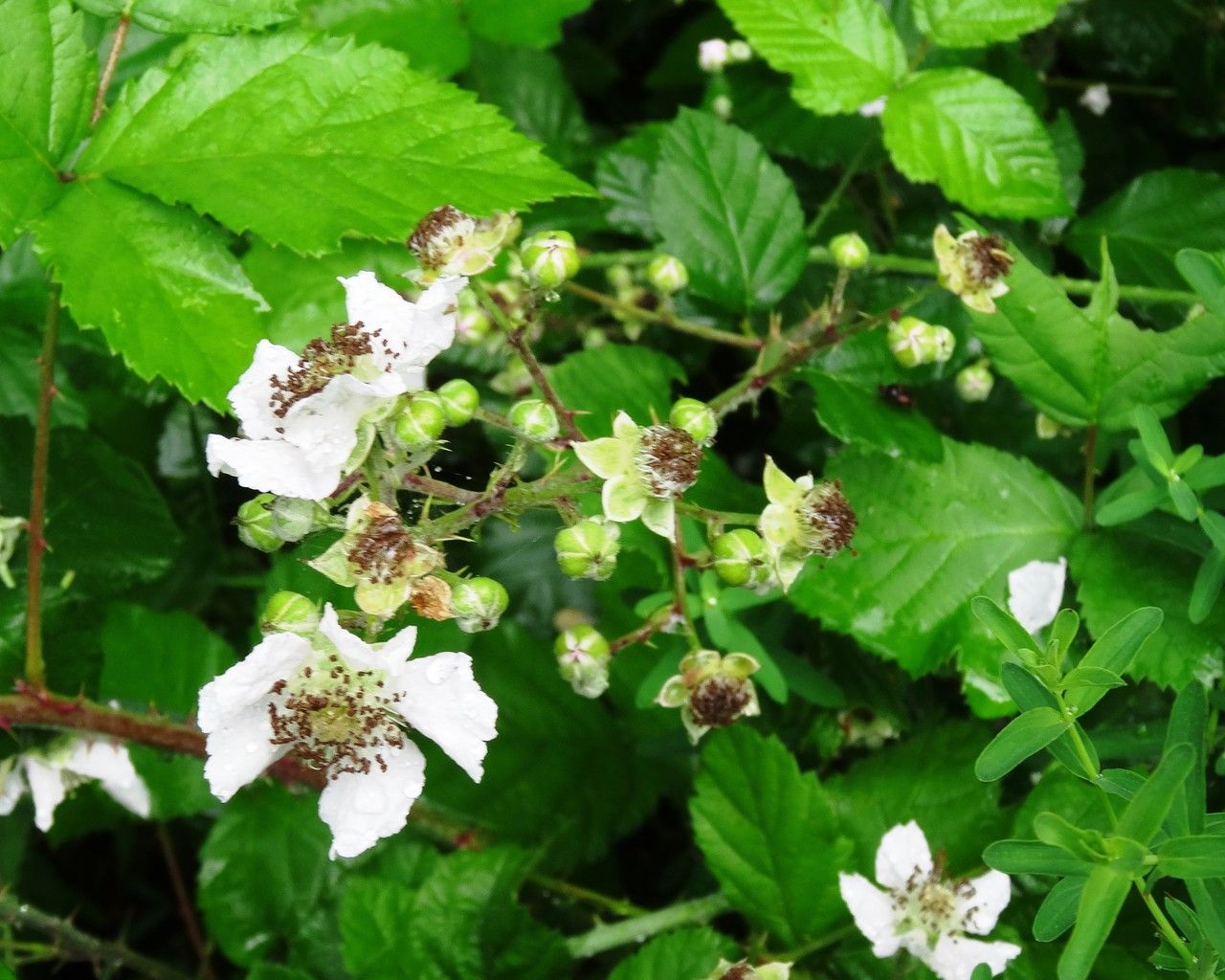
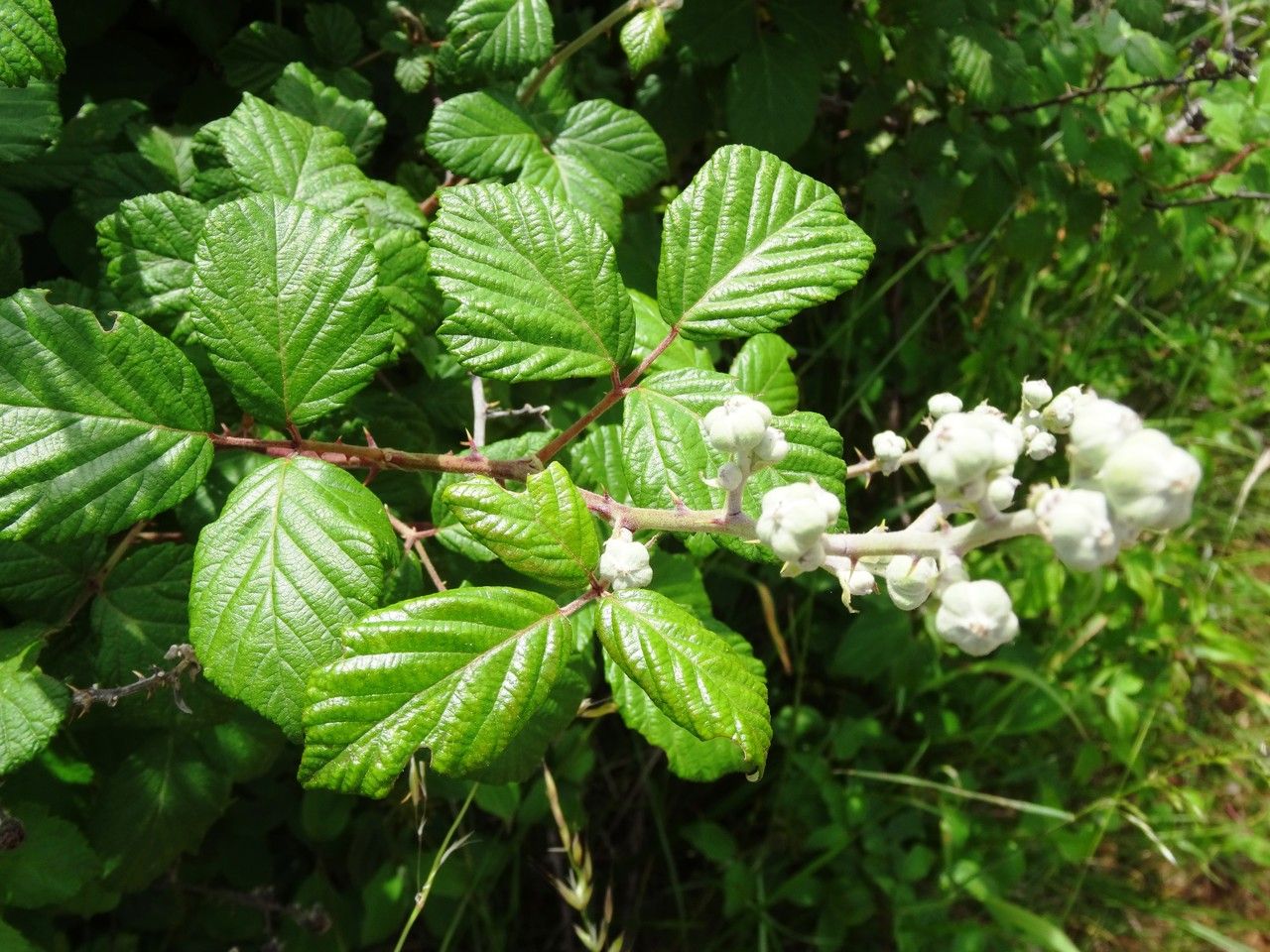
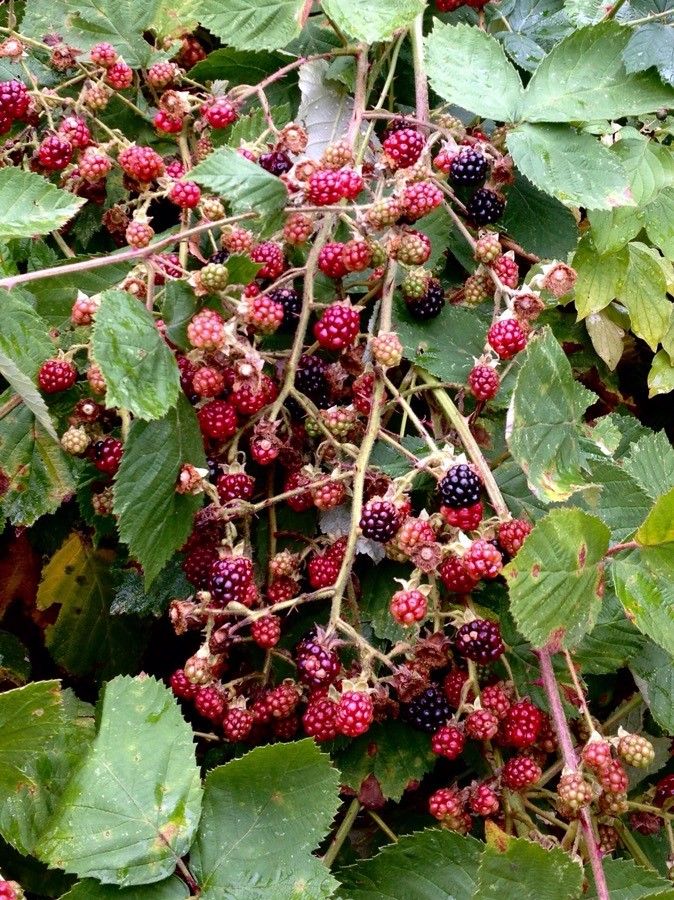
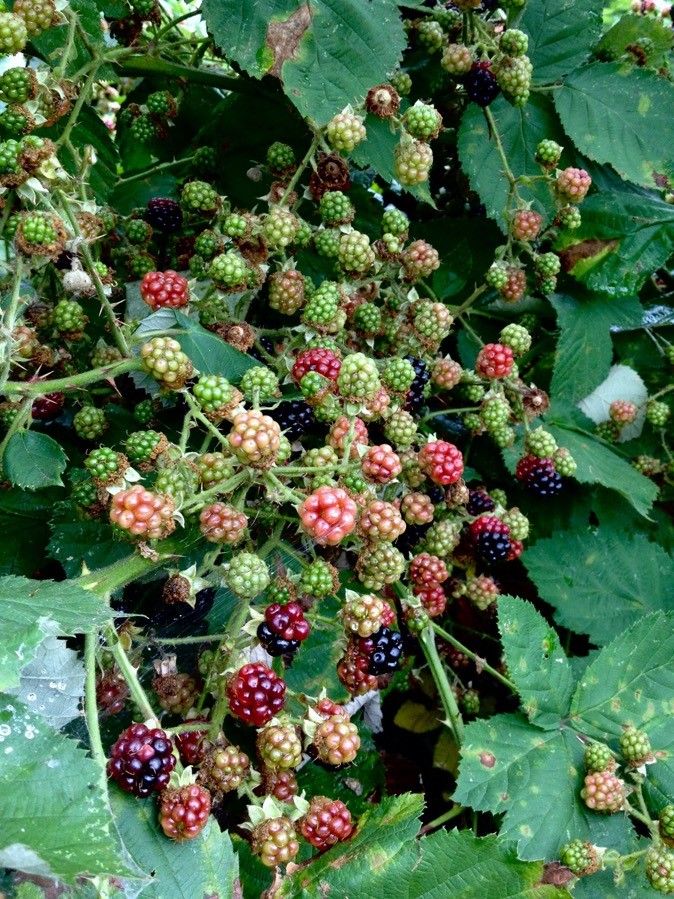
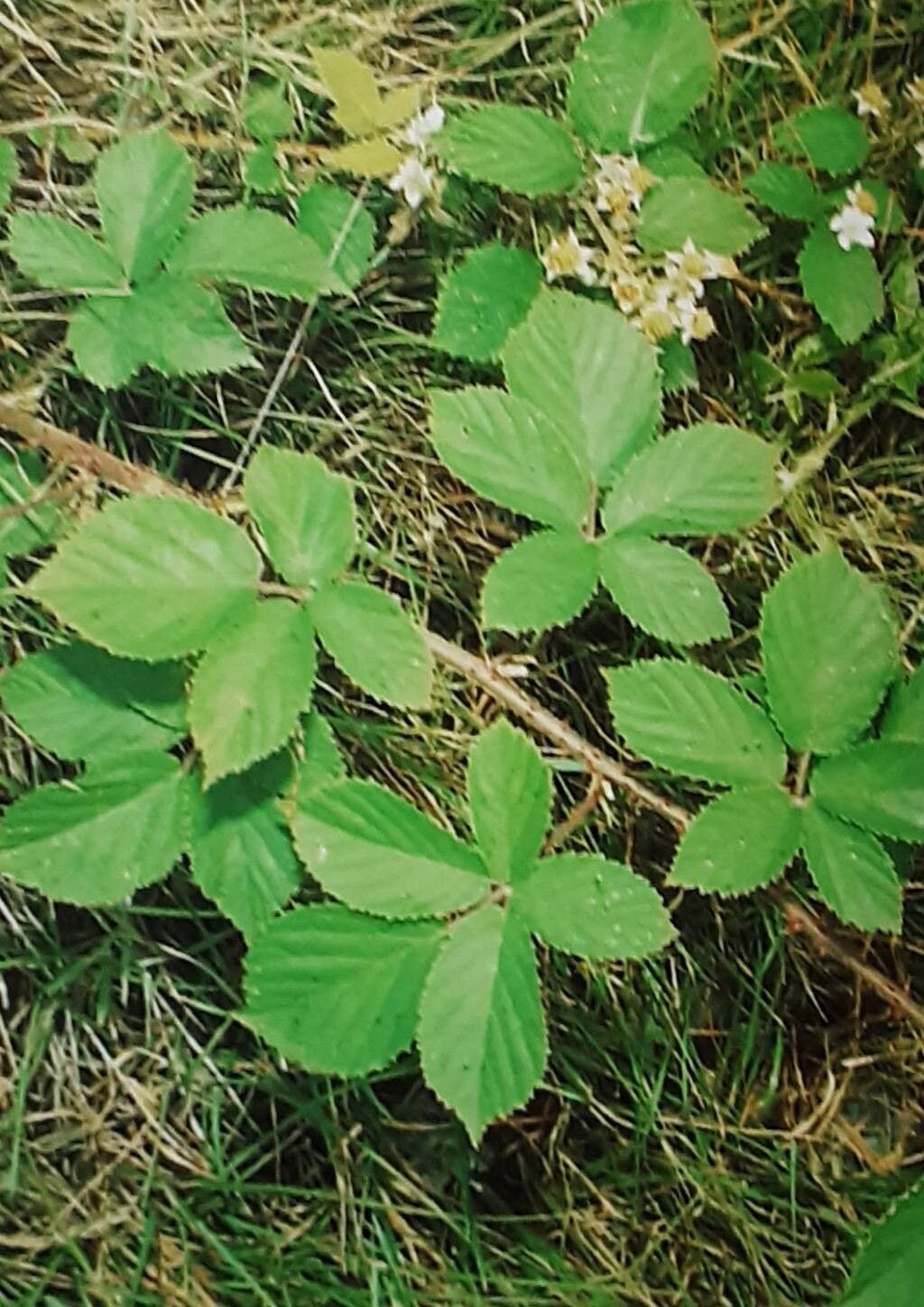
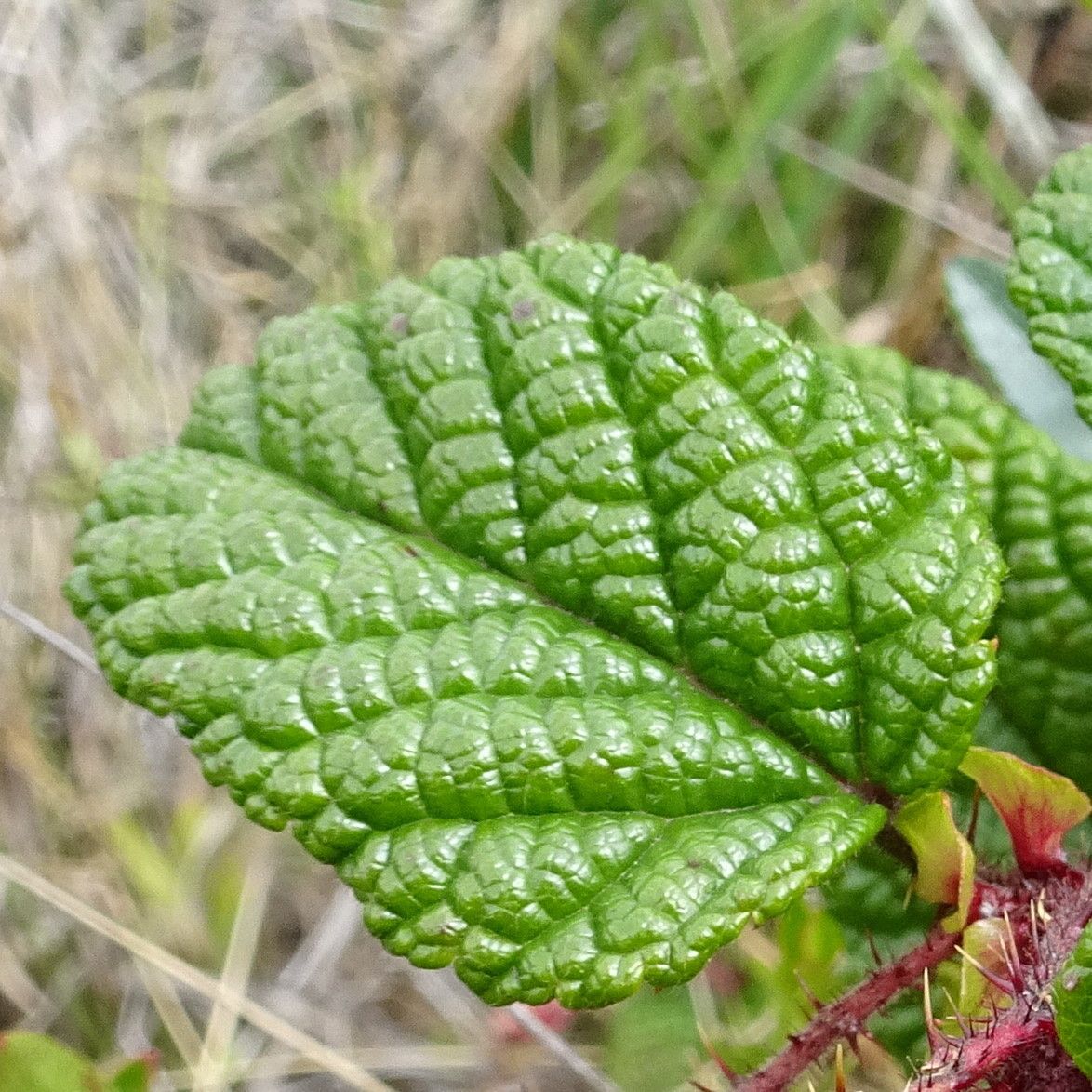
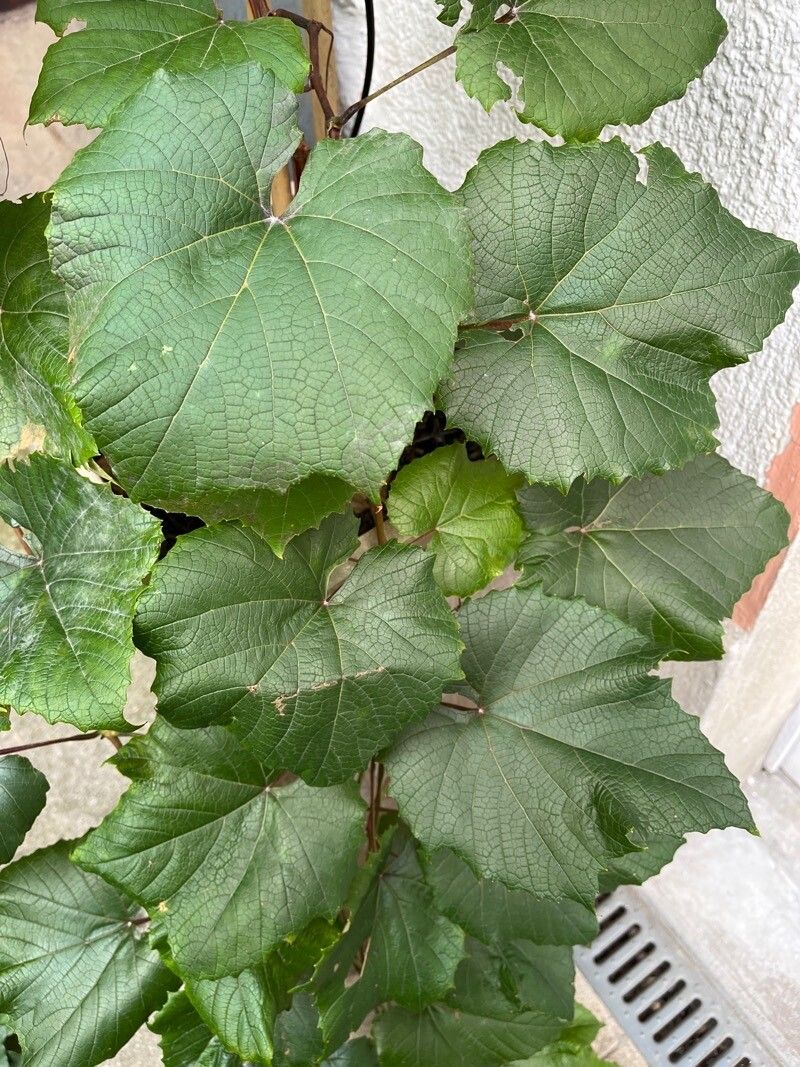
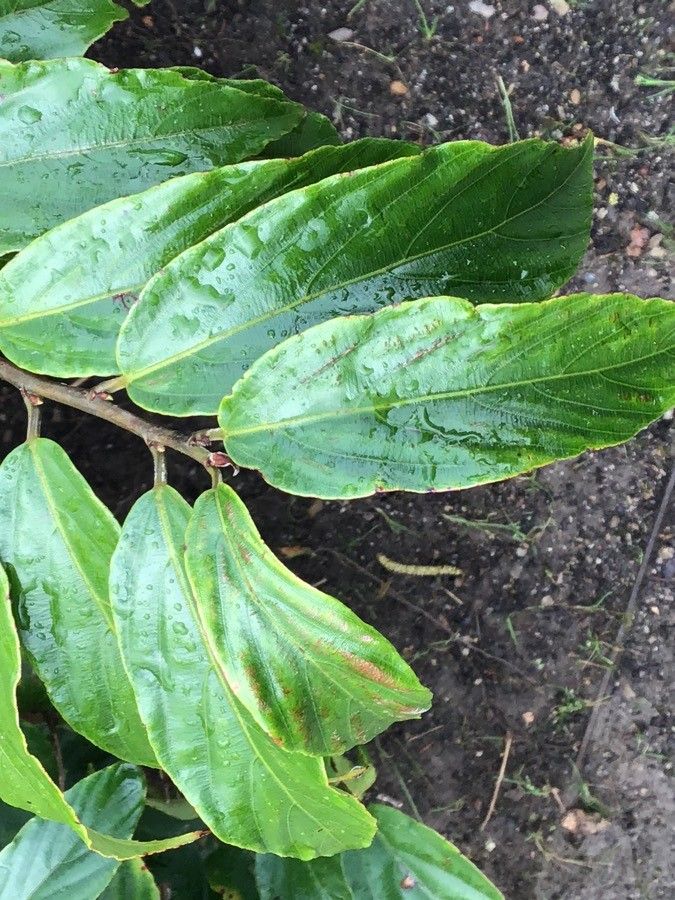
Rubus fruticosus, commonly known as the blackberry, is a perennial shrub belonging to the Rosaceae family. Native to Europe, it has been widely cultivated around the globe for its edible fruit. The plant can reach up to 3 meters in height and features thorny stems that can be either erect or trailing. The leaves of Rubus fruticosus are dark green with serrated edges. Its flowers, which bloom from May to August, are white or pinkish. The fruit, a blackberry, is an aggregate fruit composed of many small drupelets. Blackberries are rich in vitamins C and K, fiber, antioxidants, and other beneficial nutrients. For centuries, they have served not only as a food source but also as a remedy for various ailments, including diarrhea, sore throat, and inflammation. Rubus fruticosus thrives in well-drained soil with full sun exposure but can also tolerate partial shade. During its growing season, it requires regular watering, though it should be watered sparingly during winter dormancy. Overall, Rubus fruticosus is highly valued both nutritionally and economically. Its delicious fruits are used in various culinary applications, such as jams and jellies, making it an important crop worldwide.
Elmleaf blackberry is well resistant to disease and is generally not susceptible to illnesses. As for care, this plant is fairly low maintenance. When grown outdoors it needs little watering, and larger plants usually do not require pruning. Smaller plants, however, should be pruned after they have bloomed. Elmleaf blackberry is suitable for anyone with an outdoor area, such as a garden or deck, and does not demand extensive gardening experience.
How to keep Rubus Fruticosus.
Light
The Elmleaf blackberry thrives in places with a generous amount of light, but it can also moderately adjust to environments with less light. This adaptation mirrors the high light levels in its natural habitat. Insufficient light could inhibit its growth, while too much might potentially damage the plant, highlighting the importance of maintaining a proper balance of sunlight exposure.
Water
Water your shrubs with about an inch every week through rainfall, irrigation, or both. If you live in an area that gets frequent rainfall, you won’t need to water your plant. Take care not to overwater your Blackberries as they do not appreciate wet soil.
Humidity
This plant will thrive in moderate humidity, which is probably the level in your home. However, misting it a few times a week can be very beneficial. Make sure the room has good ventilation.
Temperature
The Elmleaf blackberry is indigenous to climates featuring moderate temperatures, best ranging from 41 to 90 °F (5 to 32 ℃). Colder winter seasons may stimulate flowering, however, you should avoid subjecting Elmleaf blackberry to frozen conditions. Regulate the watering in accordance with shifts in temperature.
Fertilizer
The Elmleaf blackberry plant necessitates adequate nutrients for the best fruit yield. Apply fertilizer in the initial phase of spring for fresh growth and flowering. Consistent fertilization assists the plant in staying robust, cultivating tastier fruit, and avoiding nutrient scarcity problems such as yellowing leaves and subpar fruit yield.
Pruning
Blackberry bushes typically grow as perennials that sprout up biennial fruiting canes. Floricanes are second-year canes that produce foliage, flowers, and fruits. You will want to prune these floricanes away after you have harvested the berries.
Toxicity
Blackberry leaves are edible and are sometimes dried for use as a tea ingredient.
Further reading →
The toxicity and danger assessments provided are for reference only. We do not assure their accuracy, so it's crucial not to depend on them. Seek professional advice when necessary for accurate guidance.
Botanical profile.
- Plant Type
- Vine, Shrub
- Life Cycle
- Perennial
- Genus
- Rubus
- Family
- Rosaceae
- Hardiness Zone
- 4-7
- Mature Height
- 3.05 m to 4.88 m
- Mature Spread
- 2.44 m to 3.05 m
- Leaf Color
- Green, Yellow, White
- Leaf Type
- Deciduous
- Flower Color
- Pink, White
- Flower Size
- 0.51 cm to 1.27 cm
- Bloom Time
- Late spring, Early summer, Mid summer
- Planting Time
- Spring, Summer, Autumn
- Harvest Time
- Mid summer
- Native Area
- Libya, Egypt, Turkey, Tunisia, Croatia, Slovenia, Morocco, Lebanon, Germany, Italy, Spain, Switzerland, Netherlands, France, Ireland, United Kingdom, Algeria, Belgium, Portugal
Other names.