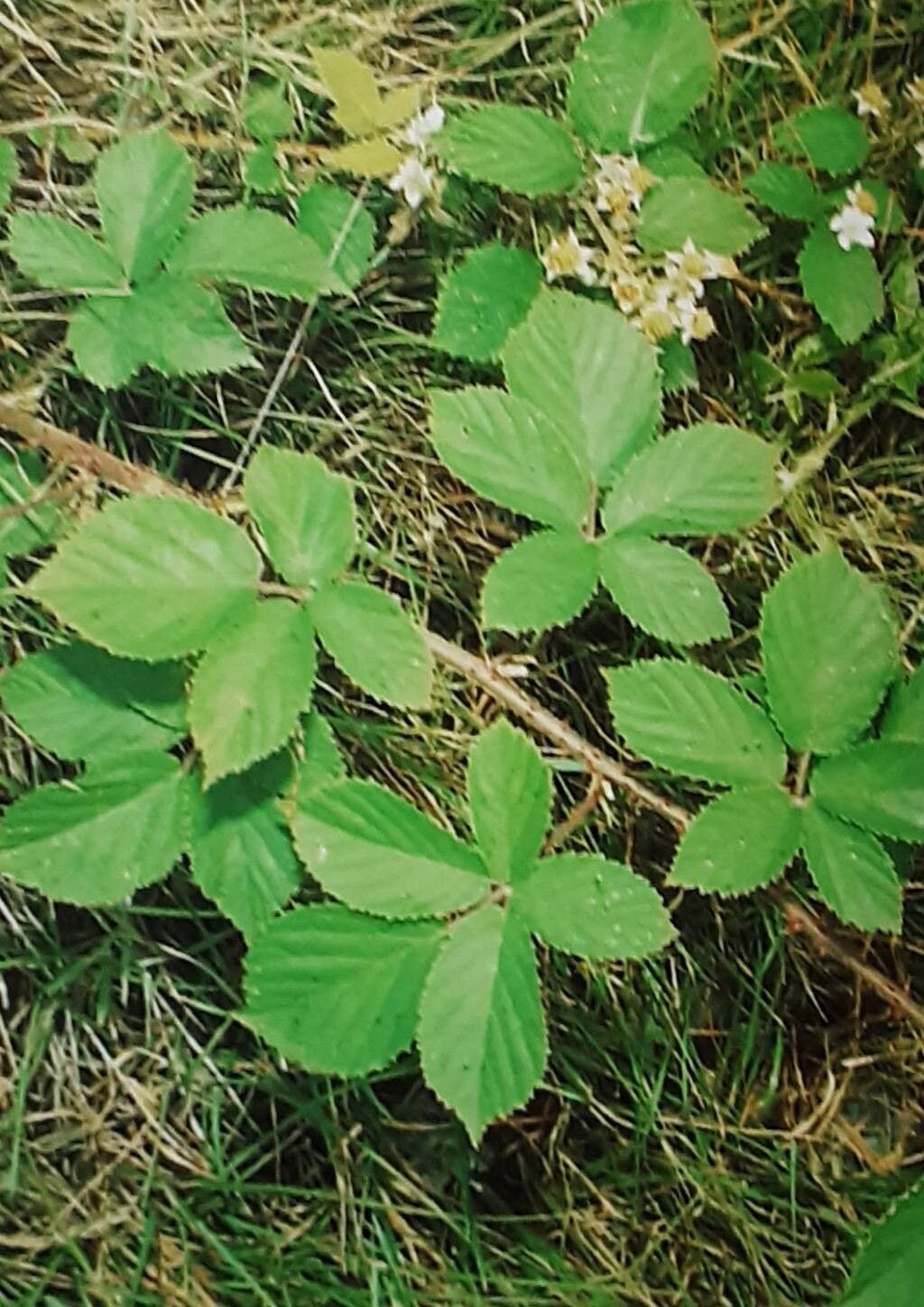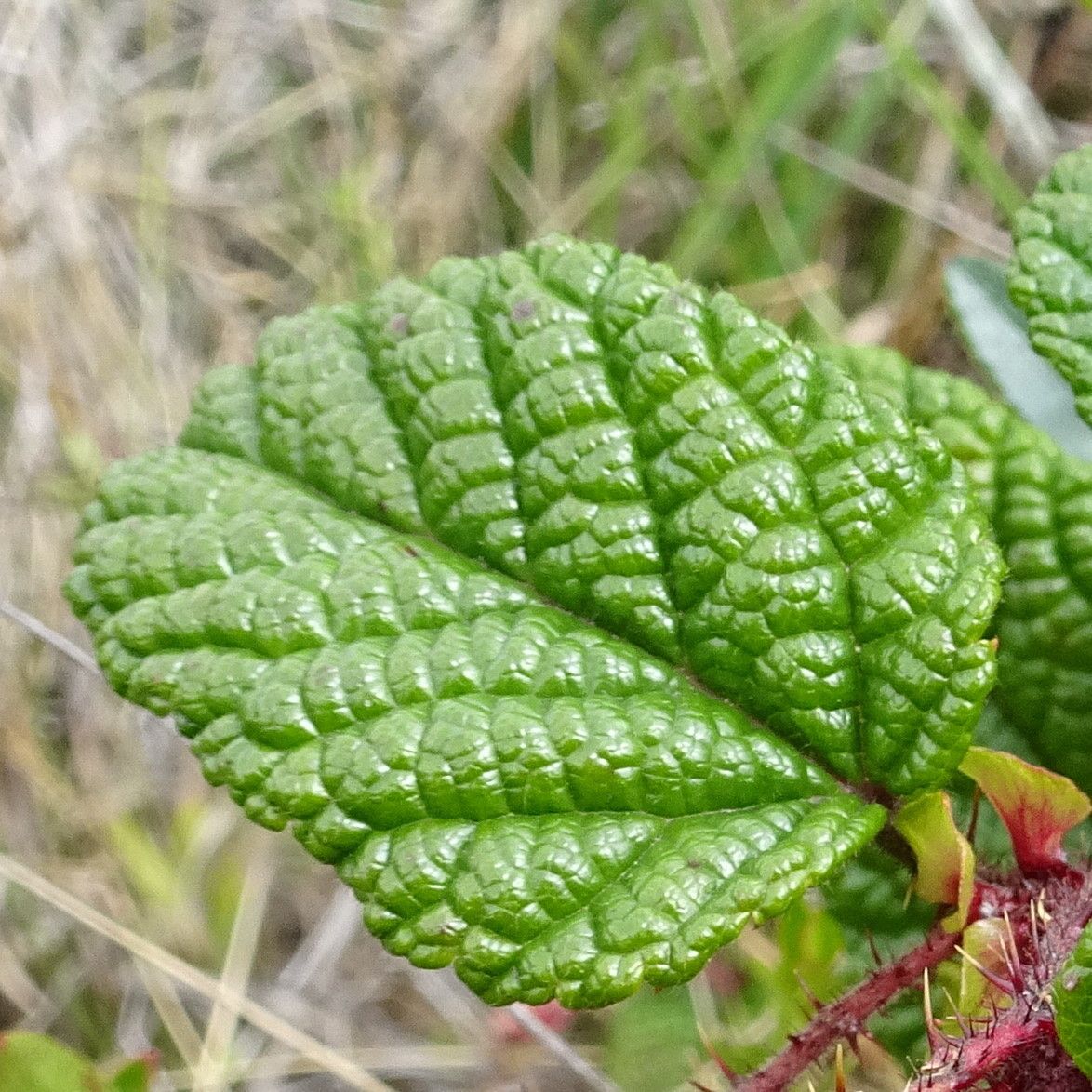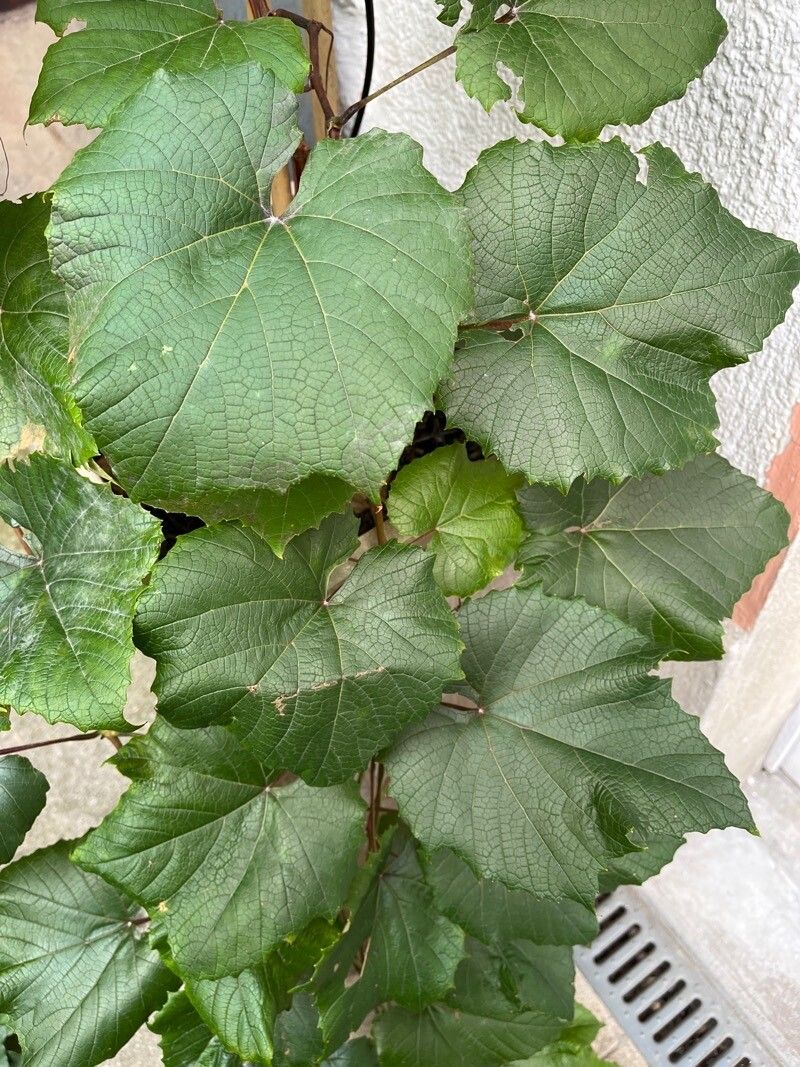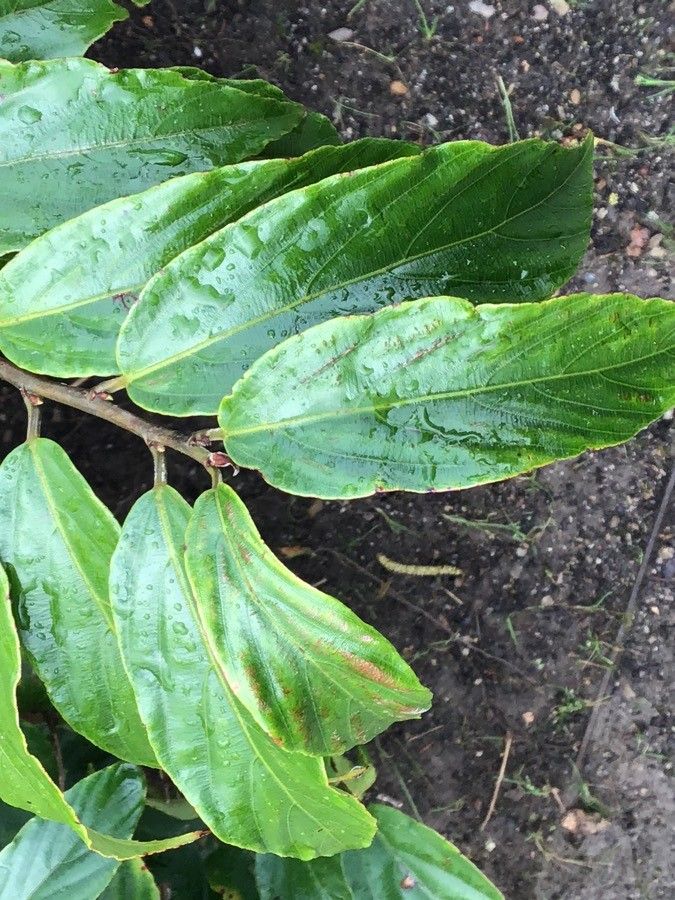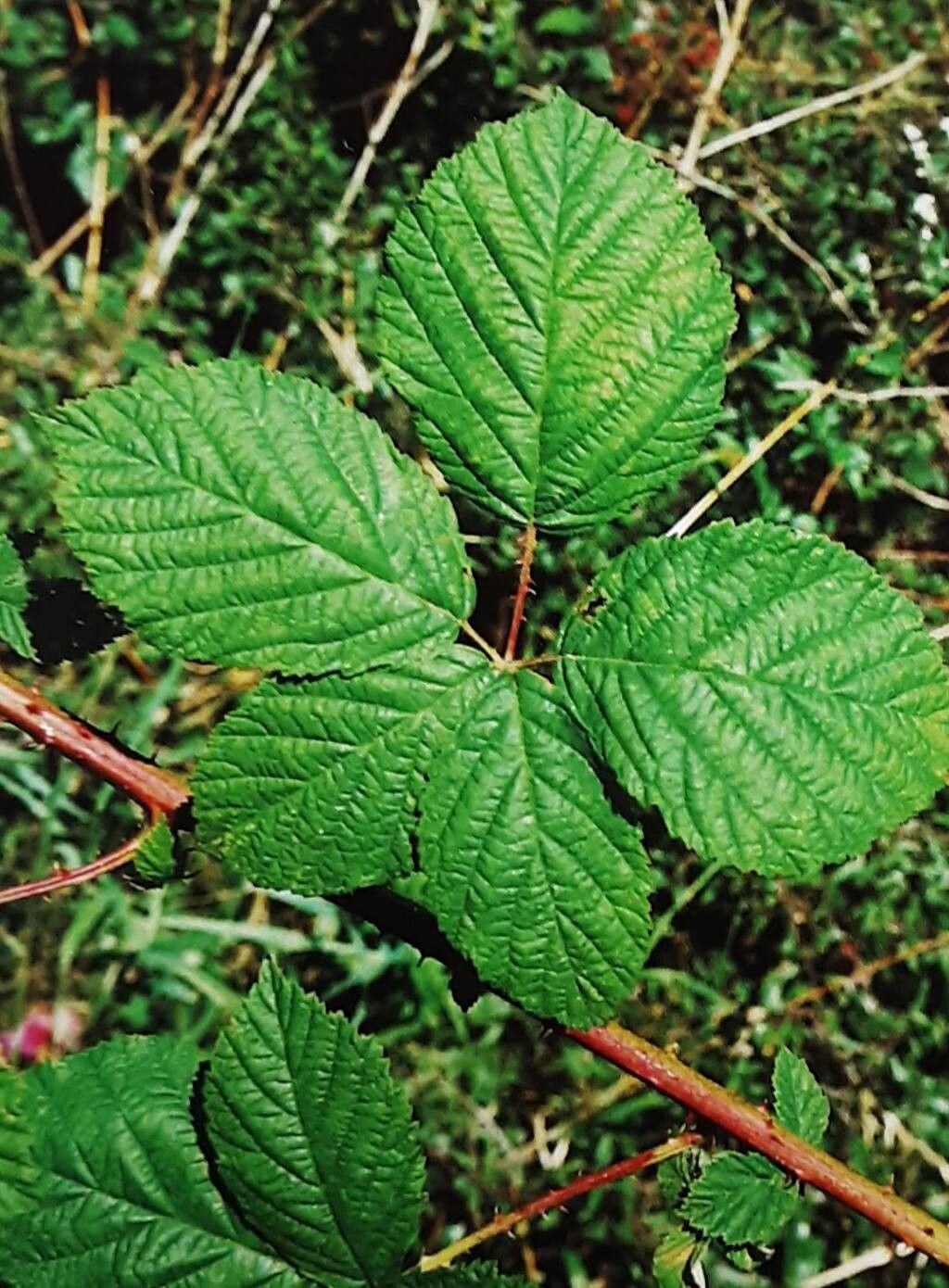
Pinfa raspberry resists disease well and is usually not susceptible to illnesses. Regarding care, this plant is fairly low-maintenance. When grown outdoors it needs only minimal watering, and larger plants typically do not require pruning. Smaller plants, however, should be pruned after they finish blooming. Pinfa raspberry is suitable for anyone with an outdoor area, like a garden or deck, and does not demand extensive care experience.
How to keep Rubus Fasciculatus.
Light
Pinfa raspberry naturally occurs in habitats like forest understories or rocky locations, where it receives natural shade. It favors partial sun but can tolerate both full sun and full shade, reflecting its adaptable and hardy character.
Temperature
Pinfa raspberry is a native plant that has a clear preference for moderate temperatures, ideally between 59 and 95 °F (15 to 35 ℃). During different seasons, temperature control may be necessary to preserve its optimal growth conditions.
Fertilizer
The Pinfa raspberry plant needs adequate nutrients for the best fruit production. Fertilize in early spring to support new growth and flowering. Regular feeding keeps the plant healthy, promotes more delicious fruit, and prevents nutrient-deficiency problems like yellow leaves and poor fruit production.
Botanical profile.
- Plant Type
- Vine, Shrub
- Life Cycle
- Perennial
- Hardiness Zone
- 8-10
- Mature Height
- 0.91 m to 2.13 m
- Mature Spread
- 0.91 m to 1.52 m
- Leaf Color
- Green
- Leaf Type
- Semi-evergreen
- Flower Color
- White
- Flower Size
- 1.02 cm to 1.27 cm
- Bloom Time
- Early summer, Mid summer
- Planting Time
- Spring, Summer, Autumn
- Harvest Time
- Late summer, Early fall
- Native Area
- Bhutan, Vietnam, India, China