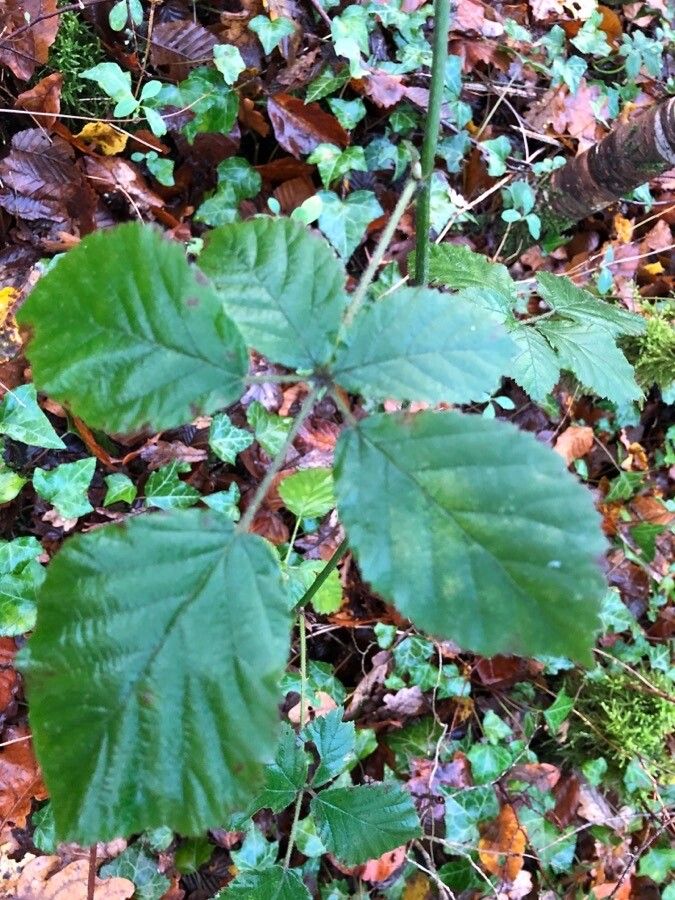
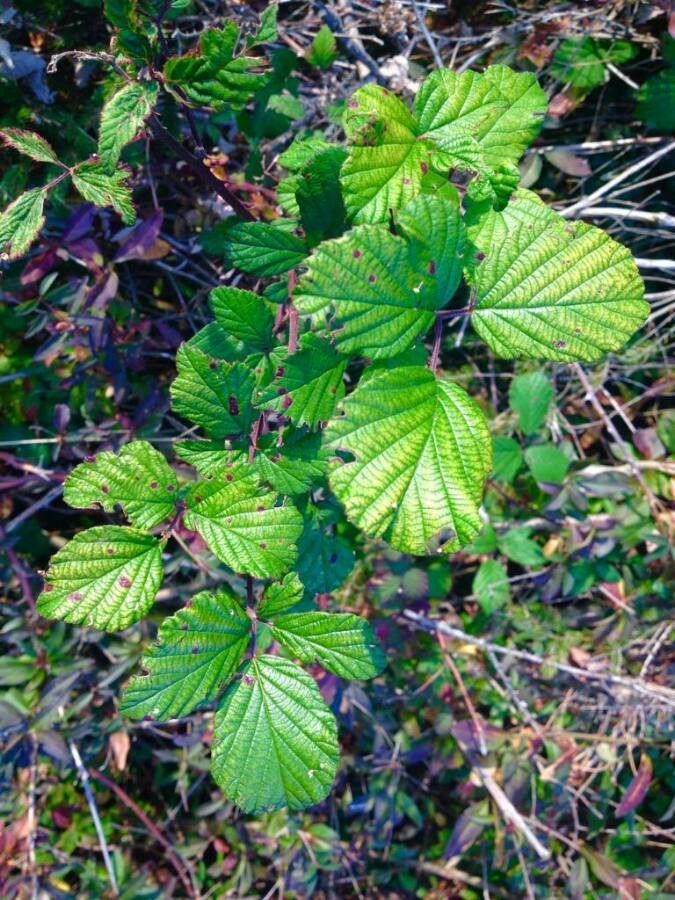
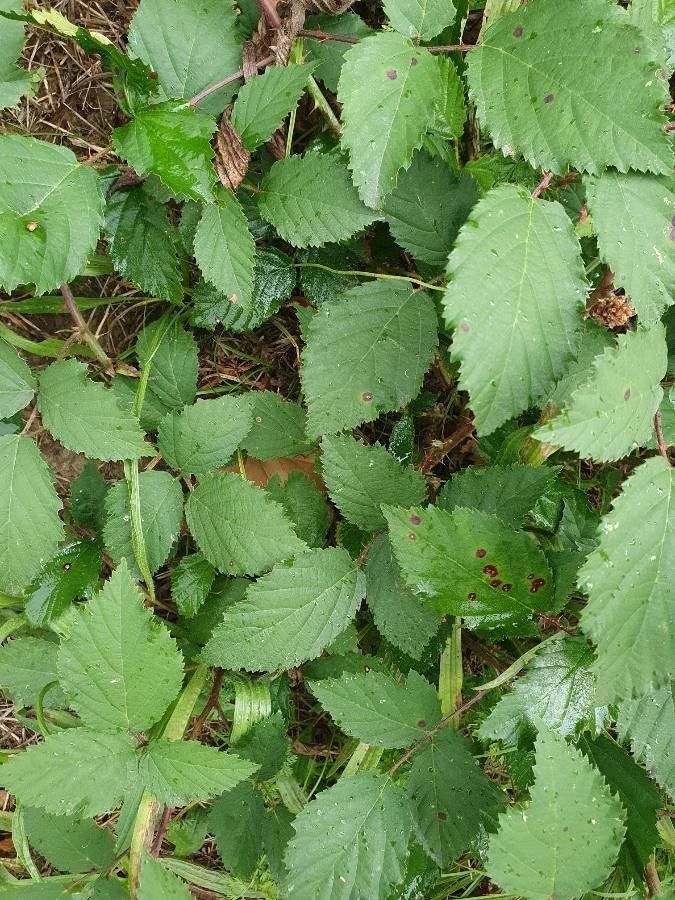
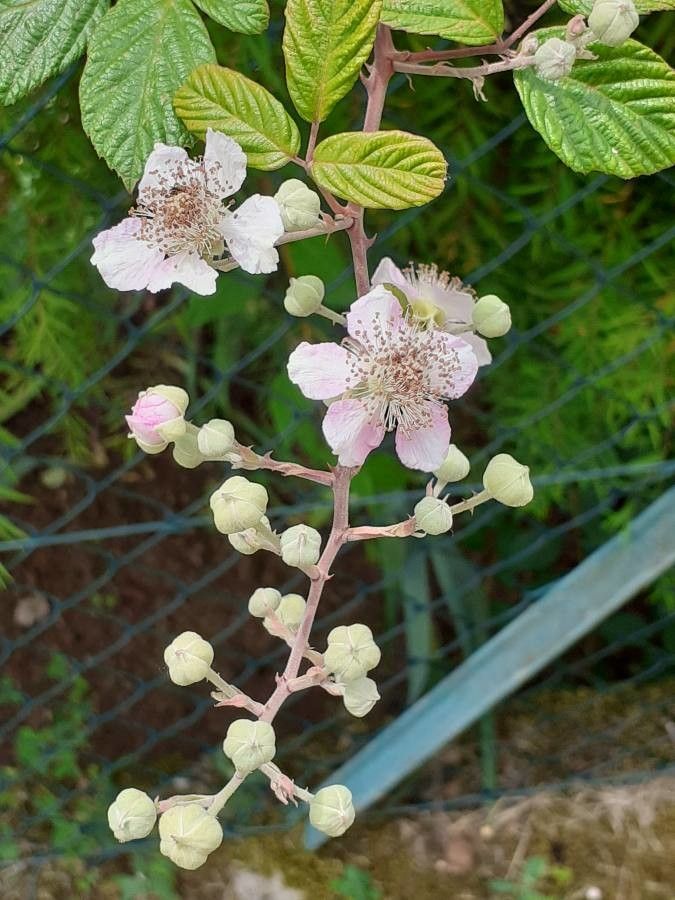
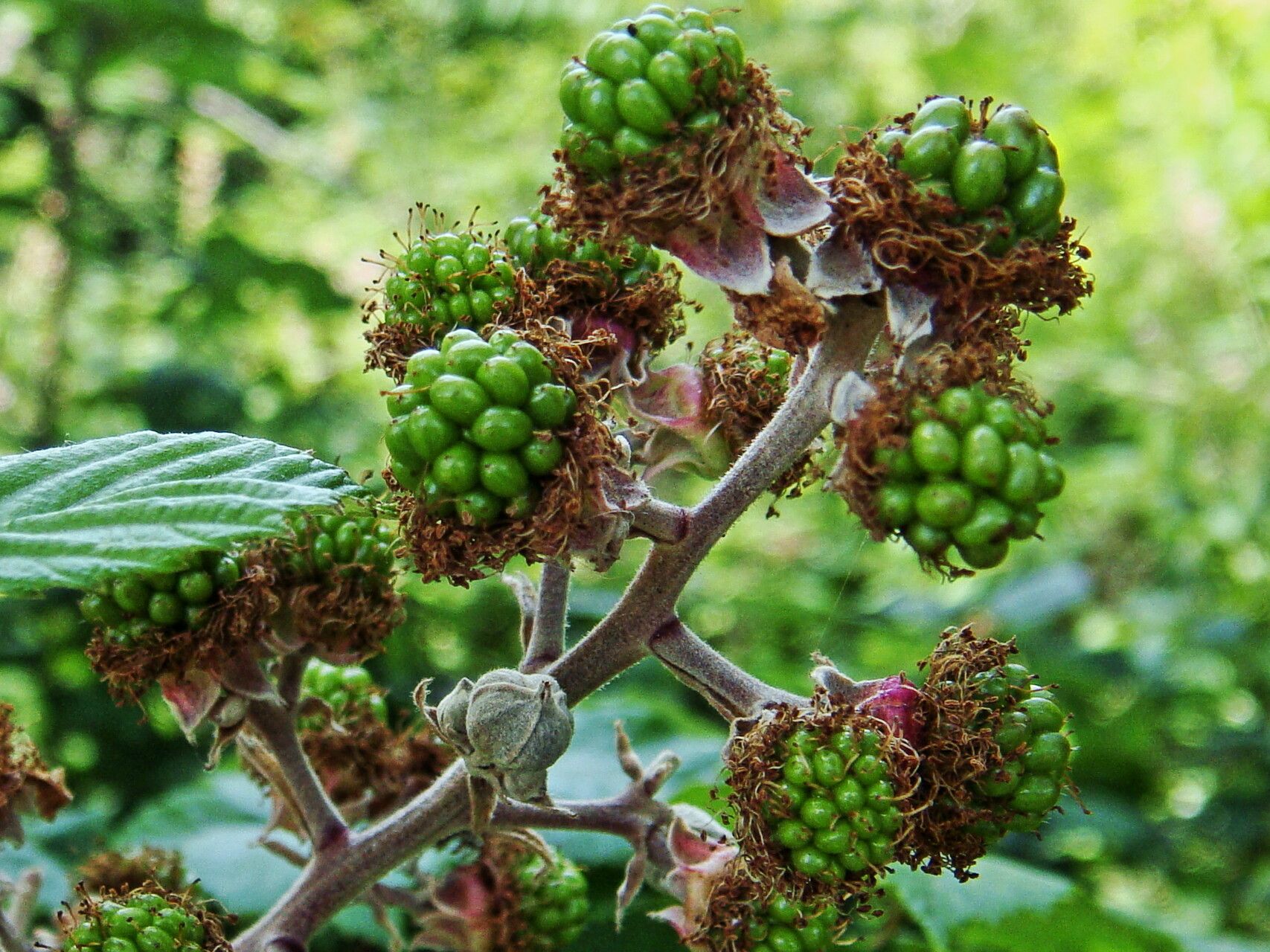
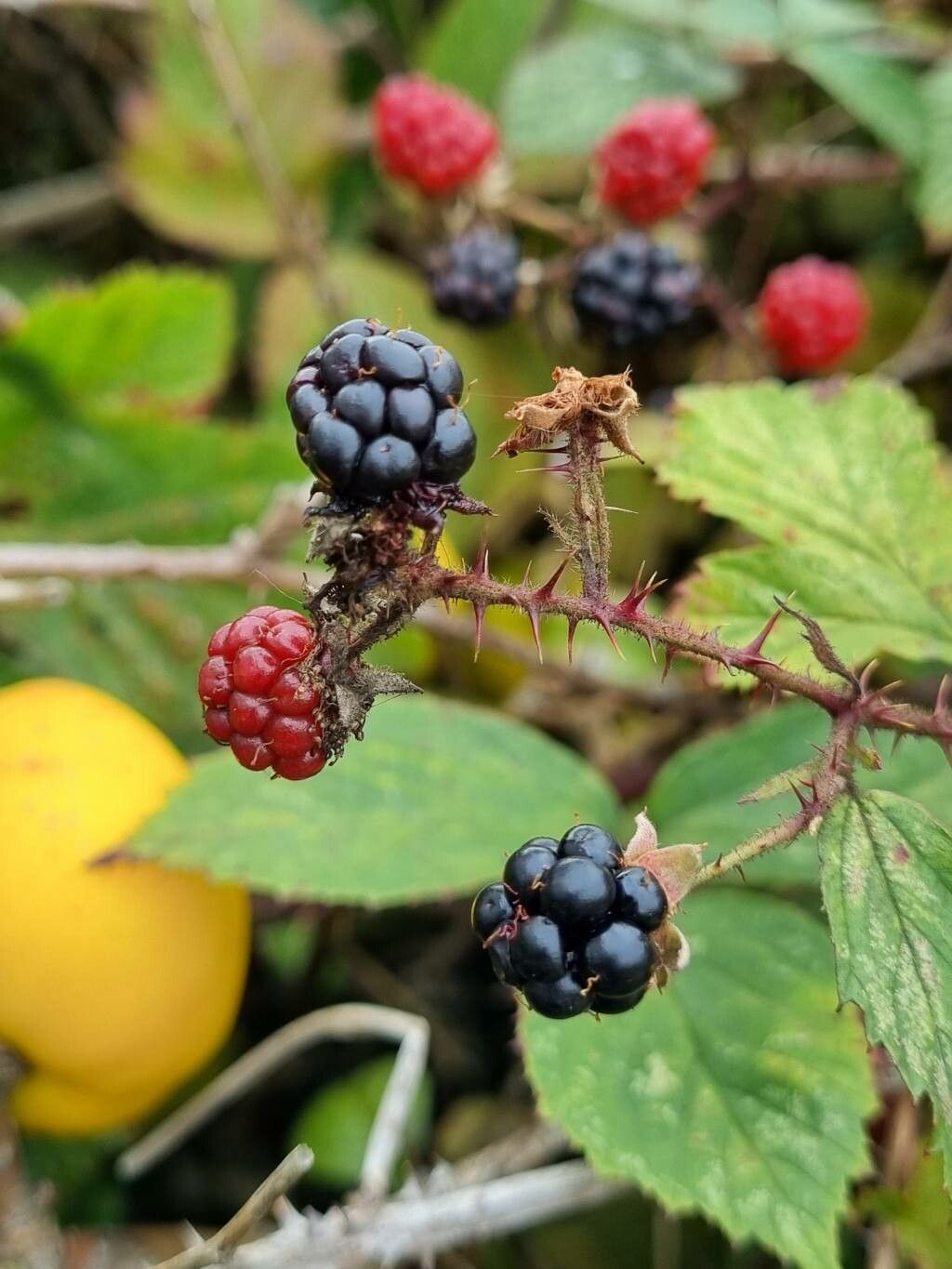
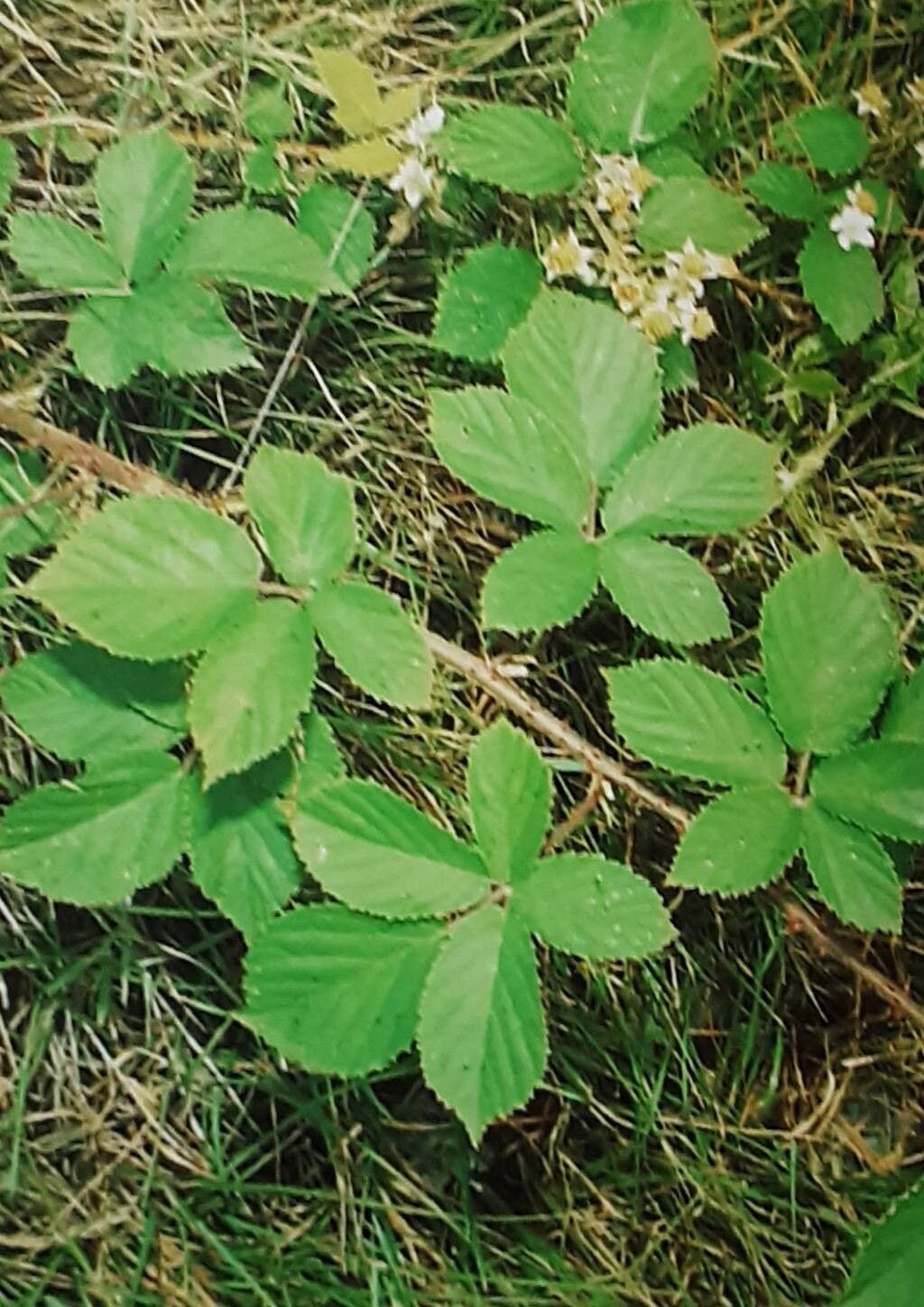
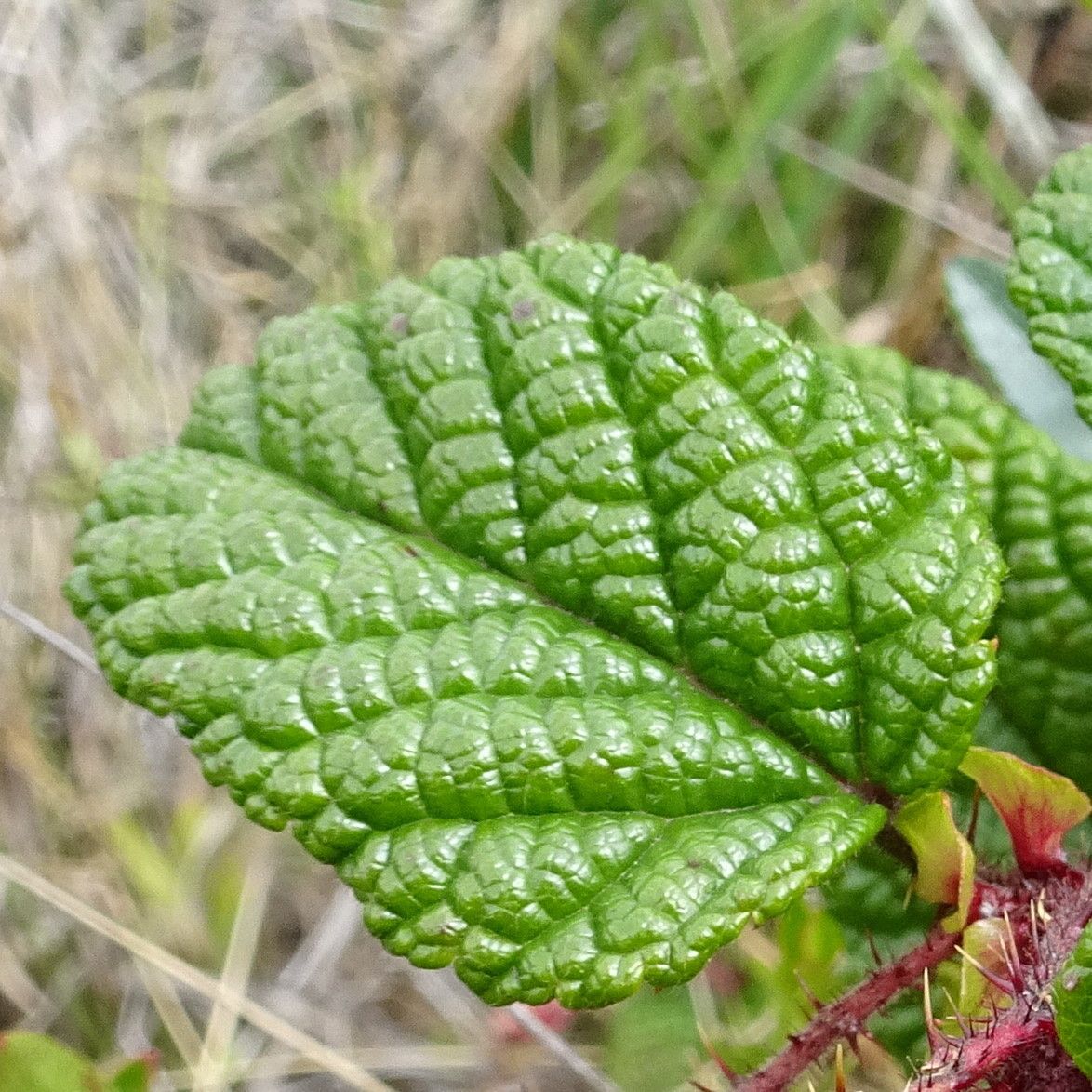
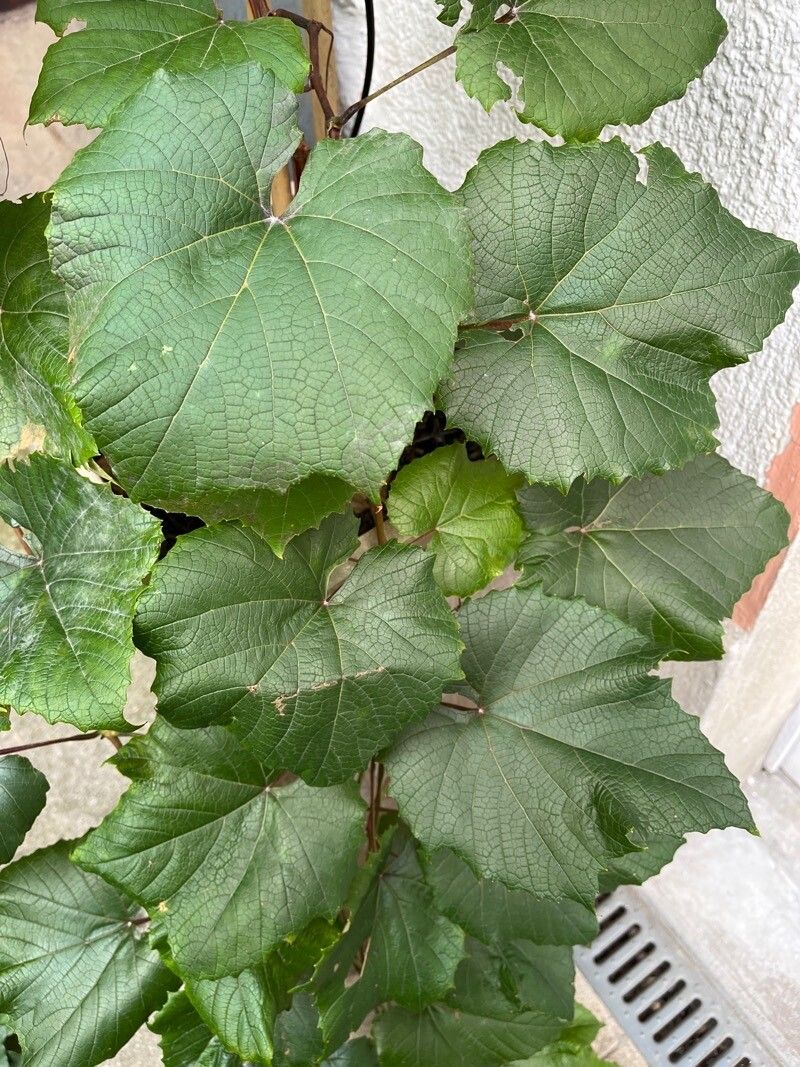
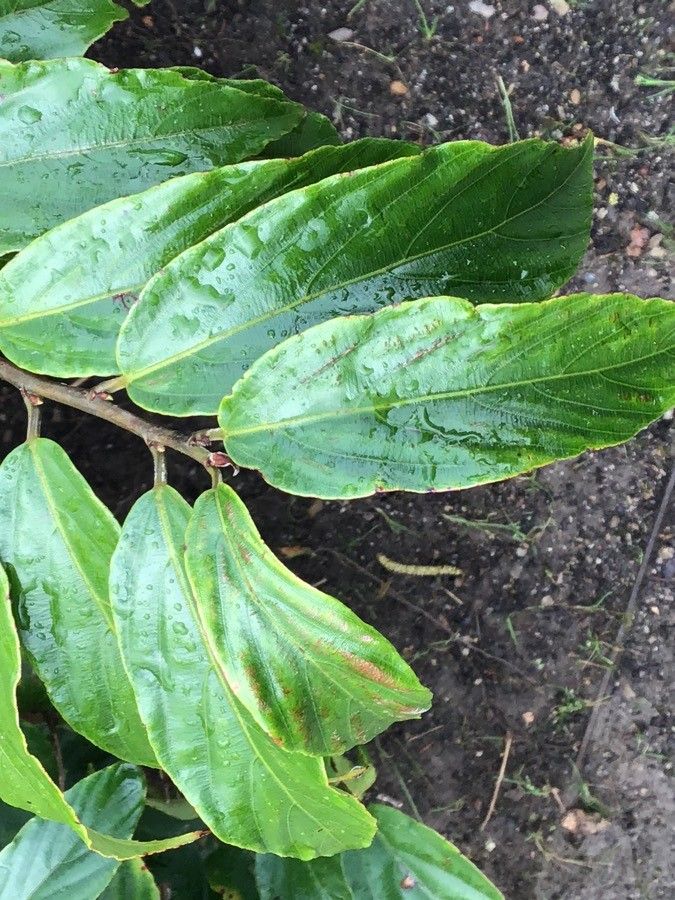
Rubus elegantispinosus, commonly known as the Himalayan blackberry, is a species of flowering plant in the rose family. This deciduous shrub can grow up to 3 meters tall and features thorny stems. Its dark green leaves are serrated and typically consist of five leaflets. The plant produces white or pink flowers in late spring to early summer, followed by edible blackberries that ripen from late summer to early fall.
Although native to Asia, the Himalayan blackberry has been introduced worldwide for ornamental purposes and fruit production. It thrives in both full sun and partial shade and prefers moist soil with good drainage.
The Himalayan blackberry can be invasive due to its ability to spread rapidly through vegetative reproduction from roots or stem fragments. It often forms dense thickets that outcompete native vegetation for resources.
Despite being considered a weed by some, the Himalayan blackberry has numerous uses. The fruit is commonly used in jams, jellies, and pies. Medicinally, the leaves have traditionally been used as an anti-inflammatory. Additionally, the plant provides habitat and shelter for wildlife.
In summary, Rubus elegantispinosus is a versatile plant that offers both benefits and drawbacks, depending on how it is managed within ecosystems.
Railway bramble is resistant to diseases and is generally unlikely to be affected by them. Regarding care, this plant is fairly low-maintenance. Planted outdoors it needs little watering, and larger specimens usually do not require pruning. Smaller plants, however, should be pruned after they finish blooming. Railway bramblet is appropriate for anyone with an outdoor area, such as a garden or deck, and does not demand much experience in plant care.
How to keep Rubus Elegantispinosus.
Light
Railway bramble occurs naturally in places such as forest understories or rocky areas, where it grows in natural shade. It prefers partial sun but can adapt to full sun or full shade, illustrating its versatility and hardiness.
Temperature
Railway bramble is highly adaptable to a variety of climate conditions, whether in searing summers or frosty winters. However, it does have an optimal temperature range for growth. When temperatures become excessively high, the plant is susceptible to heat and humidity stress, which can lead to its death. In areas where temperatures approach the lower limit of its cold tolerance, it is important to provide insulation to protect the plant.
Fertilizer
The Railway bramble needs adequate nutrients to produce fruit at its best. Fertilize in early spring to promote new growth and bloom development. Regular feeding keeps the plant healthy, yields more flavorful fruit, and prevents nutrient deficiency problems like yellowing leaves and poor fruit production.
Botanical profile.
- Plant Type
- Shrub
- Life Cycle
- Perennial
- Genus
- Rubus
- Family
- Rosaceae
- Hardiness Zone
- 5-9
- Mature Height
- 0.91 m to 2.13 m
- Mature Spread
- 0.91 m to 1.52 m
- Leaf Color
- Green, Dark Green
- Leaf Type
- Deciduous
- Flower Size
- 2.03 cm to 3.05 cm
- Bloom Time
- Late spring, Early summer
- Planting Time
- Autumn
- Harvest Time
- Mid summer, Late summer
- Native Area
- Belgium, Germany, Netherlands, France
Other names.