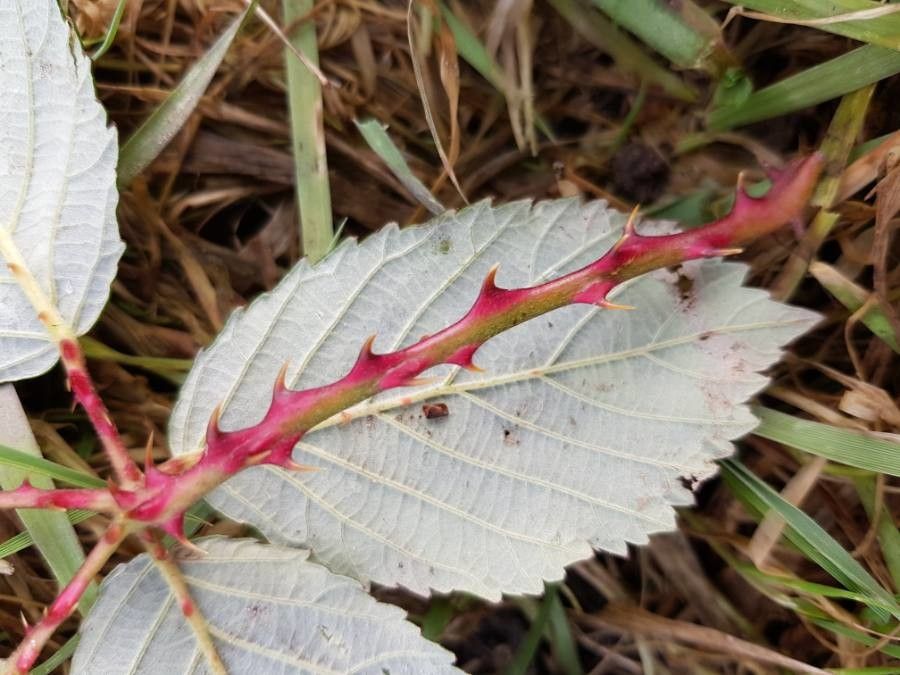
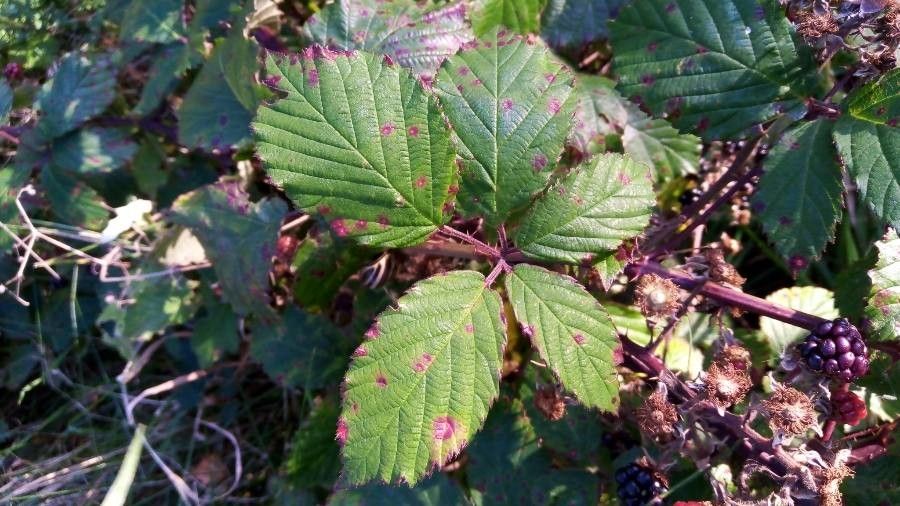
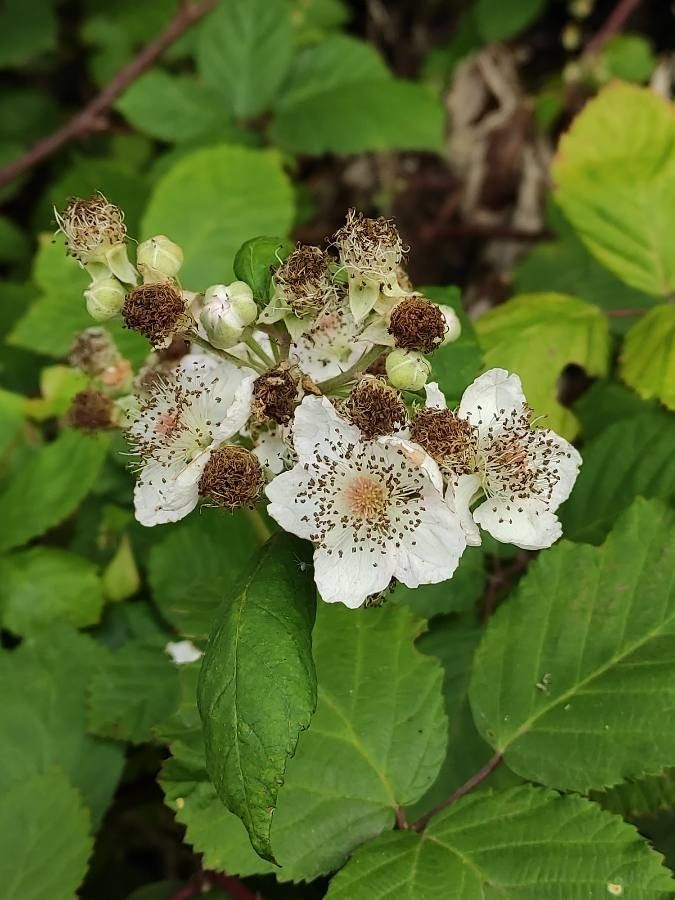
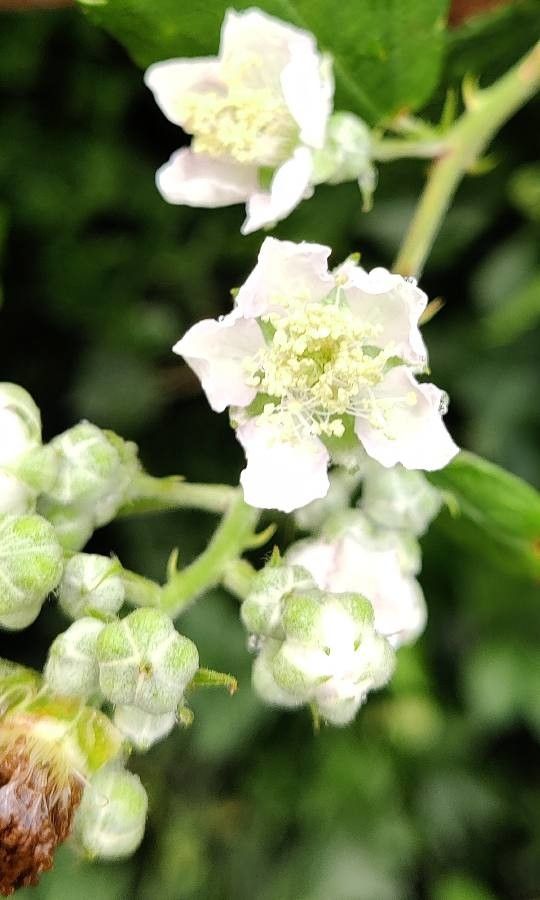
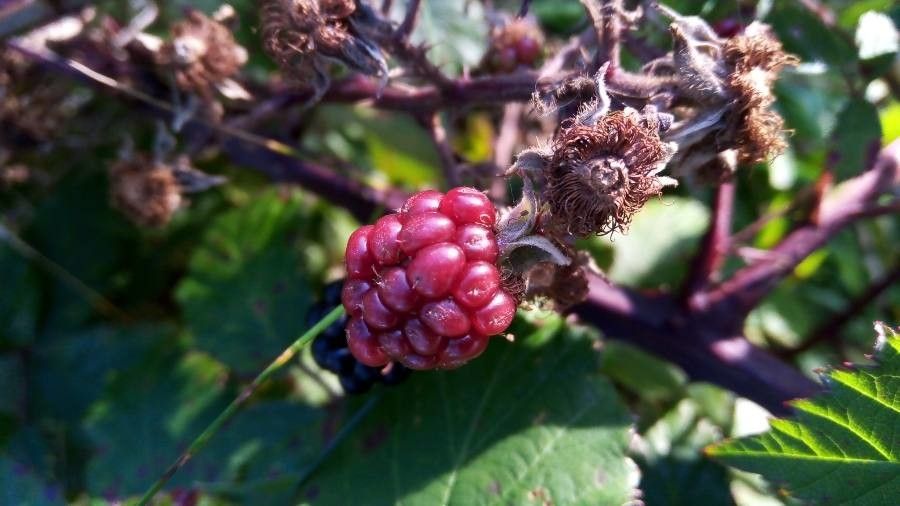
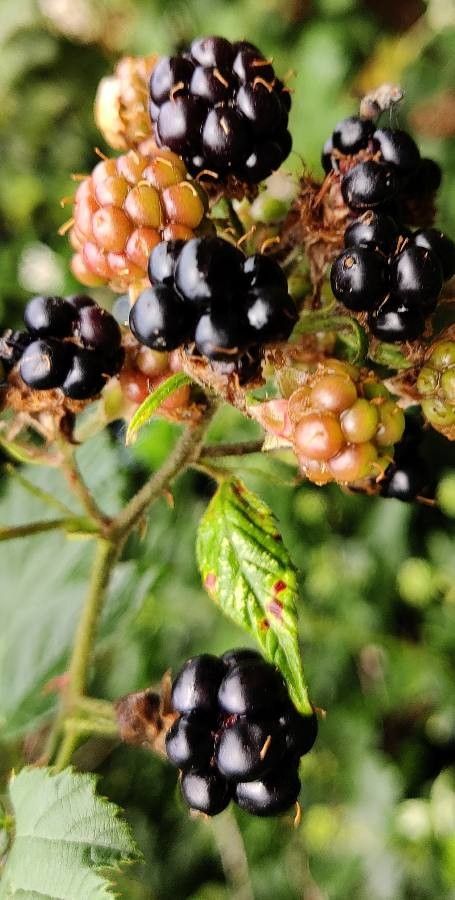
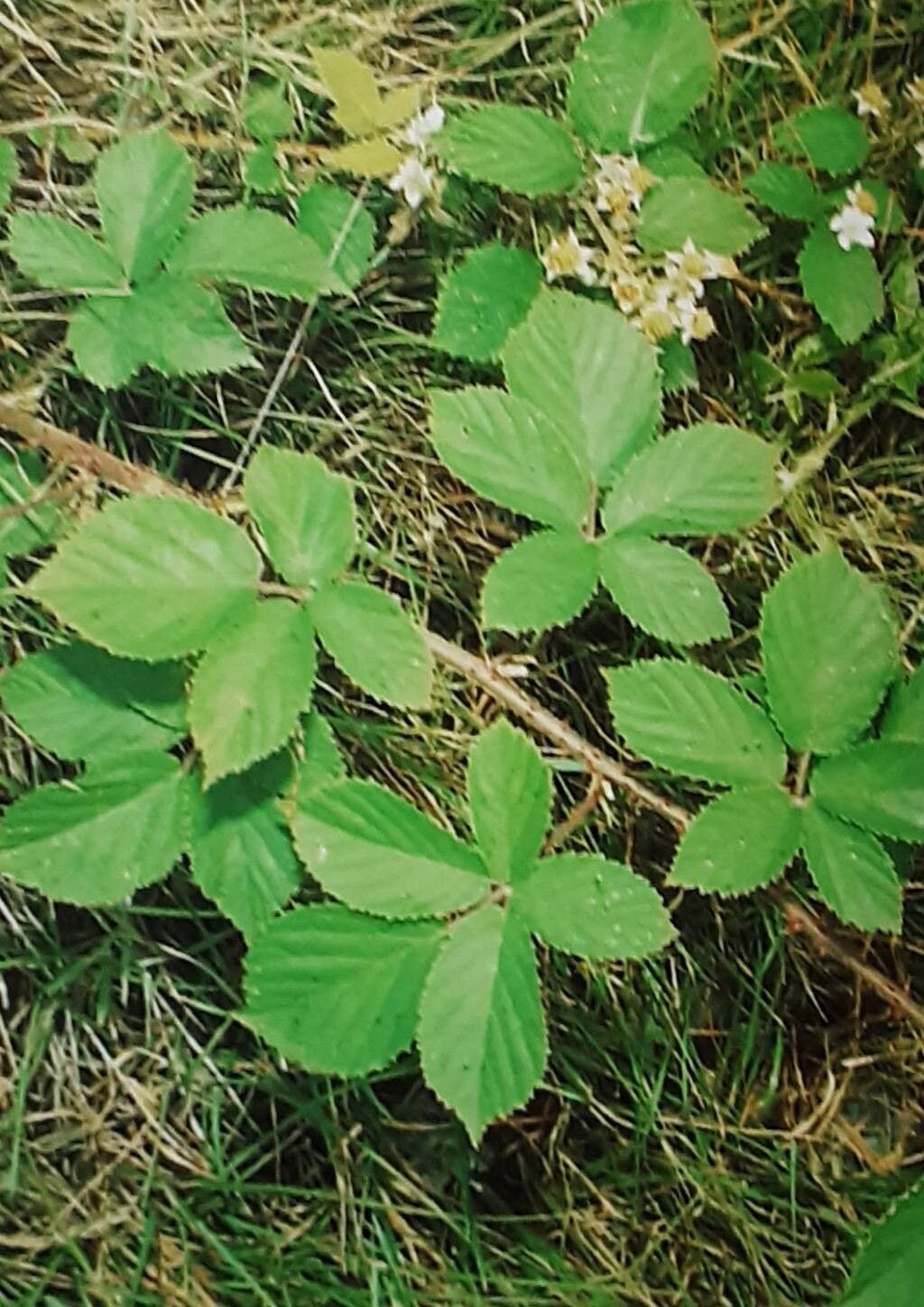
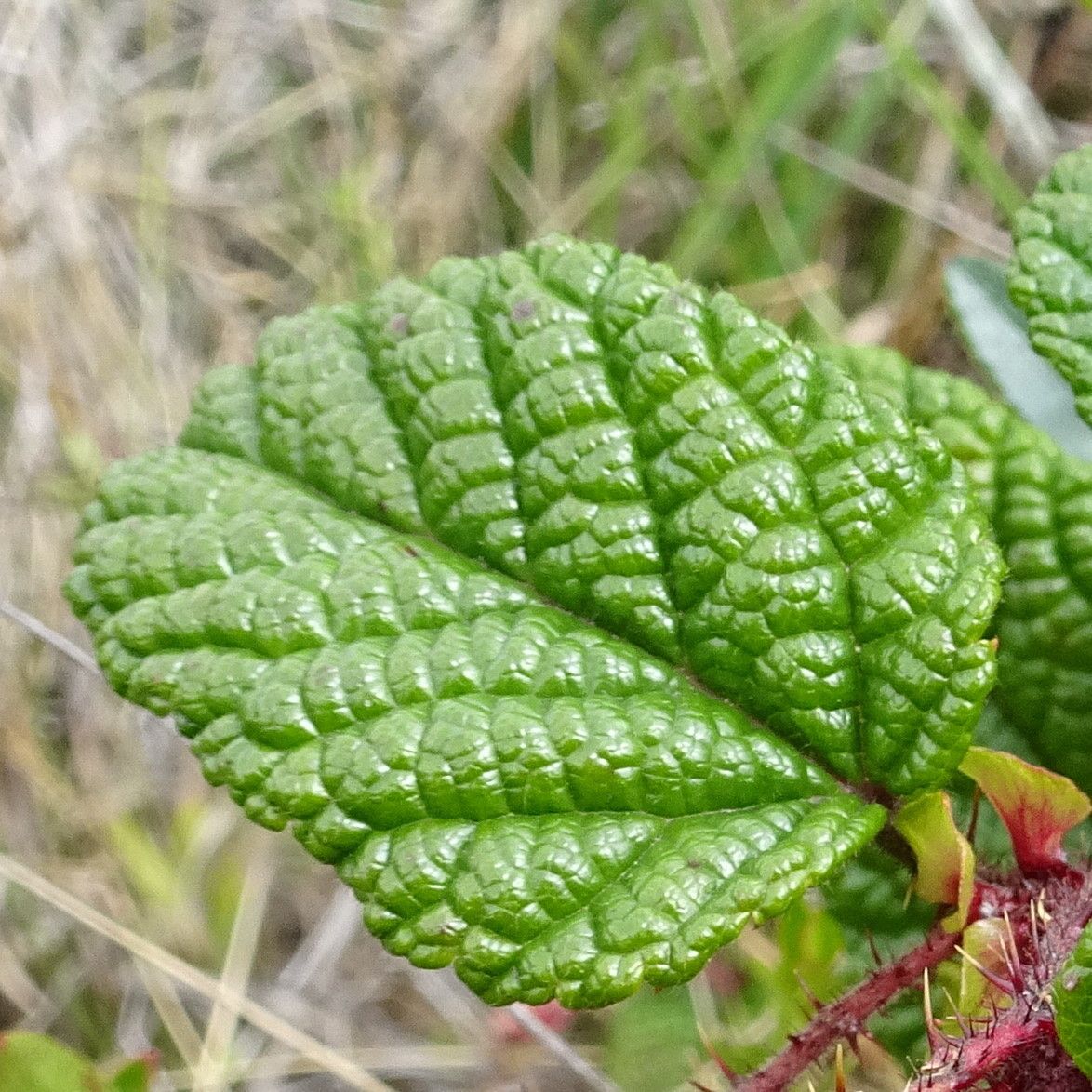
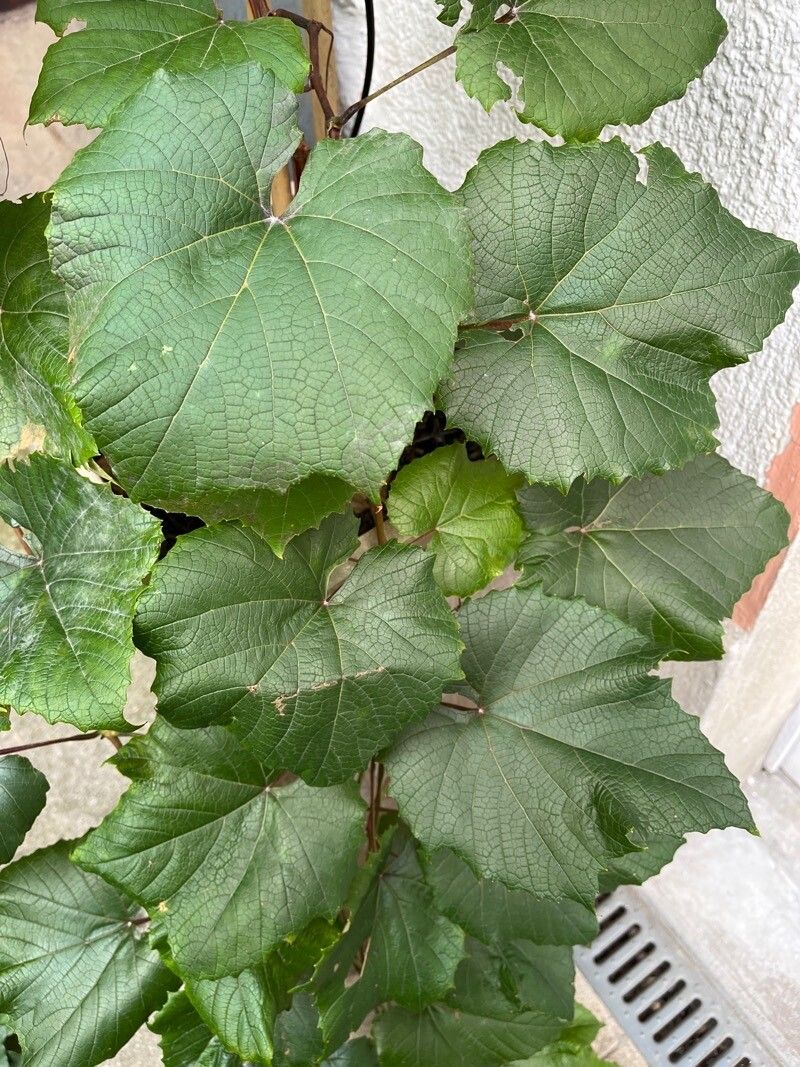
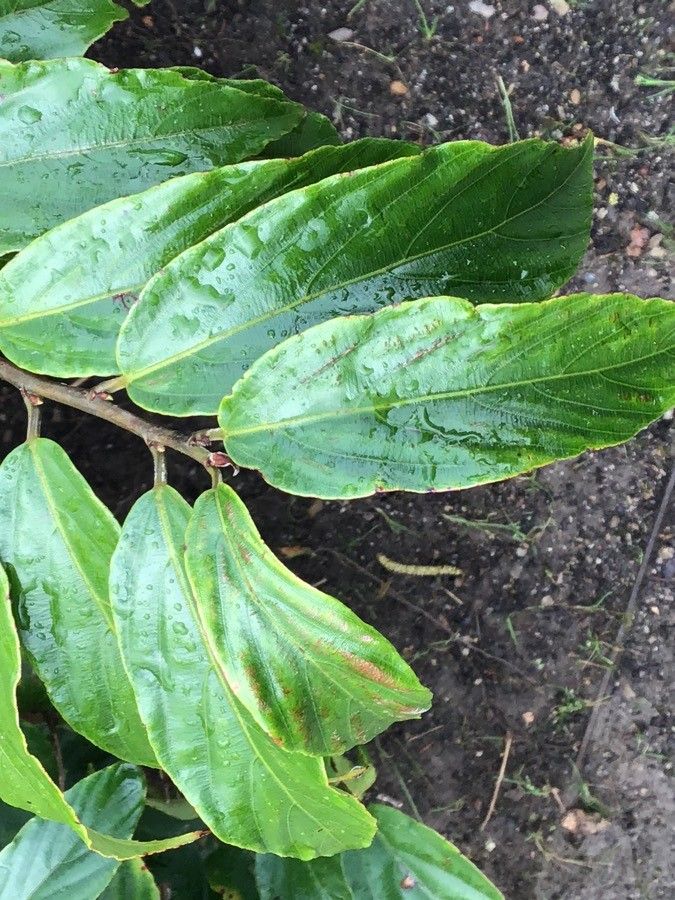
Rubus armeniacus, the Himalayan blackberry or Armenian blackberry, is a species of Rubus in the blackberry group Rubus subgenus Rubus series Discolores (P.J. Müll.) Focke. It is native to Armenia and Northern Iran, and widely naturalised elsewhere. Both its scientific name and origin have been the subject of much confusion, with much of the literature referring to it as either Rubus procerus or Rubus discolor, and often mistakenly citing its origin as western European. Flora of North America, published in 2014, considers the taxonomy unsettled, and tentatively uses the older name Rubus bifrons.In some areas, the plant is cultivated for its berries, but in many areas it is considered a noxious weed and an invasive species.
Elmleaf blackberry is well resistant to disease and is generally not susceptible to illnesses. As for care, this plant is fairly low maintenance. When grown outdoors it needs little watering, and larger plants usually do not require pruning. Smaller plants, however, should be pruned after they have bloomed. Elmleaf blackberry is suitable for anyone with an outdoor area, such as a garden or deck, and does not demand extensive gardening experience.
How to keep Rubus Discolor.
Light
The Elmleaf blackberry thrives in places with a generous amount of light, but it can also moderately adjust to environments with less light. This adaptation mirrors the high light levels in its natural habitat. Insufficient light could inhibit its growth, while too much might potentially damage the plant, highlighting the importance of maintaining a proper balance of sunlight exposure.
Temperature
The Elmleaf blackberry is indigenous to climates featuring moderate temperatures, best ranging from 41 to 90 °F (5 to 32 ℃). Colder winter seasons may stimulate flowering, however, you should avoid subjecting Elmleaf blackberry to frozen conditions. Regulate the watering in accordance with shifts in temperature.
Fertilizer
The Elmleaf blackberry plant necessitates adequate nutrients for the best fruit yield. Apply fertilizer in the initial phase of spring for fresh growth and flowering. Consistent fertilization assists the plant in staying robust, cultivating tastier fruit, and avoiding nutrient scarcity problems such as yellowing leaves and subpar fruit yield.
Botanical profile.
- Plant Type
- Vine, Shrub
- Life Cycle
- Perennial
- Genus
- Rubus
- Family
- Rosaceae
- Hardiness Zone
- 4-7
- Mature Height
- 3.05 m to 4.88 m
- Mature Spread
- 2.44 m to 3.05 m
- Leaf Color
- Green, Yellow, White
- Leaf Type
- Deciduous
- Flower Color
- Pink, White
- Flower Size
- 0.51 cm to 1.27 cm
- Bloom Time
- Late spring, Early summer, Mid summer
- Planting Time
- Spring, Summer, Autumn
- Harvest Time
- Mid summer
- Native Area
- Libya, Egypt, Turkey, Tunisia, Croatia, Slovenia, Morocco, Lebanon, Germany, Italy, Spain, Switzerland, Netherlands, France, Ireland, United Kingdom, Algeria, Belgium, Portugal
Other names.