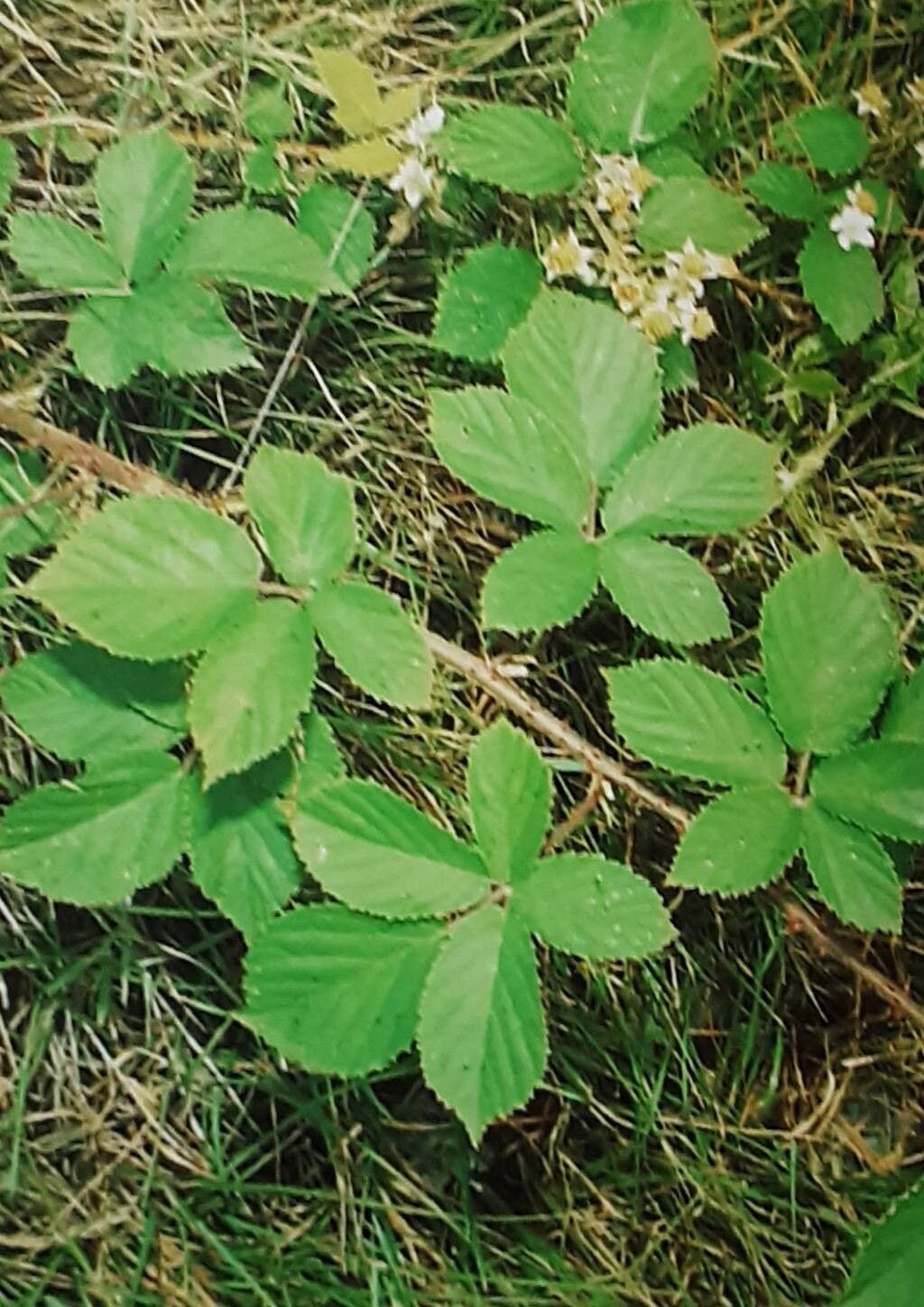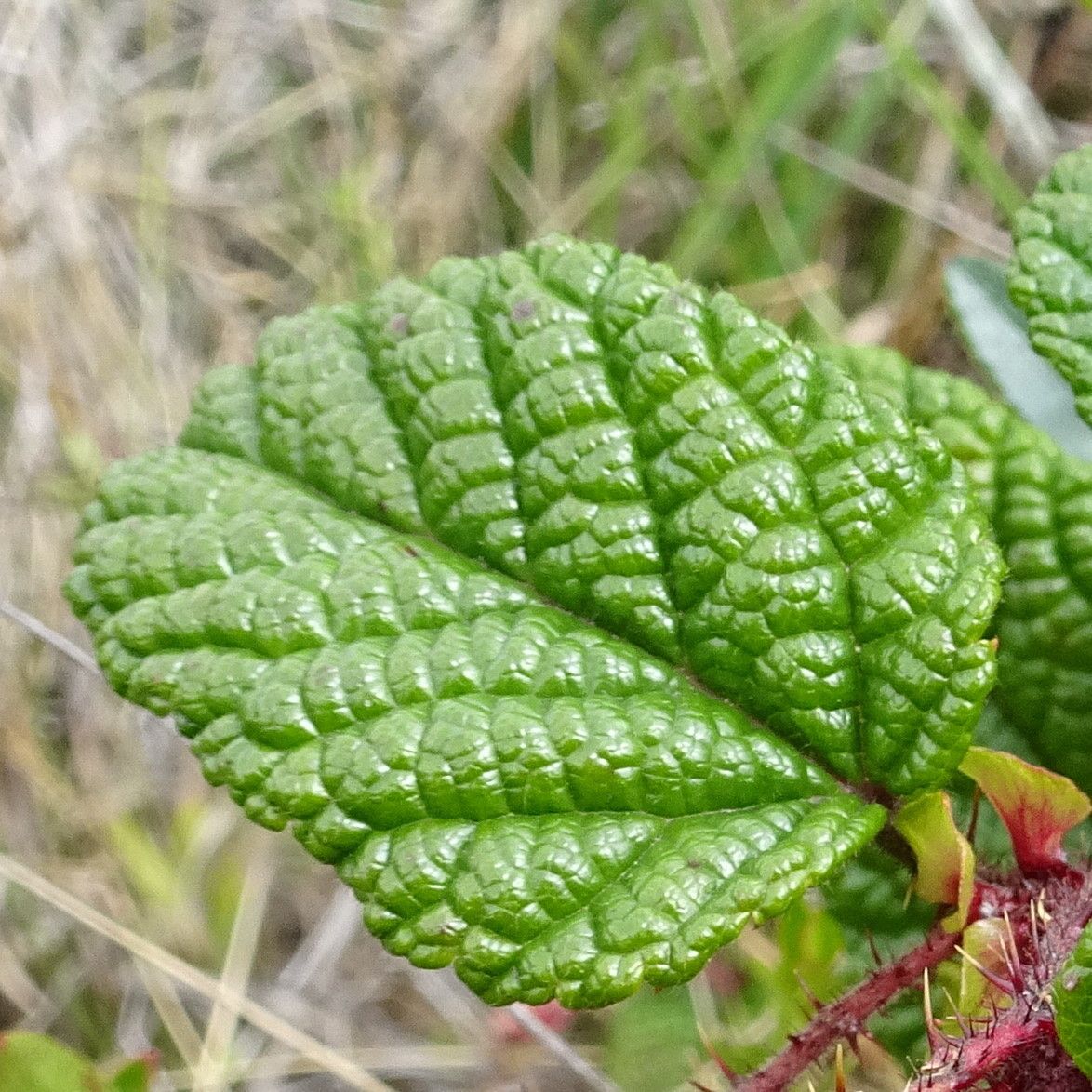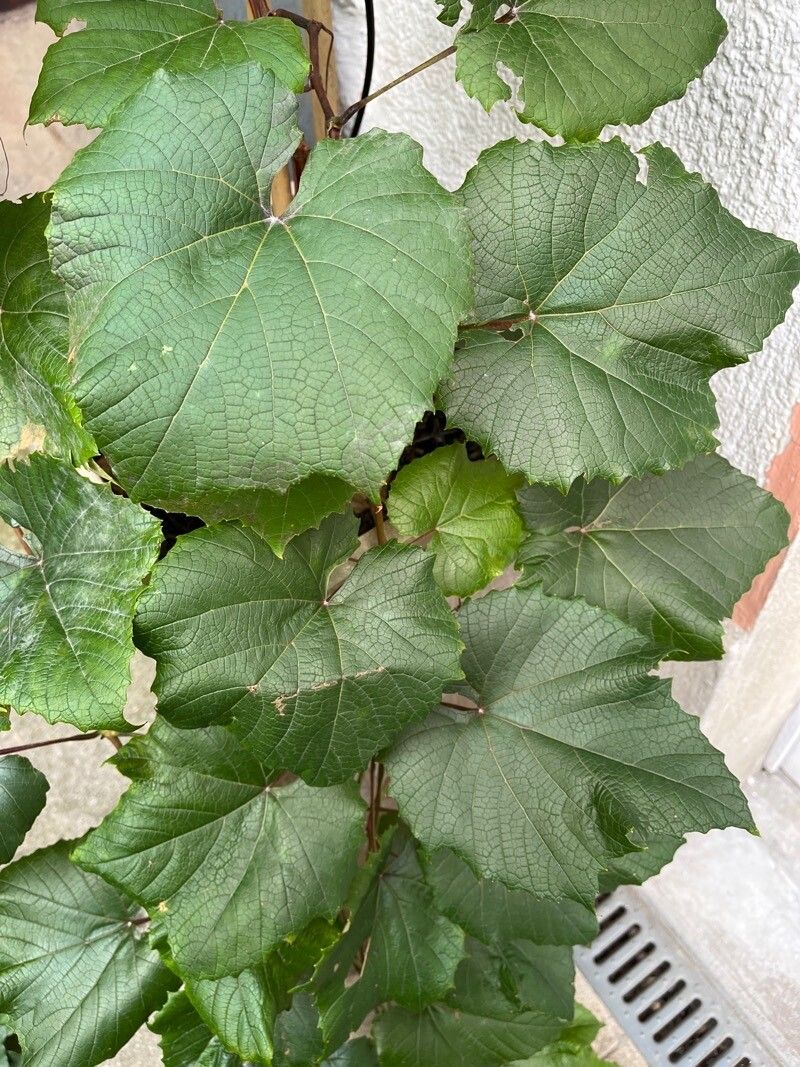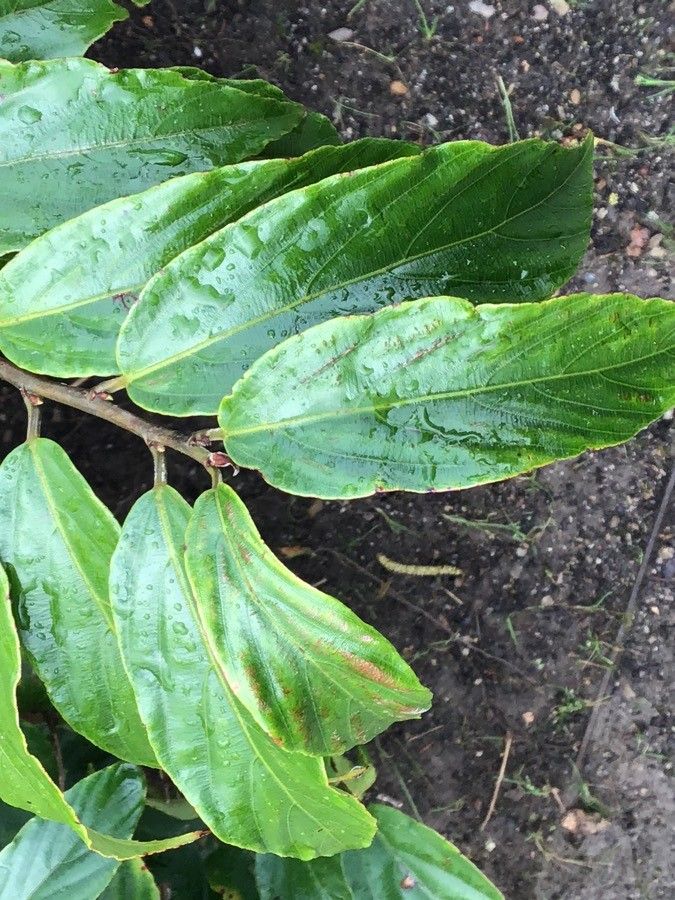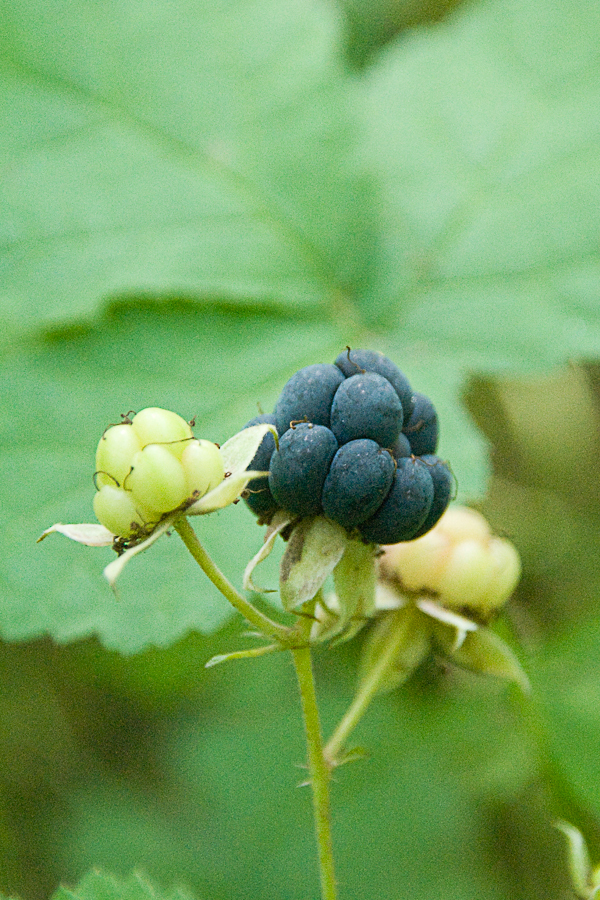
Rubus caesius is a Eurasian species of dewberry, known as the European dewberry. Like other dewberries, it is a species of flowering plant in the rose family, related to the blackberry. It is widely distributed across much of Europe and Asia from Ireland and Portugal as far east as Xinjiang Province in western China. It has also become sparingly naturalized in scattered locations in Argentina, Canada, and the United States.
The European dewberry has strong resistance to disease and is generally not prone to illnesses. Regarding care, this plant is fairly low-maintenance. When grown outdoors it needs little watering, and larger plants typically do not require pruning. Smaller plants, however, should be pruned after they finish blooming. European dewberryt is suitable for anyone with an outdoor space, such as a garden or deck, and does not require a lot of care experience.
How to keep Rubus Caesius.
Light
European dewberry needs full sun for the healthiest development. While it can tolerate some shade, abundant sunlight is preferred for optimal growth. In its native range, European dewberry is commonly found in very sunny areas. Excessive shade can result in poor fruit production. Conversely, too much sun exposure may cause water stress, particularly during drought.
Water
The European dewberry is highly drought-tolerant and thrives in dry conditions. It prefers to be watered every three weeks and goes dormant during the colder months, which significantly reduces its need for water.
Humidity
This plant will thrive in moderate humidity, which is probably the level in your home. However, misting it a few times a week can be very beneficial. Make sure the room has good ventilation.
Temperature
European dewberry is native to cool climates where temperatures range from 32 to 89.6 °F (0 to 32 ℃). It prefers a temperate climate. Adjustments might be necessary for growth in hotter or colder conditions.
Fertilizer
The European dewberry needs adequate nutrients to produce fruit at its best. Fertilize in early spring to encourage new growth and bloom development. Regular feeding keeps the plant healthy, produces tastier fruit, and prevents nutrient deficiency problems like yellow leaves and poor fruit set.
Pruning
The European dewberry has arching growth and thorny stems. For optimal results, prune it in early spring by removing any dead or overcrowded branches—this will improve air circulation and increase fruit yield. Be careful not to over-prune, as this can reduce berry production. To keep the plant healthy and vigorous, perform rejuvenation cuts every few years.
Toxicity
Rubus caesius has no toxic effects reported.
Further reading →
The toxicity and danger assessments provided are for reference only. We do not assure their accuracy, so it's crucial not to depend on them. Seek professional advice when necessary for accurate guidance.
Botanical profile.
- Plant Type
- Shrub
- Life Cycle
- Perennial
- Genus
- Rubus
- Family
- Rosaceae
- Hardiness Zone
- 3-7
- Mature Height
- 2.13 m
- Mature Spread
- 61 cm
- Leaf Color
- Green, Yellow
- Leaf Type
- Deciduous
- Flower Color
- White
- Flower Size
- 2.54 cm
- Bloom Time
- Late spring, Early summer
- Planting Time
- Winter, Spring
- Harvest Time
- Mid summer
- Native Area
- Turkey, Sweden, Austria, Slovakia, Montenegro, Slovenia, Croatia, Yemen, Belarus, Uzbekistan, Russia, Iraq, Germany, Estonia, Romania, Latvia, Belgium, Portugal, Netherlands, France, Tajikistan, Czech Republic, Bulgaria, Poland, Greece, Ukraine, Serbia, China, Lithuania, Norway, Afghanistan, Kyrgyzstan, Kazakhstan, Italy, Spain, Switzerland, Denmark, Finland, Iran, Albania, Ireland, United Kingdom, Hungary, Algeria, Turkmenistan
Other names.
Reader questions.
How should I water my European dewberry plant?
To ensure excellent root development, consider placing a garden hose at the base of your plants. It's best to avoid spraying the leaves directly, especially if they are exposed to direct sunlight. If needed, water the leaves more frequently when they are outdoors. For moistening the roots, you have a few options. Bubblers can be attached to each plant, providing a steady flow of water. Soaker hoses are great for covering the entire garden or bed, particularly when adding or removing plants to encourage deep root growth. After watering, make sure to drain any excess water and allow the soil to dry before watering again. To prevent diseases, it's recommended to water at ground level instead of from above. However, on a sunny day, you may consider spraying the entire bush with water for added hydration. Whether your European dewberry is in a pot or planted in the ground, remember that it prefers deep watering as opposed to light sprinkling.
Why should I put fertilizer on my European dewberry plant?
No matter what type of European dewberry you have, regular fertilization is important for the plant's overall health. Providing the proper nutrients will promote strong growth and make the dewberry more resistant to difficult growing conditions, pests, and diseases. It is worth noting that the foliage of your European dewberry is very attractive, so it is important to maintain its health. This can be achieved by following a consistent fertilization schedule tailored to your specific dewberry variety. This will result in vibrant and lush leaves.
What are the sunlight requirements for European Dewberry (Rubus caesius)?
European Dewberry requires full sunlight for healthy development, thriving in conditions where it can receive more than 6 hours of direct sunlight daily. While it can tolerate partial shade, with exposure to about 3-6 hours of sunlight, abundant sun is essential for optimal growth and fruit production. In its natural habitat, European Dewberry is accustomed to extensive sun exposure. However, too much sun, especially in the absence of adequate moisture, can lead to water stress and negatively impact the plant.
What is the native climate for European Dewberry?
European dewberry, with its botanic name Rubus caesius, is native to cool climates where temperatures range from 32 to 89.6 °F (0 to 32 °C). It thrives in a temperate climate, indicating that adjustments may be necessary for optimal growth in conditions that are significantly hotter or colder than its native environment.
What do I need to do if I give the European dewberry plant too much or too little water?
An overwatered European dewberry can exhibit various signs such as yellowing, dropping off, and wilting leaves. The plant may appear unhealthy, with mushy stems and a dull look. When these signs start to show, it is advisable to adjust your watering schedule accordingly. Conversely, wilting can also indicate under watering, which results in crispy and dry leaves. In such cases, if the soil is dry and regular watering is insufficient, a thorough watering should be provided. Sufficient water will enable the European dewberry to revive, but the plant may still have dry and yellow leaves for a few days due to the damaged root system. Once the plant returns to its normal state, the yellowing of leaves will cease. When you keep the European dewberry indoors, always check the moisture levels in the pot and avoid overwatering. Look out for black spots as an indication of excessive watering, in which case, allow the soil to dry by abstaining from watering for a few days. Overwatering can lead to root rot, so if you observe discolored and slimy roots, it may be necessary to transfer the plant to a different pot. It is crucial to prevent root rot by avoiding overly saturated soil. When planting the European dewberry outdoors, make sure to dig deeper and check the soil's moisture with your fingers. If the soil feels excessively dry, it could indicate underwatering, and providing adequate watering is essential for the plant's recovery.
When should I fertilize my European dewberry plant?
To ensure healthy growth, it is recommended to fertilize your European dewberry twice a year. The first fertilization should be done in late winter or early spring, providing the necessary nutrients for growth as the weather warms up. In warm climates, it is beneficial to give an additional fertilizer feeding during early fall. This not only adds nutrients for the following growing season but also helps the dewberry withstand winter cold and avoid foliage damage. Early fertilization ensures that new branches have enough time to grow and strengthen before the cold sets in.
How can artificial lighting be used for European Dewberry growing indoors?
Indoor European Dewberry plants can benefit from artificial lighting when natural sunlight is insufficient, especially during winter or in less sunny indoor locations. LED lights are recommended due to their ability to be customized to specific plant needs, with full sun plants requiring 30-50W/sq ft, partial sun plants needing 20-30W/sq ft, and full shade plants needing 10-20W/sq ft of artificial light. The light source should be placed 12-36 inches above the plants, for about 8-12 hours per day, to mimic natural sunlight conditions efficiently.
Does European Dewberry require frost protection during winter?
European dewberry is highly cold-tolerant and does not generally require additional measures for frost protection during winter. However, it's beneficial to water the plant generously before the first freeze in autumn. This ensures the soil around the plant remains moist and enters a frozen state, helping to prevent issues related to drought and water scarcity for the plant during the colder winter and early spring months.
How frequently should I give water to my European dewberry plant?
The European dewberry prefers deep and infrequent watering, especially when planted in pots. Pots have limited water storage, so they tend to dry out faster. In cold regions, water the plant every 3 to 5 days, preferably in the morning when the soil is dry. Check the soil to determine if watering is needed - if the top 2-3 inches of soil are dry, it's time to water. During hot days, check the moisture daily as the soil can dry out quickly. If you have a garden, you'll need to irrigate the soil. In hot climates, water once a week when about 2 to 3 inches of soil becomes too dry. However, avoid watering if there has been a lot of rainfall to prevent root rot. European dewberries grow during spring and fall, so adding mulch can help conserve water when they are outdoors. Sandy soil drains faster, so water more frequently, while clay soil requires less frequent watering to avoid root rot. Keep track of watering dates to avoid any delay - drooping leaves can indicate when the plant needs water.
When is it not a good idea to fertilize my European dewberry plant?
There are a few specific times when it is not recommended to fertilize your European dewberry plant. The first time is during the winter months when the plant is dormant and does not require any feeding. Additionally, it is not advisable to fertilize the plant during the late spring and summer when the weather is hotter and drier. These conditions can have a negative effect on the plant if it is fertilized. To avoid any issues, it is best to stick to a fertilization schedule that involves feeding only in the early spring and early fall.
What are the signs of insufficient light for European Dewberry and how can it be addressed?
Signs of insufficient light in European Dewberry include smaller new leaves, leggy or sparse growth, faster leaf drop, slowed or halted new growth, lighter-colored or chlorotic leaves, sunscald, leaf curling, wilting, and leaf scorching. Solutions for insufficient indoor light involve gradually increasing sunlight exposure by moving the plant closer to a south-facing window or supplementing with artificial light for at least 8 hours daily. For outdoor plants, gradually shifting them to a sunnier spot each week can help avoid sunburn. Pruning obstructive branches and transplanting smaller plants during their dormant period to sunnier locations with good drainage can also improve sunlight exposure.
How should you manage European Dewberry in low winter temperatures?
Despite its remarkable cold tolerance, European dewberry's winter temperature should optimally remain above -35°C (-31°F). If temperatures dip below this threshold, the plant may not show immediate damage during winter, but come spring, its branches can become brittle and dry, failing to produce new shoots. The solution is to prune away any dead branches that have failed to produce new leaves in the spring, stimulating healthier growth.