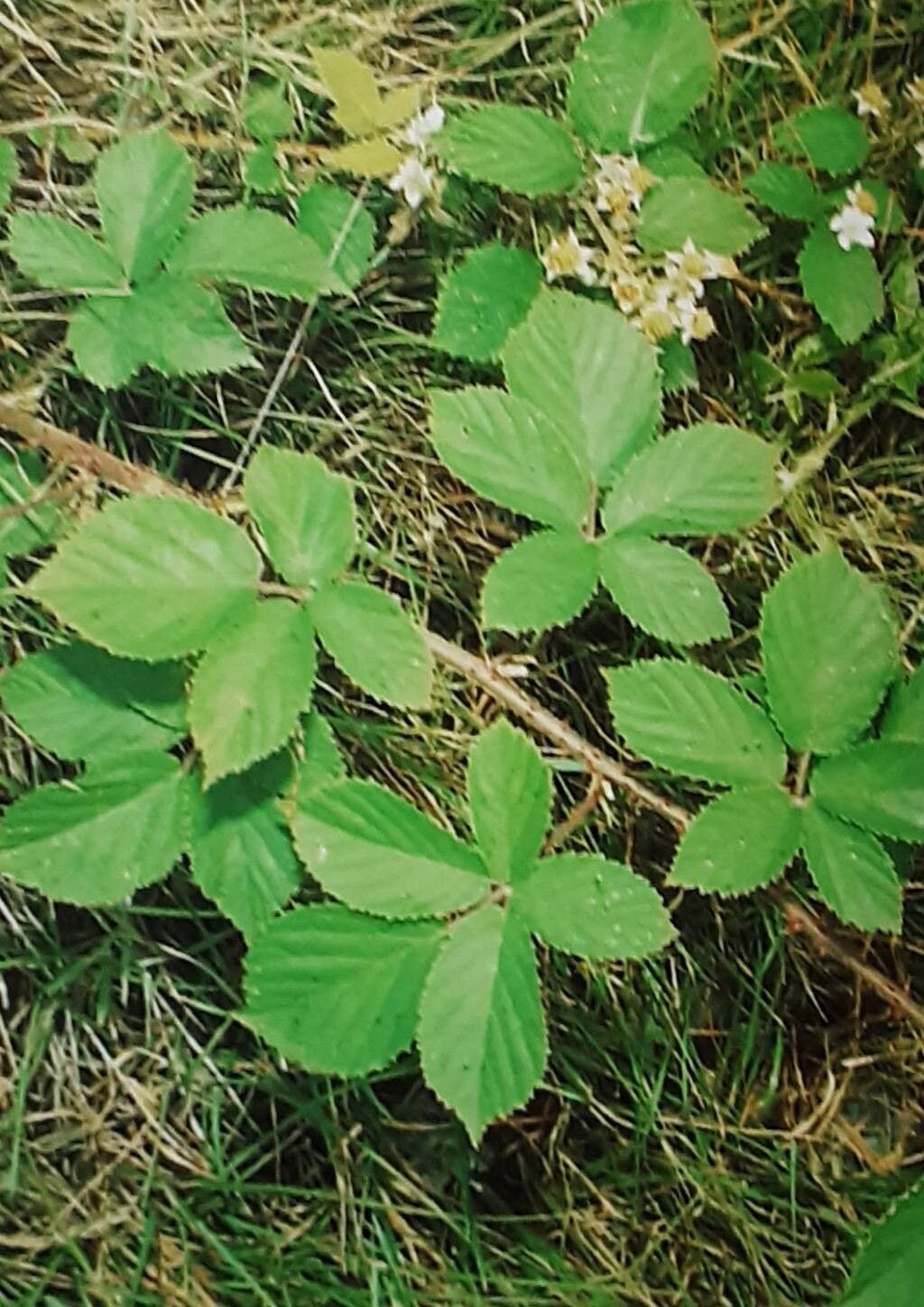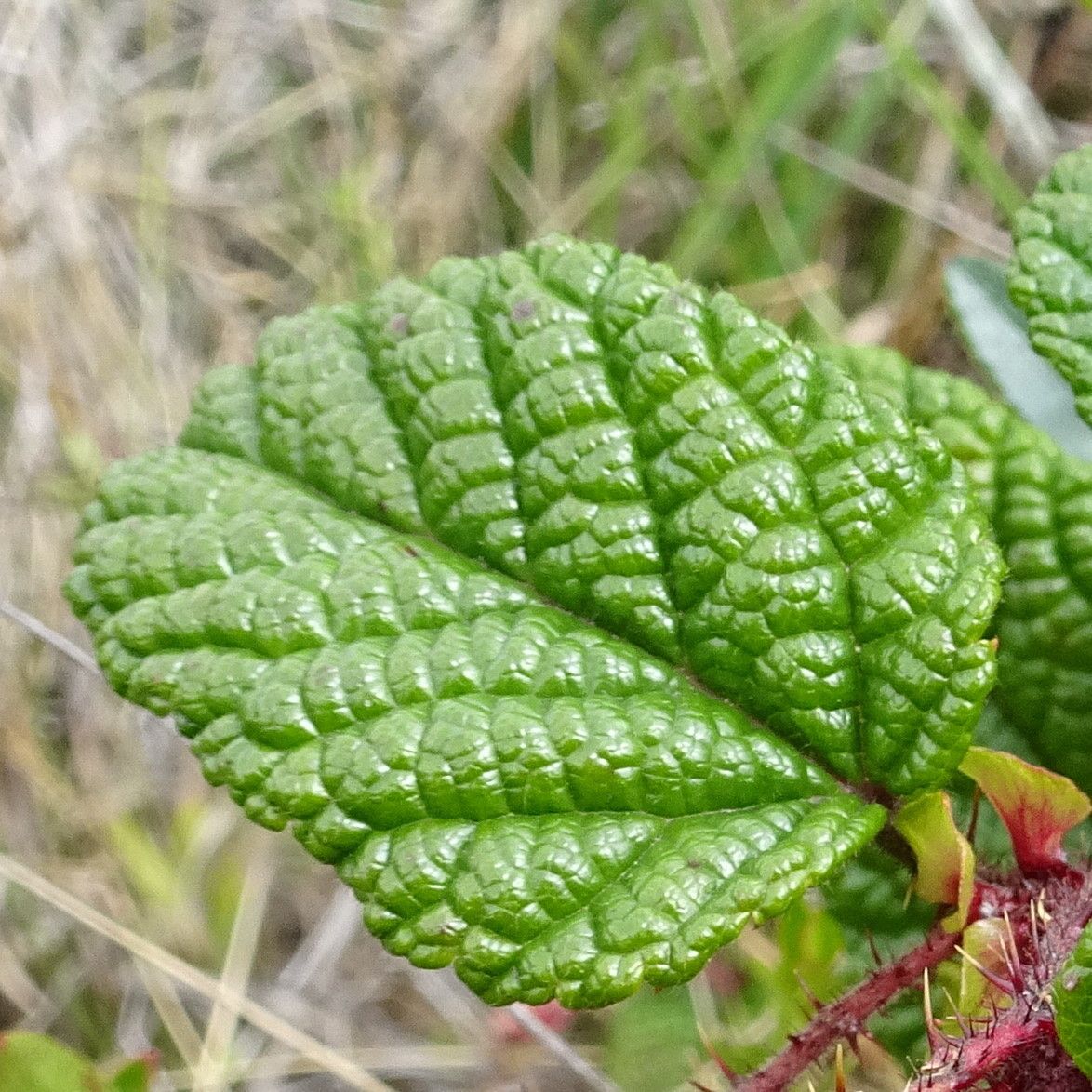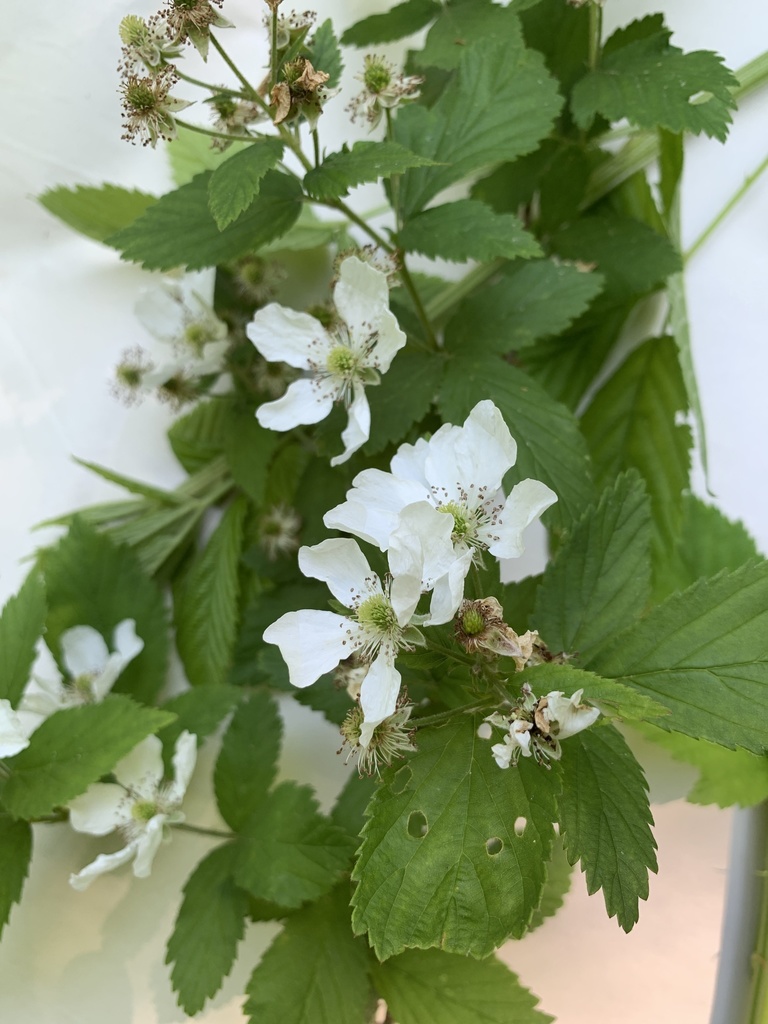
Rubus argutus, commonly known as the prickly blackberry, is a flowering plant species in the rose family. Native to North America, it thrives in diverse habitats, including forests, meadows, and roadsides. This plant typically reaches up to 2 meters in height and features thorny stems and compound leaves, which are green on top and pale on the underside. From May to July, Rubus argutus produces white or pinkish flowers with five petals. These blooms are followed by edible blackberries that ripen between July and September. The plant serves as a vital food source for various wildlife, including birds and mammals. However, it can become invasive in certain areas due to its rapid spread through underground rhizomes. Historically, Native Americans have utilized Rubus argutus for medicinal purposes, leveraging its astringent properties to treat ailments such as diarrhea, dysentery, sore throats, and wounds.
Sawtooth Blackberry: At first glance, these plants might remind you of blackberry bushes, and it's not surprising given their similarities. Like blackberries, sawtooth blackberries are part of the Rubus genus. Their name comes from the distinctive, sawtooth-like edges of their leaves.
Sawtooth blackberry has strong resistance to disease and is generally not susceptible to illnesses. Regarding care, this plant is fairly low-maintenance. When grown outdoors it needs only minimal watering, and larger plants typically do not require pruning. Smaller plants, however, should be pruned after they have bloomed. Sawtooth blackberryt is appropriate for anyone with an outdoor area, such as a garden or a deck, and does not demand much experience in plant care.
How to keep Rubus Argutus.
Light
Originating in locations that receive sunlight for most of the day, the sawtooth blackberry can do well in those conditions, yet it can also tolerate spots with somewhat less sun. During growth stages when sunlight intensity changes, it adapts healthily. If it gets too little or too much sunlight, the plant's vigor can decrease or the leaf color may alter.
Water
The Sawtooth blackberry is a drought-tolerant plant that thrives in environments with varying moisture levels. It requires watering every 2-3 weeks and is well-suited to temperate zones, where it benefits from seasonal rainfall. This makes it an ideal choice for gardens that utilize both natural precipitation and planned irrigation.
Temperature
Sawtooth blackberry does well in temperate climates, favoring temperatures from 41 to 90 ℉ (5 to 32 ℃). It prefers cool, moist summers and mild winters, and can withstand temperatures down to 23 ℉ (-5 ℃). During the growing season it needs consistently warm conditions of about 68 ℉ (20 ℃) or higher. In hot summer months, it’s advisable to give it some shade or increase how often you water it.
Fertilizer
The Sawtooth blackberry plant needs adequate nutrients to achieve optimal fruit production. Fertilize in early spring to encourage new growth and bloom development. Regular feeding helps the plant stay healthy, produce more flavorful fruit, and prevents nutrient-deficiency problems like yellowing leaves and poor fruit production.
Pruning
Proper pruning of sawtooth blackberry plants can significantly enhance their growth and fruit production. Effective techniques include removing dead canes, thinning to improve airflow, and pruning in early spring to encourage vigorous regrowth. Regular pruning also helps reduce the risk of disease and keeps the plant more manageable.
Botanical profile.
- Plant Type
- Shrub
- Life Cycle
- Perennial
- Genus
- Rubus
- Family
- Rosaceae
- Hardiness Zone
- 4-8
- Mature Height
- 2.13 m
- Mature Spread
- 0.91 m to 1.52 m
- Leaf Color
- Green
- Leaf Type
- Evergreen, Deciduous
- Flower Color
- White
- Flower Size
- 0.76 cm to 2.29 cm
- Bloom Time
- Late spring, Early summer
- Planting Time
- Autumn
- Harvest Time
- Mid summer
Other names.
Reader questions.
When Should I Water My Sawtooth Blackberry?
Watering your sawtooth blackberry is vital for its health, including promoting lush foliage and juicy fruits. Water when the top inch of soil feels dry, watching for leaf color changes and fruit firmness as indicators. Avoid both over-watering, which leads to root rot, and under-watering, which can cause dehydration. Regular checks for soil moisture and observation of the plant will guide you on when to water it effectively.
Why should I put fertilizer on my Sawtooth blackberry plant?
Regular fertilization is important for Sawtooth blackberries as their fast growth depletes soil nutrients. By providing extra nutrients through fertilization, these plants not only stay healthy but also produce more delicious fruit. Without proper fertilization, plants can face various issues like foliage problems such as yellow leaves, reddish color, deformed shape, withered tips, or large-scale dieback. Nutrient deficiencies can also result in bark disorders, slow growth, poor shoot development, and limited fruit production.
What are the sunlight requirements for sawtooth blackberry (Rubus argutus)?
Sawtooth blackberry (Rubus argutus) thrives in conditions where it can bask in sunlight for the majority of the day, requiring full sun exposure of above 6 hours of sunlight daily. It's also adaptable to partial sun, preferring about 3-6 hours of sunlight. The plant's ability to healthily adjust to varying sun intensity during its growth stages makes it versatile. However, too little or too much sunlight can negatively impact the plant's vitality, causing leaf color changes or reducing its overall health. It's essential to observe how sunlight moves through your garden to select ideal locations that provide the perfect balance of light and shade for the plants.
What are the ideal temperature conditions for Sawtooth blackberry (Rubus argutus)?
Sawtooth blackberry (Rubus argutus) thrives in temperate regions and performs best within a temperature range of 41 to 90°F (5 to 32°C). This plant prefers cool, moist summers and mild winters, with an ability to withstand temperatures as low as 23°F (-5°C). During the growing season, consistently warm temperatures of around 68°F (20°C) or higher are required. In periods of hot summers, it's advisable to either provide some shade to the plant or water it more frequently to help it cope with the heat. Sawtooth blackberry possesses strong cold resistance, minimizing the need for special frost protection measures in winter, but if temperatures are expected to fall below its cold tolerance threshold, taking steps to protect the plant from cold, like wrapping its trunk and branches, is recommended. Also, watering the plant abundantly before the first freeze in autumn to keep the soil moist is beneficial for preventing winter and early spring drought conditions.
How Should I Water My Sawtooth Blackberry?
Sawtooth blackberry benefits from bottom-watering, allowing roots to absorb moisture without excess foliage wetness, hence avoiding diseases. Use a watering can with a narrow spout to target the root zone directly and consider employing a moisture meter to ensure the soil is appropriately moist. Ensuring your pot has proper drainage holes is crucial to prevent waterlogging.
When should I fertilize my Sawtooth blackberry plant?
The best time to fertilize Sawtooth blackberry is in early spring, right before the buds start to grow. During this time, the plant uses its stored energy from winter to produce new growth. To support the development of blooms, it's recommended to fertilize about 2 to 4 weeks before the expected blooming period. This gives enough time for the nutrients to seep into the soil and be absorbed by the plant. While you can continue to fertilize Sawtooth blackberry in the spring, it's best to avoid fertilizing in autumn. This is because late foliage growth can be damaging during winter.
How does artificial lighting support sawtooth blackberry indoors?
For indoor sawtooth blackberries, adequate lighting is crucial, especially when natural sunlight is insufficient, such as in winter or less sunny spaces. Artificial lights, particularly LED lights, are beneficial as they can be customized to provide necessary wavelengths. For optimal growth, full sun plants need 30-50W/sq ft of artificial light, partial sun plants require 20-30W/sq ft, and full shade plants need 10-20W/sq ft. The light source should be placed 12-36 inches above the plant, mimicking natural sunlight conditions, and kept on for 8-12 hours per day to promote faster, healthier growth.
What should I do if the sawtooth blackberry experiences temperatures below its cold tolerance level?
If the Sawtooth blackberry experiences temperatures below its cold tolerance threshold, although you might not notice changes during winter, the branches can become brittle and dry by spring, with no new shoots emerging. To address this, it's recommended to prune away any dead branches that have failed to produce new leaves in the spring. This helps in promoting the growth of new, healthy shoots and maintaining the overall health of the plant.
How Much Water Does Sawtooth Blackberry Really Need?
Given its natural habitat's moist conditions, sawtooth blackberry requires consistent soil moisture, with adjustments based on plant size and root depth. Signs of adequate watering include vibrant, well-defined leaves and strong stems. Improper watering amounts can cause either drought stress or root rot. The goal is to maintain the soil's consistent moisture without saturating it.
When is not a good time to fertilize my Sawtooth blackberry?
When it comes to fertilizing Sawtooth blackberry, there are a few things to keep in mind. First, avoid fertilizing in the first year of growth altogether. Even after that, be cautious about providing fertilizer unless it is necessary. If you pruned 20% or more of the plant the previous year, it's also best to hold off on fertilizing. Additionally, refrain from fertilizing plants that are diseased or damaged, as it can do more harm than good. Remember, fertilizer is not a cure-all; it's important to address the root cause of any issues before considering feeding the plant again. Timing is crucial when it comes to fertilizing Sawtooth blackberry. Avoid fertilizing after the peak of summer, as this can cause excessive growth right before winter. Similarly, during hot and dry periods, it's best to refrain from fertilizing, as dry soil doesn't effectively deliver fertilizer, and stimulating growth during a water shortage can be problematic. It's advisable to apply fertilizer earlier in the season when temperatures are cooler. Lastly, keep in mind that Sawtooth blackberry can absorb fertilizer that has been applied to nearby plants or lawns. Therefore, it's important to be cautious and avoid inadvertently giving plants a double-dose of fertilizer.
What are the symptoms of inadequate light for sawtooth blackberry?
When sawtooth blackberry experiences light deficiency, several symptoms may manifest, including smaller new leaves compared to mature ones, leggy or sparse growth, faster leaf drop, slower or halted new growth, and lighter-colored new leaves indicating a lack of chlorophyll. Conditions like chlorosis, where leaves turn yellow due to chlorophyll breakdown, sunscald with damaged plant tissue, leaf curling as a defense mechanism, wilting from excessive water loss, and leaf scorching with brown, crispy edges can also indicate excessive sunlight or heat sensitivity.
How do I care for a sawtooth blackberry during high temperatures?
During the summer, when temperatures exceed the comfort zone of Sawtooth blackberry, the leaves may start to show signs of distress such as becoming lighter in color, and the tips could become dry and withered due to the increased susceptibility to sunburn. To mitigate these issues, trim away the sunburned and dried-up parts of the plant. Relocating the plant to a spot with shade during the harsh midday and afternoon sun, or using a shade cloth, can help protect it from excessive sunlight. Additionally, watering the plant in the morning and evening will help keep the soil moist and cool, which is crucial for its health during high temperatures.