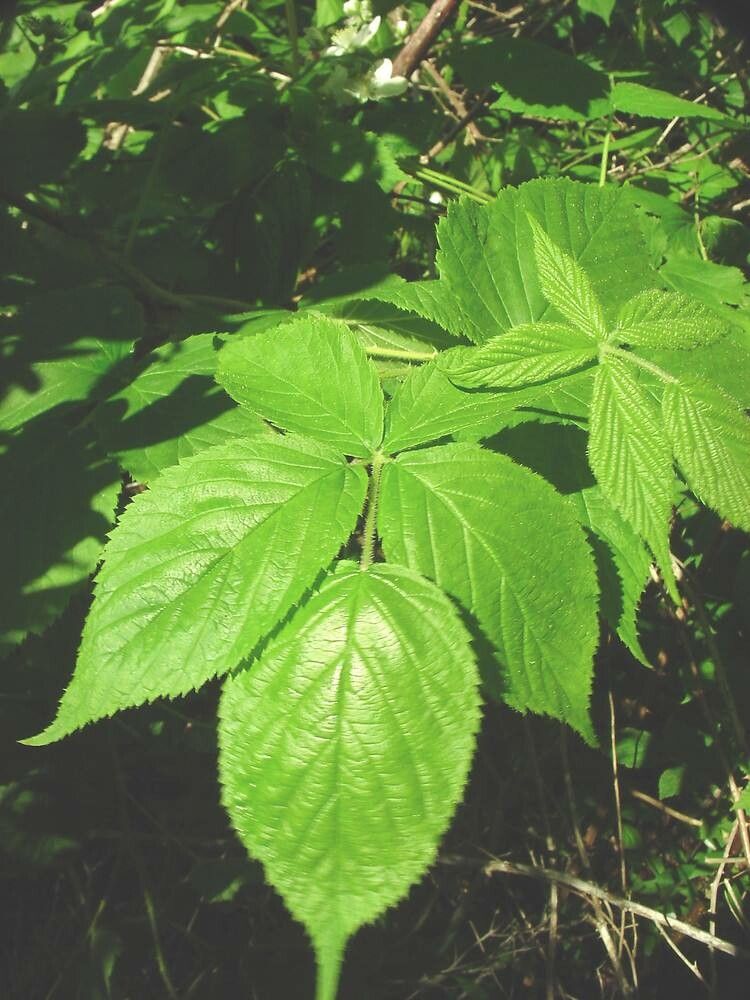
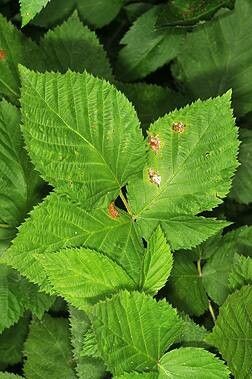
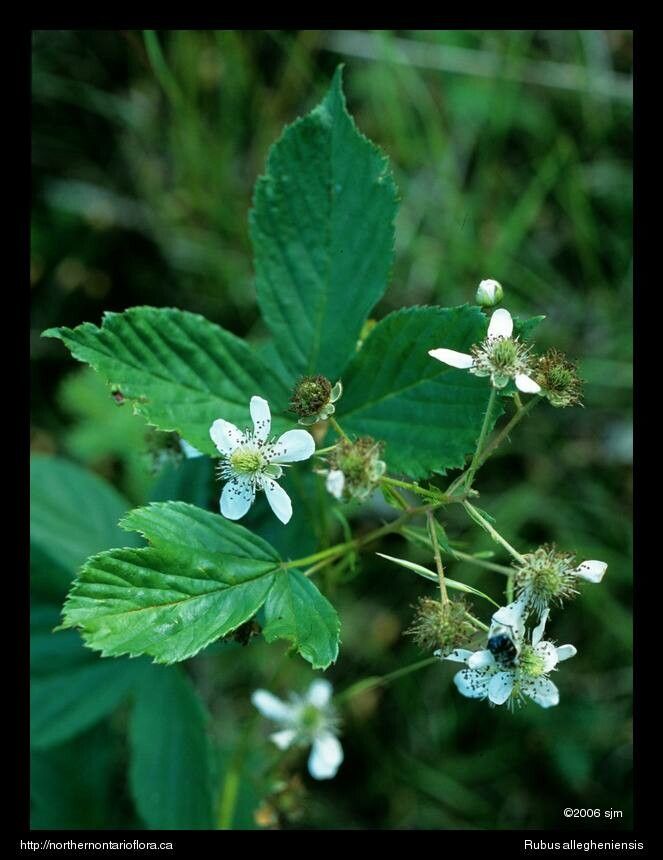
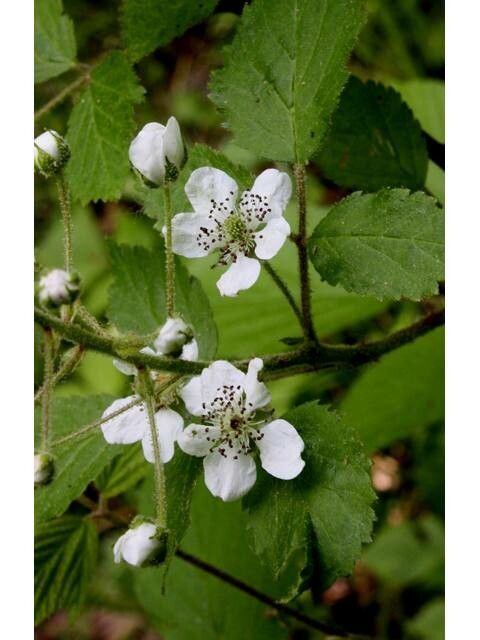
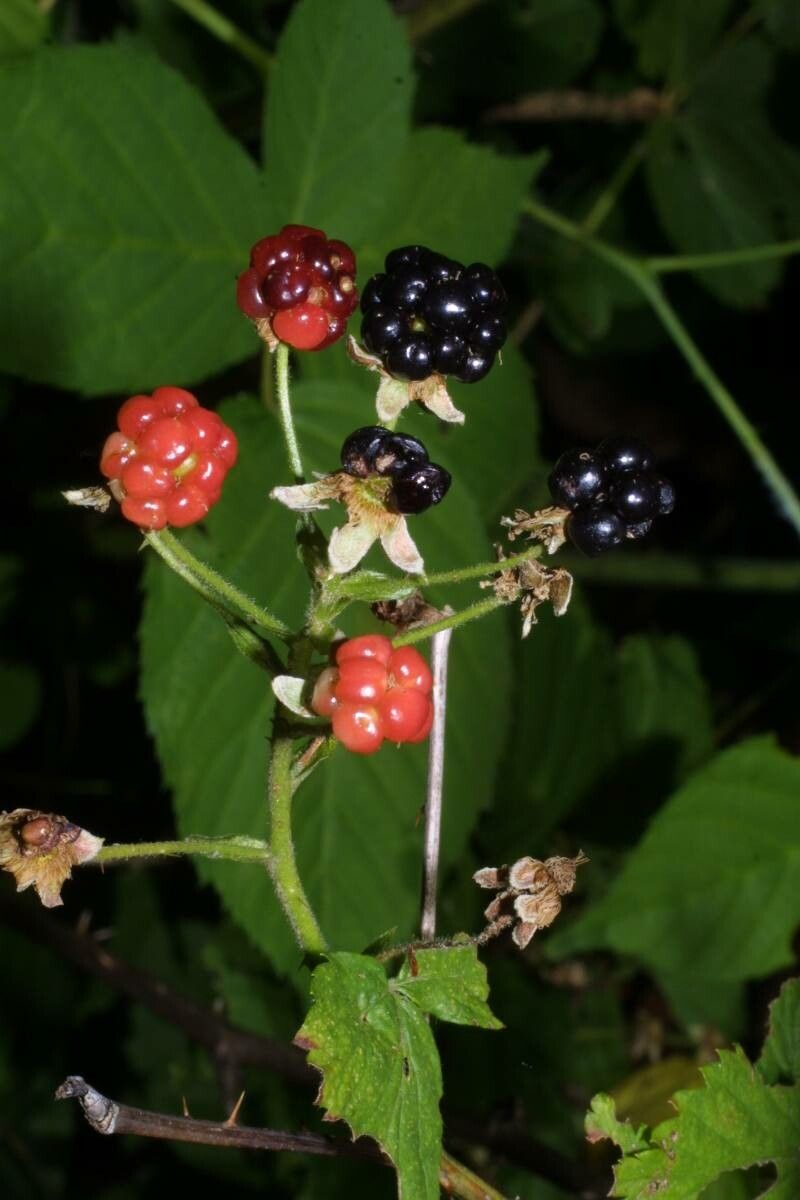
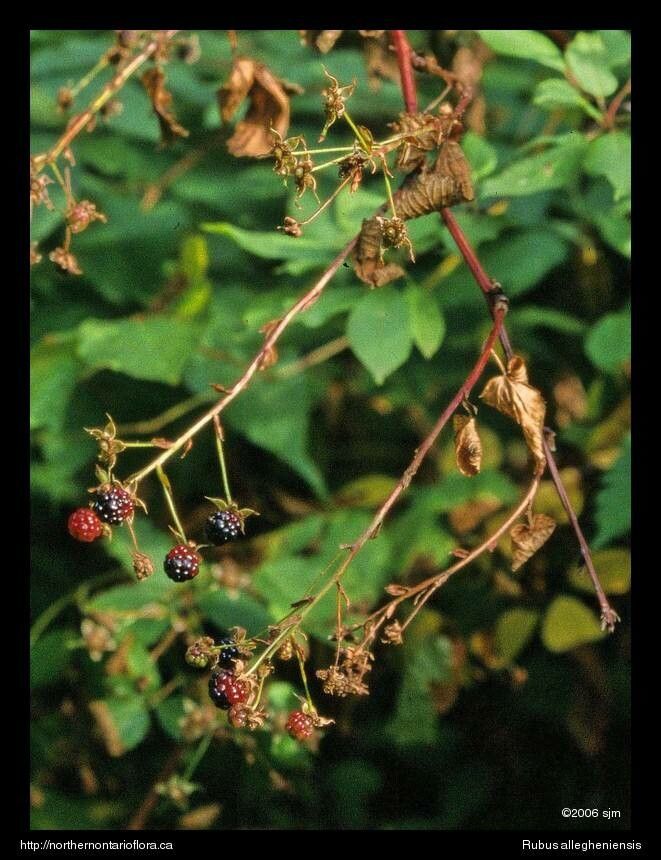
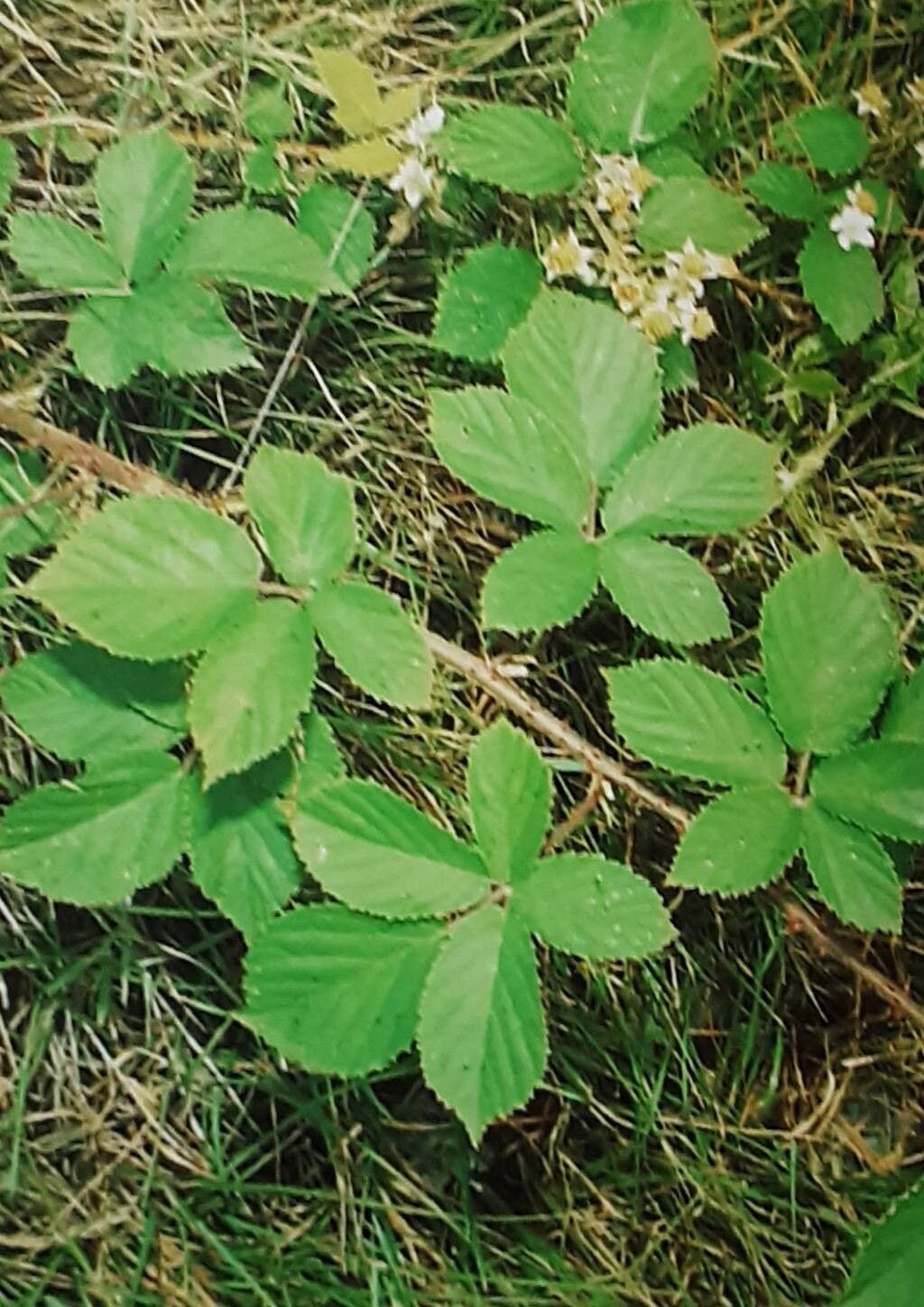
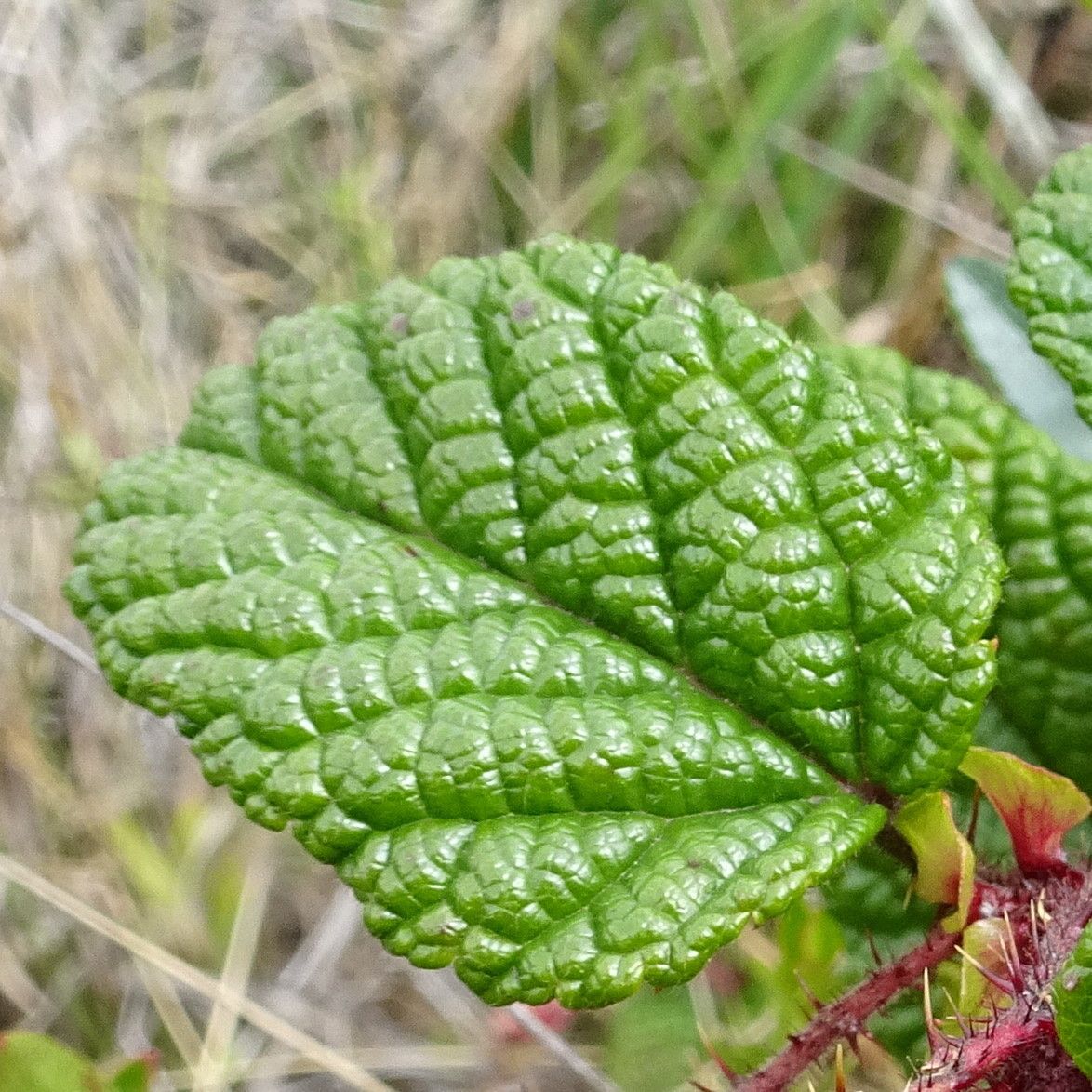
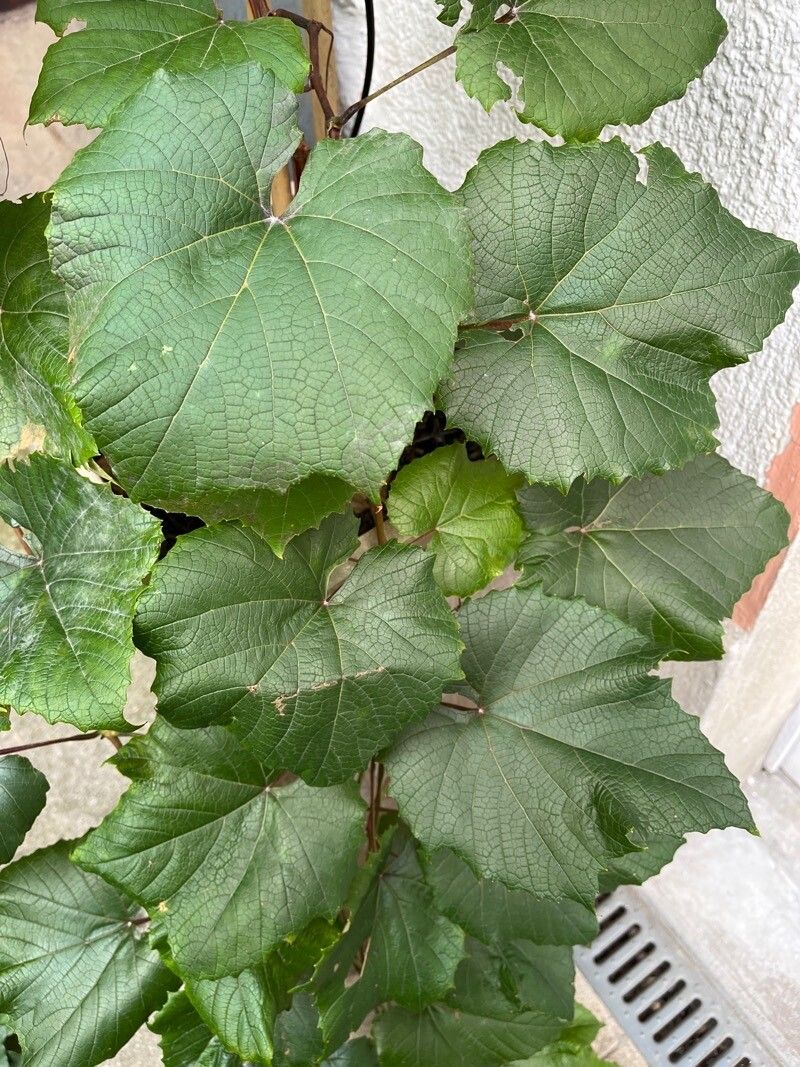
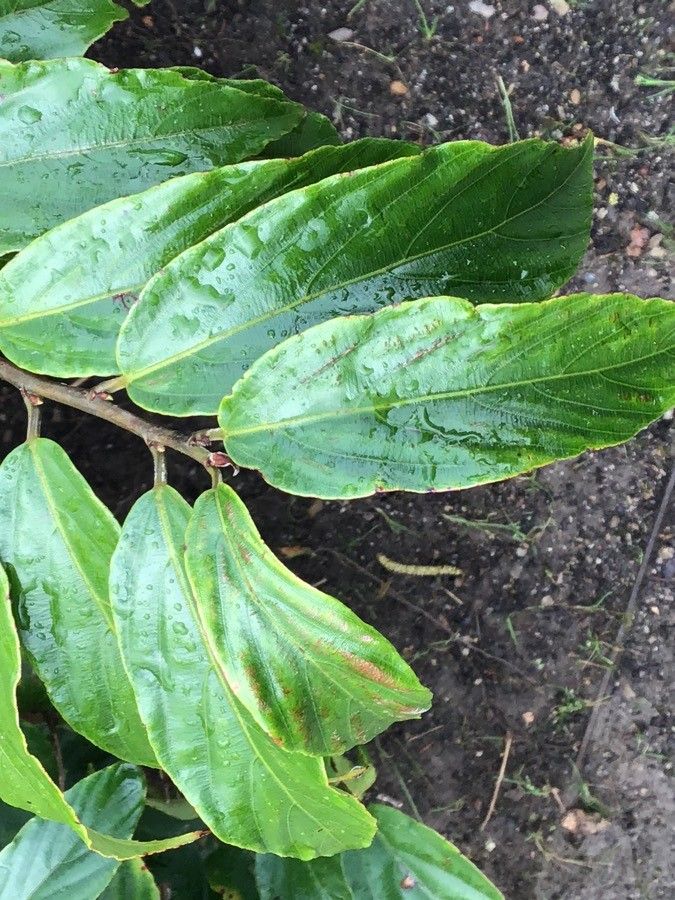
Rubus allegheniensis is a species of bramble, known as Allegheny blackberry and simply as common blackberry. Like other blackberries, it is a species of flowering plant in the rose family. It is very common in eastern and central North America.
The Allegheny blackberry is a plant distinguished by its dark red bark. During the summer, its leaves are green, but in autumn, they transform into vibrant shades of orange, purple, or red. The fruit of this plant resembles a raspberry but turns black upon ripening. Its scientific name, Rubus allegheniensis, refers to the Allegheny Mountains, which is why it is commonly known as the Allegheny blackberry.
The Allegheny blackberry has strong disease resistance and is generally not susceptible to diseases. In terms of care, this plant is fairly low-maintenance. When grown outdoors it needs only minimal watering, and larger plants usually do not require pruning. However, smaller plants should be pruned after they finish blooming. The Allegheny blackberry is suitable for anyone with an outdoor area, such as a garden or a deck, and does not demand extensive gardening experience.
How to keep Rubus Allegheniensis.
Light
The allegheny blackberry does best in locations with abundant sunlight throughout the day, although it can also adjust to sites with somewhat less sun. Its native habitat offers clear clues about its light preferences; the allegheny blackberry is a hardy species that performs well across various light conditions. Too little daylight can slow its growth, while too much light may endanger the plant's optimal health.
Water
The common blackberry thrives best in well-drained soil, with watering that mimics the natural rainfall patterns of its native environment. Once established, it becomes moderately drought-tolerant, needing water approximately every three weeks. During dormancy, it adjusts its water requirements to conserve resources.
Temperature
Allegheny blackberry favors a temperature range of 41 to 95 ℉ (5 to 35 ℃). It grows in temperate areas and requires cooler temperatures during dormancy and warmer conditions in the growing season. In winter, keeping temperatures near 32 to 45 ℉ (0 to 7 ℃) is ideal, as this promotes bud break and fruit production.
Fertilizer
Fertilize your Allegheny blackberry in early spring to encourage healthy growth. Regular feeding improves overall plant health, resulting in vigorous growth, greater toughness in difficult conditions, and enhanced resistance to pests and diseases. Maintain a specific fertilization schedule for your Allegheny blackberry to ensure foliage that is vibrant, deeply colored, and lush in appearance.
Pruning
Pruning common blackberry plants is important for their health and productivity. It's best to prune them in early spring to remove any dead or weak canes. After the harvest, prune again to encourage new growth. For best results, thin the plant to 4-6 strong canes. This improves air circulation, enhances plant health, and increases fruit yield. For more detailed guidance on care and maximizing fruit production, consult horticultural guides.
Botanical profile.
- Plant Type
- Shrub
- Life Cycle
- Perennial
- Genus
- Rubus
- Family
- Rosaceae
- Hardiness Zone
- 5-9
- Mature Height
- 1.52 m to 2.44 m
- Mature Spread
- 1.83 m to 3.66 m
- Leaf Color
- Green
- Leaf Type
- Deciduous
- Flower Color
- White
- Flower Size
- 1.78 cm
- Bloom Time
- Late spring, Early summer
- Planting Time
- Autumn
- Harvest Time
- Mid summer
Other names.
Reader questions.
When should I water my Common Blackberry?
The timing for watering Common Blackberry is crucial for its health and growth, focusing on signs like soil dryness, wilted or discolored leaves, and slowed growth. Ensure the soil is moist but not waterlogged by watering when the soil feels dry about 1 inch below the surface, or if the leaves appear wilted or discolored. Both under-watering and over-watering can pose significant risks: under-watered plants may exhibit reduced growth and fruit production, while over-watered plants risk root rot and fungal diseases. Monitoring these signs can help maintain the plant's health and productivity.
What are the sunlight requirements for the common blackberry?
The common blackberry, or Rubus allegheniensis, thrives under conditions of full sun, requiring above 6 hours of sunlight, but can also adapt to partial sun, with about 3-6 hours of sunlight exposure. It’s important to observe the movement of sunlight through your garden to find the perfect balance of light and shade, ensuring the best growth conditions for your plants. In its natural habitat, the common blackberry demonstrates its flexibility by flourishing in diverse light conditions, although insufficient sunlight may slow its growth and too much exposure could threaten its health.
What temperature conditions are ideal for growing Common Blackberry?
The common blackberry, or Rubus allegheniensis, thrives in a temperature range between 41 to 95°F (5 to 35°C), typical of temperate regions. It requires cool temperatures during its dormant season and warm temperatures during the growing season for optimal growth. Specifically, maintaining temperatures between 32 to 45°F (0 to 7°C) during winter is beneficial as it stimulates bud break and fruit production. Despite its strong cold resistance, precautions should be taken if winter temperatures are expected to drop below -25°C by protecting the trunk and branches with non-woven fabric or cloth. Additionally, watering the plant abundantly before the first freeze in autumn to keep the soil moist can help it through winter and early spring.
How should I water my Common Blackberry?
Watering Common Blackberry effectively involves deep watering techniques, targeting the plant's root zone while avoiding wetting the foliage to prevent diseases. Utilize tools like moisture meters and watering cans with long, narrow spouts to ensure accurate watering. Allow the top inch of the soil to dry out before re-watering and avoid watering during the hottest parts of the day to prevent evaporation and ensure the water benefits the plant as intended. This approach helps in maintaining a healthy balance, ensuring the growth and vitality of the Common Blackberry by avoiding over-watering and ensuring adequate hydration.
How can artificial lighting be used for indoor common blackberry plants?
For indoor common blackberry plants that do not receive sufficient natural sunlight, especially in winter or less sunny spaces, artificial lighting offers an excellent solution. LED lights are popular for indoor plant lighting as they can be tailored to provide specific wavelengths needed for plant growth. Full sun plants require 30-50W/sq ft of artificial light, partial sun plants need 20-30W/sq ft, and full shade plants should get 10-20W/sq ft. The light source should be placed 12-36 inches above the plant to mimic sunlight, and the duration should mimic natural daylight hours, typically 8-12 hours per day for most plants.
How does low temperature affect Common Blackberry, and what should be done?
Common blackberry shows remarkable cold tolerance and generally fares best when temperatures remain above 5°C. Winter temperatures should ideally stay above -20°C. However, if temperatures fall below -25°C, the plant may not exhibit immediate distress, but come spring, branches might turn brittle and dry, potentially not producing new shoots. The solution for this situation involves pruning away any dead branches in spring to encourage healthy growth and new leaves.
How much water does Common Blackberry really need?
The Common Blackberry plant requires a moderate amount of water, with a general guideline of 1 to 1.5 inches of water per week for a mature plant. The key is to provide consistent watering that ensures the soil remains moist but not waterlogged, adjusting the amount based on factors like pot size, root depth, and plant size. Over-watering or under-watering can lead to problems such as yellowing leaves, root rot, or diminished fruit production, so using well-draining soil and checking the moisture level regularly are important practices. Proper hydration is indicated by green, healthy leaves, vigorous growth, firm stems, and plentiful fruit.
What are symptoms of light deficiency in common blackberry plants?
Common blackberry plants that do not receive enough sunlight may show several symptoms, including smaller new leaves, leggy or sparse growth, faster leaf drop, delayed or halted new growth, and leaves that appear lighter in color or develop chlorosis, indicating a lack of chlorophyll. Excessive sunlight can cause symptoms like sunscald, leaf curling, wilting, leaf scorching, and overall reduced plant health. These symptoms help identify when the plant is struggling with its lighting conditions and requires attention.
What impact does high temperature have on Common Blackberry, and how can it be mitigated?
During the summer months, it is crucial to ensure that temperatures around Common blackberry do not exceed 35°C. Temperatures above 38°C can have detrimental effects, such as causing the leaves to lighten in color, the tips to dry and wither, and increasing susceptibility to sunburn. To alleviate these issues, it's advised to trim away sunburned and dried-up parts of the plant. Relocating the plant to a shaded area during peak sun hours or using a shade cloth can provide necessary protection. Additionally, watering the plant in the morning and evening helps maintain adequate soil moisture.
What kind of water is best for Common Blackberry?
Common Blackberry plants thrive best with natural rainwater due to its balanced pH and lack of chemicals. If rainwater is not available, distilled or filtered water are suitable alternatives. Tap water can be used but may require treatment to remove chlorine or fluoride, which the plant is sensitive to, as these can cause leaf burn or stress to the plant. Letting tap water sit out for at least 24 hours before use can help evaporate chlorine, and using a water filter can remove other contaminants. Always use water at a moderate temperature to avoid shocking the plant.
What solutions exist for light-related issues in common blackberry plants?
For common blackberry plants suffering from insufficient light exposure, solutions vary by setting. Indoors, gradually moving the plant to sunnier locations until it gets at least 6 hours of direct sunlight daily is suggested, along with using a south-facing window or artificial grow lights for at least 8 hours a day if necessary. Outdoors, plants should be moved gradually to sunnier spots to prevent shock, ensuring they adapt well to changes in light intensity. If trees or other barriers block sunlight, consider pruning to minimize blockages or transplanting smaller plants to areas with more sunlight and proper drainage. It’s crucial to recognize that parts of the plant initially affected by low light may not recover; however, new growth should be healthy with improved light conditions.
How do Common Blackberry's watering needs change with the seasons?
Common Blackberry's watering requirements vary with seasonal changes. In spring, increased moisture supports new growth, requiring consistent soil moisture while avoiding waterlogging. During the summer’s peak growing time, maintain soil moisture due to higher water evaporation rates, without overwatering. In autumn, reduce watering as growth slows in preparation for dormancy, promoting deeper root development. Winter requires minimal watering, just enough to keep the root ball from drying out completely, as the plant is dormant. Adjust watering practices according to seasonal needs to support the plant's health throughout the year.