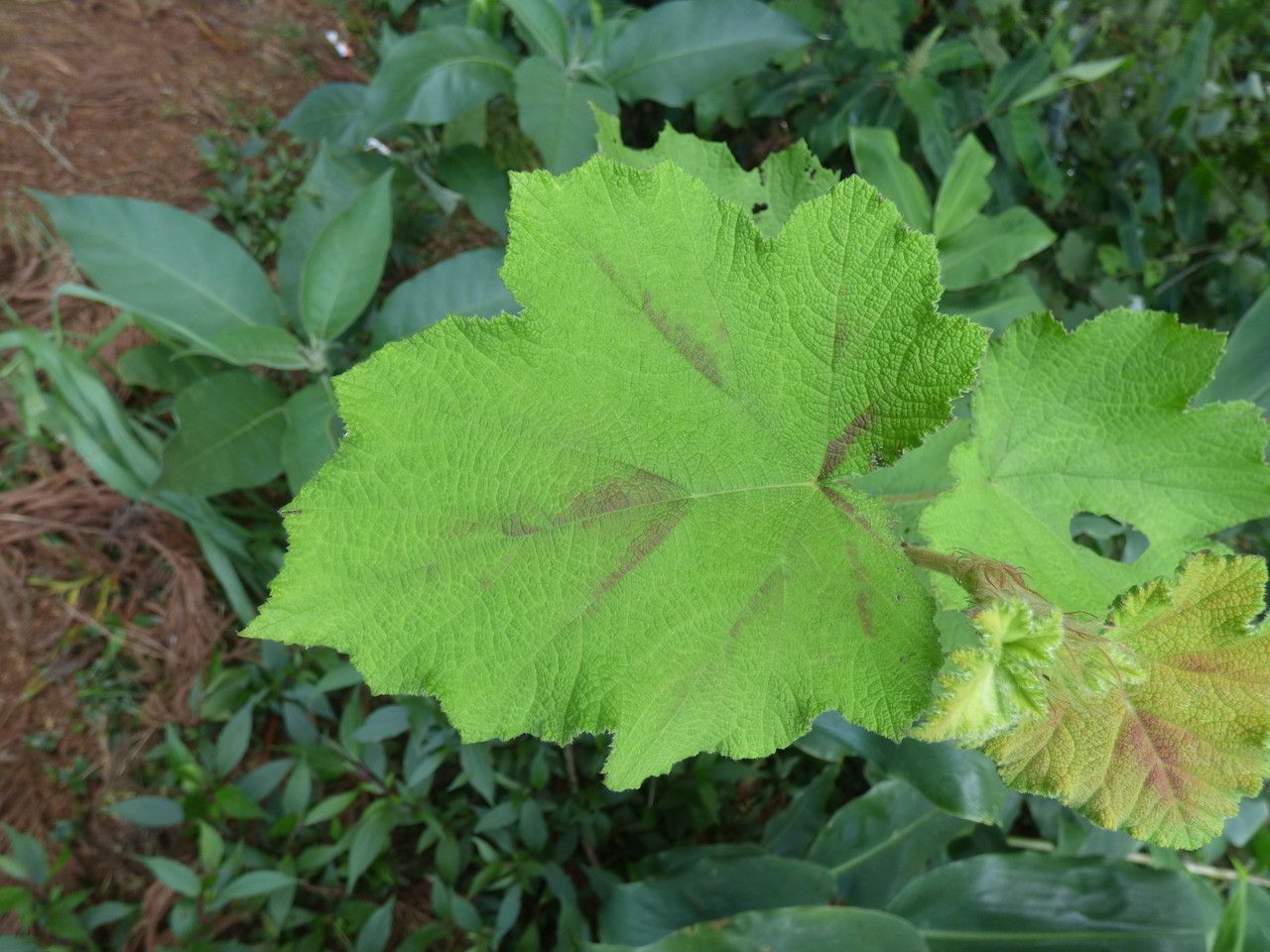
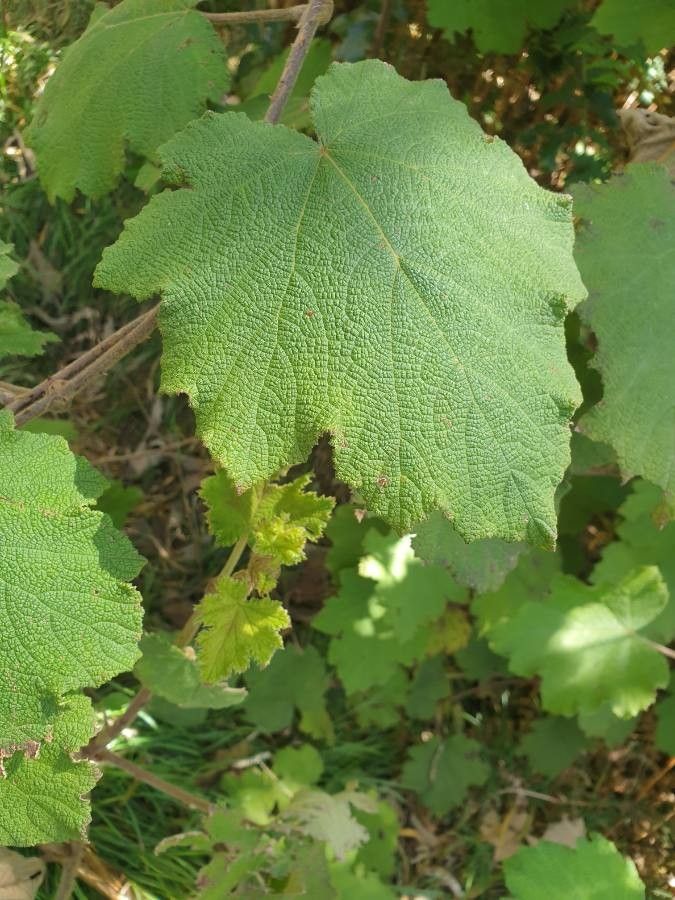
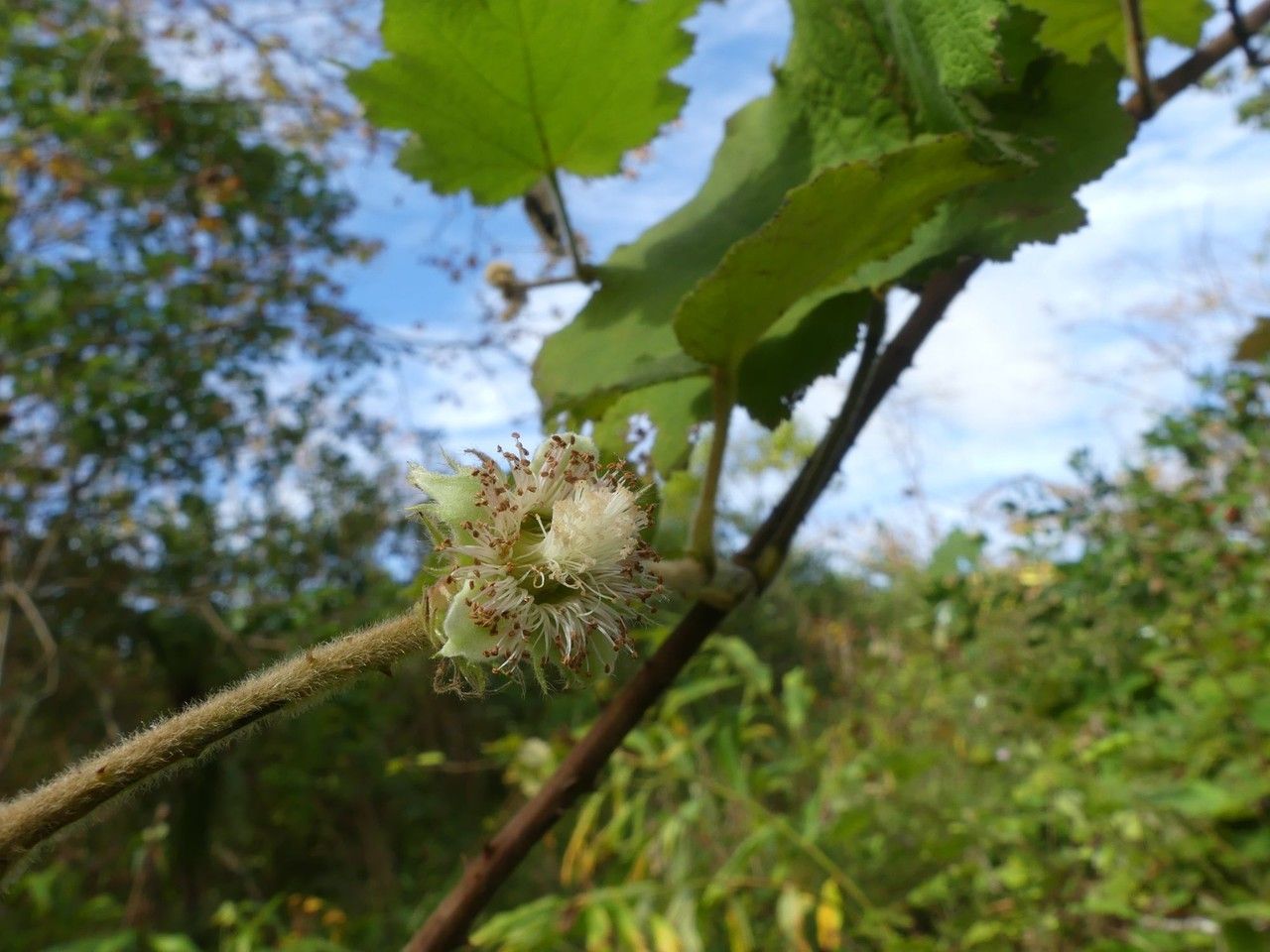
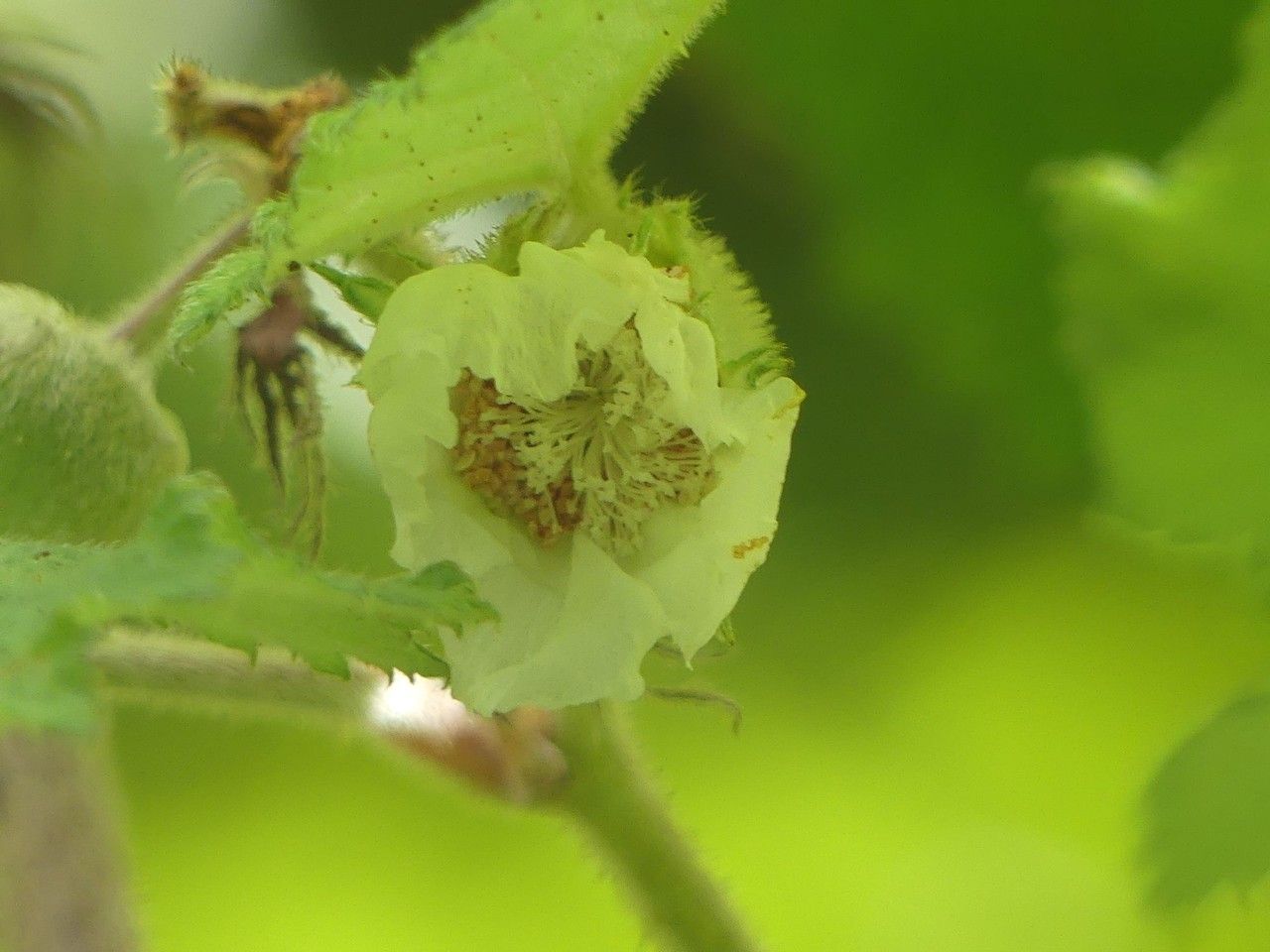
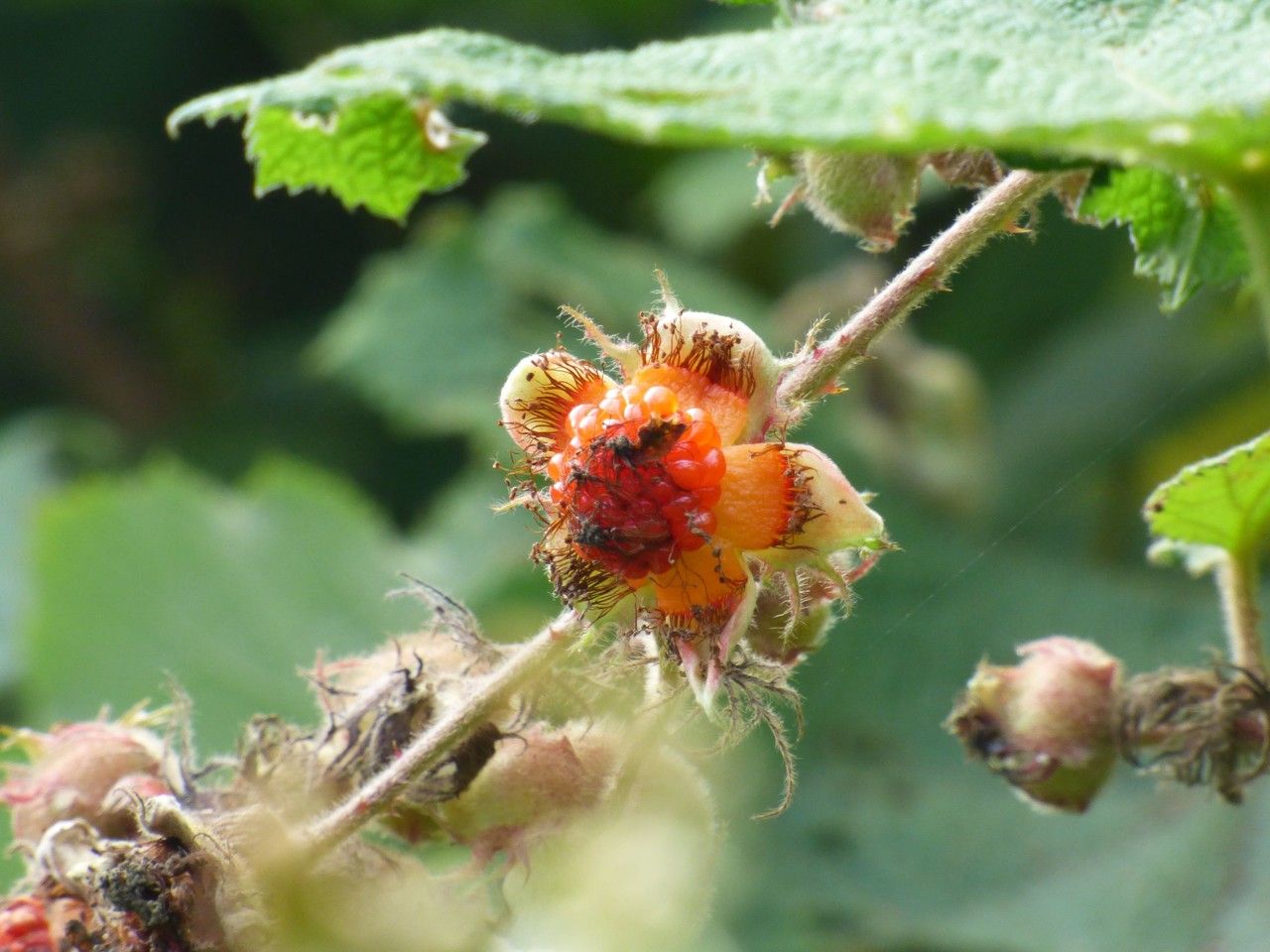
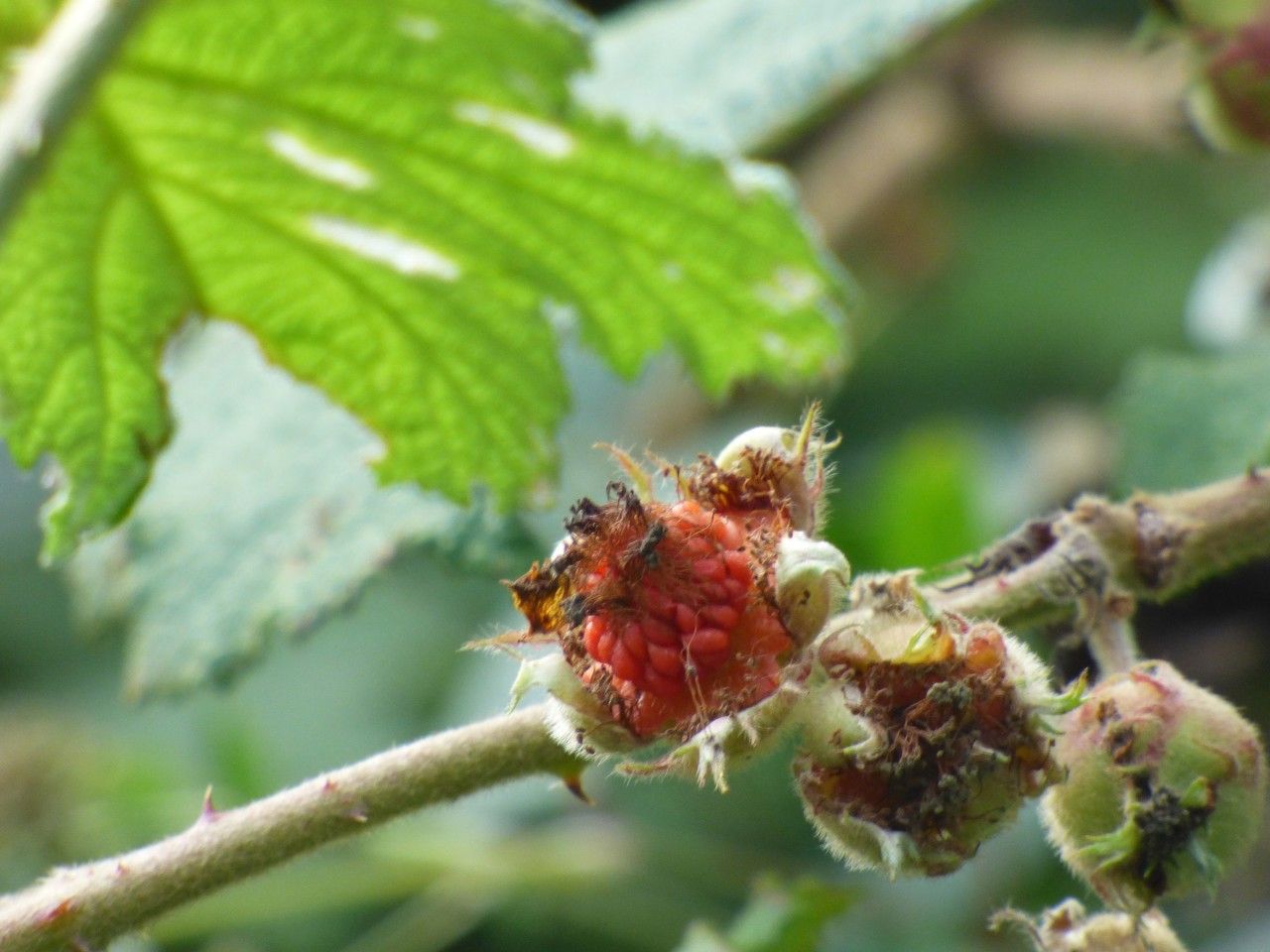
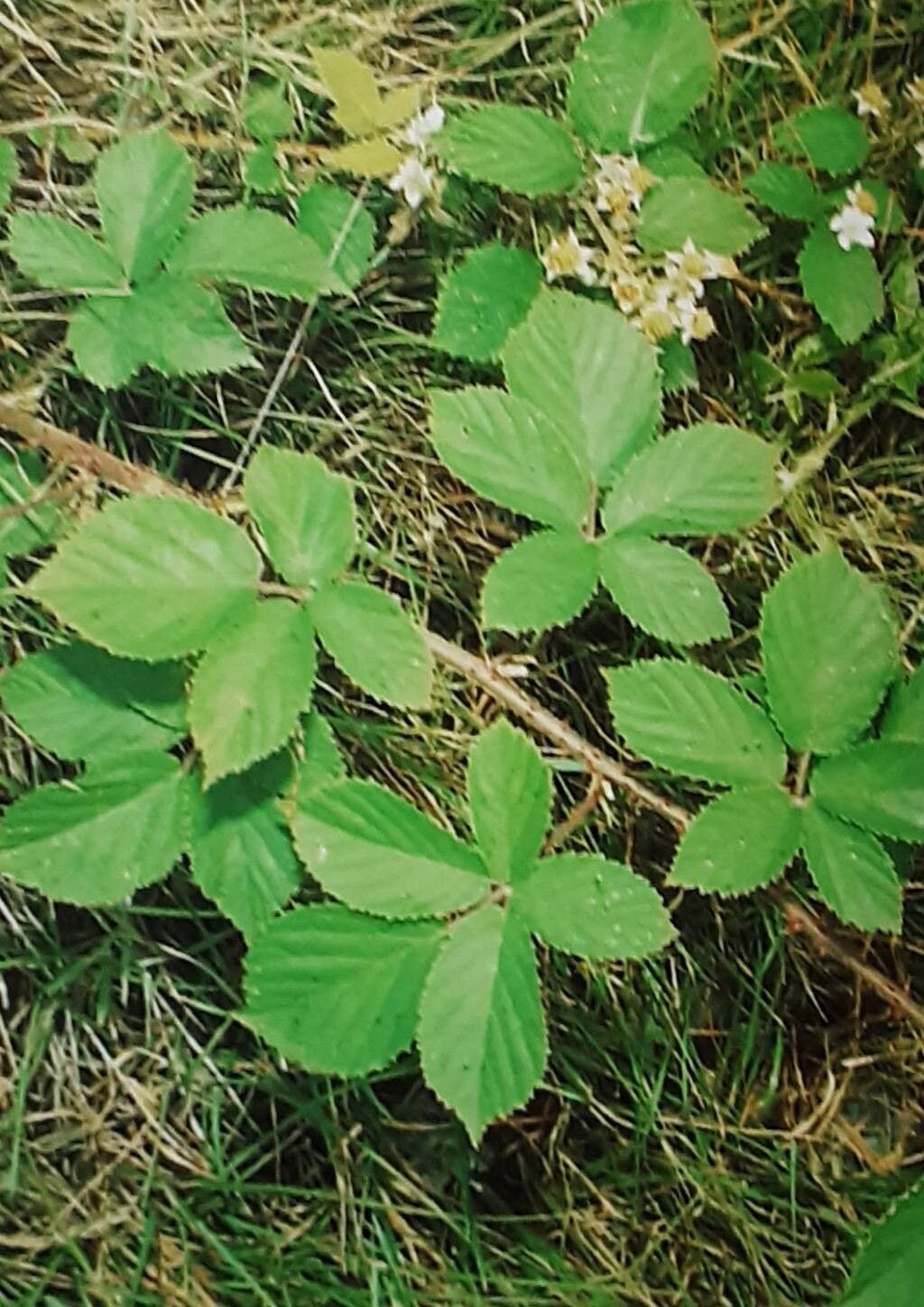
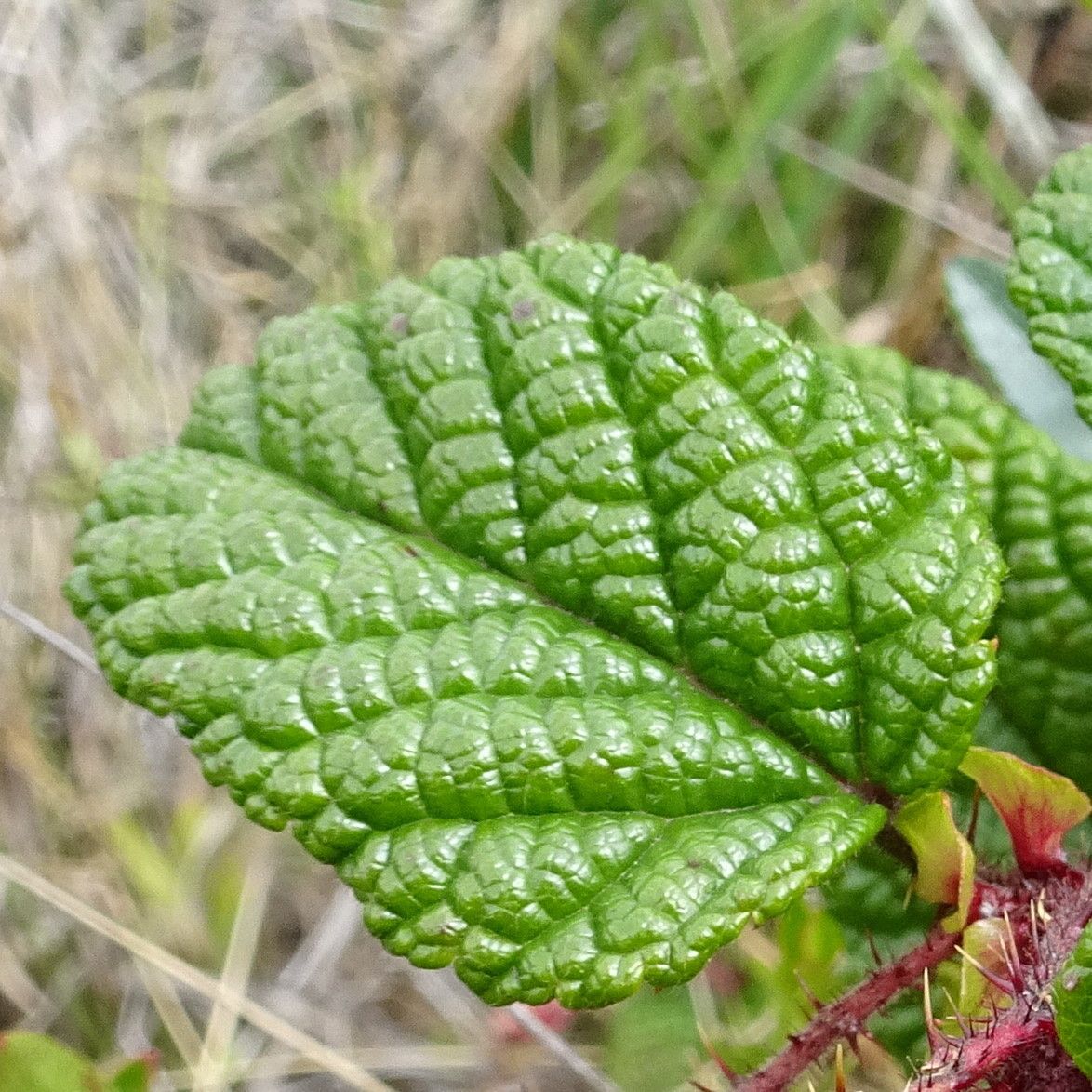
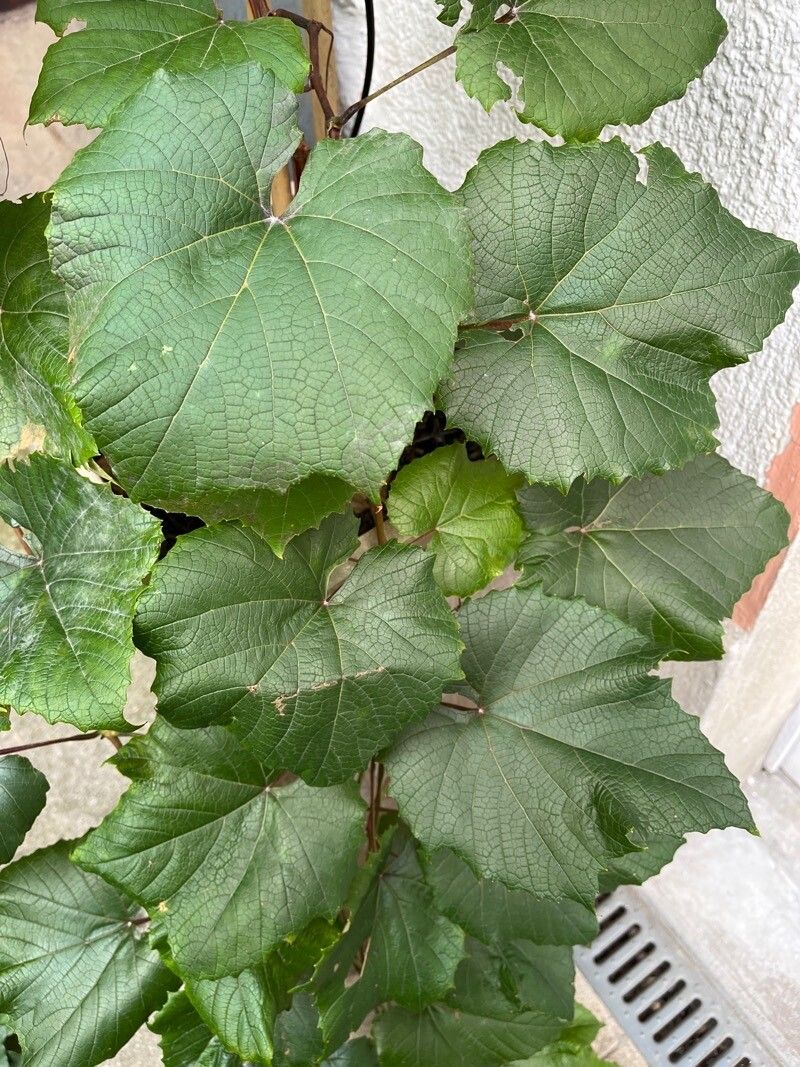
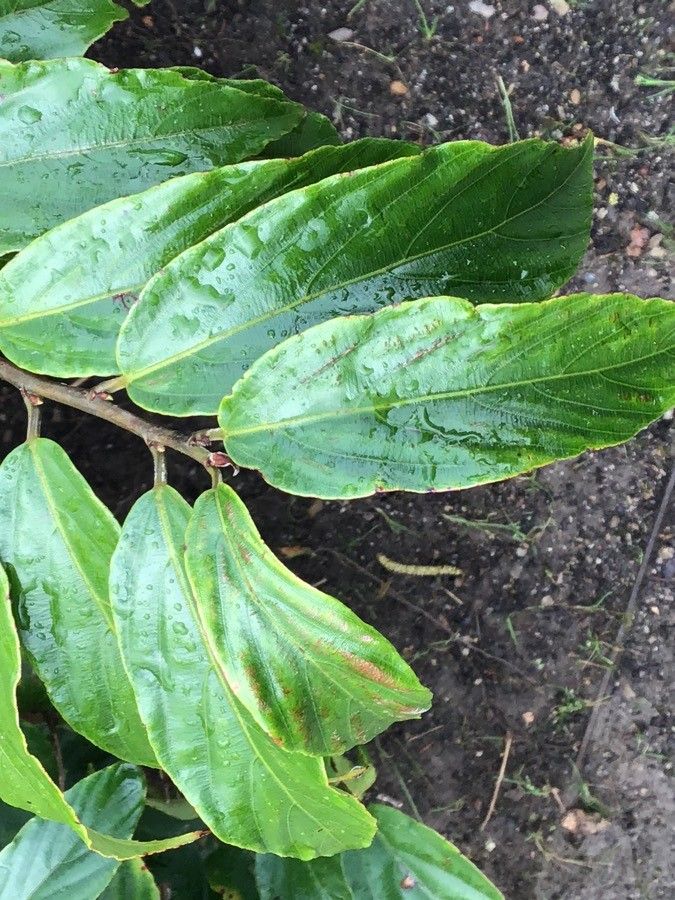
Creeping raspberry has strong disease resistance and is generally not susceptible to illnesses. Regarding care, this plant is fairly low-maintenance. When grown outdoors it needs minimal watering, and larger plants typically do not require pruning. Smaller plants, however, should be pruned after they have bloomed. Creeping raspberry is suitable for anyone with outdoor space, such as a garden or deck, and does not require much gardening experience.
How to keep Rubus Alceifolius.
Light
Creeping raspberry is native to habitats like forest understories and rocky areas, where it occurs in natural shade. It favors partial sun but can tolerate full sun or full shade, illustrating its versatile and hardy nature.
Water
The giant bramble, which originates from tropical undergrowth, thrives in high humidity and moisture. To mimic its natural rainforest environment, it requires weekly watering. Although it can adapt to both indoor and outdoor settings, the giant bramble performs best outdoors, where it can take advantage of abundant rainwater during its active growth period.
Temperature
Creeping raspberry is very adaptable to a variety of climate conditions, from blistering summers to frosty winters. It nevertheless has an optimal temperature range for growth. When temperatures become too high, the plant can experience heat and humidity stress that may lead to its death. In areas where temperatures near the lower limit of its cold tolerance, it is necessary to provide insulation to protect the plant.
Fertilizer
The Creeping raspberry plant needs adequate nutrients to produce fruit at its best. Apply fertilizer in early spring to promote new growth and bloom development. Regular feeding keeps the plant healthy, results in more delicious fruit, and prevents nutrient-deficiency problems such as yellowing leaves and poor fruit yield.
Pruning
Giant bramble benefits significantly from regular pruning, especially from early to late winter. This practice enhances air circulation, encourages new growth, improves fruit quality, and helps control the plant's size, resulting in a healthier and more attractive plant. Proper maintenance is crucial for achieving optimal productivity and aesthetics.
Botanical profile.
- Plant Type
- Shrub
- Life Cycle
- Perennial
- Genus
- Rubus
- Family
- Rosaceae
- Hardiness Zone
- 5-9
- Mature Height
- 11 cm
- Mature Spread
- 1.83 m to 3.66 m
- Leaf Color
- Green
- Leaf Type
- Semi-evergreen
- Flower Color
- White
- Flower Size
- 2.03 cm
- Bloom Time
- Late spring, Early summer, Mid summer
- Planting Time
- Spring, Summer, Autumn
- Harvest Time
- Mid summer, Late summer, Early fall
- Native Area
- Philippines, China
Other names.
Reader questions.
What are the sunlight requirements for the Giant Bramble?
The Giant Bramble, or Rubus alceifolius, requires specific conditions regarding sunlight. For it to thrive, it needs full sun, which is above 6 hours of sunlight daily. Alternatively, it can also grow well under partial sun, getting about 3-6 hours of sunlight. It's important to observe the patterns of sunlight in your garden, aiming to find spots that offer a perfect mix of light and shade. This careful selection will ensure your plants grow happily.
What is the botanical name of Giant Bramble?
The botanical name of Giant Bramble is Rubus alceifolius.