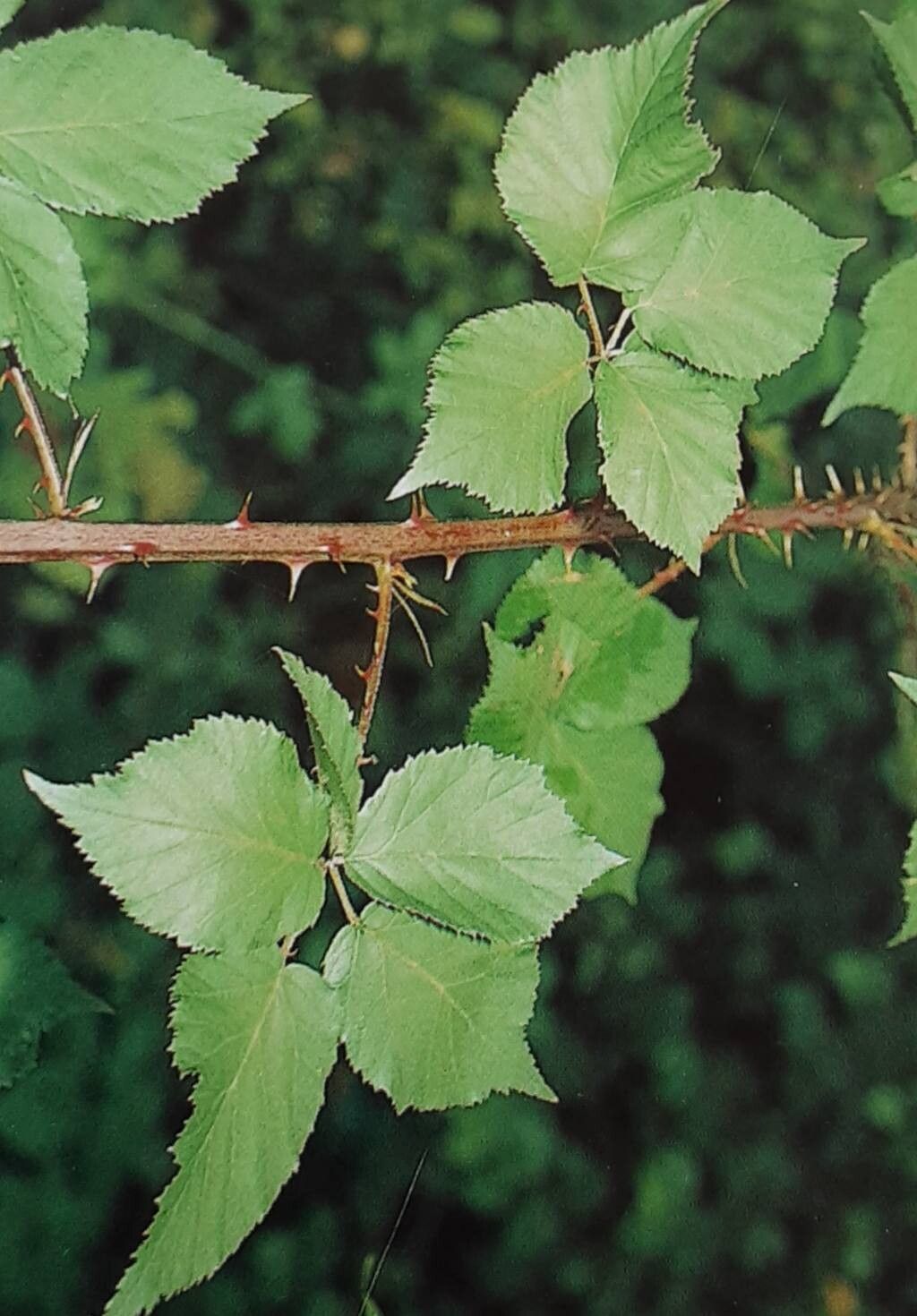
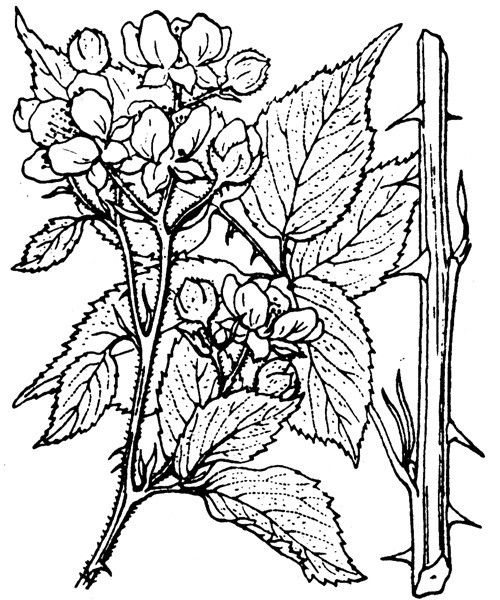
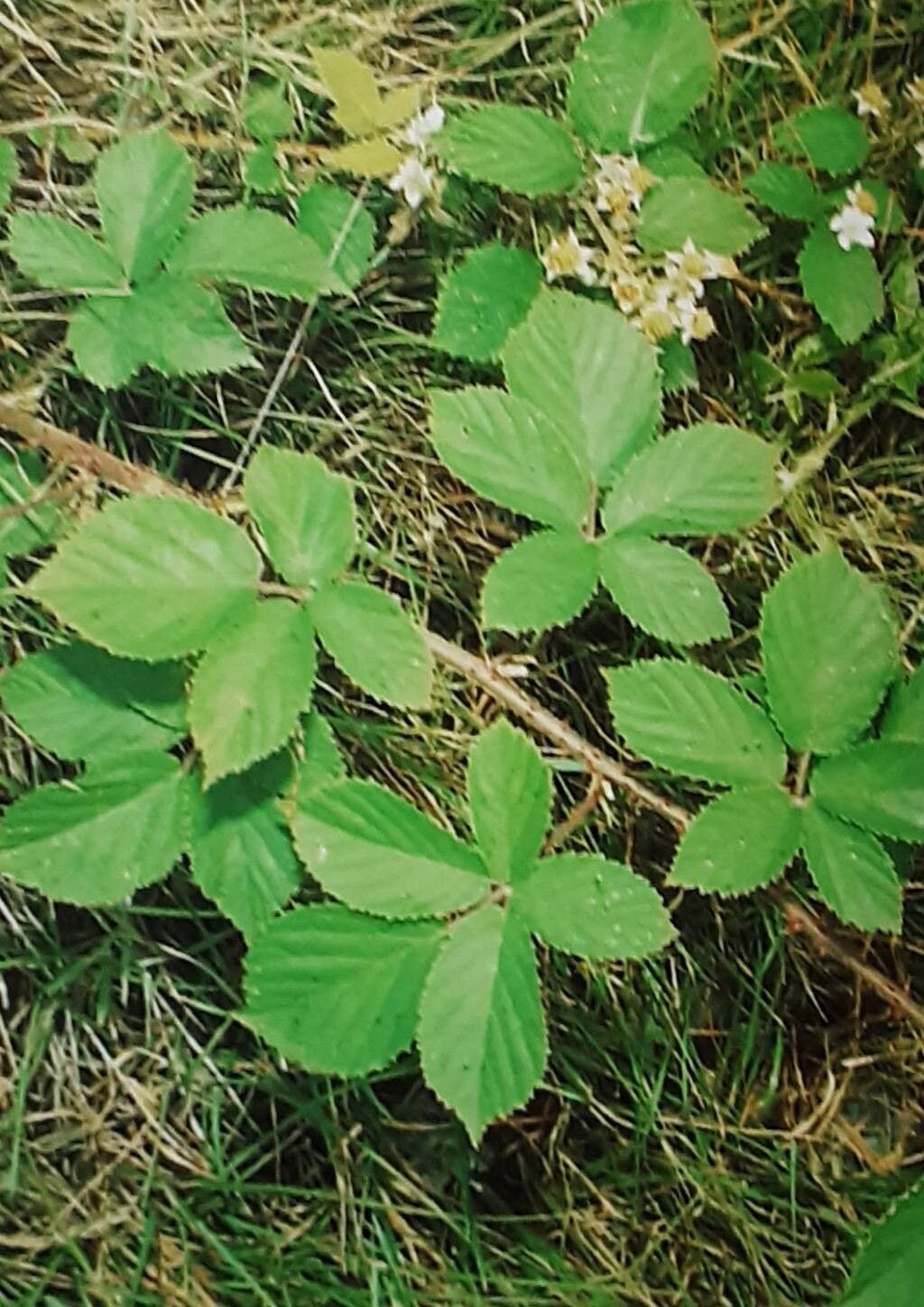
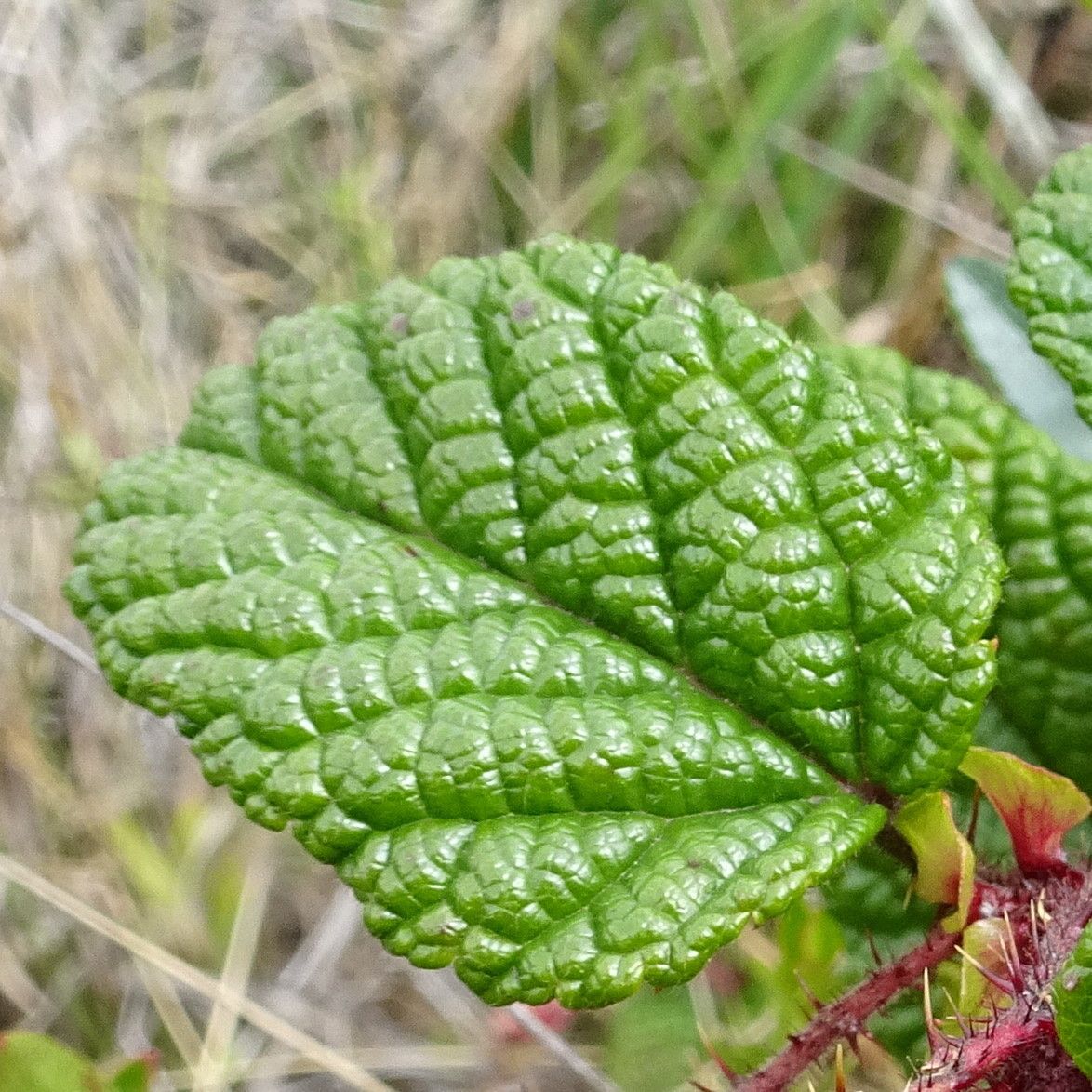
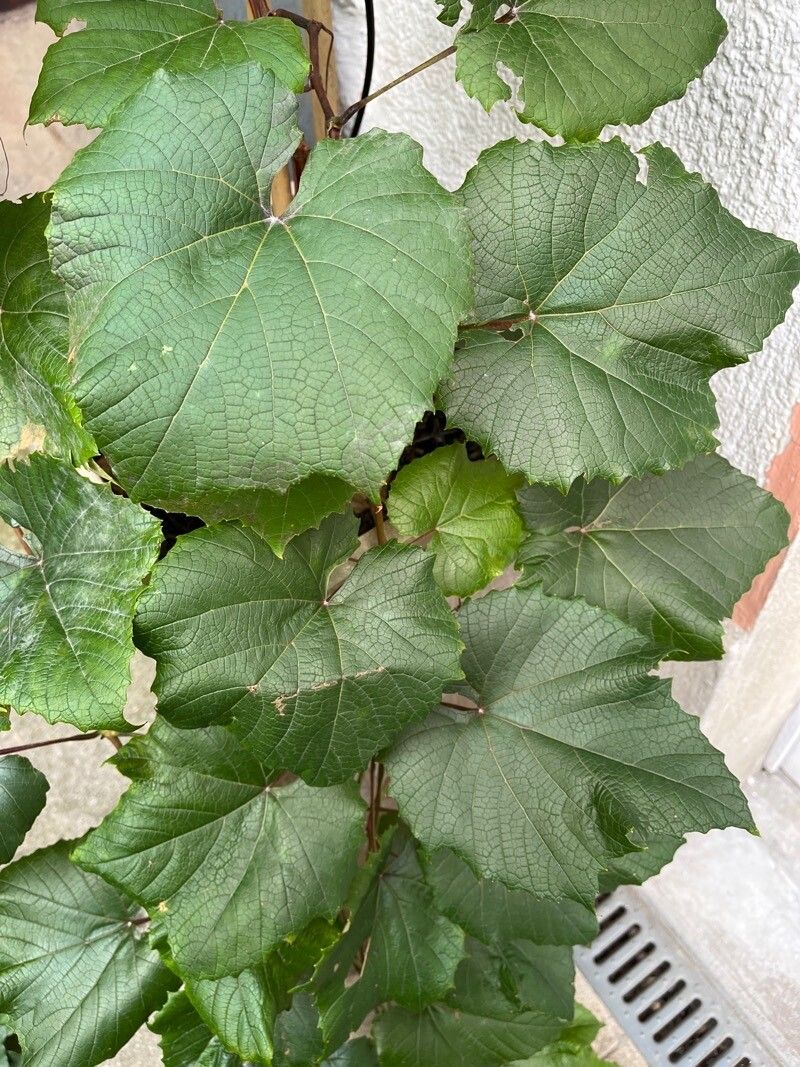
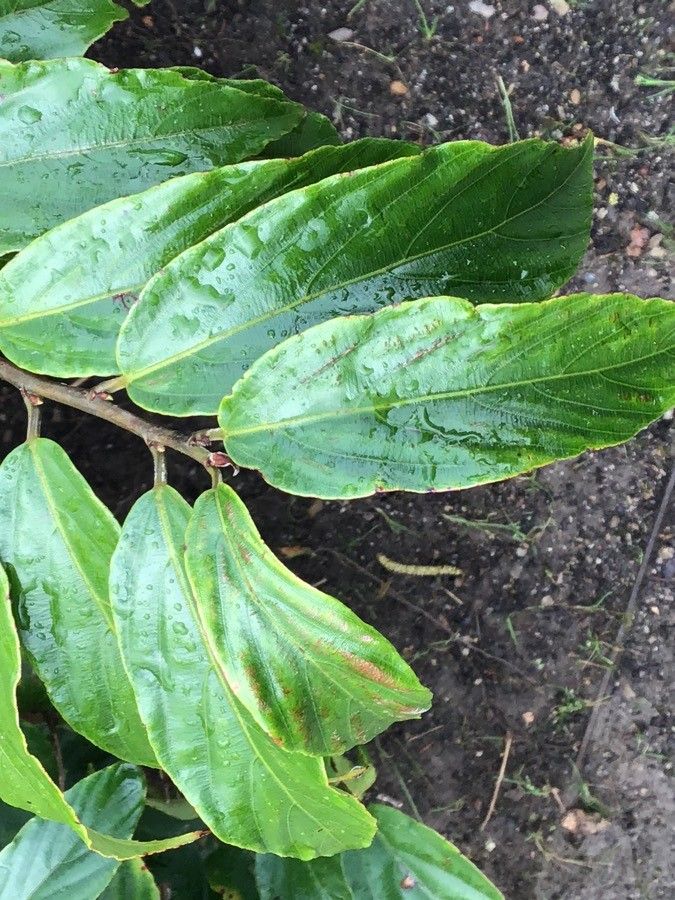
Yellow himalayan raspberry displays strong disease resistance and is generally not prone to disease. In terms of care, the plant is fairly low-maintenance. When grown outdoors it needs minimal watering, and larger plants usually do not require pruning. Smaller plants, however, should be pruned after they have finished blooming. Yellow himalayan raspberryt is appropriate for anyone with an outdoor area, such as a garden or deck, and does not demand much care experience.
How to keep Rubus Affinis.
Light
Yellow Himalayan raspberry prospers in locations that receive plentiful sunlight throughout the day. It can, however, still maintain healthy growth in areas with somewhat reduced light. An imbalance—either too much or too little light—can undermine the plant's vitality. This reflects its original habitat, which is characterized by abundant sunshine.
Temperature
Yellow Himalayan raspberry is native to regions where temperatures range from 59 to 95°F (15 to 35°C). It generally prefers warmer climates. Seasonal adjustments may be necessary to reproduce its natural environment.
Fertilizer
For the Yellow Himalayan raspberry plant to produce ideal fruit, it necessitates an adequate amount of nutrients. To facilitate new growth and bloom formation, fertilization should be done in the early spring. Feeding the plant regularly ensures its health, fosters the growth of tastier fruit, and averts problems related to nutrient shortage such as yellowing leaves and subpar fruit yield.
Botanical profile.
- Plant Type
- Shrub
- Life Cycle
- Perennial
- Genus
- Rubus
- Family
- Rosaceae
- Hardiness Zone
- 7-10
- Mature Height
- 4.57 m
- Mature Spread
- 3.05 m to 3.96 m
- Leaf Color
- Green
- Leaf Type
- Deciduous
- Flower Color
- White
- Flower Size
- 1.02 cm to 1.52 cm
- Bloom Time
- Early spring, Mid spring
- Planting Time
- Spring, Summer, Autumn
- Harvest Time
- Late spring, Early summer, Mid summer
- Native Area
- Nepal, Sri Lanka, Vietnam, Myanmar, Philippines, Bhutan, Pakistan, Laos, Thailand
Other names.