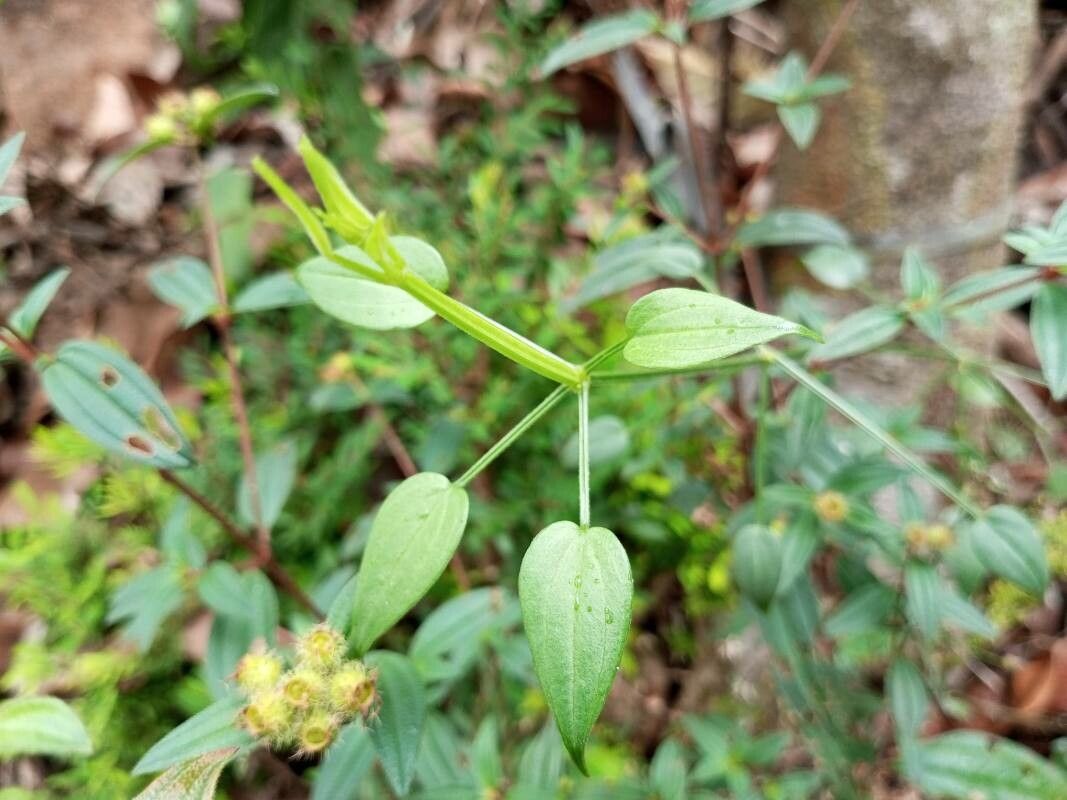
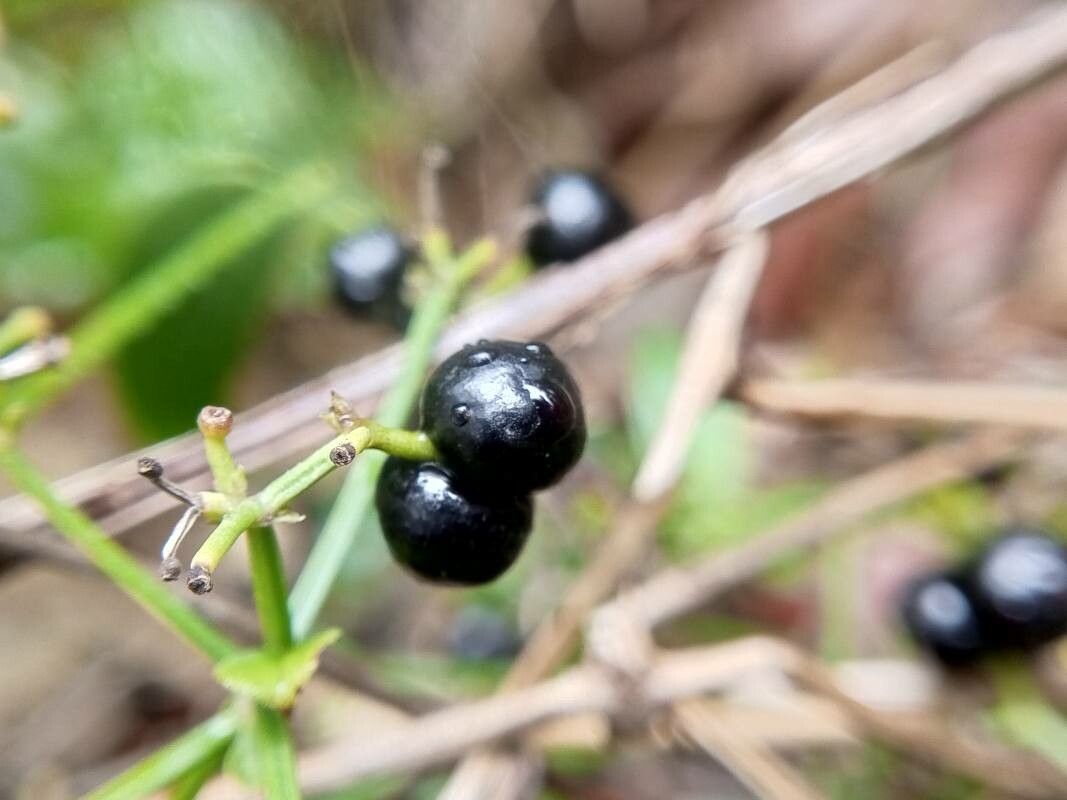
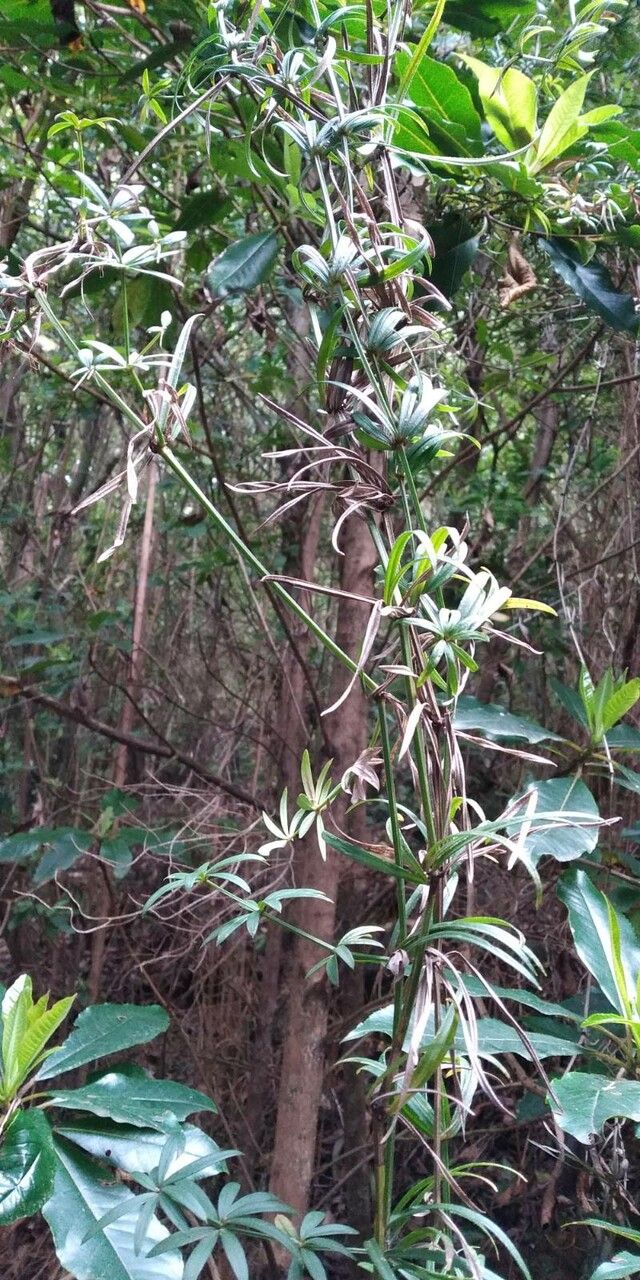
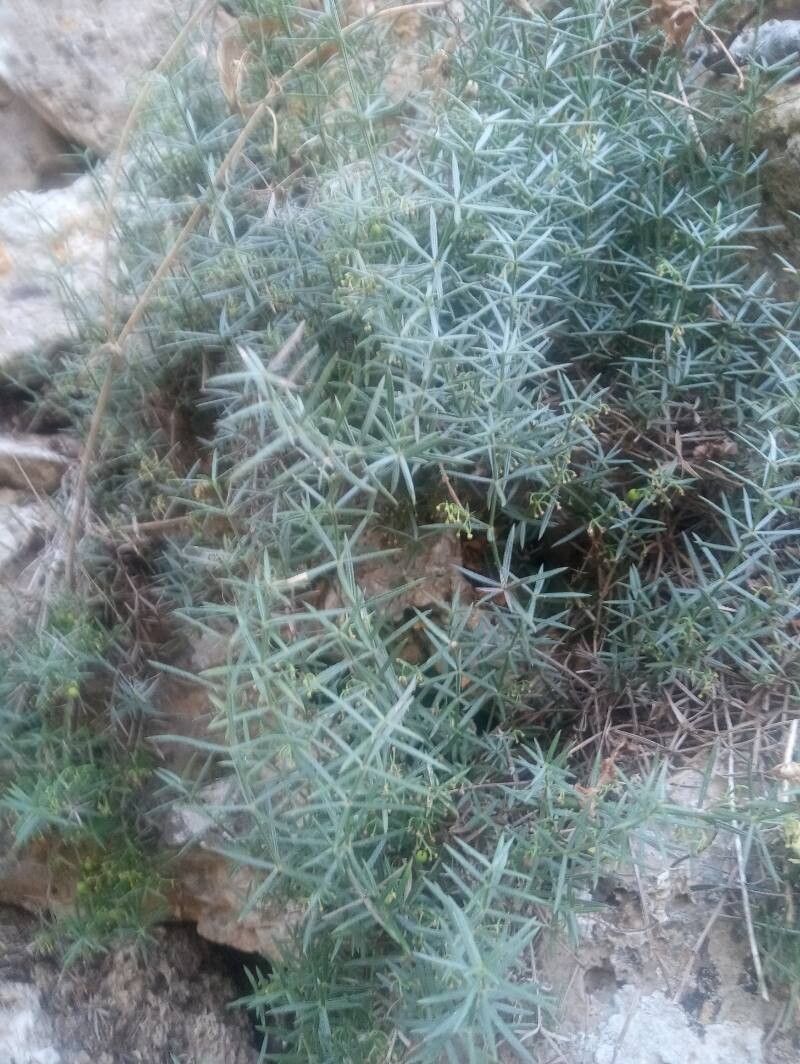
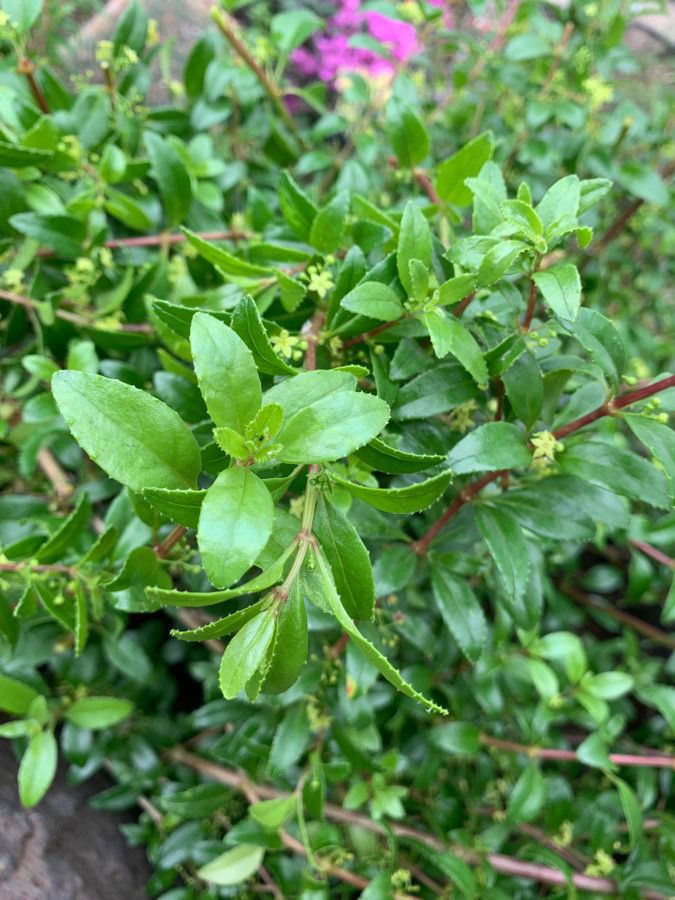
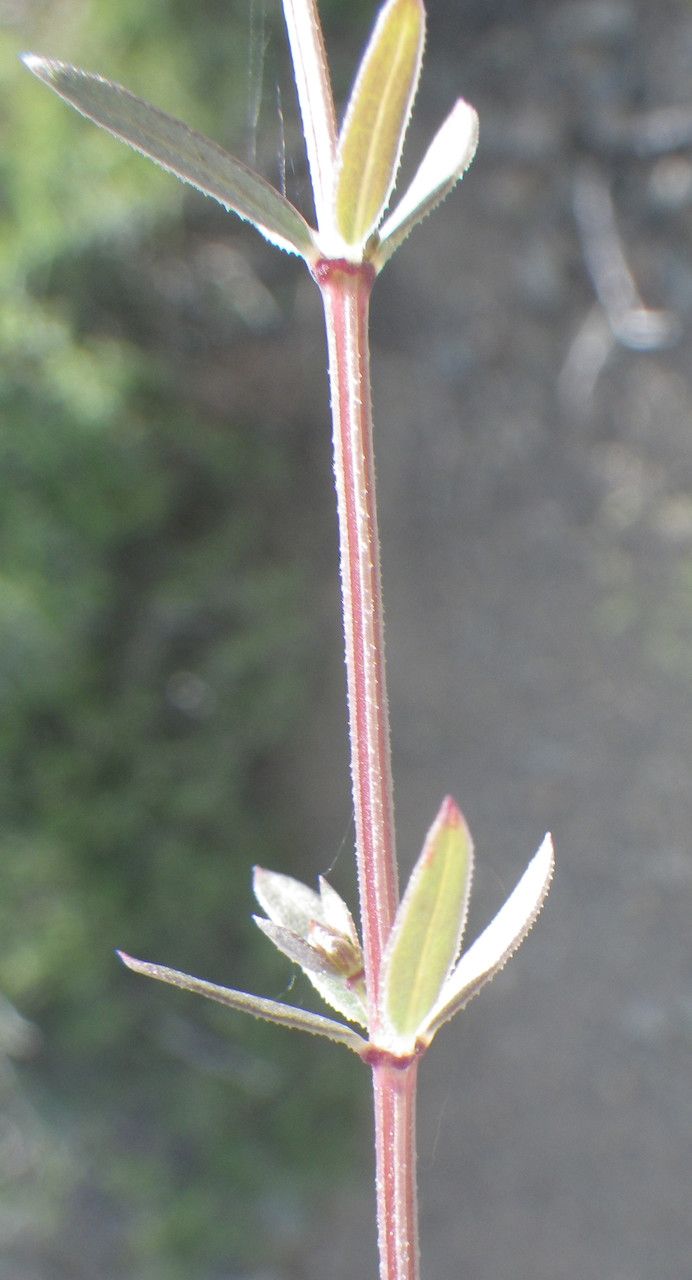
Rubia cordifolia, known as Indian madder, is a species of flowering plant in the coffee family, Rubiaceae. It has been cultivated for a red pigment derived from roots.
Indian madder is resistant to many diseases and is typically not susceptible to them. As for care, this plant is fairly low-maintenance. When grown outdoors it needs little watering, and larger plants usually do not require pruning. However, smaller plants should be pruned after they finish blooming. Indian madder is suitable for anyone with outdoor space, such as a garden or a deck, and does not call for extensive care experience.
How to keep Rubia Cordifolia.
Light
Indian madder favors moderate sun exposure but can also cope without it. In its native setting it grew under filtered light passing through the canopy. Excessive sun can scorch the leaves, whereas insufficient light may reduce its vigor and cause paler foliage. Its light requirements can change during different phases of growth.
Water
Indian madder flourishes in humid environments and has moderate drought tolerance. To ensure optimal growth, water the plant every three weeks. As an evergreen, it requires consistent moisture throughout the year to support its continual growth cycle.
Temperature
Indian madder does well in temperatures ranging from 41 to 95 °F (5 to 35 °C), showing a preference for moderate to warm conditions. It is crucial to adjust ambient temperatures with the changing seasons to encourage optimal growth.
Fertilizer
Fertilize your Indian madder in early spring to encourage healthy growth. Regular feeding improves the plant's overall health, leading to vigorous growth, better resilience to harsh conditions, and increased resistance to pests and diseases. Keep to a specific fertilization schedule for your Indian madder to maintain vibrant foliage with deep color and a lush look.
Pruning
Pruning Indian madder in early spring helps remove dead or weak stems, encouraging vigorous growth and maintaining a well-shaped plant. This practice enhances airflow and allows more light to penetrate, reducing the risk of disease. It also improves the plant's ornamental value and supports its overall health.
Botanical profile.
- Plant Type
- Vine
- Life Cycle
- Perennial
- Genus
- Rubia
- Family
- Rubiaceae
- Hardiness Zone
- 5-9
- Mature Height
- 1.52 m
- Mature Spread
- 3.05 m
- Leaf Color
- Green, Dark Green
- Leaf Type
- Deciduous
- Flower Color
- White, Yellow
- Flower Size
- 0.25 cm to 0.51 cm
- Bloom Time
- Early summer, Mid summer
- Planting Time
- Spring, Summer
- Harvest Time
- Late summer, Early fall, Mid fall
Other names.
Reader questions.
What are the sunlight requirements for Indian Madder?
Indian Madder (Rubia cordifolia) thrives in environments that offer moderate sunlight exposure. In its natural habitat, it adapts well to filtered sunlight, mimicking the dappled light found under tree canopies. Ideally, it should receive about 3-6 hours of sunlight daily. However, the plant can also adjust to less direct sunlight conditions. Too much sun exposure may lead to leaf burn, while insufficient light could result in decreased vigor and lighter-colored leaves. It's crucial to observe how sunlight moves through your garden to find the optimal balance of light and shade for these plants.
What is the optimal climate for Indian madder to thrive?
Indian madder, known botanically as Rubia cordifolia, thrives in climates with temperatures ranging from 41 to 95 °F (5 to 35 °C), which suggests it has a preference for moderate to warm climates. To ensure the optimal growth of Indian madder, it is crucial to adjust the ambient temperatures throughout the year to suit the changing seasons. This plant shows strong resistance to cold, thereby minimizing the need for special frost protection measures in winter. However, it is important to provide cold protection if winter temperatures are expected to drop below -25°C by wrapping the trunk and branches with materials like non-woven fabric or cloth. Additionally, abundant watering before the first freeze in autumn is recommended to keep the soil moist, helping the plant avoid drought and water scarcity during winter and early spring.
How do you use artificial lighting for Indian Madder?
When natural sunlight is not sufficient, especially during winter or in less sunny locations, artificial lighting becomes essential for the growth of Indian Madder indoors. LED lights are often recommended as they can provide specific wavelengths needed for plant growth. Full sun plants require 30-50W/sq ft, partial sun plants need 20-30W/sq ft, and full shade plants require 10-20W/sq ft of artificial light. The light source should be placed 12-36 inches above the plant, simulating natural sunlight, and kept on for 8-12 hours per day depending on the plant's specific light duration needs.
How does Indian madder react to low temperatures, and what are the solutions?
Indian madder is cold-tolerant and fares best when temperatures are maintained above 5°C. During the winter, the plant should be kept at temperatures above -20°C. Exposure to temperatures below -25°C might not show noticeable changes during winter, but by spring, the branches may become brittle and dry, with no new shoots appearing. The solution to this issue involves pruning any dead branches in spring that have failed to produce new leaves, encouraging healthy growth and maintenance of the plant.
What are the symptoms of improper lighting for Indian Madder?
Symptoms of inadequate lighting in Indian Madder include smaller new leaves compared to mature ones, leggy or sparse growth, rapid leaf drop, halted or slow new growth, paler new leaves, and conditions like chlorosis (yellowing leaves), sunscald (damaged areas from intense light), leaf curling (as a defense against excessive light), wilting (from water loss), and leaf scorching (browned edges due to high light). These symptoms indicate either too much or too little light, stressing the plant and affecting its overall health and appearance.
What should be done if Indian madder experiences high temperatures?
During the hotter months, it's vital to ensure the plant's temperature does not exceed 35°C. Should temperatures rise above 38°C, Indian madder might display signs of distress such as lighter leaf color, dry and withered tips, and increased susceptibility to sunburn. To mitigate these issues, sunburned and dried parts of the plant should be trimmed away. Relocating the plant to a shaded area or utilizing a shade cloth to protect it from midday and afternoon sun can be beneficial. Additionally, watering the plant in the morning and evening will help keep the soil adequately moist, further protecting the plant from excess heat.
How can you optimize Indian Madder's growth with lighting solutions?
To optimize Indian Madder's growth concerning lighting, gradually introduce the plant to more sunlight each week, aiming for 3-6 hours of direct sunlight daily. If moving the plant is not feasible, especially for larger indoor plants, supplementing with artificial light such as a lamp for at least 8 hours daily or investing in professional grow lights is recommended. Outdoor plants should also be moved progressively to sunnier locations to avoid shock from sudden light intensity changes. Note that while parts of the plant that suffered from light deficiency might not recover, new growth after adjusting light exposure should be healthy. Reducing obstructions like pruning trees to let sunlight through or transplanting smaller plants to sunnier spots can also be beneficial.