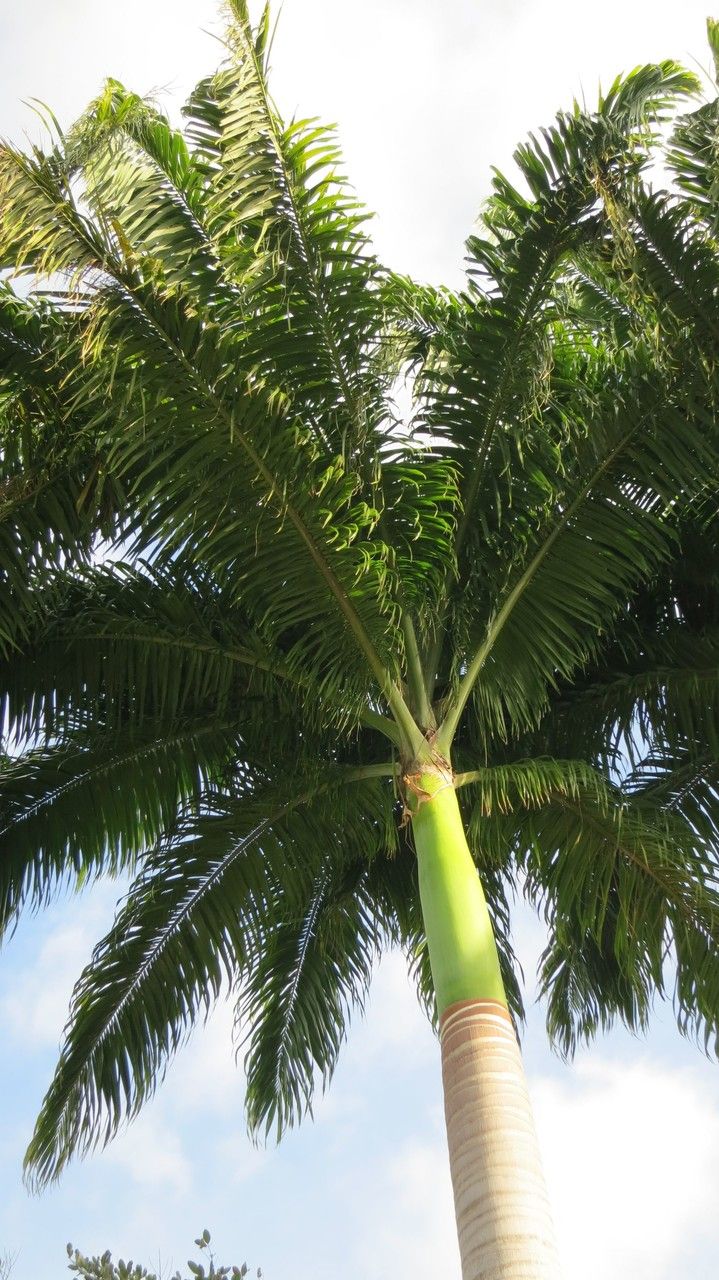
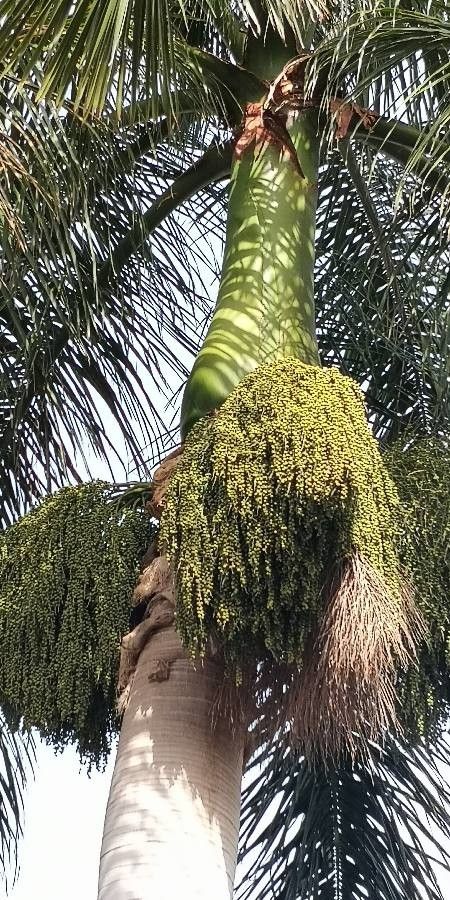
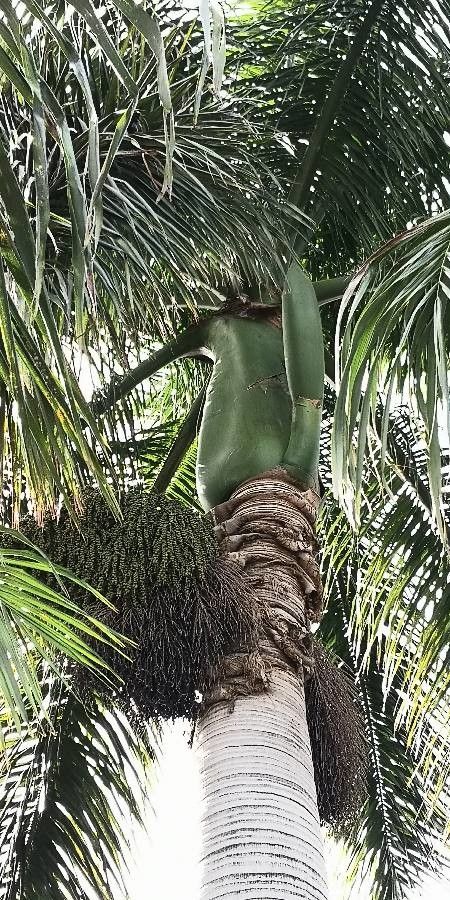
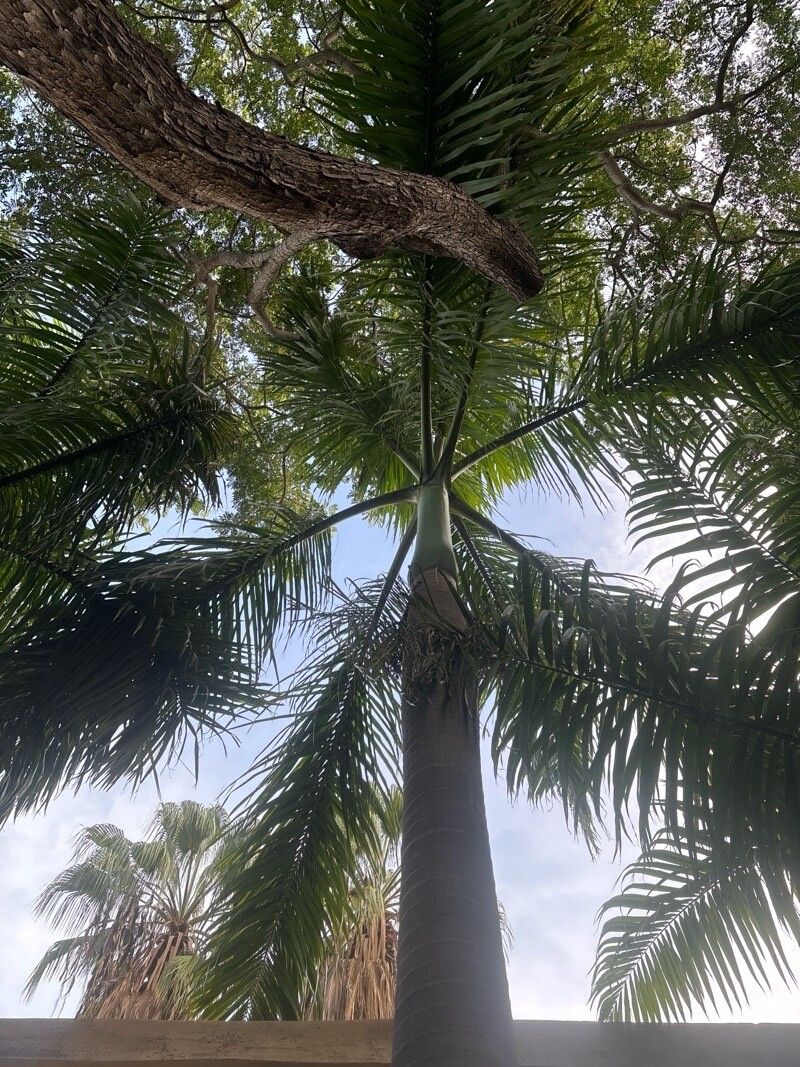
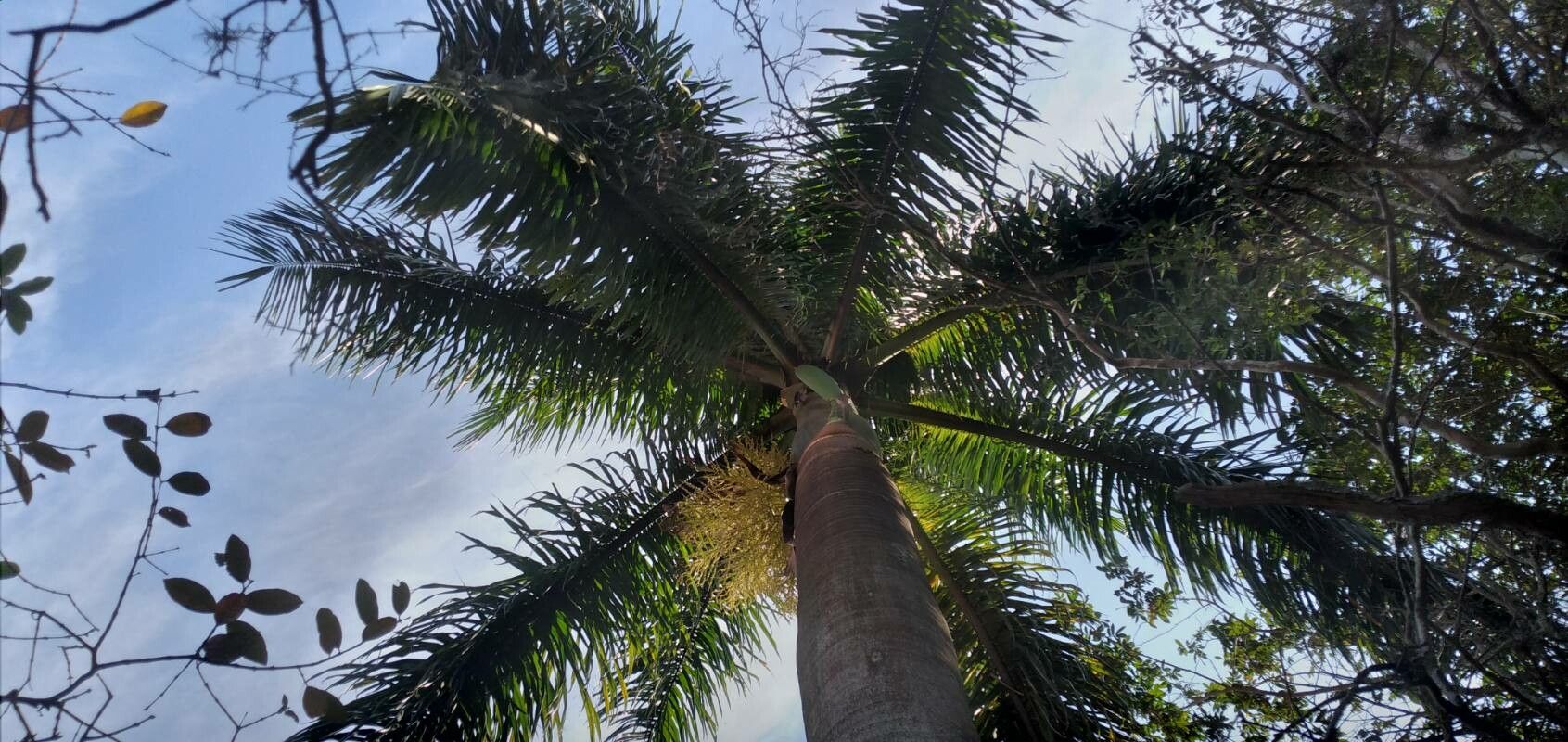
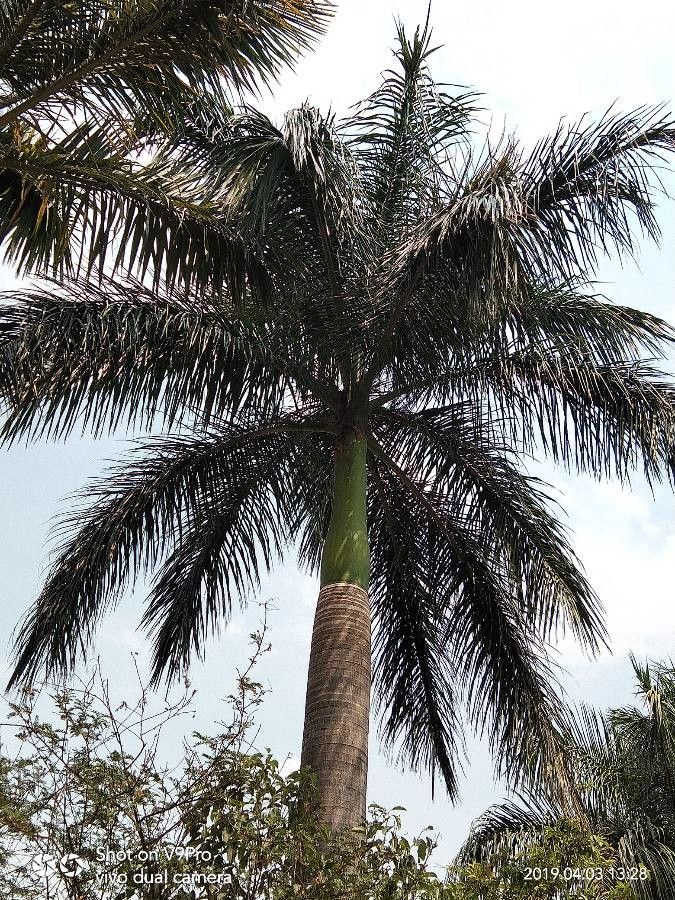
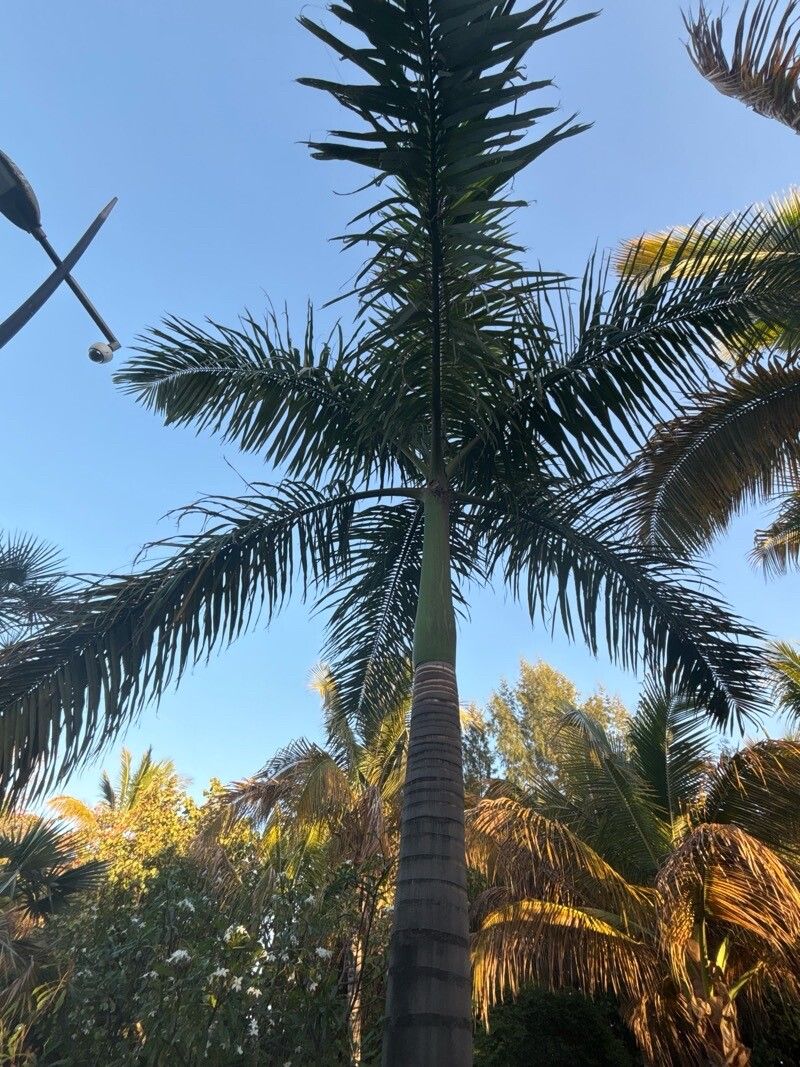
Roystonea regia, commonly known as the Royal Palm, is a tall and majestic palm tree native to the Caribbean and southern Florida. It can reach heights of up to 30 meters with a trunk diameter of up to 60 centimeters. The tree features a smooth, greyish-brown trunk adorned with rings from old leaf scars.
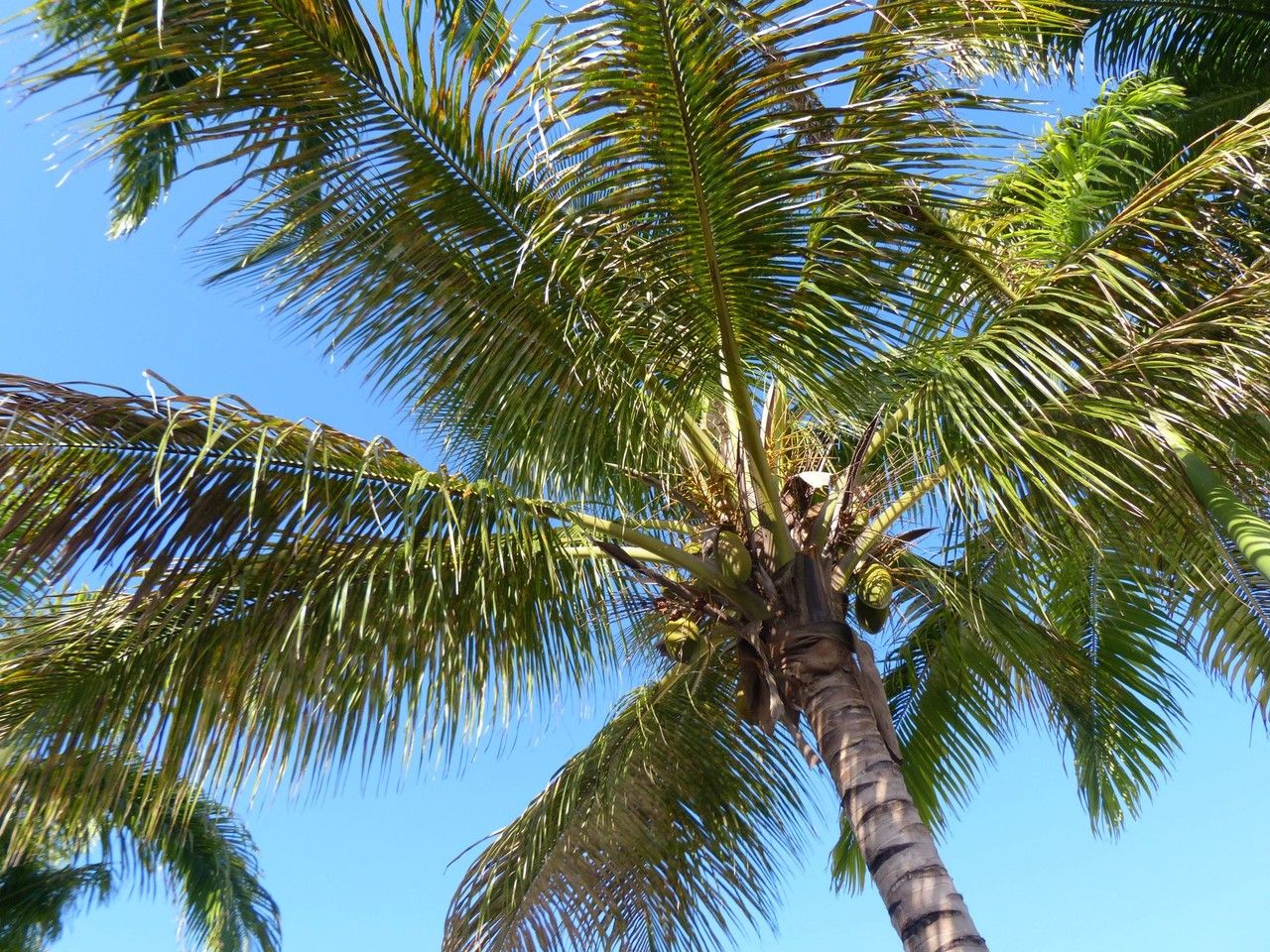
The Royal Palm boasts large pinnate leaves that can grow up to 5 meters in length. These bright green leaves have numerous leaflets arranged along either side of their central stems.
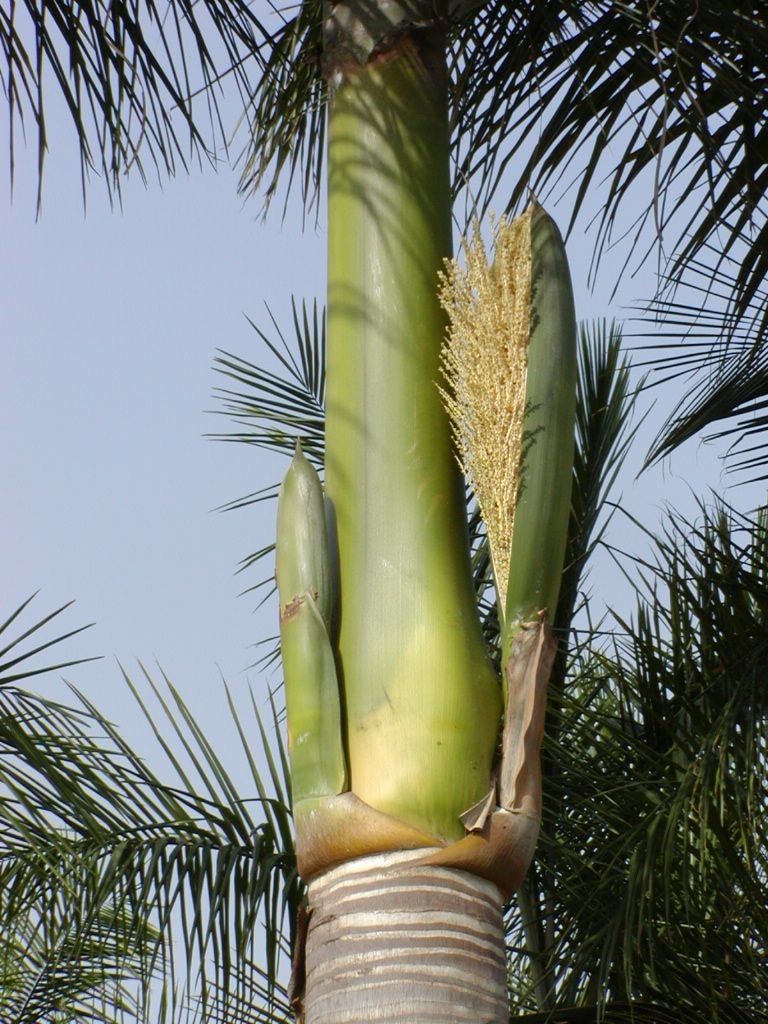
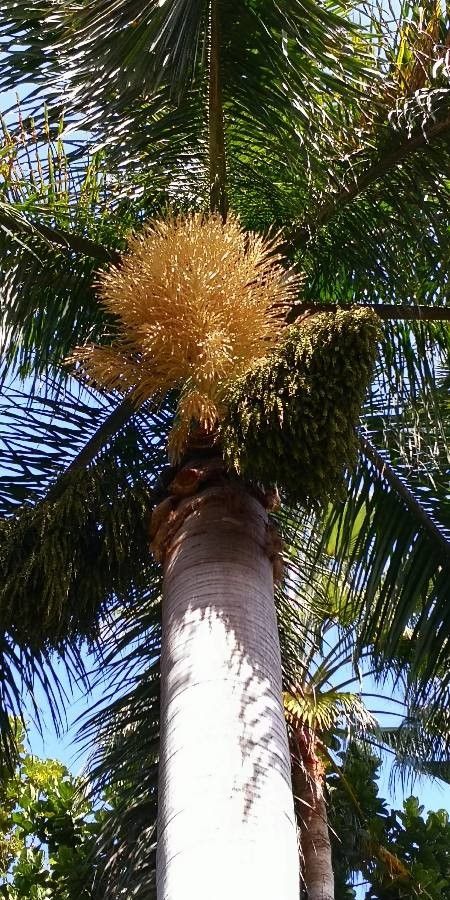
This plant produces small white flowers clustered in large groups at the base of its leaves. These flowers eventually develop into small black fruits, which are edible but not commonly consumed by humans.
Roystonea regia thrives in well-drained soils and prefers full sun exposure, though it can tolerate partial shade. While highly drought-tolerant once established, it requires regular watering during its initial growth period.
The Royal Palm is valued for its ornamental uses, making it a popular choice for landscaping, providing shade, acting as windbreaks, and controlling erosion. Its wood is also used in construction, and its sap can be used to make wine or vinegar.
Overall, the Roystonea regia stands out due to its majestic appearance, making it an excellent addition to any landscape or garden design project. It provides numerous benefits, such as shade, and is an ideal choice for homeowners seeking both beauty and functionality from their plants.
The Cuban royal palm is fairly disease-resistant and is usually not susceptible to illnesses. In terms of care, this species is relatively low-maintenance. When grown outdoors it needs only light watering, and larger specimens typically do not require pruning. Smaller plants, however, should be trimmed after they finish blooming. The Cuban royal palm is suitable for anyone with outdoor space, such as a garden or deck, and does not demand extensive gardening experience.
How to keep Roystonea Regia.
Light
The Cuban royal palm does well in locations that get plenty of sunlight for most of the day, though it can also tolerate periods of reduced light. Its native surroundings have abundant sun. Too little light can hinder its healthy growth, while too much light may lead to the plant burning out.
Water
The Cuban royal palm thrives in high humidity and prefers consistently moist soil, flourishing with biweekly watering. Although it has moderate drought tolerance, it performs best when it doesn't completely dry out. Typically found in tropical outdoor landscapes, the Cuban royal palm benefits from natural rainfall patterns that support its growth cycle.
Temperature
The Cuban royal palm prefers temperatures of 68 to 105 ℉ (20 to 41 ℃). In its native habitat it experiences warm conditions year-round, with an annual average of 77 ℉ (25 ℃). During colder seasons, it is advisable to protect the plant from freezing by covering it with a frost blanket.
Fertilizer
To encourage healthy growth, fertilize your Cuban royal palm in early spring. Regular feeding boosts overall health, producing vigorous growth, greater tolerance of harsh conditions, and improved resistance to diseases and pests. Keep to a consistent fertilization schedule for your Cuban royal palm to maintain foliage that is vibrant, deeply colored, and lush.
Pruning
The majestic Cuban Royal Palm is known for its towering height and graceful, feathery fronds. To maintain its health and appearance, prune the palm in early spring by removing any dead fronds and seed pods. Be careful to avoid excessive pruning, as this can stress the tree. Always sanitize your tools to prevent infection. For the best results, consult expert guides for the proper pruning techniques.
Pot & Repot
When repotting a Cuban royal palm, pick a pot that is only slightly larger and has excellent drainage. Use a well-draining potting mix. Repot in spring, taking care not to harm the roots while doing so. Place the palm at the same level it had in the old pot. Water thoroughly after repotting, and keep it in a warm spot with bright, indirect sunlight. Avoid overwatering to prevent root rot.
Botanical profile.
- Plant Type
- Palm
- Life Cycle
- Perennial
- Genus
- Roystonea
- Family
- Arecaceae
- Hardiness Zone
- 10-13
- Mature Height
- 30.48 m
- Mature Spread
- 10.06 m
- Leaf Color
- Green
- Leaf Type
- Evergreen
- Flower Color
- White
- Flower Size
- 2.54 cm
- Bloom Time
- Mid summer
- Planting Time
- Spring, Autumn
- Harvest Time
- Late summer, Fall, Winter
- Native Area
- Bahamas, Belize, Cuba, Honduras, Mexico
Other names.
Reader questions.
What is the most effective way to water my Cuban royal palm?
If you have a Cuban royal palm indoors, the best way to water it is by applying water to the top layer of soil in the container. Use rainwater or distilled water that is around room temperature. To check if it needs water, poke your finger into the soil. If the top few inches are dry, add enough water to moisten those layers and let excess water drain through the bottom of the container. It's better to underwater than overwater the palm to avoid root rot. For outdoor growth, rainfall might be enough, but if it rains less than once a week during the growing season, you'll need to provide some extra water to the soil. Again, use rainwater or distilled water whether it's indoors or outdoors.
Why is it necessary to use fertilizer on my Cuban royal palm?
To ensure your Cuban royal palm thrives, regular fertilization is key. By providing the proper nutrients, you can promote healthy growth and enhance its ability to withstand challenging conditions and fight off pests and diseases. Keeping the foliage intact is important as it contributes to the plant's attractiveness. To achieve this, establish and stick to a fertilization schedule that caters to your Cuban royal palm's specific needs. This will result in vibrant, lush leaves with a rich color.
What are the sunlight requirements for the Cuban Royal Palm?
The Cuban Royal Palm, or Roystonea regia, thrives best under full sun conditions, requiring more than 6 hours of sunlight daily. However, it can also tolerate partial sun, where it receives about 3-6 hours of sunlight. It's essential to observe how sunlight moves through your garden throughout the day to find the perfect spot that offers a balance of light and shade, ensuring the best conditions for your plant's growth.
What is the preferred temperature range for Cuban royal palm?
The Cuban royal palm prefers a temperature range of 68 to 105°F (20 to 41°C). Its ideal growth conditions are warm temperatures all year round, with an annual average of 77°F (25°C). It is crucial to protect the plant from freezing temperatures during colder seasons by using a frost blanket. The Cuban royal palm is extremely sensitive to cold, and temperatures close to 5°C are harmful. During winter, it's beneficial to keep the plant indoors in a warm environment, ideally maintaining temperatures above 20°C, and avoiding placement near heaters to prevent damage.
What should I do if I give too much water or too little water to a Cuban royal palm?
Here are some signs that indicate plants are not getting enough water: brown tips on the plant, wilted and drooping leaves that appear lifeless, and the potential for leaves to turn brown, crispy, and dry out severely. If you notice these signs, water the plant as soon as possible. Alternatively, overwatering can lead to root rot. If this occurs, remove any damaged roots from the soil, especially if they are mushy, fragile, and black. It is important to remove a larger part of the root to address the issue. Overwatering can also cause leaves to turn brown and fall off early. To help the plant recover, drain excess water and wait for the soil to dry before watering again. If you notice signs of root rot, discard the soil in the pot. Clean everything thoroughly and place pebbles in the pot to improve drainage. If you observe tan rings or reddish-brown spots on the leaves, discard any excess water at the base of the pot. Additionally, ensure the plant is in a well-ventilated location to promote faster soil drying and prevent future rotting.
When should I put fertilizer on my Cuban royal palm tree?
To ensure healthy growth, it is recommended to fertilize your Cuban royal palm for the first time in late winter or early spring. This fertilization provides the necessary nutrients for the palm to thrive once the weather warms up. If you live in a warm climate region, it is also beneficial to provide an additional fertilizer feeding in early fall. This not only supplements the soil with nutrients for the following growing season but also helps the palm withstand the winter cold without foliage damage. Fertilizing earlier in fall allows new branches to grow sufficiently to endure the cold winter.
What essentials do I need to know for growing a Cuban Royal Palm successfully?
Successfully growing a Cuban Royal Palm involves ensuring it receives ample sunlight for the majority of the day, although it can somewhat adapt to lesser light conditions at times. Originating from environments rich in sunlight, the Cuban Royal Palm may experience stunted growth and other health issues if deprived of sufficient light. When natural sunlight isn't enough, especially indoors or during winter, artificial lighting can be a great alternative. LED lights are recommended for their ability to mimic the specific wavelengths of light needed by plants. The required intensity of artificial light varies depending on the plant's sunlight needs: 30-50W/sq ft for full sun plants, 20-30W/sq ft for partial sun, and 10-20W/sq ft for shade plants. The light source should be placed 12-36 inches above the plant, for 8-12 hours a day to mimic natural daylight hours as closely as possible.
How should I care for Cuban royal palm in low temperatures?
In low temperatures, Cuban royal palm requires special care as it prefers warm conditions and does not tolerate cold well. It is best kept in an environment with temperatures above 20°C, especially during winter. If temperatures drop below 1°C, the leaves may lighten in color, eventually turning brown or black with frost damage, leading to wilting and drooping. To care for it in low temperatures, trim off the frost-damaged parts and immediately move the plant indoors to a warm environment, preferably near a south-facing window for enough sunlight. Avoid placing it near heat sources like heaters or air conditioning vents to minimize air dryness.
What do I do if I give my Cuban royal palm too much or too little water?
When watering the Cuban royal palm, the main issue to be aware of is overwatering. There are clear signs that indicate when this problem occurs. If the palm receives too much water, its leaves will turn brown and droop. The stems may become mushy and emit a foul smell. Overwatering can also cause root rot, which can be fatal if left unchecked. To address overwatering early on, you can reduce the watering rate or add sand to improve soil drainage. In more severe cases, you'll need to remove the palm from its container, remove any rotten roots, and repot it in a new container. If you grow the palm outdoors and consistently notice excessive watering, consider transplanting it to a different location with looser soil. On the other hand, an underwatered palm will also have drooping leaves, but they are more likely to be yellow than brown. Additionally, an underwatered palm will exhibit slower growth. If you observe these signs, you should increase the frequency of watering.
When is the best time to not fertilize my Cuban royal palm?
There are a few times when you should avoid fertilizing your Cuban royal palm. The first is during the early and mid-winter months when the palm is dormant and doesn't require feeding. It is also best not to fertilize during the late spring and summer, as the weather is usually hotter and drier, which can negatively affect the palm's response to fertilization. To prevent any issues, it's recommended to only fertilize during early spring and early fall.
What are the signs of insufficient or excessive light exposure in a Cuban Royal Palm?
A Cuban Royal Palm exposed to less than ideal light conditions may exhibit several symptoms. Insufficient light can lead to smaller new leaves, longer spaces between leaves or stems resulting in leggy or sparse growth, early shedding of older leaves, delayed growth or a complete halt in new leaf production, and the appearance of pale or irregularly colored new leaves due to a lack of chlorophyll. Excessive sunlight exposure can also be harmful, causing chlorosis or the yellowing of leaves, sunscald characterized by pale or necrotic areas on the plant tissue, leaf curling to minimize water loss, wilting from increased water loss due to transpiration, and leaf scorching seen as brown, dry, crispy leaf edges. Understanding and balancing the light exposure is crucial for maintaining the health of your Cuban Royal Palm.
What should I do if Cuban royal palm is exposed to high temperatures?
During summer, it's crucial to ensure the Cuban royal palm is not exposed to temperatures above 41°C. Exceeding 45°C can lead to lighter leaf colors and increased susceptibility to sunburn. To care for the plant in high temperatures, trim away any sunburned or dried parts and relocate the plant to an area with shade during the midday and afternoon sun. It's also important to water the plant in the mornings and evenings to maintain soil moisture, helping the plant remain hydrated and healthy under hot conditions.