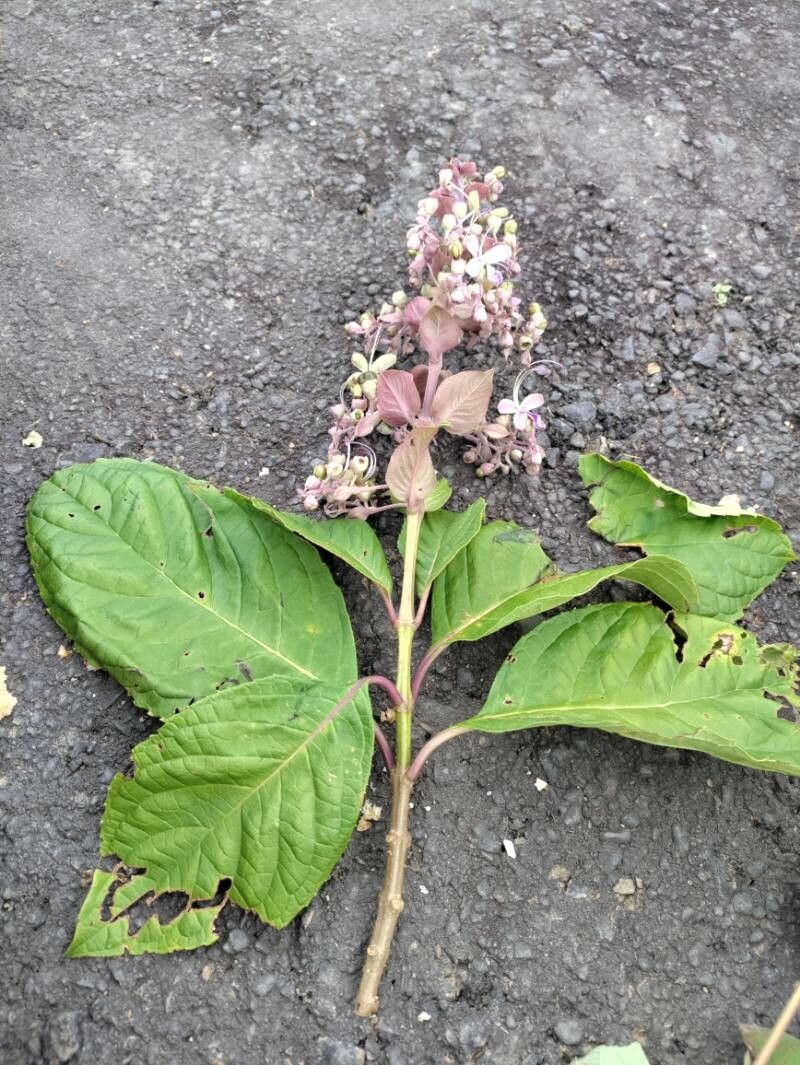
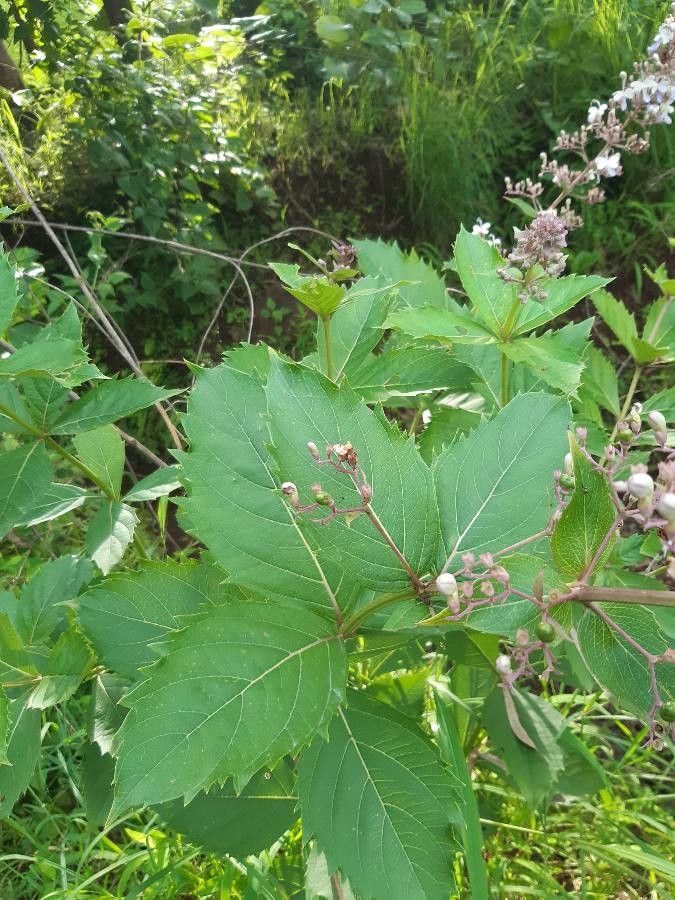
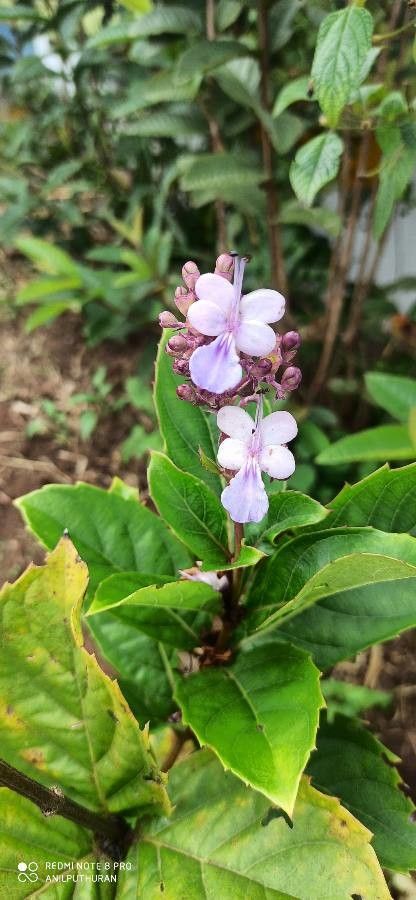
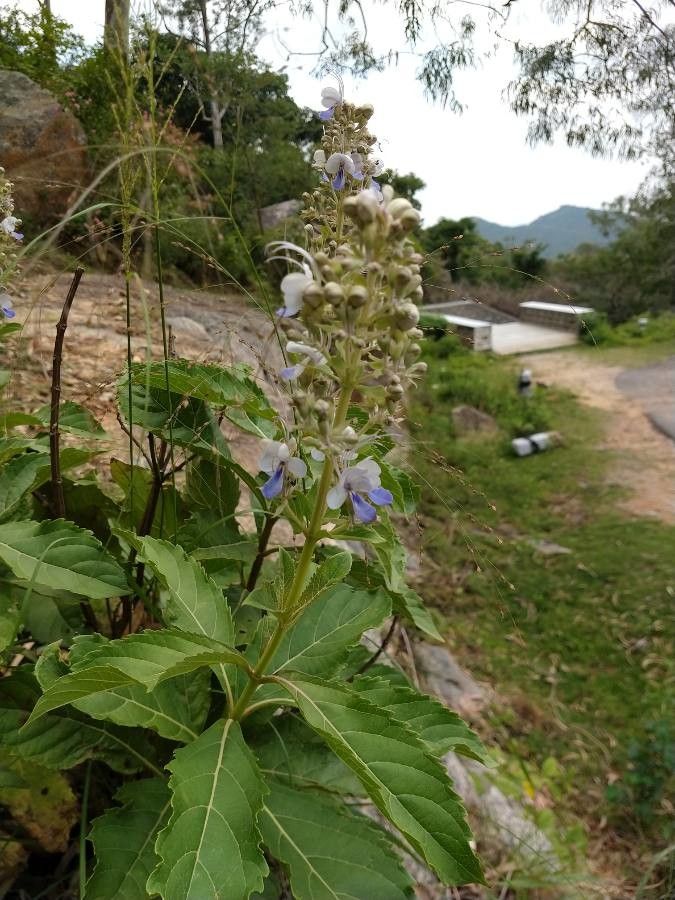
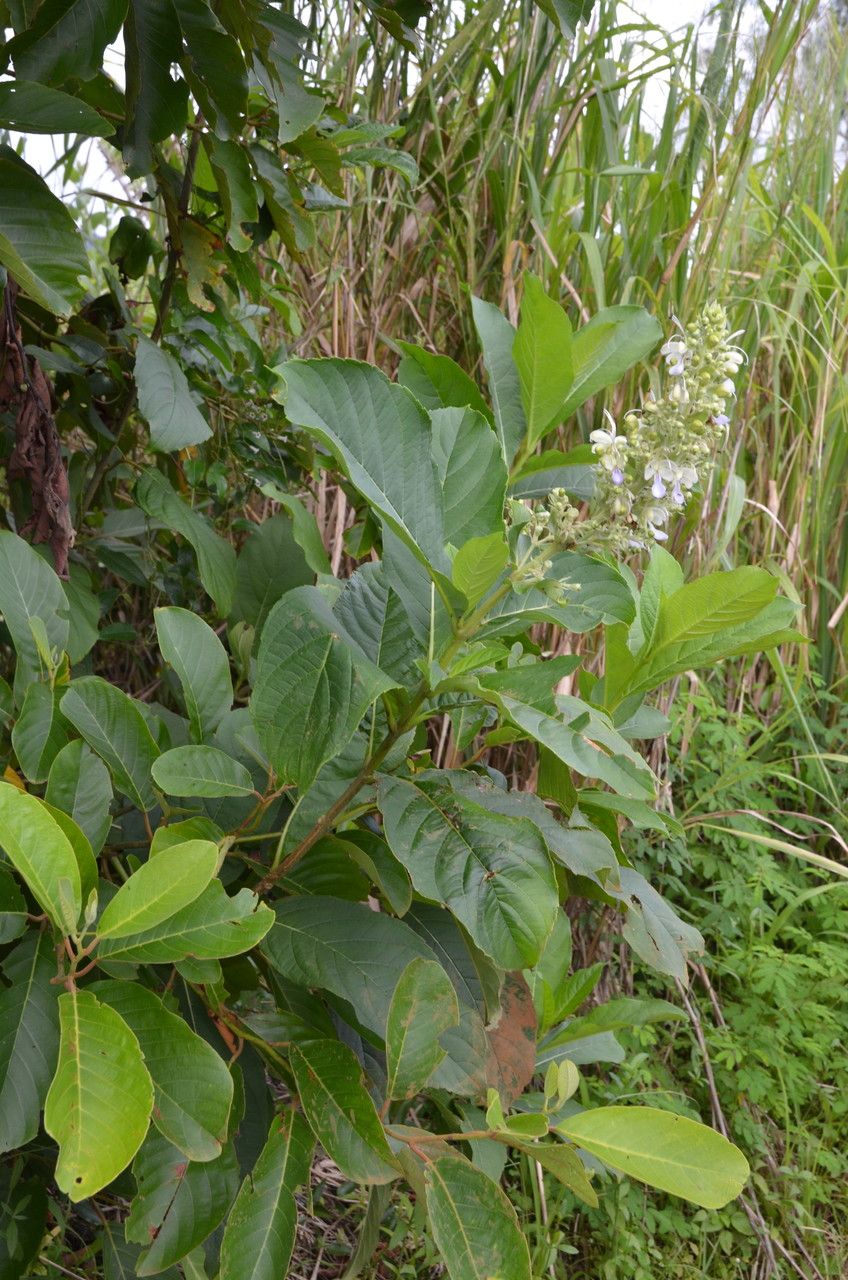
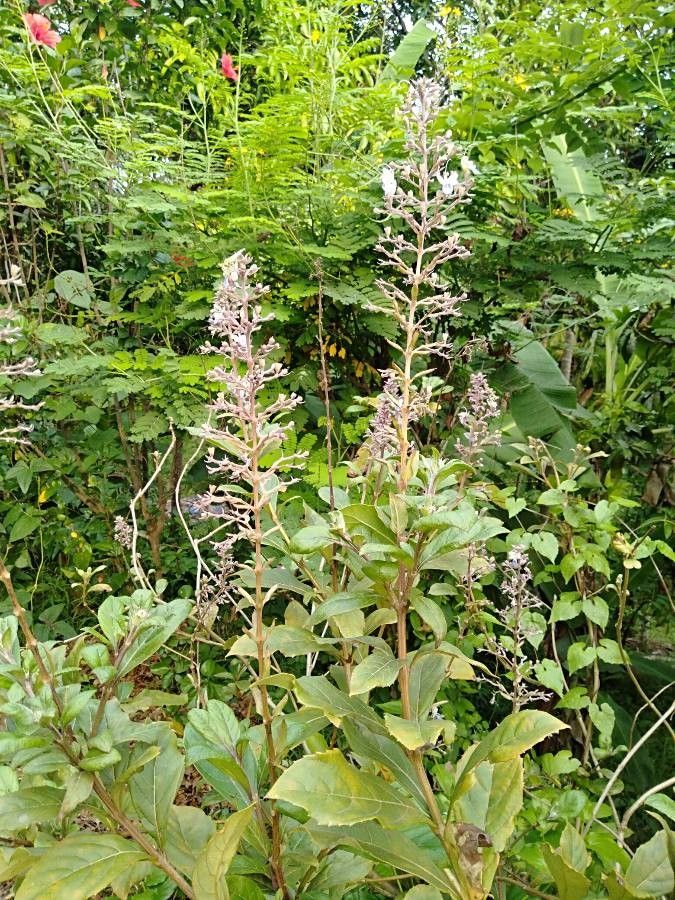
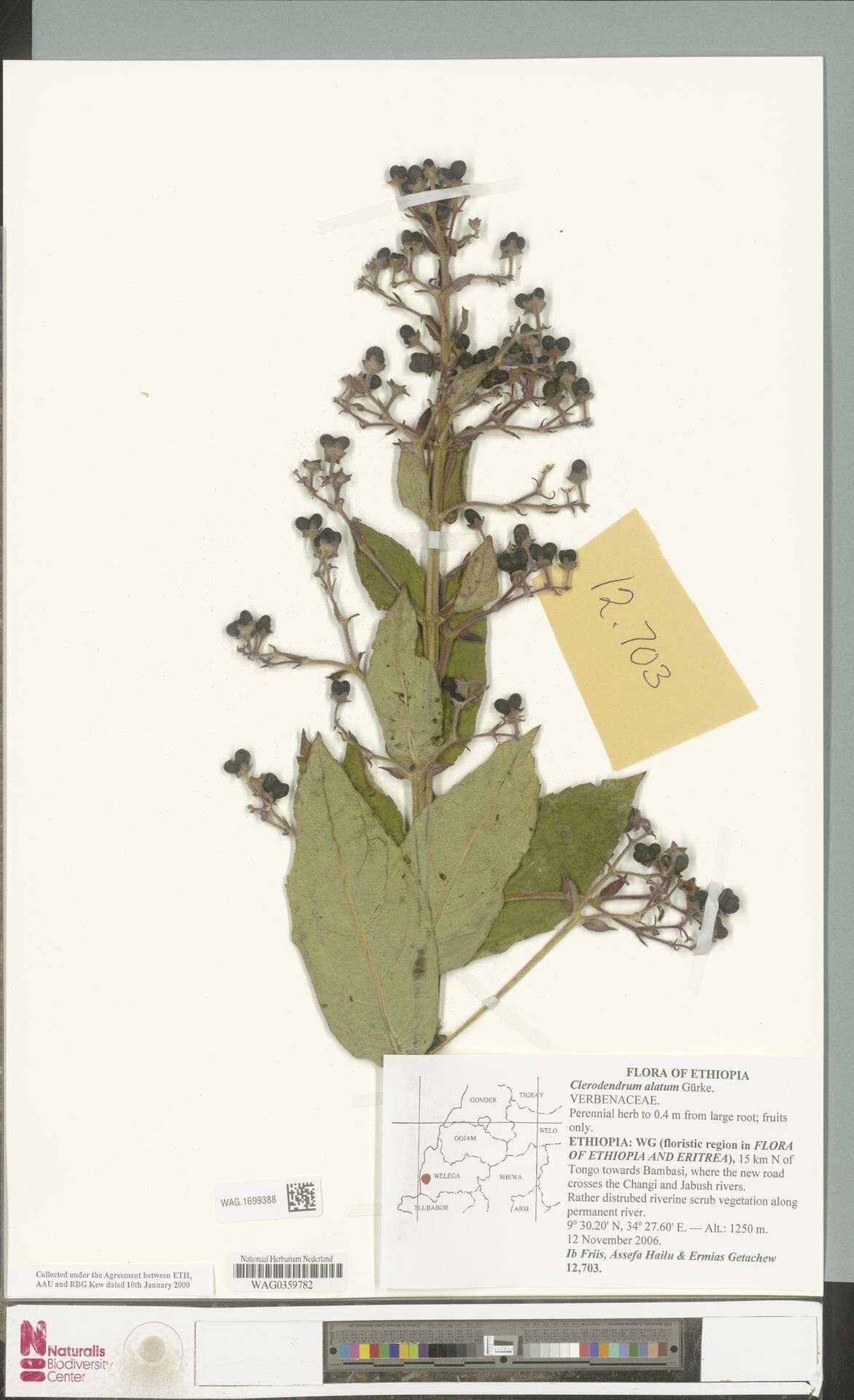
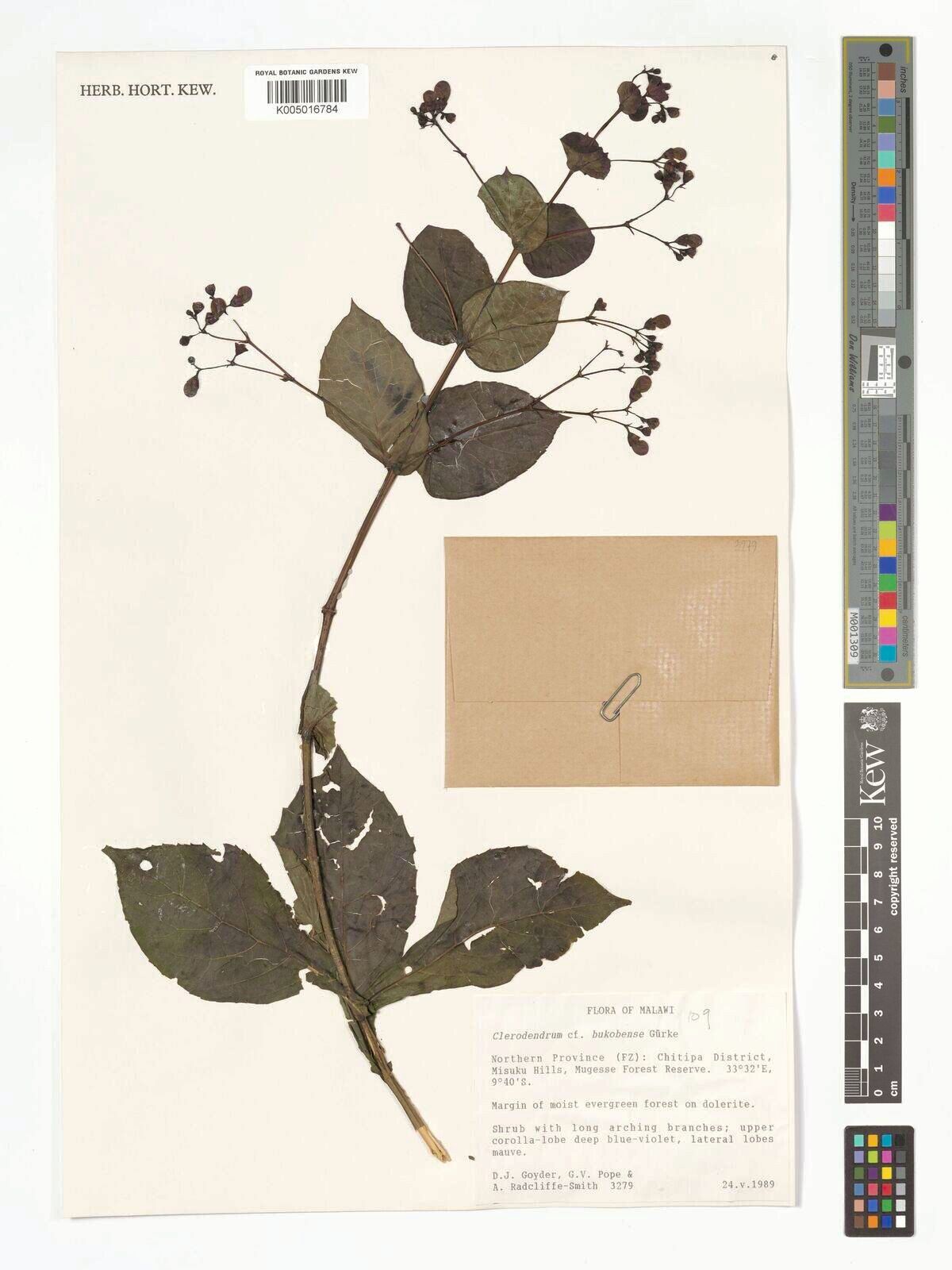
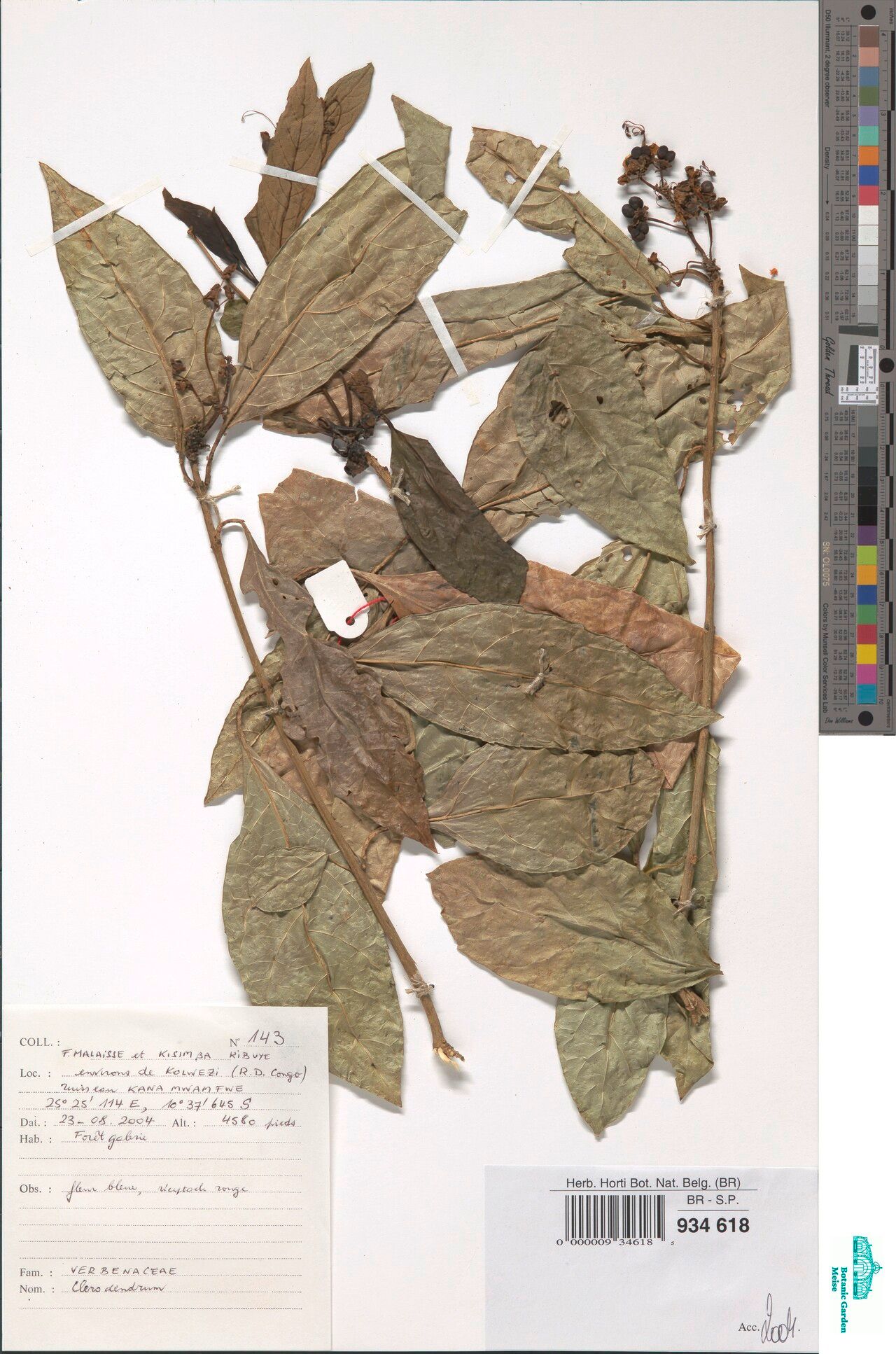
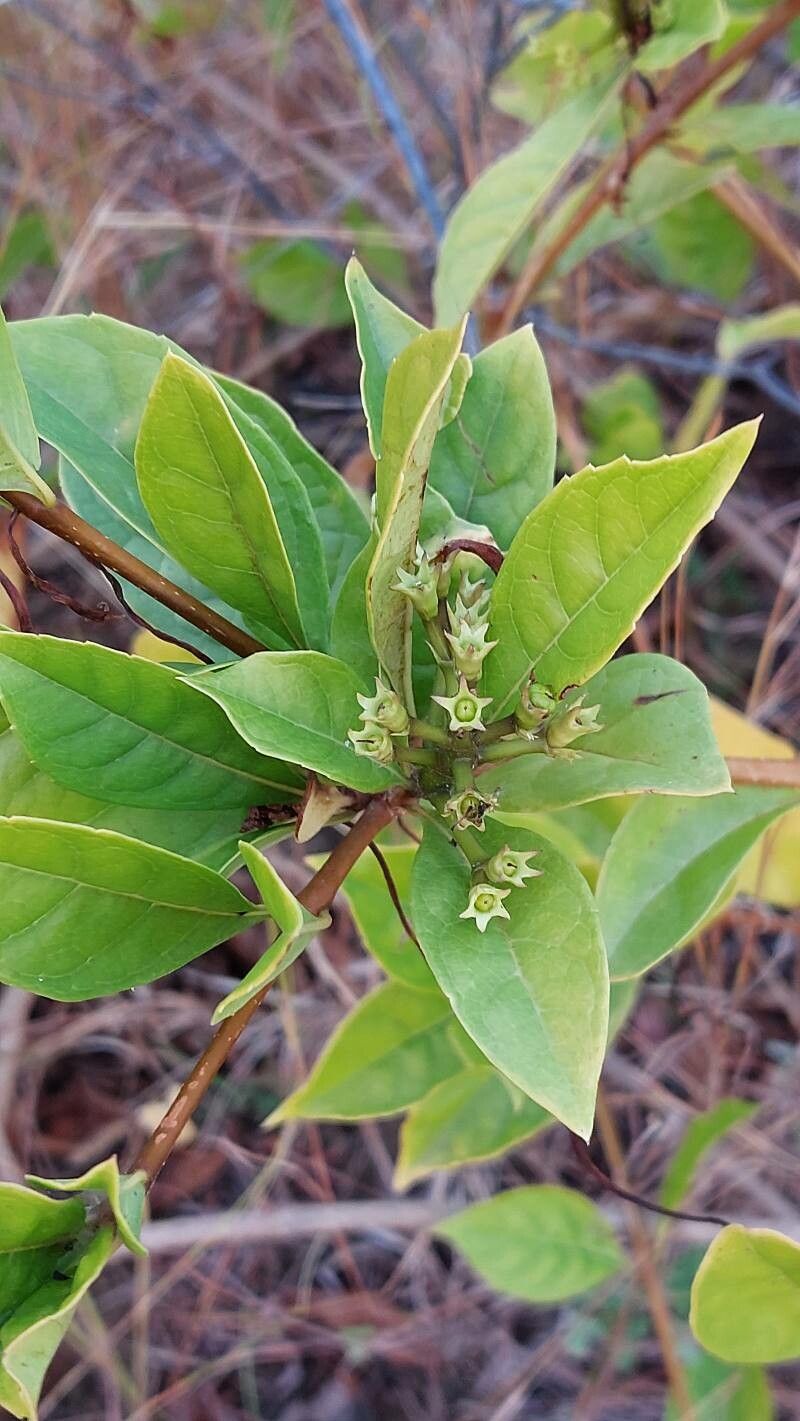
Rotheca serrata, commonly known as the blue fountain bush, the blue-flowered glory tree or the beetle killer, is a species of flowering plants in the family Lamiaceae. It is native to India, Sri Lanka and Malaysia.
Blue fountain bush has strong resistance to disease and is usually not susceptible to illnesses. In terms of care, this plant is fairly low-maintenance. When planted outdoors it needs little watering, and larger specimens generally do not need pruning. Smaller plants, however, should be pruned after they finish blooming. Blue fountain busht is appropriate for anyone who has an outdoor area, like a garden or a deck, and it does not demand much gardening experience.
How to keep Rotheca Serrata.
Light
The blue fountain bush requires considerable sunlight to perform best. That said, it can tolerate locations with less sun. Excessive sun can cause leaf burn, while inadequate light may limit growth. Native to sun-drenched environments, it is adapted to plentiful light.
Water
The blue fountain bush is well-adapted to drought conditions and conserves water efficiently, needing to be watered only every 2-3 weeks. It grows best outdoors and requires well-draining soil to avoid waterlogging during heavy rains, ensuring it remains resilient against changing weather conditions.
Temperature
Blue fountain bush originates from temperate areas where temperatures range from 68 to 95 °F (20 to 35 ℃). It prefers warmer conditions. In colder seasons, consider relocating it indoors or keeping it away from freezing temperatures to preserve its comfort zone.
Fertilizer
The best time to fertilize a Blue fountain bush is in early spring as it breaks dormancy. This encourages overall growth and flower development. Fertilizing improves the foliage, stems, and branches, while encouraging large, vibrant, and long-lasting blooms. It also helps move nutrients from the roots to the flowers and strengthens the plant's health and disease resistance.
Pruning
The Blue Fountain Bush is known for its vibrant blue flowers. To keep the plant healthy, it's important to prune it in early spring. This involves removing any dead branches and thinning out dense areas to improve light and air circulation. After the plant has finished flowering, cutting back the old wood can encourage more blooms. Always use clean, sharp tools for pruning, and be sure to provide proper aftercare to maintain the plant's optimal health.
Botanical profile.
- Plant Type
- Shrub
- Life Cycle
- Perennial
- Genus
- Rotheca
- Family
- Lamiaceae
- Hardiness Zone
- 10
- Mature Height
- 2.44 m
- Mature Spread
- 0.91 m to 1.52 m
- Leaf Color
- Green
- Leaf Type
- Evergreen
- Flower Color
- Lavender, White
- Flower Size
- 25.40 cm
- Bloom Time
- Summer, Early fall, Mid fall
- Planting Time
- Spring, Summer, Autumn, Winter
- Harvest Time
- Fall
- Native Area
- Nepal, Sri Lanka, India, Malaysia, Indonesia, Cambodia, Vietnam, Myanmar, Bhutan, Bangladesh, Pakistan, Laos, Thailand, China
Other names.
Reader questions.
What are the sunlight requirements for the Blue fountain bush?
The Blue fountain bush thrives best with a good amount of sun exposure, ideally above 6 hours of sunlight for full sun conditions and about 3-6 hours for partial sun. It originates from sun-drenched habitats and requires ample light for optimal growth, although it can also manage in lesser sun conditions. Overexposure to sunlight could potentially lead to leaf burn, while insufficient light might inhibit the plant's growth. Observing how sunlight moves through your garden will help in choosing spots that provide the perfect balance of light and shade for your plants.
What is the ideal temperature for a Blue Fountain Bush?
The Blue Fountain Bush, known botanically as Rotheca serrata, thrives in temperatures ranging from 68°F to 95°F (20°C to 35°C), favoring warmer climates. It is crucial to maintain the plant in its comfort zone, especially during the cooler seasons, by possibly moving it indoors or to a warmer location away from freezing temperatures. During winter, it is beneficial to keep the plant at temperatures above 20°C to support its growth, while temperatures nearing 5°C or lower can be harmful.
How can artificial lighting be used for Blue fountain bush indoors?
Indoor plants like the Blue fountain bush require adequate lighting for optimal growth, especially when natural sunlight is insufficient, such as during winter or in less sunny spaces. Artificial lights, with LED lights being a popular choice due to their ability to provide specific wavelengths of light, offer a vital solution. Full sun plants need 30-50W/sq ft, partial sun plants 20-30W/sq ft, and full shade plants 10-20W/sq ft of artificial light. The light source should be placed 12-36 inches above the plant, mimicking natural sunlight, and most plants need 8-12 hours of light per day.
How do you care for a Blue Fountain Bush in low temperatures?
In low temperatures, the Blue Fountain Bush prefers warmth and struggles with cold. It flourishes best when temperatures are kept above 20°C, especially during the winter months, when it’s essential to protect the plant from dropping below 5°C. Exposure to temperatures below 1°C can lead to symptoms such as leaves lightening in color and, following frost damage, turning brown or black, accompanied by wilting and drooping. To mitigate frost damage, trim off frost-damaged parts and move the plant to a warm indoor environment. Position it near a south-facing window for ample sunlight while ensuring it is not too close to heaters or air conditioning vents to avoid air dryness.
What are the symptoms of light deficiency in Blue fountain bush?
Symptoms of light deficiency in the Blue fountain bush include smaller new leaves, leggy or sparse growth, faster leaf drop, slower or no new growth, lighter-colored new leaves, chlorosis (leaves turning yellow), sunscald (damaged areas from intense sunlight), leaf curling (as a defense mechanism against excessive sunlight), wilting (due to loss of turgor pressure), and leaf scorching (brown, dry patches on leaves due to excessive sunlight). These symptoms indicate the plant's struggle with insufficient or excessive light exposure.
What should you do if a Blue Fountain Bush gets too hot?
During the hotter months, ensure the Blue Fountain Bush does not exceed temperatures of 35°C to avoid overheating. Should the temperature surpass 41°C, the plant may exhibit lightened leaf color and increased susceptibility to sunburn. To care for an overheated Blue Fountain Bush, trim away the sunburned and dried parts of the plant. Relocate it to a spot with ample shade, especially during the harsh midday and afternoon sun, and water it during cooler times, like in the morning and evening, to keep the soil adequately moist.
What solutions can help overcome light deficiency or excessive sunlight exposure for Blue fountain bush?
To overcome light deficiency, gradually move the plants to sunnier locations, aiming for at least 6 hours of direct sunlight daily, and consider using artificial light for indoor plants that are large or not easily movable, keeping a desk or ceiling lamp on for at least 8 hours daily. For excessive sunlight exposure, reducing obstructions such as pruning trees can help, as can transplanting smaller plants to locations with ample sunlight and good drainage during their dormant period. Note that parts of the plant affected by insufficient sunlight may not recover, but increasing light exposure can result in healthy new growth.