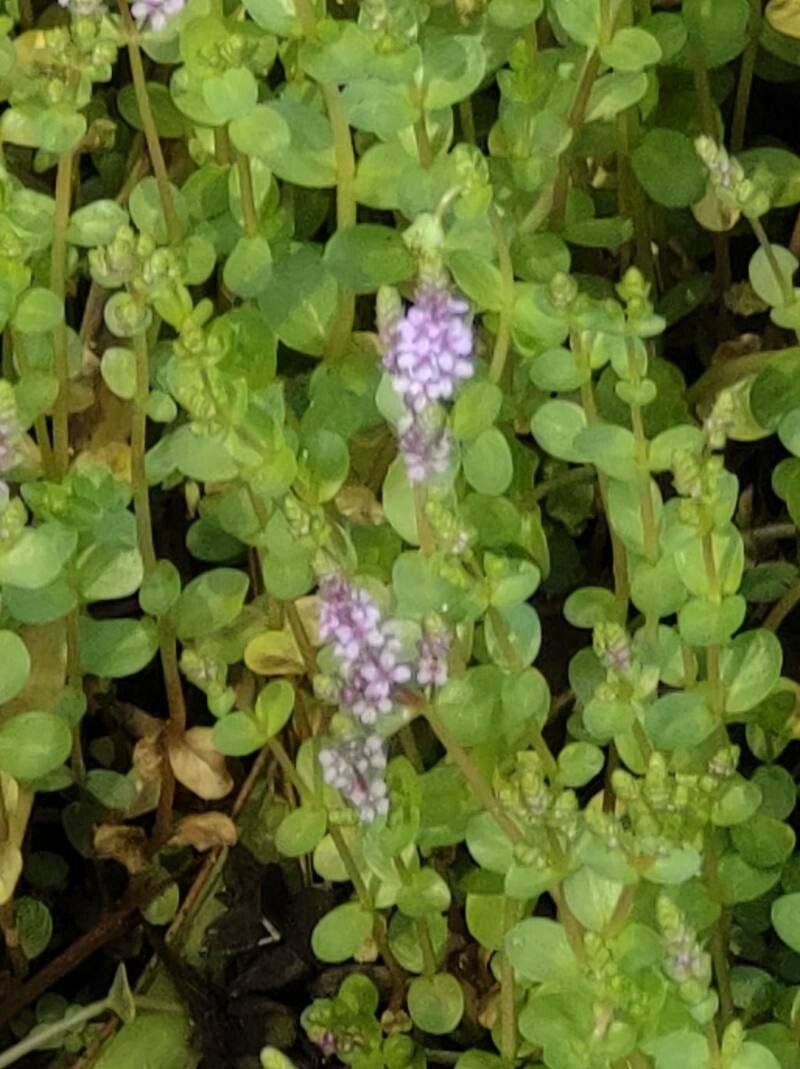
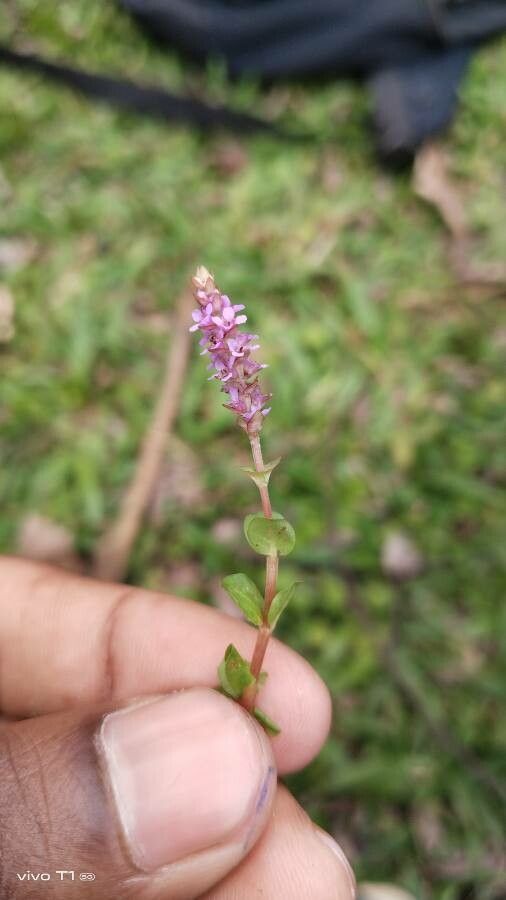
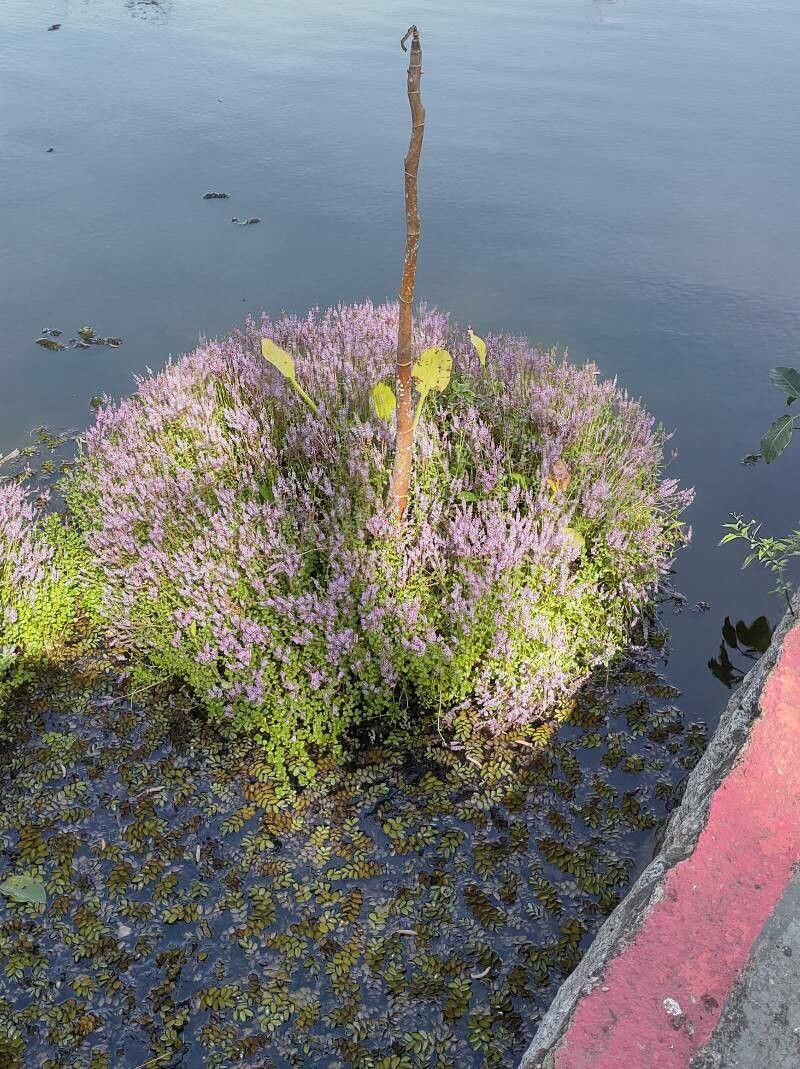
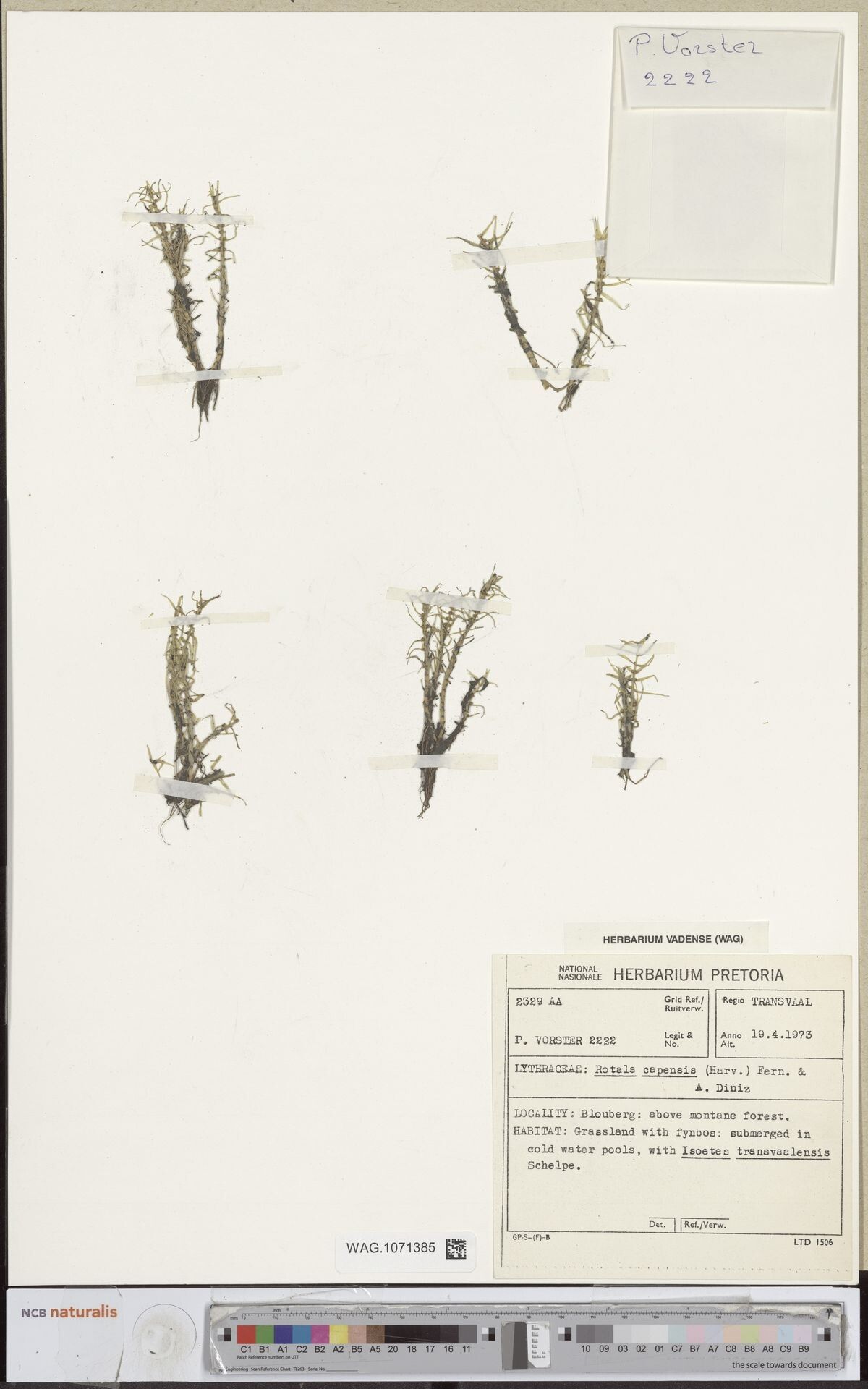
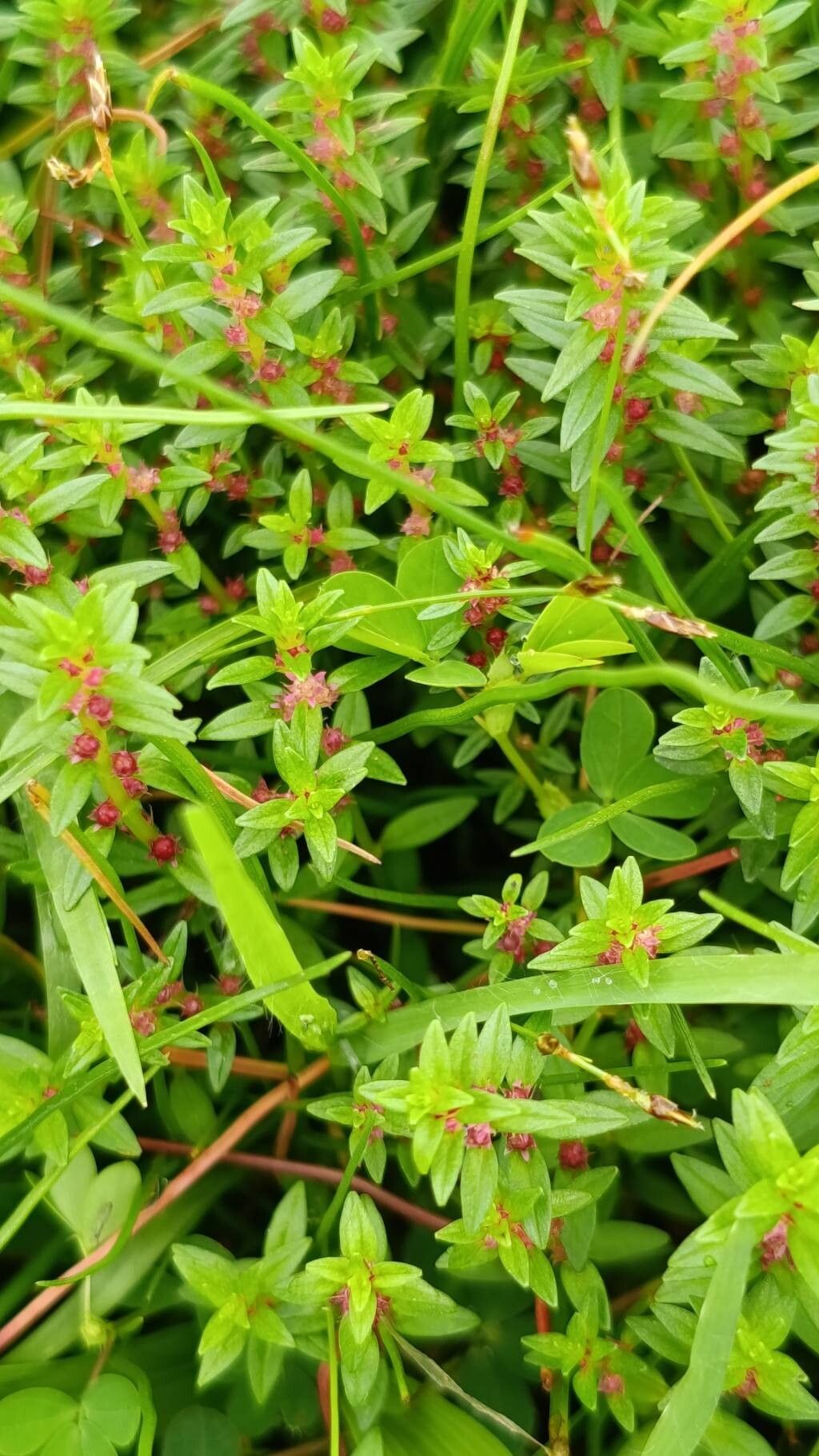
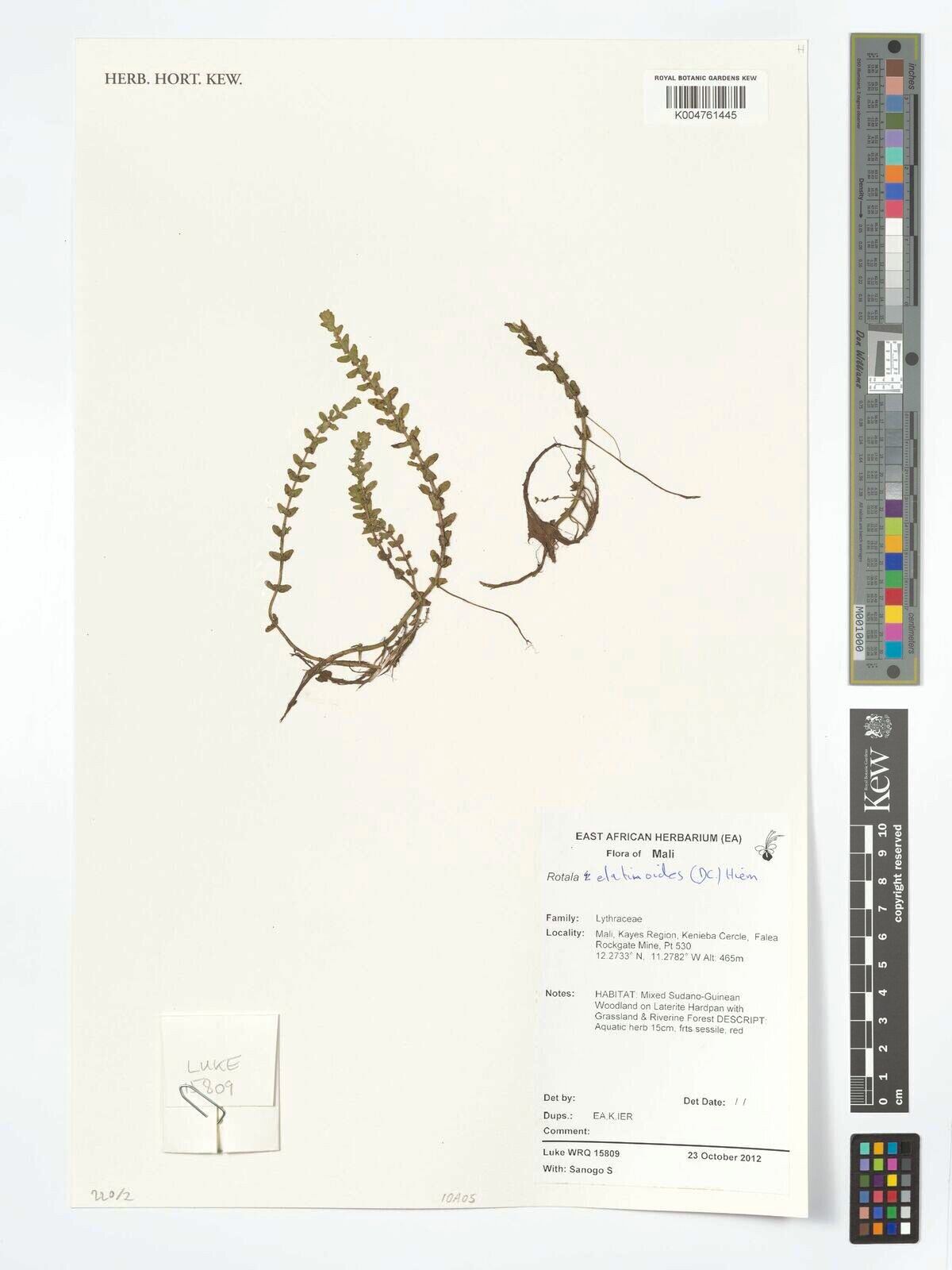
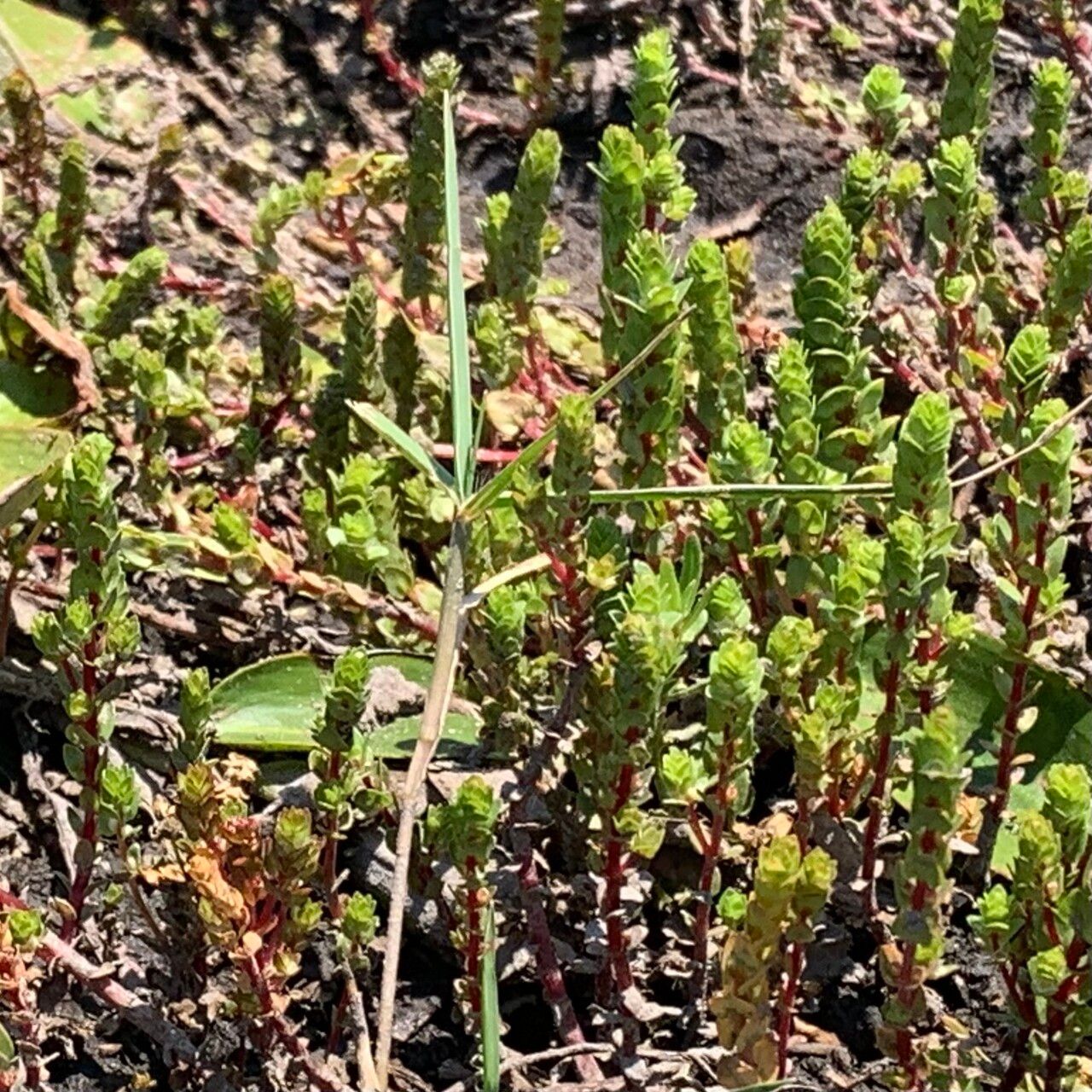
Rotala rotundifolia, the dwarf rotala, is a plant species often confused with Rotala indica. It is sold in the aquarium trade, but is of uncertain status. It is a common weed in rice paddies and wet places in India, China, Taiwan, Thailand, Laos, and Vietnam, and has been introduced to the United States.
Dwarf rotala is fairly disease-resistant and is generally not prone to illnesses. However, it can be susceptible to pests and diseases present in its surroundings. These infections are usually not severe. In terms of care, this plant requires moderate maintenance. It should be pruned regularly to maintain a good appearance and healthy growth. Fertilization can also help encourage flowering. Dwarf rotala is suitable for anyone with outdoor space, such as a garden or patio, and does not require much care experience. It may need more attention when grown indoors.
How to keep Rotala Rotundifolia.
Light
Dwarf rotala does best when it gets a plentiful amount of sunlight each day. It is adaptable, though, and can cope with less light, even in complete shade. While its native habitat provides abundant sun, too much or too little sunlight can impede its healthy growth and lush development. Its light requirements vary through different growth stages, and it adjusts and uses available light effectively.
Water
Dwarf rotala thrives in environments with high humidity and constant moisture, making it ideal for submerged conditions. For optimal growth, it requires daily watering. As an indoor aquatic plant, it benefits from being placed in containers that keep the soil moist, which supports its lush foliage and vibrant growth.
Temperature
Dwarf rotala is native to areas of the world where temperatures range between 59 and 100 °F (15 to 38 ℃). It performs best in a temperate climate but can acclimate to seasonal changes if necessary.
Pruning
Dwarf Rotala, known for its compact foliage, thrives in aquatic environments. To maintain its shape and encourage new growth, prune the plant by trimming the stems just above the leaf nodes from early to late spring. Be sure to remove any yellow leaves to improve its overall health. Use clean tools for pruning to minimize damage and reduce the risk of disease.
Pot & Repot
Dwarf rotala benefits from being repotted every 2-3 years, ideally in late winter or early spring. Choose a taller container to accommodate its root depth. After repotting, keep the plant submerged and provide adequate light, but avoid direct sunlight at first. Regular fertilization will help maintain healthy foliage.
Botanical profile.
- Plant Type
- Herb
- Life Cycle
- Perennial
- Genus
- Rotala
- Family
- Lythraceae
- Hardiness Zone
- 8-12
- Mature Height
- 20 cm to 76 cm
- Mature Spread
- 2 cm to 4 cm
- Leaf Color
- Green, Light Green
- Leaf Type
- Deciduous
- Flower Color
- Pink, Purple
- Flower Size
- 1.02 cm to 4.06 cm
- Bloom Time
- Summer, Early fall, Mid fall
- Planting Time
- Spring, Summer, Autumn
- Harvest Time
- Late summer, Fall, Early winter
- Native Area
- Nepal, Sri Lanka, India, Cambodia, Vietnam, Myanmar, Japan, Bhutan, Bangladesh, Laos, Thailand, China
Other names.
Reader questions.
What are the sunlight requirements for Dwarf rotala?
Dwarf rotala requires full sun, meaning it thrives with above 6 hours of sunlight daily. However, it can also adapt to partial sun or full shade conditions, which provide about 3-6 hours of sunlight. It's important to observe the movement of sunlight through your garden to select the best spots that offer a balance of light and shade, ensuring the plants' well-being. In its native habitat, Dwarf rotala is accustomed to abundant sunlight, but it's adaptable and can manage with less daylight or even in completely shady areas. Despite this, the right amount of sunlight is crucial for its healthy growth and lush development.
What is the indigenous climate for Dwarf rotala?
Dwarf rotala, botanically known as Rotala rotundifolia, is native to regions with temperatures ranging between 59 to 100 °F (15 to 38 °C). It is most suited to a temperate climate but has the ability to adapt to seasonal changes if necessary. Dwarf rotala is particularly heat-loving, making it sensitive to cold temperatures. To ensure the health of the plant, especially in cooler climates, it is advised to move the plant indoors during autumn and place it near a bright window, albeit at a suitable distance from heaters. Keeping the temperature above 15°C during the winter months is crucial for the plant's growth, and it is important to note that temperatures nearing -5°C can be harmful to Dwarf rotala.
How can artificial lighting be used for Dwarf rotala indoors?
Indoor Dwarf rotala plants require adequate lighting, especially when natural sunlight is insufficient, such as in winter or in less sunny spaces. Artificial lights, like LED lights, can be customized to provide specific wavelengths needed by the plants, promoting faster and healthier growth. For full sun plants, 30-50W/sq ft of artificial light is needed; for partial sun plants, 20-30W/sq ft; and for full shade plants, 10-20W/sq ft. The light source should be placed 12-36 inches above the plant to mimic natural sunlight, and the duration should match the natural daylight hours your plant species needs, typically 8-12 hours per day.
How does low temperature affect Dwarf rotala and what are the solutions?
Dwarf rotala prefers warm environments and does not tolerate low temperatures well. It flourishes when the temperature remains above 15°C. In winter, it's essential to keep the temperature above -5°C to prevent harm. Exposure to temperatures below -10°C may cause the leaves to lighten in color. Following frost damage, the plant's color can change to brown or black, and signs such as wilting and drooping might appear. To address this, the frost-damaged parts should be trimmed off, and the plant should be moved to a warm indoor setting immediately for cold protection. Placing the Dwarf rotala near a south-facing window can ensure it receives sufficient sunlight, but keep it away from heaters or air conditioning vents to prevent the air from becoming too dry.
What are the symptoms of inadequate lighting for Dwarf rotala?
Symptoms of inadequate lighting in Dwarf rotala include smaller new leaves, leggy or sparse growth, faster leaf drop, slower or no new growth, lighter-colored new leaves, chlorosis (leaves turning yellow), sunscald (pale or necrotic areas on leaves due to intense sunlight), leaf curling (a defense mechanism to minimize water loss and damage), wilting (loss of turgor pressure), and leaf scorching (brown, dry edges on leaves). These symptoms indicate either too much or too little light exposure, affecting the plant's health.
How does high temperature affect Dwarf rotala and what are the solutions?
During the summer months, it's important to keep Dwarf rotala's temperature below 38°C. If the temperature climbs above 43°C, the leaves may start to lighten in color, and the plant becomes prone to sunburn. The solution involves trimming away the sunburned and dried parts of the plant. It's advisable to move the plant to a location that offers shade during the intense midday and afternoon sun. Watering the plant in the morning and evening will help maintain soil moisture and protect the Dwarf rotala from the adverse effects of high temperatures.
What solutions can address Dwarf rotala's light-related issues?
To ensure Dwarf rotala receives optimal light, gradually acclimate it to receive at least 6 hours of direct sunlight daily by moving it to a sunnier location each week. For indoor plants that can't be easily moved or are too large, consider using artificial lighting like desk or ceiling lamps for at least 8 hours daily or invest in professional plant grow lights. When addressing outdoor plants, it's crucial to avoid sudden changes in light intensity to prevent sunburn. If sunlight is obstructed, identify and reduce these obstructions, such as by pruning trees, or for smaller plants, consider transplanting them during their dormant period to a location with ample sunlight and good drainage. Note that while parts of the plant affected by insufficient sunlight might not recover, new growth will be healthy with improved light exposure.