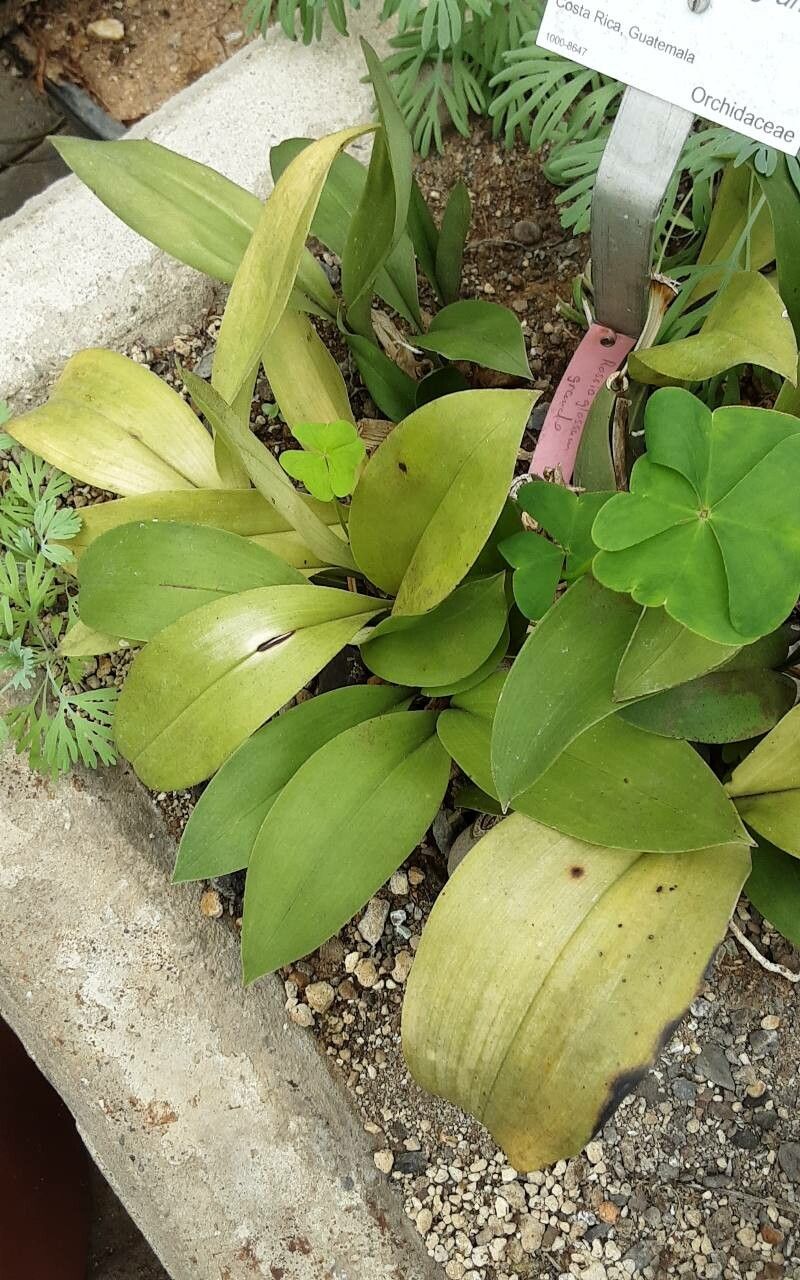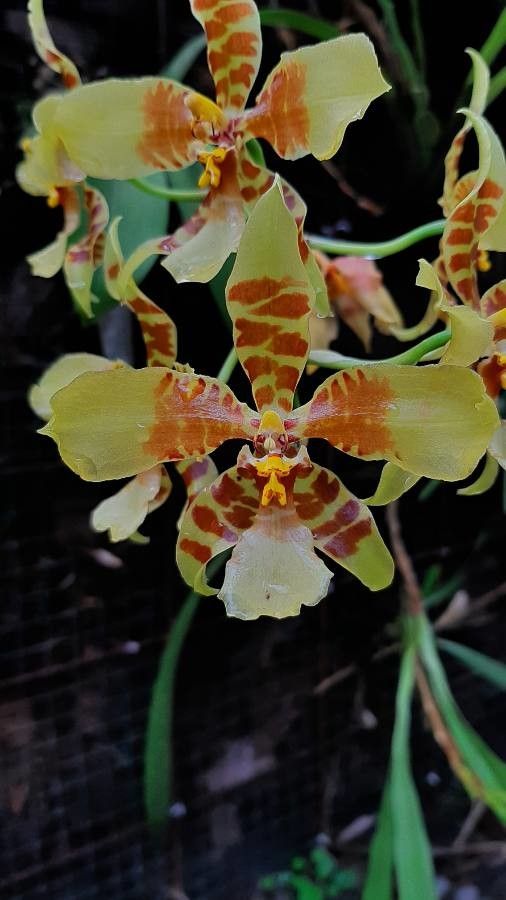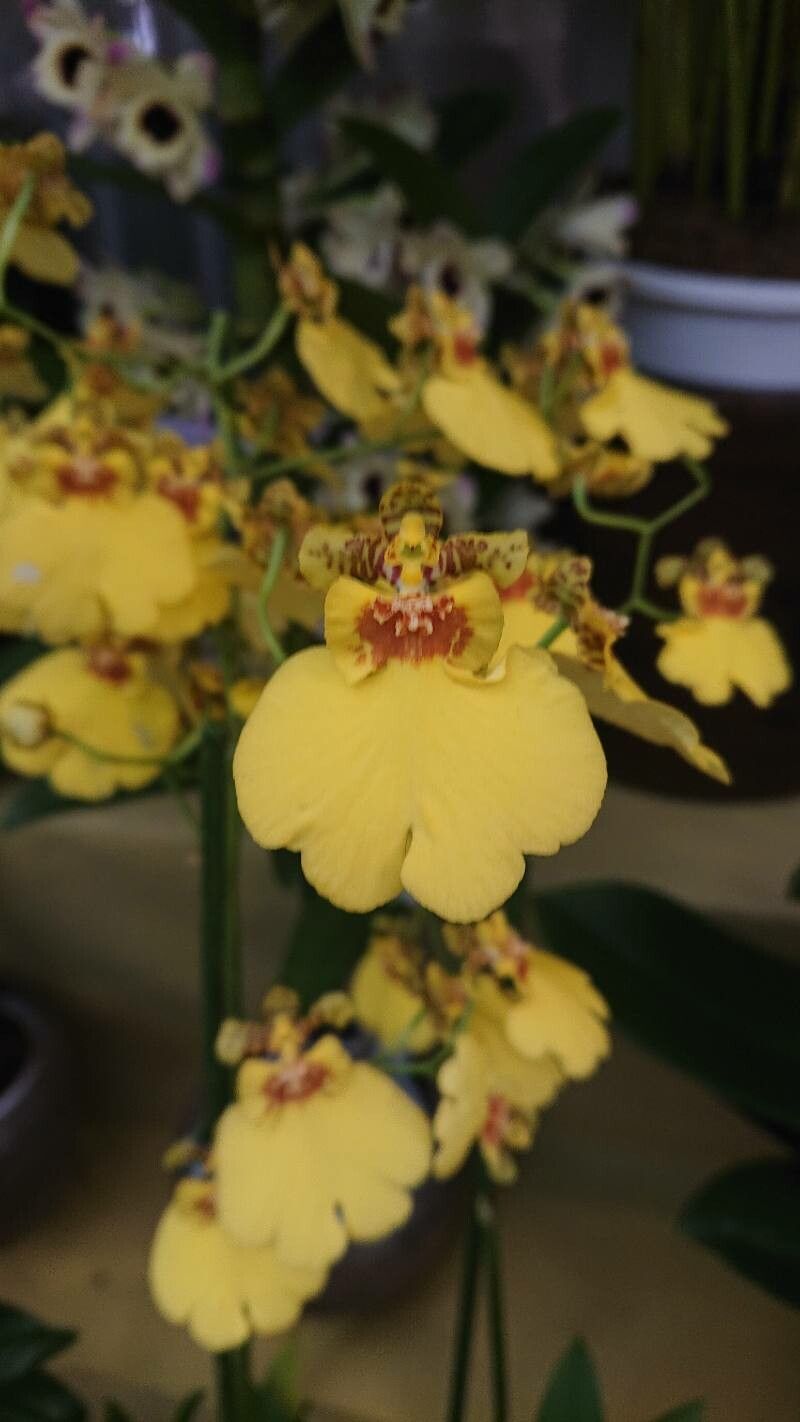
The turtle shell orchid typically has strong resistance to disease and is attacked by relatively few insect pests. Its care is considered difficult because it requires a very humid yet well-ventilated environment with few harmful pathogens. Overwatering can cause root rot. Although anyone can grow the turtle shell orchid, keeping it healthy and inducing it to bloom again requires more cultivation experience.
How to keep Rossioglossum Ampliatum.
Light
The turtle shell orchid usually prefers a setting with medium sunlight exposure, yet it can also flourish in considerably shady locations. Although it can survive in less lit regions, insufficient light can impede its optimal growth. Its native habitats are generally shadowy with indirect light, supporting its light requirements.
Water
The turtle shell orchid flourishes in high humidity, similar to that of tropical rainforests. To encourage lush growth, it should be watered twice a week. As an evergreen plant, it retains water well throughout the year, making it well-suited for indoor cultivation. Just be sure to maintain consistent humidity levels for optimal growth.
Temperature
The Turtle shell orchid originates from temperate climates and needs a temperature scope of 68 to 100.4 °F (20 to 38 ℃). During colder seasons, it's crucial to supply heat. During the height of summer, provide shade and aeration to control the temperature.
Fertilizer
The health and appearance of the Turtle shell orchid greatly depend on appropriate fertilization. During summer, fertilize the Turtle shell orchid monthly to promote overall well-being. The nutrients help support growth and sustain plant parts. By fertilizing the Turtle shell orchid, you enrich its flower display, guaranteeing optimal blooms.
Pruning
The orchid, known for its turtle shell-like blooms, requires careful pruning from late winter to early spring. To minimize the risk of disease, always use sterilized tools when removing dead foliage and roots. Proper pruning promotes healthier growth and flowering, prevents overcrowding, and ensures good air circulation.
Pot & Repot
When transplanting the Turtle shell orchid, opt for a marginally bigger container that offers excellent drainage, ideally a transparent orchid pot. Implement a well-draining, orchid-centered blend containing either bark or moss. Carefully cleanse the roots and cut off any that are diseased or decaying. Usually following bloom, typically in spring or autumn, move it to its new pot, douse it completely, and position in a location that gets bright, but diffused light. Steer clear of bothering the roots post-transplantation.
Botanical profile.
- Plant Type
- Herb
- Life Cycle
- Perennial
- Genus
- Rossioglossum
- Family
- Orchidaceae
- Hardiness Zone
- 9-11
- Mature Height
- 10 cm
- Mature Spread
- 8 cm
- Leaf Color
- Dark Green
- Leaf Type
- Evergreen
- Flower Color
- Yellow, Brown
- Flower Size
- 2.03 cm to 2.54 cm
- Bloom Time
- All year round
- Planting Time
- Spring
- Harvest Time
- Late spring, Summer, Fall, Winter, Early spring, Mid spring
- Native Area
- Colombia, Honduras, Guatemala, Venezuela, Peru, El Salvador, Nicaragua, Ecuador, Costa Rica, Panama