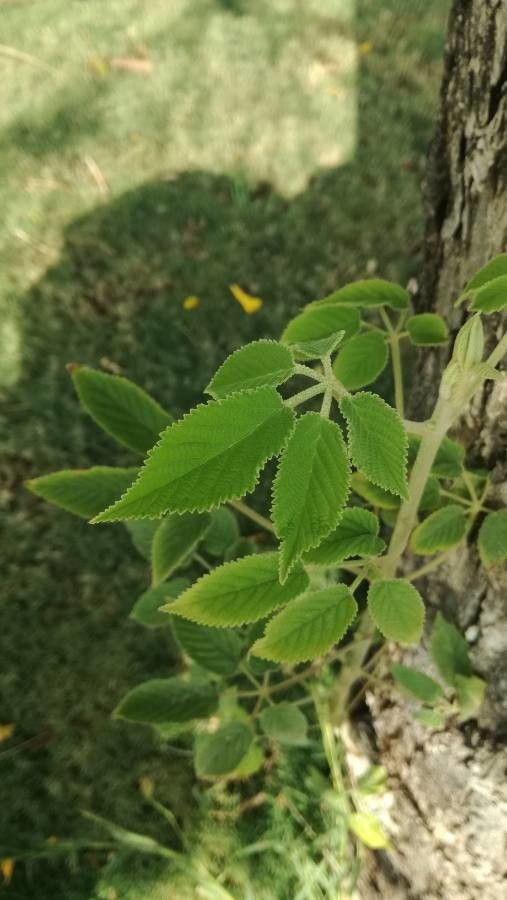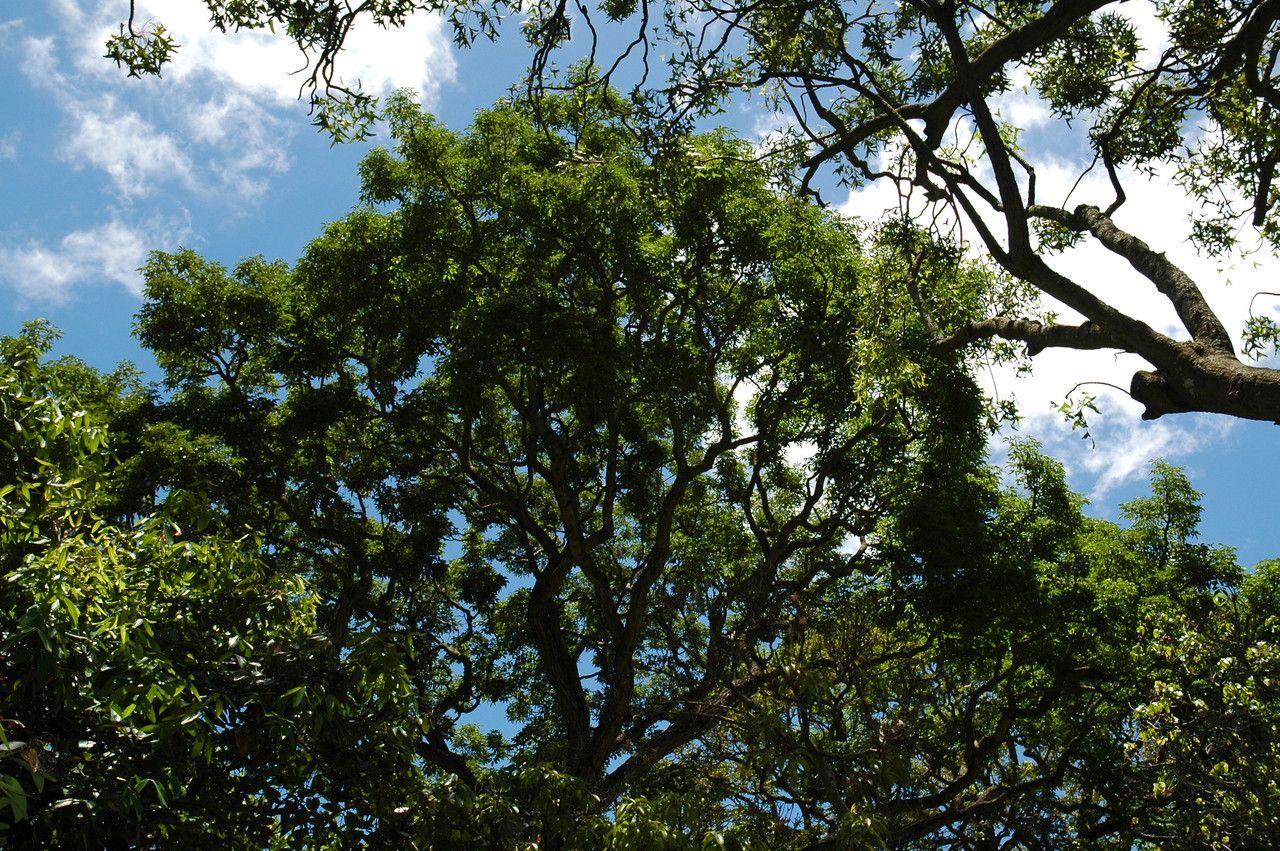
Roseodendron donnell-smithii is a rare and beautiful plant species in the Ericaceae family. It is native to the cloud forests of Central America, specifically Costa Rica and Panama. Also known as "Donnell Smith's rose tree" or "pink trumpet tree," this plant is celebrated for its stunning pink, trumpet-shaped flowers that bloom in clusters during the spring.
The Roseodendron donnell-smithii can grow up to 10 meters tall, with a trunk diameter reaching up to 30 centimeters. Its leaves are evergreen, glossy, and leathery, with an elliptical shape that can grow up to 20 centimeters in length.
This species prefers moist soil with good drainage and partial shade. It thrives in high-altitude areas where temperatures are cooler than those at lower elevations.
Due to habitat loss caused by deforestation for agricultural purposes, Roseodendron donnell-smithii has been listed as an endangered species. Botanic gardens around the world are making concerted conservation efforts through seed banking programs and propagation techniques with the aim of future reintroduction into its natural habitat.
In summary, Roseodendron donnell-smithii is a breathtakingly beautiful yet rare plant species that requires dedicated conservation efforts to ensure its survival in nature.
The Gold tree is resistant to disease and is typically not susceptible to illnesses. As for care, this plant is fairly low-maintenance. When grown outdoors it needs little watering, and larger specimens usually do not require pruning. Smaller plants, however, should be pruned after they finish blooming. The Gold tree is appropriate for anyone with an outdoor area, such as a garden or deck, and does not demand extensive gardening experience.
How to keep Roseodendron Donnell Smithii.
Light
Gold tree comes from open habitats, like sunlit meadows and forest margins, which provide plentiful light. It thrives in Full Sun but can also tolerate Partial Sun, adapting well to a range of sunlight conditions.
Temperature
The gold tree comes from tropical areas, where the climate is generally warm and humid. Consequently, it is well adapted to high temperatures and humidity. It does not tolerate sudden temperature shifts and prefers a steady thermal environment, so avoiding indoor temperature fluctuations is important. It typically cannot withstand cold conditions and needs warmer temperatures to grow. If the surrounding temperature falls too low, the plant may stop growing or even die.
Fertilizer
The best time to fertilize a Gold tree is in early spring as it breaks dormancy. This encourages overall growth and flower development. Fertilization improves the foliage, stems, and branches, and promotes flowers that are large, vibrant, and long-lasting. It helps move nutrients from the roots to the flowers and boosts the plant’s health and resistance to disease.
Botanical profile.
- Plant Type
- Tree
- Life Cycle
- Perennial
- Genus
- Roseodendron
- Family
- Bignoniaceae
- Hardiness Zone
- 10-12
- Mature Height
- 20.12 m to 29.87 m
- Mature Spread
- 10.06 m to 14.94 m
- Leaf Color
- Green, Dark Green
- Leaf Type
- Deciduous
- Flower Color
- Yellow
- Flower Size
- 6.35 cm to 10.16 cm
- Bloom Time
- Mid spring, Late spring, Early summer
- Planting Time
- Spring, Autumn
- Harvest Time
- Mid summer, Late summer, Early fall
- Native Area
- Colombia, Honduras, Mexico, Guatemala, Venezuela, El Salvador