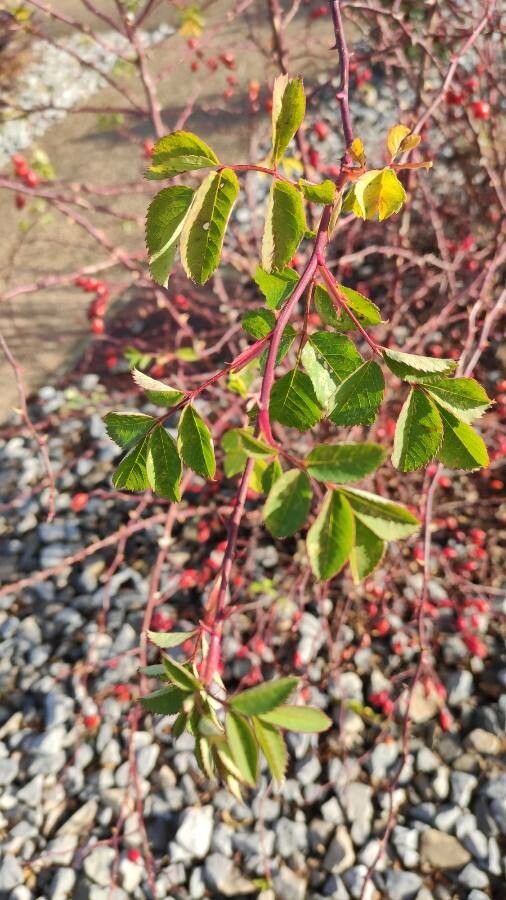
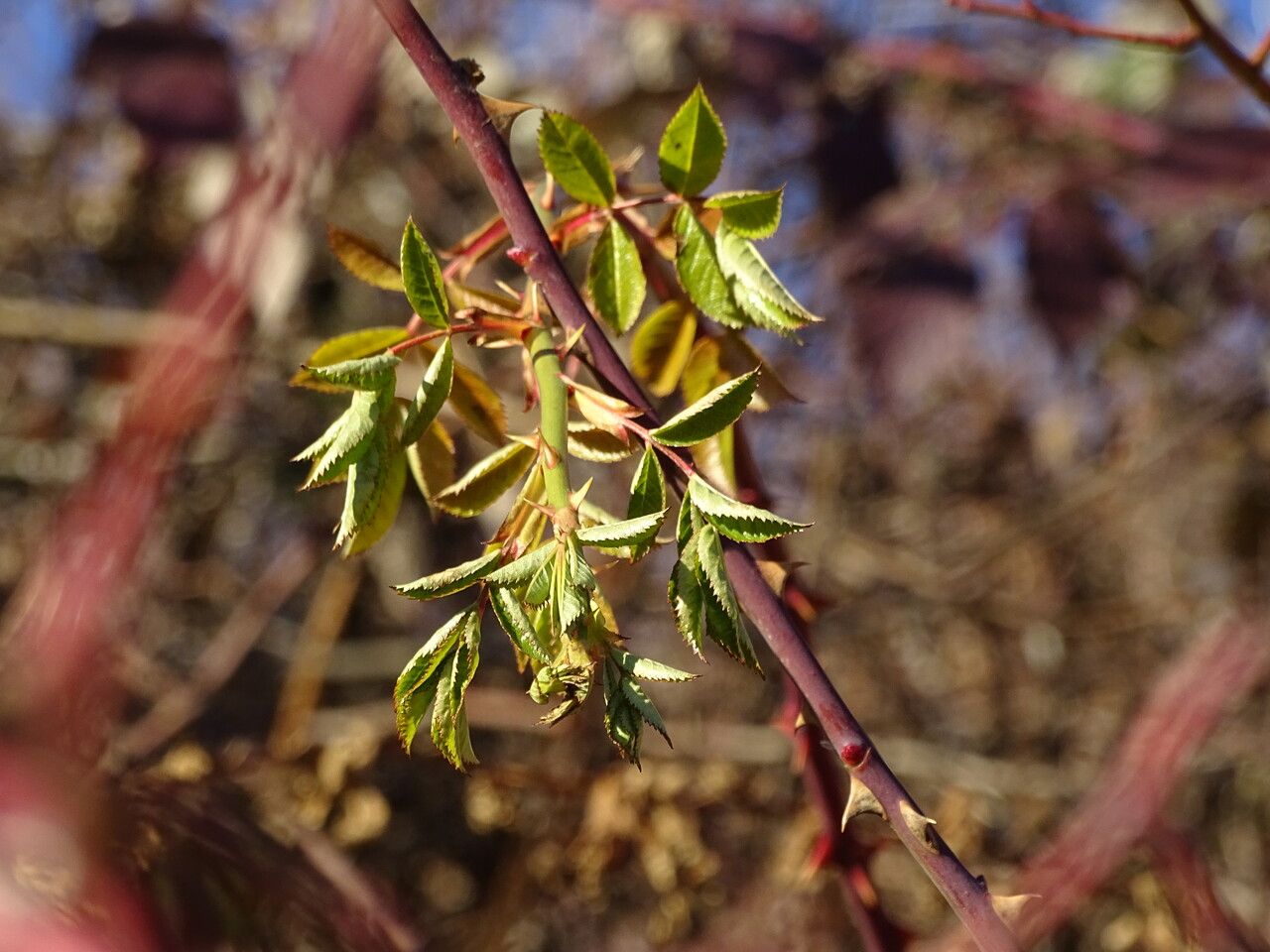
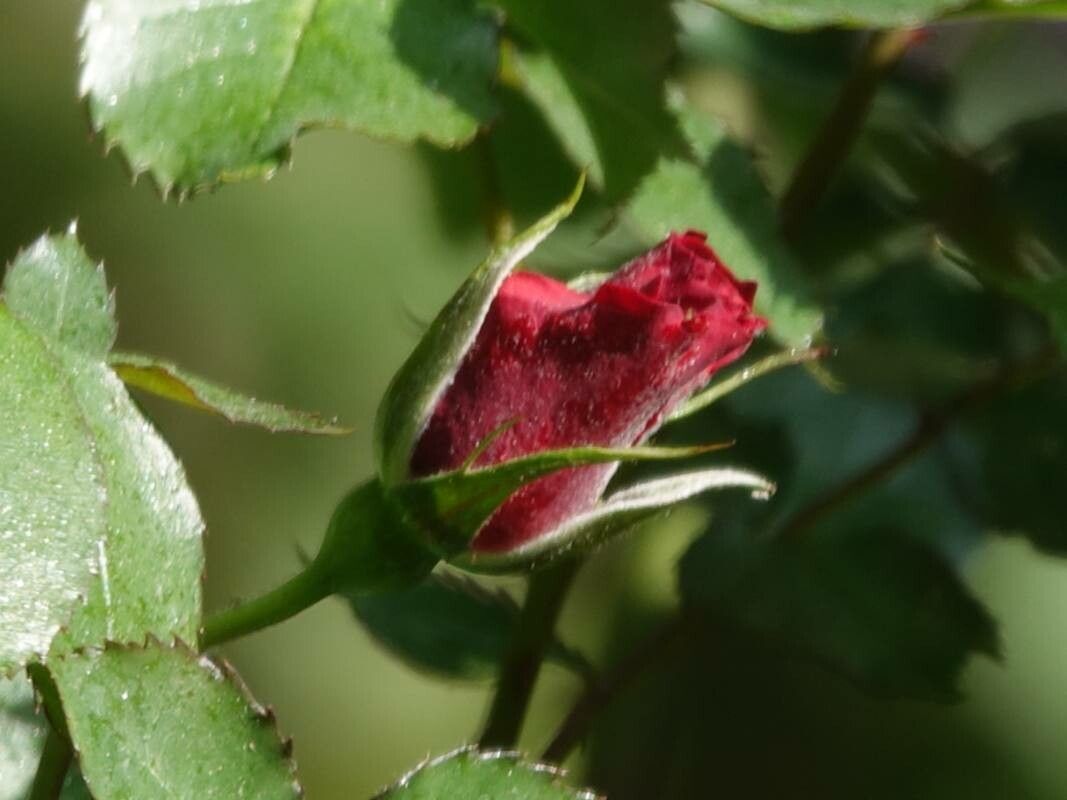
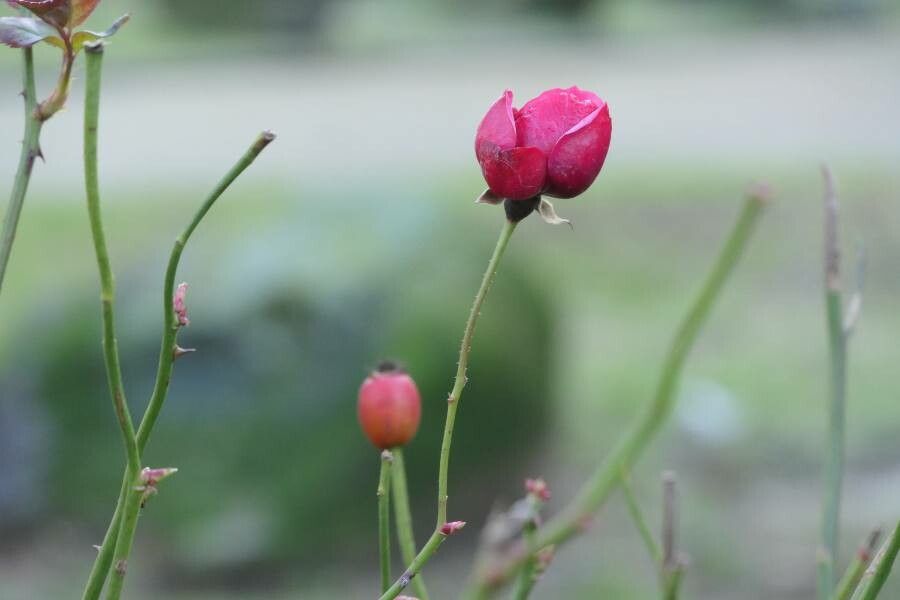
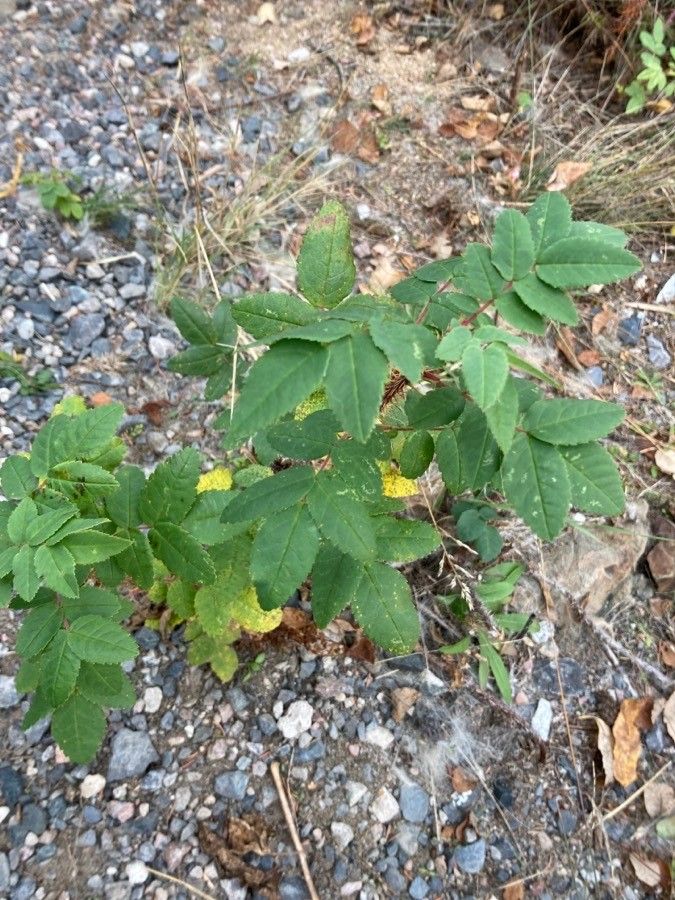
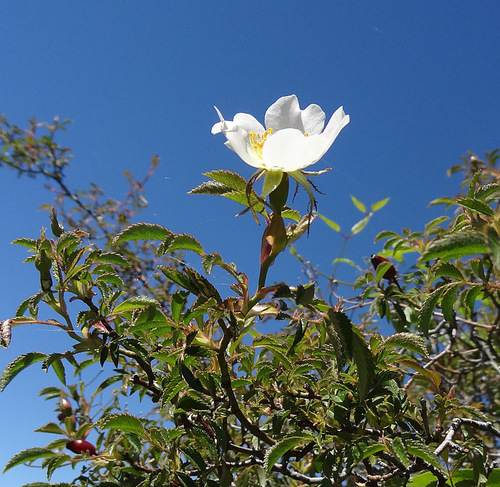
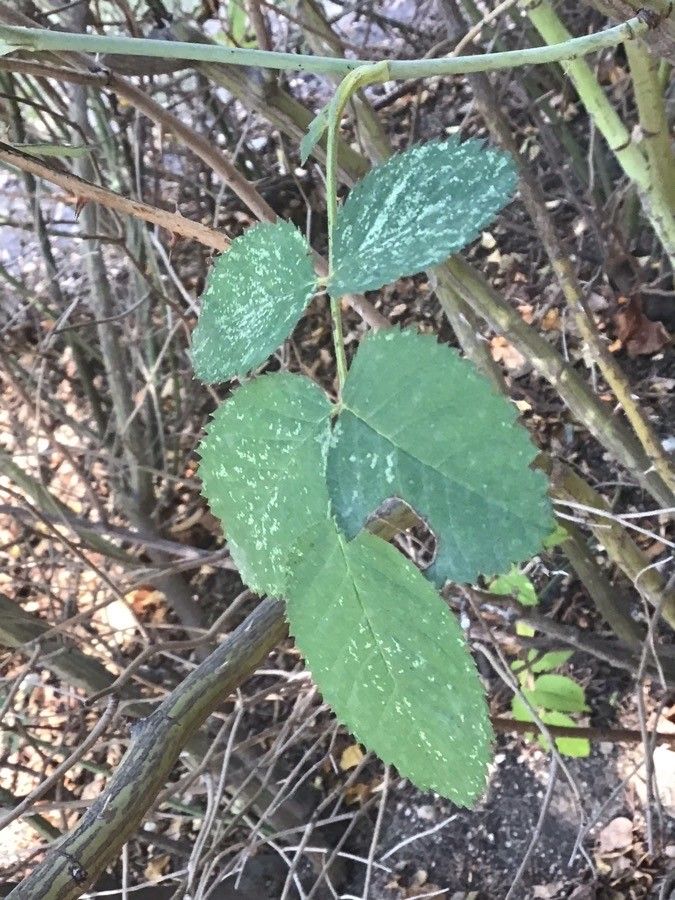
Rosa vosagiaca, commonly known as the Vosges rose, is a deciduous shrub belonging to the Rosaceae family. Native to the Vosges Mountains in France, this plant can grow up to 2 meters in height. It features thorny stems and dark green, pinnate leaves composed of 5-7 leaflets.
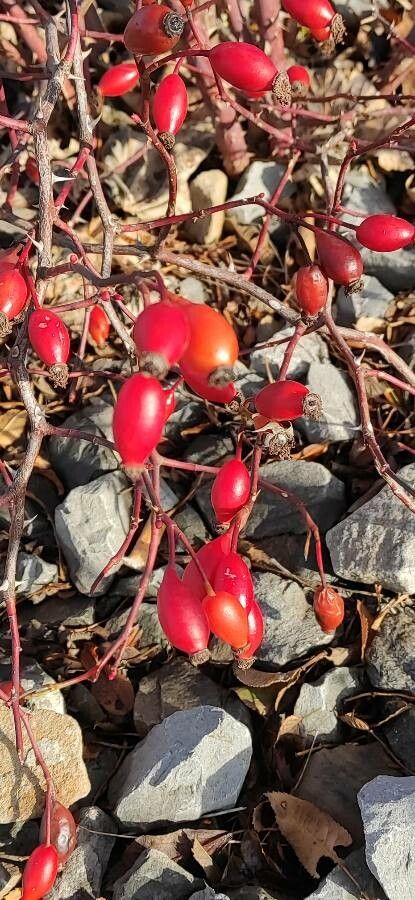
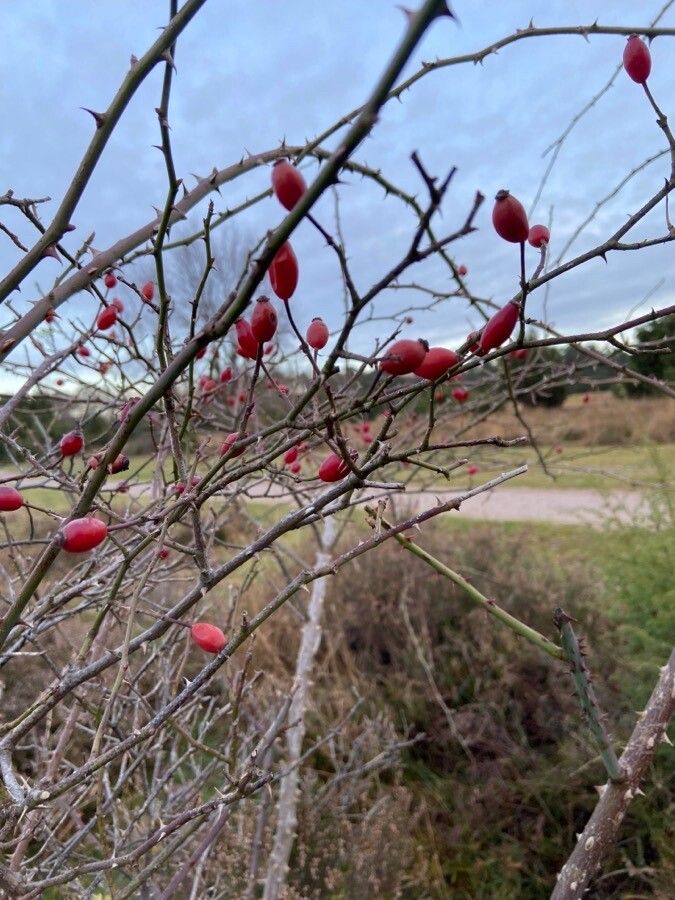
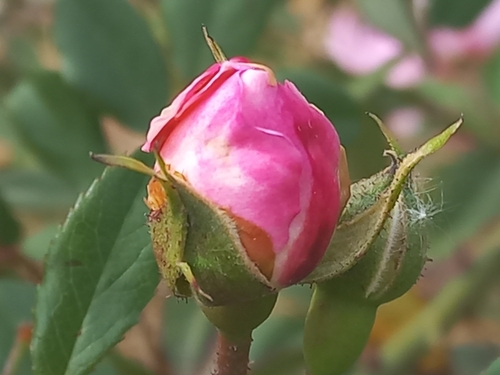
The flowers of Rosa vosagiaca, which are pink or white and about 5 cm in diameter, bloom in late spring or early summer, exuding a sweet fragrance. After flowering, the plant produces small red hips that contain seeds.
Often cultivated as an ornamental plant for its attractive flowers and foliage, Rosa vosagiaca thrives in well-drained soil and full sun but can also tolerate partial shade.
Historically, indigenous people have used Rosa vosagiaca for its medicinal properties, particularly its anti-inflammatory effects, which are beneficial for treating skin conditions such as eczema, psoriasis, and acne.
In summary, Rosa vosagiaca is a versatile shrub with beautiful flowers, suitable for both ornamental gardening and medicinal uses.
The glaucous dog rose has low resistance to disease and is highly susceptible to various leaf spots. It is also prone to different insect pests, and when infestations are severe most of its leaves may drop. Its care requirements are considered difficult: it needs regular watering, fertilizing before flowering, and pruning after flowering and in winter. Preventive spraying may be needed, or it may require treatment if it becomes diseased. The glaucous dog rose suits people who can devote some time and effort to plant care, but keeping it healthy and vigorous may call for additional growing experience and energy.
How to keep Rosa Vosagiaca.
Light
The glaucous dog rose requires plentiful sunlight to grow at its best. It does well in abundant sun and can cope even when no shade is available. Ample light supports a healthy life cycle, while altered light conditions may slow its growth or reduce its flowering.
Temperature
Glaucous dog rose is native to temperate regions and does well in temperatures ranging from 32 to 95 °F (0 to 35 ℃). In colder months, keep it above freezing to maintain growth.
Fertilizer
The Glaucous dog rose needs adequate nutrients to achieve optimal fruit production. Fertilize in early spring to encourage new growth and flower development. Regular feeding keeps the plant healthy, helps it produce more delicious fruit, and prevents nutrient deficiency problems such as yellowing leaves and poor fruit production.
Botanical profile.
- Plant Type
- Shrub
- Life Cycle
- Perennial
- Genus
- Rosa
- Family
- Rosaceae
- Hardiness Zone
- 3-9
- Mature Height
- 0.91 m to 2.13 m
- Mature Spread
- 1.52 m
- Leaf Color
- Dark Green
- Leaf Type
- Deciduous
- Flower Color
- Pink
- Flower Size
- 4.06 cm to 5.08 cm
- Bloom Time
- Late spring, Early summer
- Planting Time
- Autumn, Winter, Spring
- Harvest Time
- Late summer, Early fall, Mid fall
- Native Area
- Sweden, Austria, Slovakia, Montenegro, Slovenia, Morocco, Croatia, Belarus, Germany, Iceland, Estonia, Romania, Latvia, Moldova, Portugal, Netherlands, France, Tunisia, Czech Republic, Bulgaria, Poland, Greece, Ukraine, Serbia, Lithuania, Norway, Italy, Spain, Switzerland, Denmark, Finland, Albania, Algeria, Hungary
Other names.