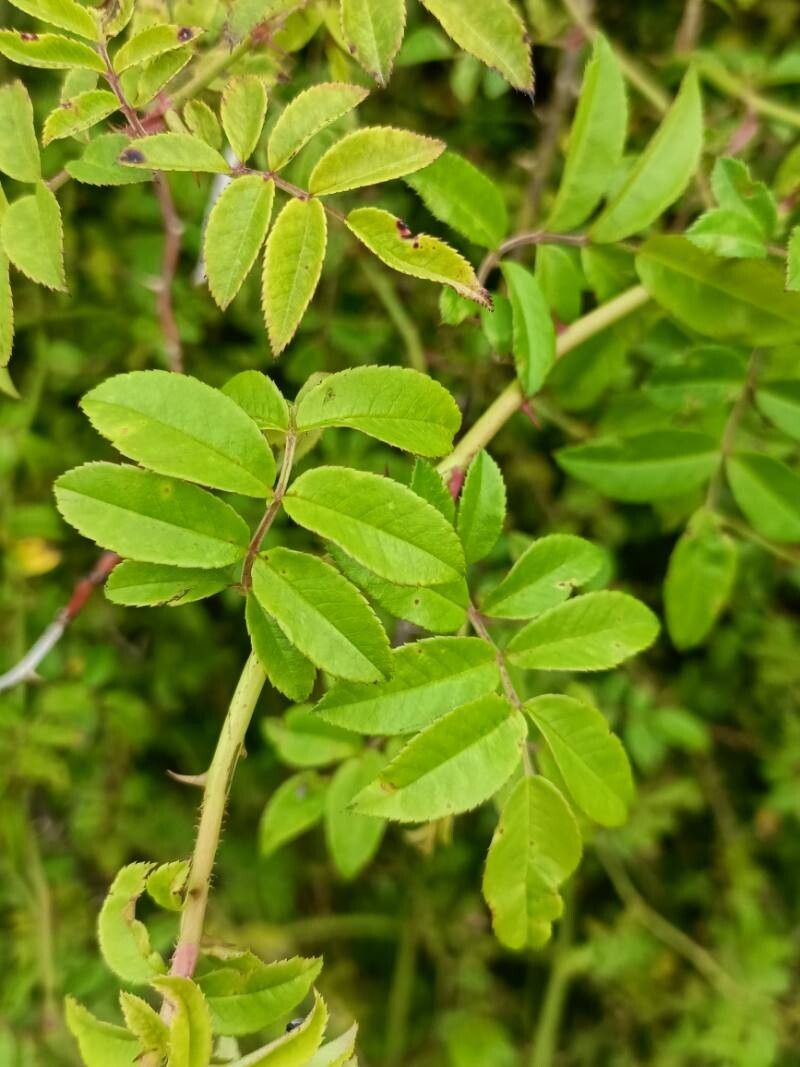
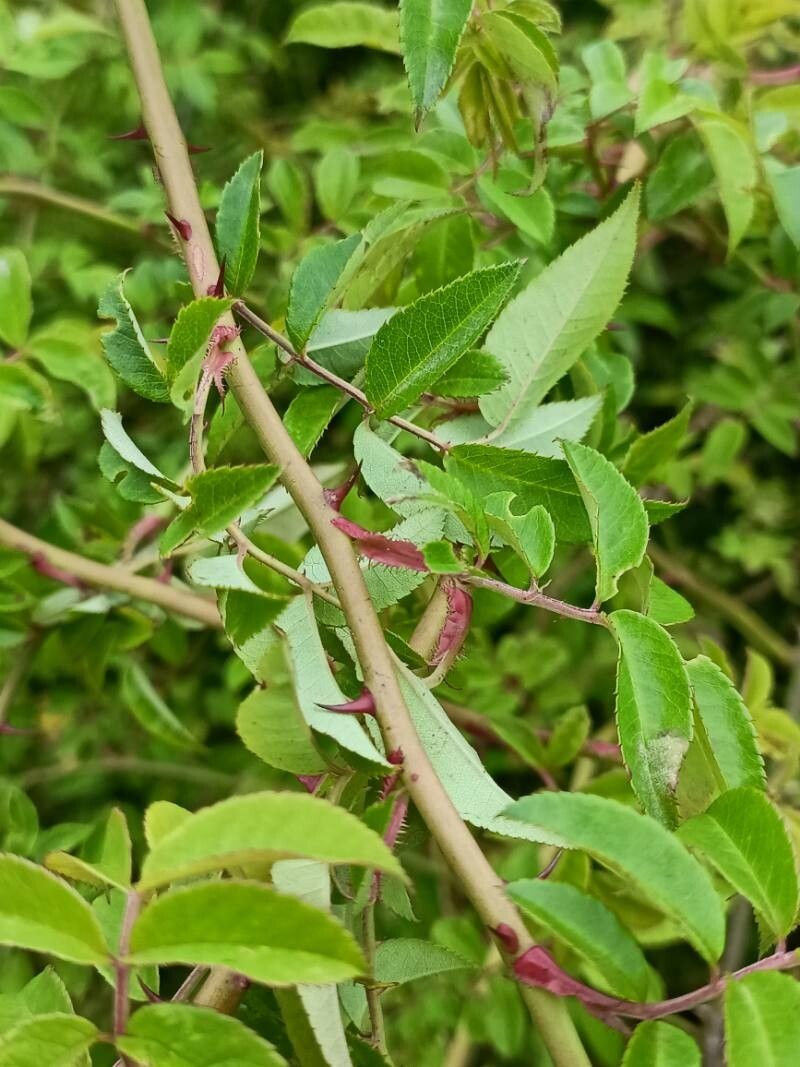
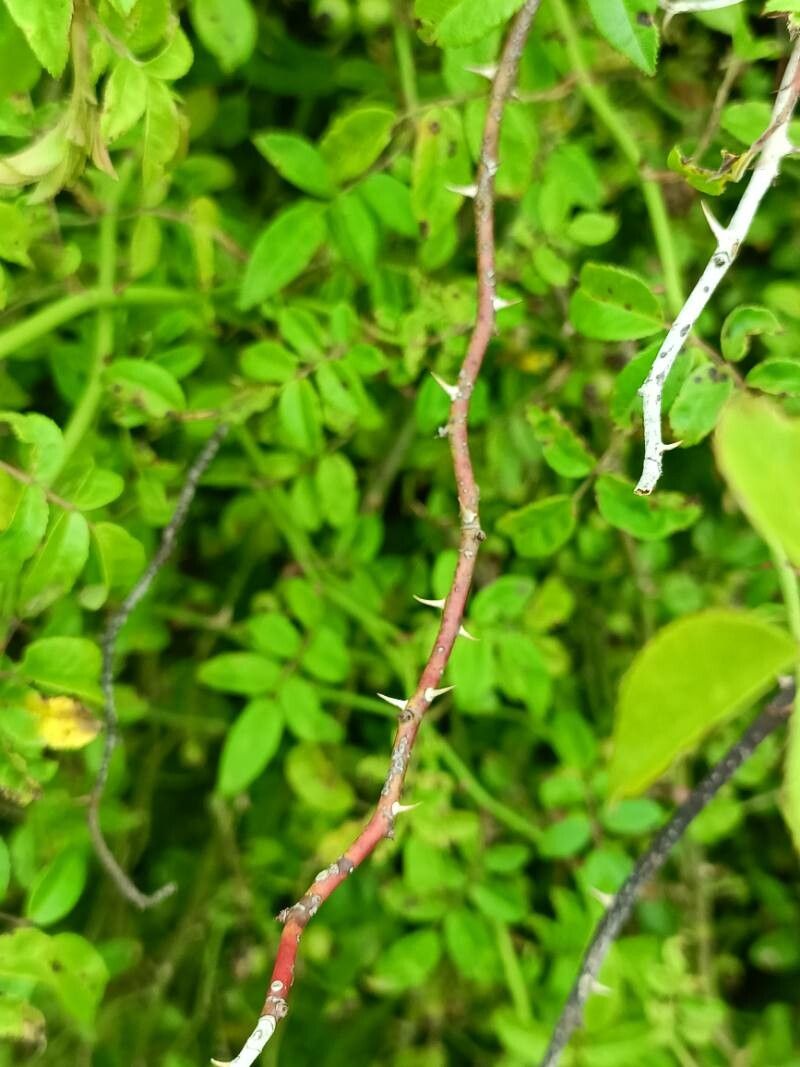
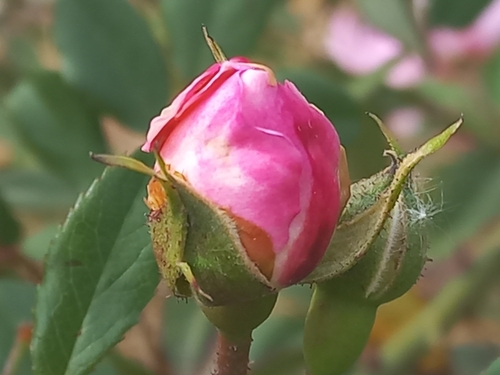
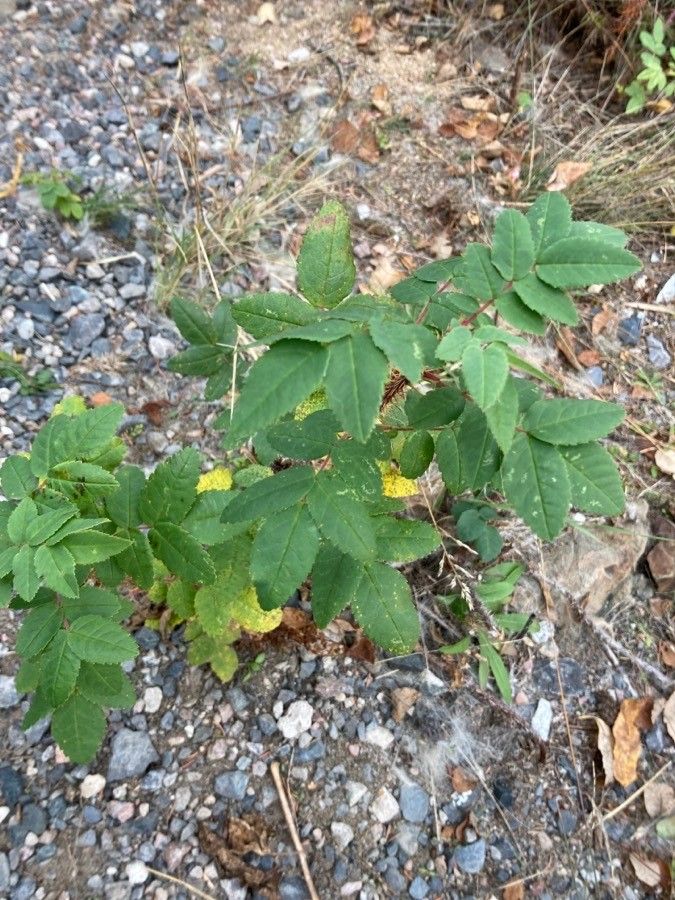
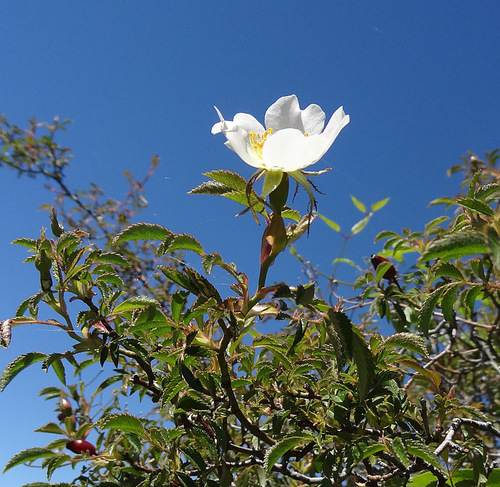
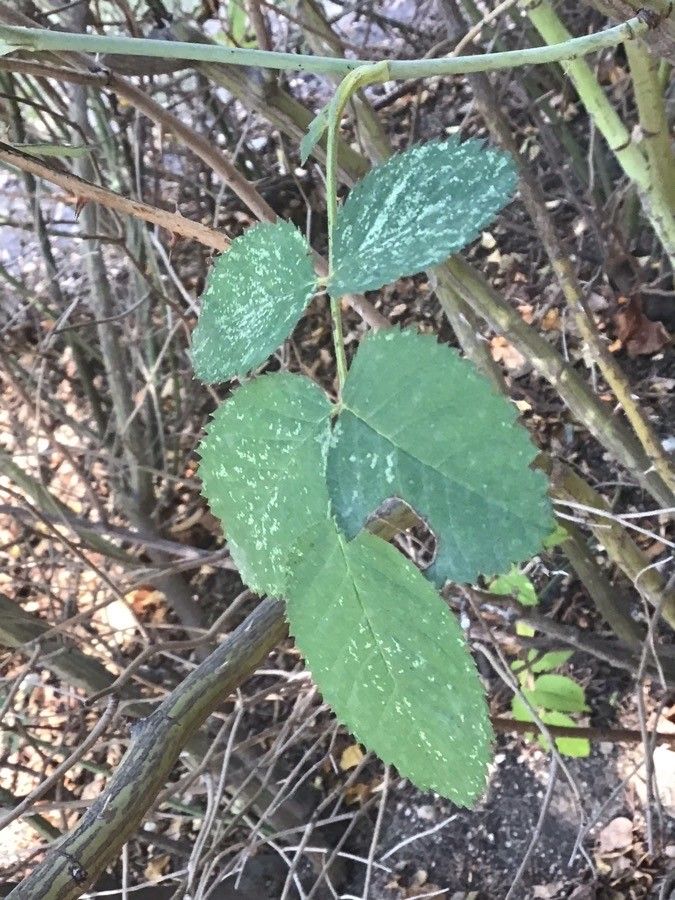
Glandular rose has weak resistance to disease and is highly susceptible to various leaf spot problems. It is also vulnerable to different insect pests, and when infections are severe most of its leaves will fall. Its care is considered difficult: it needs regular watering, fertilizing before flowering, and pruning after flowering and in winter. Preventive spraying may be necessary, or treatment may be needed if the plant develops a disease. Glandular rose is suitable for people who can devote some time and energy to plant care, but keeping it healthy and thriving may require greater growing experience and effort.
How to keep Rosa Transmorrisonensis.
Light
Glandular rose comes from open habitats, such as sunny meadows and forest edges, which provide abundant light. It does best in Full Sun but can also tolerate Partial Sun, adapting well to a range of sunlight conditions.
Water
The glandular rose thrives in humid environments and requires consistently moist, well-hydrated soil, although it should not be waterlogged. While it can tolerate occasional dry spells, it flourishes when watered twice a week, particularly when grown outdoors. As an evergreen plant, the glandular rose needs sufficient moisture to maintain its lush foliage and support its flowering cycle.
Temperature
The glandular rose is highly adaptable to a range of climate conditions, whether facing scorching summers or chilly winters. However, it has an optimal temperature range for healthy growth. When temperatures become excessively high, the plant is susceptible to heat and humidity stress, which can lead to its death. In areas where temperatures approach the lower limit of its cold tolerance, it is important to apply insulation measures to protect the plant.
Fertilizer
The timing of fertilizing the Glandular rose is important. Apply fertilizer in early spring and continue monthly until early summer. Fertilizer promotes attractive blooms and supplies energy during both dormant and active growth phases.
Pruning
The glandular rose, known for its thorny branches and fragrant flowers, benefits from pruning in early spring. Start by removing one-third of the oldest stems down to ground level. Eliminate any dead or crossing branches to improve airflow. After the rose has flowered, prune it lightly to maintain its shape. These steps encourage healthy blooms and vigorous growth.
Botanical profile.
- Plant Type
- Shrub
- Life Cycle
- Perennial
- Genus
- Rosa
- Family
- Rosaceae
- Hardiness Zone
- 6-9
- Mature Height
- 0.91 m to 2.13 m
- Mature Spread
- 0.91 m to 1.52 m
- Leaf Color
- Green
- Leaf Type
- Deciduous
- Flower Color
- Pink, White
- Flower Size
- 1.78 cm to 2.54 cm
- Bloom Time
- Early summer, Mid summer
- Planting Time
- Spring, Summer
- Harvest Time
- Late summer, Early fall, Mid fall
- Native Area
- Philippines, Vietnam, China