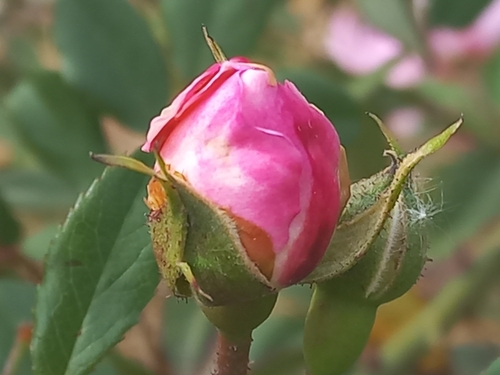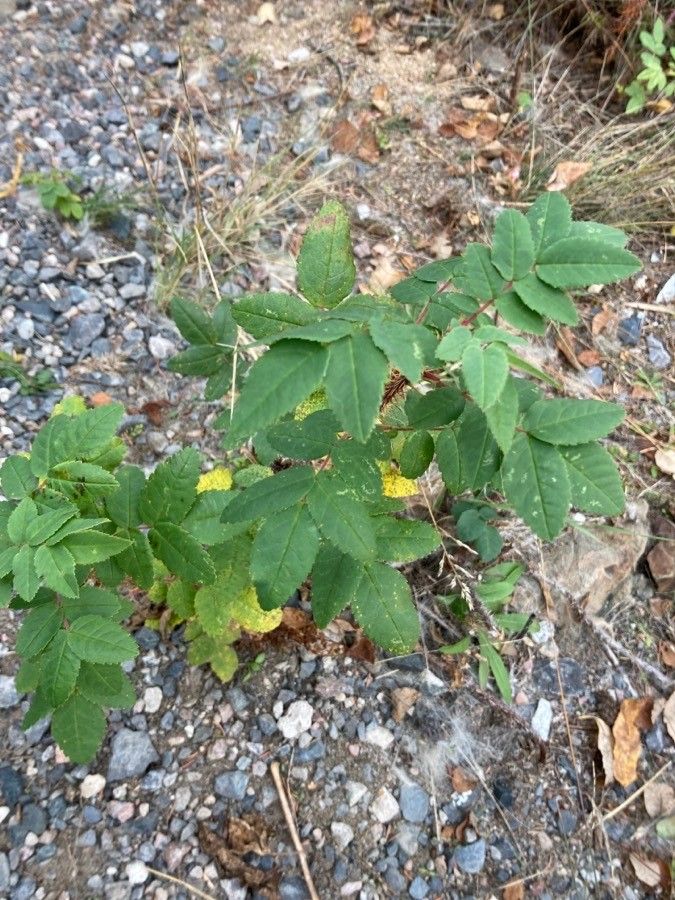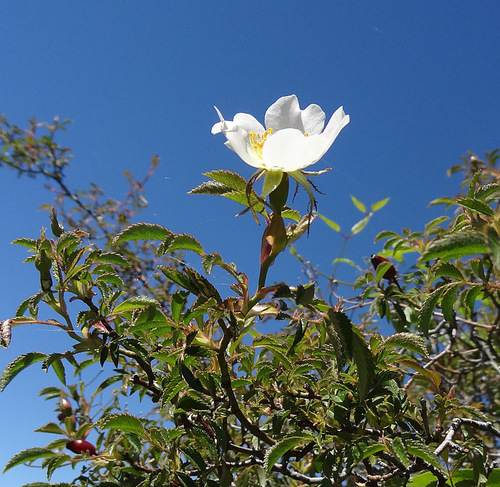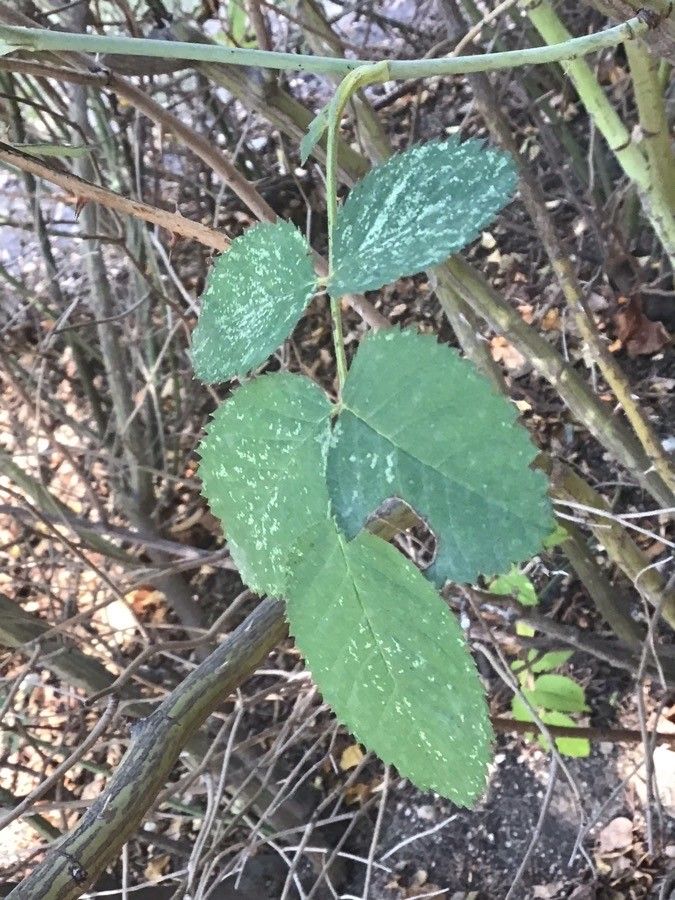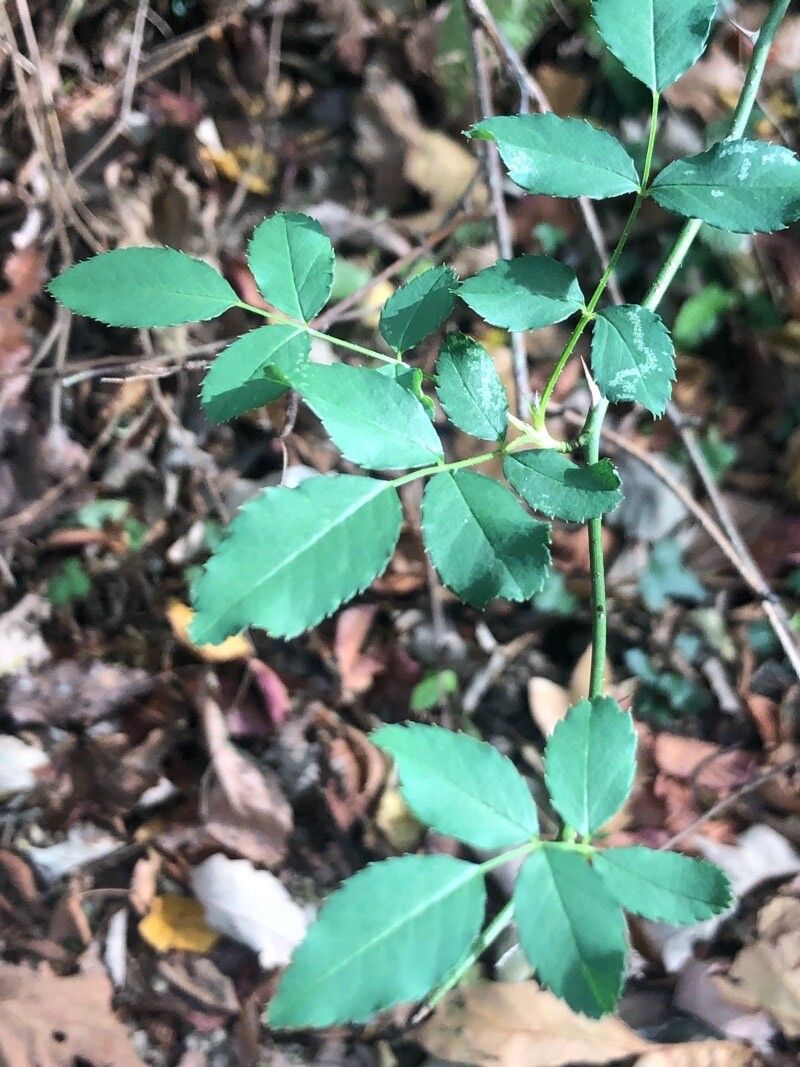
Rosa sertata has weak disease resistance and is highly prone to all types of leaf spots. It is also susceptible to a variety of insect pests, and when an infestation is severe, the majority of its leaves can drop. The plant is considered difficult to care for, since it needs consistent watering, fertilization before blooming, and pruning after flowering and during winter. Preventive spraying might be required, and treatment will be necessary if the plant develops a disease. Rosa sertata suits people who can dedicate some time and effort to plant care, but maintaining its health and vigor may demand greater gardening experience and more energy.
How to keep Rosa Sertata.
Light
Rosa sertata is native to open habitats like bright meadows and the boundaries of forests where there is plenty of light. It flourishes in complete Sunlight but is also capable of enduring Partial Sunlight, allowing it to adjust well to a range of lighting situations.
Water
Rosa sertata is native to temperate regions and thrives in environments with consistent moisture, while also having moderate drought tolerance. It prefers well-drained soil and should be watered twice a week. Notably resilient, Rosa sertata adapts to varying levels of rainfall during the growing season, supporting its bloom development.
Temperature
Rosa sertata showcases a remarkable ability to adapt to diverse weather conditions, encompassing both searing summers and freezing winters. However, there exists an ideal temperature spectrum for its development. The plant is susceptible to heat and humidity strain when the temperatures rise beyond excessively hot limits, leading potentially to its extinction. In areas where the temperatures come close to the lowest level of its cold endurance, it becomes necessary to employ insulation strategies to shield the plant.
Fertilizer
Fertilizing Rosa sertata is time-critical. It's important to apply fertilizer beginning in the early springtime, and persist on a monthly basis until the start of the summer season. The use of a fertilizer is instrumental in creating beautiful flowers and supplying necessary energy during both dormant and active phases of plant growth.
Pruning
Rosa sertata is known for its vibrant blooms and resilience. To maintain its health and appearance, prune the plant in early spring before new growth begins. Start by removing any dead or crossing branches, and thin the plant to improve airflow. Cut back about one-third of the plant to promote health and encourage flowering. This process reduces the risk of disease and helps ensure that the plant remains well-shaped and attractive.
Botanical profile.
- Plant Type
- Shrub
- Life Cycle
- Perennial
- Genus
- Rosa
- Family
- Rosaceae
- Hardiness Zone
- 4-9
- Mature Height
- 0.91 m to 2.13 m
- Mature Spread
- 0.91 m to 1.52 m
- Leaf Color
- Green, Dark Green
- Leaf Type
- Deciduous
- Flower Color
- Pink
- Flower Size
- 4.06 cm to 5.08 cm
- Bloom Time
- Mid spring, Late spring
- Planting Time
- Spring, Summer
- Harvest Time
- Late summer, Early fall, Mid fall
- Native Area
- China
Reader questions.
What are the sunlight requirements for Rosa sertata?
Rosa sertata thrives in varying degrees of sunlight, catering to different gardening spaces and preferences. For plants needing 'Full sun,' ensure they receive above 6 hours of sunlight daily to flourish. If your gardening area is suited more for 'Partial sun,' aiming for about 3-6 hours of sunlight will be ideal. It's important to observe the movement of sunlight through your garden meticulously, selecting locations that provide a harmonious balance of light and shade. This ensures the plants' optimal growth and happiness.
What is the botanical name of Rosa sertata?
The botanical name of Rosa sertata is 'Rosa sertata.' This nomenclature helps in identifying the plant precisely in scientific communities and nurseries.